Romania is a country in southeastern Europe, where the arc of the Carpathian Mountains meets the great river Danube and the shores of the Black Sea. Unusual among its Slavic and Hungarian neighbours, the Romanians speak a Latin-based language and trace their identity to the ancient Romans who conquered this land. A country of mountains, forests, and historic regions such as Transylvania, it carries a rich folklore, including the legends that inspired the figure of Dracula.
Romania's history runs from an ancient Latin root, through the storied medieval principalities, to a modern nation forged by union and scarred by dictatorship.
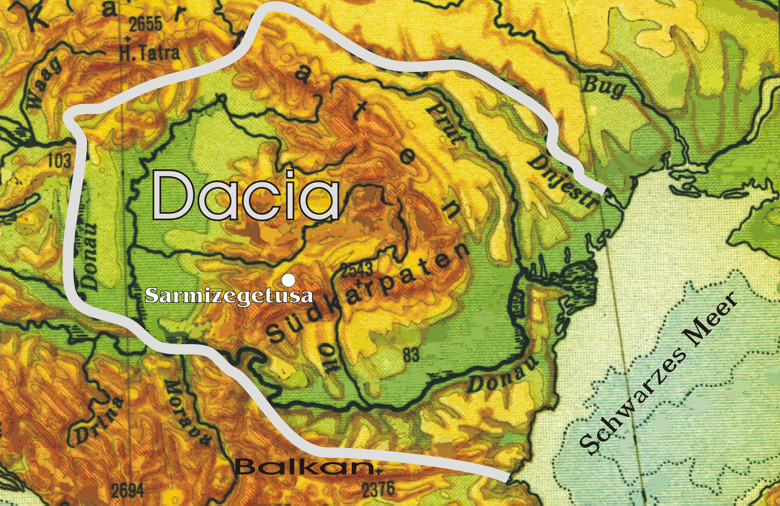
The land was home to the ancient Dacians, who built a rich kingdom that fiercely resisted Rome before the emperor Trajan conquered it in the early second century. Roman settlers and the Latin language then took root so deeply that they survived every later invasion, making the Romanians an island of Latin speech in a sea of Slavic and Hungarian neighbours, and giving the country its very name.
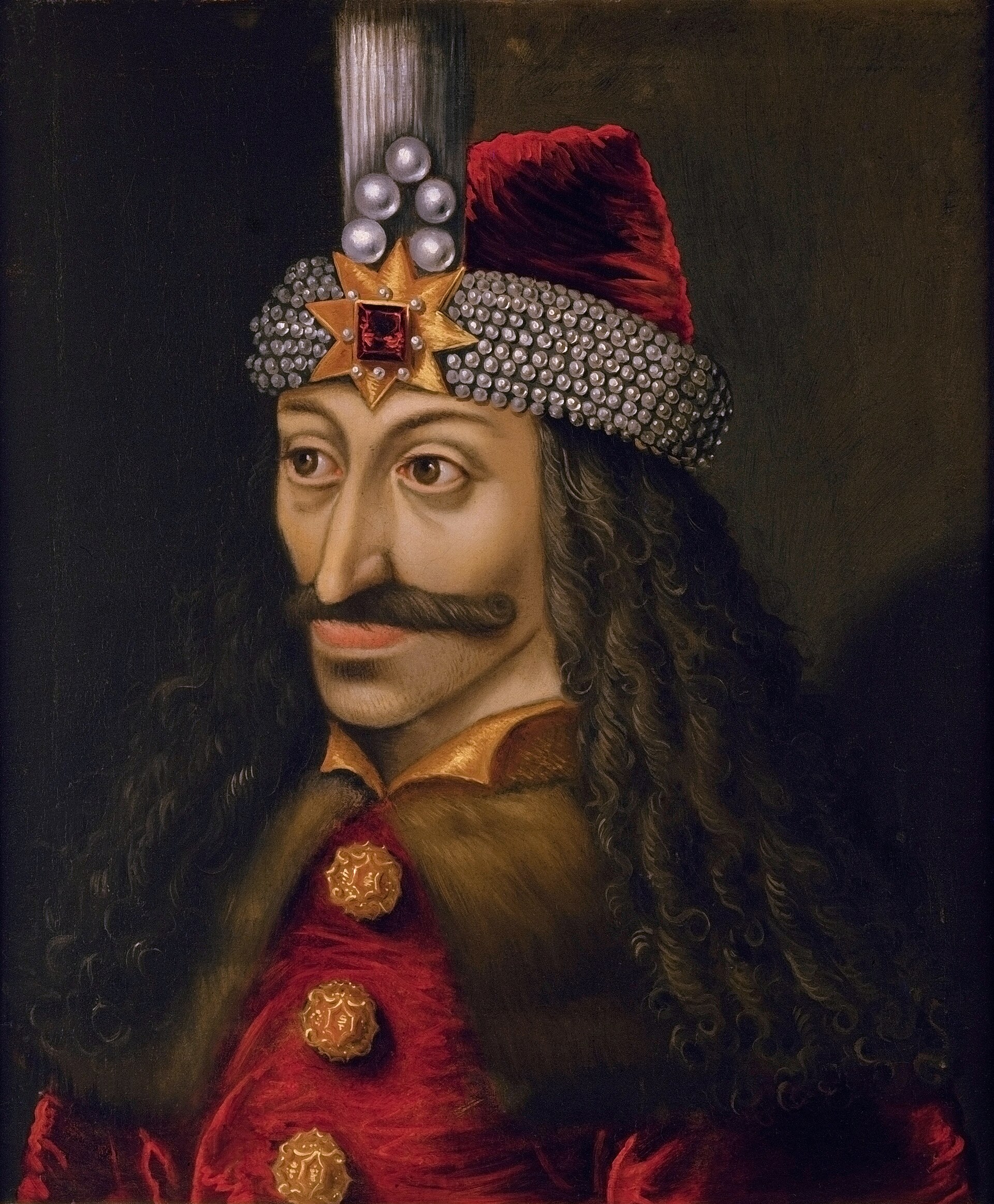
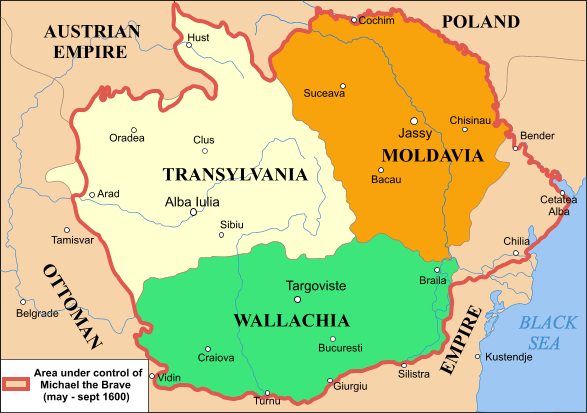
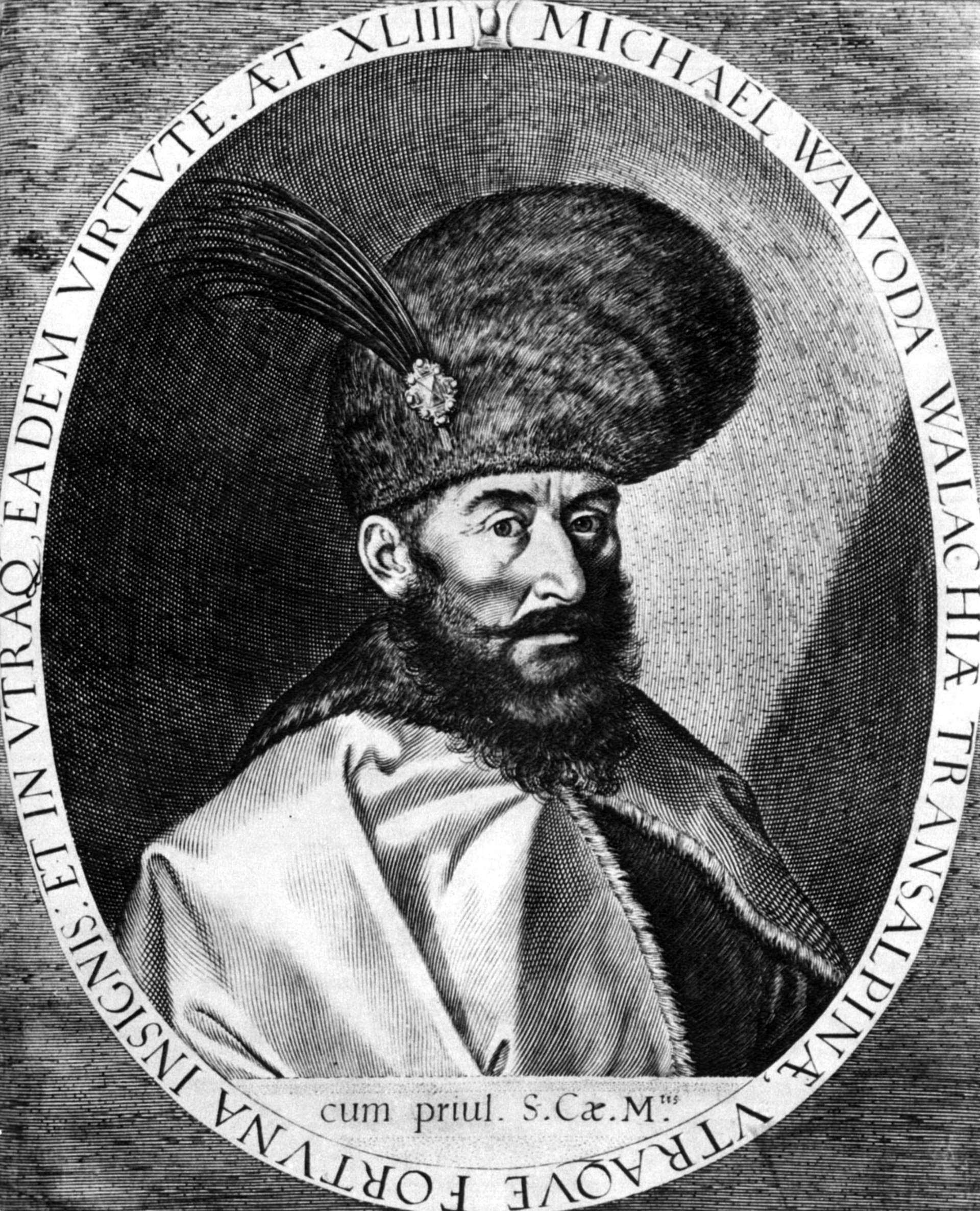
In the Middle Ages three Romanian lands emerged: Wallachia and Moldavia to the south and east, and Transylvania, long under Hungarian and Habsburg rule, to the west. Caught between the Ottoman, Habsburg, and Russian empires, their princes fought to survive, none more famous than the Wallachian ruler Vlad the Impaler, whose ferocity against the Turks and gruesome reputation later inspired the fictional Count Dracula. For a brief moment in 1600 the prince Michael the Brave united all three lands, a feat later cherished as a foreshadowing of the modern nation.
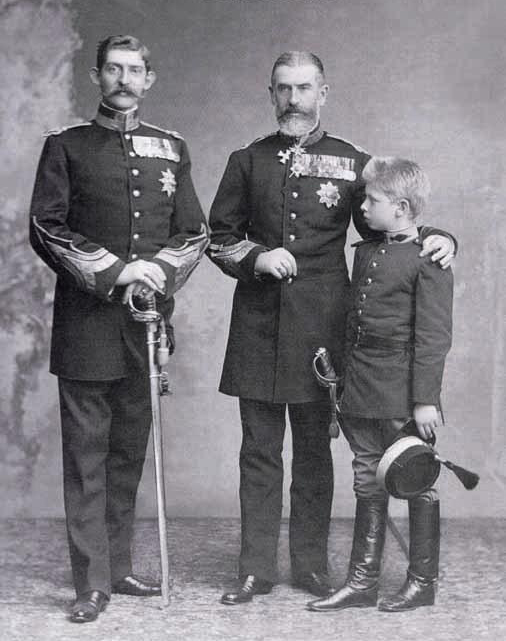
In 1859 Wallachia and Moldavia united, winning full independence in 1878 and becoming a kingdom under Carol the First. After the First World War Romania roughly doubled in size, gaining Transylvania and other lands to form Greater Romania. The Second World War and its aftermath then brought communism, and the increasingly brutal and bizarre dictatorship of Nicolae Ceausescu, whose regime collapsed in a violent revolution in 1989, the bloodiest of the anti-communist uprisings of that year.
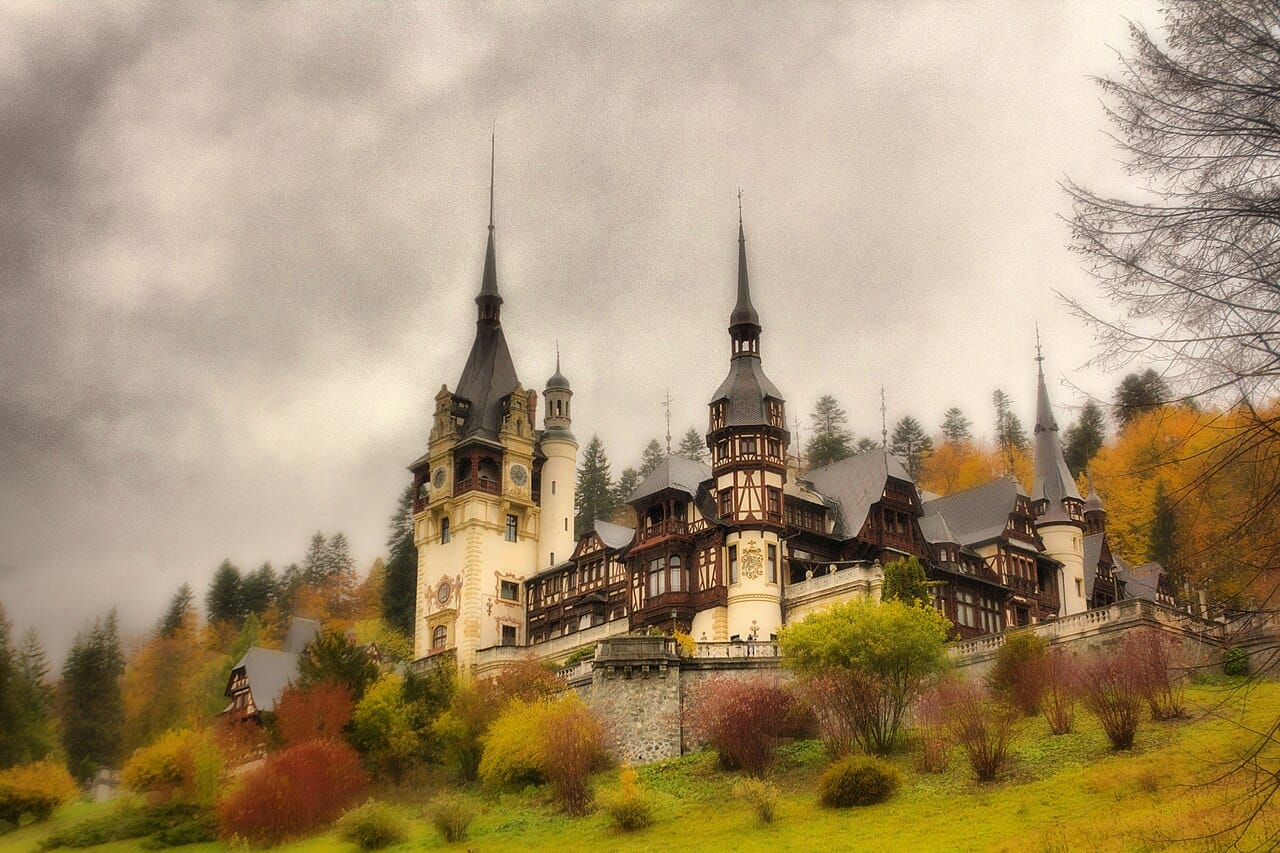
Romania's landscape is defined by the great curving range of the Carpathian Mountains, which sweep through the centre of the country, enclosing the historic plateau of Transylvania and cloaked in some of Europe's last great forests, home to large populations of bears and wolves. Beyond the mountains lie fertile plains, and to the south and east the Danube forms much of the border before spreading into a vast delta, one of Europe's greatest wetlands, where it meets the Black Sea.
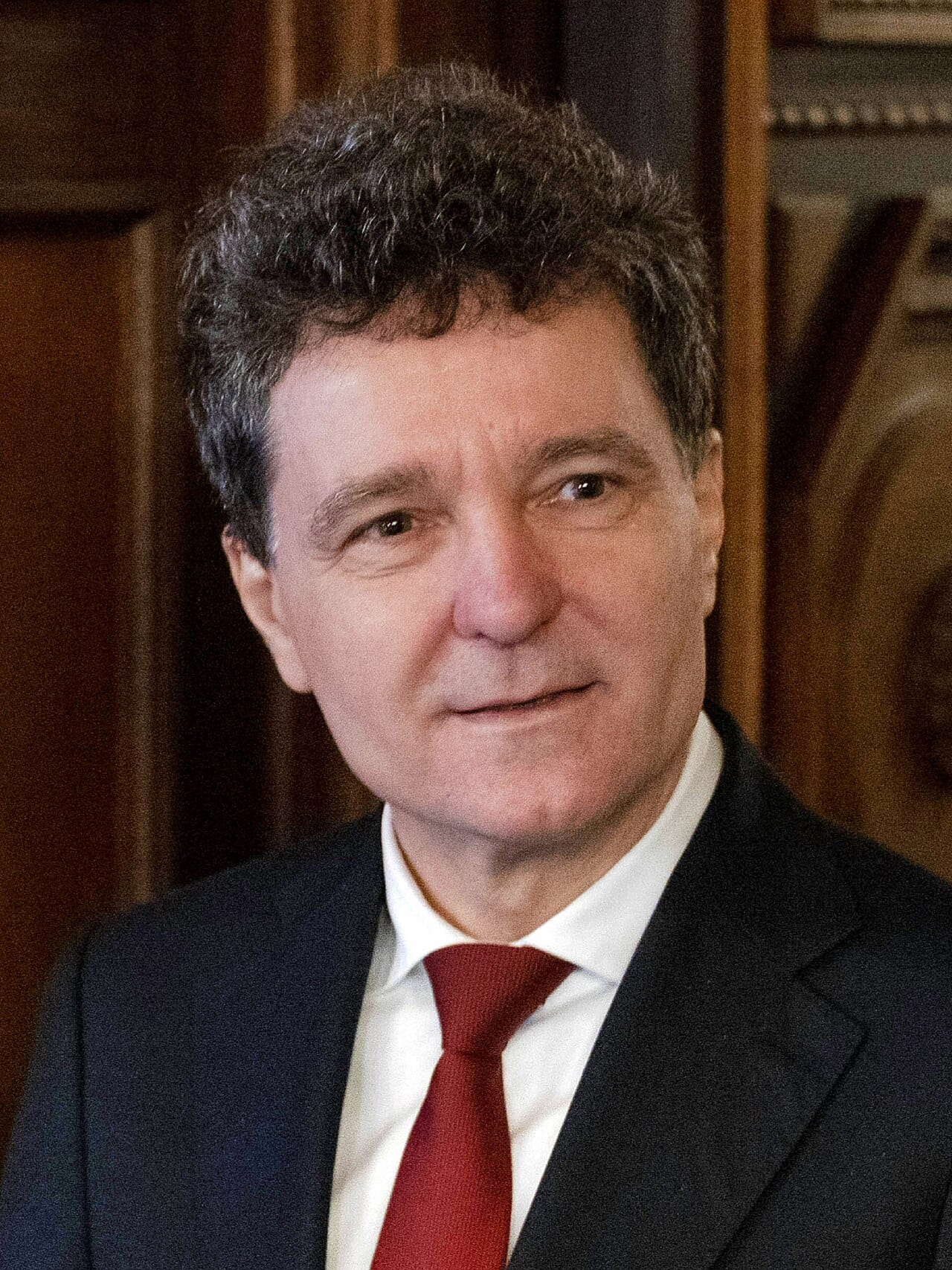
Romania is a semi-presidential republic and a member of the European Union and NATO. Its recent politics has been extraordinarily turbulent. In 2024 a little-known nationalist, riding a wave of social-media support amid evidence of foreign interference, unexpectedly led the first round of the presidential election, which the Constitutional Court then took the drastic and unprecedented step of annulling. In the re-run of 2025, Nicusor Dan, a mathematician and reformist former mayor of Bucharest running as a pro-European independent, defeated a hard-right nationalist to become president. The affair laid bare deep divisions and a fragile trust in institutions, even as it kept the country on its firmly Western, pro-European course.
Romania is one of the faster-growing economies in the European Union, though still among its less wealthy members. It has built a notably strong information-technology and software sector, drawing on a well-educated, multilingual workforce, alongside a large automotive industry, machinery, and a significant energy sector with oil and gas, including new reserves beneath the Black Sea. Its broad, fertile plains make it a major agricultural producer, especially of grain. Growth has been rapid, but the country still wrestles with corruption, regional inequality, and the emigration of millions of its people to wealthier parts of Europe.
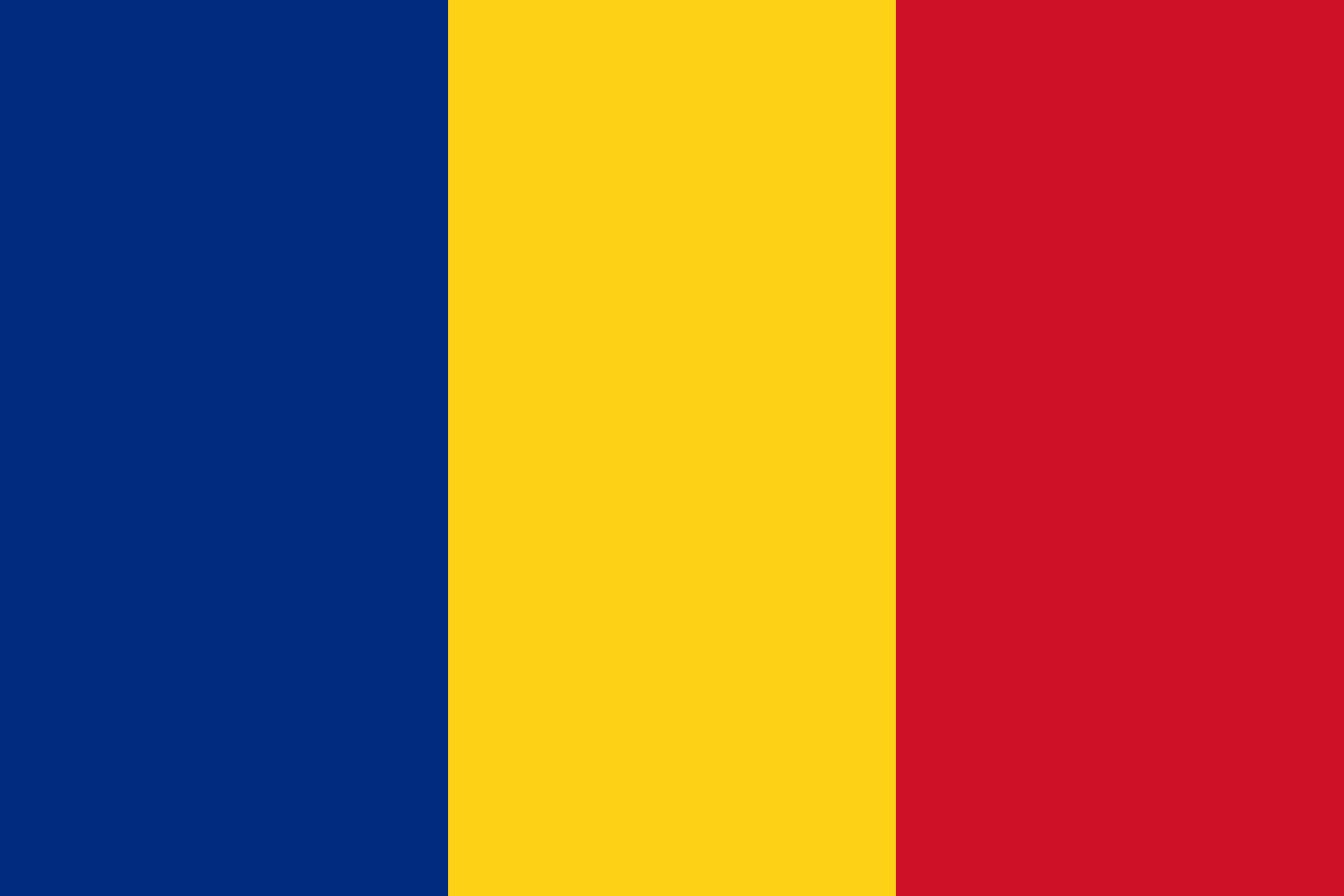
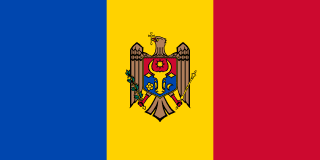
The flag of Romania has three vertical bands of blue, yellow, and red. These colours have long been associated with the Romanian lands and their historic principalities, and they were brought together as the national flag during the struggle for unity and independence in the nineteenth century. The bold vertical tricolour is closely related to the flags of other nations, and it stands as a familiar emblem of the Romanian people.
The great majority of Romanians belong to the Romanian Orthodox Church, an Eastern Orthodox faith that is deeply woven into national identity, culture, and the calendar, and which played a role in preserving a sense of nationhood through centuries of foreign domination. There are also Roman Catholic and Protestant minorities, particularly among the Hungarian community of Transylvania. Orthodox churches and monasteries, including the famous painted monasteries of the north, are treasures of the country's heritage.
Romanian cuisine is hearty and rustic, shaped by the seasons and the land. A national staple is mamaliga, a thick cornmeal porridge similar to polenta, served alongside many dishes. The beloved national dish is sarmale, parcels of minced meat and rice wrapped in cabbage or vine leaves, slow-cooked and often eaten at celebrations. Grilled minced-meat rolls called mici are a popular favourite, and pork features heavily, alongside rich soups and a strong tradition of winemaking.
Romania has a large agricultural sector, favoured by extensive fertile plains and a temperate climate. It is a significant European producer of cereals such as wheat and maize, as well as sunflowers, and it has a long winemaking tradition across its hills and valleys. A great deal of the countryside is still farmed in a traditional, small-scale way, giving rural Romania a landscape and way of life that have largely disappeared elsewhere in Europe.
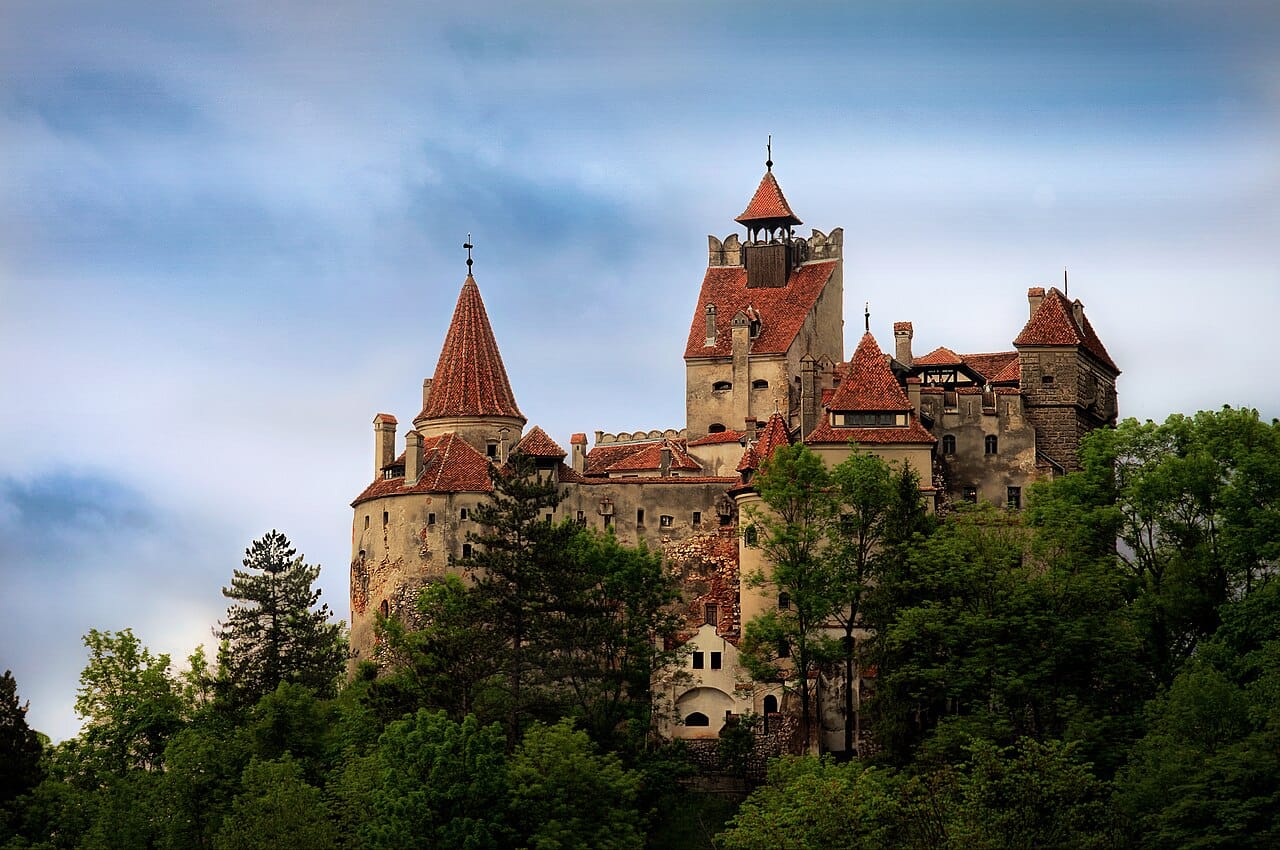
Romanian culture flows from the meeting of its Latin heritage with Balkan, Slavic, and other influences, expressed in a rich tradition of folk music, dance, and craft that survives strongly in the villages. Orthodox Christianity runs deep, adorning the land with painted monasteries and shaping the calendar of festivals. The country has given the world figures such as the sculptor Constantin Brancusi and the playwright Eugene Ionesco, and, in the popular imagination, the vampire lore of Transylvania, spun by a foreign novelist from local legend, has made Romania a byword for the gothic and mysterious. Beneath the fame of Dracula lies a genuine landscape of misted mountains, medieval towns, and old ways of life increasingly rare in Europe.
Romania's turbulent recent politics has thrown a hard light on the health of its young democracy. The country made huge strides after communism, joining the European Union and NATO and, for a time, waging a celebrated anti-corruption campaign. But deep frustrations, over corruption, poverty, and the emigration of millions, have fed a powerful nationalist and Eurosceptic backlash. When a pro-Russian outsider surged to the front of the 2024 presidential race on a tide of social-media support and suspected foreign meddling, the courts annulled the election, a step some hailed as a necessary defence of democracy and others condemned as an establishment overruling the voters. The re-run in 2025 kept Romania on its pro-Western path, but the episode exposed a country torn between its European commitments and a resentful, distrustful current at home, an unresolved tension it shares with much of the continent.
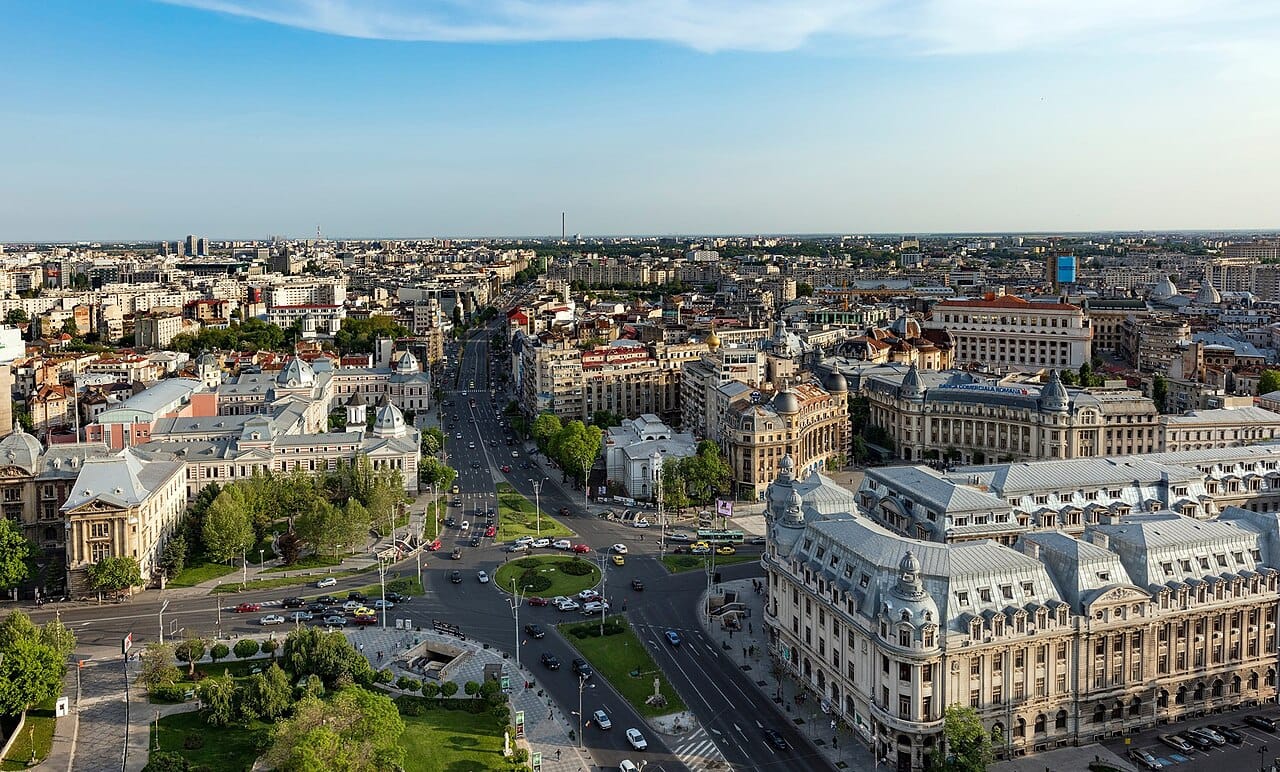
Romania has a population of around 19 million people, the great majority ethnic Romanians speaking their distinctive Latin-derived language, with a significant Hungarian minority in Transylvania and a Roma community among others. The population, like much of eastern Europe, has declined in recent decades, partly through emigration to wealthier parts of the European Union. Most Romanians live in cities and towns, above all the capital, Bucharest, while a large rural population maintains older village traditions.