Qatar is a small country occupying a peninsula that juts into the Persian Gulf from the Arabian mainland. Once a poor land of pearl divers and Bedouin, it has been utterly transformed by one of the largest reserves of natural gas in the world into one of the wealthiest nations on Earth. From its glittering capital, Doha, this tiny state has projected outsized influence through its wealth, its global news network, and its hosting of major international events, including a football World Cup.
Qatar's history is one of the most dramatic transformations anywhere: from an obscure, sparsely peopled desert peninsula living by pearls and fishing, to one of the richest nations on Earth within a single lifetime, all driven by the discovery of natural gas beneath its waters.
People have lived along the Qatari coast since the Stone Age, and traces survive of ancient trade, including a site where the prized purple dye of antiquity was produced. For most of recorded history, though, the harsh peninsula remained thinly populated and little noticed, a minor corner of the Gulf appearing only faintly on old maps of the region.
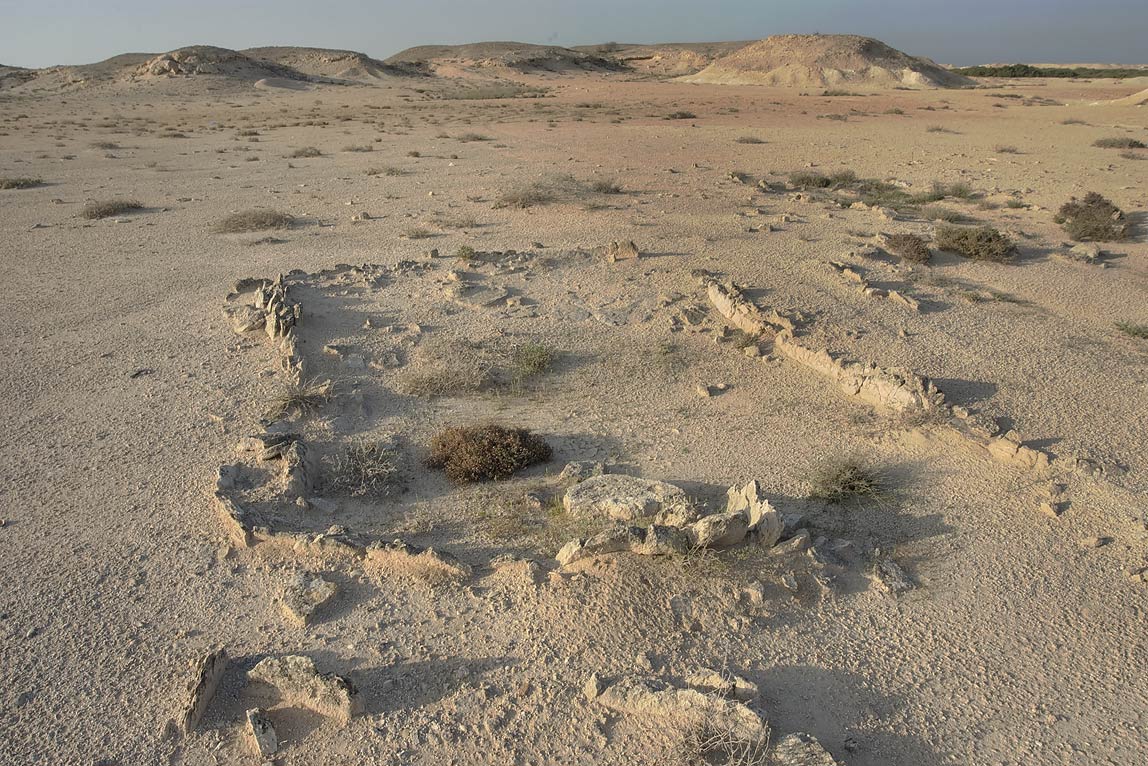
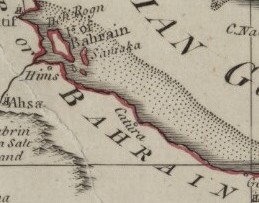
For generations the peninsula supported only nomadic Bedouin and coastal communities who lived by fishing and, above all, by diving for the pearls of the Gulf, then among the finest in the world. In the nineteenth century the Al Thani family rose to lead the area, a dynasty that still rules, guiding Qatar through Ottoman and then British protection.
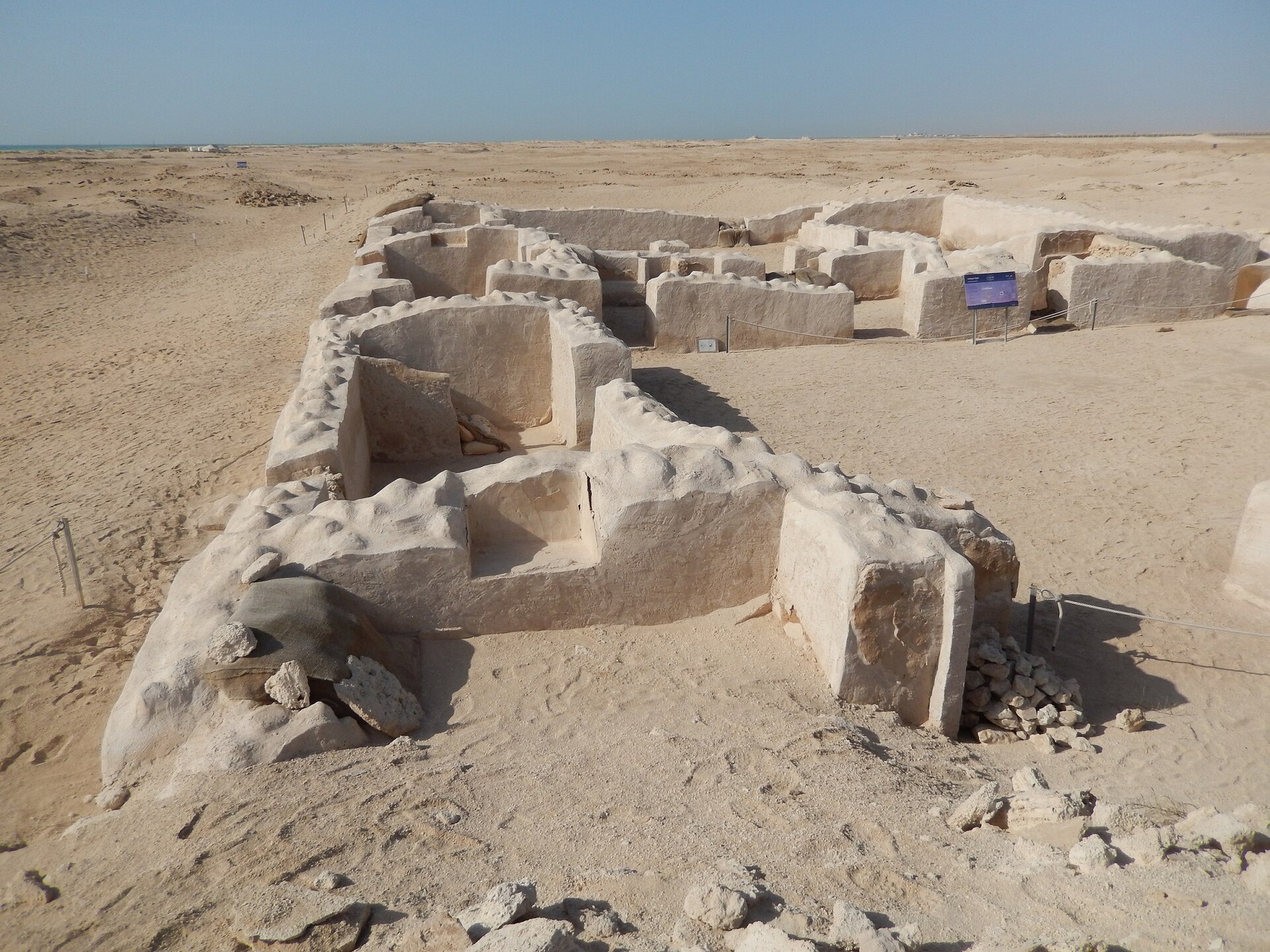
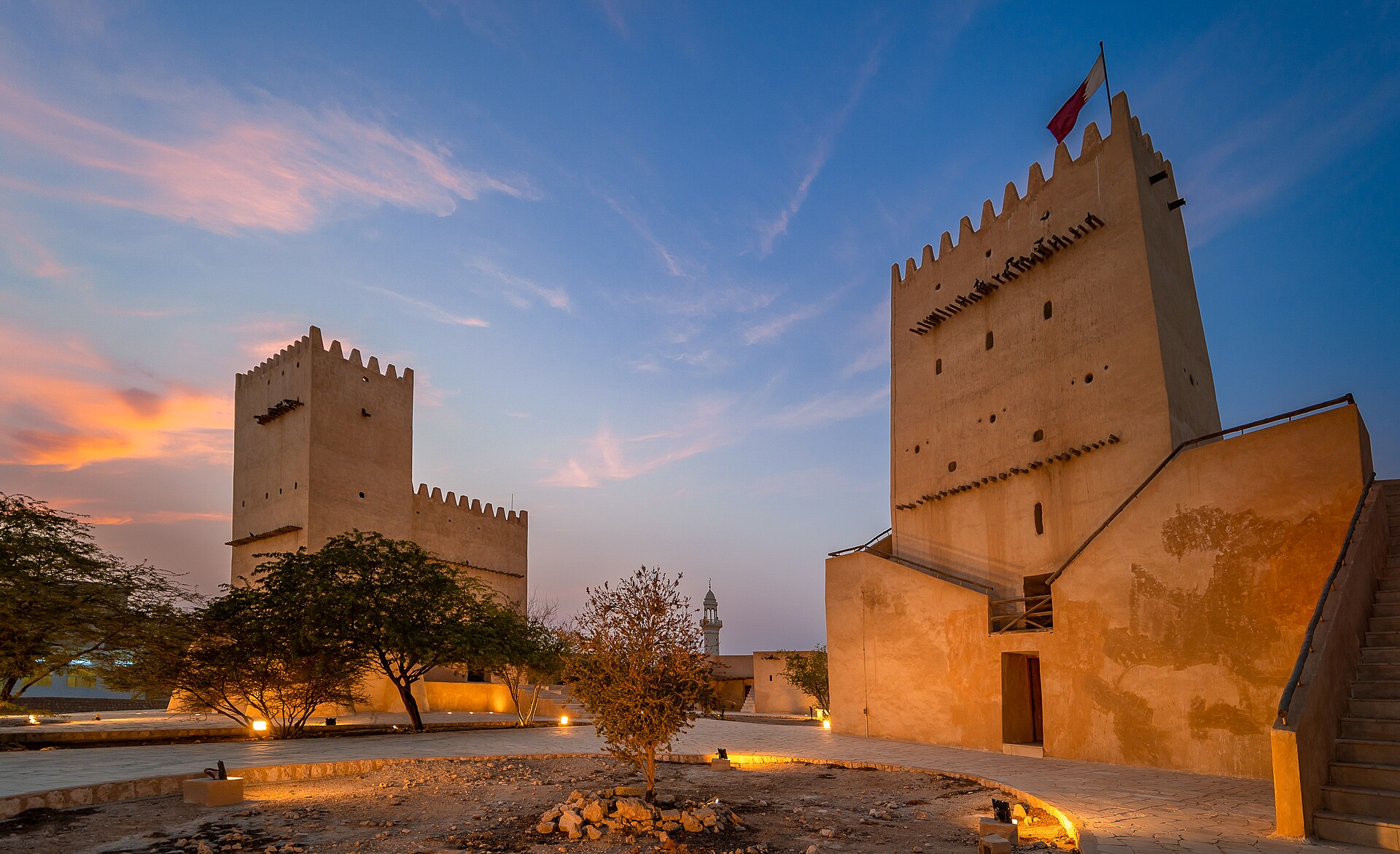
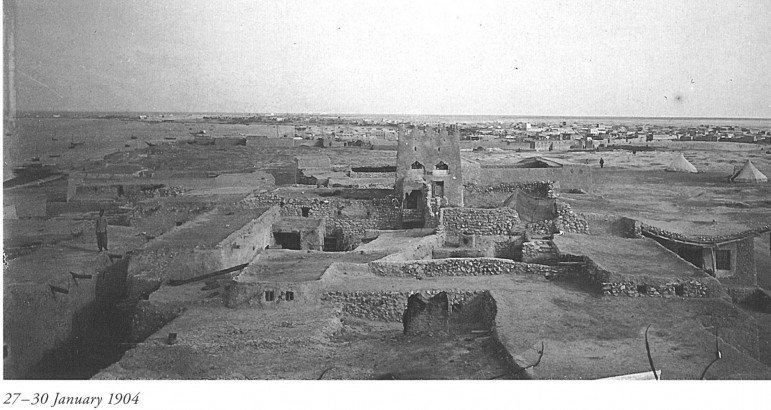
Qatar remained under British protection into the twentieth century, and the collapse of the pearl trade in the 1930s brought real hardship. The discovery of oil, and later of a vast offshore natural gas field, changed everything. Qatar became fully independent in 1971, and the development of its gas would soon make the small country a global energy power.
Qatar is a small, flat, and arid peninsula, almost entirely desert, with a hot climate and very little rainfall or fresh water. Low limestone hills and salt flats break the level terrain, and the coastline of the Gulf is fringed with shallows. The land has few natural resources at the surface, but beneath the seabed off its northeast coast lies a share of the largest natural gas field in the world, the source of the country's extraordinary wealth.
Qatar is an absolute monarchy ruled by the Emir, from the Al Thani family that has led the country since the nineteenth century. The Emir holds ultimate authority, appointing the government and guiding policy, advised by councils and, more recently, a partly elected consultative assembly. Despite its tiny size, Qatar pursues an unusually active and independent foreign policy, using its wealth to mediate in conflicts, host foreign military bases and diplomatic talks, and build influence far beyond its borders.
Qatar has one of the highest incomes per person in the world, built almost entirely on its enormous reserves of natural gas, of which it is a leading exporter, along with oil. This wealth has funded a sovereign investment fund that owns assets and famous companies around the globe, and it bankrolls ambitious spending on infrastructure, aviation, sport, and culture. The great challenge is to diversify beyond hydrocarbons and prepare for a future less dependent on gas.
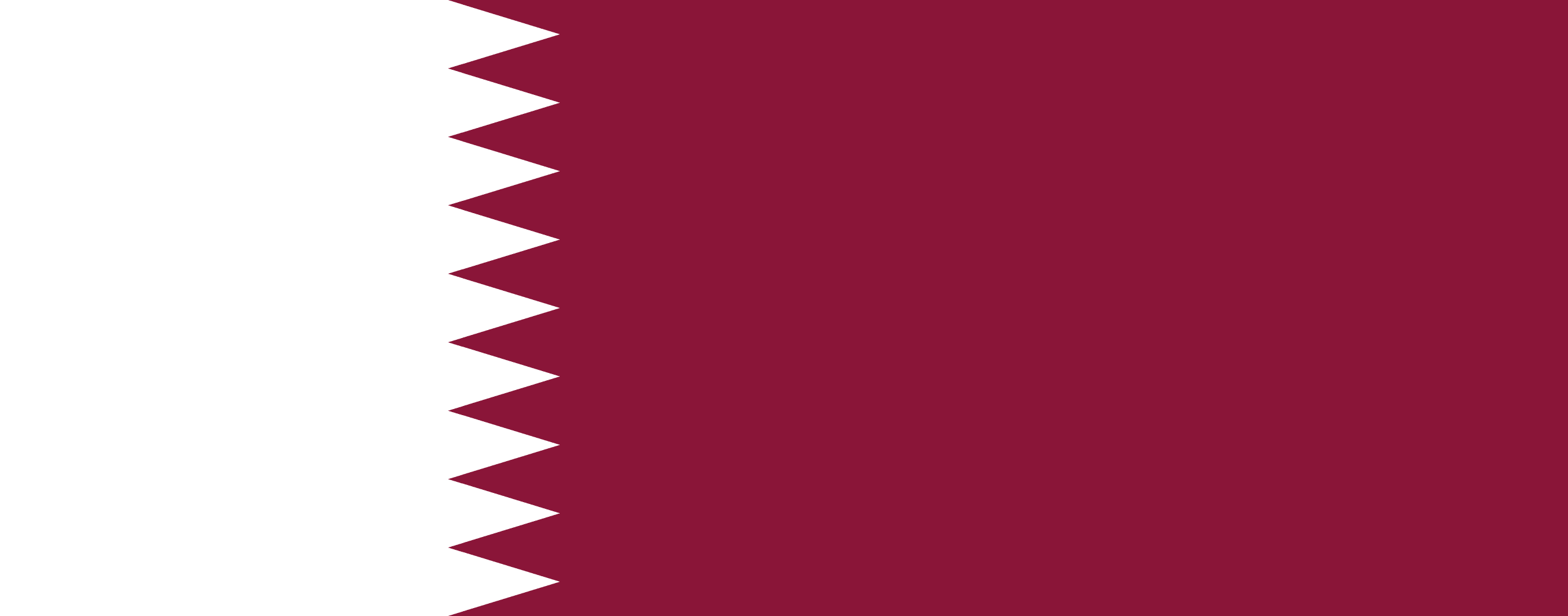
The flag of Qatar is maroon with a white band along the hoist, the two separated by a line of nine white serrated points. The distinctive deep maroon colour is said to have developed from a traditional red dye that darkened under the Gulf sun, and it sets Qatar's flag apart from those of its red-flagged neighbours. The nine points of the serrated edge are commonly taken to mark Qatar as one of the states that came together in the region.
Qatar is a Muslim country, and Islam is the state religion, followed in a conservative form by the Qatari citizen population. Religious tradition and law shape public life, and the country has built grand mosques and Islamic institutions with its wealth. At the same time, the enormous foreign workforce that vastly outnumbers Qatari citizens includes people of many faiths, and the state permits, within limits, places of worship for some other religions, reflecting its role as an international hub.
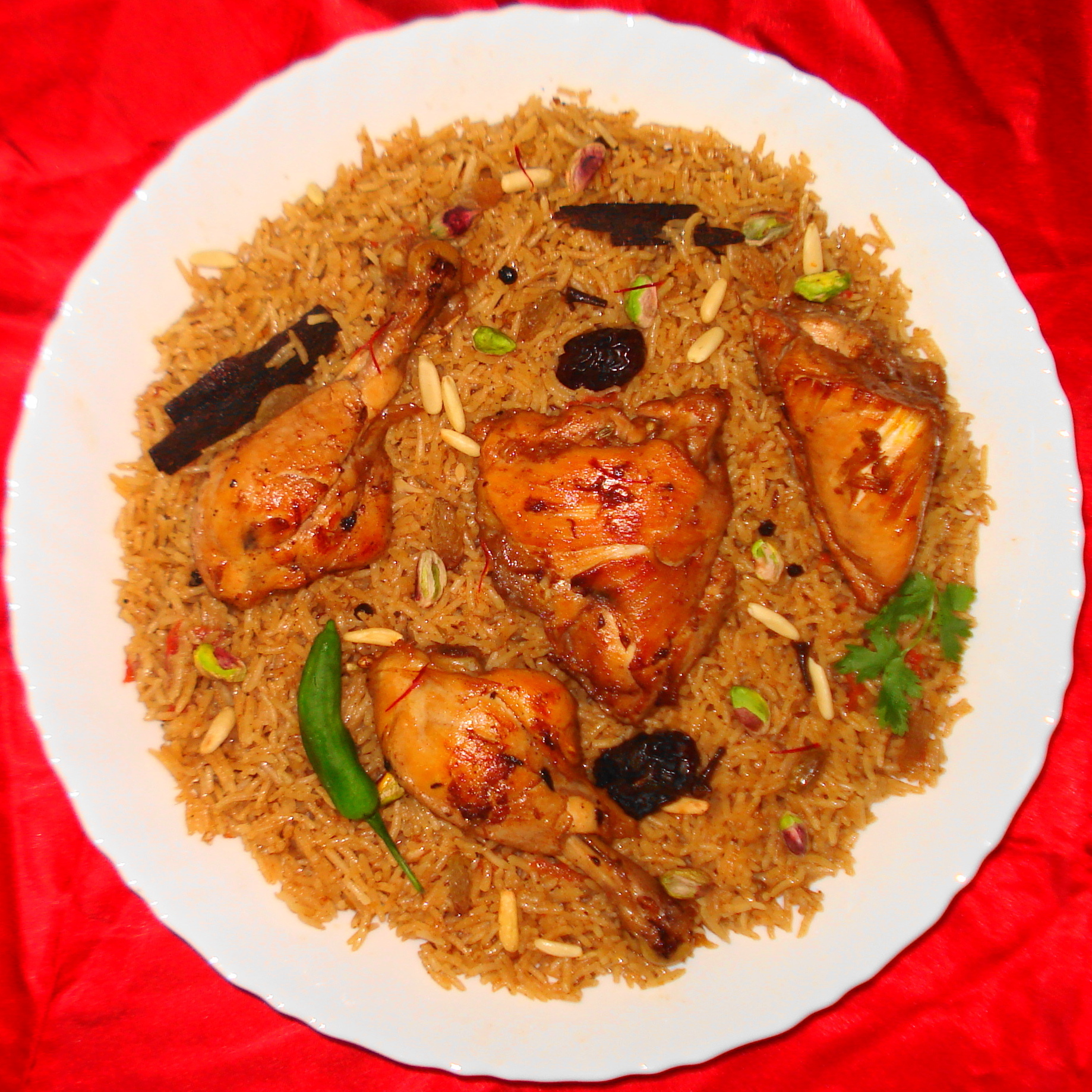
Qatari cuisine belongs to the Gulf Arab tradition, with the national dish being machboos, fragrant spiced rice cooked with meat or fish. Dates and Arabic coffee are central to daily life and the strong culture of hospitality, and dishes such as harees, a smooth porridge of wheat and meat, and grilled and stewed meats feature at gatherings. The flavours reflect the trade routes of the Gulf, with Persian, Indian, and Levantine influences, and the country's wealth now brings cuisines from around the world.
Agriculture is almost impossible across most of Qatar's desert, and the country has long imported the great majority of its food. Some farming of vegetables and dates is carried out with irrigation, and in recent years, prompted in part by a regional blockade that disrupted supplies, Qatar has invested heavily in high-technology farming, including vast climate-controlled dairy operations and hydroponic greenhouses, to improve its food security in an environment that is naturally hostile to agriculture.
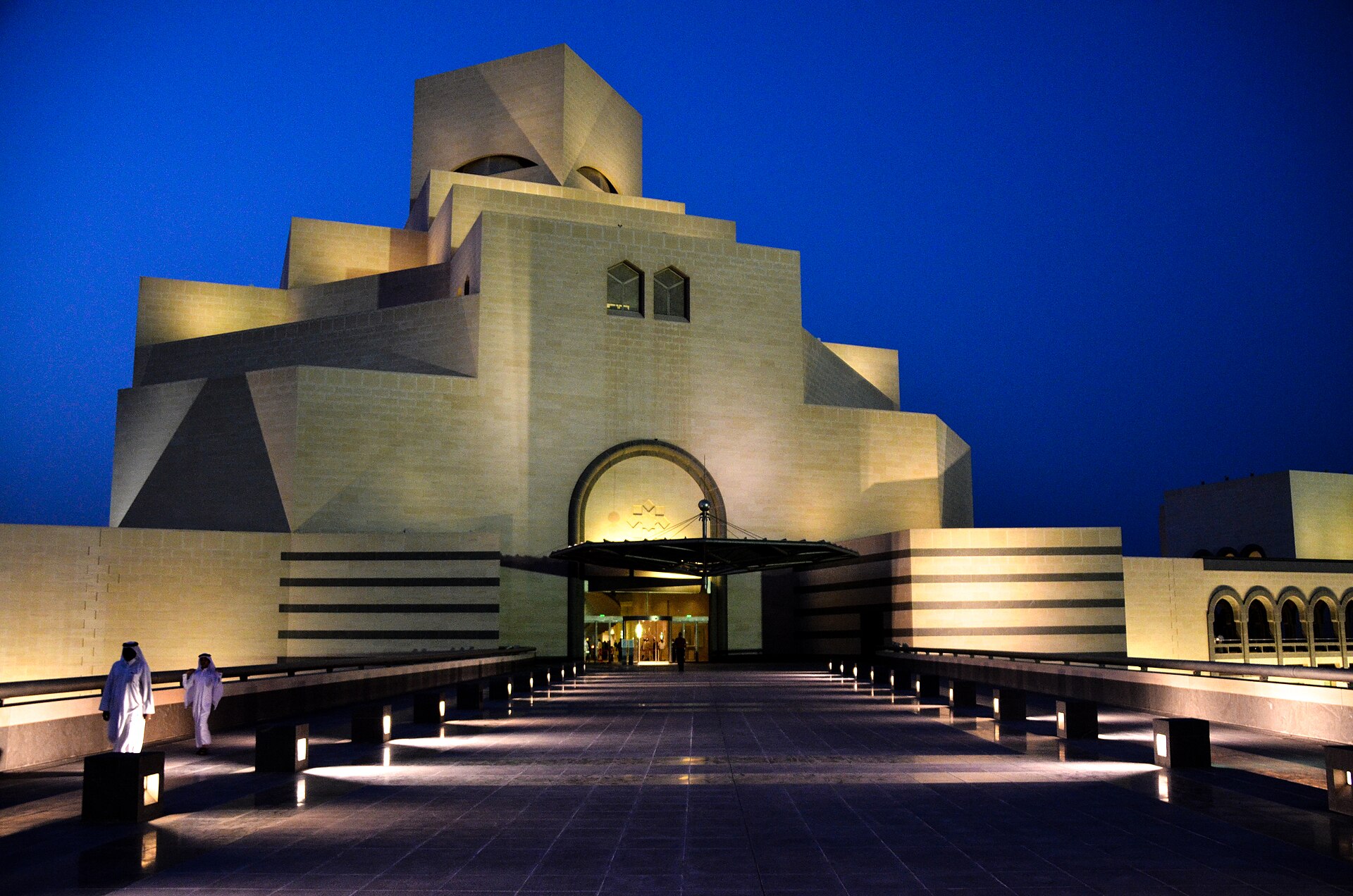
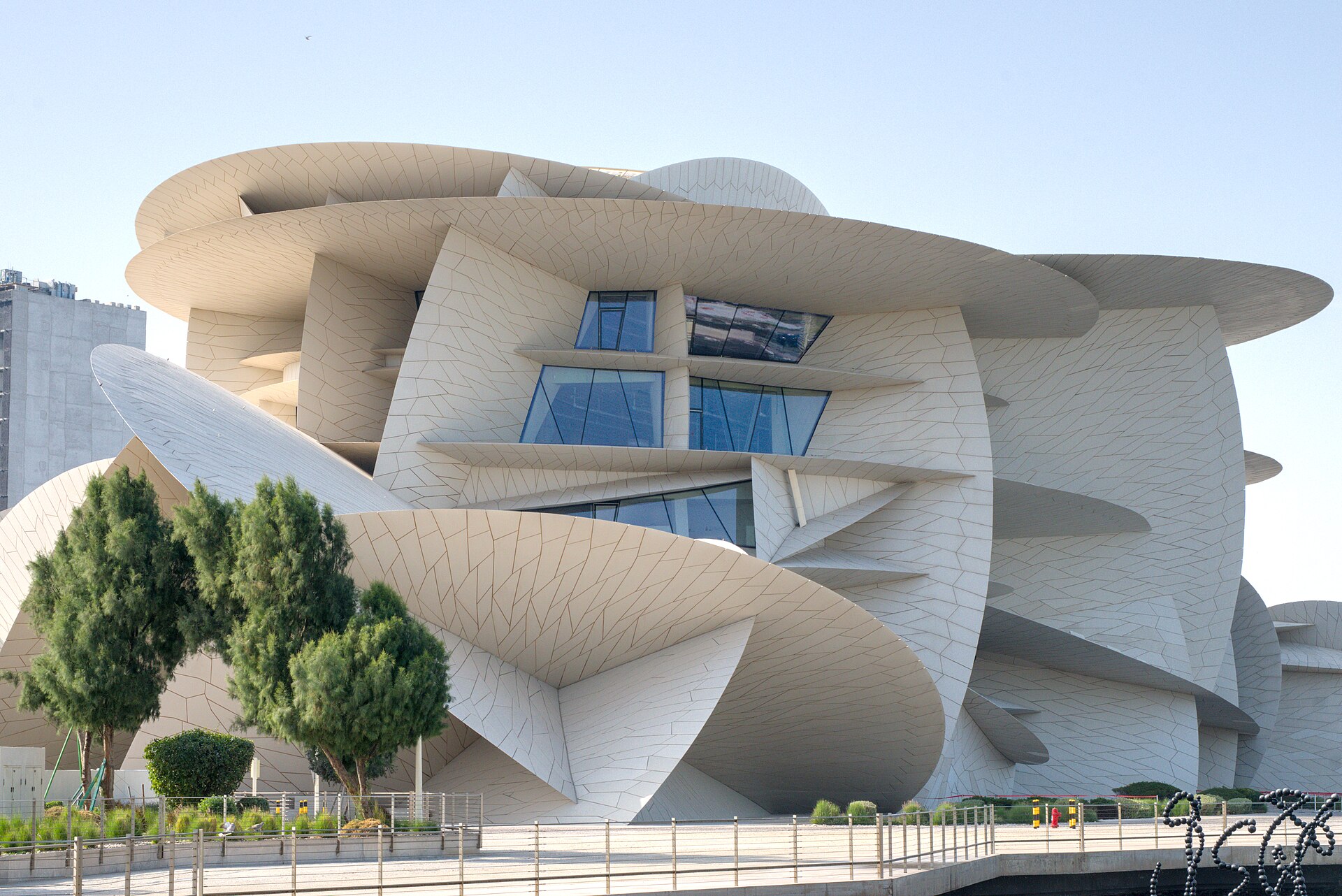
Qatar has used its wealth to make itself a cultural showcase, building world-class museums, universities, and sporting venues, and inviting branches of famous foreign institutions to Doha. Society blends a conservative Gulf Arab heritage of tribe, family, and faith with an extraordinarily international population, in which citizens are a small minority among workers from around the world. The country has deliberately cultivated art, education, and sport as a way of building prestige and preparing for a future beyond gas.
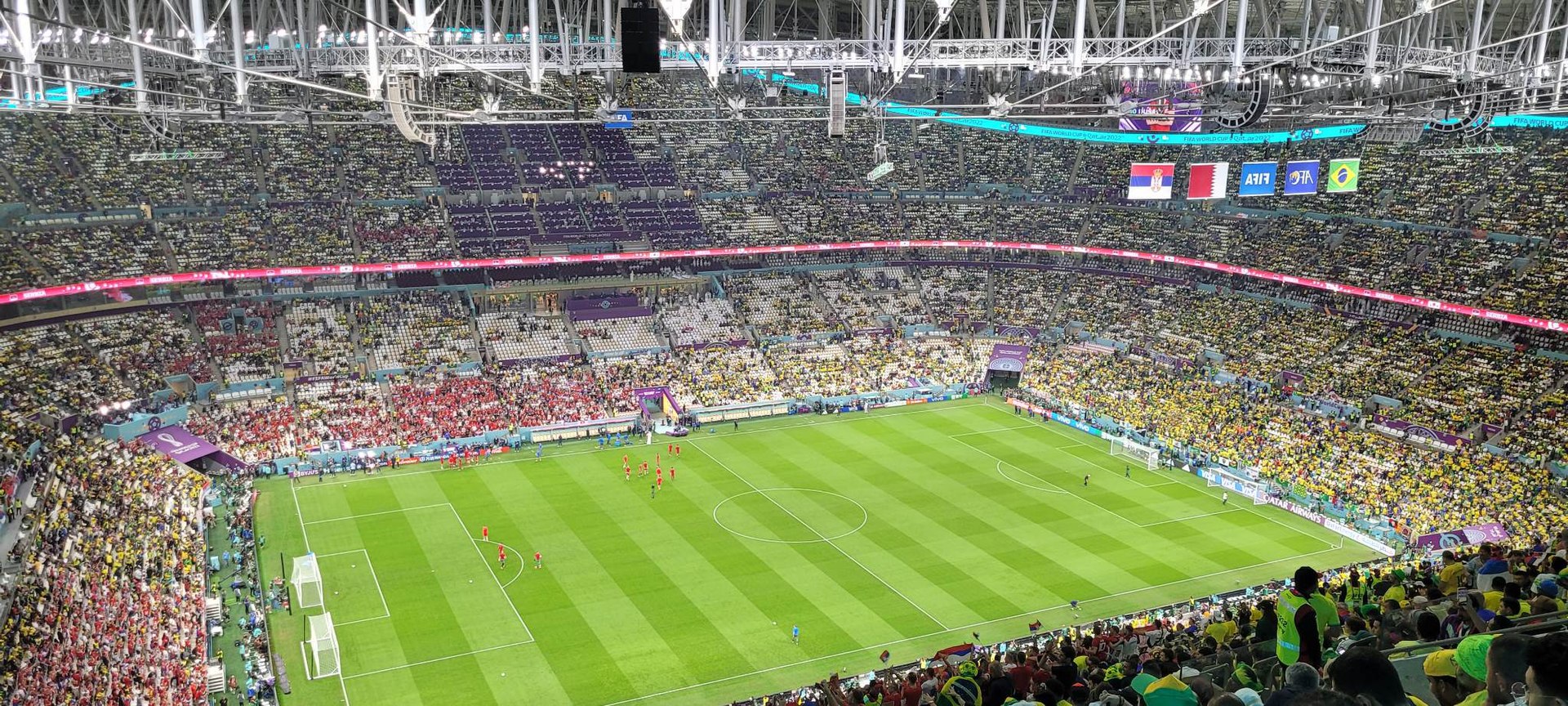
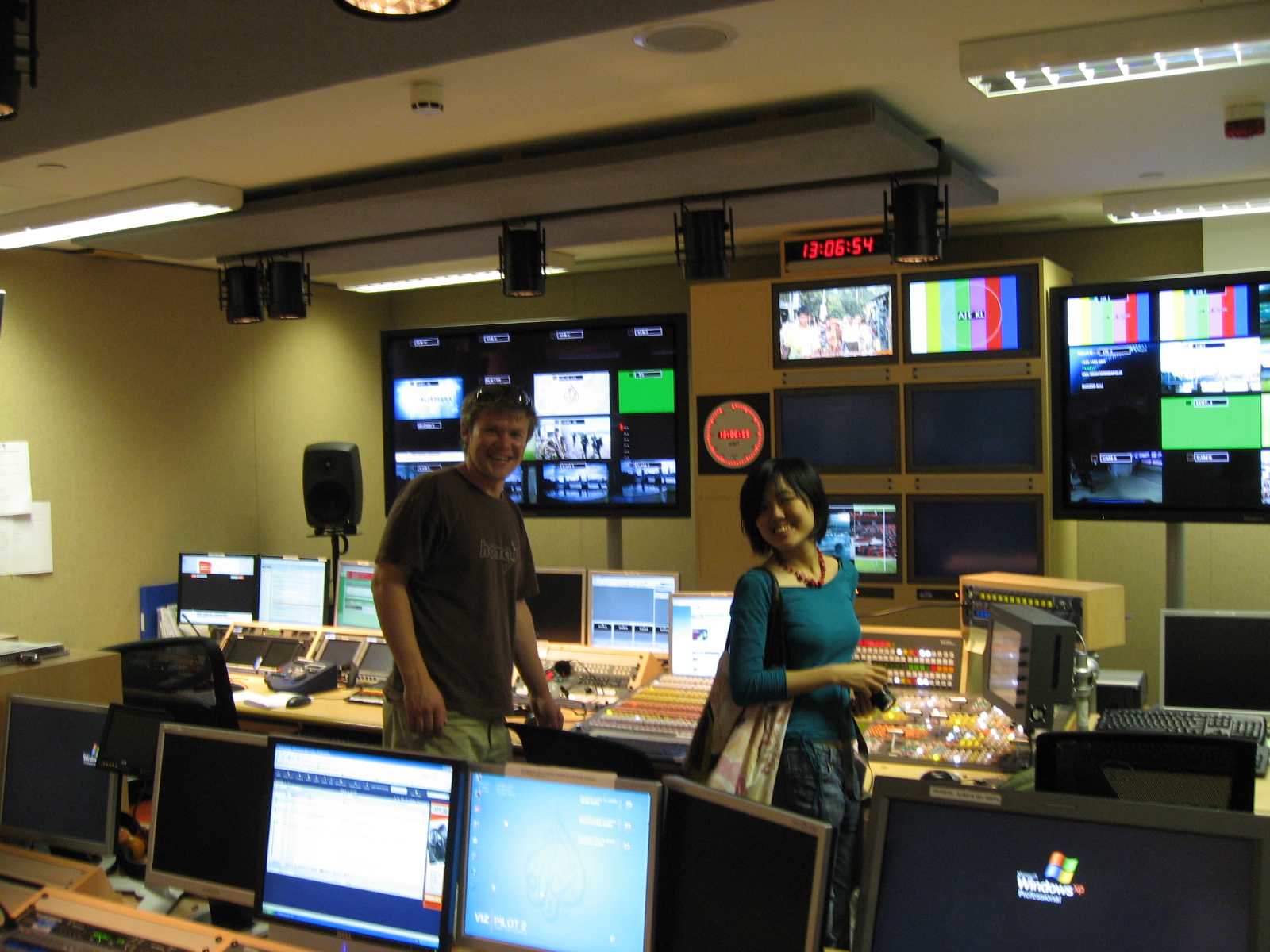
Qatar's rapid rise has brought both influence and scrutiny. Its reliance on a vast migrant workforce, which vastly outnumbers Qatari citizens, has drawn international criticism over labour conditions, especially during the building boom before the 2022 football World Cup, prompting reforms that observers still debate. Its independent foreign policy and its ownership of the Al Jazeera news network have at times put it at odds with powerful neighbours, leading to a diplomatic and trade blockade by several Gulf states from 2017 to 2021. How Qatar balances tradition with rapid change, and its ambitions with the concerns of its neighbours, remains keenly watched.
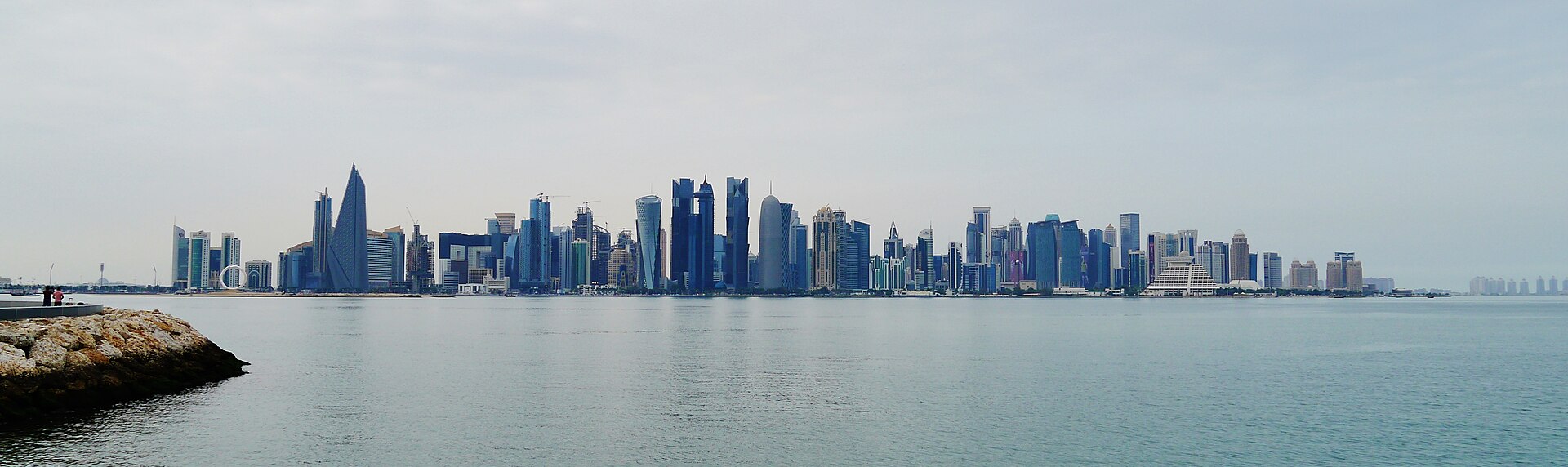
Qatar has a population of around 2.7 million people, but in a striking imbalance, Qatari citizens make up only a small fraction of this number, with the great majority being foreign workers, drawn mostly from South Asia, the Philippines, and other Arab countries, who build and run the economy. The treatment of these migrant workers has drawn international scrutiny. Almost everyone lives in or around the capital, Doha, a city of dramatic modern skyscrapers risen from the desert and the Gulf.