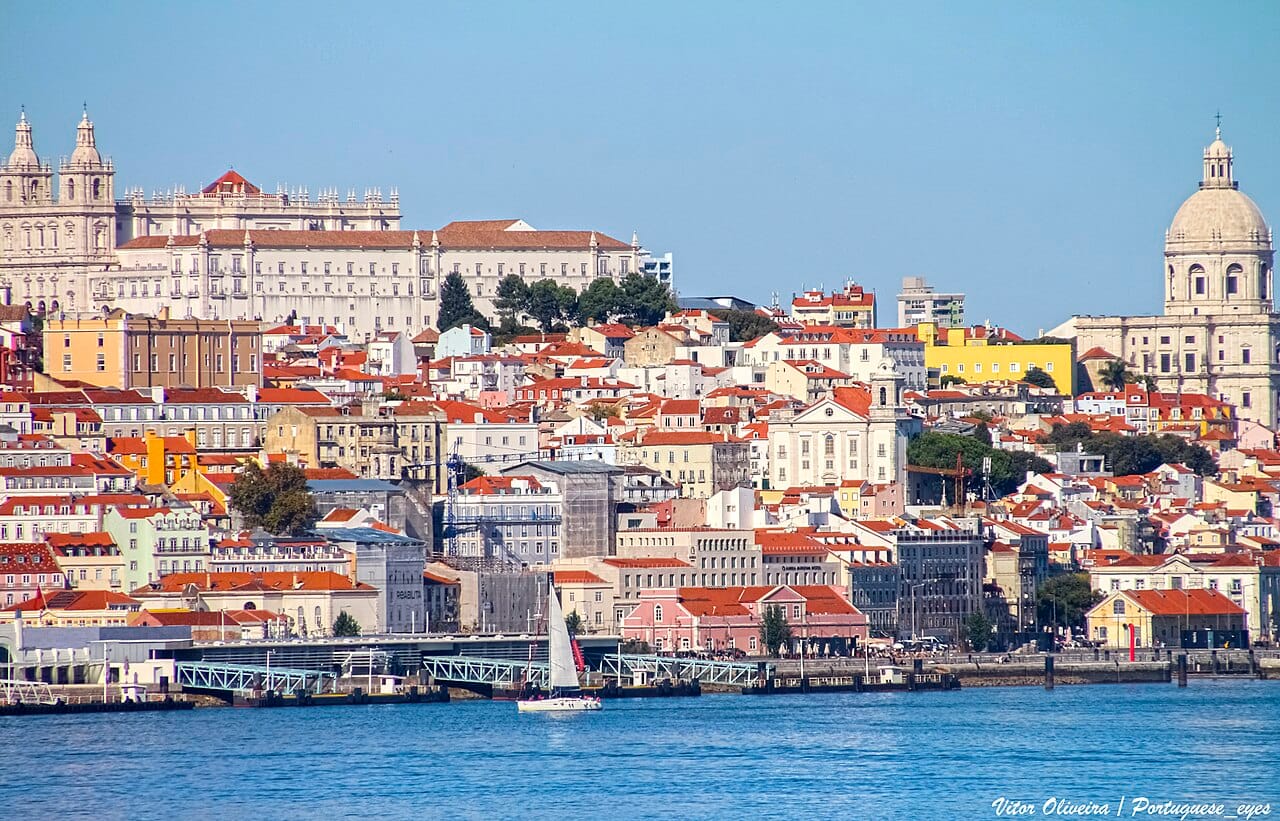
Portugal is a country on the Atlantic coast of the Iberian Peninsula, the westernmost nation of mainland Europe. With one of the oldest fixed borders on the continent, it is a land of golden coastlines, river valleys, and historic cities. In the great age of seafaring it launched explorers who opened sea routes around the world and built a global empire, leaving the Portuguese language spoken across continents. Today it is a relaxed, increasingly popular country known for its coast, its wine, and its melancholy music.
Portugal's history is that of a small Atlantic kingdom, with one of the oldest borders in Europe, that once opened the sea routes of the whole world.
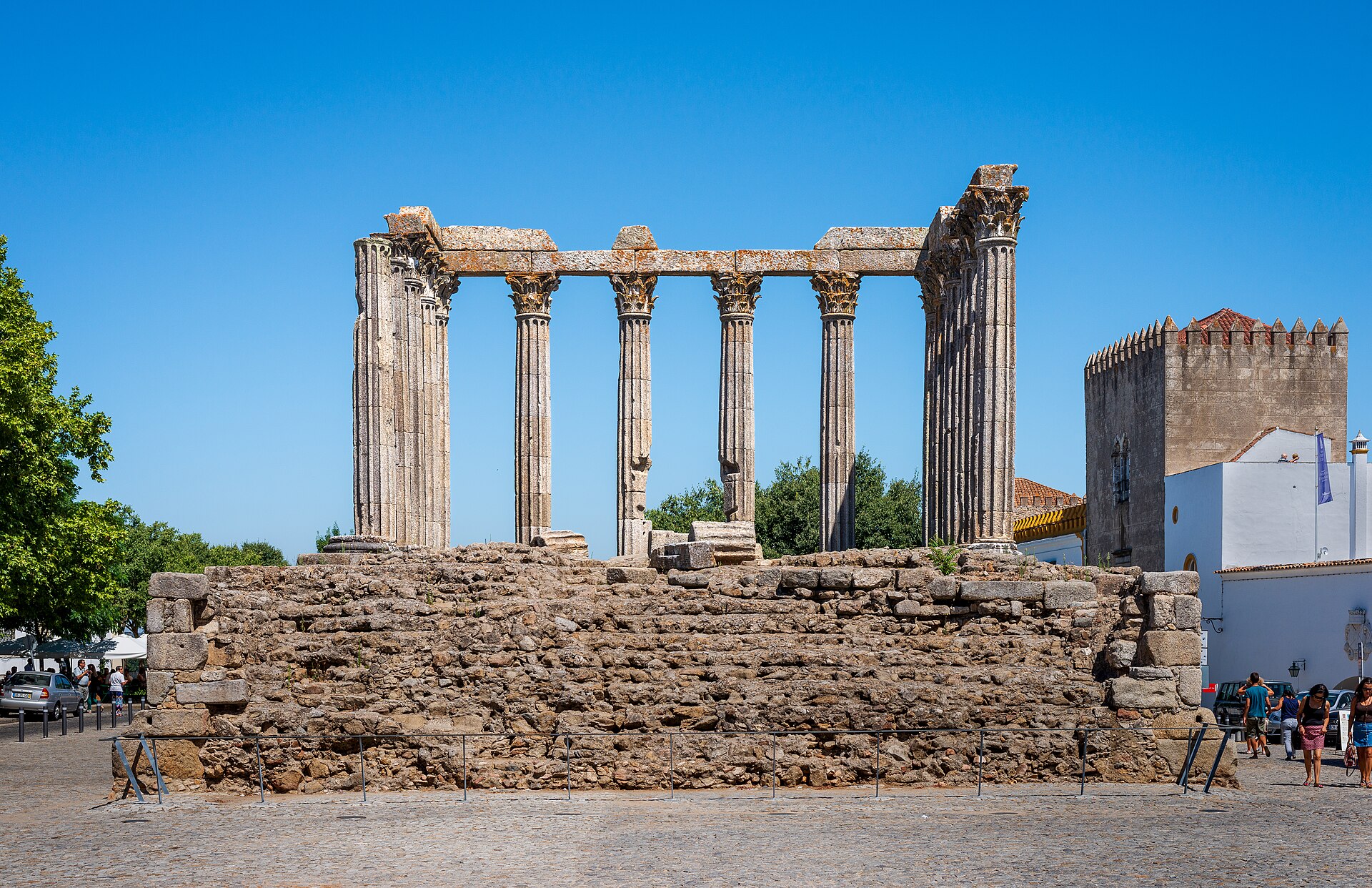
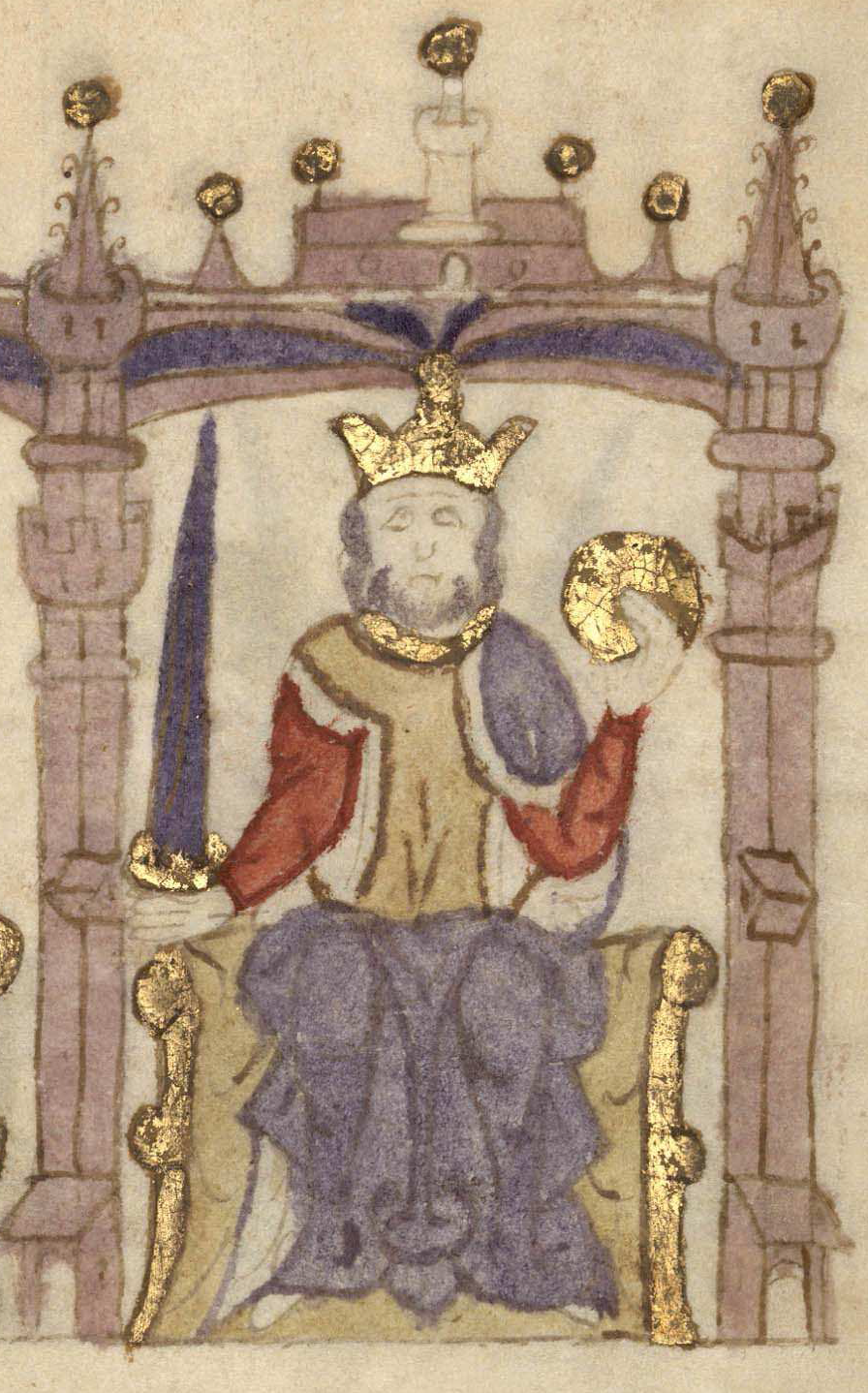
The land was the Roman province of Lusitania, dotted with cities and temples, and later, like the rest of Iberia, fell under Moorish rule for centuries. Out of the Christian reconquest the Kingdom of Portugal emerged in the twelfth century under its first king, Afonso Henriques, fixing borders that have scarcely changed since, among the oldest in Europe.
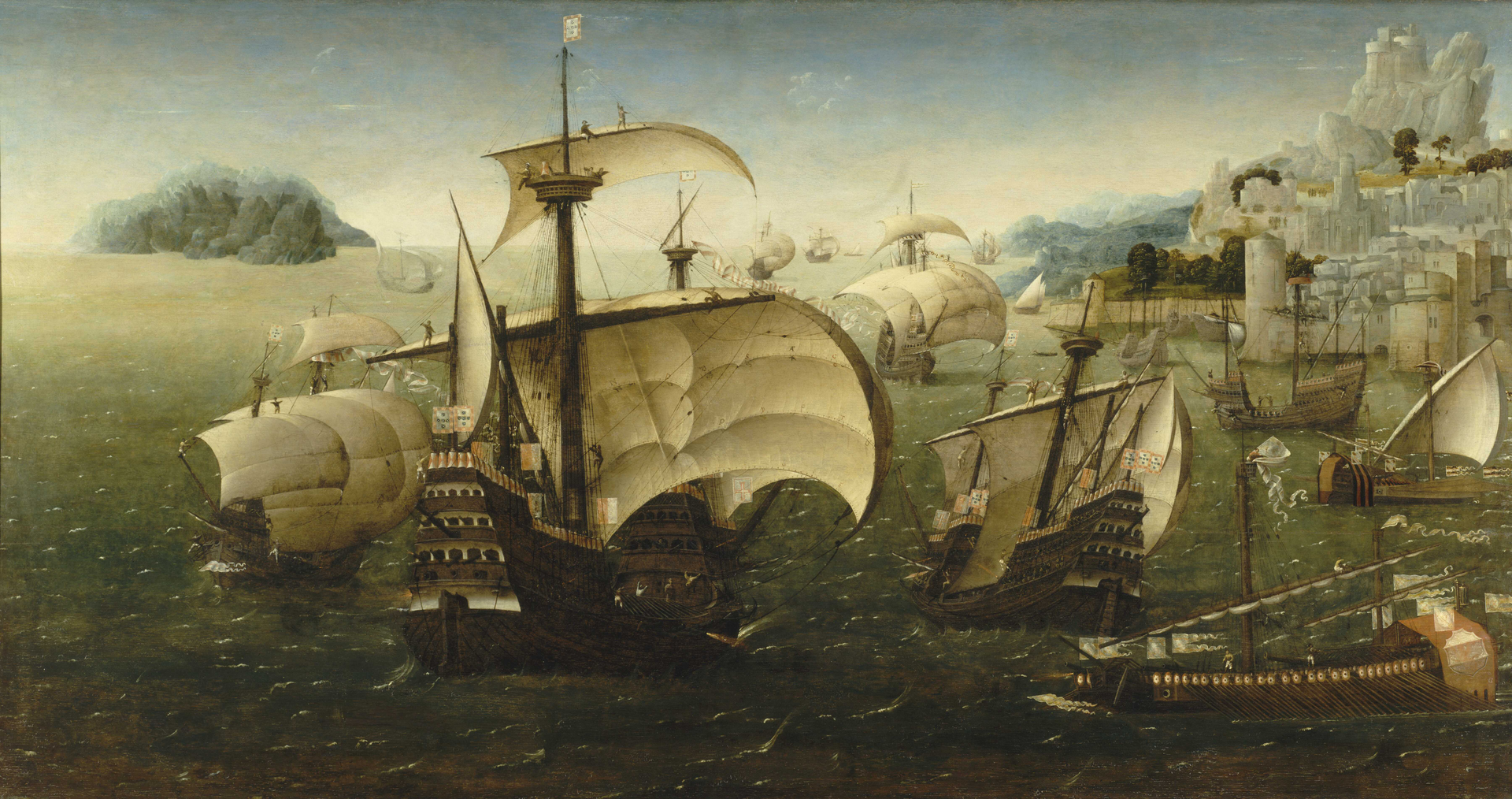
In the fifteenth and sixteenth centuries this small country led the European Age of Discovery. Sponsored by figures such as Prince Henry the Navigator, Portuguese caravels edged down the coast of Africa; Vasco da Gama reached India by sea in 1498, and others crossed to Brazil, opening the first global trade routes and building a maritime empire that stretched across Africa, Asia, and the Americas. Lisbon grew fabulously rich, and the age is remembered as the summit of the national story.
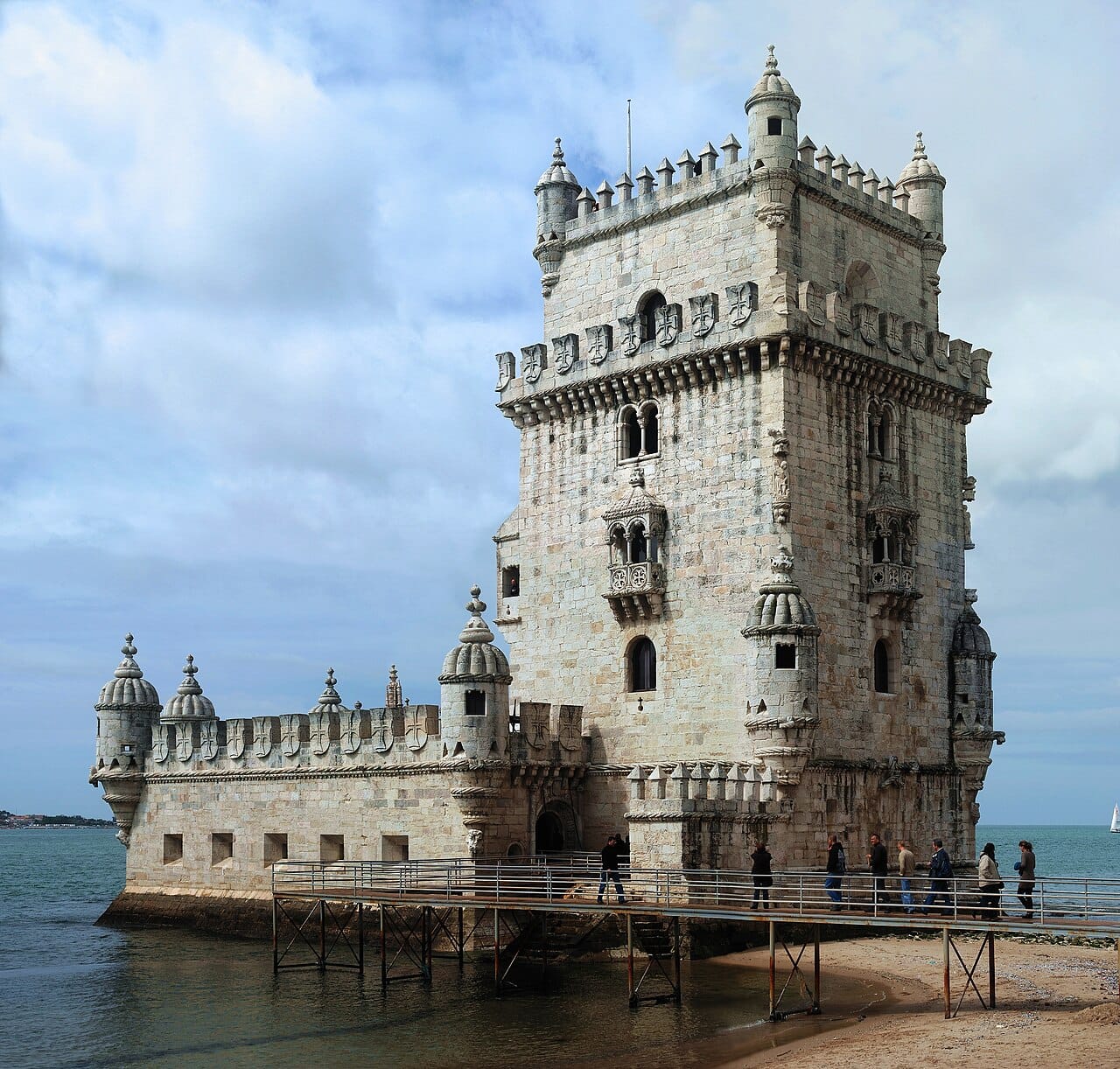
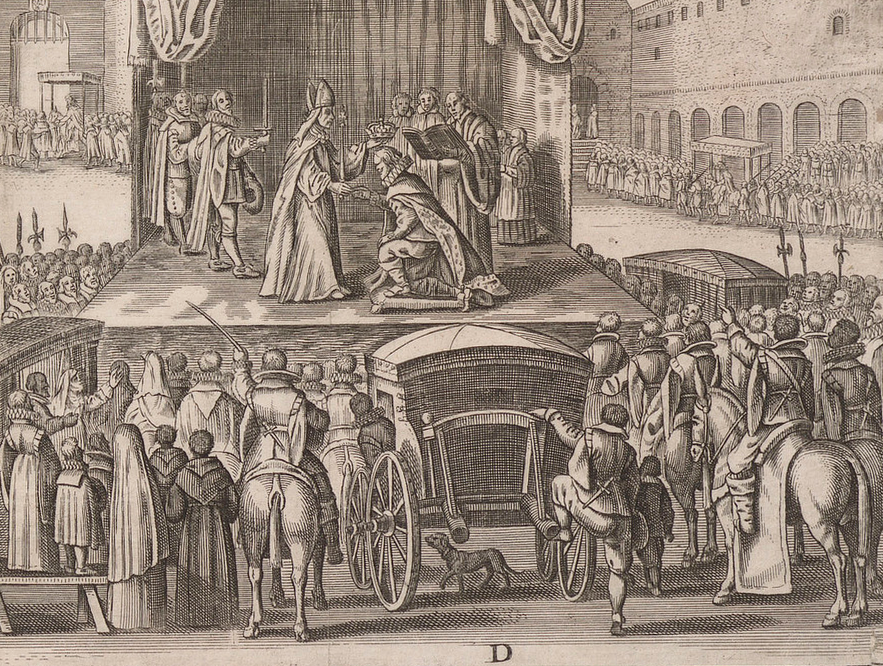
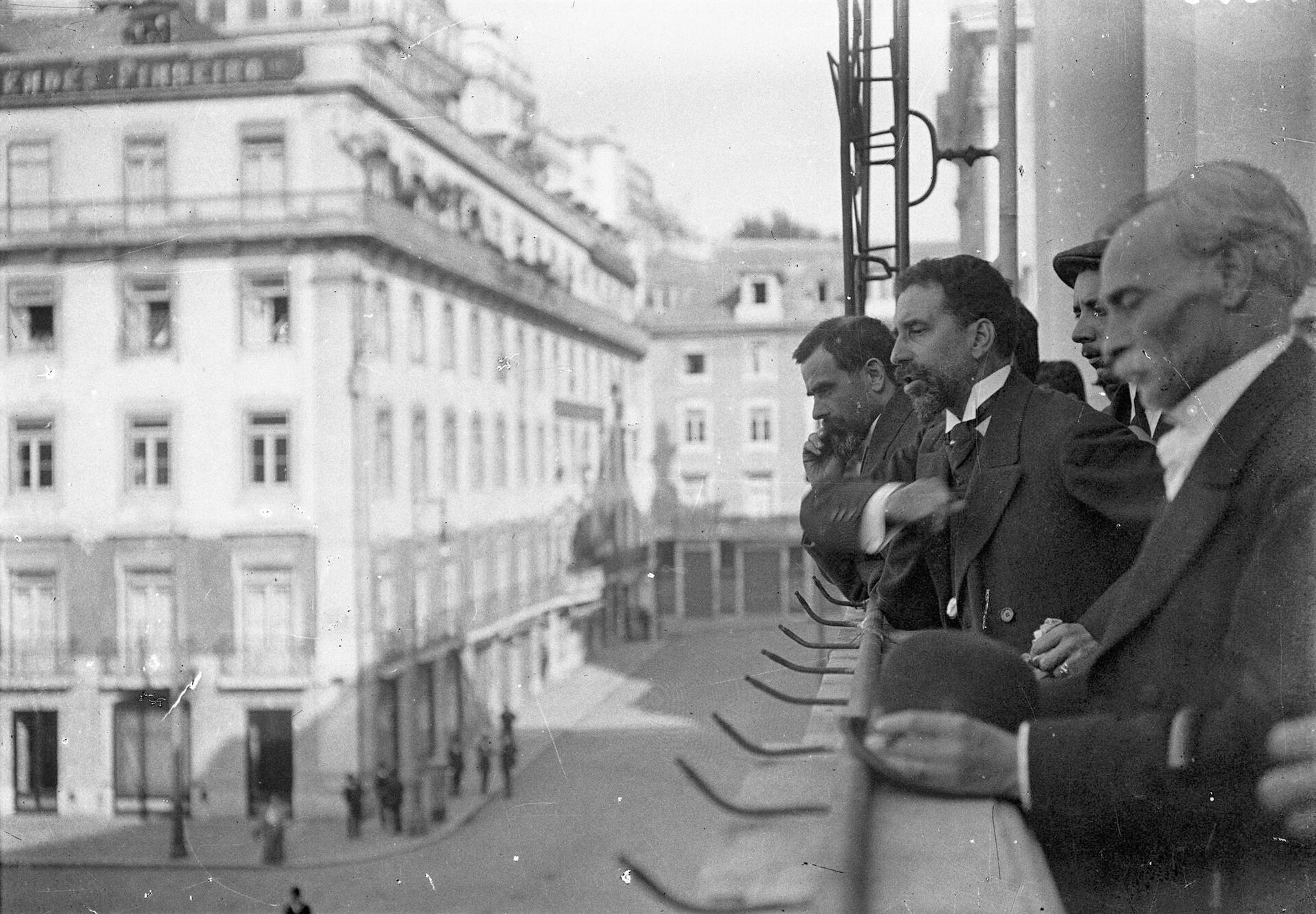
Portugal spent sixty years under the Spanish crown before restoring its own royal line in 1640, but its golden age faded, and in 1755 a catastrophic earthquake and tsunami destroyed much of Lisbon. The monarchy gave way to a republic in 1910, and after decades of the authoritarian Estado Novo dictatorship under Salazar, the peaceful Carnation Revolution of 1974 restored democracy and led to the independence of the last African colonies.
Portugal is a land of contrasts within a compact space. The north is green, hilly, and rainy, cut by river valleys such as the Douro with its terraced vineyards, while the south, including the Algarve, is warmer and drier, with famous beaches along the Atlantic. The Tagus River divides the country, reaching the sea at the capital, Lisbon. Portugal also includes two Atlantic island groups, the Azores and Madeira, of volcanic origin and striking beauty.
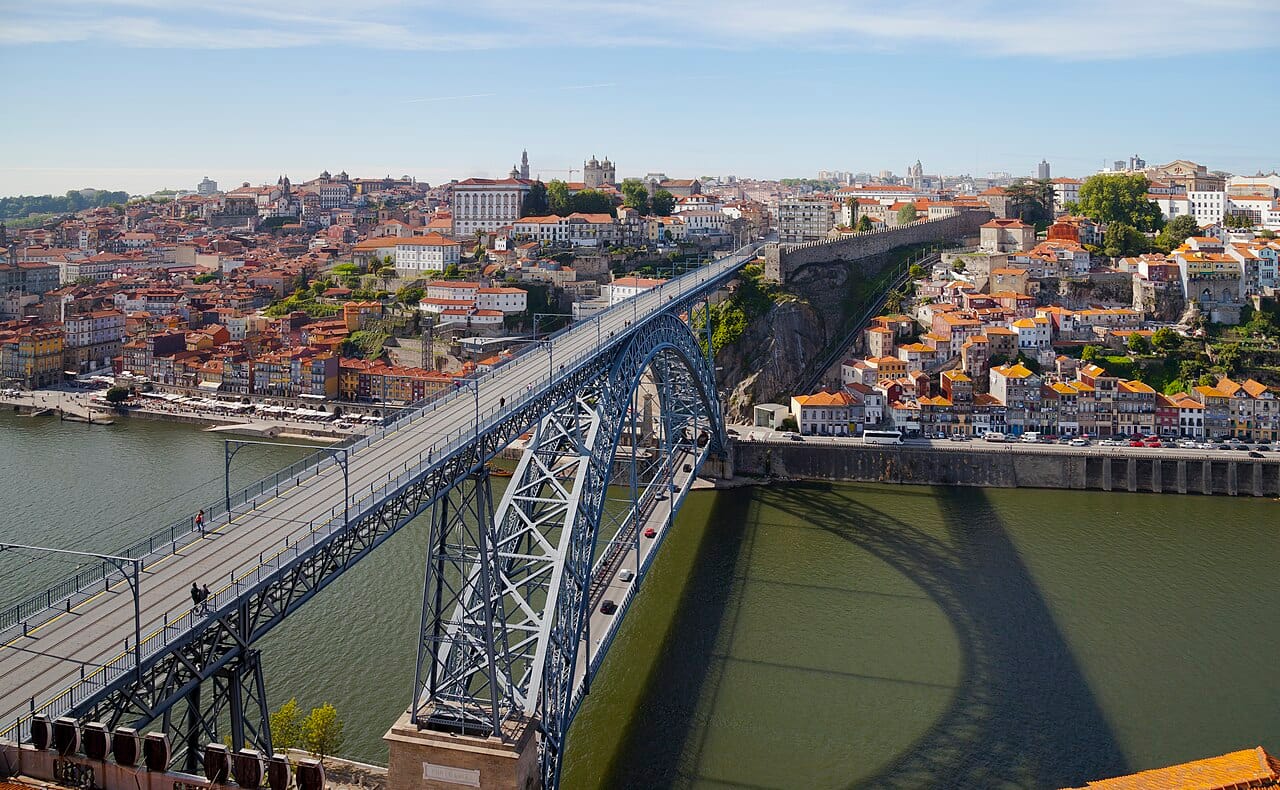
Portugal is a semi-presidential republic and a stable parliamentary democracy, a member of the European Union since 1986 and of the euro. A directly elected president serves as head of state with mostly ceremonial but real reserve powers, while a prime minister drawn from parliament runs the government. Power has long alternated between the centre-left Socialists and the centre-right Social Democrats; the prime minister since 2024 is Luis Montenegro of the Social Democrats, heading a centre-right coalition. As across much of Europe, Portuguese politics has lately been shaken by the rapid rise of a new populist party of the right.
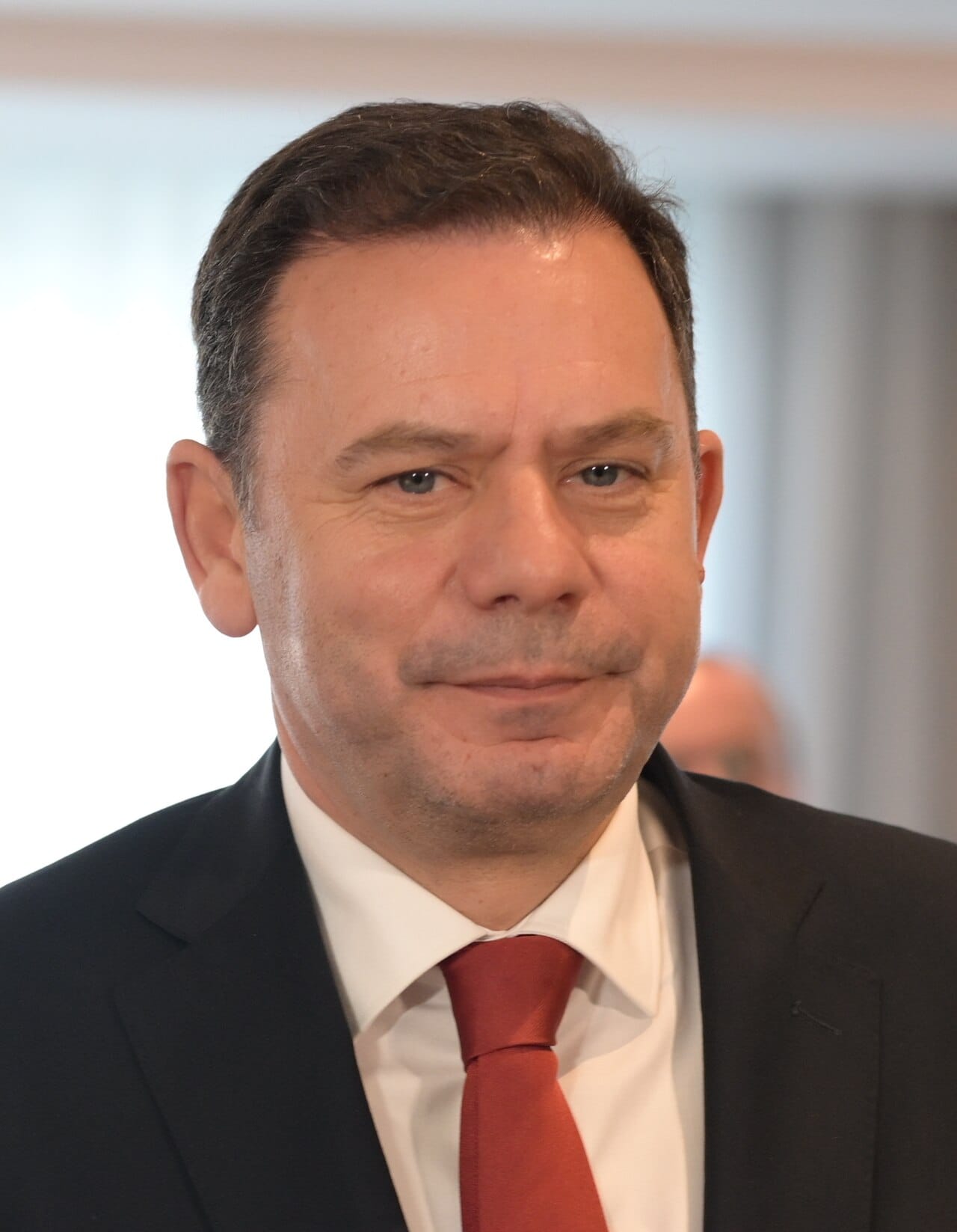
Portugal has a developed, service-based economy that has been transformed in recent years by a boom in tourism, drawn to Lisbon, Porto, and the beaches of the Algarve, and by a growing technology and startup scene. Traditional strengths endure: it is the world's leading producer of cork, a celebrated maker of wine and olive oil, and an exporter of textiles, footwear, and increasingly cars and machinery. After a painful debt crisis and international bailout in the early 2010s, the country recovered strongly, though it grapples with lower wages than northern Europe, an ageing population, and a housing crisis fuelled in part by its own popularity.
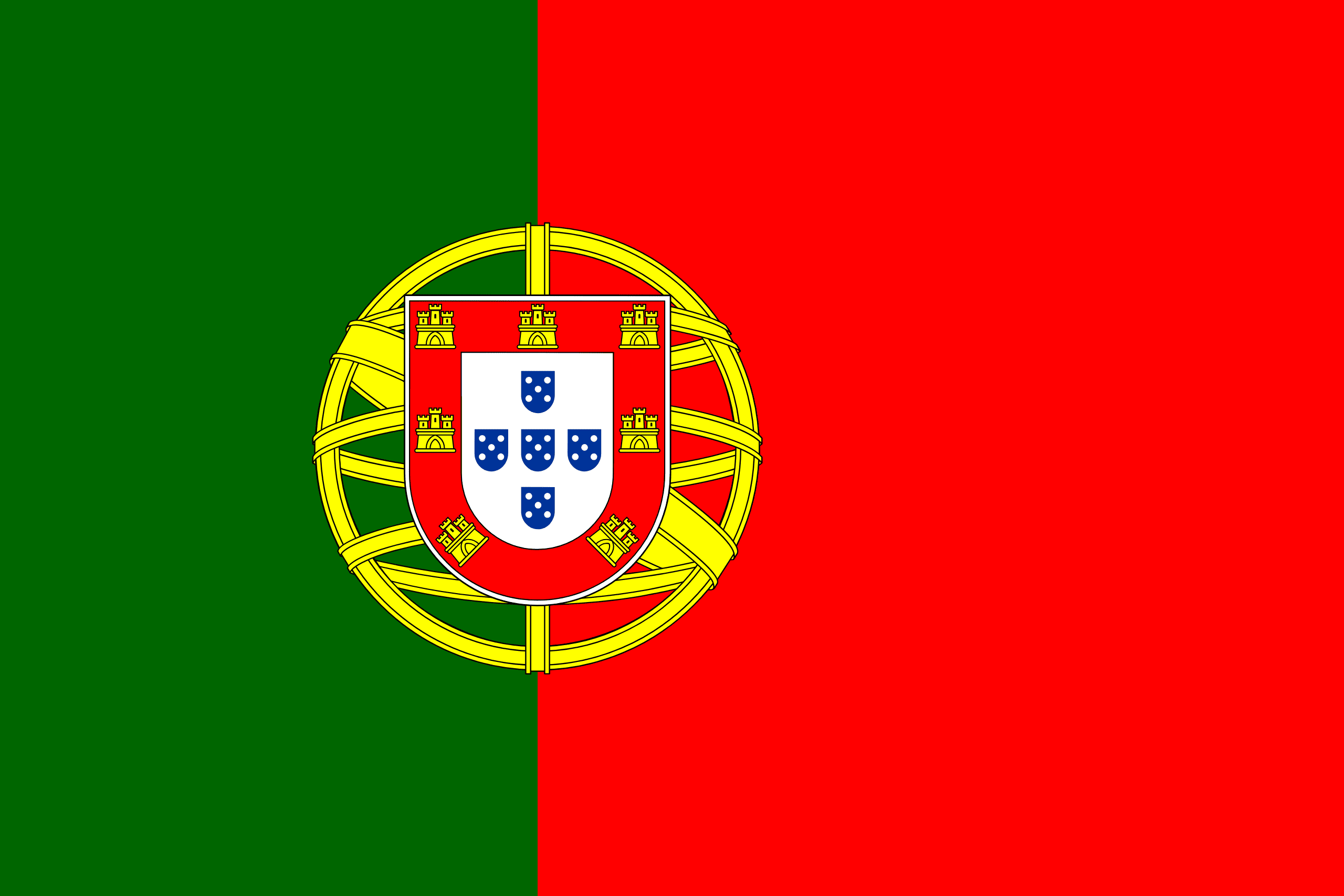
The flag of Portugal is divided into green and red, with the national coat of arms set over an armillary sphere where the colours meet. The armillary sphere, an old navigational instrument, recalls the country's great age of seafaring and discovery. The shield bears symbols from Portugal's medieval history, including small shields said to represent victories over Moorish kings. The colours are often taken to stand for hope and for the blood of those who served the nation.
Portugal is a predominantly Roman Catholic country, and the faith has shaped its culture, calendar, and identity for many centuries, expressed in countless churches and in great pilgrimages, above all to the shrine of Fatima, one of the most important Catholic pilgrimage sites in the world. As elsewhere in Europe, regular religious practice has declined, but Catholic tradition remains a strong presence in Portuguese life, festivals, and family customs.
Portuguese cuisine is rooted in the sea and the land, simple but full of flavour. Its most iconic ingredient is bacalhau, salted cod, said to be prepared in hundreds of different ways, a legacy of the long fishing voyages of the past. Fresh seafood, grilled sardines, and rich stews are staples, and the country is famous for its custard tarts, the pasteis de nata. Portugal is also a celebrated wine country, the home of port and of many fine table wines.
Portugal's mild climate supports a varied agriculture. Wine is central, from the port produced in the Douro valley to the wines of many other regions, and the country is renowned for its olive oil. Above all, Portugal is the world's leading producer of cork, harvested from the bark of cork oak trees that dot the southern landscape, supplying stoppers and other products globally. Tomatoes, fruit, and, along the coast, a major fishing industry round out the sector.
Portuguese culture carries a distinctive note of gentle melancholy, captured above all in fado, the mournful, beautiful song of longing and the sea, recognised by UNESCO and heard in the taverns of Lisbon and Coimbra. The country is famous for its blue-and-white azulejo tiles that cover churches and stations, for the custard tarts and salt cod of its table, and for a football tradition that has produced global stars from Eusebio to Cristiano Ronaldo. It has given the world great writers, from the epic poet Camoes to the modernist Fernando Pessoa and the Nobel laureate Jose Saramago. Underlying much of this is the untranslatable idea of saudade, a bittersweet yearning that Portuguese consider close to the heart of their character.
The Age of Discovery is the proudest chapter of the national story, taught to every schoolchild and carved into monuments across the country. Yet the same voyages that opened the world also made Portugal, over the following centuries, the largest carrier in the transatlantic slave trade, shipping millions of enslaved Africans across the ocean, and built an empire held, in its final decades, through brutal colonial wars in Africa that ended only with the revolution of 1974. Portuguese society is increasingly debating how to hold both truths at once: how to honour the extraordinary achievements of its explorers while also acknowledging the slavery and violence bound up with the empire. Calls for a fuller reckoning, including a suggestion by the president that the country bear responsibility for its role in slavery, have met both support and sharp resistance, making the memory of empire a live and sensitive question.
Portugal has a population of around 10 million people, ethnically and linguistically homogeneous, sharing a strong national identity and the Portuguese language, which their explorers carried to become one of the most widely spoken languages in the world. The population is concentrated along the coast, especially around Lisbon and the northern city of Porto. Portugal has a long tradition of emigration, and an ageing population, though in recent years it has also become a popular destination for new arrivals.