Poland is a country in Central Europe, a broad land of plains, forests, and lakes stretching from the Baltic Sea to the Carpathian Mountains. With a thousand-year history as a nation, it has known both greatness, as one of Europe's largest powers, and tragedy, erased from the map entirely for over a century and devastated in the twentieth. Today it is a populous, fast-growing member of the European Union and a country fiercely proud of its endurance.
Poland's thousand years run from its Christian founding, through the golden age of a vast commonwealth, to erasure by its neighbours and a hard-won rebirth.
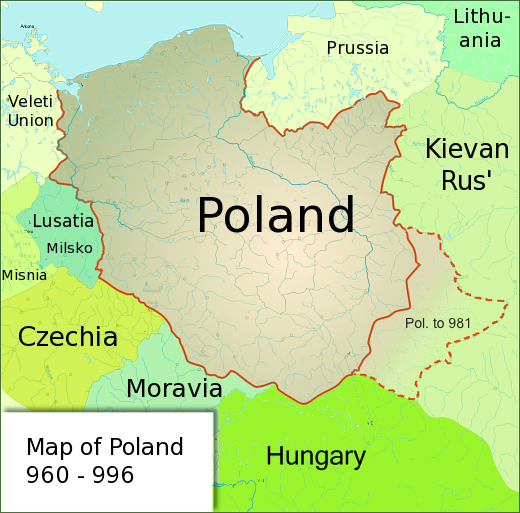
Peoples had lived on the Polish plains since the Bronze Age, but the state itself was born around the year 966, when its first historical ruler, Mieszko I, adopted Christianity and brought his realm into the European fold.
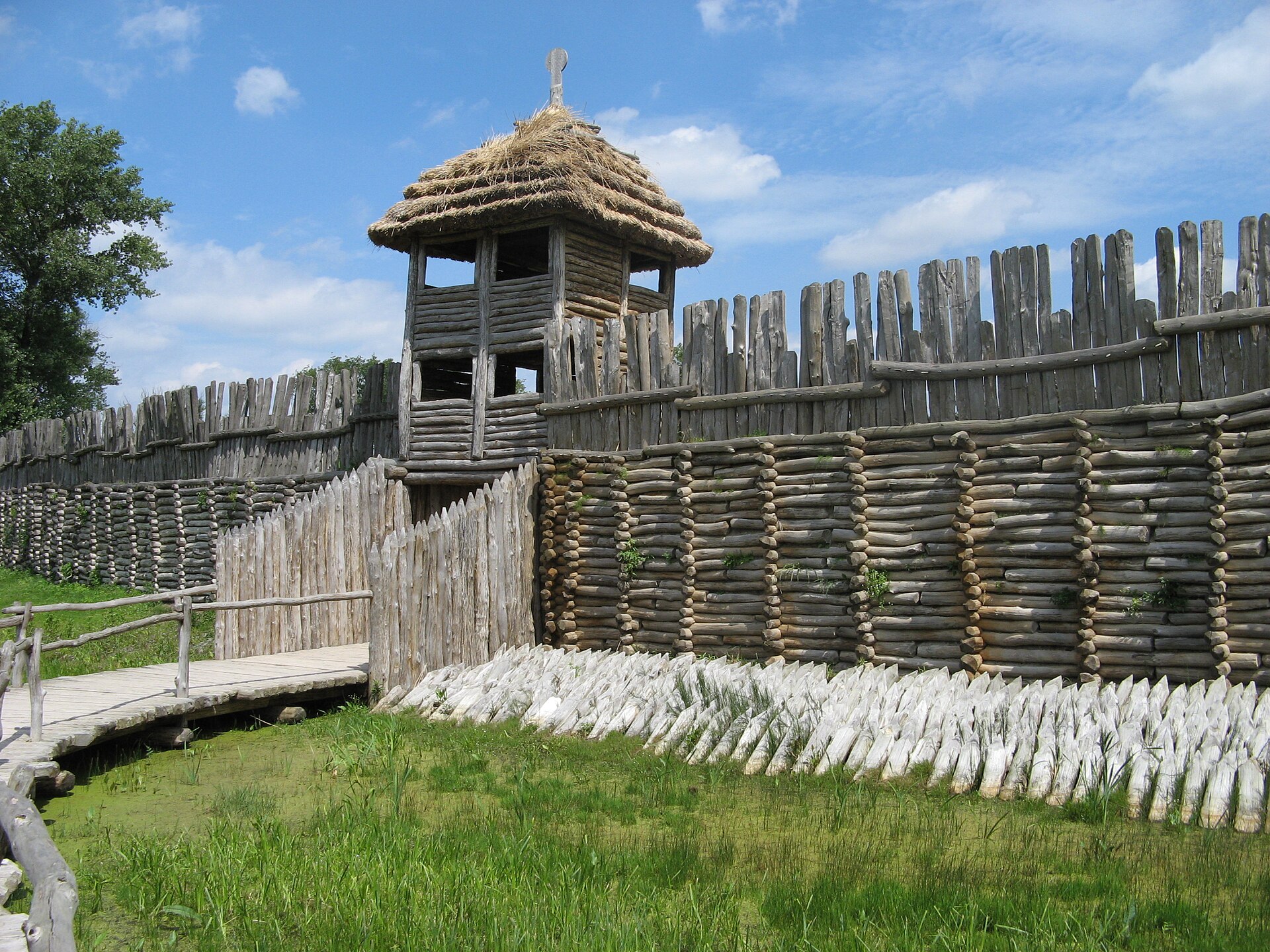
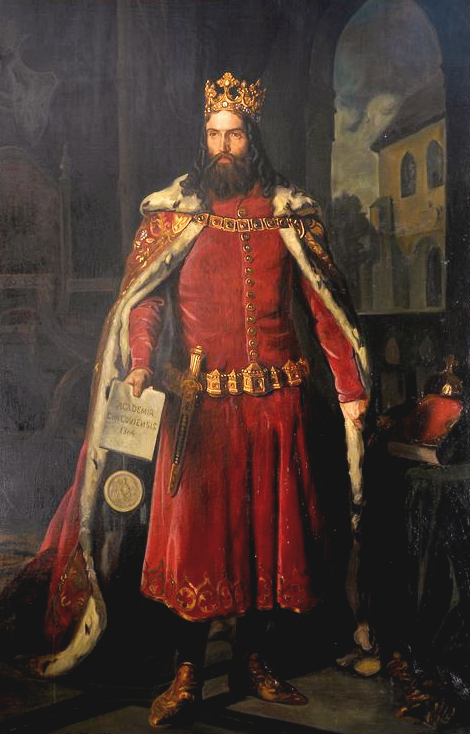
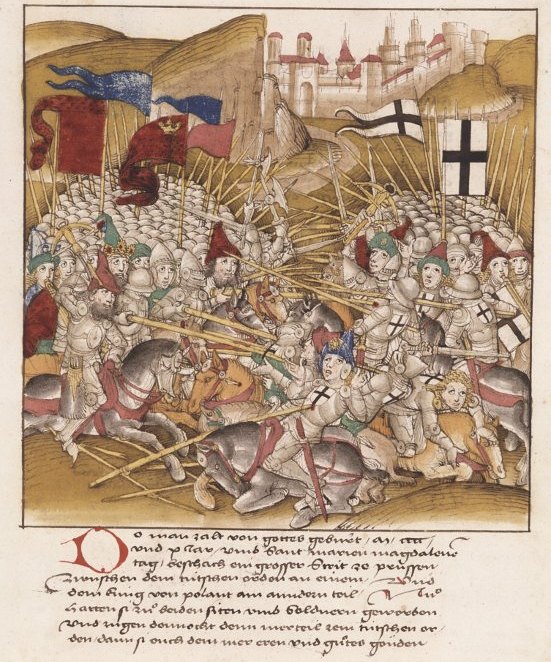
Medieval Poland grew strong under kings such as Casimir the Great, who in a famous saying found a Poland built in wood and left it built in stone, and it turned back the Teutonic Knights in the great victory at Grunwald in 1410.
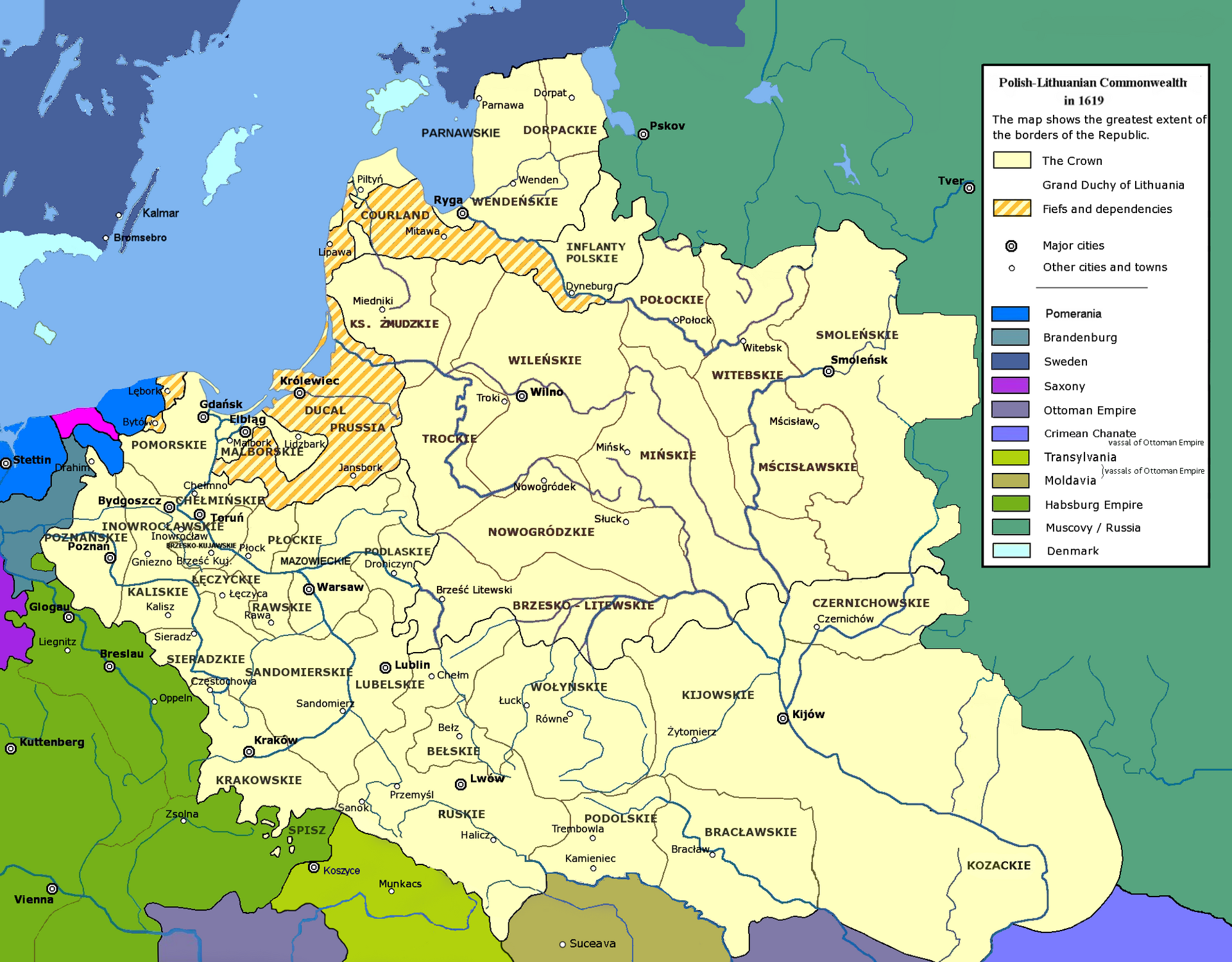
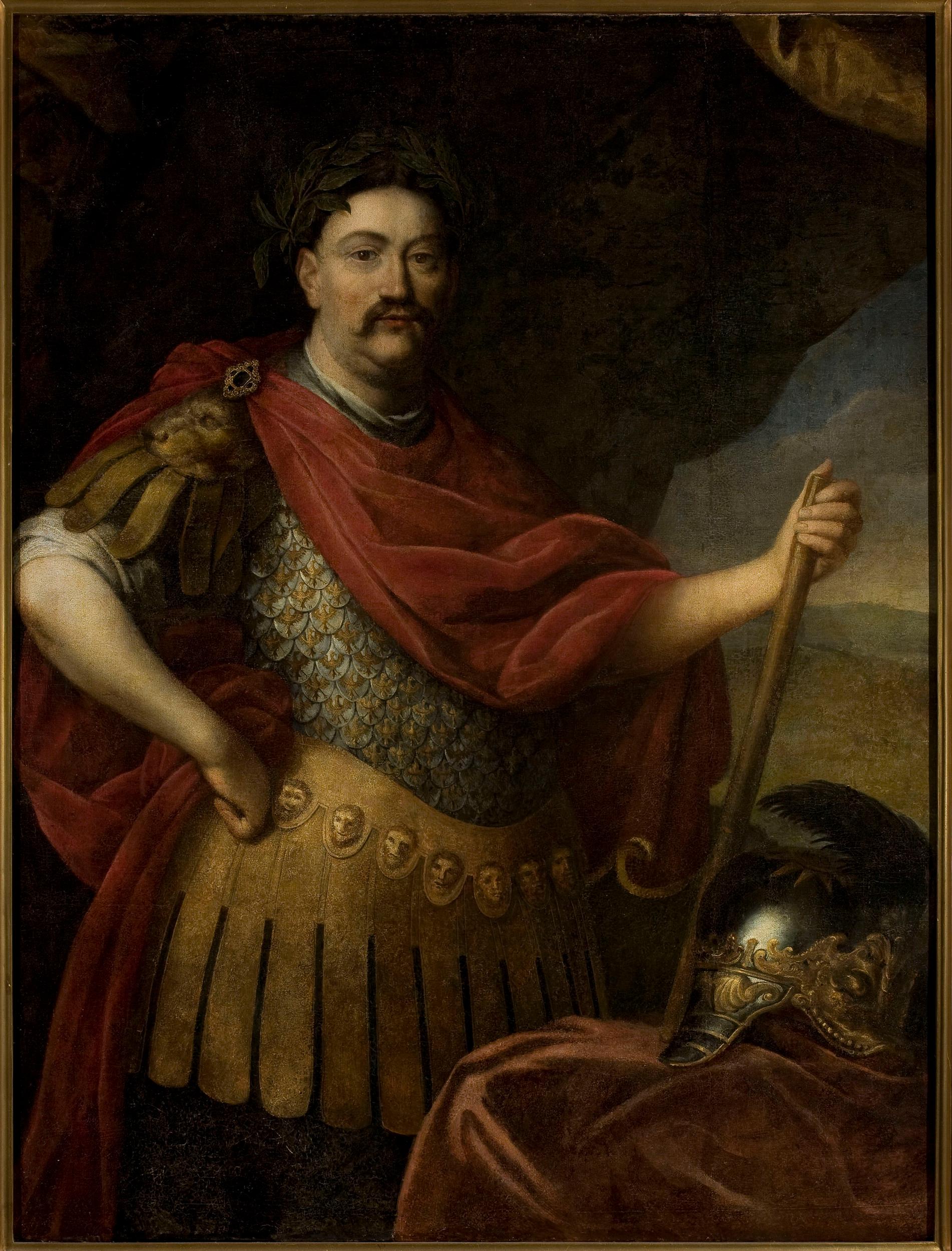
Union with Lithuania created the Polish-Lithuanian Commonwealth, one of the largest and most populous states in Europe, known for an early parliamentary tradition and, in 1683, King John III Sobieski's rescue of Vienna from an Ottoman siege.
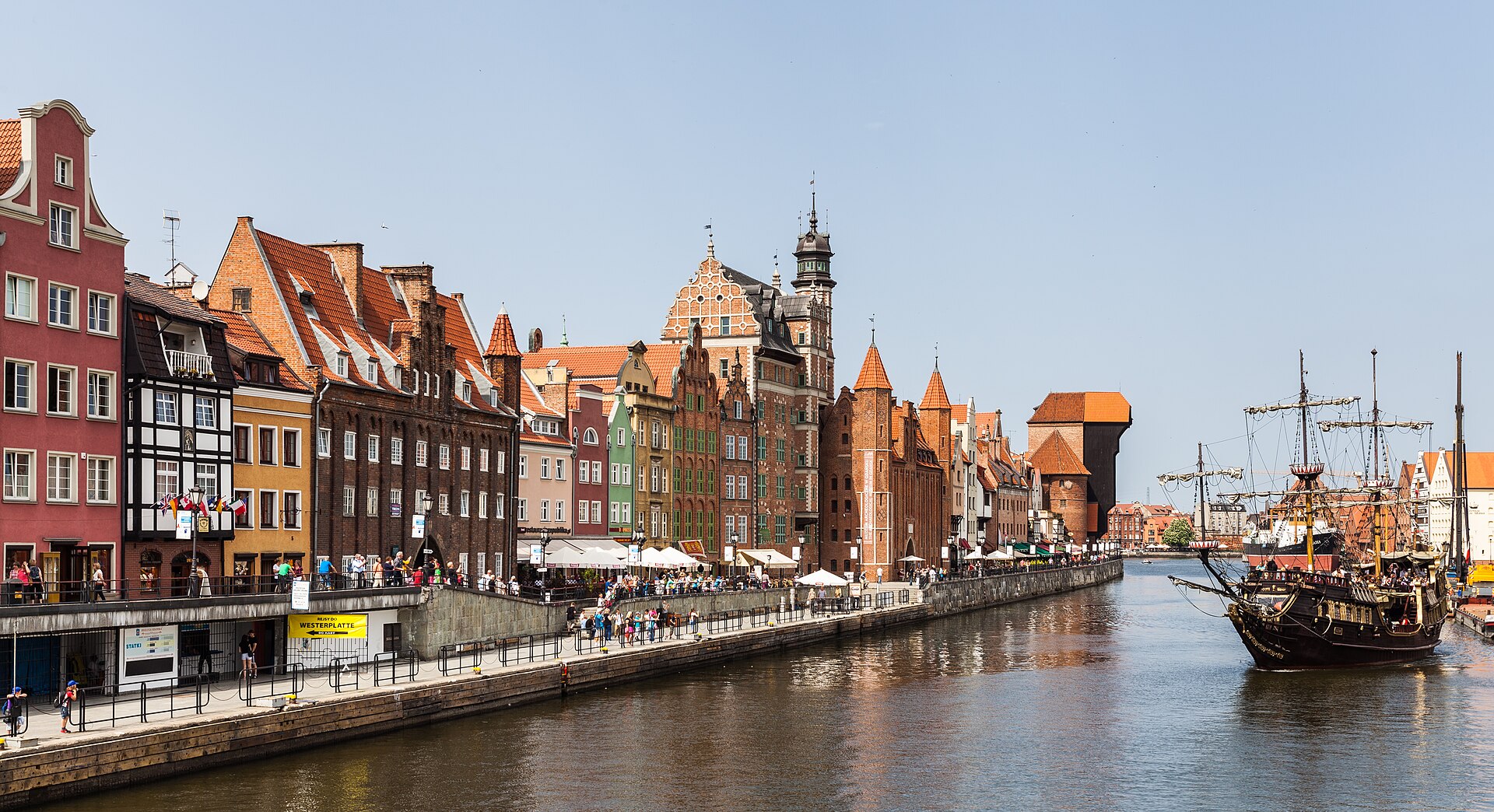
Internal weakness led to catastrophe: in the late eighteenth century Poland was carved up by its neighbours and vanished from the map for 123 years. It regained independence in 1918, only to be invaded again in 1939. After the devastation of the Second World War and decades of communist rule, the Solidarity movement, born in the shipyards of Gdańsk, helped bring freedom in 1989.
A founding legend tells of three brothers, Lech, Czech, and Rus, the forefathers of the Polish, Czech, and Russian peoples. Lech, the story goes, came upon a white eagle nesting against a red sunset and founded his settlement, Gniezno, on the spot, taking the white eagle as his emblem. The tale charmingly explains the national symbol and the kinship of the Slavs, but the brothers are figures of legend rather than history, even as the white eagle remains Poland's coat of arms.
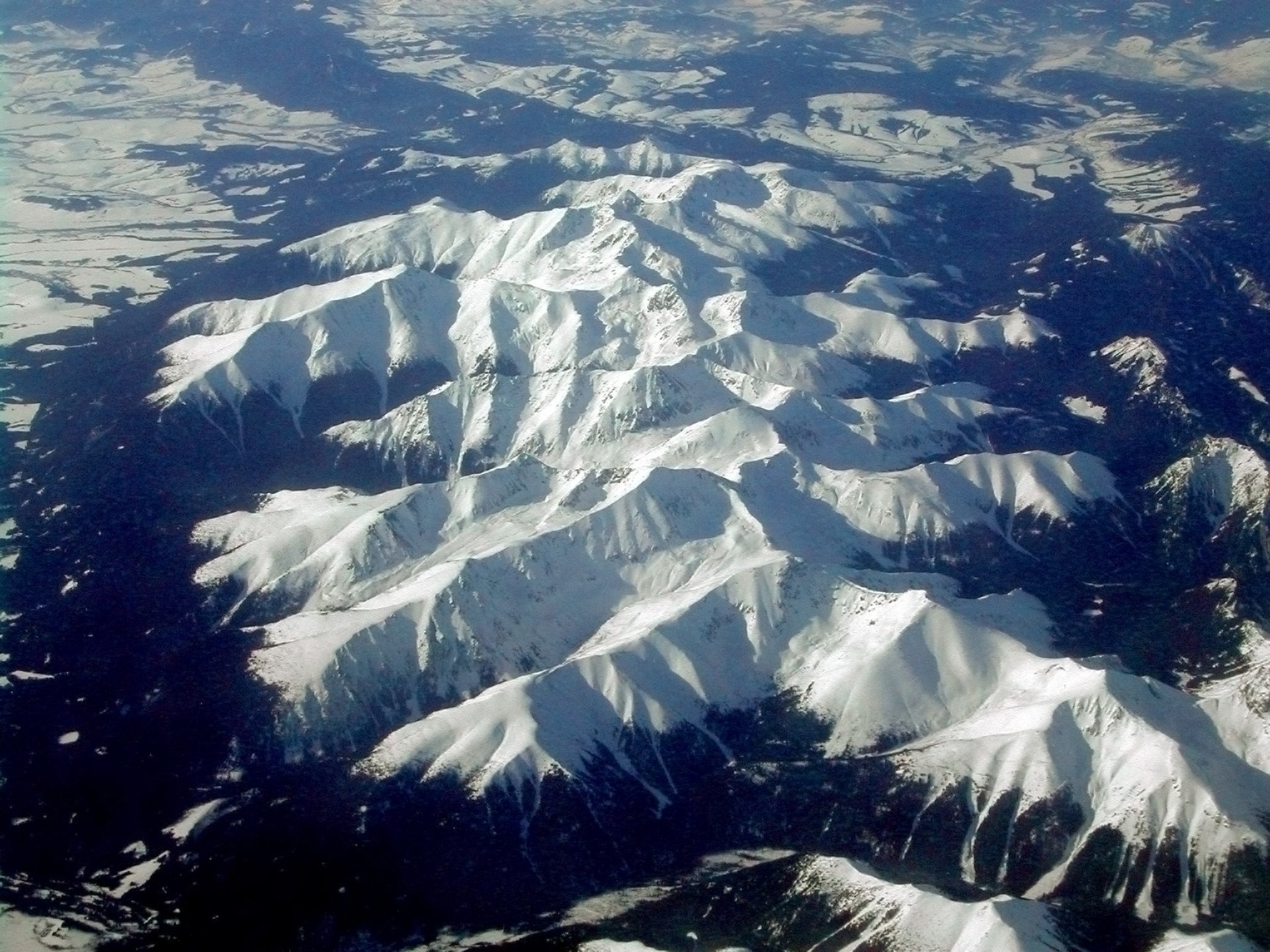
Poland is mostly low and flat, part of the great North European Plain, which made it both rich in farmland and tragically easy to invade. Forests, including ancient woodlands sheltering rare wildlife, and thousands of lakes dot the north, while the land rises to the Sudeten and the high Tatra Mountains along the southern border. The Vistula, the country's great river, winds north through historic cities to the Baltic coast.
Poland is a parliamentary republic, with a president as head of state and a prime minister leading a government answerable to an elected two-chamber parliament. Since the fall of communism in 1989 it has been a democracy and, from 2004, a member of the European Union and NATO, anchoring itself firmly in the West. Its politics are vigorously contested between liberal and national-conservative camps, and Warsaw has become an increasingly influential voice in European affairs.
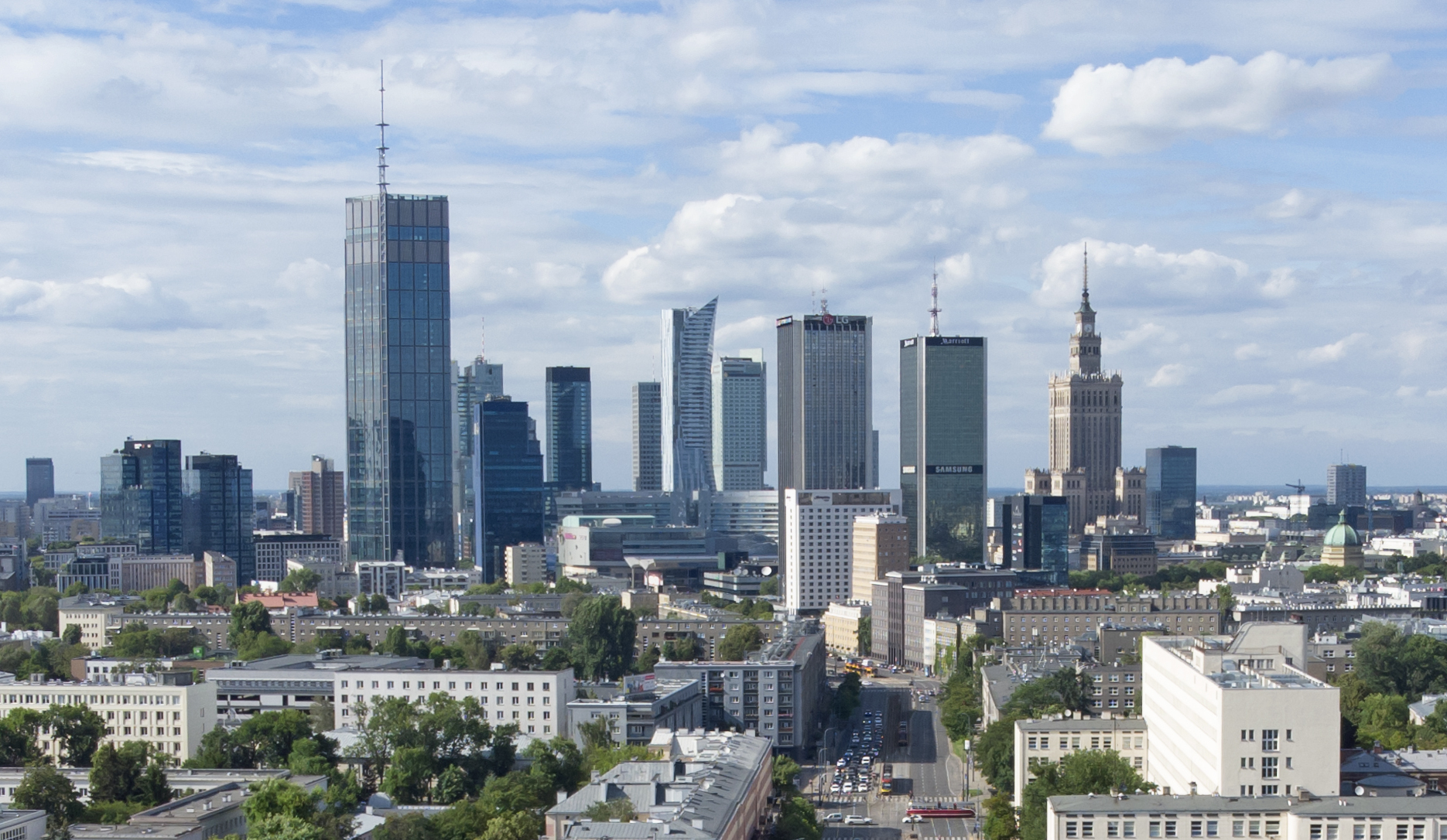
Poland is one of the success stories of modern Europe, growing without interruption for three decades after leaving communism behind to become one of the largest economies in the European Union. Manufacturing, from cars and appliances to furniture, is a mainstay, alongside a large agricultural sector and a fast-expanding services and technology industry. Once a country people left to find work abroad, it now draws migrant workers, including many from neighbouring Ukraine.
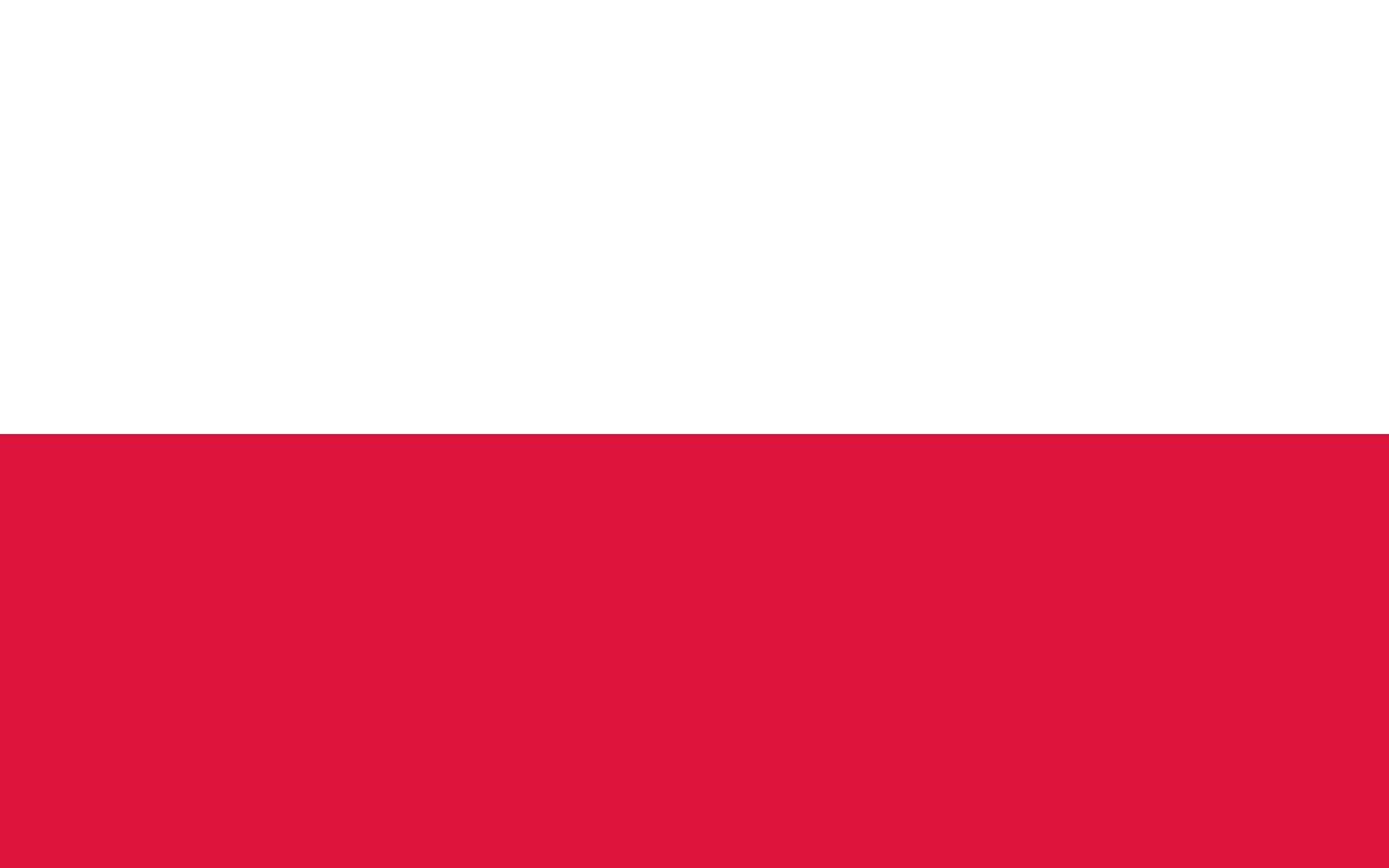
The flag of Poland could hardly be simpler: two equal horizontal bands, white above red. The colours come from the national coat of arms, a white eagle on a red field, with white set above red by the rules of heraldry. Despite, or because of, its simplicity, the white and red are a deeply felt emblem of a nation that clung to its identity through long periods when it had no state of its own.
Poland is one of the most devoutly Roman Catholic countries in Europe, and the faith has been bound up with national identity for a thousand years, often serving as a refuge for Polishness when the state itself was gone. That bond was embodied by Karol Wojtyla, the archbishop of Krakow who became Pope John Paul II, whose moral authority helped inspire the movement that toppled communism. Catholic tradition still shapes the country's culture and public life.
Polish cuisine is warm and filling, suited to cold winters. Its best-loved dish is pierogi, soft dumplings stuffed with anything from potato and cheese to meat or fruit. Hearty soups, sausages such as kielbasa, and bigos, a rich hunter's stew of cabbage and meat, are staples, often accompanied by rye bread and pickled vegetables. The food reflects a culture of generous hospitality and the rhythm of the agricultural seasons.
Poland has a strong agricultural tradition and is one of the leading farming nations in the European Union. Its plains produce abundant grain, potatoes, and sugar beet, and the country is the largest apple producer in Europe, a major exporter of poultry, and a significant source of dairy and other fruits and vegetables. Family farms remain common, and food is an important part of both the rural economy and Polish exports across the continent.
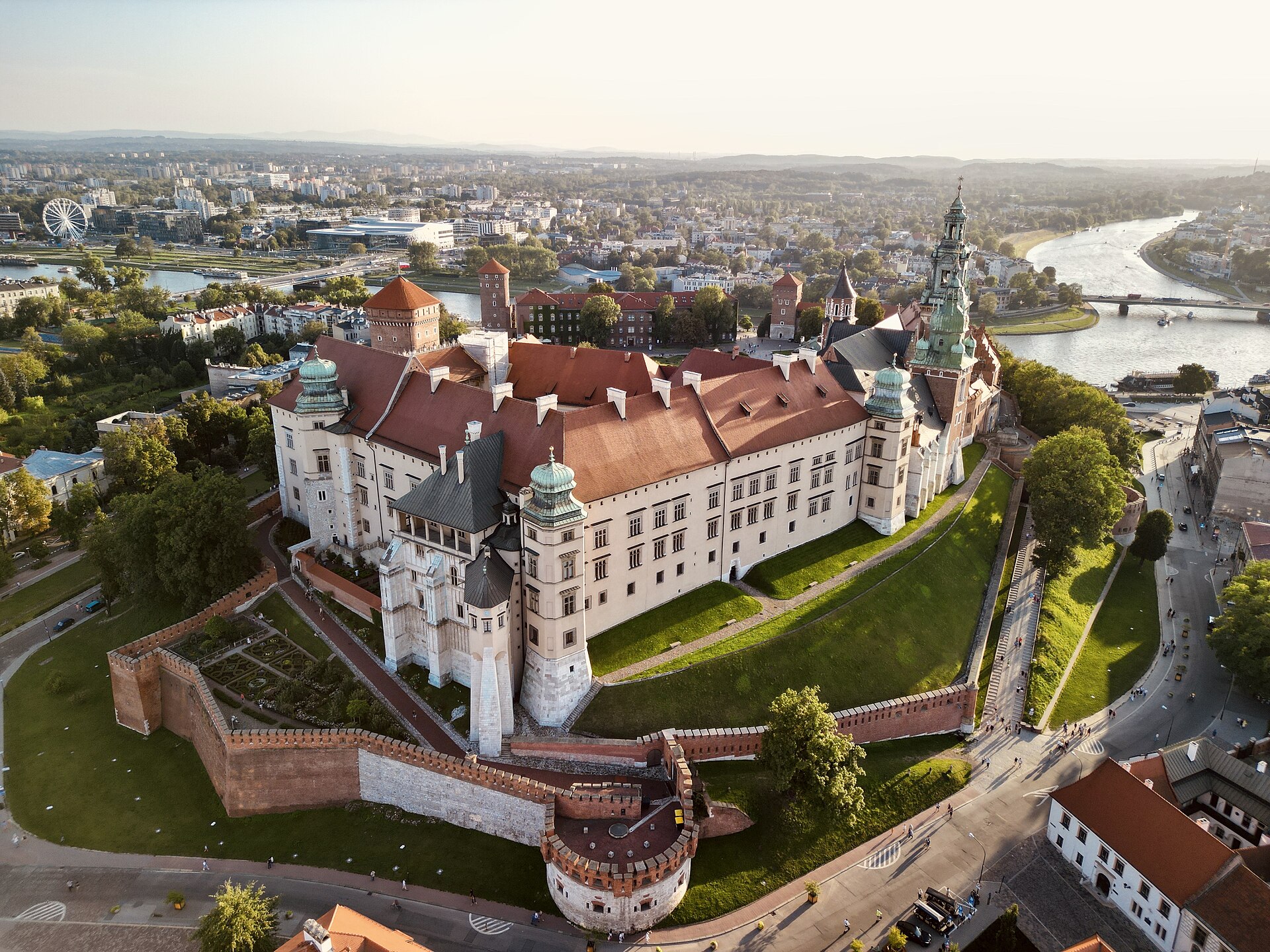
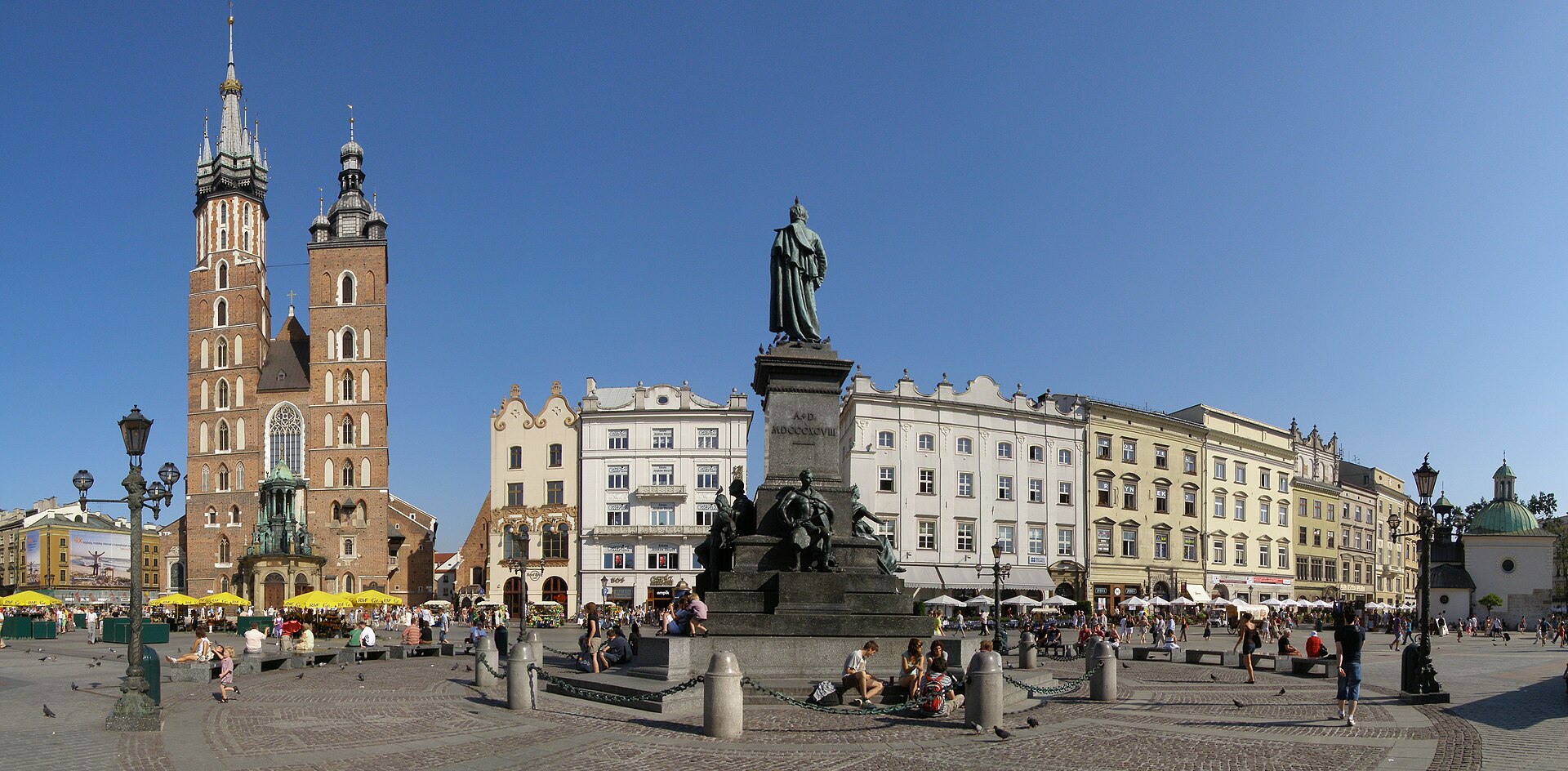
Polish culture is bound up with a fierce sense of national identity, forged through long years when the nation survived without a state. It has given the world the music of Fryderyk Chopin, the astronomy of Nicolaus Copernicus, and a rich literature, and it treasures its historic cities, above all Kraków, the former royal capital that came through the war largely intact. Faith, family, and the memory of a hard history run deep through Polish life.
As a democracy that has swung between liberal and national-conservative governments, Poland has seen sharp battles over the independence of its courts, which strained relations with the European Union, and over social questions such as one of Europe's strictest abortion laws. Since 2022 it has been a frontline supporter of neighbouring Ukraine, taking in millions of refugees, a role that has reshaped both its politics and its standing in Europe.
Poland's history turns on dramatic events: its baptism in 966, the great victory over the Teutonic Knights at Grunwald in 1410, and King John III Sobieski's rescue of Vienna from an Ottoman siege in 1683. The partitions erased the country for over a century. The twentieth century brought the horror of the Second World War, which began with the invasion of Poland and saw the Holocaust carried out on its soil, followed by communist rule and the Solidarity movement that helped end it.
Poland has a population of around 37 million people, ethnically and religiously homogeneous after the upheavals of the twentieth century, the great majority Polish and Catholic. The population is highly urban, centred on cities such as the capital Warsaw, rebuilt from near-total destruction after the war, and the historic former royal capital of Krakow. In recent years Poland has shifted from a country of emigration to one drawing migrants, including large numbers from neighbouring Ukraine.