The Philippines is an archipelagic country in Southeast Asia, made up of more than seven thousand islands scattered across the western Pacific. A land of tropical mountains, rainforests, and coral seas, it is unusual in the region for its deep Spanish and American influences, layered over native Malay roots, which gave it a largely Christian faith and a distinctive blended culture. It is a populous, youthful nation known for the warmth of its people.
The islands were settled by Austronesian peoples and, before European contact, were organised into many small trading states. Their recorded history was then shaped by more than three centuries of Spanish rule and a shorter American era, before independence in 1946.
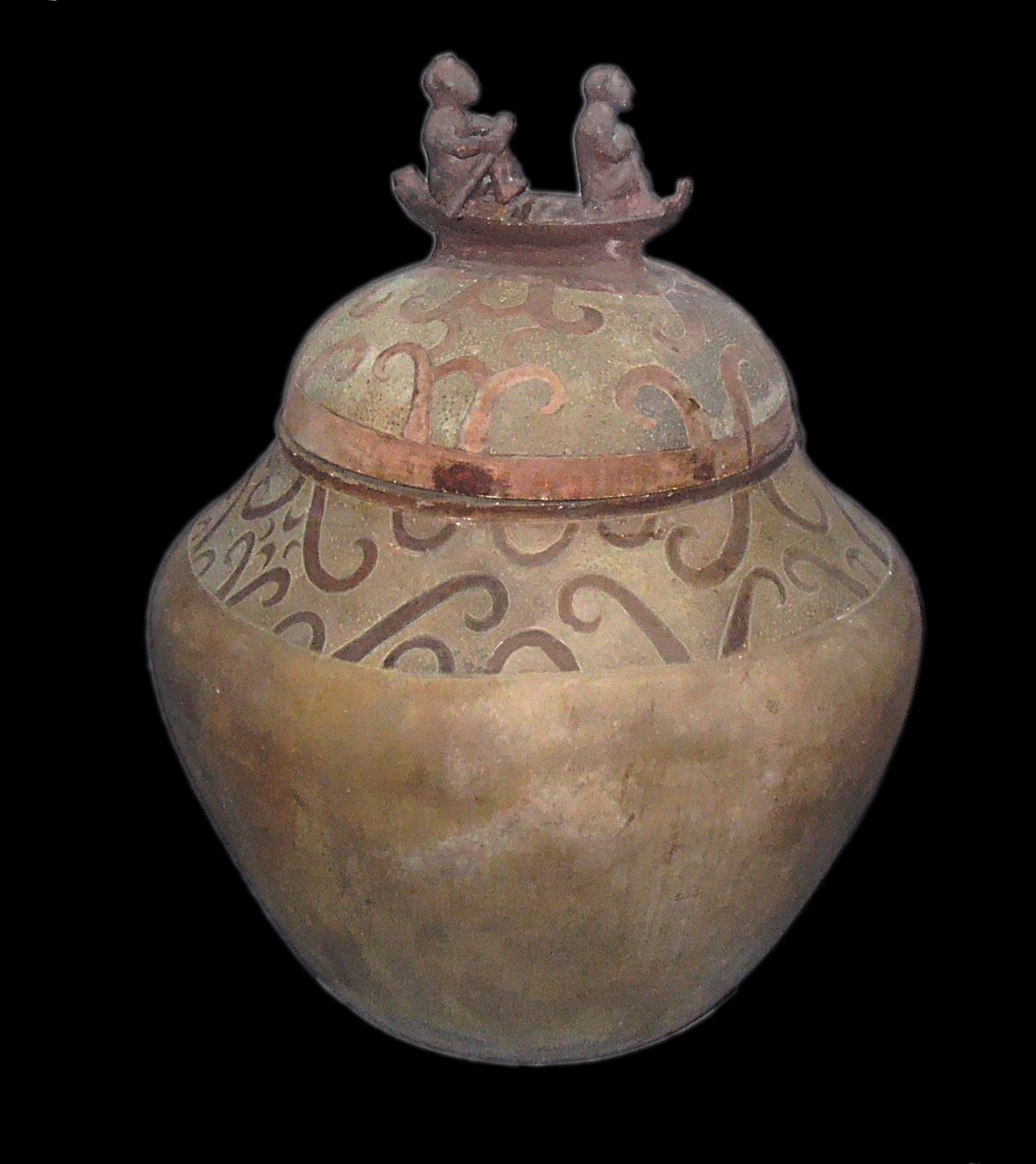
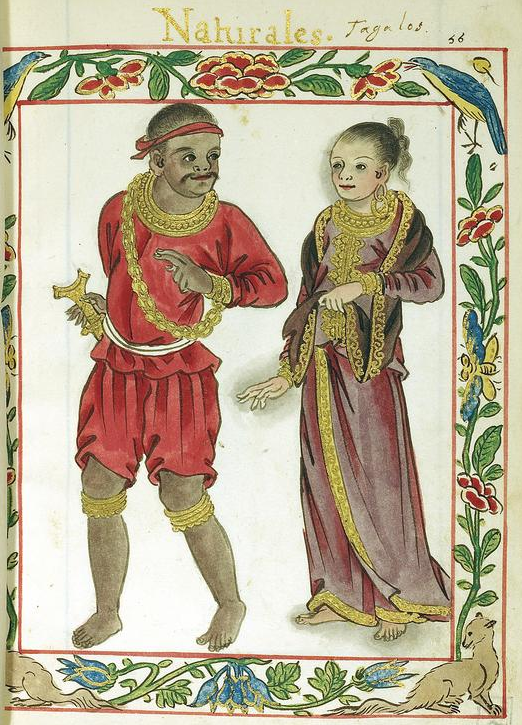
Long before Europeans arrived, the islands were home to seafaring Austronesian communities and a scatter of small states and chiefdoms known as barangays. They traded across the region with China and the wider Malay world, and produced fine gold ornaments and pottery.
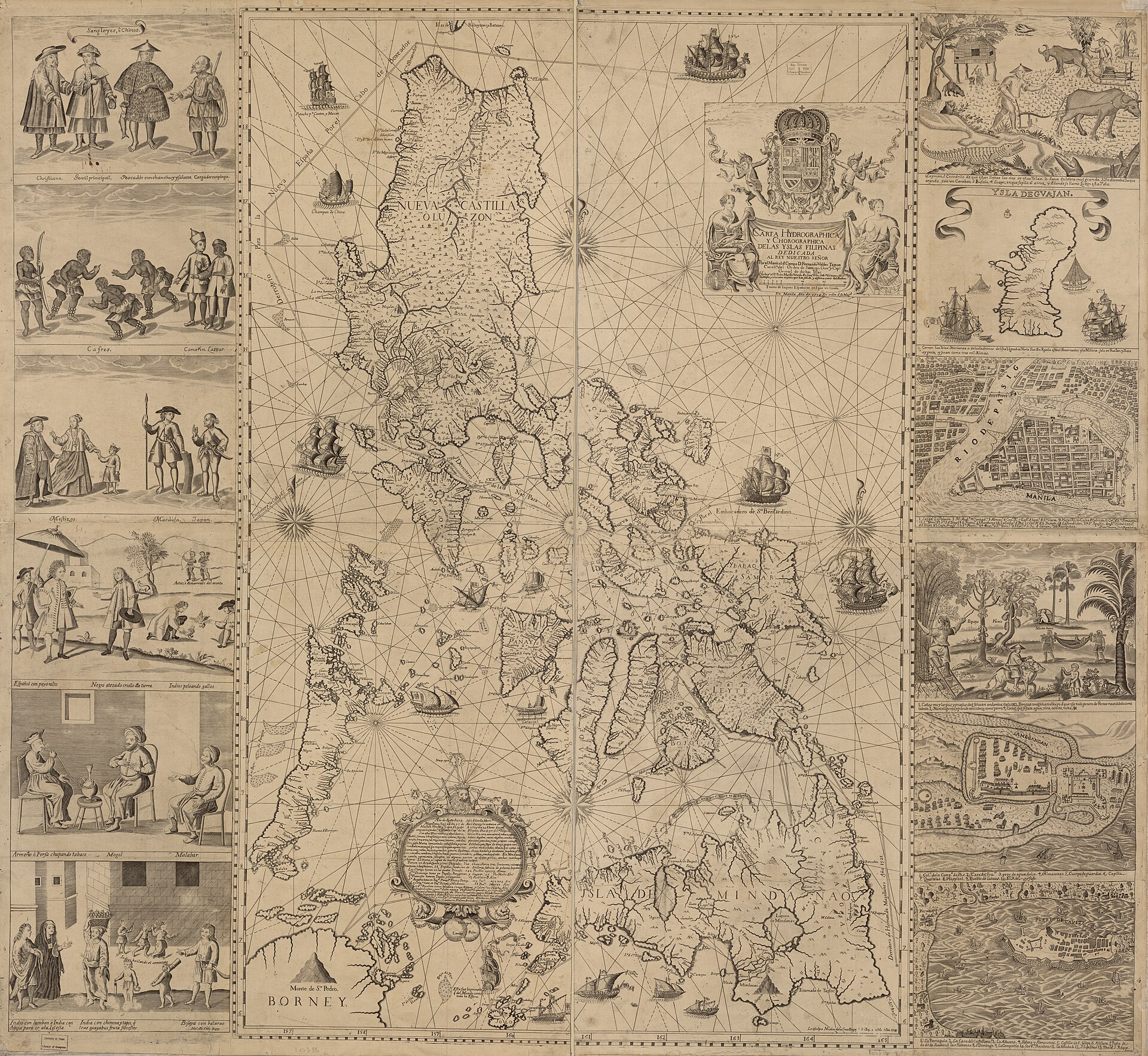
In 1521 the expedition of Ferdinand Magellan reached the islands, and from 1565 Spain colonised them, naming them for King Philip II. Spanish rule lasted more than three hundred years, made Manila the eastern hub of a Pacific galleon trade, and converted most Filipinos to Catholicism.
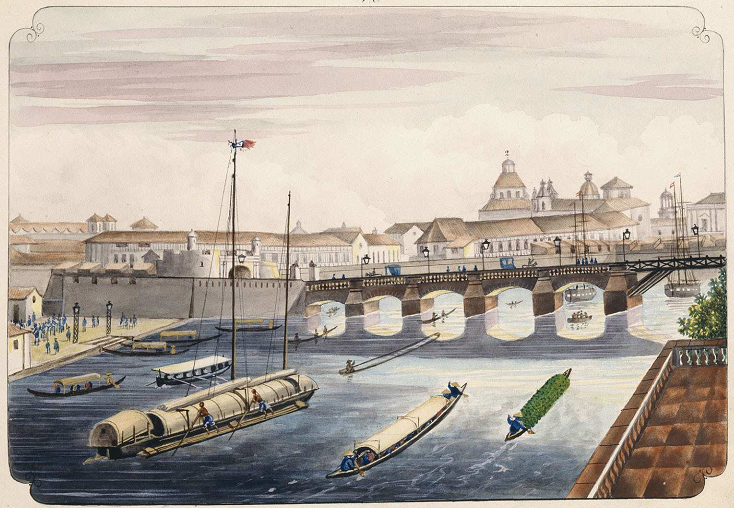
By the late nineteenth century an educated class of reformers, the ilustrados, was pressing for change, and writers such as José Rizal stirred a growing national consciousness. A revolution against Spain broke out in 1896, making the Philippines one of the first countries in Asia to rise against a colonial power.
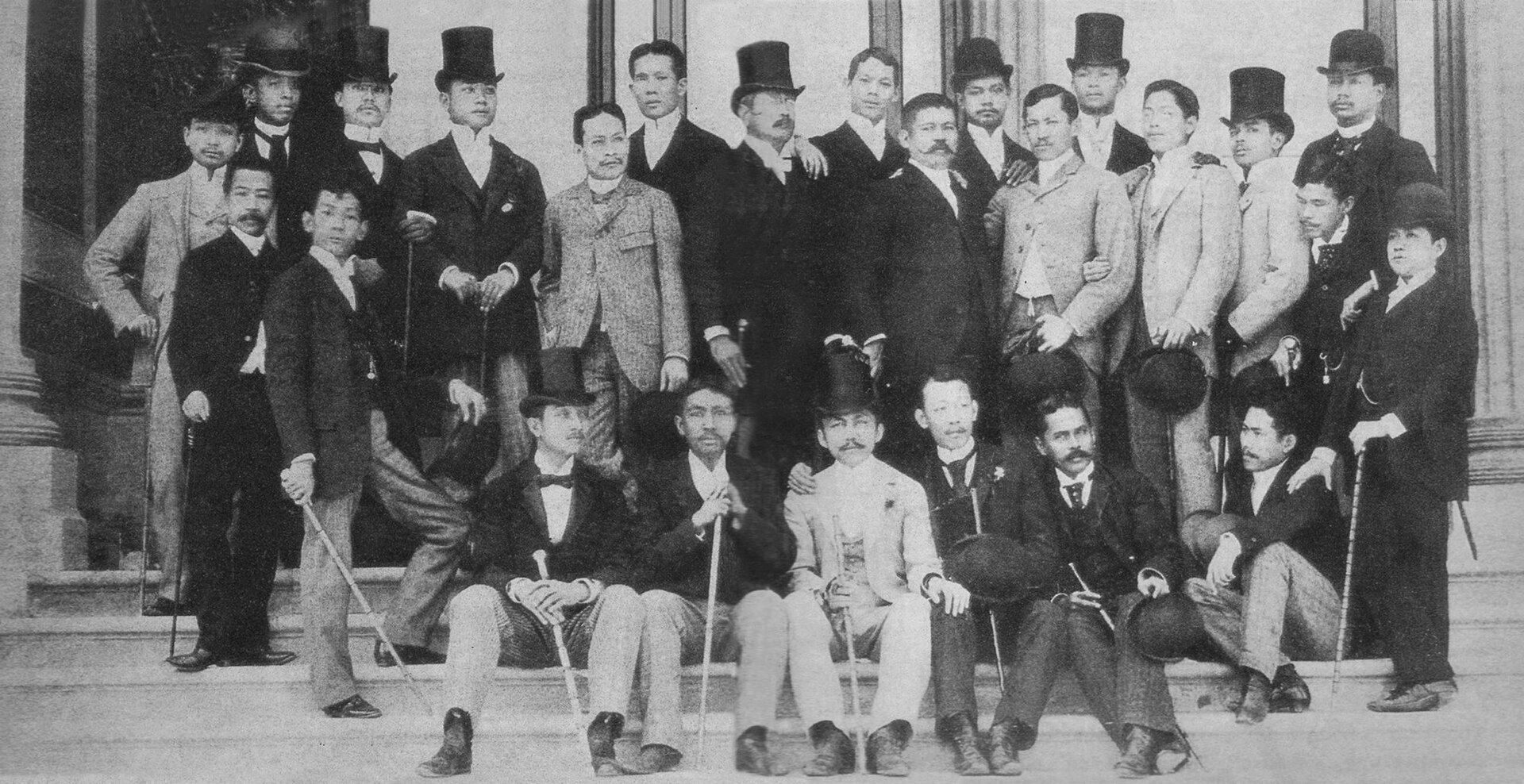
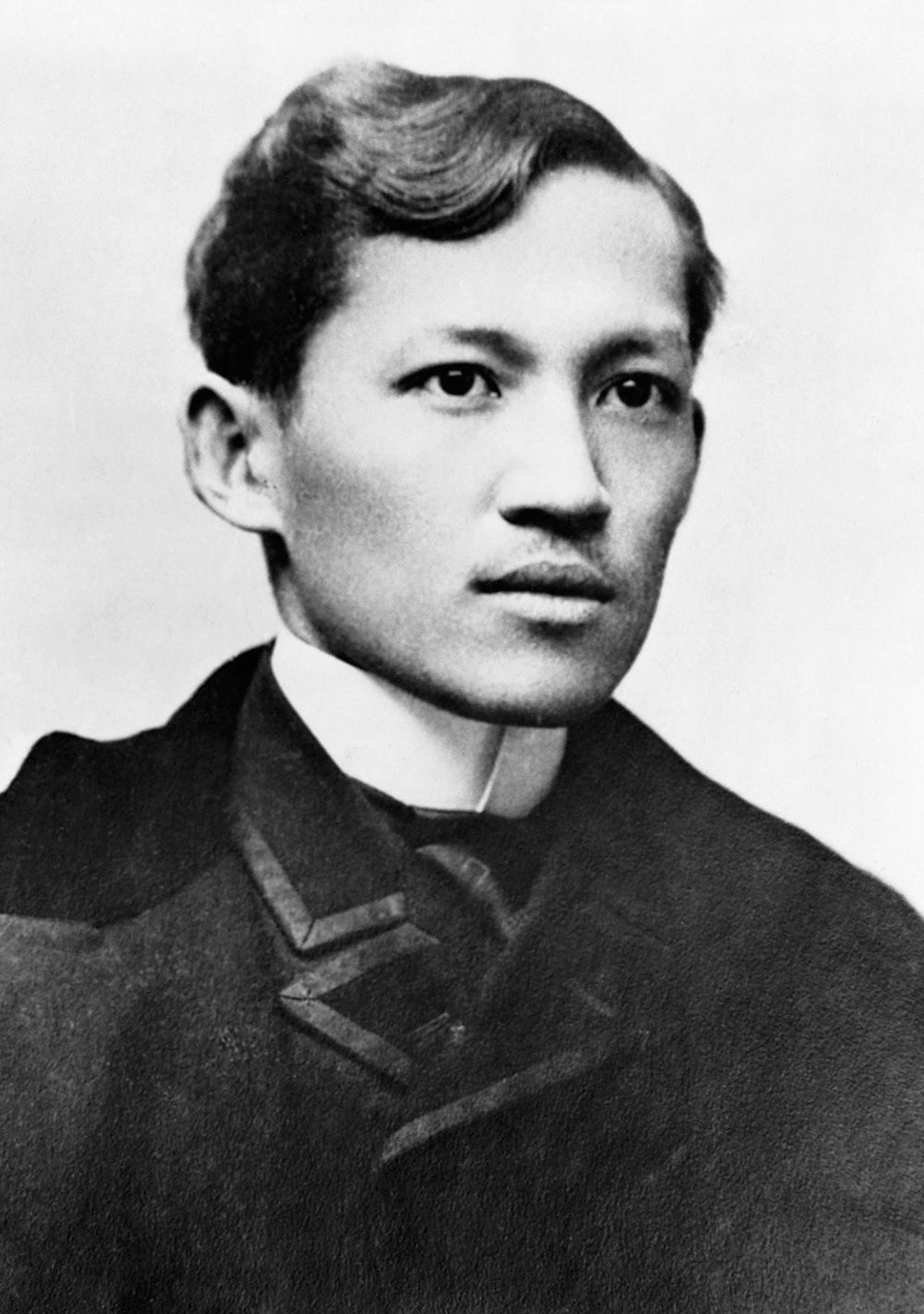
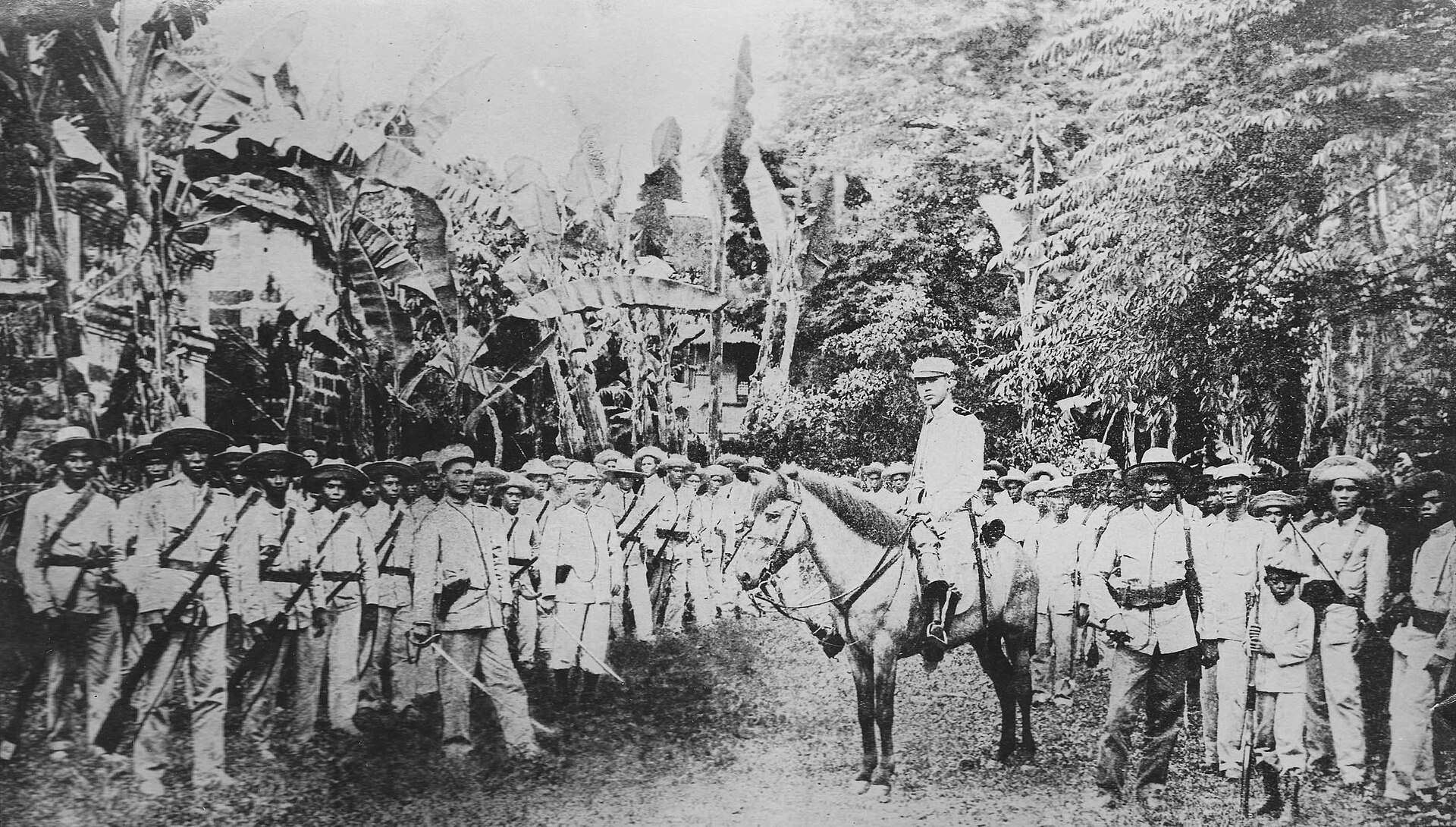
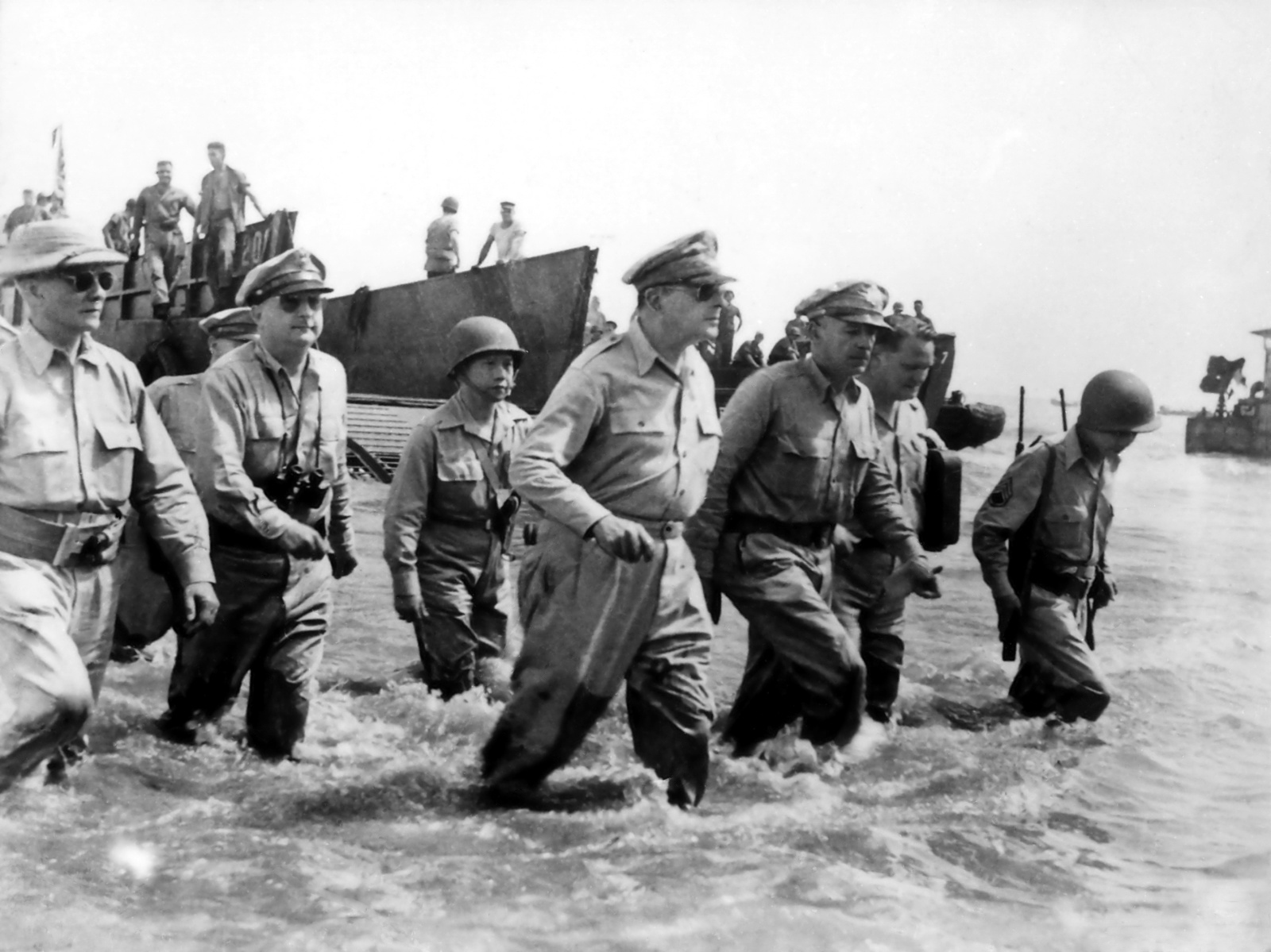
After the Spanish-American War of 1898 the United States took control of the islands, spreading English and public schooling over the following decades. During the Second World War the Philippines was invaded and occupied by Japan and endured brutal fighting before its liberation, and full independence followed in 1946.
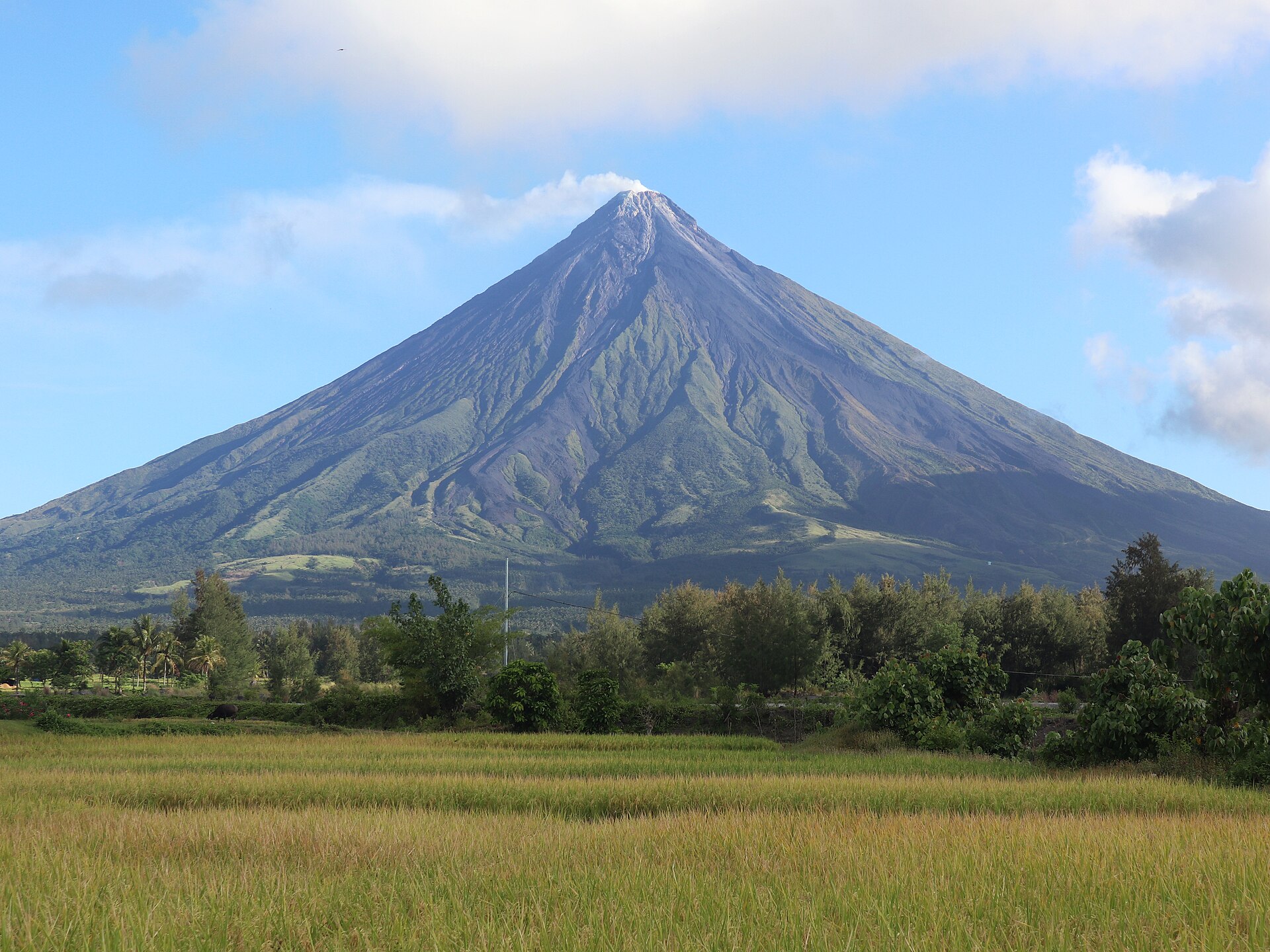
The Philippines is a sprawling archipelago divided into three main groups of islands, the largest being Luzon in the north and Mindanao in the south. The islands are mountainous and volcanic, lying on the Pacific Ring of Fire, so earthquakes and eruptions are frequent, and the country is also among the most exposed in the world to powerful typhoons. Its warm seas hold some of the richest marine biodiversity on the planet, including spectacular coral reefs.
The Philippines is a democratic republic with a presidential system, in which a directly elected president serves as both head of state and head of government for a single six-year term. Its politics are vigorous and often dominated by powerful regional families and strong personalities. In 1986 the peaceful People Power Revolution, a vast gathering on the streets of Manila, overthrew the long rule of Ferdinand Marcos and restored democracy, an event that inspired nonviolent movements around the world.
The Philippines has a large, fast-growing economy increasingly driven by services, especially a huge business process outsourcing industry that handles call centres and back-office work for companies worldwide. Agriculture and light manufacturing remain important, and, as in few other countries, the money sent home by millions of Filipinos working overseas is a pillar of national income. Rapid growth sits alongside persistent poverty and sharp inequality.

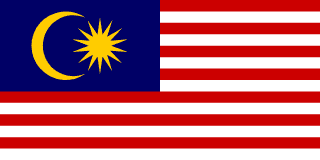
The flag of the Philippines has a horizontal blue band over a red one, with a white triangle at the hoist bearing a golden sun and three stars. The sun's eight rays represent the provinces that first rose in revolt against Spain, and the three stars stand for the main island regions of Luzon, Visayas, and Mindanao. Uniquely, the flag can be flown with the red band uppermost to signal that the country is at war.
The Philippines is one of only two predominantly Christian countries in Asia, the legacy of Spanish colonisation, and it is overwhelmingly Roman Catholic, with the faith woven deeply into festivals, family life, and the national calendar. Vibrant celebrations and processions mark the religious year. The south, especially parts of Mindanao, has a long-established Muslim population, and indigenous beliefs persist in some communities, making for a layered spiritual landscape.
Filipino cuisine reflects the country's mixed heritage, blending native, Spanish, Chinese, and American influences into flavours that balance the sour, salty, and sweet. The unofficial national dish is adobo, meat braised in vinegar, soy, and garlic, while lechon, a whole roast pig, crowns celebrations. Rice is the staple of every meal, noodle dishes show Chinese roots, and a love of rich, sweet treats runs through a warm, family-centred food culture.
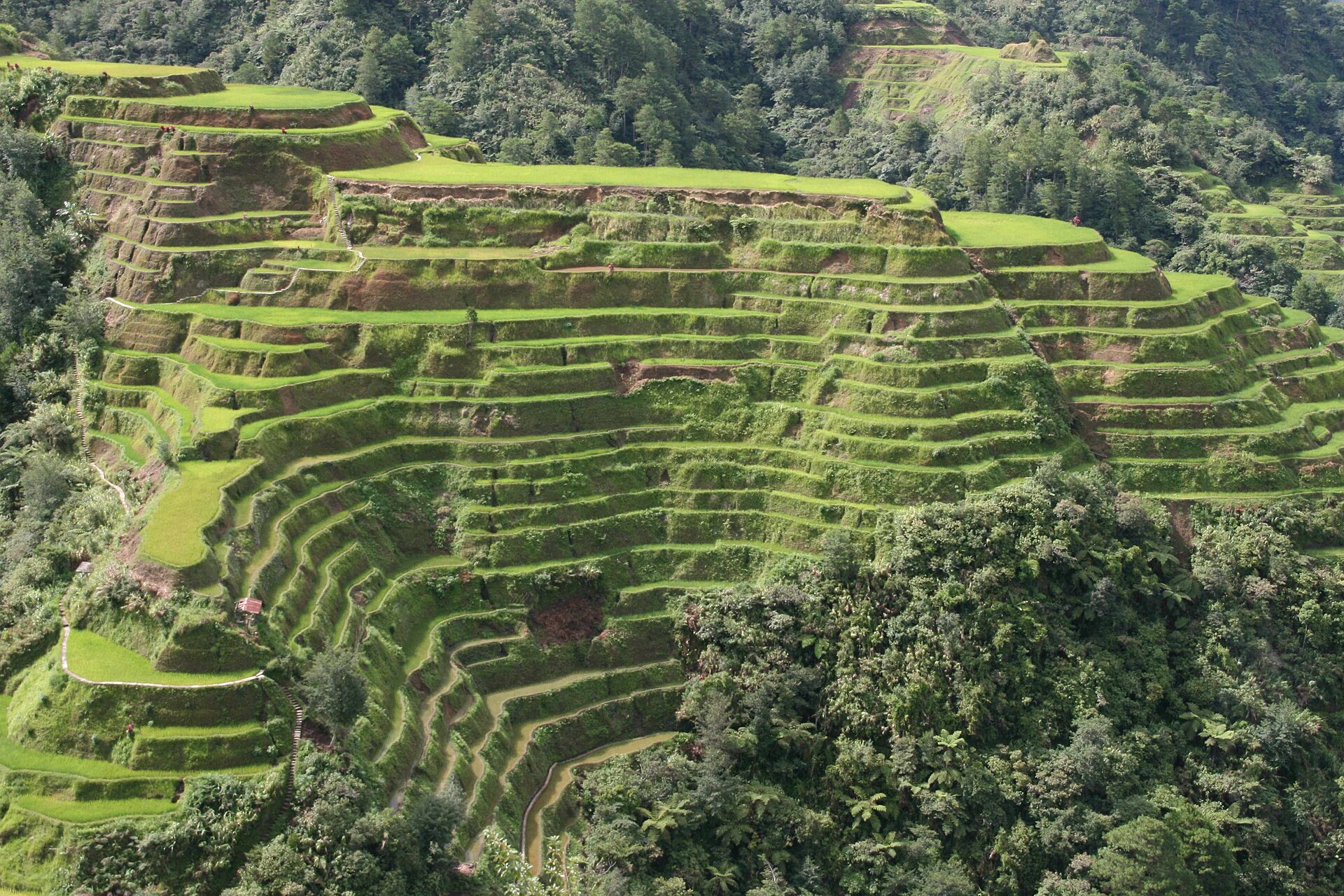
Agriculture employs a large share of Filipinos across the fertile islands. Rice and corn are the main food crops, and the country is one of the world's leading producers of coconuts and coconut products, along with sugarcane, bananas, and pineapples grown for export. Fishing is vital too, given the vast surrounding seas. Frequent typhoons and the scattering of farmland across many islands make the sector productive but vulnerable to natural disasters.
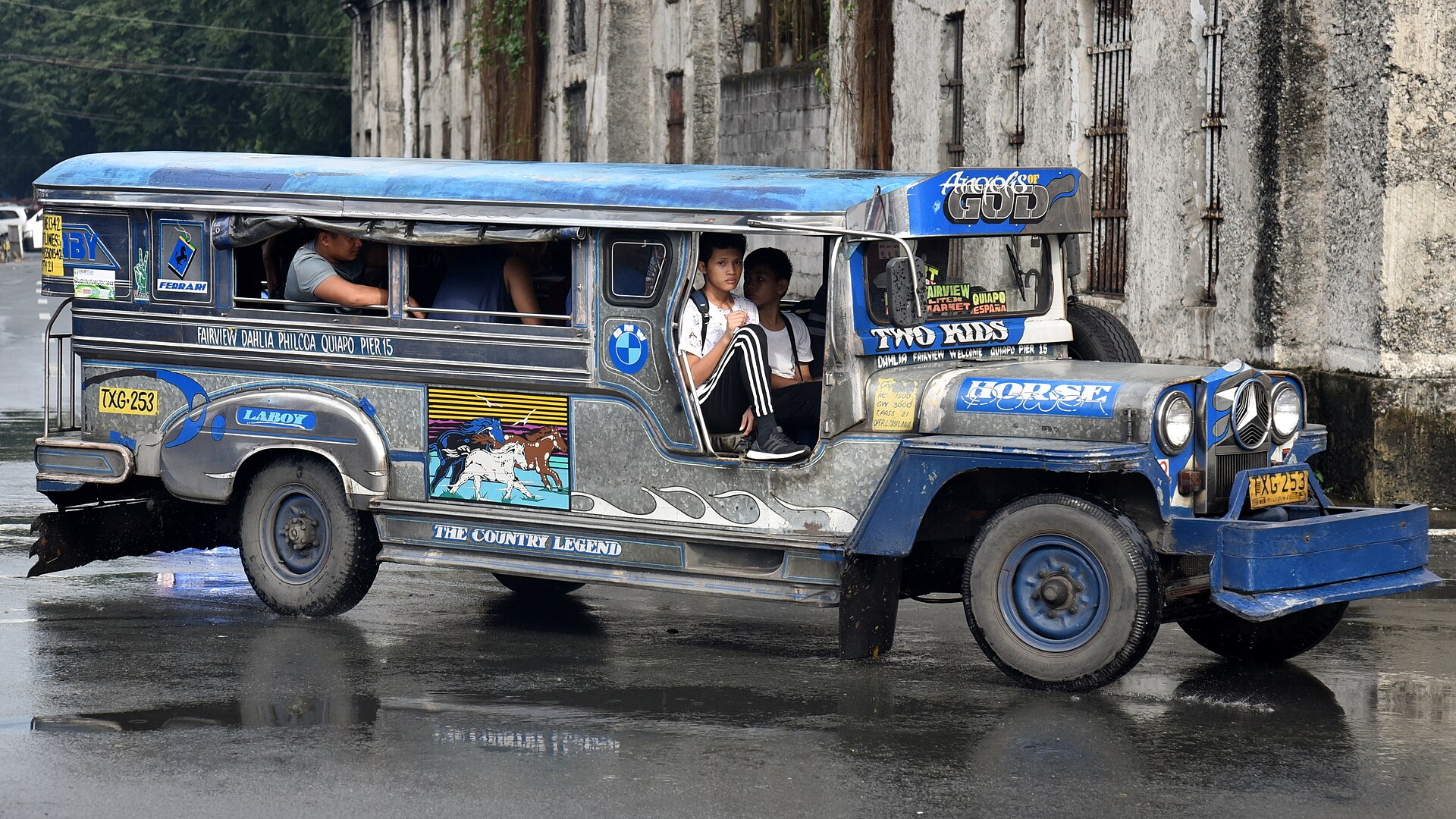
Filipino culture is a warm and distinctive blend of native Malay roots with deep Spanish and American influences. Family is at its heart, along with a spirit of community help known as bayanihan and a famous resilience and cheer in hard times. Catholic festivals, or fiestas, fill the calendar, and a love of singing, basketball, and lively street life runs through daily life, much of it carried, quite literally, aboard the colourful jeepney.
The Philippines faces sharp and sometimes divisive issues. Its long-running dispute with China over waters and reefs in the South China Sea, which Filipinos call the West Philippine Sea, is a source of national concern and periodic confrontation at sea; in 2016 an international tribunal ruled largely in the country's favour, a decision China rejects. At home, the war on drugs waged under President Rodrigo Duterte, which rights groups say killed thousands, the enduring influence of political dynasties, and long insurgencies in parts of Mindanao all remain matters of intense debate.
Magellan's arrival in 1521 began the long era of Spanish rule, and the Philippine Revolution at the end of the nineteenth century made the country one of the first in Asia to rise against a colonial power. The islands suffered brutal fighting and occupation during the Second World War. In 1986 the peaceful People Power Revolution, a vast outpouring onto the streets of Manila, toppled a dictatorship and became an inspiration for nonviolent movements worldwide.
The Philippines has a population of around 115 million people, young and fast-growing, spread across its many islands and concentrated in the teeming capital region of Manila. Filipinos are predominantly of Malay descent, with Chinese, Spanish, and other influences, and they speak many languages, with Filipino and English serving as official tongues. A defining feature of the nation is its huge overseas workforce, millions of Filipinos working abroad whose remittances support families at home.