Paraguay is a landlocked country in the heart of South America, bordered by Argentina, Brazil, and Bolivia. One of only two landlocked nations on the continent, it is a country of two contrasting halves divided by the Paraguay River, the fertile, populated east and the vast, wild scrubland of the Chaco in the west. Distinctive for the strength of its indigenous Guarani heritage, Paraguay is one of the few countries where an indigenous language is spoken by most of the population alongside Spanish. Its history has been marked by long dictatorships and two devastating wars.
Paraguay's history is one of the most dramatic in South America: a land of the Guarani and the Jesuits, shaped by long dictatorships and by two of the deadliest wars the continent has known.
The region was the homeland of the Guarani people when the Spanish arrived in the sixteenth century and founded Asuncion, one of the earliest cities of the interior. Here, uniquely, Jesuit missionaries built a remarkable network of self-governing indigenous missions, prosperous Christian communities of the Guarani that flourished for over a century until the Jesuits were expelled. That deep meeting of Spanish and Guarani worlds gave Paraguay its distinctive bilingual character.
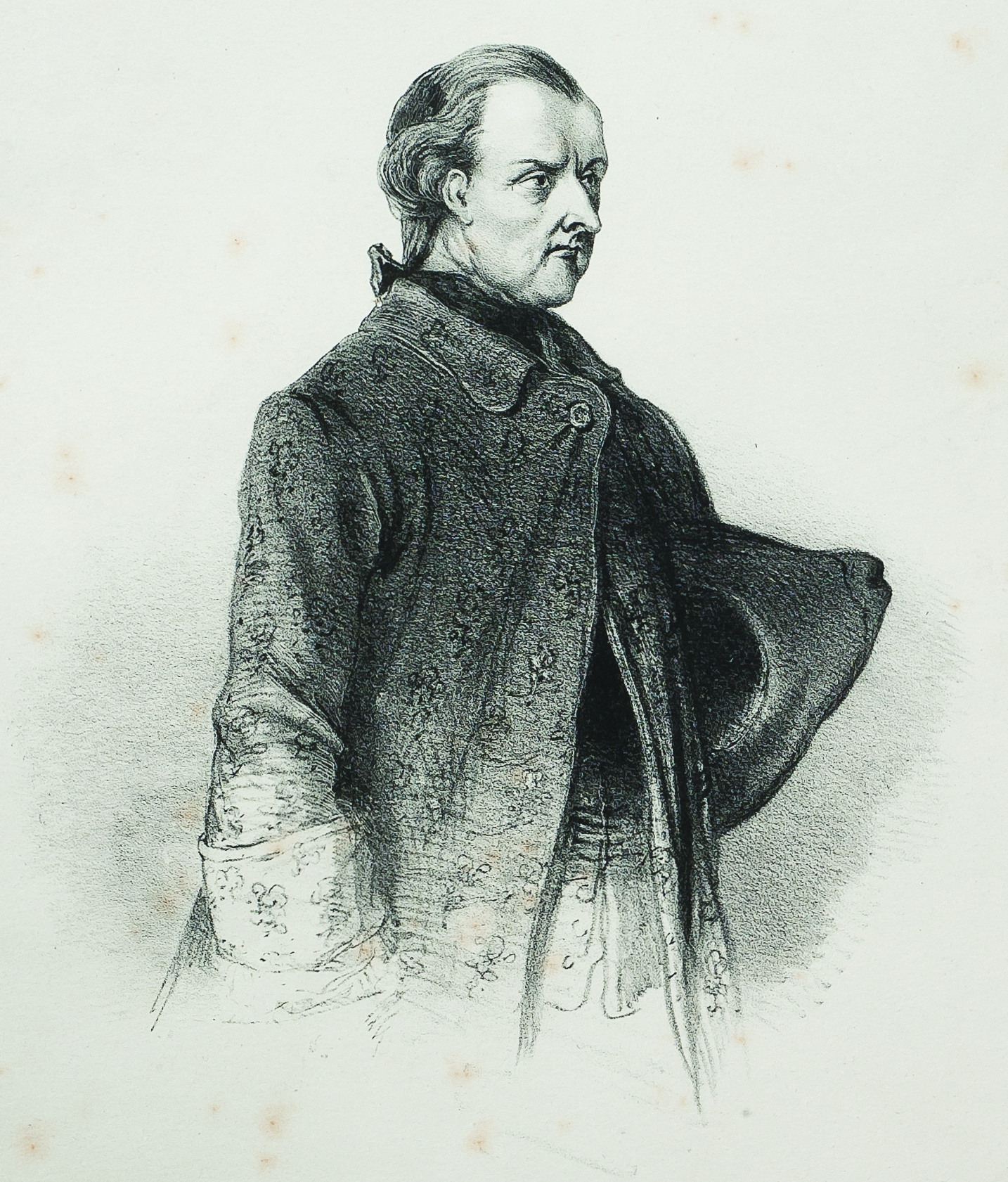
Paraguay became independent from Spain in 1811, and soon fell under the austere, isolationist dictatorship of Jose Gaspar Rodriguez de Francia, who sealed the country off from the outside world in the name of self-sufficiency. A succession of strong rulers followed, building a proud and unusually independent little nation in the heart of the continent.
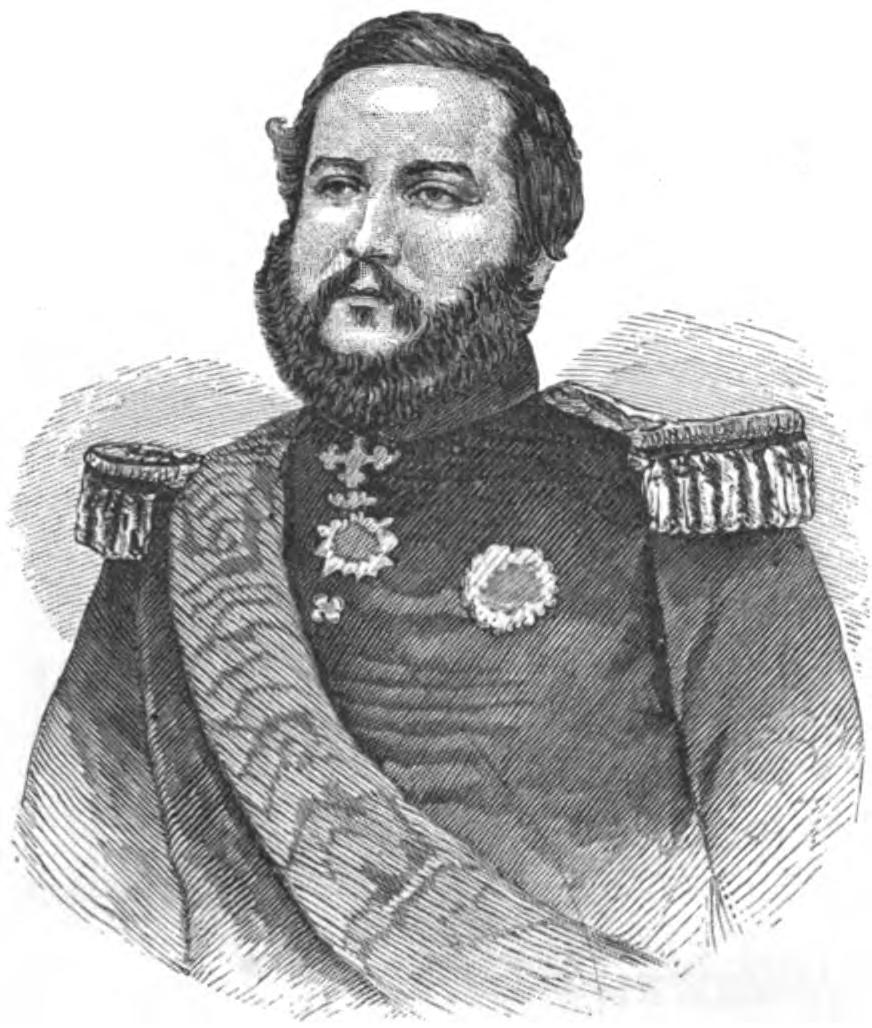
In 1864 Paraguay, under Francisco Solano Lopez, was drawn into the War of the Triple Alliance against Brazil, Argentina, and Uruguay, a catastrophe almost without parallel. By its end in 1870 the country lay in ruins and had lost a staggering share of its population, by some estimates more than half, and the great majority of its adult men. The trauma of near-annihilation seared itself into the national memory.
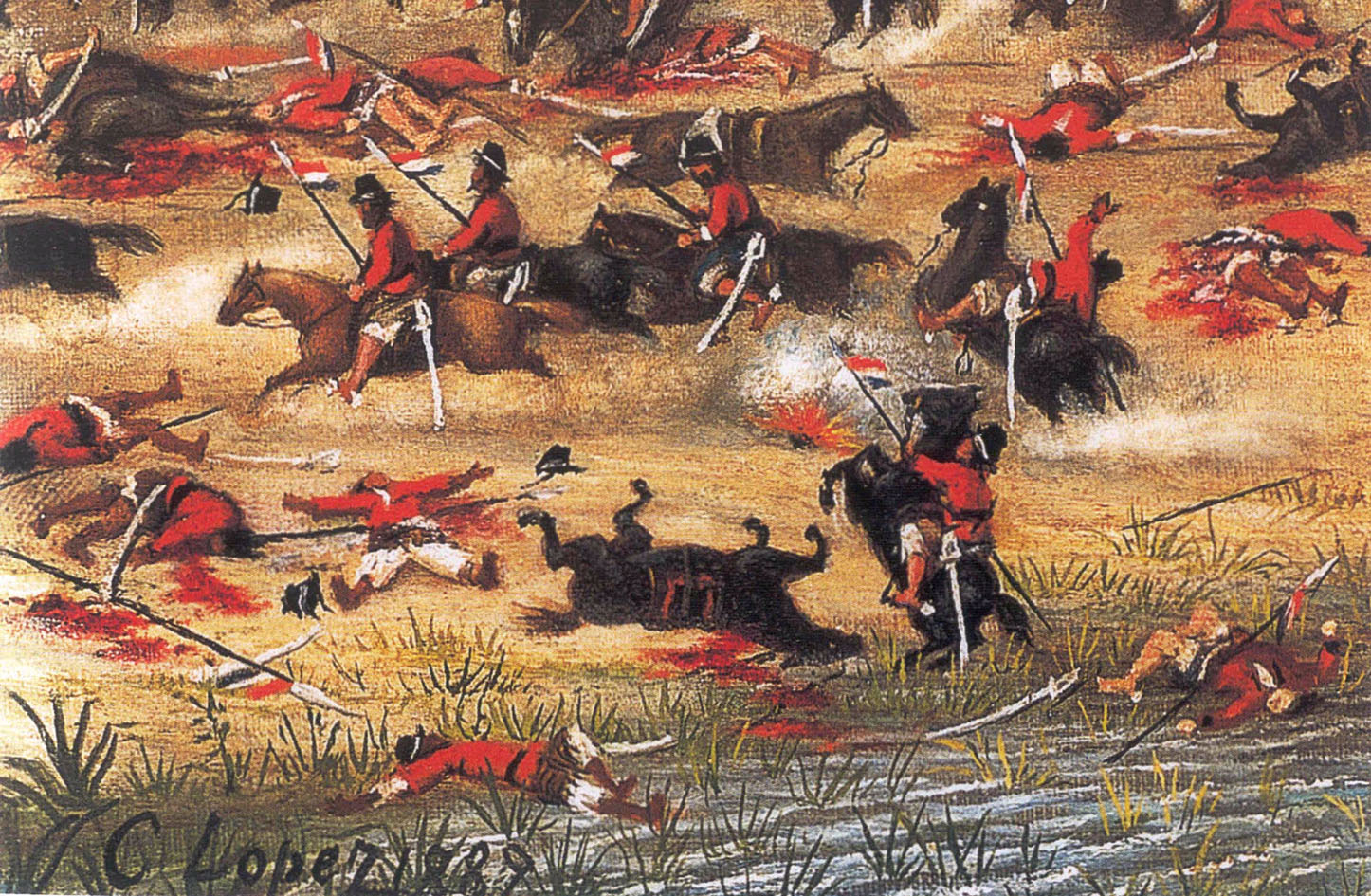
In the 1930s Paraguay fought and won a bitter war against Bolivia over the Gran Chaco, before falling, in 1954, under General Alfredo Stroessner, whose thirty-five-year dictatorship was one of the longest and most repressive in the Americas. Democracy returned only with his overthrow in 1989.
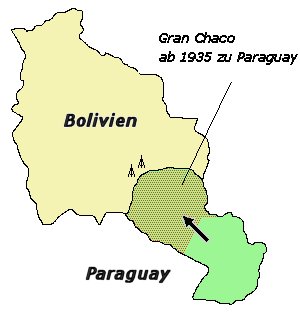
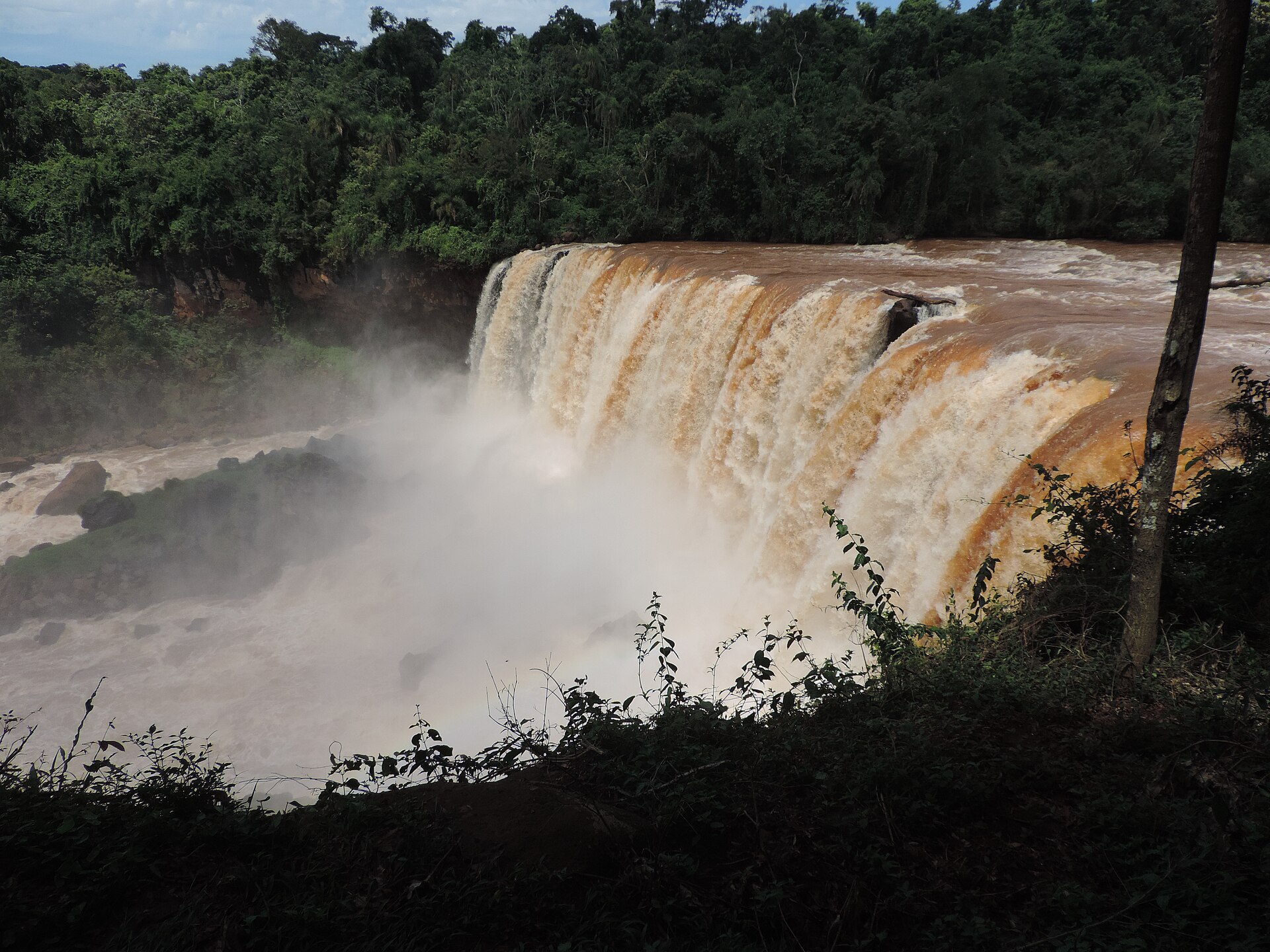
Paraguay is divided into two distinct regions by the Paraguay River. To the east lie fertile plains, rolling hills, and forests, where the great majority of the population lives and most farming takes place, watered by good rainfall. To the west stretches the Gran Chaco, a vast, sparsely inhabited wilderness of dry scrub forest, marsh, and savanna, hot and remote, covering more than half the country yet home to only a tiny fraction of its people. The mighty Parana and Paraguay rivers, which give the landlocked nation its access to the sea, are central to its geography.
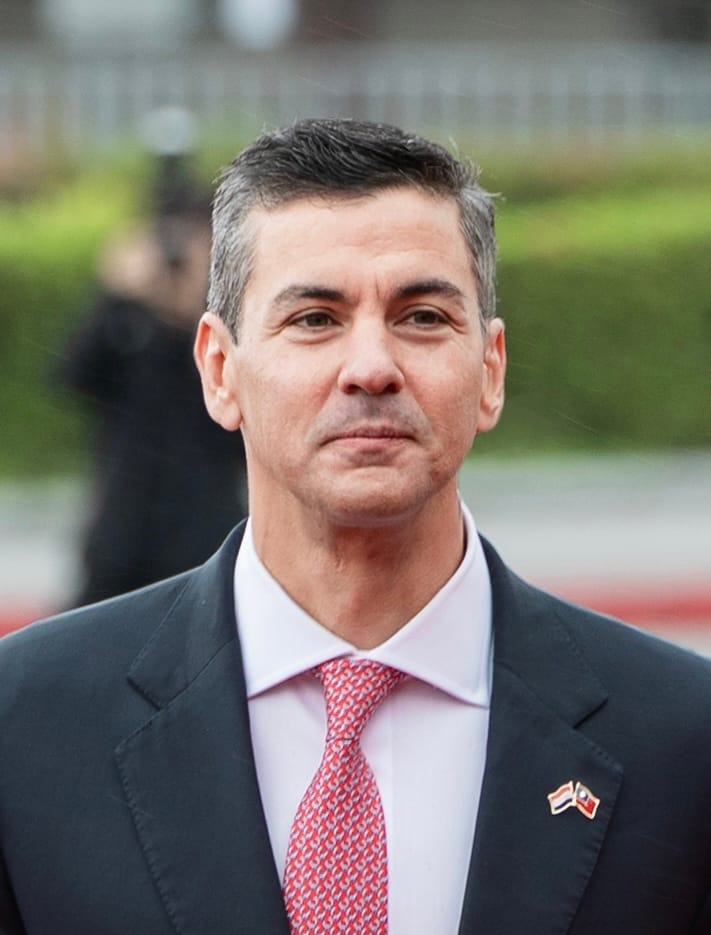
Paraguay is a presidential republic, but one whose politics has been extraordinarily dominated by a single force, the Colorado Party, which has held power almost continuously for some three quarters of a century, including throughout the Stroessner dictatorship. The president since 2023 is Santiago Pena of the Colorado Party, a former economist. Paraguay is also notable in the wider world as the only country in South America, and one of the few anywhere, that maintains diplomatic recognition of Taiwan rather than China, a stance of long standing that it has chosen to keep despite the economic temptations of switching.
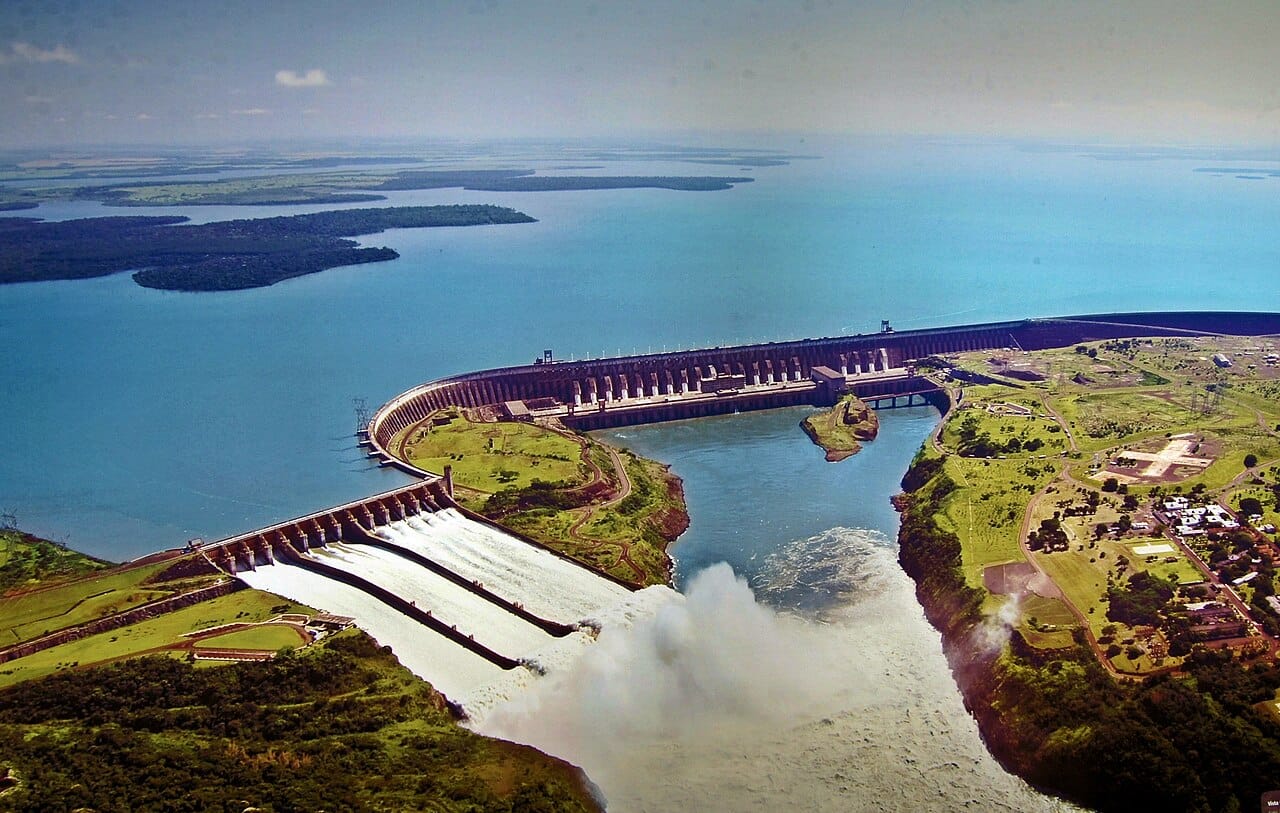
Paraguay has a small but steadily growing economy built above all on its land and its rivers. It is one of the world's largest exporters of soybeans, grown on a vast scale on the fertile eastern plains, and a major exporter of beef from its great cattle ranches, along with maize and yerba mate. Its other great asset is hydroelectric power: the colossal Itaipu dam, shared with Brazil, is among the largest in the world, and Paraguay produces far more clean electricity than it can use, exporting the surplus and making energy a pillar of its economy and its diplomacy.
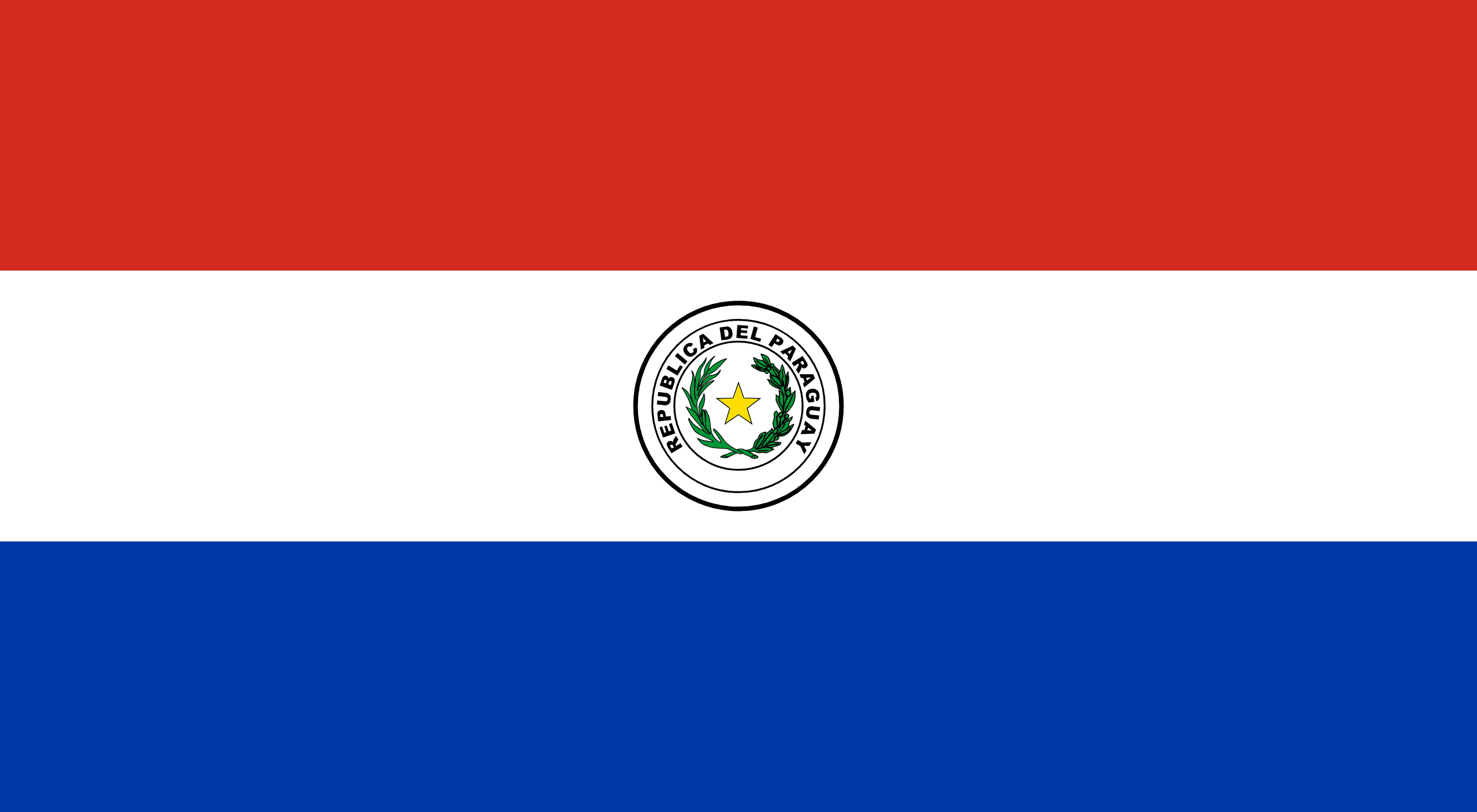
The flag of Paraguay has three horizontal bands of red, white, and blue, and is unusual in the world for having different emblems on its two sides. The front bears the national coat of arms, a star within a wreath, while the reverse shows the seal of the treasury, a lion guarding a staff and liberty cap beneath the motto peace and justice. The red, white, and blue were inspired by the ideals of liberty and republican government. This two-sided design makes the Paraguayan flag distinctive among the flags of the world.
Paraguay is a predominantly Roman Catholic country, the deep legacy of Spanish colonisation and of the famous Jesuit missions that shaped its early history, with Catholicism woven into the culture, calendar, and national identity. In recent decades evangelical Protestant churches have grown, as elsewhere in the region. A distinctive feature of Paraguayan religious life is the blending of Catholic devotion with elements of Guarani belief and folk tradition, reflecting the country's strong indigenous heritage, so that popular faith often carries a character all its own.
Paraguayan cuisine reflects the country's Guarani and Spanish heritage and its agricultural produce, with maize, cassava, and beef at its heart. A national staple is chipa, a dense cheese bread made from cassava starch and maize, and sopa paraguaya, despite its name a savoury cornbread cake rather than a soup, is a beloved dish. Hearty stews, grilled beef, and dishes of cassava and maize feature throughout, and the cold herbal tea terere, made from yerba mate and drunk through a metal straw, is a constant companion of daily life, central to Paraguayan social custom.
Agriculture is the foundation of Paraguay's economy, favoured by the fertile lands of the eastern region. The country has become one of the world's major exporters of soybeans, grown on a vast scale, and a significant exporter of beef, raised on its extensive cattle ranches, along with maize, wheat, and other crops. Yerba mate, used for the national drink, is also cultivated. The mighty rivers power enormous hydroelectric dams, making electricity another major export.
Paraguay's most distinctive trait is its language. Almost alone among the nations of the Americas, it is a genuinely bilingual country, where the indigenous Guarani tongue is spoken by most of the population, often more readily than Spanish, and stands with it as an official language, a living emblem of the deep Guarani roots that most Paraguayans share. The national culture is warm and unhurried, its constant companion the cold herbal drink terere, sipped from a shared cup through a metal straw in a ritual of friendship. Paraguayan harp music is famous across the region, the food, from the cheese bread chipa to sopa paraguaya, is beloved, and a strong sense of a shared mestizo identity, forged in adversity, binds the nation together.
Paraguay is often praised for its calm and its steady economic growth, but that stability rests on foundations many find troubling. The Colorado Party has held power for nearly three quarters of a century, a dominance so complete that critics describe the country less as a competitive democracy than as a one-party state with elections. Bound up with this long rule are deep and stubborn problems: some of the most unequal land ownership in the world, with vast estates alongside landless peasants; widespread corruption and smuggling, which have drawn foreign sanctions against prominent political figures; and persistent poverty despite the wealth of the soy and cattle boom. Whether Paraguay's prized order can coexist with a fuller democracy, and whether its growth can be shared more widely, are the quiet but real questions beneath the country's placid surface.
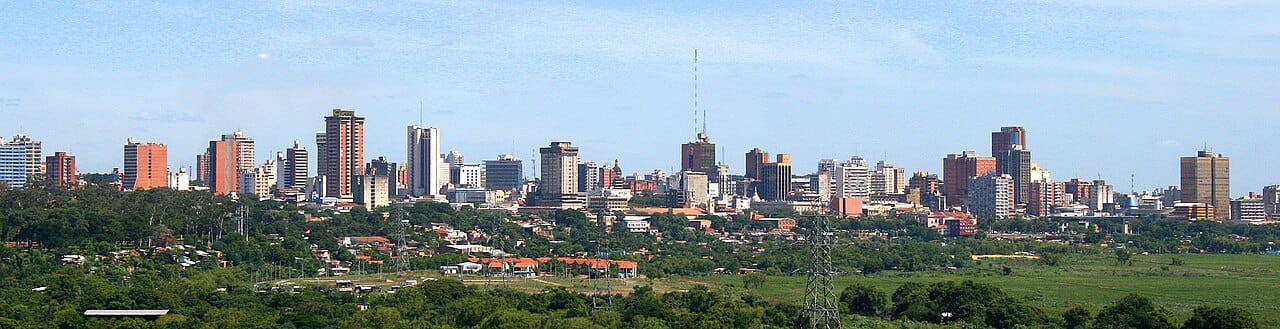
Paraguay has a population of around 7 million people, the great majority of mixed Spanish and Guarani descent, giving the nation a strong sense of a shared mestizo identity, along with indigenous communities and minorities including descendants of European and other immigrants, among them a notable Mennonite community in the Chaco. Paraguay is distinctive in that both Spanish and the indigenous Guarani are official languages, and most of the population speaks Guarani, often alongside Spanish. The people are concentrated in the eastern region, especially around the capital, Asuncion, on the Paraguay River.