Palau is an island nation in the western Pacific, an archipelago of several hundred islands at the western edge of the Caroline group, near the Philippines and Indonesia. Famous for the spectacular beauty of its Rock Islands, its coral reefs, and its marine lakes, including one filled with harmless jellyfish, it is one of the world's premier destinations for diving and a global pioneer of ocean conservation. A small nation with a matrilineal traditional society and a long history under a succession of foreign powers, Palau is the youngest of the Pacific island states, having gained independence only in 1994.
Palau's history runs from an ancient seafaring society, through four successive foreign empires, to a hard-won independence bound closely to the United States.
Palau was settled thousands of years ago by seafaring peoples who built a distinctive society organised around clans and chiefs, with rank and land passing through the female line. Europeans sighted the islands in the sixteenth century, and Spain claimed them as part of the Caroline Islands, though its rule was light and distant, felt mainly through the arrival of missionaries and, devastatingly, of new diseases.
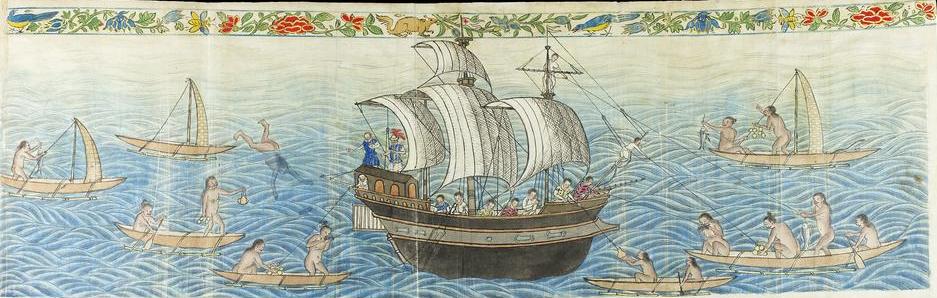
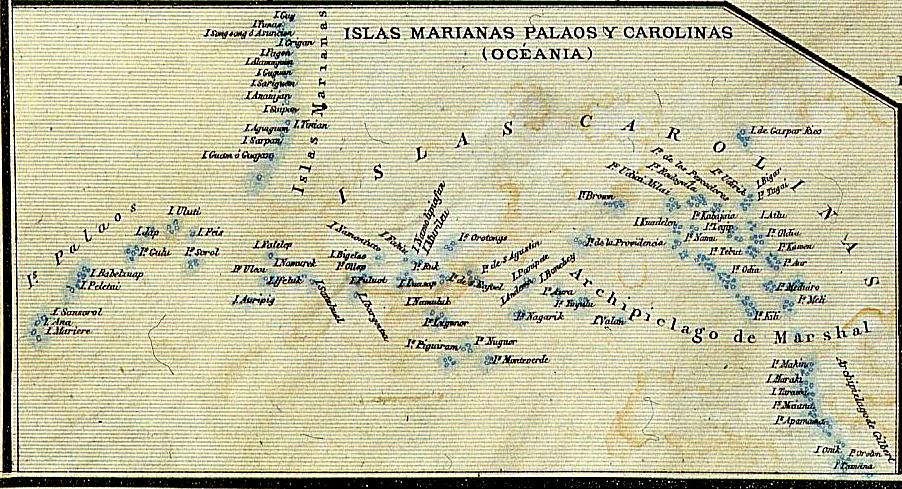
Spain sold the islands to Germany in 1899, and after the First World War they passed to Japan, which ruled them intensively, settling colonists, developing the economy, and making the town of Koror a regional capital. The Japanese era left a deep and lasting mark on Palau, until the Second World War brought the ferocious Battle of Peleliu in 1944, one of the bloodiest of the Pacific campaign.
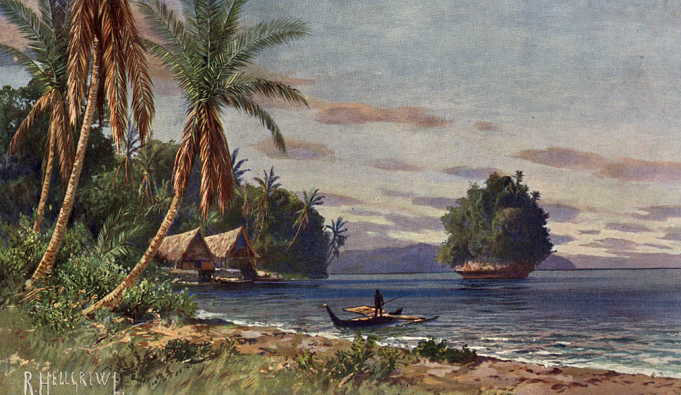
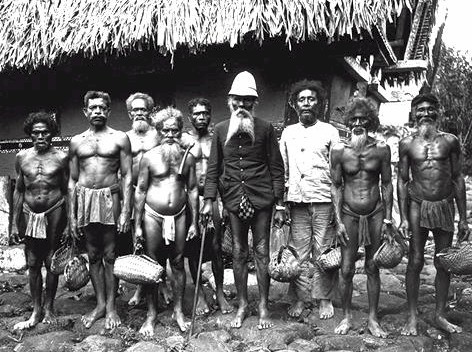
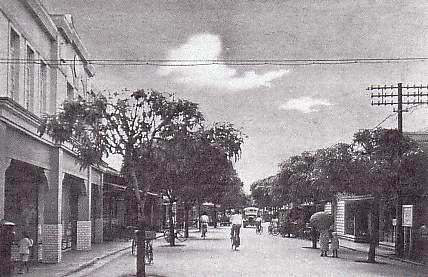
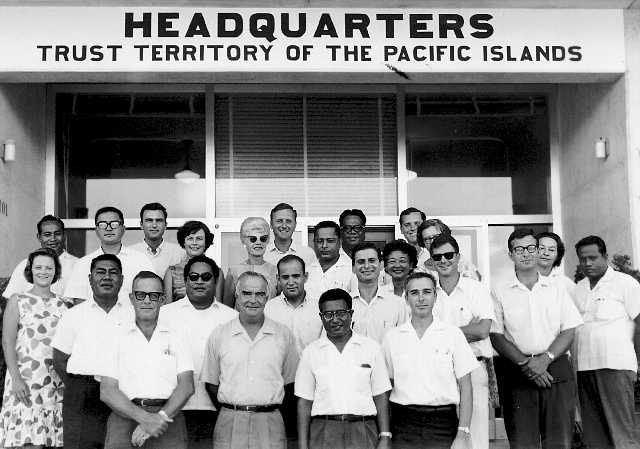
After the war Palau came under American administration as part of a United Nations trust territory. Through a long and contentious transition, including fierce debate over a nuclear-free constitution, Palau became the last part of the trust territory to gain independence, in 1994, in a Compact of Free Association with the United States that shapes the nation to this day.
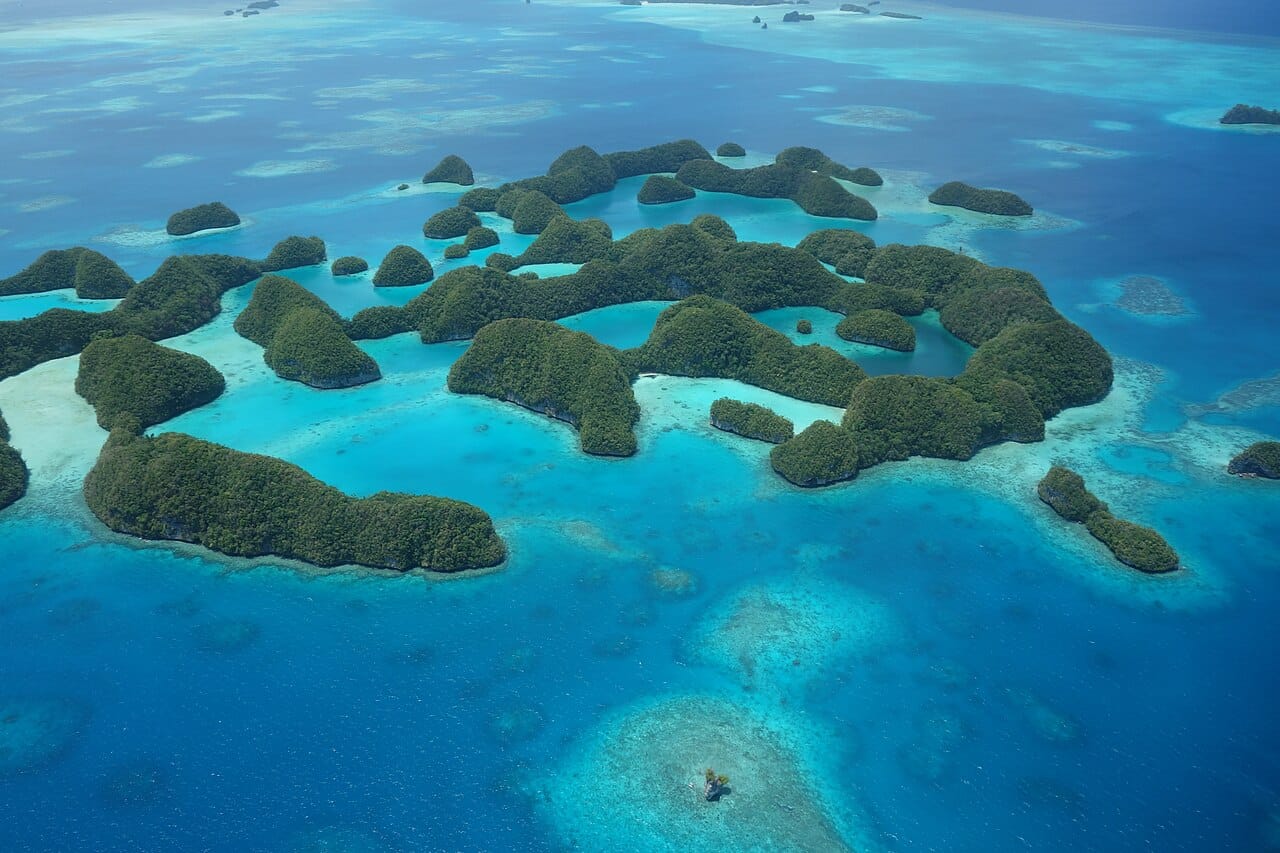
Palau consists of several hundred islands of varied geology, from the larger volcanic island of Babeldaob to limestone and coral islands, scattered across the warm seas of the western Pacific. Its most famous feature is the Rock Islands, a maze of hundreds of rounded, forest-topped limestone islets rising from turquoise lagoons, a World Heritage site of extraordinary beauty. The surrounding reefs teem with marine life, and the islands hold unusual natural wonders, including marine lakes such as the celebrated Jellyfish Lake, home to millions of jellyfish that have lost their sting in their isolated, predator-free home.
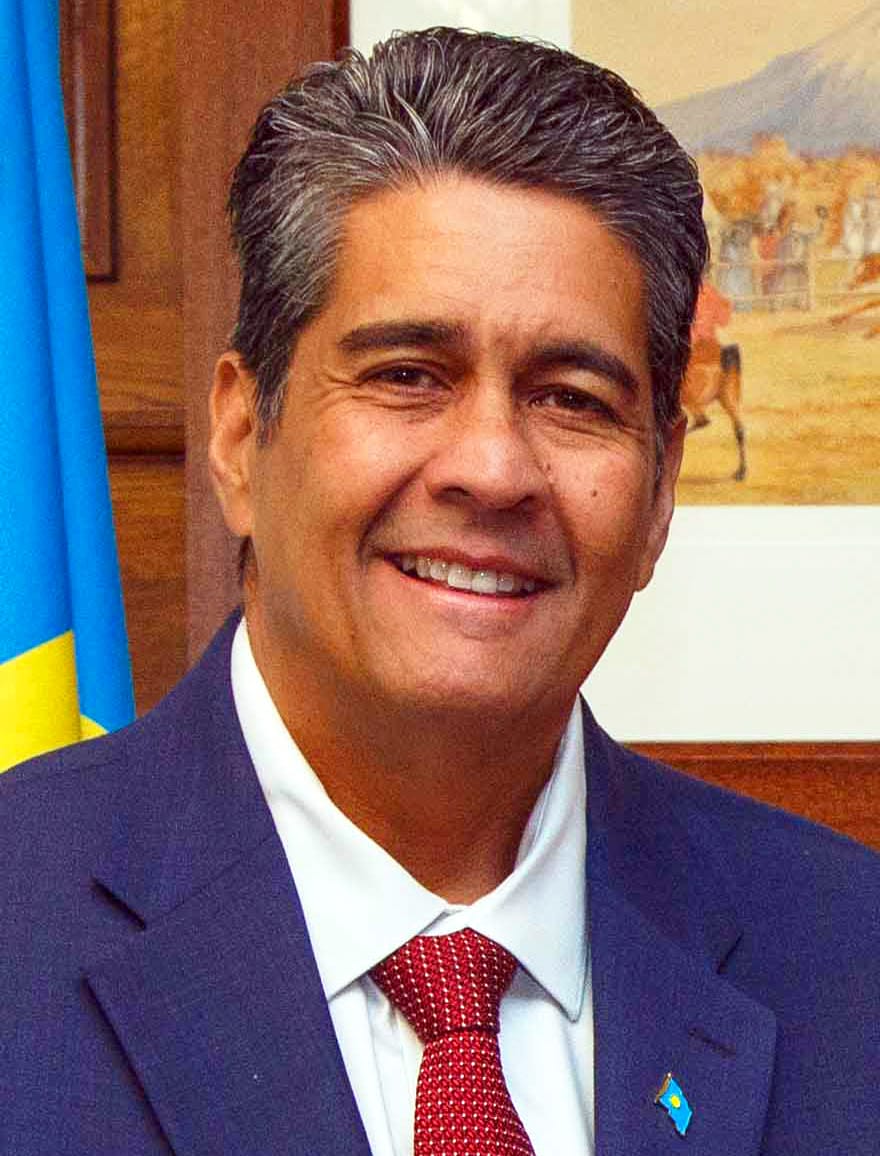
Palau is a presidential democracy in free association with the United States, which provides for its defence and gives it financial support, while Palauans may live and work in the United States and serve in its military. The president is both head of state and head of government; Surangel Whipps Jr. has held the office since 2021. Palau is notable as one of the few countries in the world to maintain diplomatic recognition of Taiwan, and it is among the most closely aligned Pacific nations with the United States, hosting new American military facilities, which has made the small country a significant piece in the strategic contest for the region.
Palau's economy rests overwhelmingly on tourism, drawn by the Rock Islands, the reefs, and world-class diving, together with fishing and the licensing of its waters, and substantial financial assistance from the United States under the Compact of Free Association. This leaves the country exposed both to the ups and downs of global travel, as the collapse of tourism during the pandemic showed sharply, and to the pressure that larger powers can apply by turning the flow of visitors on or off. Building a more resilient economy, while protecting the pristine environment that draws visitors in the first place, is a central challenge.

The flag of Palau is a simple and striking design: a sky-blue field bearing a single large golden-yellow disc set slightly toward the hoist. The blue represents the ocean and the nation's emergence into self-government, while the golden disc represents the full moon, considered by Palauans the most auspicious time, associated with celebration, harvest, fishing, and the rhythms of traditional life. The off-centre placement of the moon is for visual balance when the flag flies. The quiet, distinctive design reflects both the ocean setting and the cultural traditions of the islands.
Palau is predominantly Christian, the result of missionary activity, with the population divided mainly between Roman Catholics and various Protestant denominations, reflecting the islands' Spanish, German, and American influences. Alongside Christianity, a notable indigenous religious movement called Modekngei, which blends traditional belief with Christian elements, has a significant following unique to Palau. Traditional beliefs, the authority of chiefs, and the matrilineal clan system remain influential in Palauan society, so that custom and the modern faith coexist, shaping the culture and the social order of the islands.
Palauan cuisine reflects the islands' resources and their layered history, drawing on the sea, local crops, and Japanese, American, and other influences. Fish and seafood, abundant in the rich surrounding waters, are central, traditionally including such delicacies as fruit bat soup, alongside staples like taro, cassava, sweet potato, and coconut. Taro in particular holds cultural importance and is cultivated by women in traditional patches. The Japanese era left a lasting mark on the food, with dishes and ingredients adopted into the local diet, and imported foods now also feature, as across the Pacific.
Agriculture in Palau is largely a matter of subsistence and tradition rather than large-scale export, centred on the cultivation of taro, especially in the wetland patches tended by women, along with cassava, sweet potato, bananas, coconut, and other tropical crops grown on the more fertile volcanic island of Babeldaob. There is little commercial farming, and the country imports much of its food, so that gardening and fishing remain woven into custom and daily life more than into the cash economy.
Palauan society keeps a strong traditional structure alongside its modern democracy. Rank, land, and title pass through the female line, and clans, chiefs, and the councils that advise the government still carry real authority, with women holding a central place as the keepers of land and custom. The bai, the elaborately painted men's meeting house, is an emblem of the culture, and traditions of storytelling, dance, and taro cultivation endure. Layered over this are the marks of Spanish, German, Japanese, and American rule, and a distinctive local faith, Modekngei, that blends Christianity with older belief, all giving Palau a character unlike any of its neighbours.
Palau's modern choices place it at the meeting point of two of the age's great pressures. It has won worldwide admiration as a pioneer of ocean conservation, declaring one of the largest marine sanctuaries on Earth, banning reef-harming sunscreens, and requiring every visitor to sign a pledge to protect the environment; yet closing much of its waters to fishing and leaning so heavily on tourism carries real economic cost, and the balance between protection and livelihood is genuinely debated. At the same time its firm alignment with the United States and its recognition of Taiwan have made the tiny nation a piece on the strategic chessboard: China has at times curbed tourism to press it, and the arrival of new American military facilities has drawn the islands deeper into the contest for the Pacific. How to guard both its reefs and its independence, without paying too high a price for either, is Palau's defining balancing act.
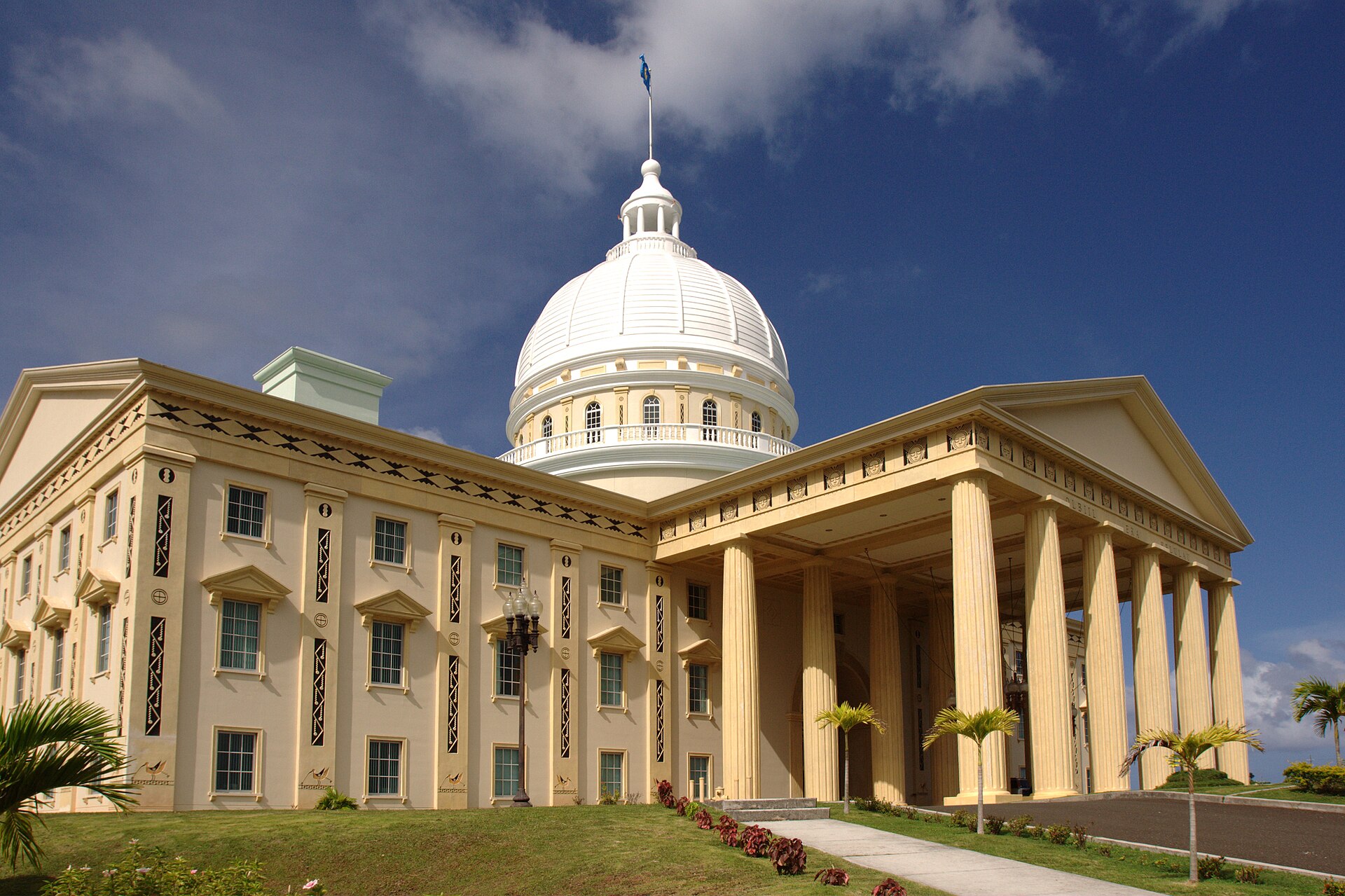
Palau has a population of only around 18,000 people, predominantly the indigenous Palauans, of mixed Micronesian, Melanesian, and Austronesian heritage, with minorities of Filipinos and others drawn by work, sharing the Palauan language alongside English. The population is concentrated on a few islands, especially around the former capital and largest town, Koror, while the small purpose-built capital, Ngerulmud, on the larger island of Babeldaob, is one of the least populous national capitals in the world. Society retains its traditional structure of clans, chiefs, and matrilineal inheritance alongside modern democratic government.