Pakistan is a country in South Asia, the fifth most populous nation in the world, set between the Arabian Sea, the towering mountains of the north, and the great valley of the Indus River. A relatively young state created as a homeland for the Muslims of the subcontinent, it sits on land that cradled one of humanity's earliest civilisations, and it remains a populous, strategically pivotal nation at the crossroads of South and Central Asia and the Middle East.
The land of Pakistan holds one of humanity's oldest civilisations, layered with Buddhist, Persian, and Islamic history, and became a modern nation in the partition of 1947.
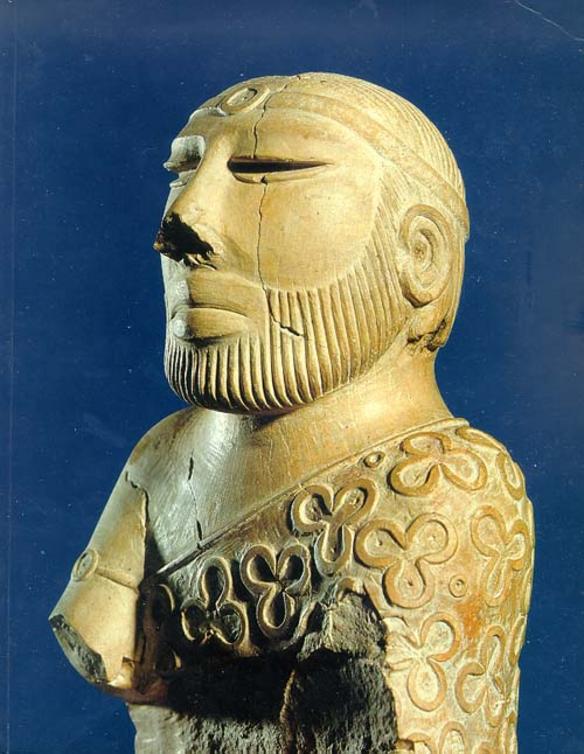
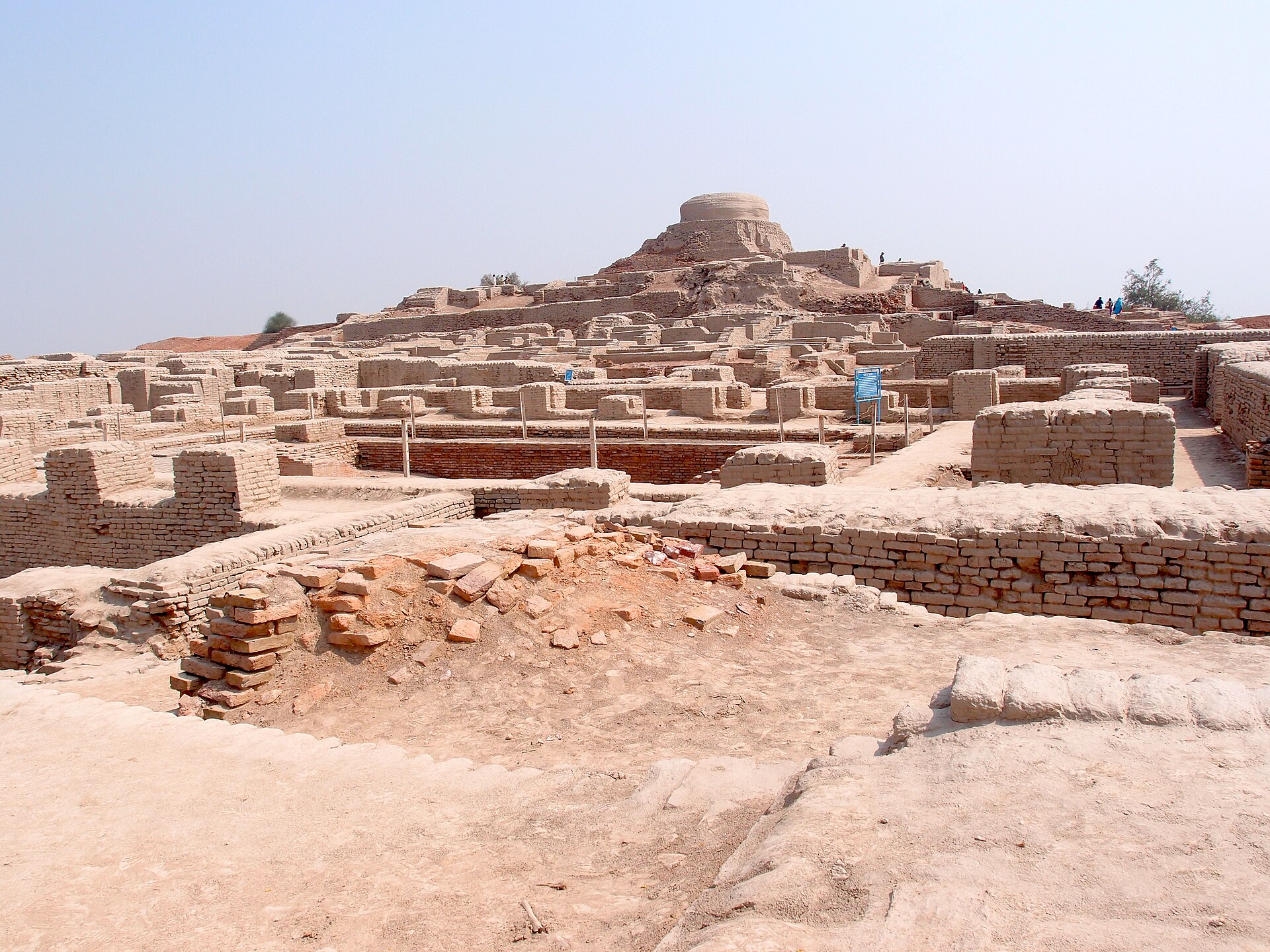
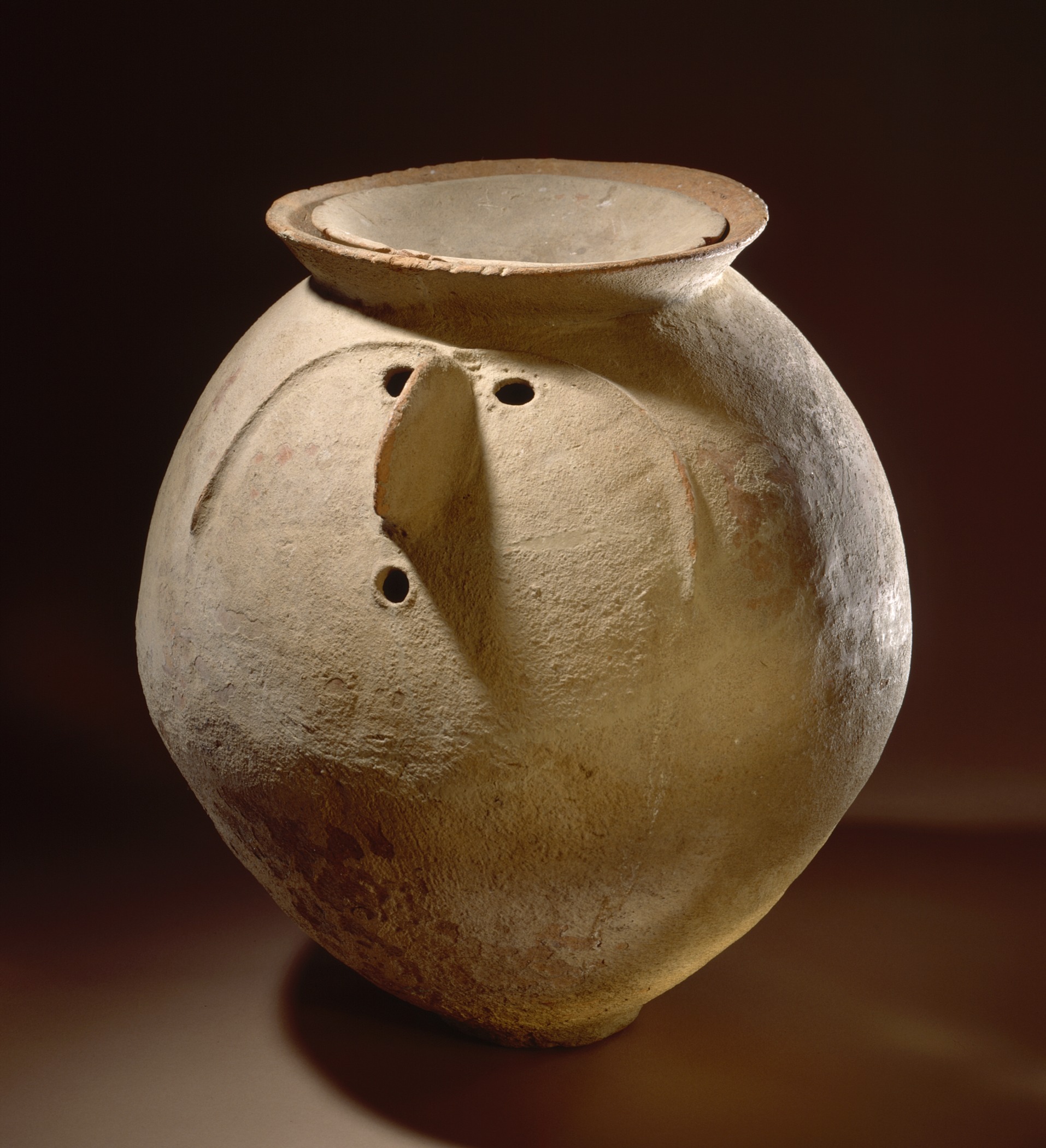
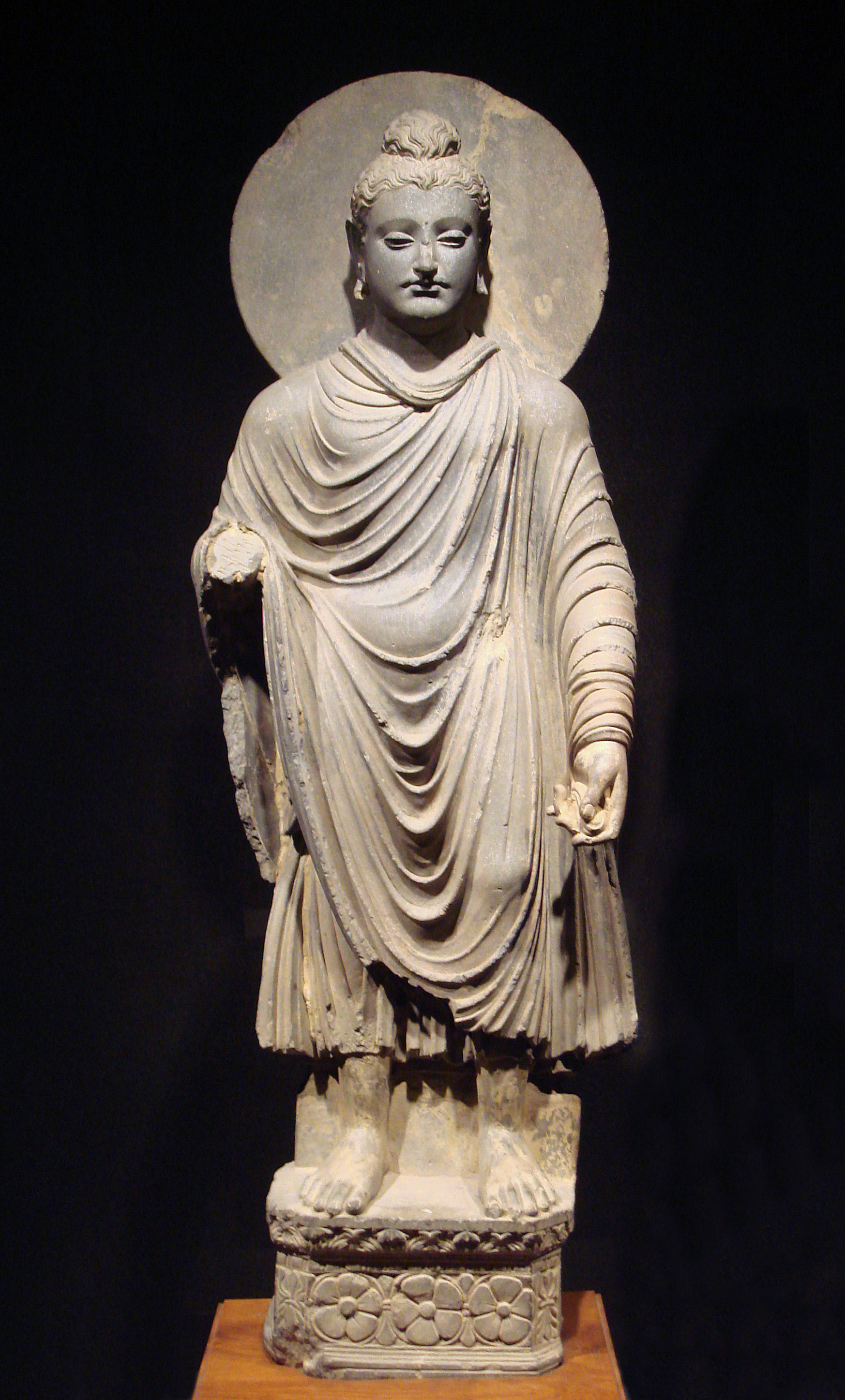
More than four thousand years ago the Indus Valley was home to one of the world's first urban civilisations, with sophisticated planned cities such as Mohenjo-daro and Harappa. Later the region became a centre of Buddhist Gandharan culture, famed for its sculpture.
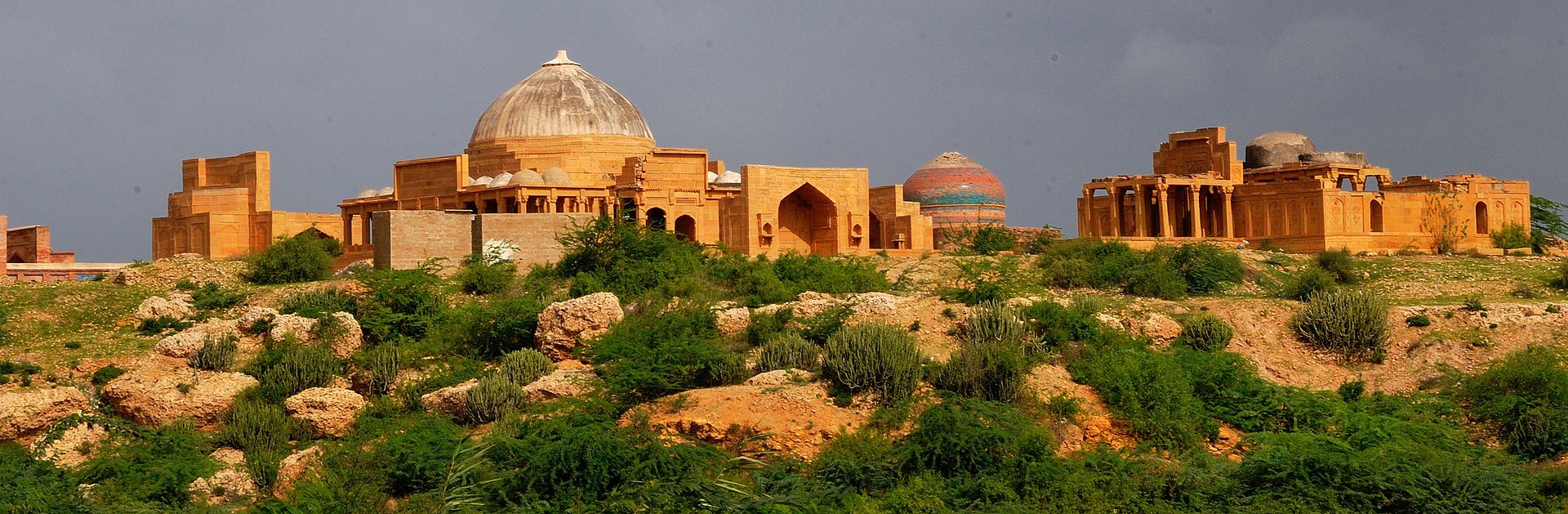
From the eighth century Islam spread through the region, and under a succession of sultanates and then the Mughal Empire it flourished across the subcontinent, leaving a wealth of monuments such as the great necropolis of Makli in Sindh.
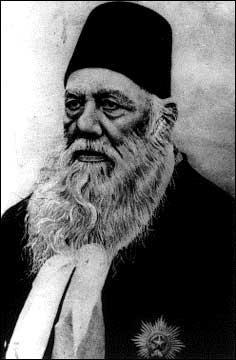
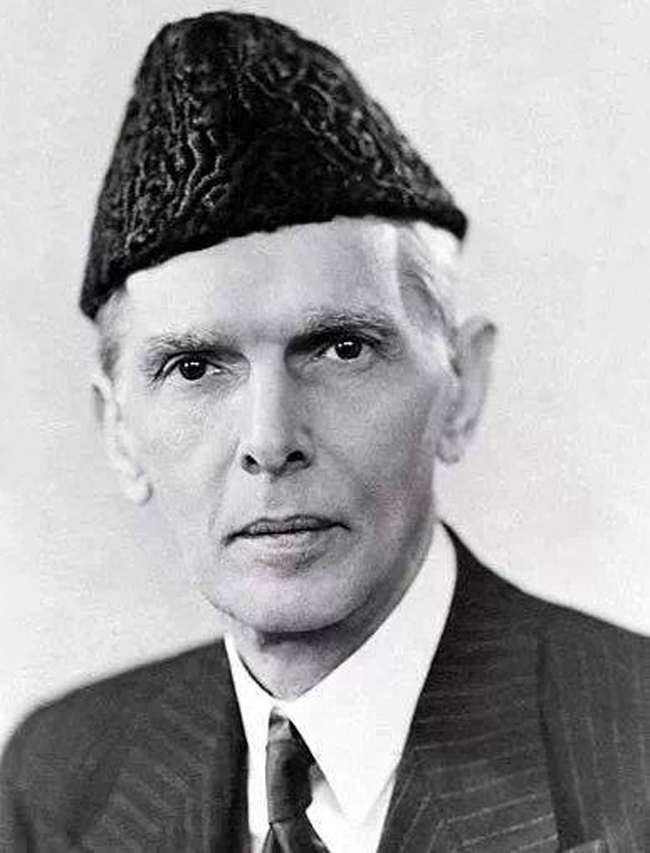
In the nineteenth century, reformers such as Sir Syed Ahmad Khan reshaped Muslim thought under British rule. The movement for a separate Muslim state, led by Muhammad Ali Jinnah, culminated in the partition of British India in 1947, which created Pakistan amid mass migration and terrible violence.
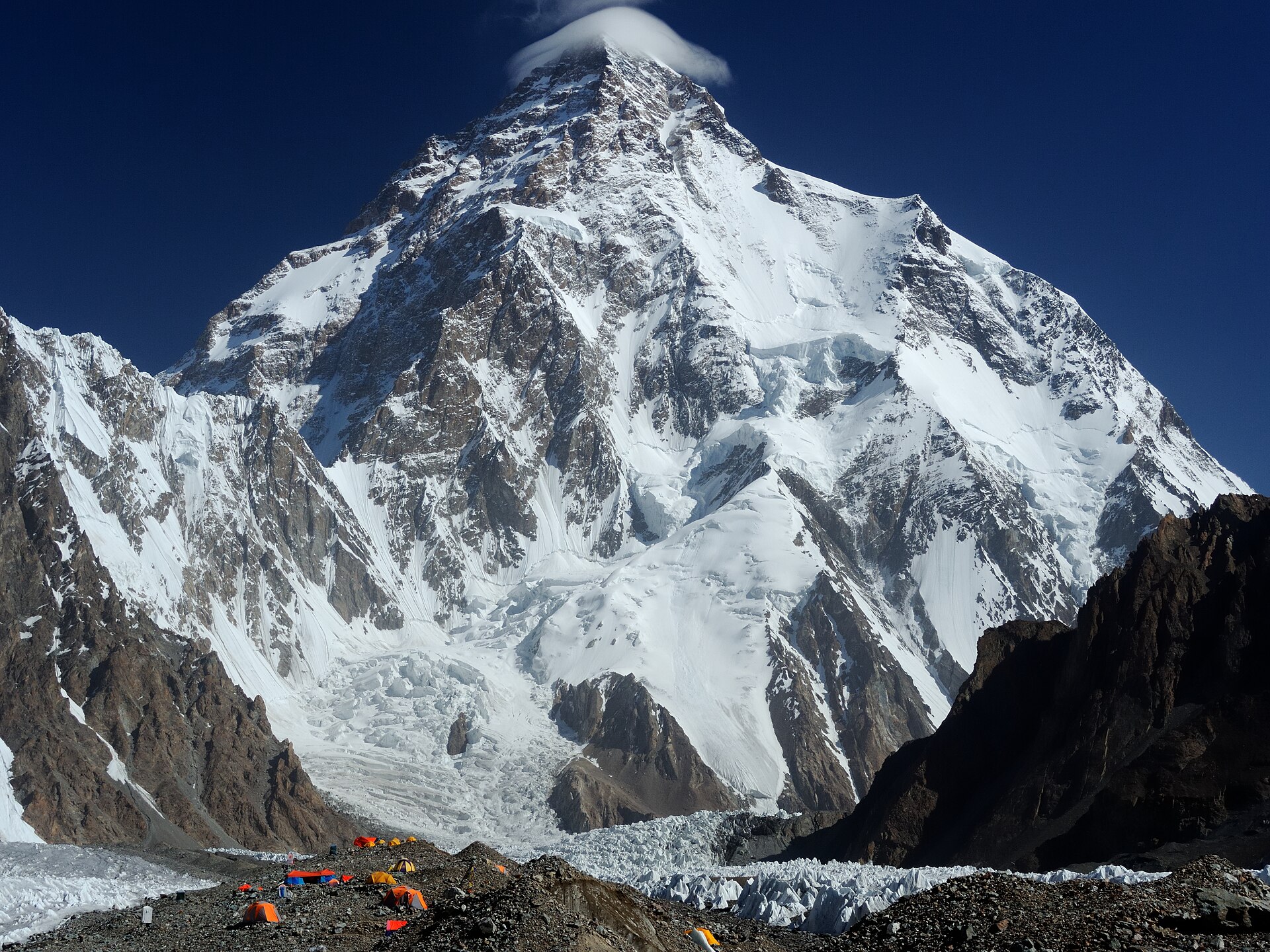
Pakistan's landscape rises from the Arabian Sea coast and the flat, fertile plains of the Indus, the river that has nourished life here since antiquity, to some of the highest mountains on Earth in the north, where the Karakoram and Himalayas meet. The country holds K2, the second highest peak in the world, alongside vast glaciers, while to the west lie dry plateaus and deserts. The Indus and its tributaries remain the lifeline of a largely arid land.
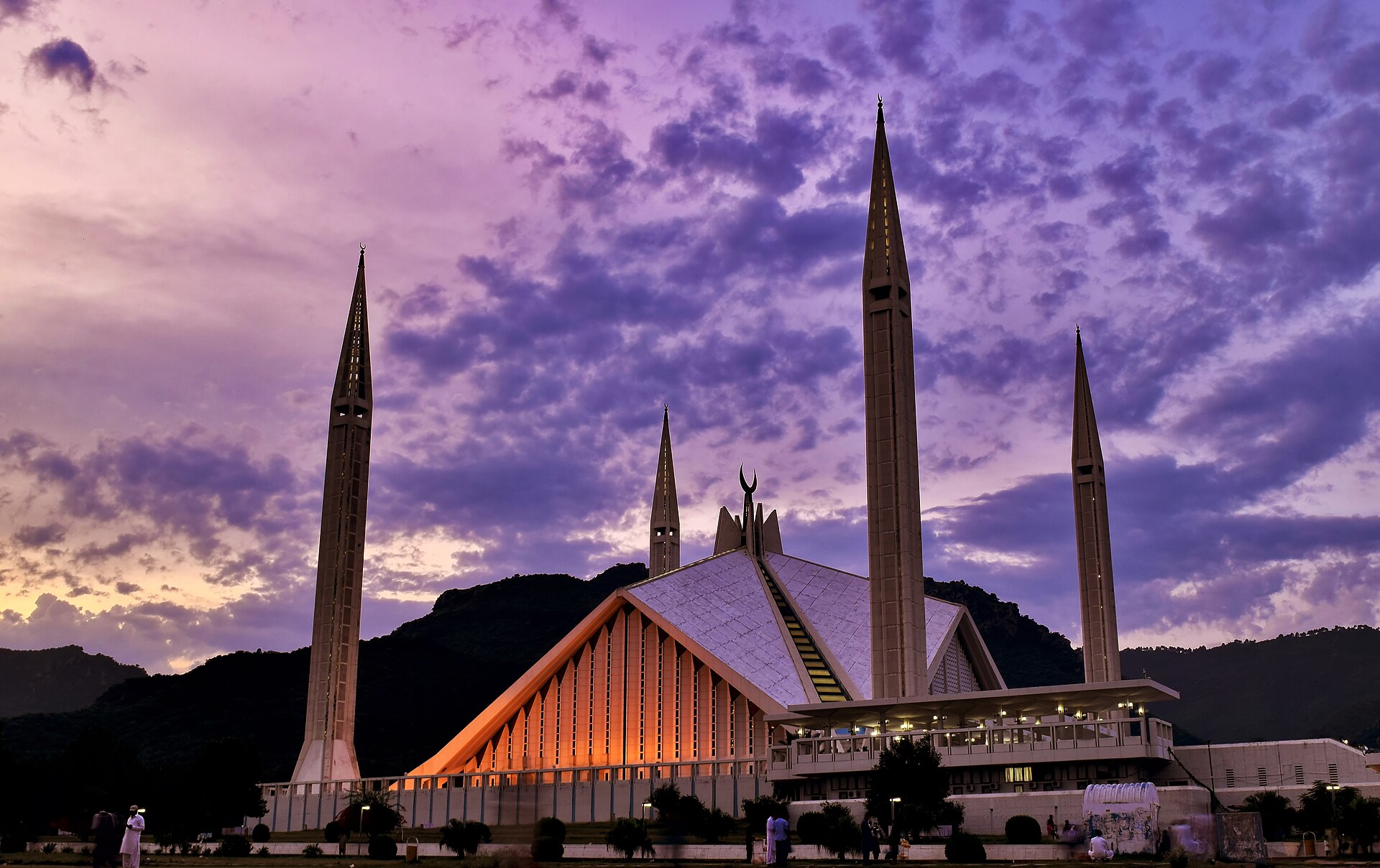
Pakistan is a federal parliamentary republic, with a president as head of state and a prime minister leading an elected government. Its politics have been turbulent, cycling between civilian rule and periods of military government, and the powerful army remains an influential force even under elected leaders. The purpose-built capital, Islamabad, is the seat of government, while power is also contested among the provinces, each with its own strong identity.
Pakistan has a large, developing economy long built on agriculture and, above all, textiles: cotton and cloth are among its biggest exports. Remittances sent home by millions of Pakistanis working abroad are a vital source of income, and the country has a growing industrial and services sector. Yet it has struggled with recurring financial crises, debt, and inflation, and it is a major partner in China's regional infrastructure investments, which are reshaping its roads, ports, and power supply.
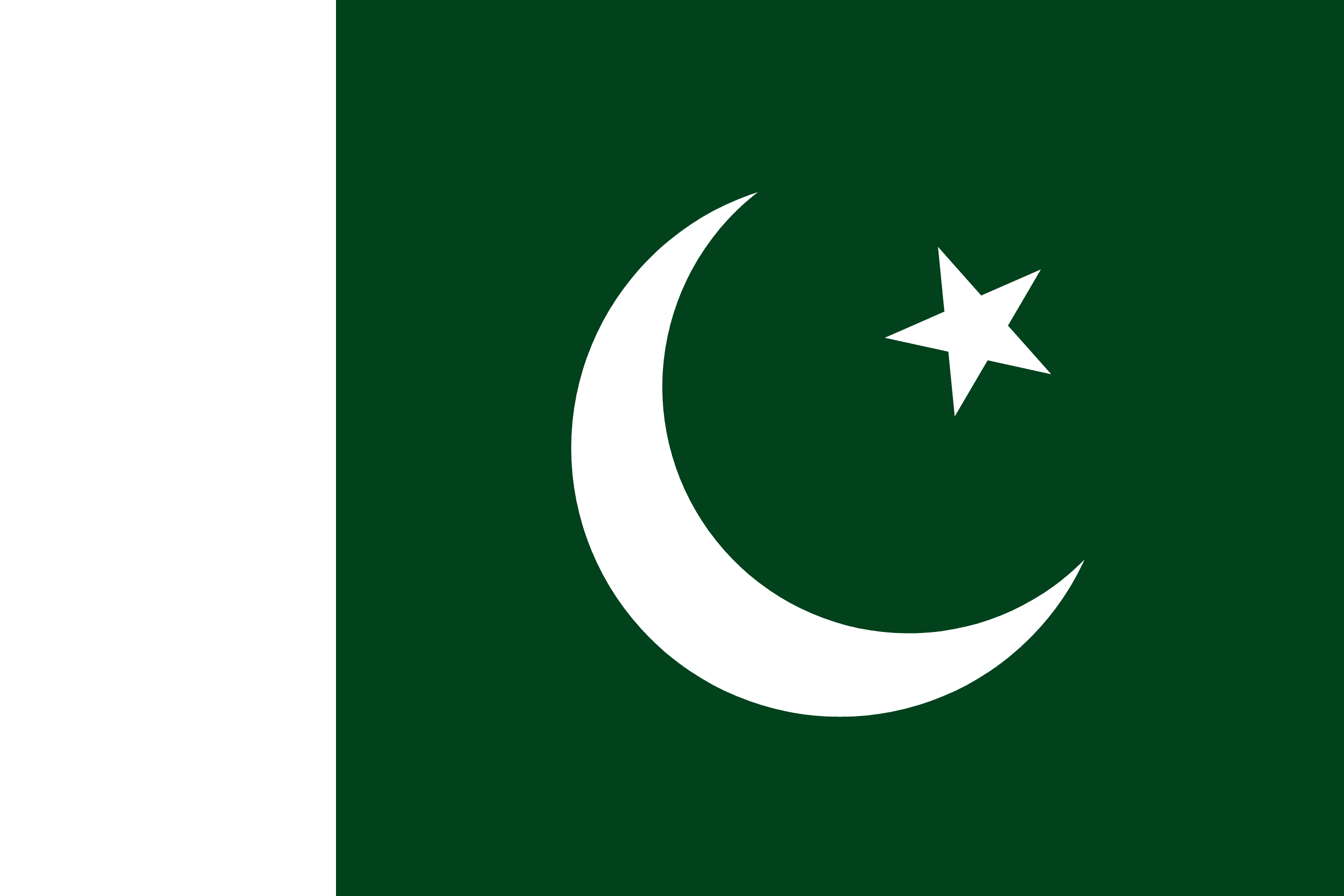
The flag of Pakistan is dark green with a white crescent moon and five-pointed star, and a vertical white stripe at the hoist. The green field and the crescent and star represent Islam and the Muslim majority for whom the state was created, while the white stripe stands for the country's religious minorities. Together the design expresses the idea of a Muslim homeland that also makes a place for those of other faiths.
Pakistan was founded as a homeland for Muslims, and Islam is central to its identity and law, with the great majority of the population following the Sunni tradition and a significant Shia minority. The faith shapes the rhythm of daily life, festivals, and public affairs. Small communities of Christians, Hindus, and others remain from the subcontinent's diverse heritage. The role of Islam in the state and society is a defining and sometimes contested feature of national life.
Pakistani cuisine is rich, aromatic, and generous with spices, sharing much with the cooking of northern India and the Mughal courts. Slow-cooked meat dishes, kebabs, and the fragrant layered rice of biryani are centrepieces, eaten with flatbreads such as naan and roti. Lentils, yogurt, and a wealth of spices give the food its depth, and sweet milky tea, along with rich desserts, accompany a culture of warm hospitality and shared meals.
Agriculture is a cornerstone of Pakistan's economy, sustained by one of the largest irrigation systems in the world, fed by the Indus. The country is a major producer of wheat, the dietary staple, along with rice, including prized basmati, cotton that supplies a large textile industry, and sugarcane. The fertile Punjab plains are the agricultural heartland. Water management, as the population grows and the climate changes, is one of the nation's most pressing challenges.
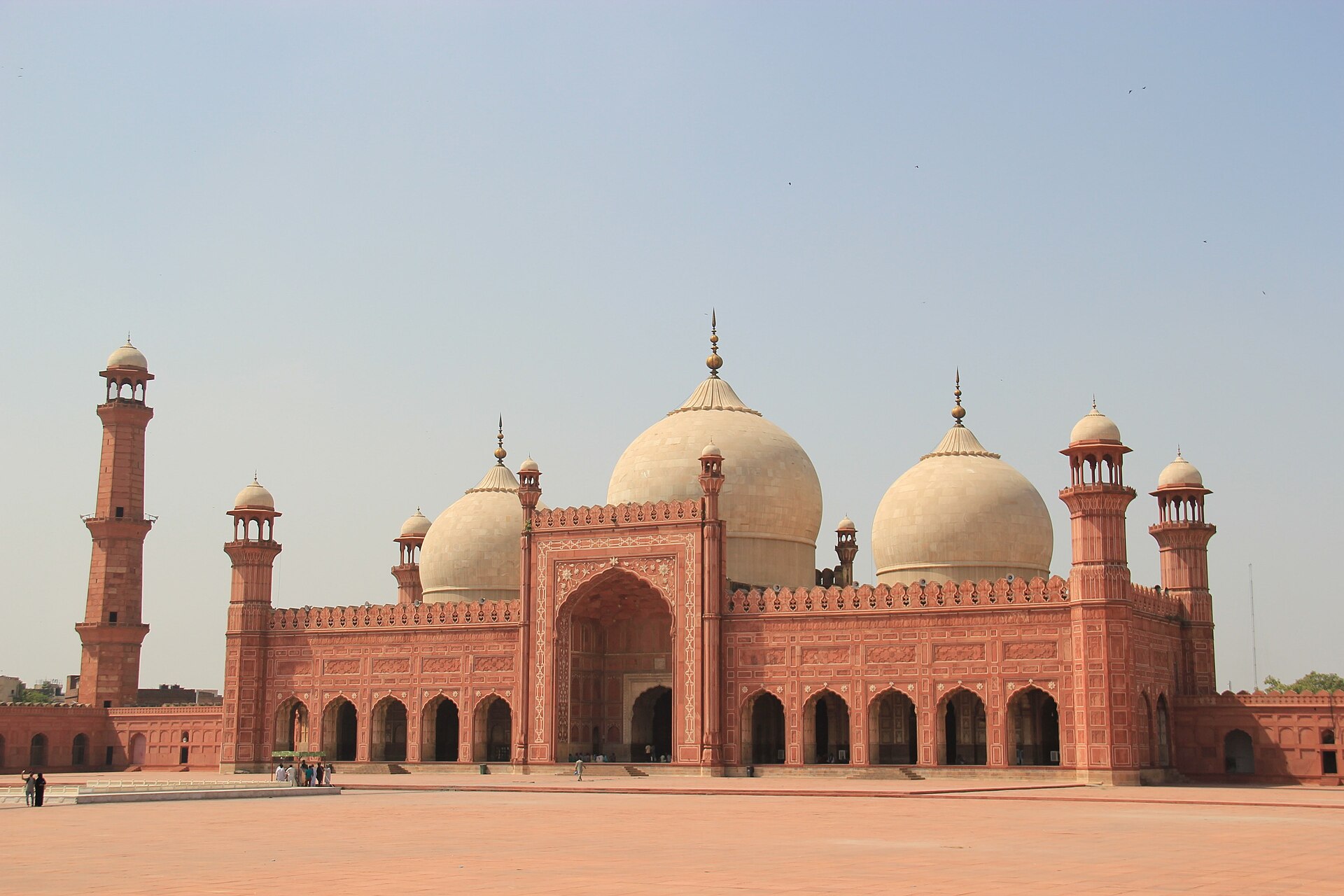
Pakistan has a deep cultural heritage rooted in the poetry, music, and art of the wider Persian and South Asian worlds. It reveres poets such as Muhammad Iqbal, celebrates Sufi devotional music, and treasures the Mughal architecture of Lahore, its cultural capital. Cricket is a national passion. A patchwork of peoples and languages, from Punjabi to Pashto and Sindhi, is bound together by Islam and by Urdu, giving the country a rich and varied social fabric.
Pakistan faces intertwined challenges that dominate its politics. The balance of power between elected governments and the powerful military is a constant source of tension, and the country wrestles with economic crises, militancy, and questions over the role of religion in the state. Abroad, its long and often hostile rivalry with neighbouring India, above all over the disputed region of Kashmir, has led to repeated wars between the two nuclear-armed states and remains one of the world's most dangerous flashpoints.
The partition of 1947 that created Pakistan, driven by the leader Muhammad Ali Jinnah, was one of the largest and most painful migrations in history. In 1971 the country's eastern wing broke away after a war to become Bangladesh. Pakistan has since become a nuclear-armed power and has lived through cycles of civilian and military rule, while remaining a key actor in the politics of a turbulent region.
Pakistan has a population of well over 240 million people, the fifth largest in the world, and it is young and growing rapidly. The nation is a mosaic of peoples, including Punjabis, Sindhis, Pashtuns, and Baloch, each with their own language and traditions, united by Islam and by Urdu as the national language. The population is concentrated along the Indus and in great cities such as Karachi, the largest, and the cultural centre of Lahore.