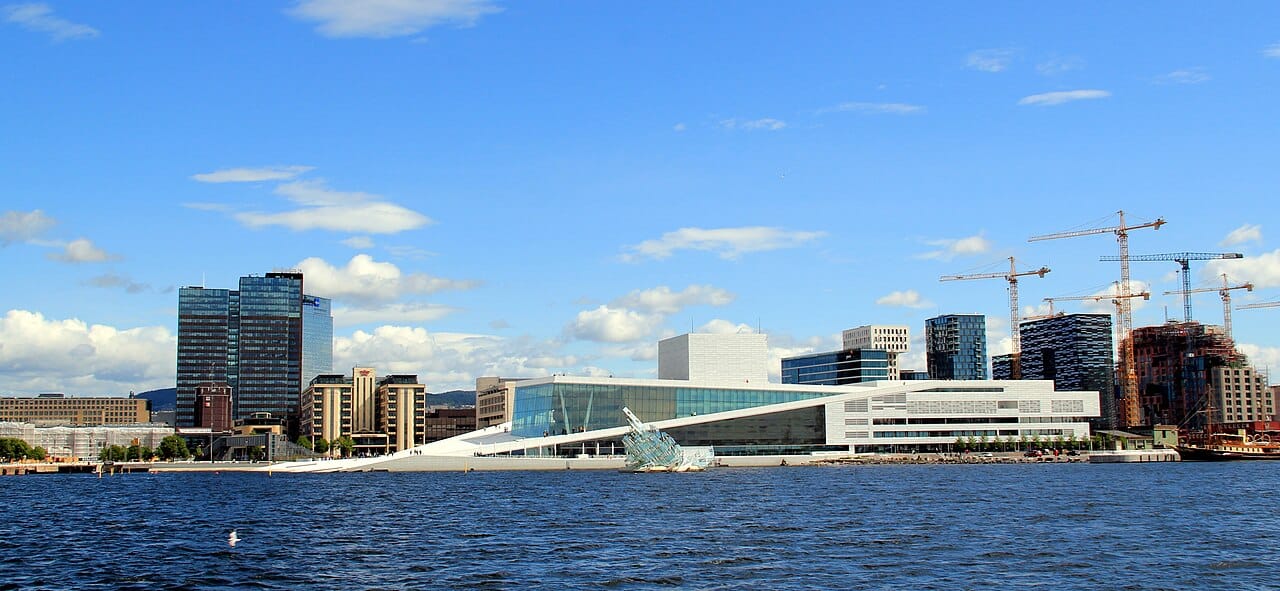
Norway is a country in northern Europe occupying the western and northern reaches of the Scandinavian Peninsula, a land of deep fjords, soaring mountains, and a vast, ragged coastline stretching far into the Arctic. The homeland of the Vikings, it is today one of the wealthiest and most contented nations on Earth, its prosperity built on the sea, on hydropower, and on the oil and gas beneath its continental shelf.
Norway's history runs from ancient hunters on its rocky coasts, through the storied age of the Vikings, to a peaceful modern independence and extraordinary oil wealth.
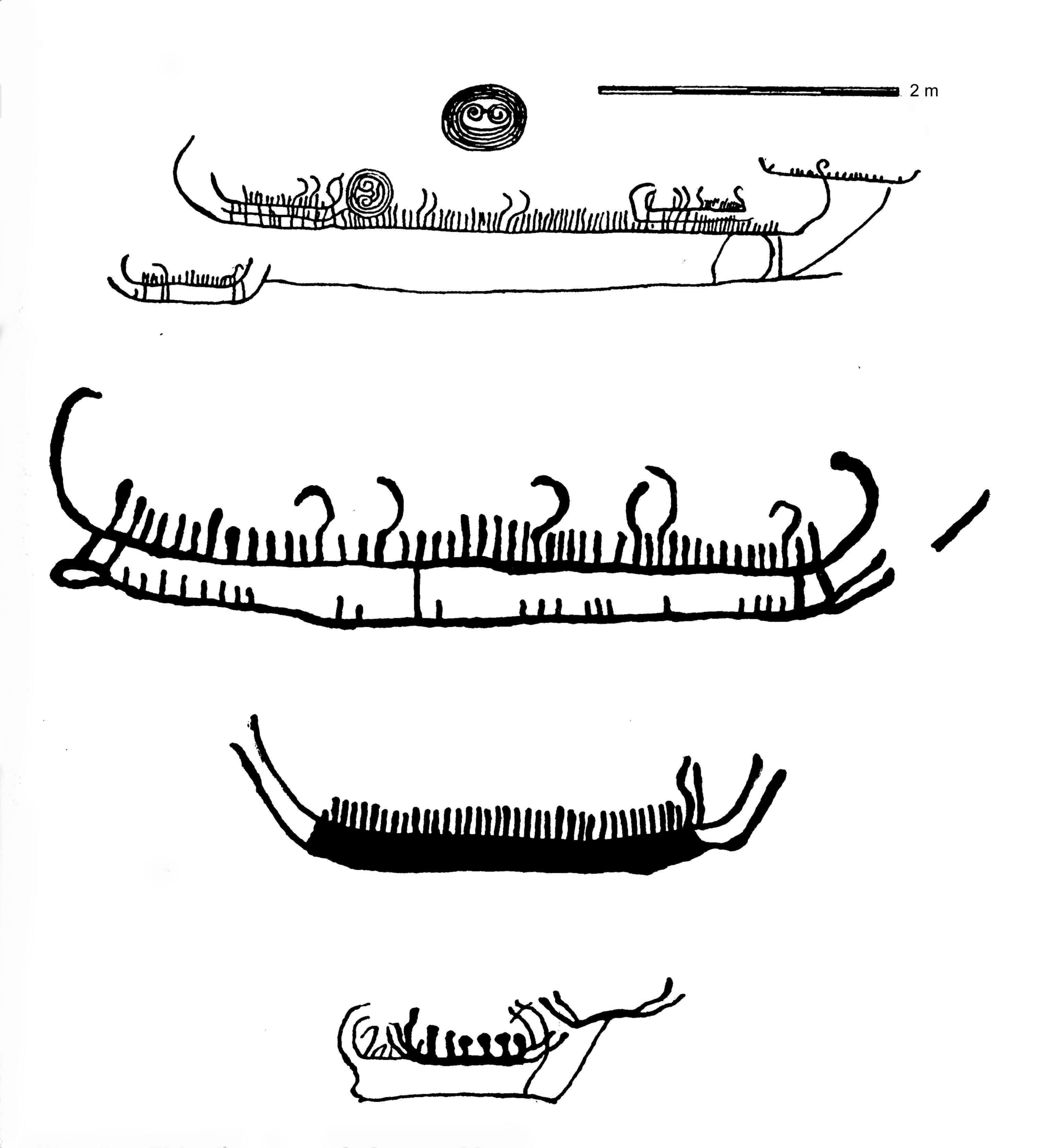
People have lived along Norway's coasts and valleys since the ice retreated, hunting, fishing, and, in the Bronze Age, leaving behind carvings on the rocks that still record their ships, animals, and rituals thousands of years later. From these deep roots grew the Norse society that would burst so dramatically onto the wider world.
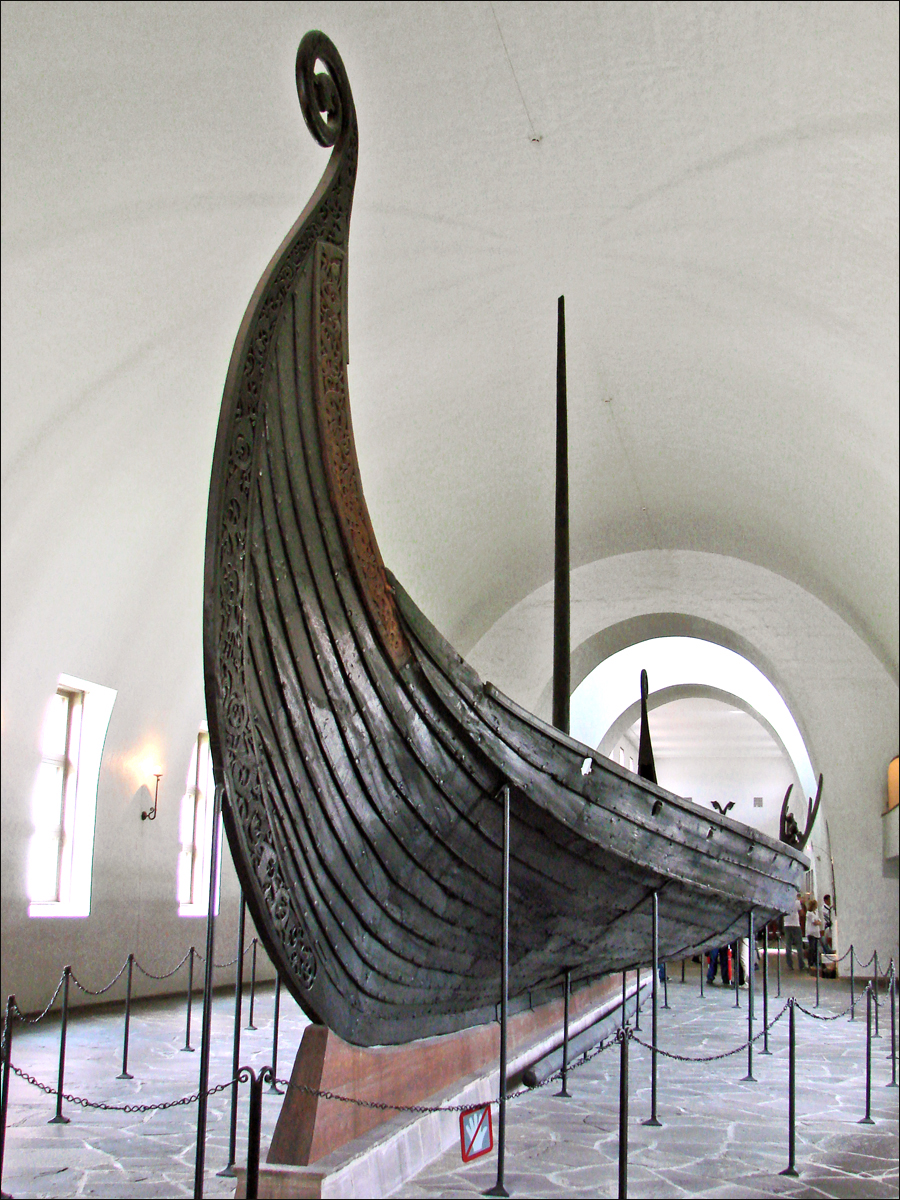
Norway entered the wider stage in the Viking Age, from roughly the eighth to the eleventh centuries, when Norse seafarers from its fjords raided, traded, and explored across Europe and the North Atlantic, reaching Iceland, Greenland, and even North America long before Columbus. Superb shipbuilders and craftsmen, they left behind vessels and treasures that still astonish.
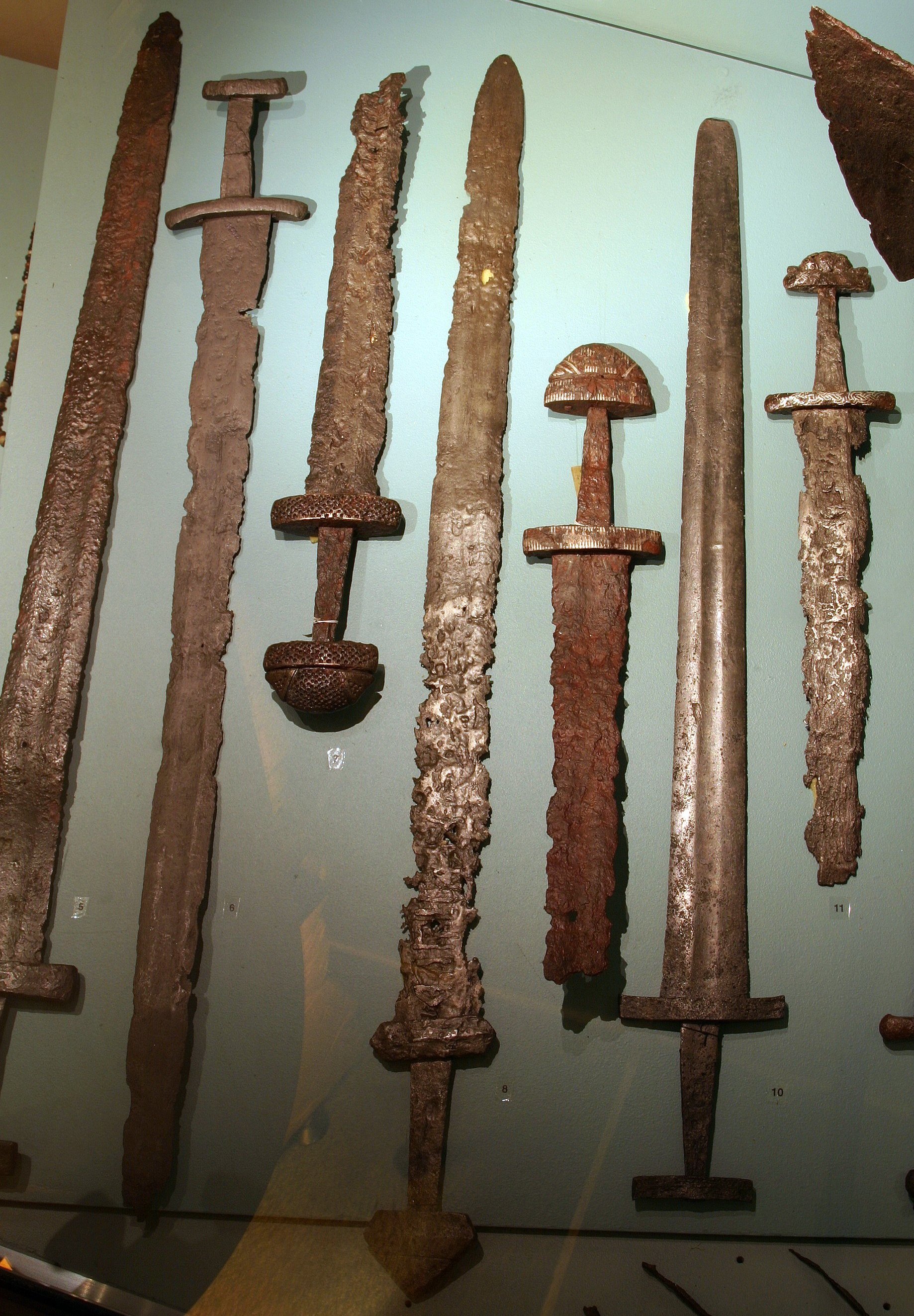
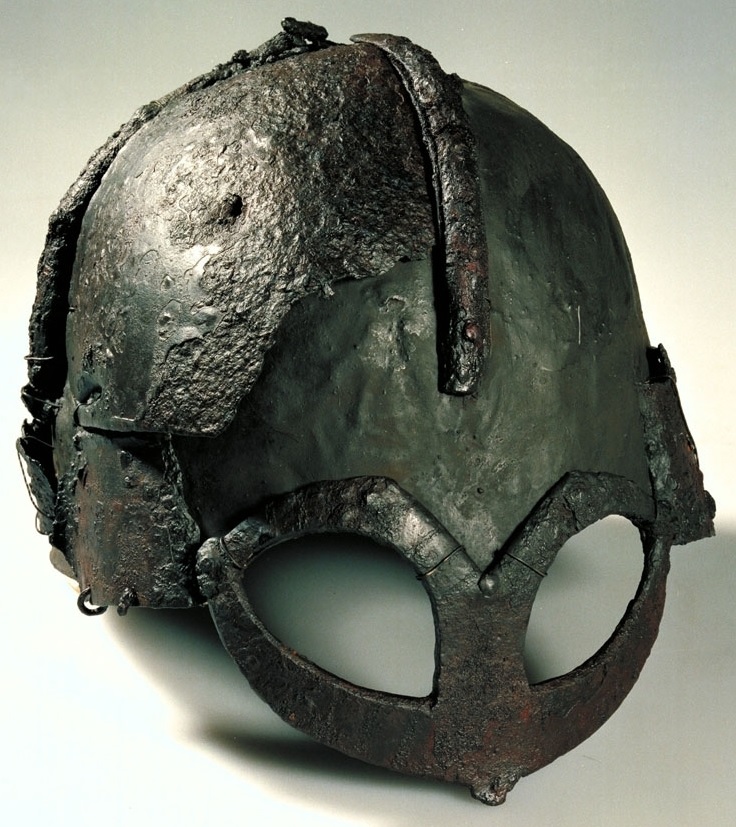
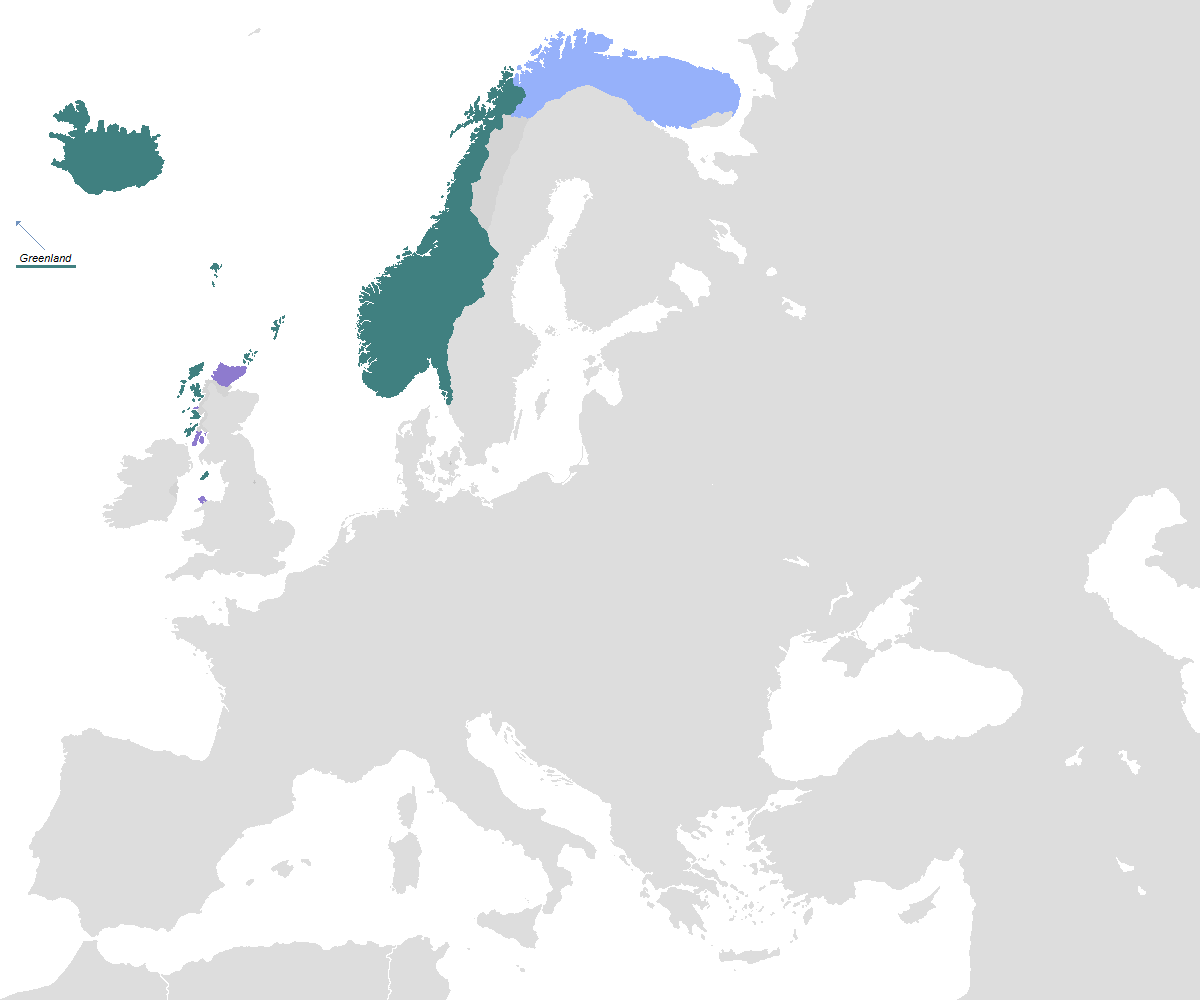
Norway was united into a single kingdom and converted to Christianity around the tenth and eleventh centuries, and in the Middle Ages its realm reached across the North Atlantic to Iceland, Greenland, and beyond. It then spent centuries in unions with its neighbours, ruled from Denmark and later joined to Sweden, before peacefully dissolving that union and gaining full independence in 1905, when it chose its own king.
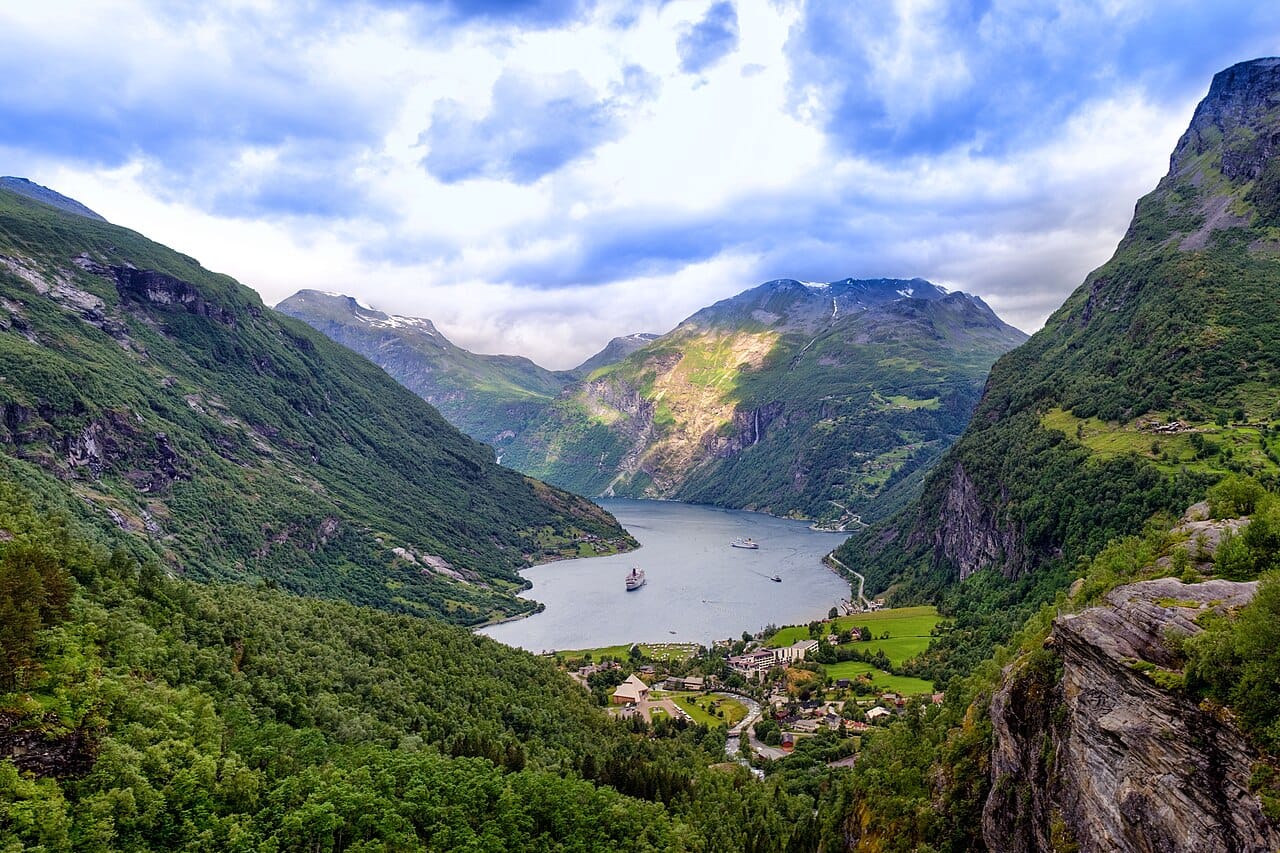
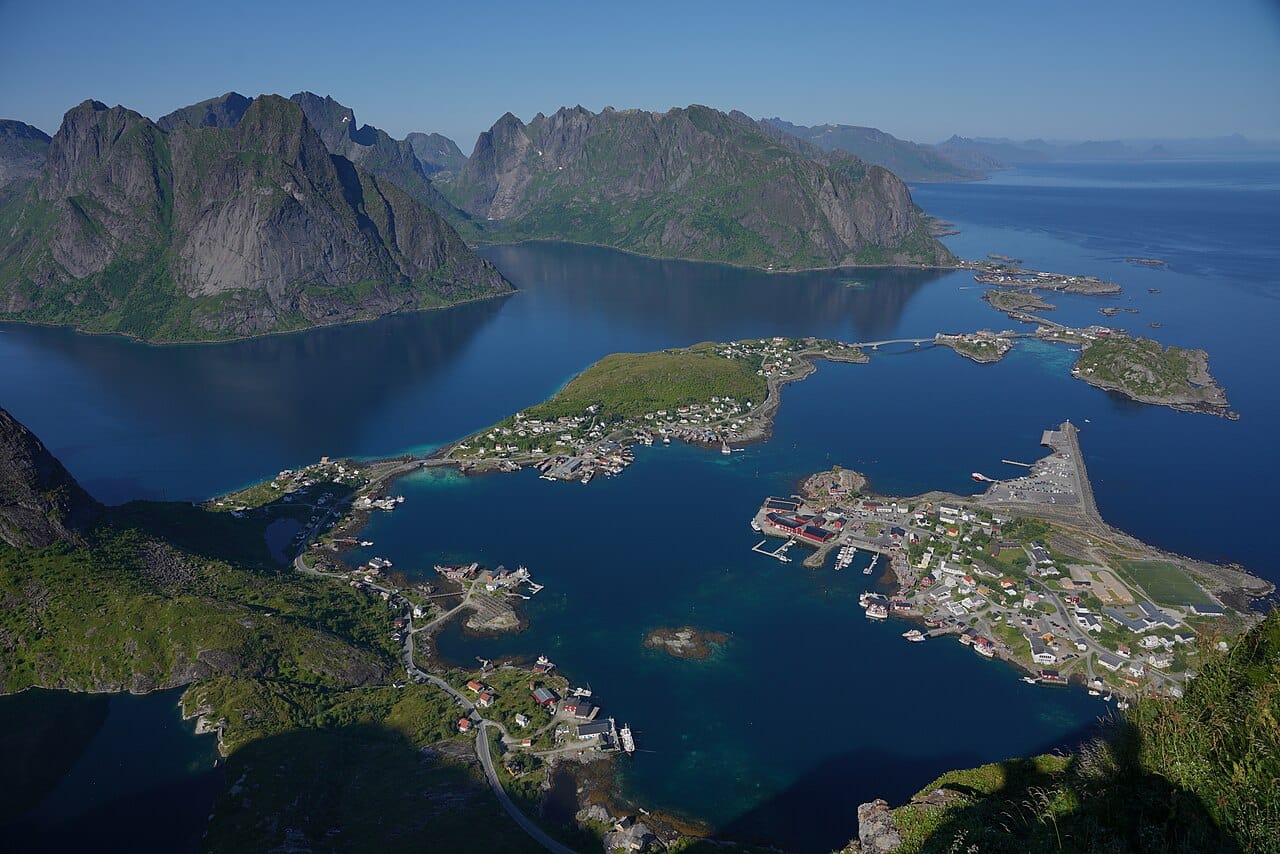
Norway's landscape is among the most dramatic in Europe, carved by ancient glaciers into deep fjords that cut far inland between steep mountains. Its long coastline, fringed by thousands of islands, stretches above the Arctic Circle, where in summer the midnight sun never sets and in winter the polar night brings the northern lights. Most of the country is rugged highland, leaving little flat land, so settlements cling to the valleys and the water's edge.
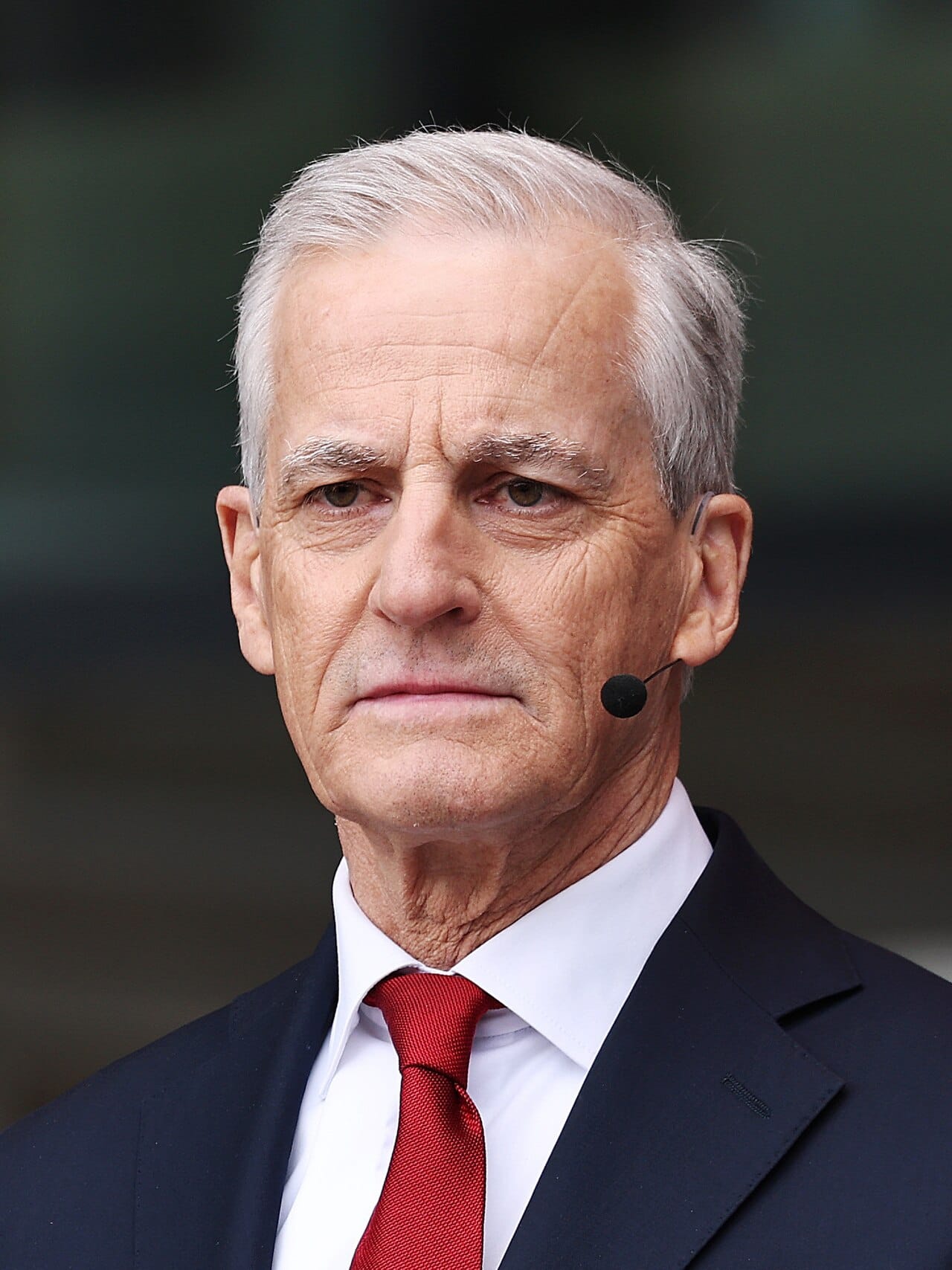
Norway is a constitutional monarchy and a parliamentary democracy, with King Harald V as head of state and an elected parliament, the Storting, to which the government answers. It is a model of the Nordic social democracy: a generous welfare state, high taxes, strong trade unions, and a politics of consensus, with power alternating between Labour-led and centre-right coalitions. The prime minister is Jonas Gahr Store of the Labour Party. Norway has twice voted in referendums to stay out of the European Union, while remaining closely tied to it through the European single market.
Norway is among the wealthiest countries in the world, and its prosperity rests on a remarkable foundation. The discovery of oil and gas beneath the North Sea in the late 1960s transformed the nation, and rather than spend the windfall, Norway has saved it in a sovereign wealth fund that has grown into the largest in the world, worth well over a trillion dollars and owning a slice of thousands of companies globally, held in trust for future generations. Beyond petroleum, the country runs almost entirely on its own hydropower, leads the world in farmed salmon, and has a large merchant fleet. The result is a rich, stable economy that carefully manages the fortune the sea floor has given it.
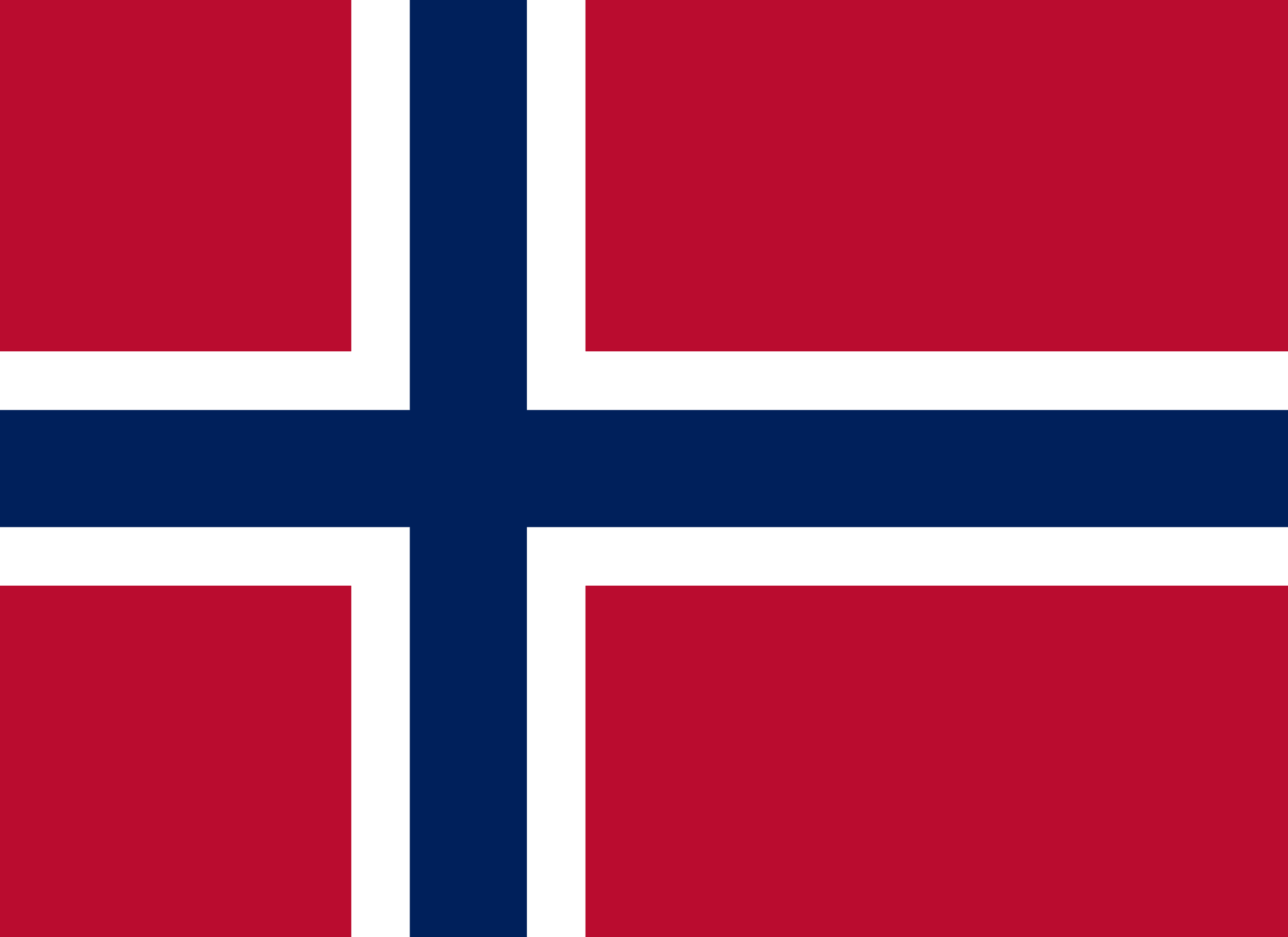
The flag of Norway is red, bearing a blue Nordic cross outlined in white, its arms reaching to the edges in the pattern shared across Scandinavia. The red, white, and blue were chosen in part as colours of liberty, echoing other flags of freedom of the age. The off-centre cross marks Norway as one of the Nordic family of nations while giving it a distinctive and widely admired design.
Norway was historically a Lutheran Protestant country, with the Church of Norway long established as a state church before that formal link was loosened in recent years. Like its Nordic neighbours, Norway is today highly secular: many remain nominal members of the church, but regular worship is uncommon and a large share of people are non-religious. Immigration has introduced other faiths, while older traditions survive among the indigenous Sami people of the north.
Norwegian food reflects a cold climate and a deep relationship with the sea. Fish is central, above all salmon and cod, eaten fresh, smoked, cured, and dried, the dried cod once a major export. Lamb and game feature in the mountains, and a distinctive brown cheese, made from caramelised whey, is a national favourite. Preserving food for the long winter shaped many traditional dishes, and hearty, simple fare remains at the heart of the table.
Norway's mountainous terrain and northern climate leave little land for farming, which concentrates in the south and along the coast, producing grains, potatoes, and dairy and meat from livestock, including sheep grazed on mountain pastures. The sea, however, is Norway's true field: the country is one of the world's largest exporters of seafood and the global leader in farmed salmon, raised in the cold, clean waters of its fjords.
Norwegian culture prizes equality, modesty, and a deep bond with nature. The idea of friluftsliv, or open-air living, runs through national life: Norwegians hike, ski, and retreat to simple cabins in every season, and the outdoors is treated almost as a birthright. Society is egalitarian and trusting, shaped by the Nordic model and a quiet distaste for showing off wealth, captured in the folk notion that no one should think themselves better than others. The country gave the world the playwright Henrik Ibsen, the painter Edvard Munch, and the composer Edvard Grieg, and the indigenous Sami of the far north keep their own language, dress, and traditions, including reindeer herding.
Norway lives with a genuine contradiction at the heart of its prosperity. It is one of the greenest societies on Earth, running on hydropower, leading the world in electric cars, and lecturing others on the climate, yet it is also one of the largest exporters of oil and gas, and the fortune it has saved was earned by selling the very fossil fuels that drive global warming. The tension grew sharper after 2022, when Norway reaped enormous profits supplying gas to a Europe cutting itself off from Russia. Norwegians argue over how quickly to wind down petroleum, whether to keep exploring for more, and how to square the country's climate conscience with the industry that pays for its comfortable life. It is a debate about wealth, responsibility, and what kind of future a rich, oil-fed nation should choose.
Norway has a population of around 5.5 million people, small for so large a country, concentrated in the south and in cities such as the capital, Oslo. It consistently ranks among the world's leaders in standard of living, life expectancy, and human development. Once highly homogeneous, Norway has grown more diverse through immigration in recent decades. In the far north live the Sami, an indigenous people with their own language and traditions, including reindeer herding.