North Macedonia is a small, landlocked country in the central Balkans of southeastern Europe, a mountainous land of valleys, ancient lakes, and historic towns. Its territory was part of the ancient world of Macedon and Paeonia and later a heartland of Slavic Christianity, centred on the beautiful lakeside town of Ohrid. A young state that emerged peacefully from the breakup of Yugoslavia, it spent decades in a dispute with Greece over its name, which it resolved by becoming North Macedonia.
North Macedonia's history runs from the ancient world of Macedon and Paeonia, through a golden age of Slavic Christianity at Ohrid, to a young nation's long struggle over its very name.
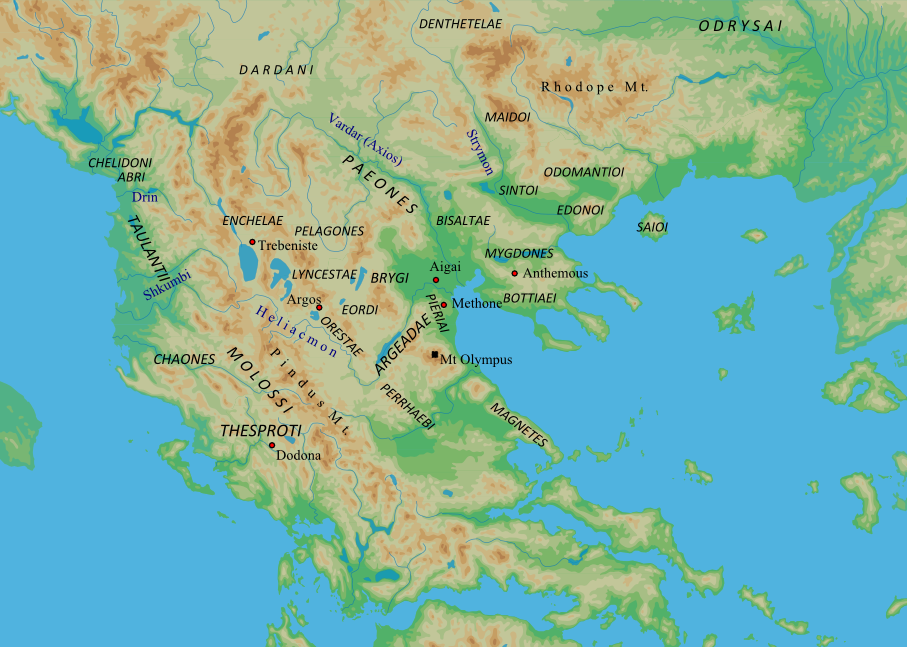
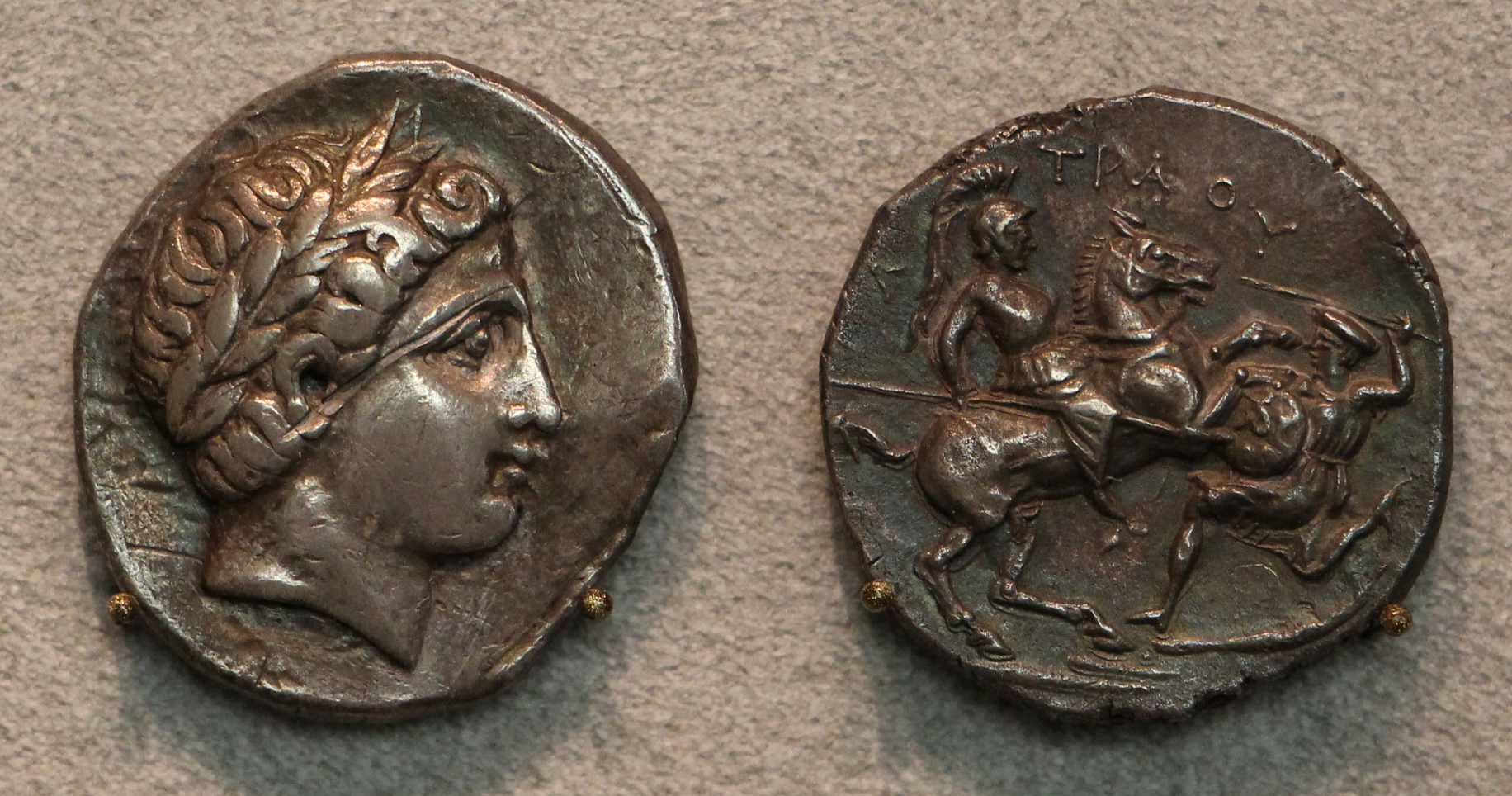
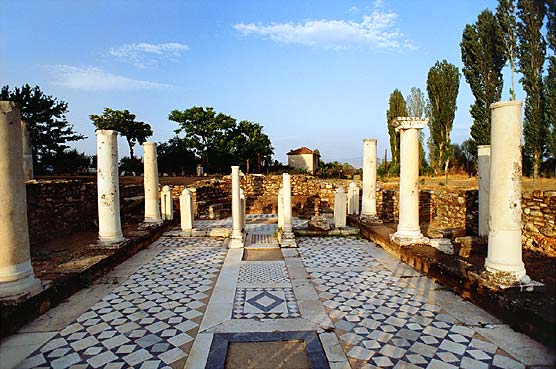
The region was home in antiquity to the kingdom of Paeonia and lay within the wider world of ancient Macedon, whose kings Philip the Second and Alexander the Great built an empire that reached to India, a heritage the modern country cherishes. Roman and then Byzantine rule followed, leaving cities such as Heraclea Lyncestis.
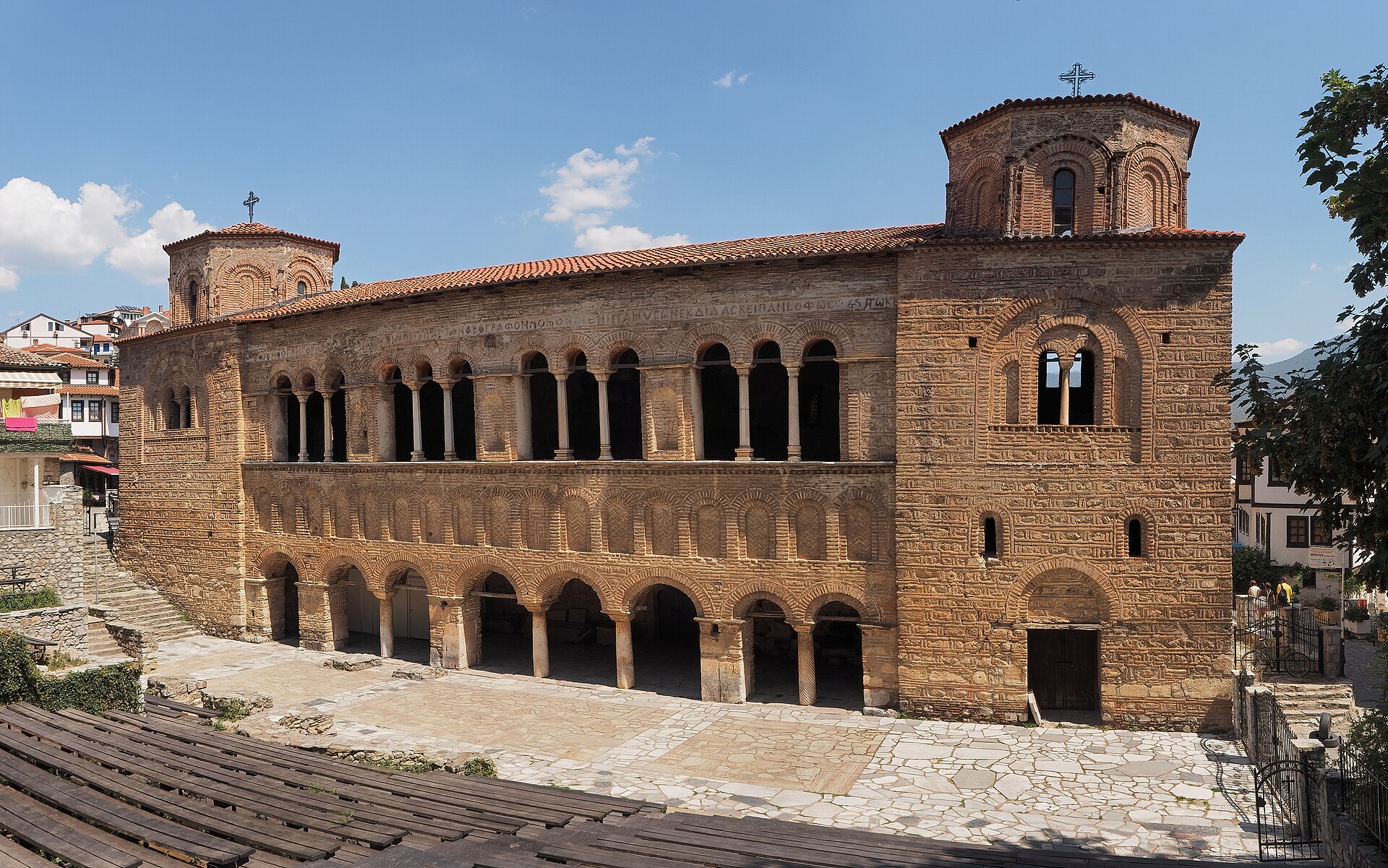
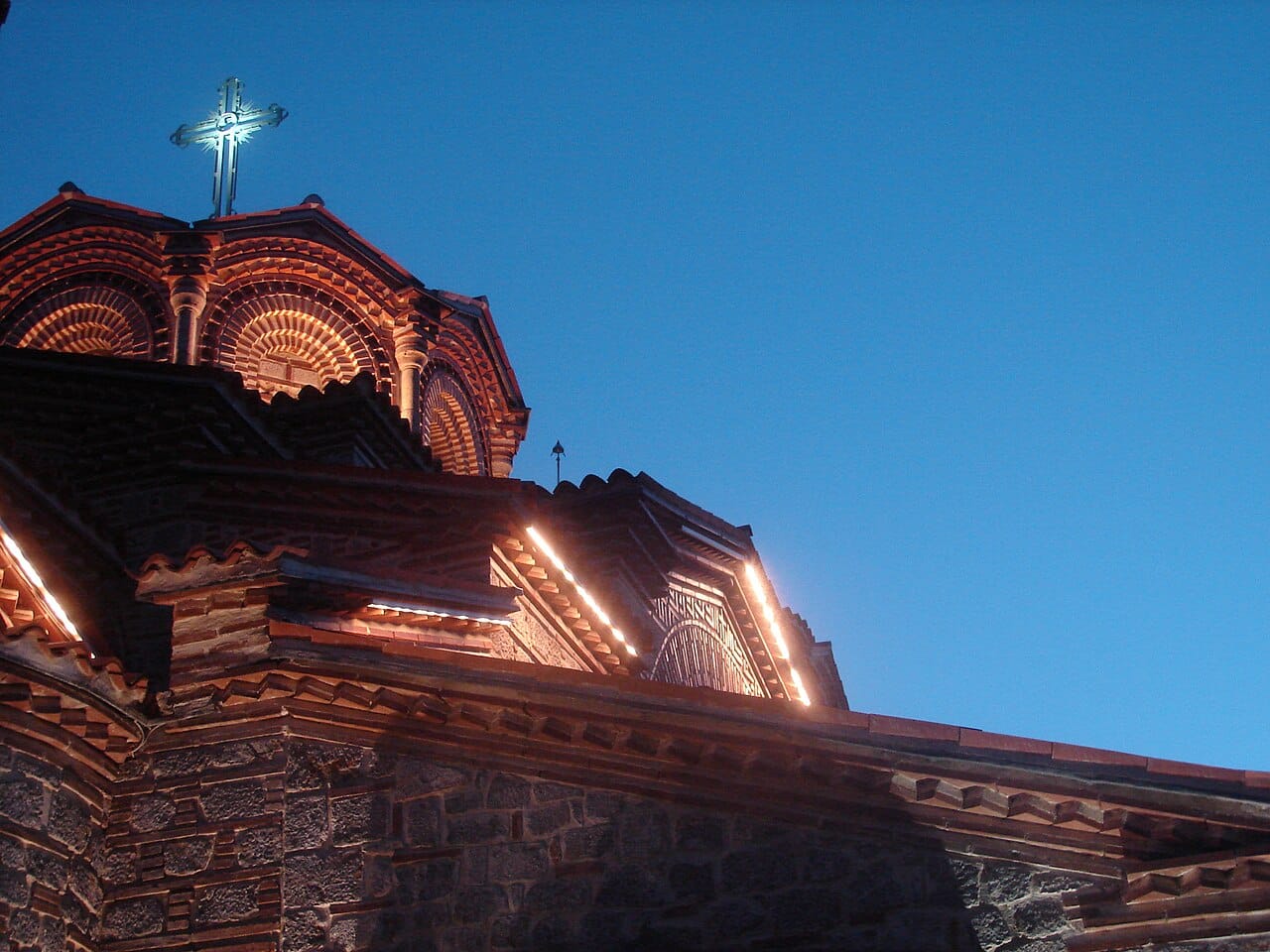
Slavs settled the region in the early Middle Ages, and it became a great centre of Slavic Christianity and learning, above all at Ohrid on its ancient lake. Here the disciples of Saints Cyril and Methodius, Clement and Naum, founded a celebrated school that helped shape the Slavic written word, and Ohrid, once said to have a church for every day of the year, became a beacon of Orthodox faith and culture for the whole Slavic world.
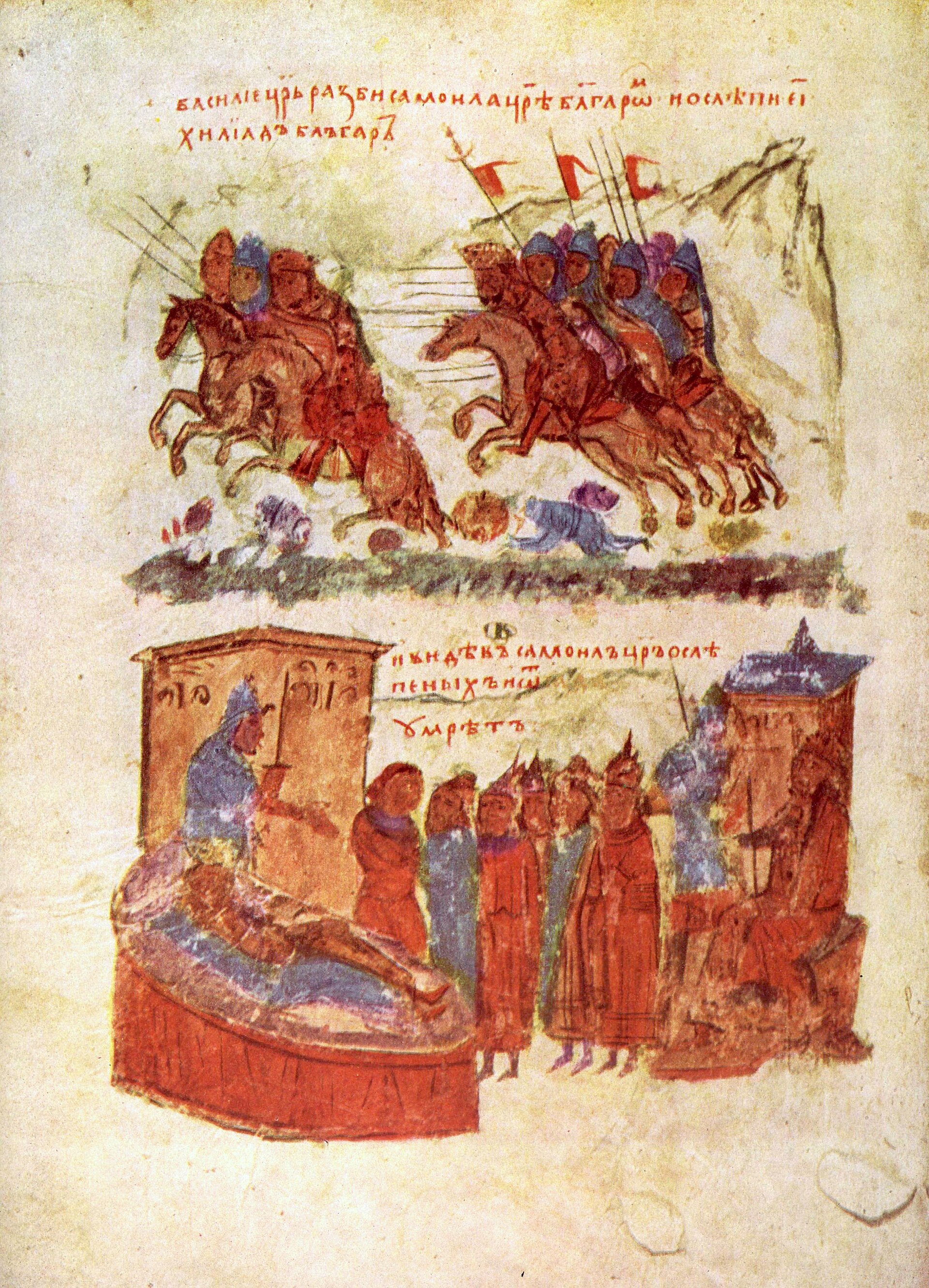
Five centuries of Ottoman rule followed, and the region, known as Macedonia, became one of the most fought-over corners of the Balkans, claimed by Greeks, Bulgarians, and Serbs alike. Divided among them after the Balkan Wars, its northern, Slavic part, Vardar Macedonia, became a republic within Yugoslavia, from which it emerged as an independent country, peacefully, in 1991.
North Macedonia is a rugged, mountainous country, crossed by ranges and divided by the broad valley of the Vardar River, which runs through the heart of the land. Among its greatest treasures are its ancient lakes, especially Lake Ohrid, one of the oldest and deepest lakes in Europe, shared with Albania and famous for its clear water and unique wildlife. The mountains and valleys give the small country a striking variety of scenery and a wealth of natural and historic sites.
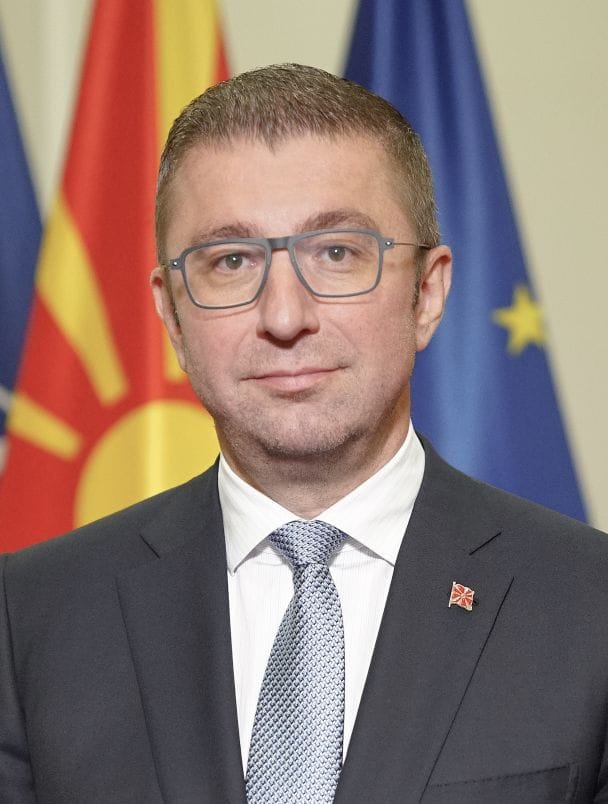
North Macedonia is a parliamentary democracy that emerged peacefully from Yugoslavia and, after resolving the long dispute over its name, joined NATO in 2020, though its bid to join the European Union remains blocked. Its politics is shaped by two broad divides: between competing Macedonian parties, and between the ethnic Macedonian majority and the large ethnic Albanian minority, whose power-sharing role was secured by a peace agreement after a brief insurgency in 2001. The prime minister since 2024 is Hristijan Mickoski of the nationalist VMRO-DPMNE, while the presidency, a largely ceremonial post, is held by Gordana Siljanovska-Davkova, the country's first woman head of state.

The flag of North Macedonia is a bold red field bearing a stylised golden sun with eight rays broadening as they reach the edges. The design, adopted in the 1990s, represents the new sun of liberty referred to in the national anthem. It replaced an earlier flag whose sun symbol was the subject of dispute with Greece, and its simple, radiant image has become a strong and widely recognised emblem of the young nation.
The majority of people in North Macedonia are Eastern Orthodox Christians, mostly ethnic Macedonians, and the country has a deep Orthodox heritage centred on Ohrid, long an important seat of the faith and filled with ancient churches and monasteries. There is also a large Muslim minority, chiefly among the country's substantial ethnic Albanian population. This mix of Orthodox and Muslim communities is a defining feature of the country's society and a factor in its politics.
The cuisine of North Macedonia is rich and Balkan in character, sharing much with its neighbours. A national favourite is tavce gravce, baked beans cooked with peppers and spices in an earthenware dish. Ajvar, a relish of roasted red peppers, is made in great quantities each autumn and eaten throughout the year, and grilled meats, fresh cheeses, stuffed vegetables, and salads are staples. The warm climate yields excellent peppers, tomatoes, and other produce central to the table.
Agriculture is an important part of the economy of North Macedonia, favoured by the warm climate of its valleys. The country is a notable grower of tobacco, a traditional export crop, along with grapes for a long-standing winemaking tradition, and an abundance of vegetables, especially peppers, as well as fruit. Farming is concentrated in the fertile valleys, particularly along the Vardar, while the surrounding mountains support the raising of sheep and goats.
For most of its independent life, North Macedonia has faced a question few other nations must answer: what it is allowed to call itself, and whether its neighbours accept that its language and history are its own. The tale is told here as neutrally as the subject allows.
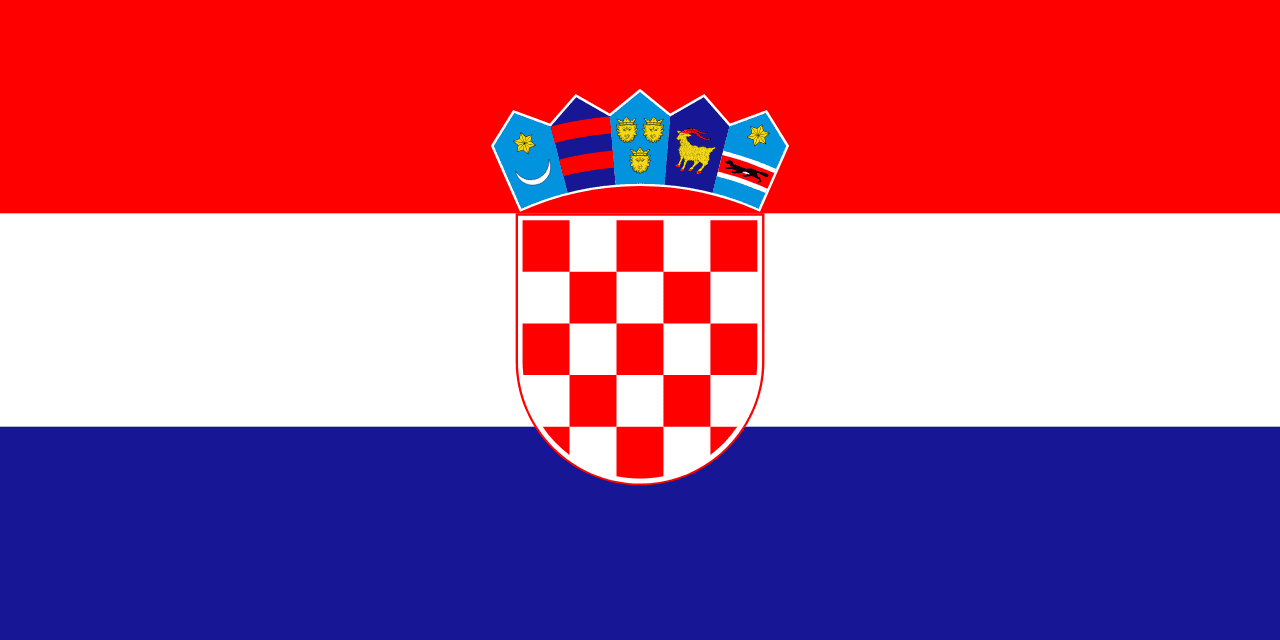
The first dispute was with Greece, which has its own northern region of Macedonia and regards the name and the legacy of Alexander the Great as part of Greek heritage. For nearly three decades Greece objected to the young country calling itself simply Macedonia and blocked its path into NATO and the European Union. The two sides finally reached a compromise in the Prespa Agreement of 2018, under which the country renamed itself North Macedonia. The change, painful and controversial at home, opened the door to NATO, which it joined in 2020.
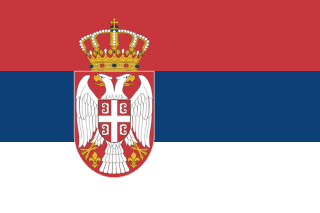
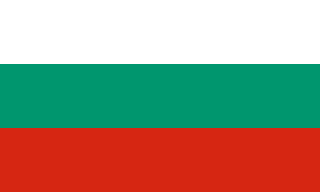
But the country's European Union bid then met a second block, this time from Bulgaria, which disputes not the name but the identity: whether the Macedonian language is a distinct tongue or a variant of Bulgarian, and how the two nations should share the historical figures and events both claim. Behind these arguments lies a deeper question about a young national identity, pressed on several sides and knit together internally with a large ethnic Albanian minority whose own place in the state was settled only after conflict.
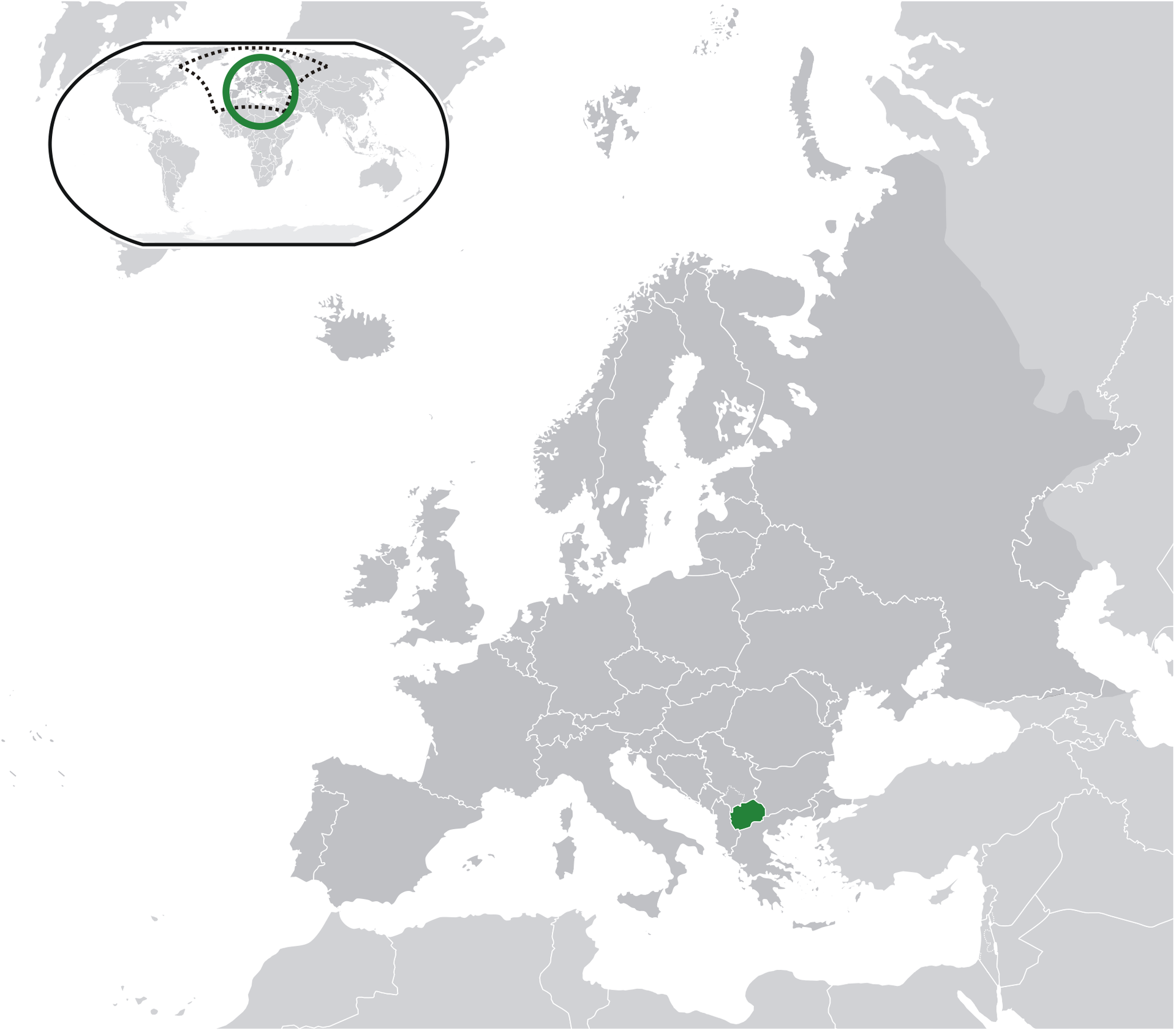
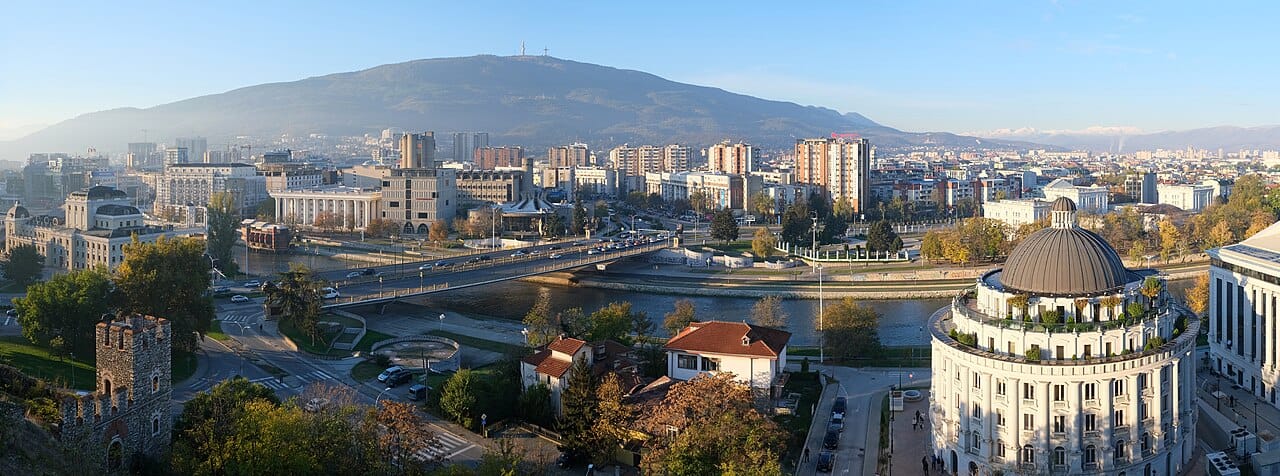
North Macedonia has a population of around 1.8 million people, the largest group being ethnic Macedonians, a South Slavic and mostly Orthodox people, alongside a substantial ethnic Albanian minority, mostly Muslim, along with Turks, Roma, and others. The relationship between the Macedonian and Albanian communities is an important feature of the country's politics, shaped by a peace agreement that expanded minority rights after a brief conflict in 2001. Most people live in the valleys and in the capital, Skopje, home to about a fifth of the nation.