North Korea, officially the Democratic People's Republic of Korea, is a country in East Asia occupying the northern half of the Korean Peninsula. Sharing a long history, language, and culture with South Korea, from which it was divided in the middle of the twentieth century, it has followed a starkly different path: a secretive, isolated, one-party state ruled by a single family across three generations, with a centrally planned economy and a powerful military. It remains one of the most closed countries in the world.
For most of recorded history there was no such thing as a northern Korea. The peninsula's story is a single one until 1945, and understanding the state that exists today means starting well before the line was drawn across it.
The northern peninsula was the heartland of Goguryeo, the largest and most militarily formidable of Korea's Three Kingdoms, which at its height reached deep into Manchuria and repelled repeated invasions from Sui and Tang China before falling in the seventh century. Its tomb murals, in what is now North Korea and across the Chinese border, are a World Heritage site. Unification under Silla and then Goryeo, from which the English name Korea derives, gave the peninsula a common state, a common written culture, and eventually a shared script.
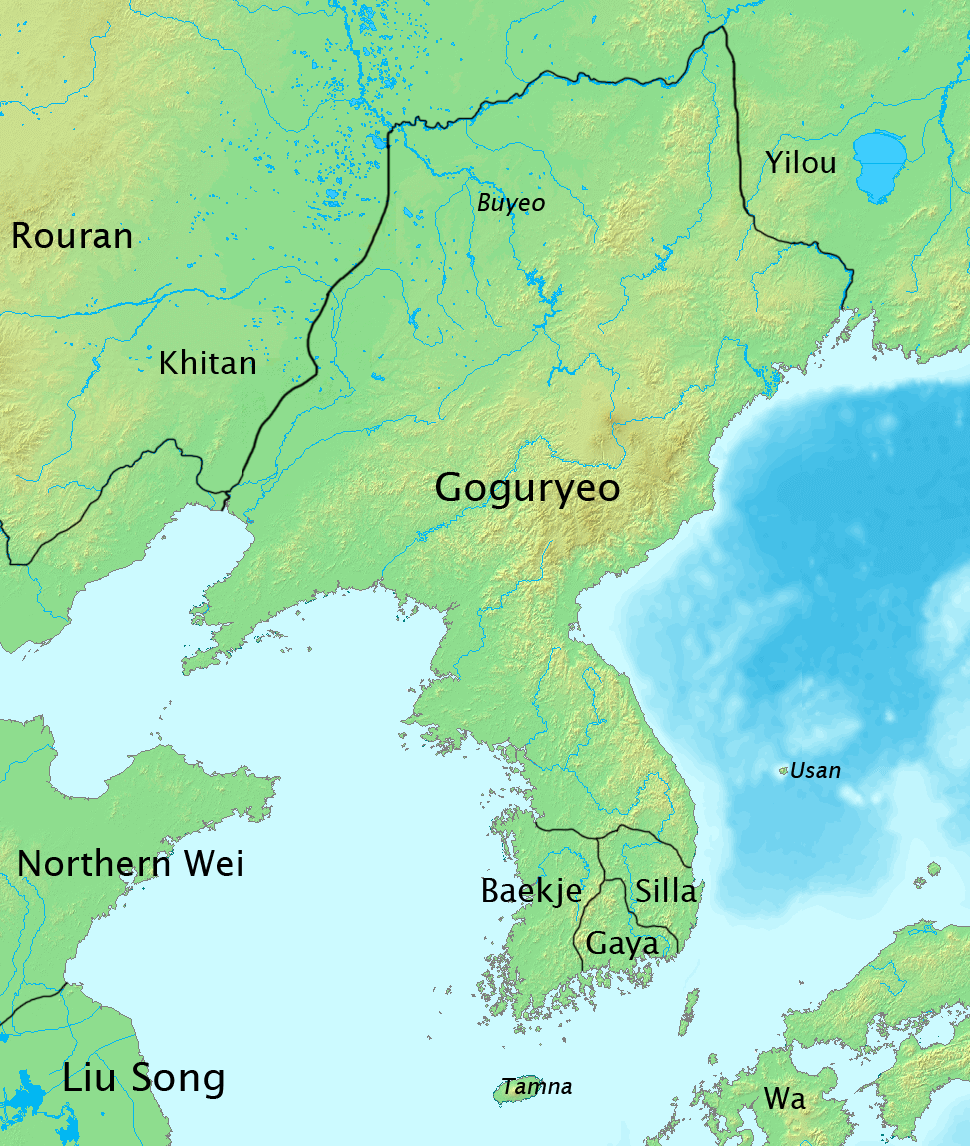
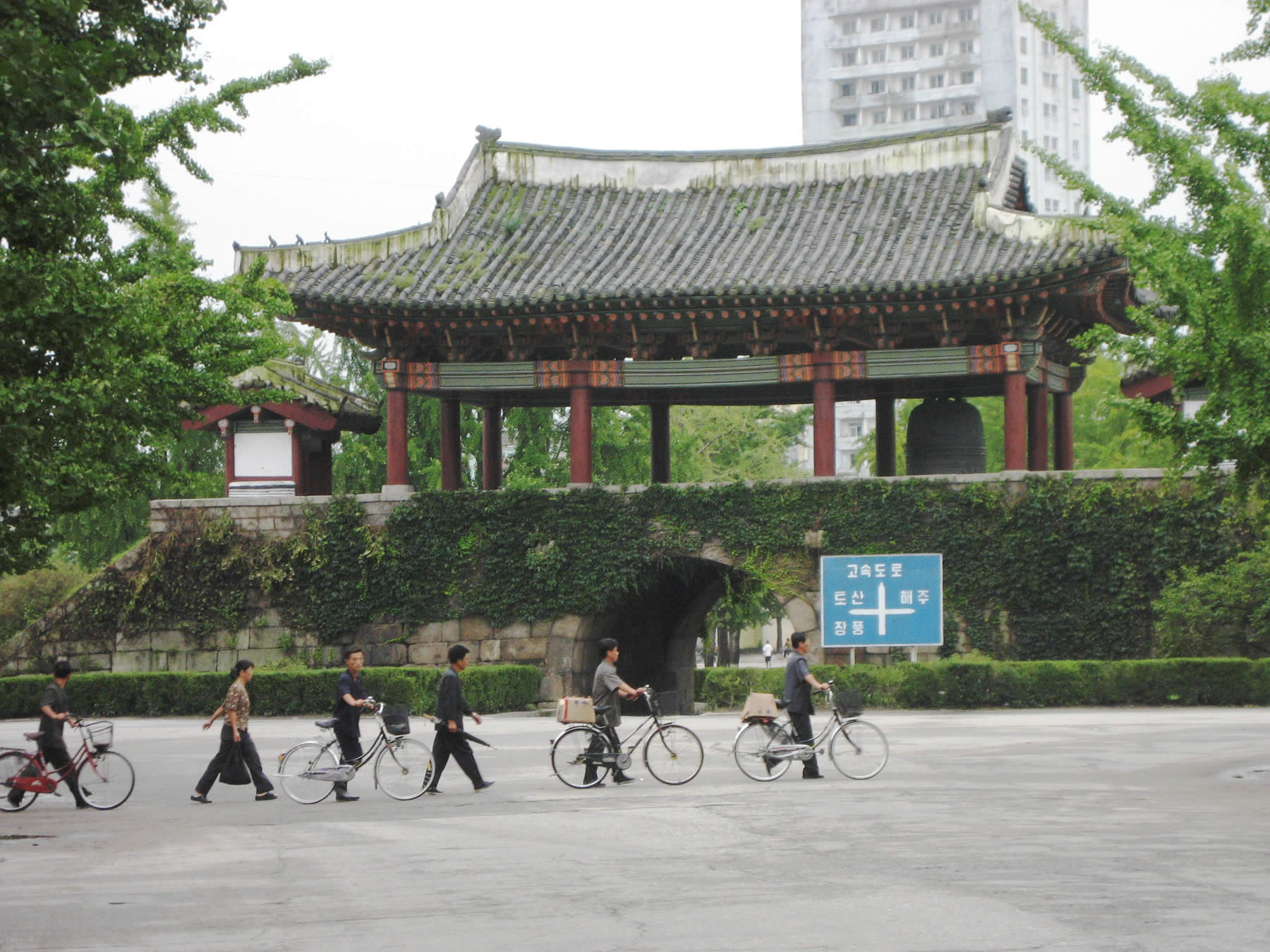
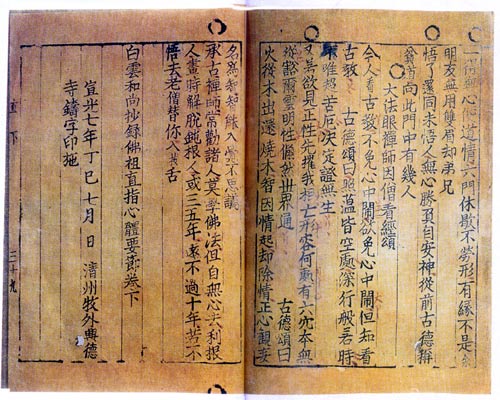
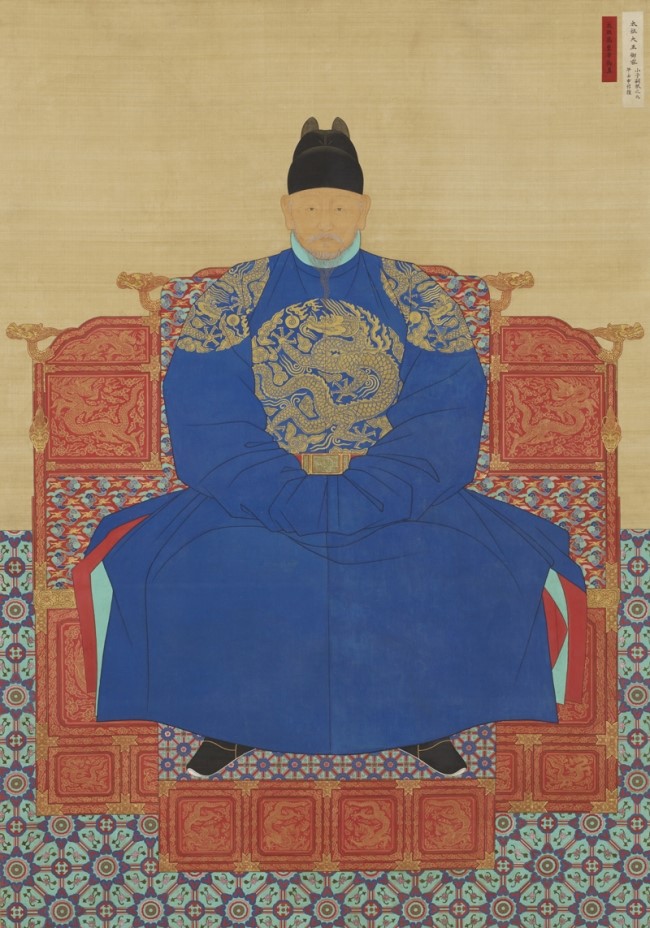
The Joseon dynasty, founded in 1392, ruled the whole peninsula for more than five centuries, adopted Confucianism as its governing philosophy, and produced the Hangul alphabet in the fifteenth century, designed deliberately so that ordinary people could learn to read. Both Koreas claim this inheritance, and both display it prominently.
Japan forced Korea into a protectorate in 1905 and annexed it outright in 1910. The colonial period lasted thirty-five years and was experienced as an attempt to erase Korea as a nation: the language was suppressed in schools, Koreans were pressed to adopt Japanese names, and in the war years hundreds of thousands were conscripted into labour and military service, including the women coerced into sexual slavery in Japanese military brothels, an issue that still shapes relations across the region. Armed resistance operated from Manchuria and Siberia, and it was in those guerrilla bands that Kim Il Sung made his name.
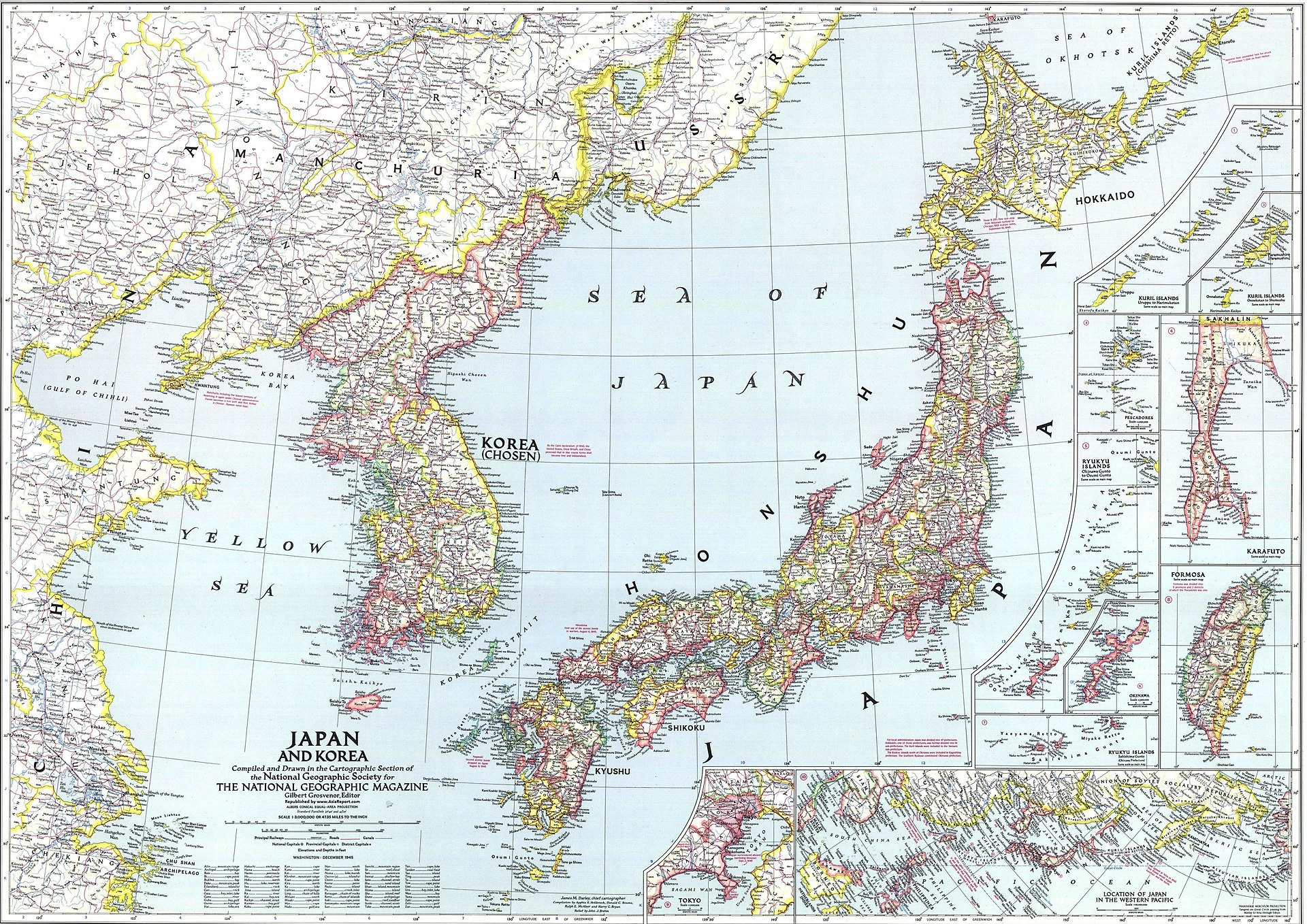
When Japan surrendered in August 1945, two junior American officers were given half an hour to propose a line dividing the peninsula into Soviet and American occupation zones. They picked the 38th parallel off a wall map because it left Seoul on the American side. No Korean was consulted. The temporary line hardened as the Cold War set in, and by 1948 there were two states, each claiming the whole.
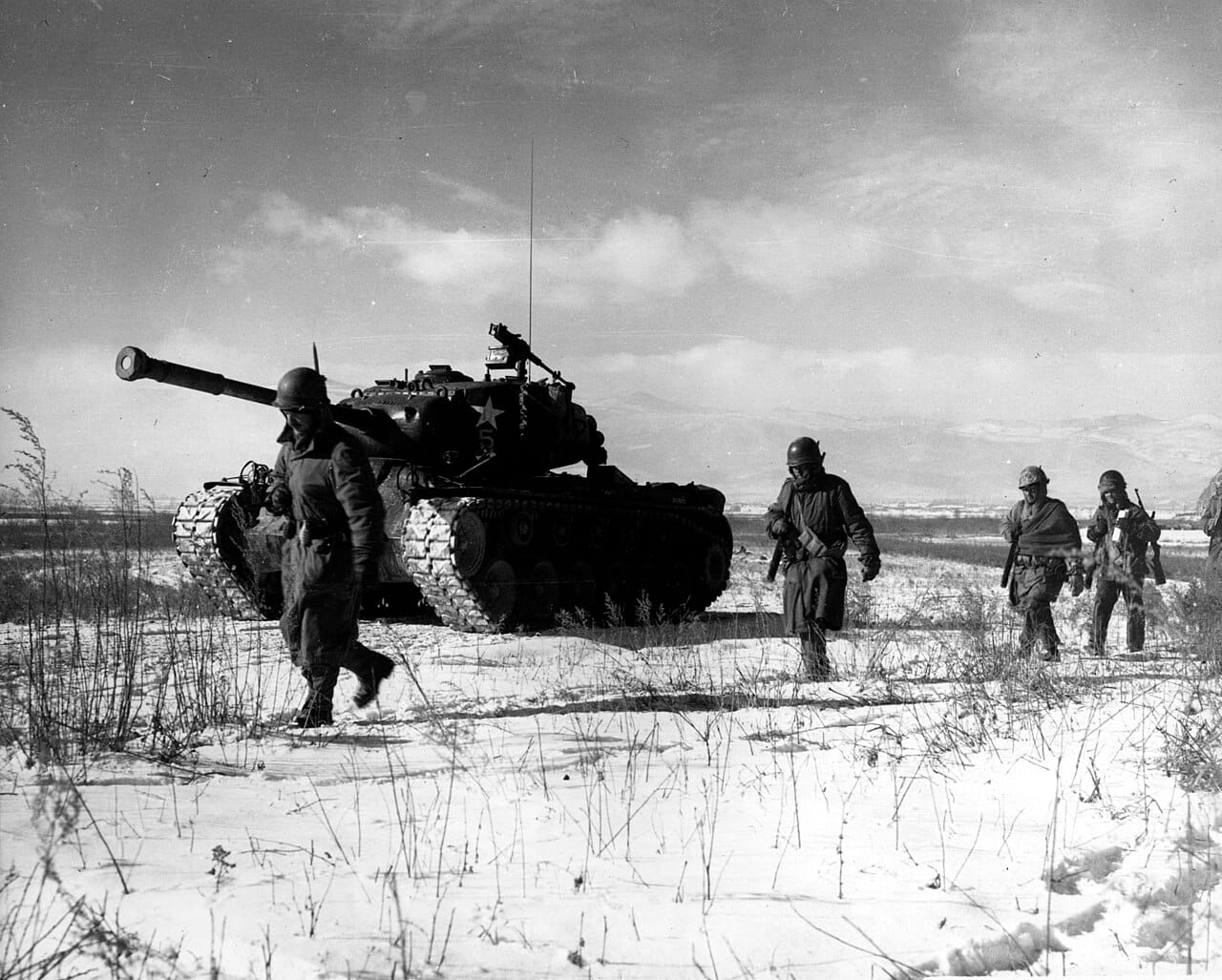
On 25 June 1950 North Korean forces crossed the parallel and drove south, taking Seoul and pushing the defenders into a pocket around Pusan. A United Nations force led by the United States landed at Incheon, broke out, and drove north almost to the Chinese border, at which point China entered the war with hundreds of thousands of troops and pushed the line back south again. The front stabilised near where it had started, and the fighting continued for two more years while negotiations dragged. American bombing destroyed nearly every town and city in the north. Estimates of the total dead run into the millions, most of them civilians.
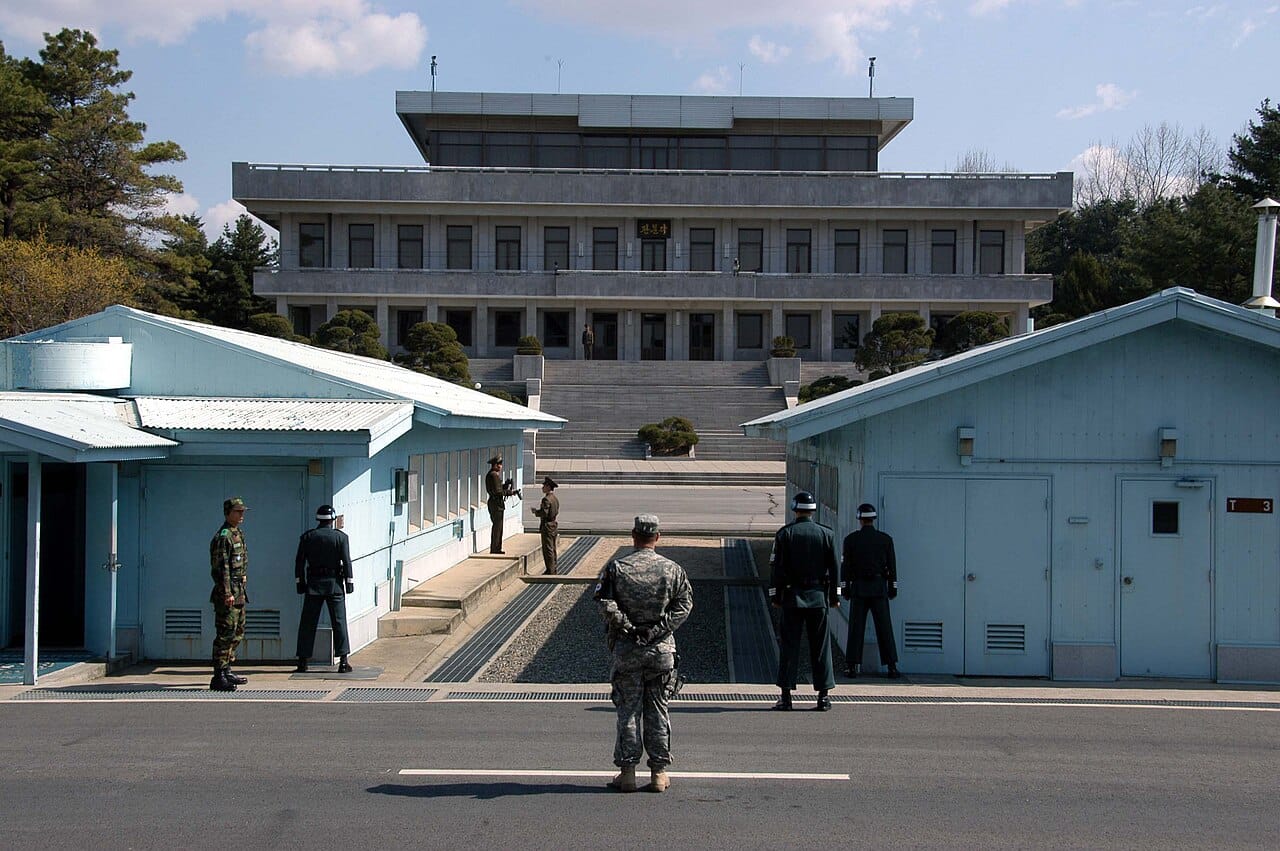
The armistice signed on 27 July 1953 was a ceasefire between military commands, not a peace treaty, and no peace treaty has been signed since. The two Koreas remain formally at war, separated by a demilitarised zone four kilometres wide and 250 long that is, despite the name, among the most heavily fortified places on Earth. The war is the single fact from which most of North Korean policy since has followed: the conviction that the state can be destroyed, and that only the state itself can prevent it.
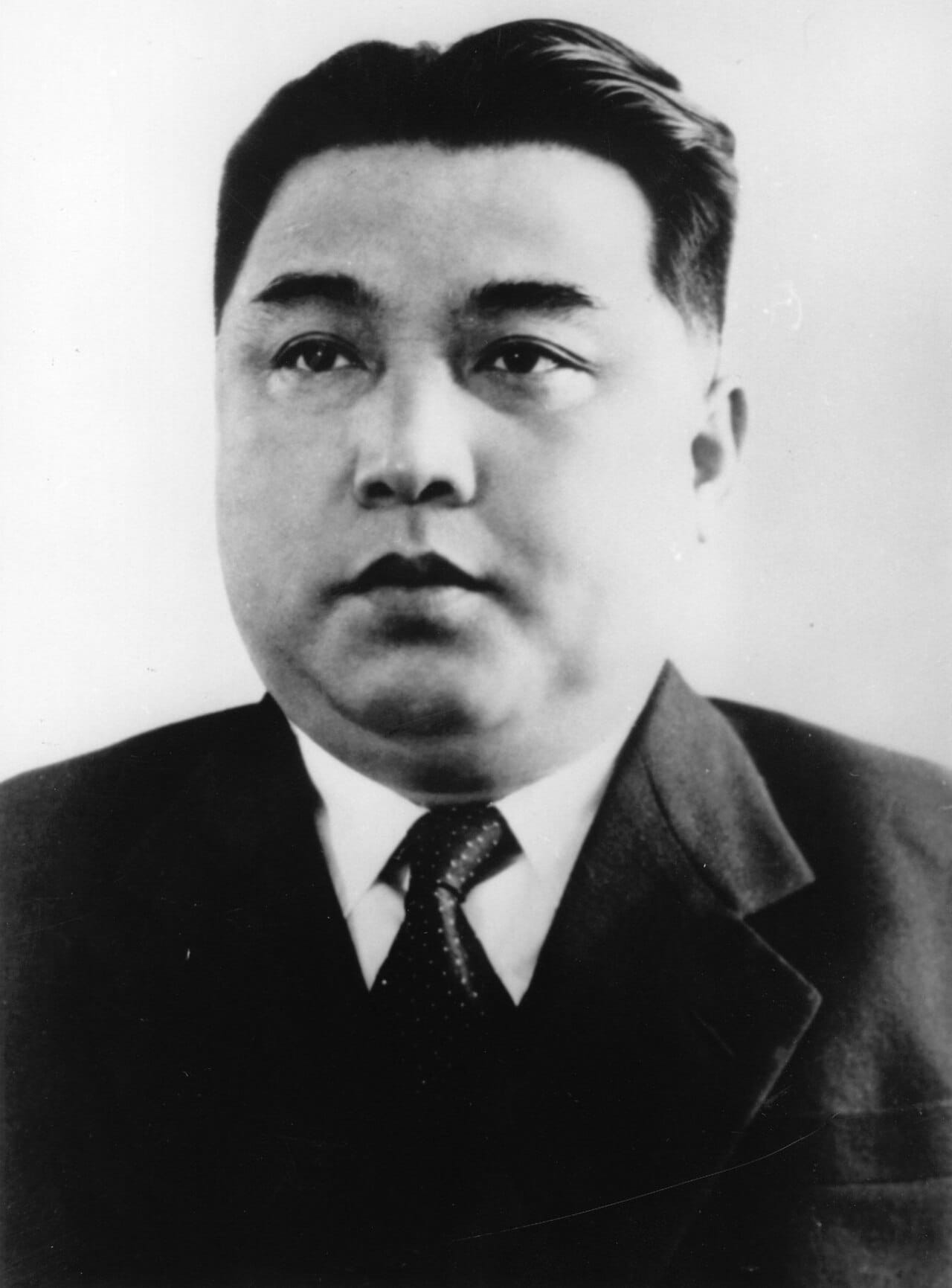
The north rebuilt quickly. Through the 1960s and into the 1970s it was, by most measures, the more industrialised and the more prosperous of the two Koreas, with Soviet and Chinese assistance, near-universal literacy, and an economy geared to heavy industry. The state ideology of Juche, usually translated as self-reliance, was elaborated by Kim Il Sung into the organising principle of everything, and it was accompanied by a cult of personality of a scale and intensity without close parallel anywhere.
Then the props were removed. South Korea overtook the north decisively in the 1970s and 1980s, and the collapse of the Soviet Union in 1991 ended the subsidised fuel and food on which the whole system rested. Industry seized up for want of energy, the collective farms failed, and floods in 1995 and 1996 finished the harvest. The famine that followed, known in North Korea as the Arduous March, killed a number of people that has never been established and is estimated by outside researchers in the hundreds of thousands to the low millions. Kim Il Sung died in 1994, just before it began, and was declared Eternal President; his son Kim Jong Il governed through it, prioritising the army under a doctrine called Songun, military first.
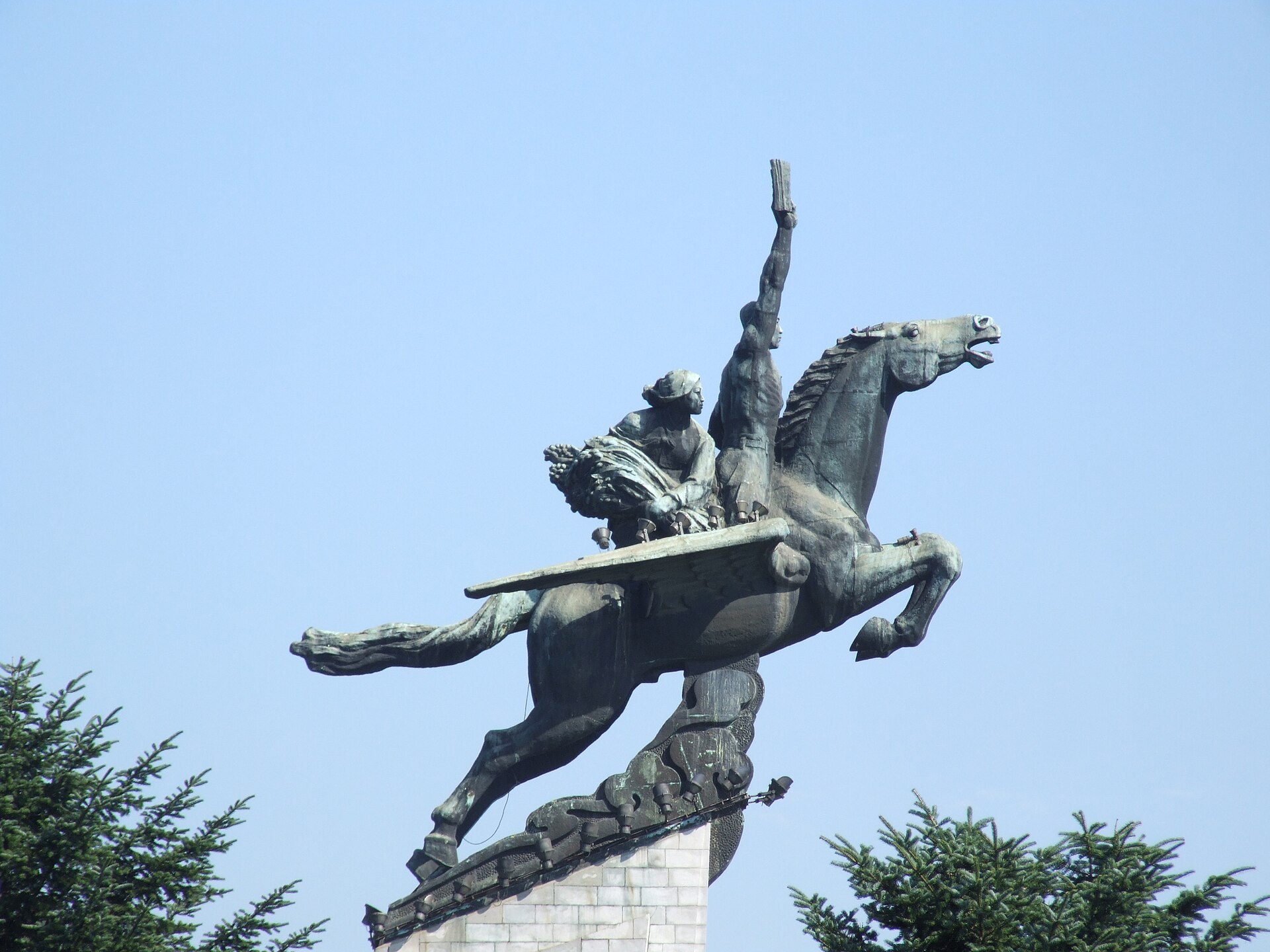
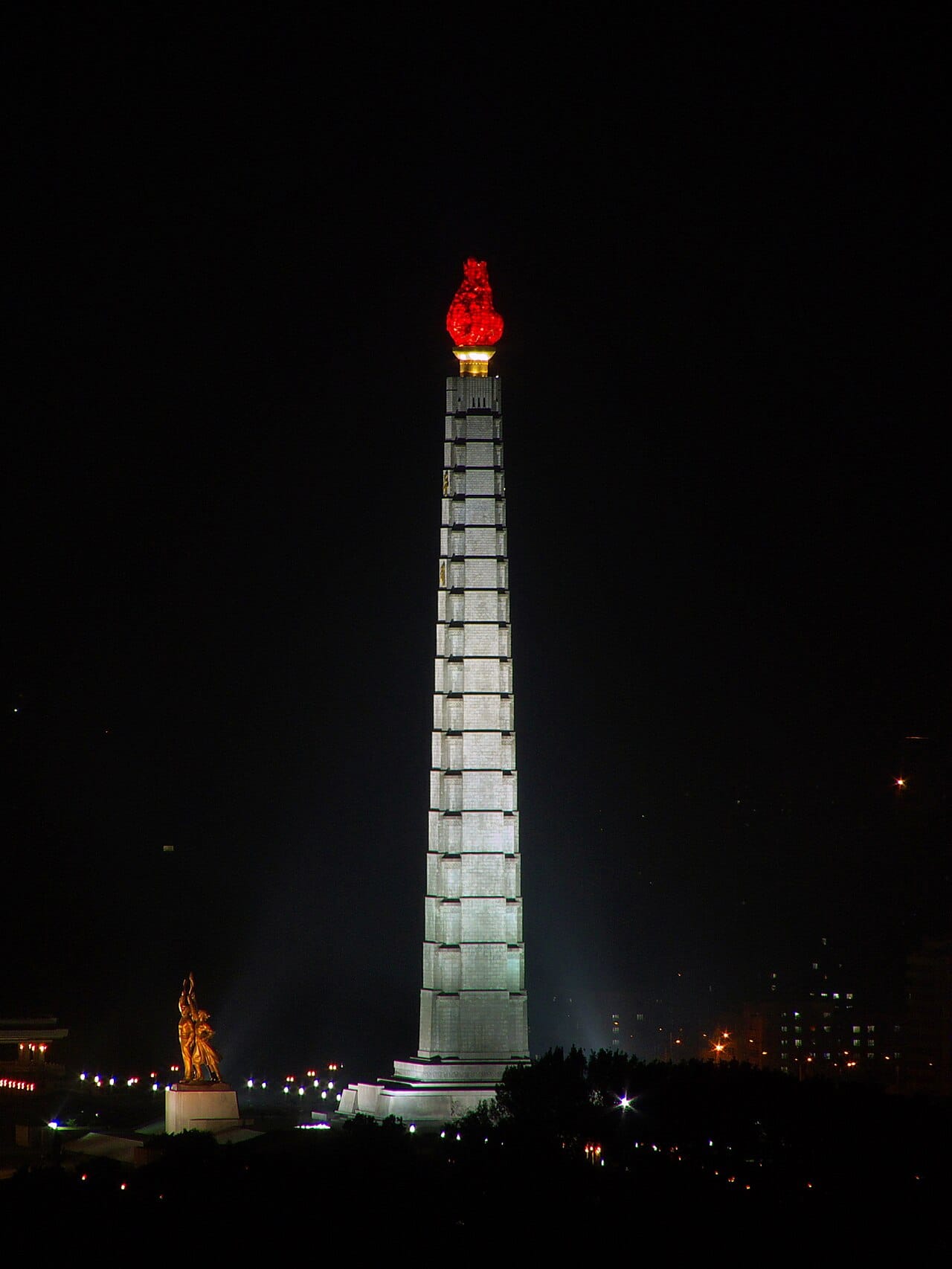
Kim Jong Un succeeded his father in 2011, in his late twenties, the third generation of the family to rule. He consolidated power rapidly, including by executing his uncle and the removal of senior figures, tolerated a partial and unacknowledged growth of private markets that now supply much of what people actually eat and use, and accelerated the nuclear and missile programmes decisively, conducting further tests and demonstrating missiles of intercontinental range. A period of summit diplomacy with the United States and South Korea in 2018 and 2019 produced photographs and no agreement, and collapsed at Hanoi.
Since then the direction has been the opposite. In 2023 and 2024 Kim formally abandoned the goal of eventual reunification, declaring South Korea a separate and hostile state rather than one half of a divided nation, dismantling the agencies devoted to inter-Korean affairs and removing the monuments to unification his father and grandfather had built. In June 2024 he signed a mutual defence treaty with Russia, and North Korean troops were subsequently deployed to Russian territory in the Kursk region in connection with the war in Ukraine, the country's first significant overseas combat commitment; Kim has publicly honoured them, and North Korean units appeared in Moscow's Victory Day parade. The relationship has given Pyongyang fuel, food, money, and probably military technology, and has substantially reduced the leverage of sanctions.
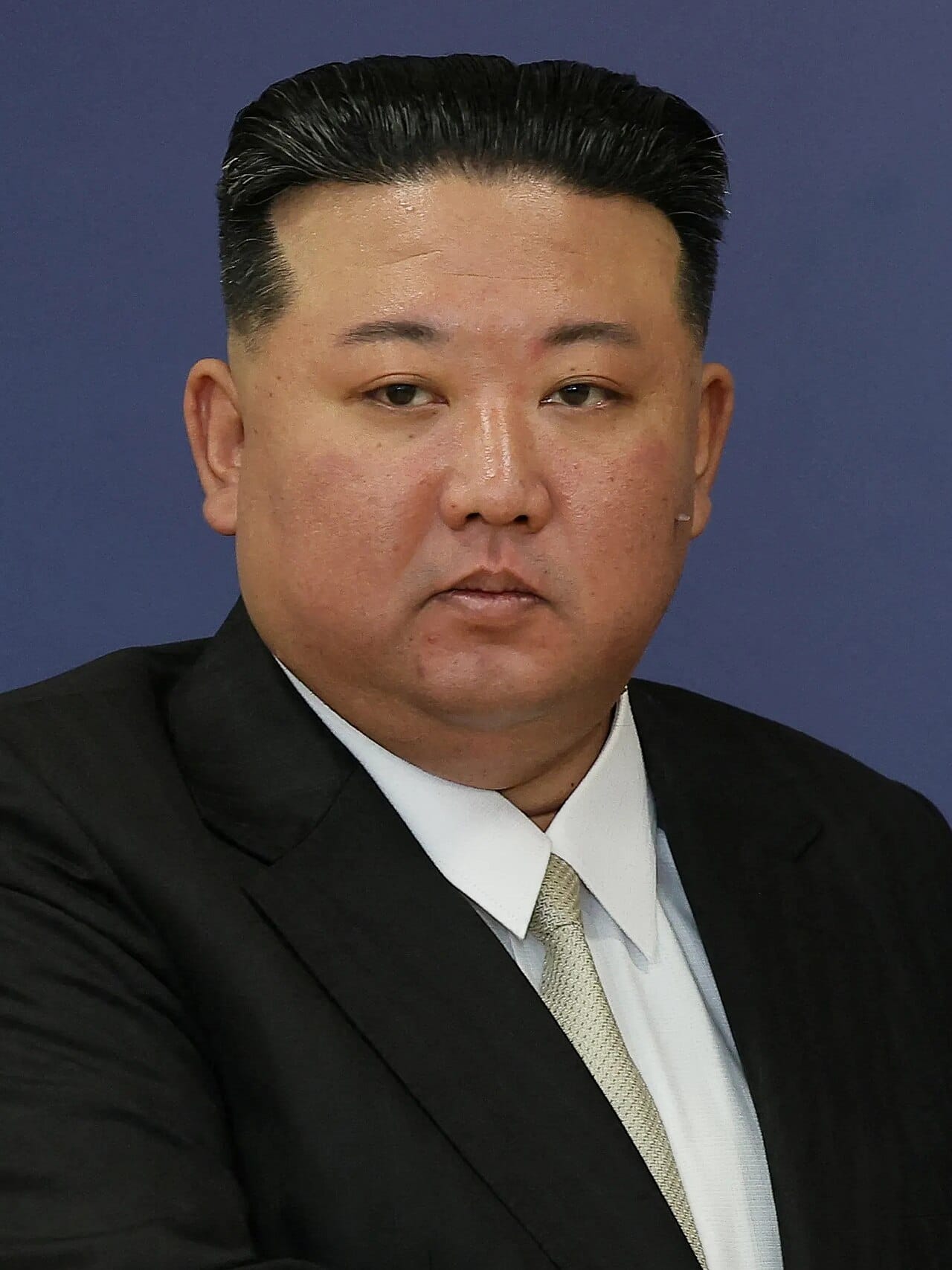
Korean tradition holds that the first kingdom, Gojoseon, was founded in 2333 BC by Dangun, born of the union between a son of the god of heaven and a bear who had been transformed into a woman. The legend gives the Korean people a divine and ancient origin and is honoured across the peninsula. As history, the figure of Dangun and the precise date belong to founding myth rather than the documented record, though they remain a powerful symbol of Korean identity.
North Korea is a mountainous country, with rugged ranges and forested highlands covering much of its territory, leaving only limited lowland and coastal plains for farming and cities. Its highest peak, Mount Paektu, a volcano on the border with China, is sacred in Korean tradition as the place where Dangun descended, and the state has attached its own mythology to it, presenting it as the birthplace of Kim Jong Il, which outside records contradict. The Diamond Mountains, Kumgangsan, on the eastern coast are among the most celebrated landscapes in Korea and were briefly open to southern tourists in the 2000s. The country has coastlines on the Yellow Sea to the west and the Sea of Japan to the east, and the Yalu and Tumen rivers form the border with China and, for a short stretch, with Russia. Winters are severe, the growing season short, and only about a fifth of the land is arable, which is the fundamental reason the north has struggled to feed itself while the south, with better land, has not.
North Korea is a one-party state governed by the Workers' Party of Korea and, in practice, by the Kim family, whose descent from Kim Il Sung is treated as the source of political legitimacy and is written into the constitution and the party charter. Kim Jong Un holds the offices of General Secretary of the party and President of the State Affairs Commission; his grandfather remains Eternal President, an office no living person can occupy. Elections are held for a Supreme People's Assembly with a single approved candidate per seat and turnout reported at close to a hundred per cent.
Society is stratified by songbun, a hereditary classification of families by their perceived loyalty, assessed originally on what their forebears did before and during the war, which shapes where a person may live, what they may study, and what work they may do. Movement within the country requires permission, foreign media is prohibited, and the internet as the rest of the world uses it is unavailable to almost everyone, replaced by a walled domestic network. A 2014 United Nations commission of inquiry concluded that the state had committed crimes against humanity including extermination, enslavement, torture, imprisonment, and enforced disappearance, and described a system of political prison camps holding tens of thousands; North Korea rejected the report and denies the camps exist.
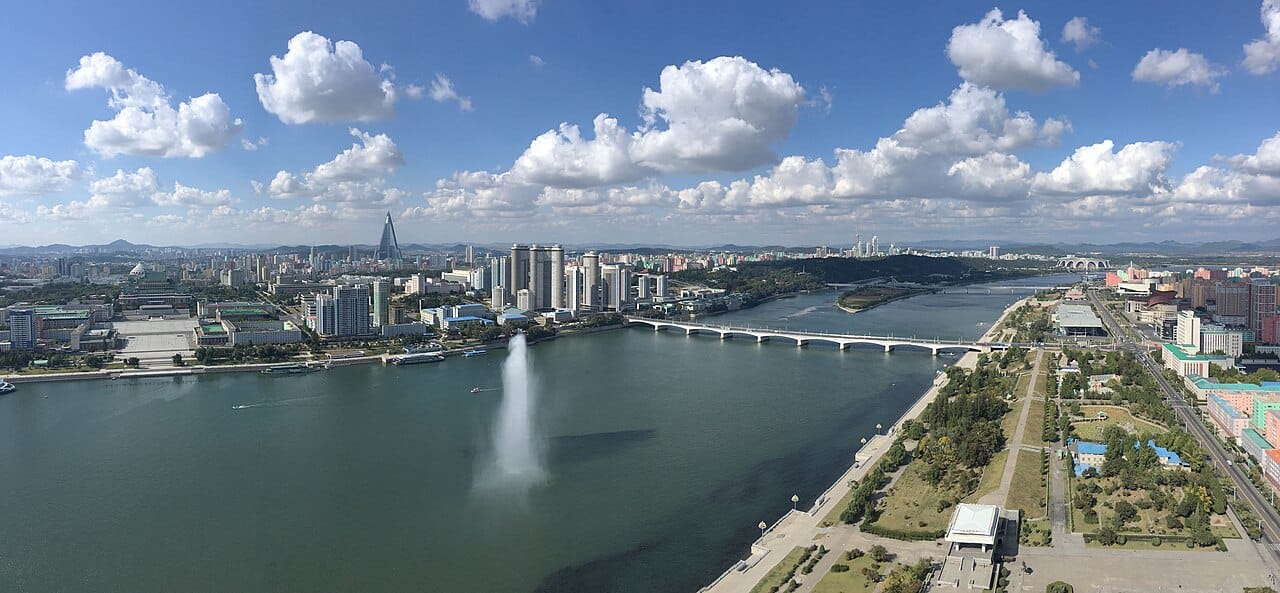
North Korea runs a centrally planned economy that has never fully recovered from the loss of Soviet support, and reliable figures do not exist, since the state publishes almost no statistics. Heavy industry, mining, and the military absorb the bulk of resources. The country is rich in minerals, including coal, iron ore, magnesite, and rare earths, and mineral exports to China, which accounts for the overwhelming majority of its recorded trade, are the main source of foreign currency, alongside labour sent abroad, arms sales, and, according to United Nations panels and multiple governments, large-scale cryptocurrency theft by state-linked hacking groups.
The most significant change since the famine has been unofficial. When the ration system failed in the 1990s people survived by trading, and the resulting markets, the jangmadang, were tolerated because the alternative was starvation. They now supply a large share of consumer goods and food, a private economy operating in a state that does not formally admit it exists, and a generation has grown up for whom the market rather than the state is the source of a livelihood. Successive rounds of United Nations sanctions over the nuclear programme have restricted exports and imports substantially, though enforcement has weakened markedly since Russia's alignment with Pyongyang.
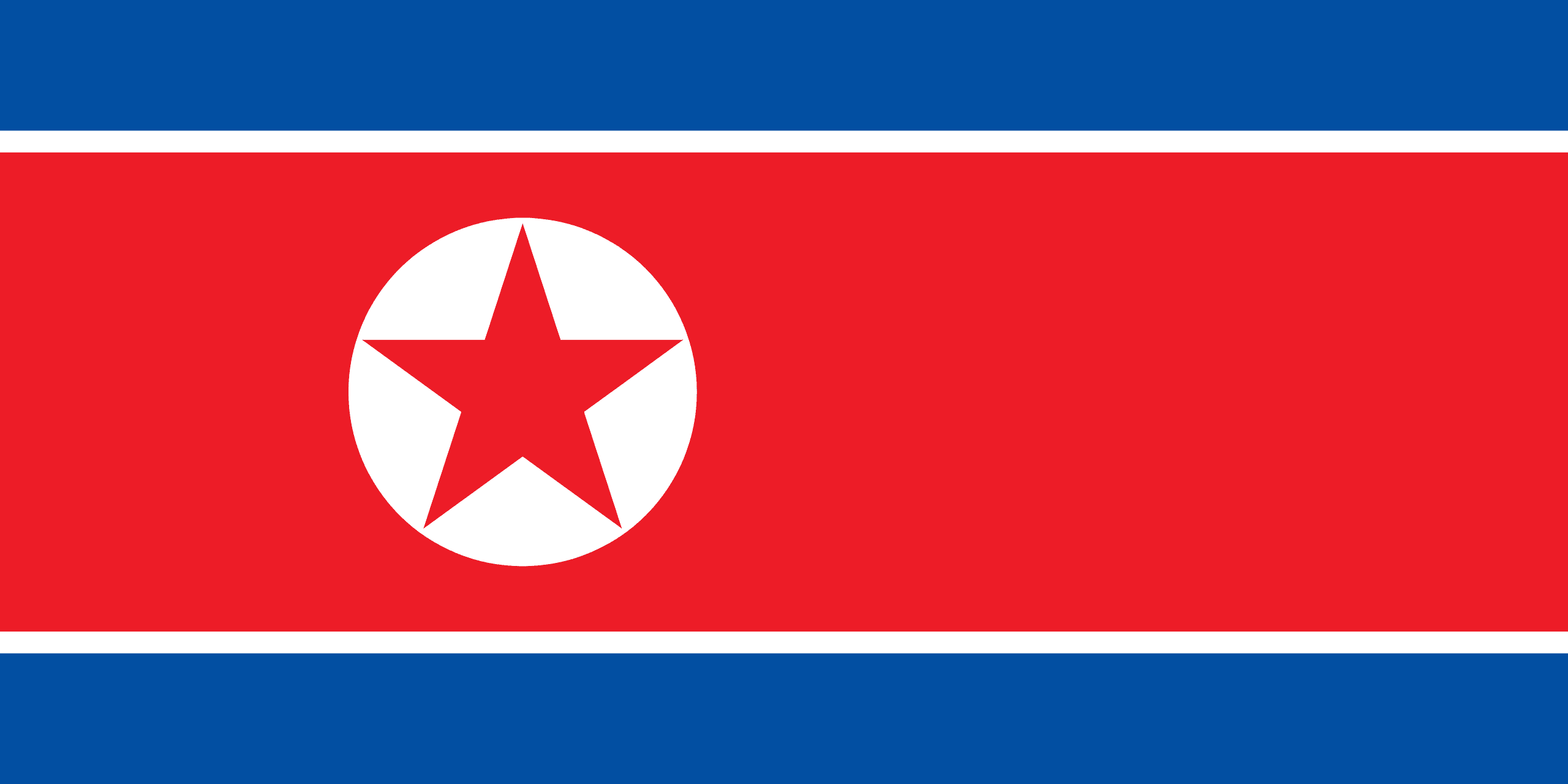
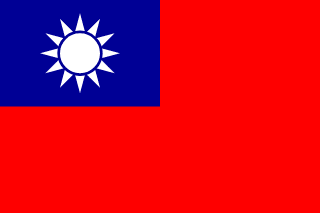
The flag of North Korea has a broad red band across the centre, edged with thin white and then blue stripes, with a red five-pointed star inside a white circle toward the hoist. The red stands for revolution and the blood of patriots, the blue for sovereignty, peace, and friendship, and the white for purity. The red star is the traditional emblem of communism, reflecting the founding ideology of the state.
North Korea is officially an atheist state, and organised religion is tightly restricted, with traditional faiths such as Buddhism and the indigenous beliefs of Korea reduced to a marginal presence. In their place, the state has cultivated an all-encompassing political ideology, Juche, meaning self-reliance, together with a pervasive cult of veneration around its leaders that, in its rituals and demands of devotion, functions in some ways like a state religion at the centre of public life.
North Korean cuisine shares its roots with the wider Korean tradition, built on rice, vegetables, and the fermented dish kimchi. A celebrated speciality of the north is Pyongyang naengmyeon, cold buckwheat noodles in a chilled broth, considered one of the region's finest dishes. Corn and other grains have featured heavily in the diet, especially during times of shortage. Everyday food is simpler and more constrained than in the south, shaped by periodic scarcity.
Agriculture in North Korea is hampered by its mountainous terrain, limited arable land, a cold climate, and a centrally planned, collectivised system. Rice and maize are the main crops, grown in the valleys and coastal plains, but the country has struggled to feed itself and suffered a devastating famine in the 1990s. Food security remains a persistent concern, and the state devotes great effort to agriculture even as shortages and dependence on aid have recurred. Terracing of steep hillsides to gain planting area contributed to deforestation and made the floods of the 1990s worse, and United Nations agencies have repeatedly assessed that a large share of the population is undernourished, with malnutrition visible in the measurable difference in average height between young North and South Koreans.
The culture North Koreans inherit is Korean, shared with the south: the same language, though the two have drifted apart in vocabulary, the same alphabet, the Confucian family structure, the food, the folk music. What differs is that in the north it is all mediated by the state. Every film, novel, song, and painting must serve the revolution and the leadership, in an official doctrine of socialist realism, and the arts are produced by state studios and troupes to that standard.
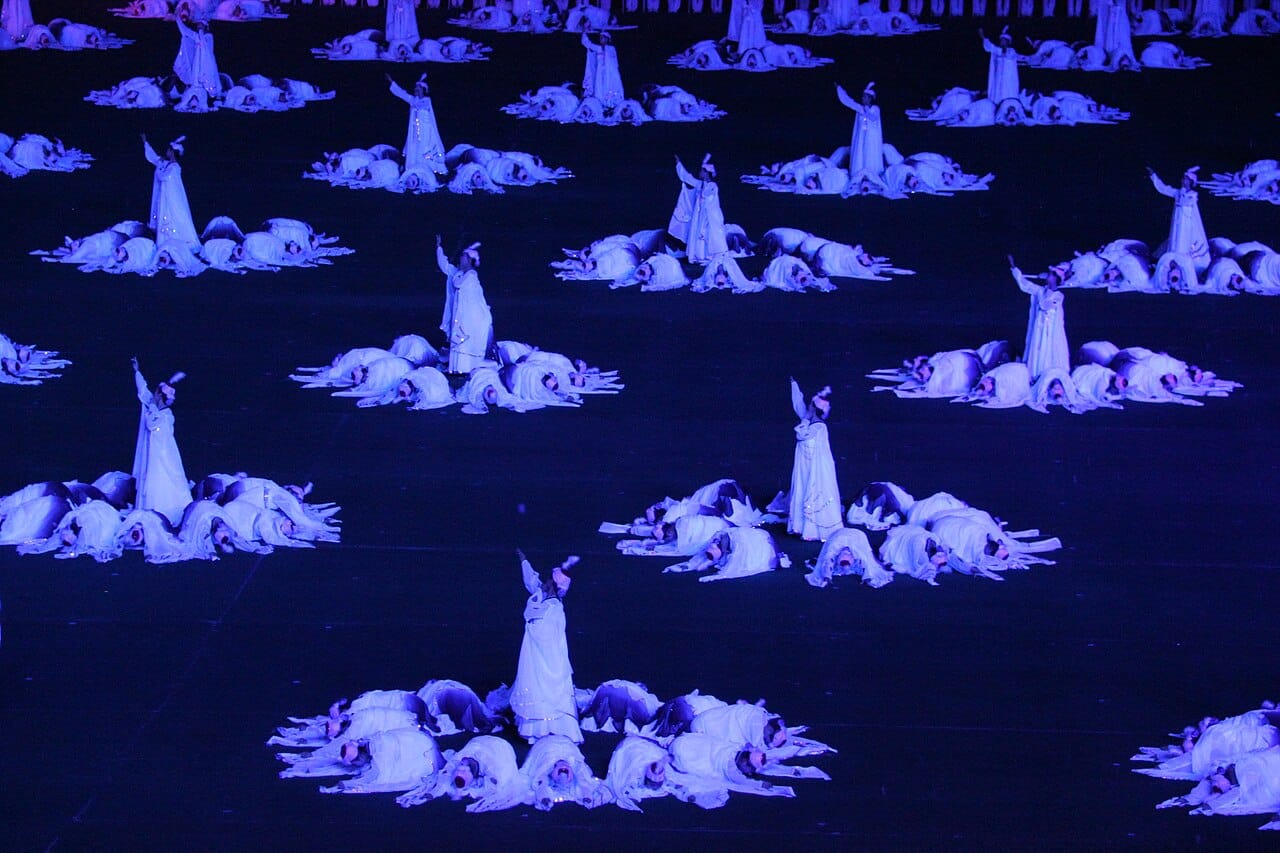
The most striking public expression is the mass games, choreographed spectacles in which tens of thousands of performers move in unison while a stand of thousands of schoolchildren holds up coloured cards to form vast changing images. They are technically remarkable and require months of rehearsal by children, which is itself among the criticisms made of them. Everyday life is organised through workplace and neighbourhood units with regular sessions of political study and mutual criticism, and portraits of the leaders hang in every home and public building, where their upkeep is a legal duty. Pyongyang naengmyeon, cold buckwheat noodles in a chilled broth, is the north's most famous contribution to Korean food and was served at inter-Korean summits as a gesture of common heritage.
North Korea's nuclear weapons are the central fact of its foreign relations, and there is no agreement anywhere on what should be done about them. The facts are relatively clear: the country withdrew from the Non-Proliferation Treaty in 2003, tested a device in 2006 and five times since, has demonstrated missiles of intercontinental range, and wrote its nuclear status into its constitution in 2023. Successive rounds of Security Council sanctions have not reversed any of it.
Pyongyang's own case is that the weapons are the only guarantee of survival, and it points to a specific set of precedents: Iraq and Libya both gave up unconventional weapons programmes and their governments were subsequently destroyed with Western participation, while nuclear-armed states have not been invaded. It cites the destruction of its cities in the Korean War, the continuing absence of a peace treaty, and the presence of American forces in the south.
Those who argue for pressure hold that a state which starves its own population while building missiles cannot be conceded the point, that accepting North Korea as a nuclear power would encourage South Korea and Japan to seek their own weapons and unravel non-proliferation across Asia, and that sanctions have constrained the programme even if they have not ended it. Those who argue for engagement hold that seventy years of pressure has produced a larger arsenal rather than a smaller one, that the 1994 Agreed Framework did freeze plutonium production for eight years before it collapsed, and that arms control aimed at capping and making the arsenal safer is achievable where disarmament is not.
Cutting across both is the human rights question. Some argue it must be raised at every opportunity because a settlement that ignores the prison camps legitimises them; others argue that raising it forecloses the negotiations that might reduce the risk of a war which would kill enormous numbers of people on both sides of the parallel. The 2018 and 2019 summits tested the engagement case and produced no agreement, and since 2023 Pyongyang has abandoned reunification as a goal and turned to Russia instead, which has left both approaches with less to work with than before.
North Korea has a population of around 26 million, almost entirely ethnic Korean, one of the most homogeneous countries in the world, with a small Chinese minority and a Japanese-Korean community that returned in the 1960s. Roughly three in five people live in towns and cities. Pyongyang, with something over three million, is a showcase capital of monumental architecture and broad avenues, and residence there is allocated by the state as a privilege rather than chosen; the contrast between the capital and the provinces is one of the most consistent observations of visitors and defectors alike.
Movement inside the country requires a permit, and leaving it without one is a serious offence. Somewhere over thirty thousand North Koreans have reached South Korea, most via China and Southeast Asia, a route that became far harder after border closures during the pandemic reduced the numbers to a trickle. Their testimony, alongside satellite imagery and defector accounts, is the main source of what is known about conditions inside a country that publishes almost nothing about itself, and it is inevitably partial, which is part of why so much about North Korea is estimated rather than known.