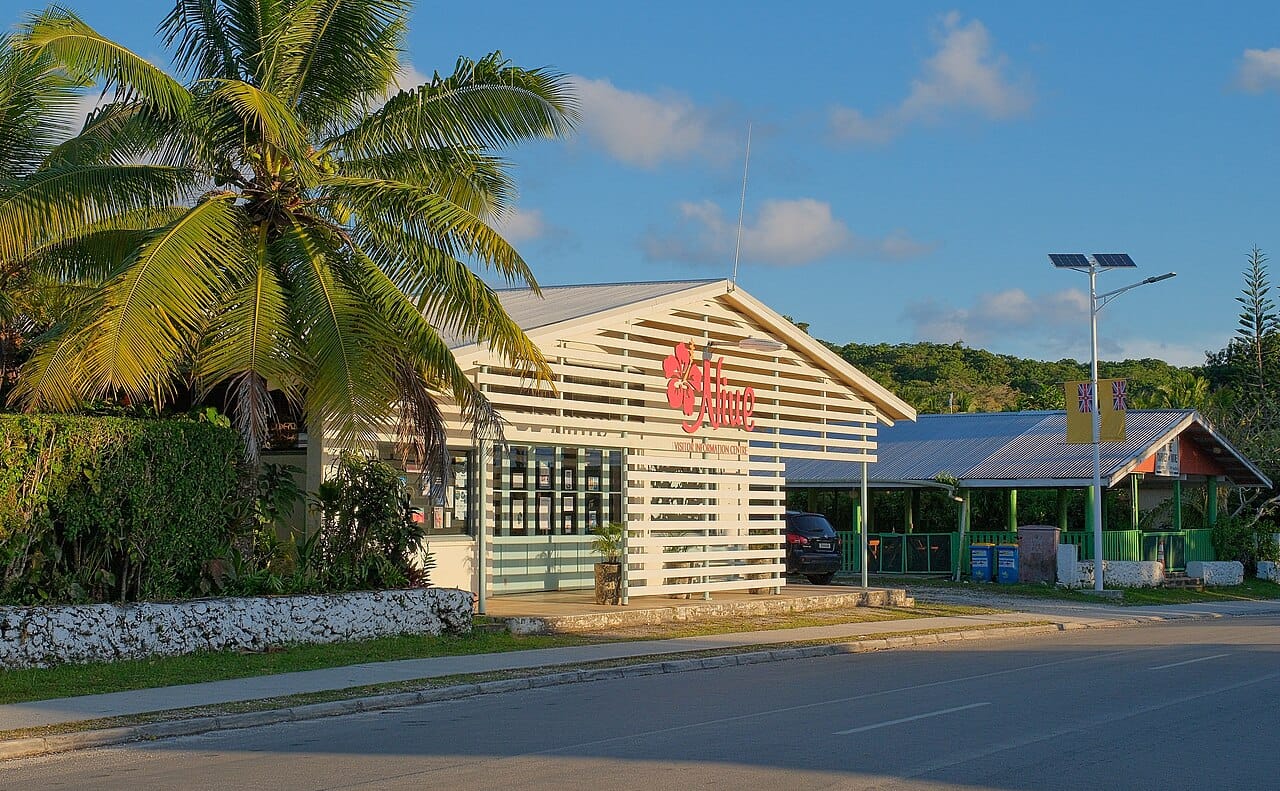
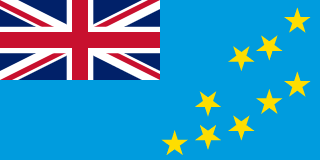
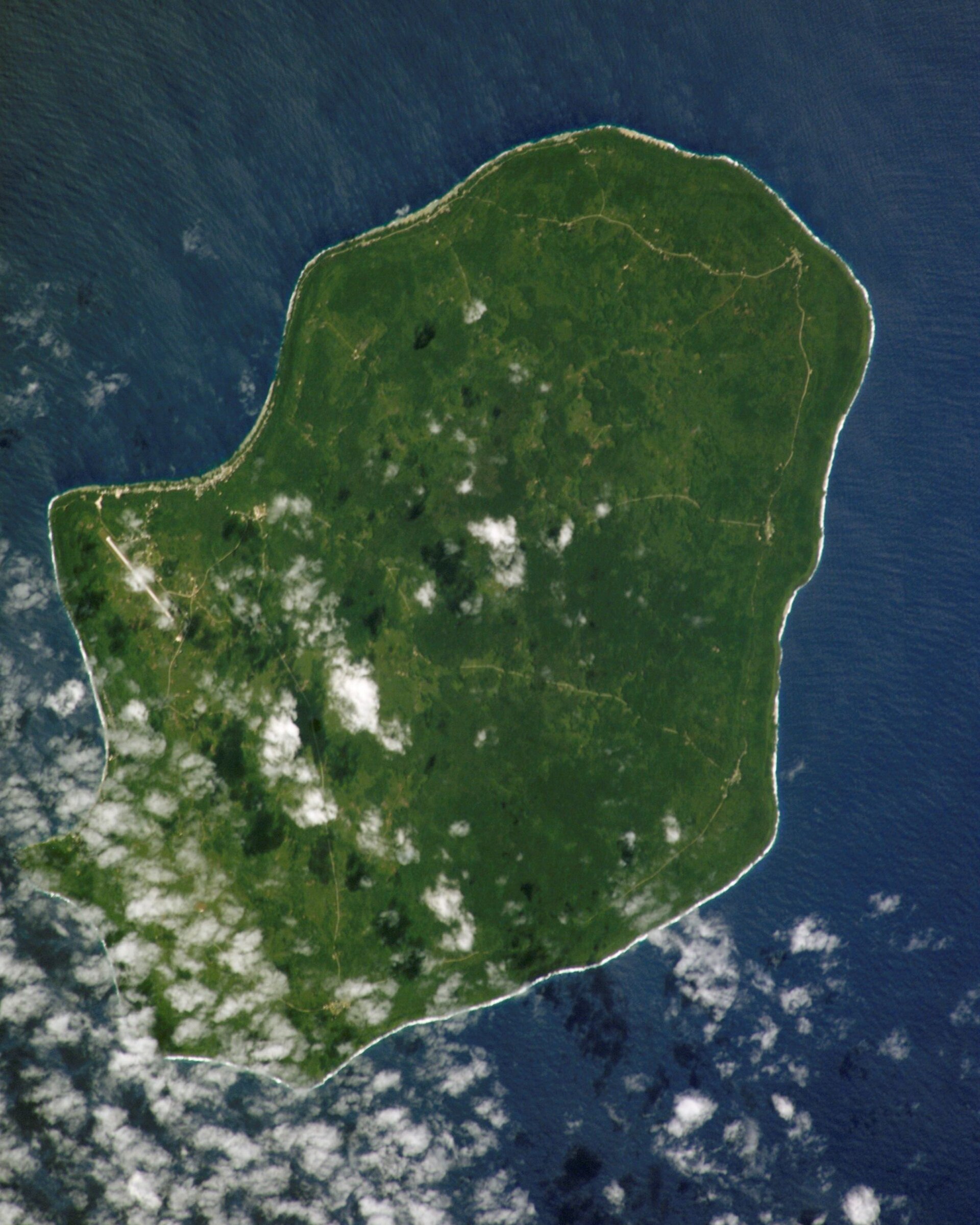
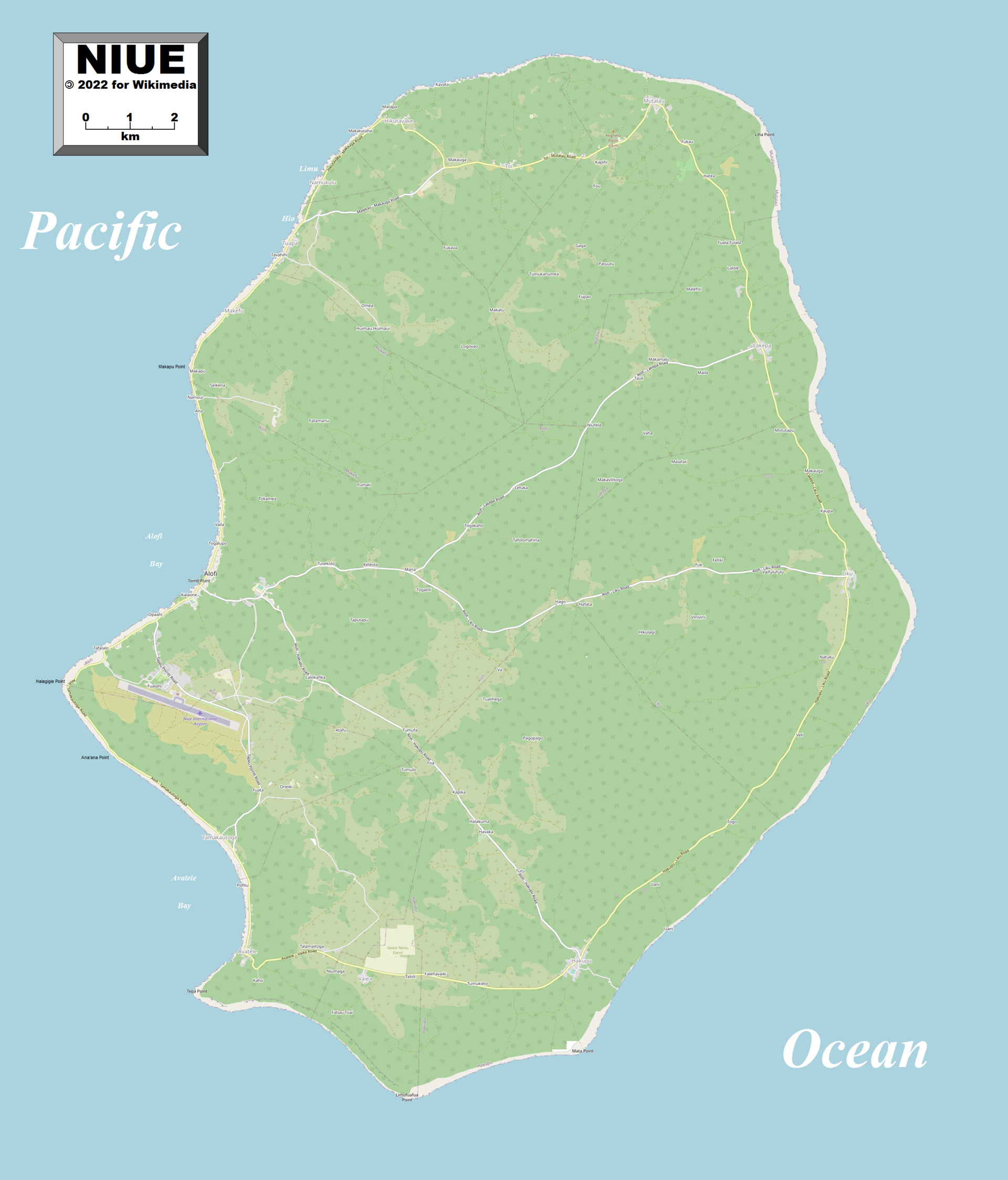
Niue is a tiny island nation in the South Pacific, a single coral island east of Tonga, often called The Rock for its raised limestone form. One of the smallest and least populous self-governing nations in the world, it is a Polynesian country in free association with New Zealand, sharing a head of state and citizenship with its larger partner while running its own affairs. With only a small resident population and a far larger community living abroad, Niue is a quiet, close-knit island known for its dramatic coastline, clear waters, and pioneering steps in renewable energy.
Polynesians settled Niue around a thousand years ago, arriving from Samoa and later from Tonga, and the island developed as a single community with its own language, distinct from though related to both. Unusually for Polynesia it had no hereditary paramount chief for much of its history; the office of patuiki, a kind of elected king, appears only from the eighteenth century.
James Cook tried to land three times in 1774 and was driven off each time by warriors whose teeth and lips were reddened, he thought with blood, though it was more probably the juice of the hulahula banana. He named it Savage Island, a label that stuck for a century and which Niueans have spent rather longer shaking off. Missionaries had no more success until 1846, when a Niuean who had trained in Samoa, Nukai Peniamina, returned and was eventually accepted; conversion followed quickly and completely.
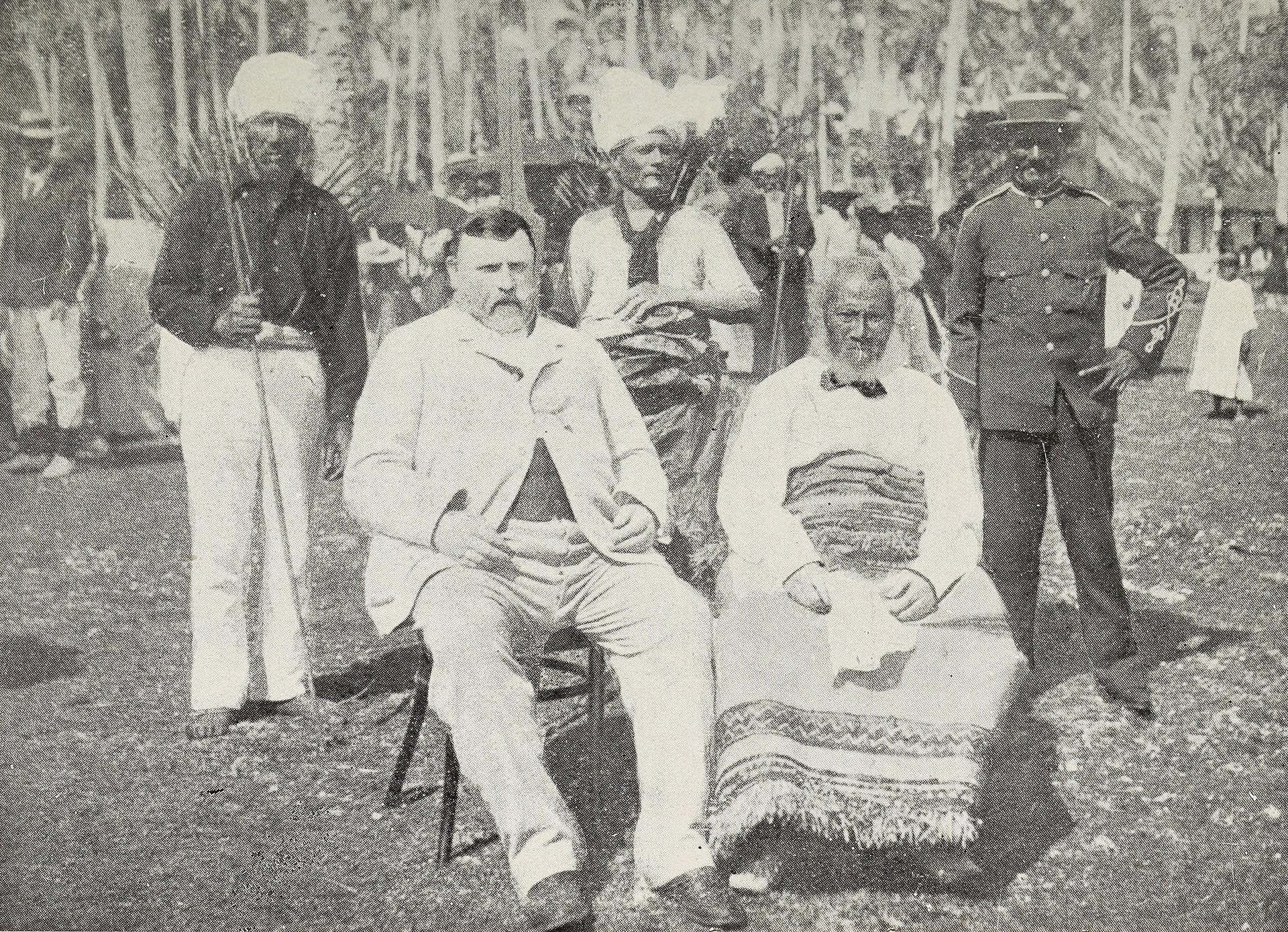
Fearing annexation by another power, Niuean chiefs petitioned Queen Victoria for protection, and Britain declared a protectorate in 1900, transferring the island to New Zealand the following year. It was administered with the Cook Islands at first and separately from 1904. Self-government in free association with New Zealand came on 19 October 1974, chosen by referendum, on the same model as the Cook Islands: Niue runs its own affairs, Niueans are New Zealand citizens, and New Zealand provides defence and assistance on request. Niue has since built its own diplomatic relations, joined UN agencies, and was recognised as a sovereign and independent state by the United States in 2023.
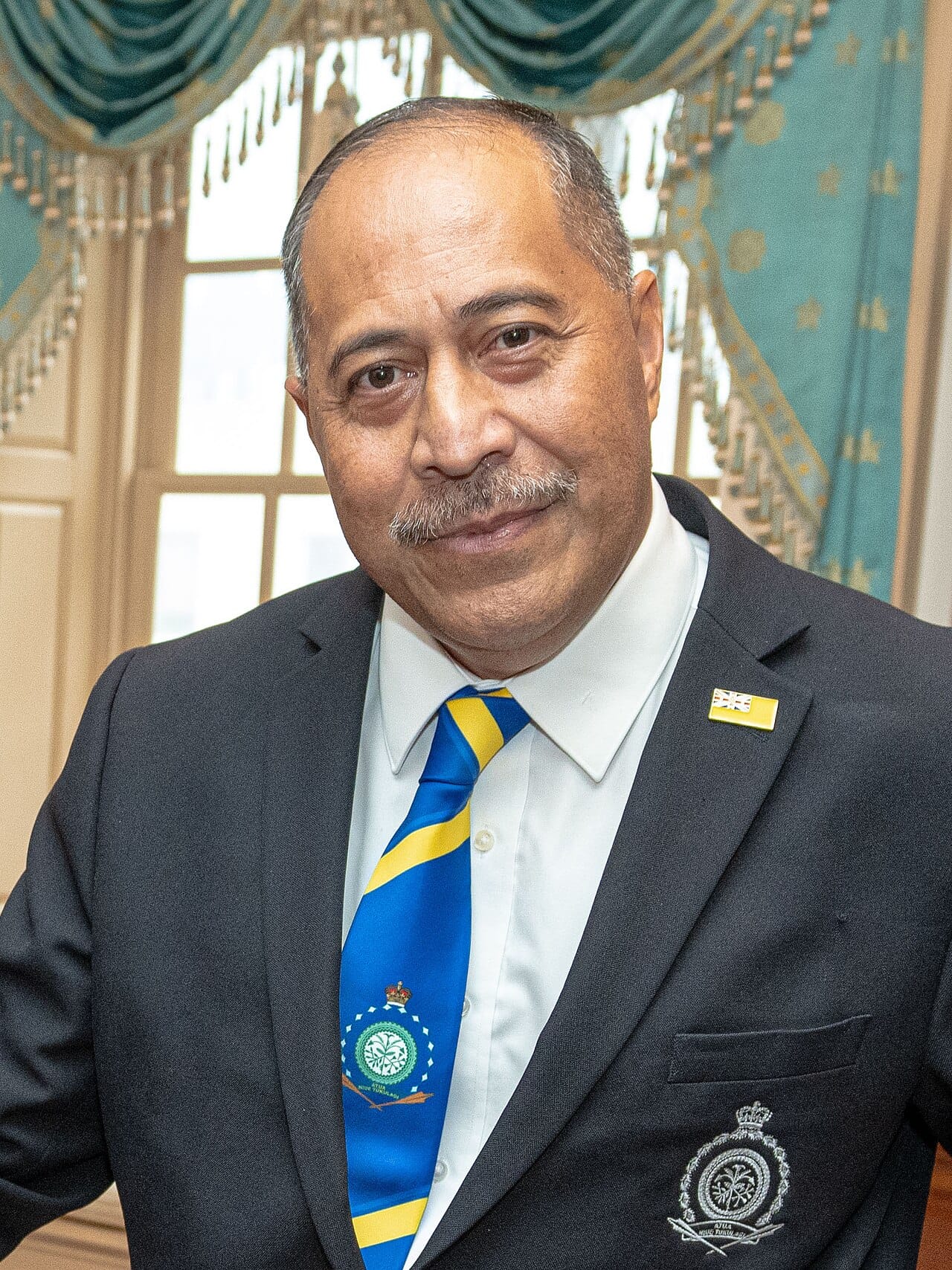
Niue is a parliamentary democracy with a 20-member assembly, the Niue Fono Ekepule, elected largely from village constituencies, which then chooses the premier. Party politics barely exists; most members sit as independents, which makes government formation a matter of personal coalitions in an electorate of a few hundred voters per seat. Dalton Tagelagi has been premier since 2020.
Niue's relationship with New Zealand has been notably calmer than its neighbour's. When the Cook Islands dispute over the 2025 China agreement and a proposed separate passport strained that arrangement, New Zealand publicly assured Niue that its own relationship was unaffected, and Tagelagi stated that Niue respects its current constitutional arrangement and has no plans to pursue a national passport, a deliberate contrast. Niue signed a declaration with New Zealand and continues to work closely with it while maintaining its own external relations, including with China, from which it has accepted development assistance.
The island has taken positions out of all proportion to its size on ocean policy. In 2022 it established the Niue Nukutuluea Multiple-Use Marine Park covering its entire exclusive economic zone of some 127,000 square kilometres, with 40 per cent fully protected, and launched an unusual scheme selling twenty-year sponsorships of individual square kilometres of ocean to fund the protection.
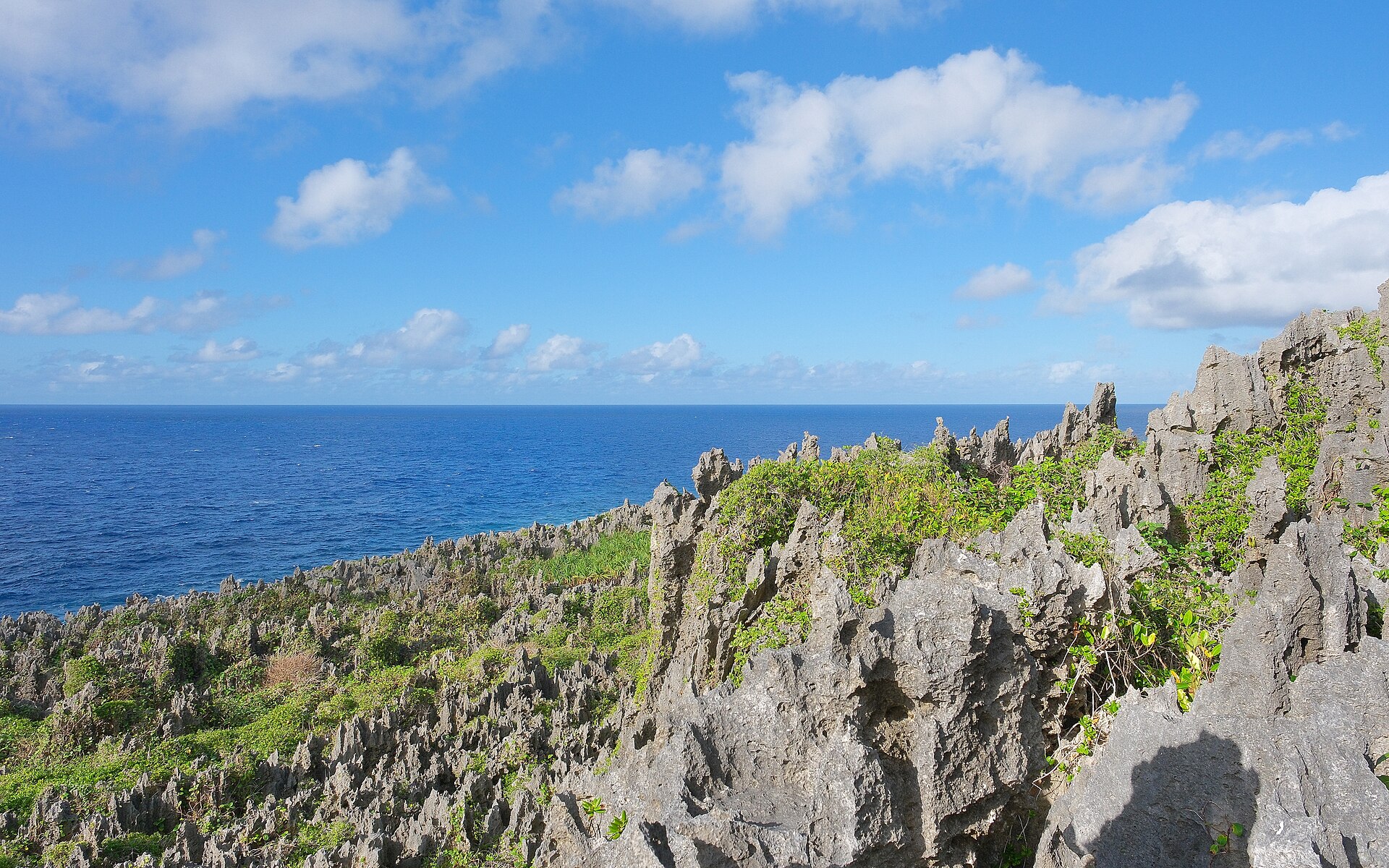
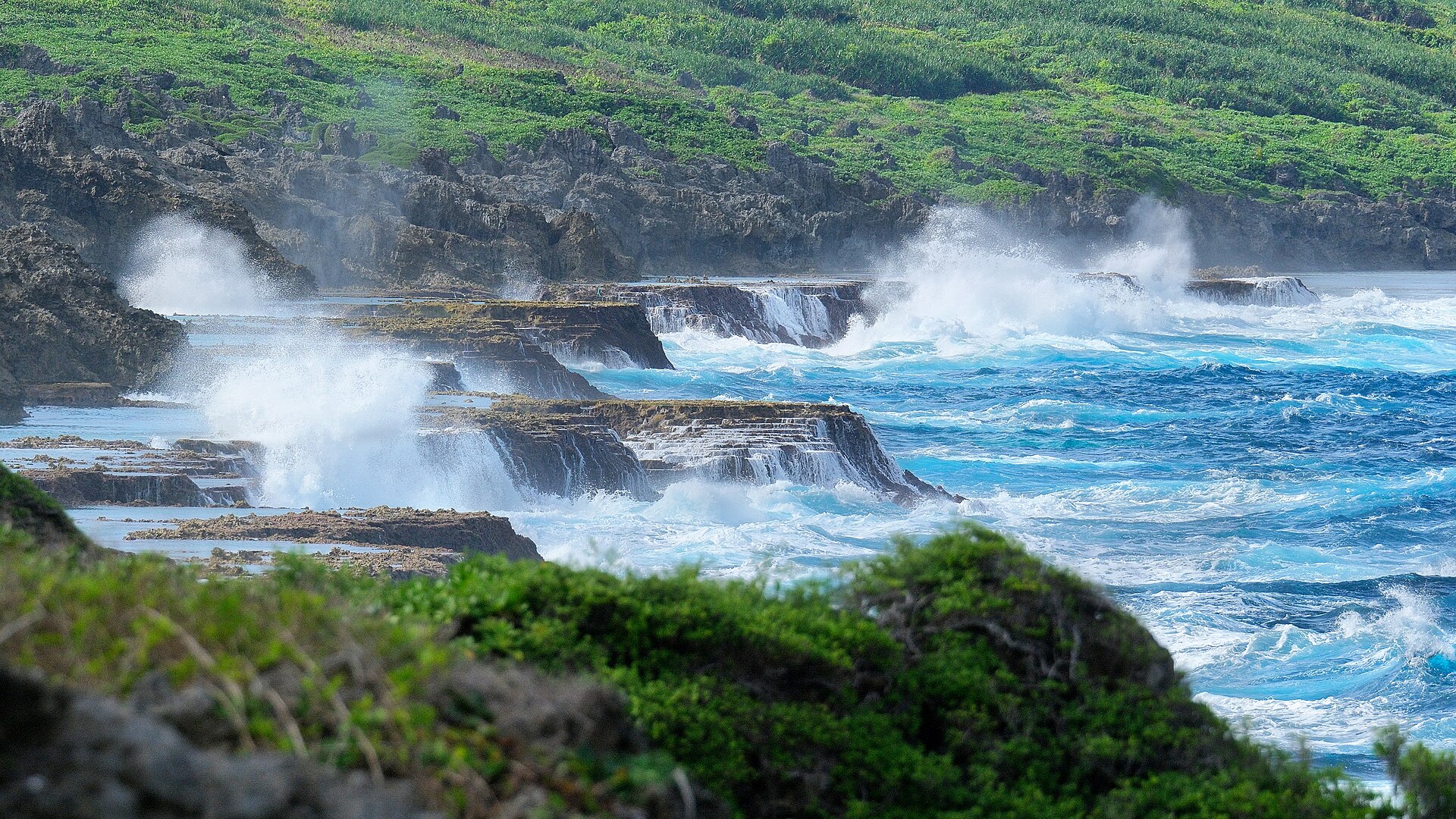
Niue is one of the largest raised coral atolls in the world, and it is essentially a single block of limestone pushed up out of the sea: a central plateau about 60 metres above sea level, an inner terrace marking an older shoreline, and a rim of cliffs dropping straight into deep water. There is no lagoon and there are almost no beaches, which is why the island is sometimes called The Rock and why it never developed the resort tourism of its neighbours.
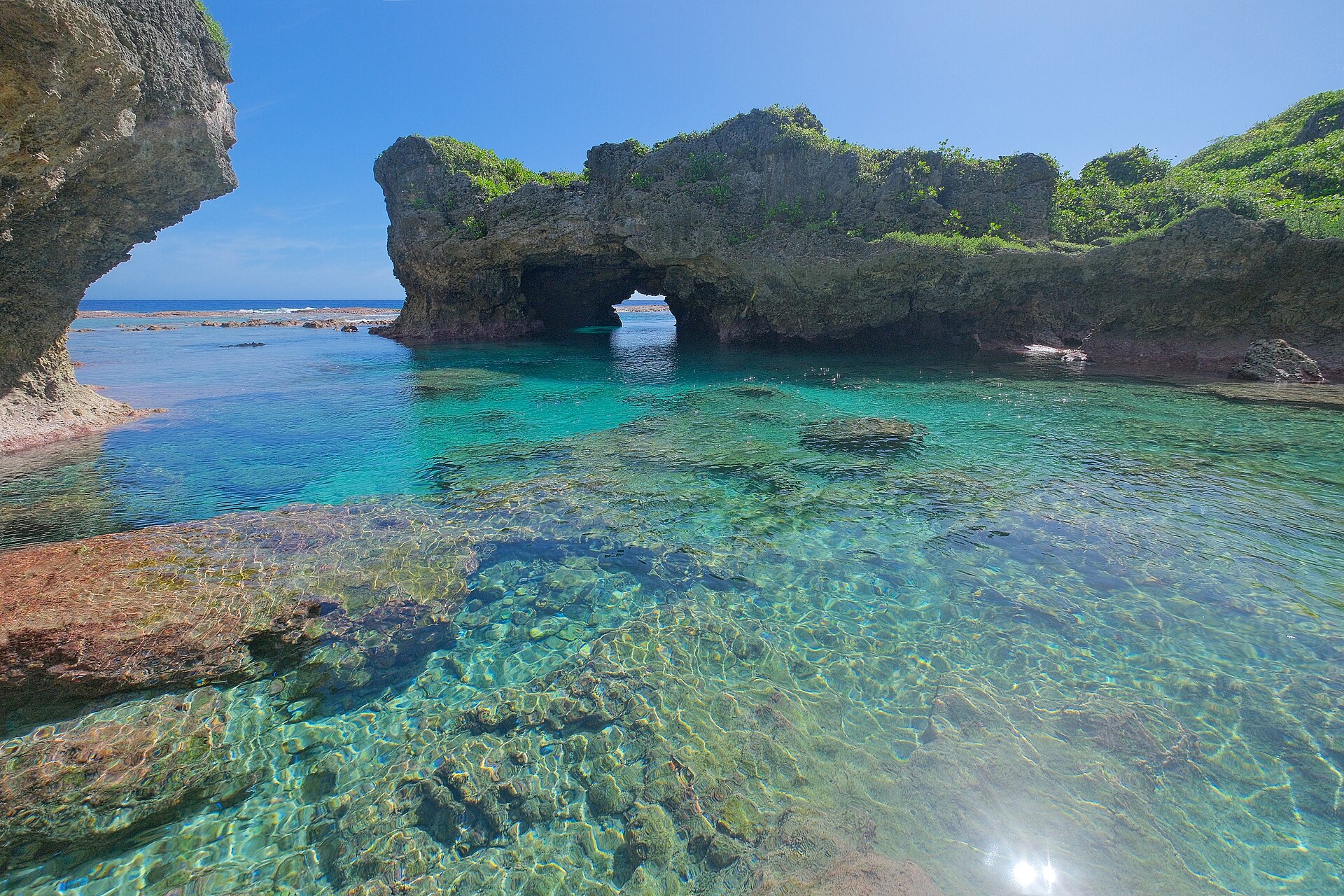
The limestone is riddled with what the water has done to it. Sea caves, chasms, natural arches, and cool freshwater-fed rock pools such as Limu, Avaiki, and the Togo chasm's fossil coral pinnacles are the island's chief attractions, and because there is no runoff from rivers, and no rivers at all since the rock is porous, the surrounding water is exceptionally clear, with visibility of many tens of metres. Humpback whales calve close inshore between July and October, and Niue is one of the few places where swimming with them is permitted. Rainwater percolating through the limestone into an underground lens supplies all fresh water. The island lies in the cyclone belt: Cyclone Heta in January 2004 struck it directly, killed two people, destroyed much of Alofi including the hospital, and drove a further wave of emigration from which the population has never recovered.
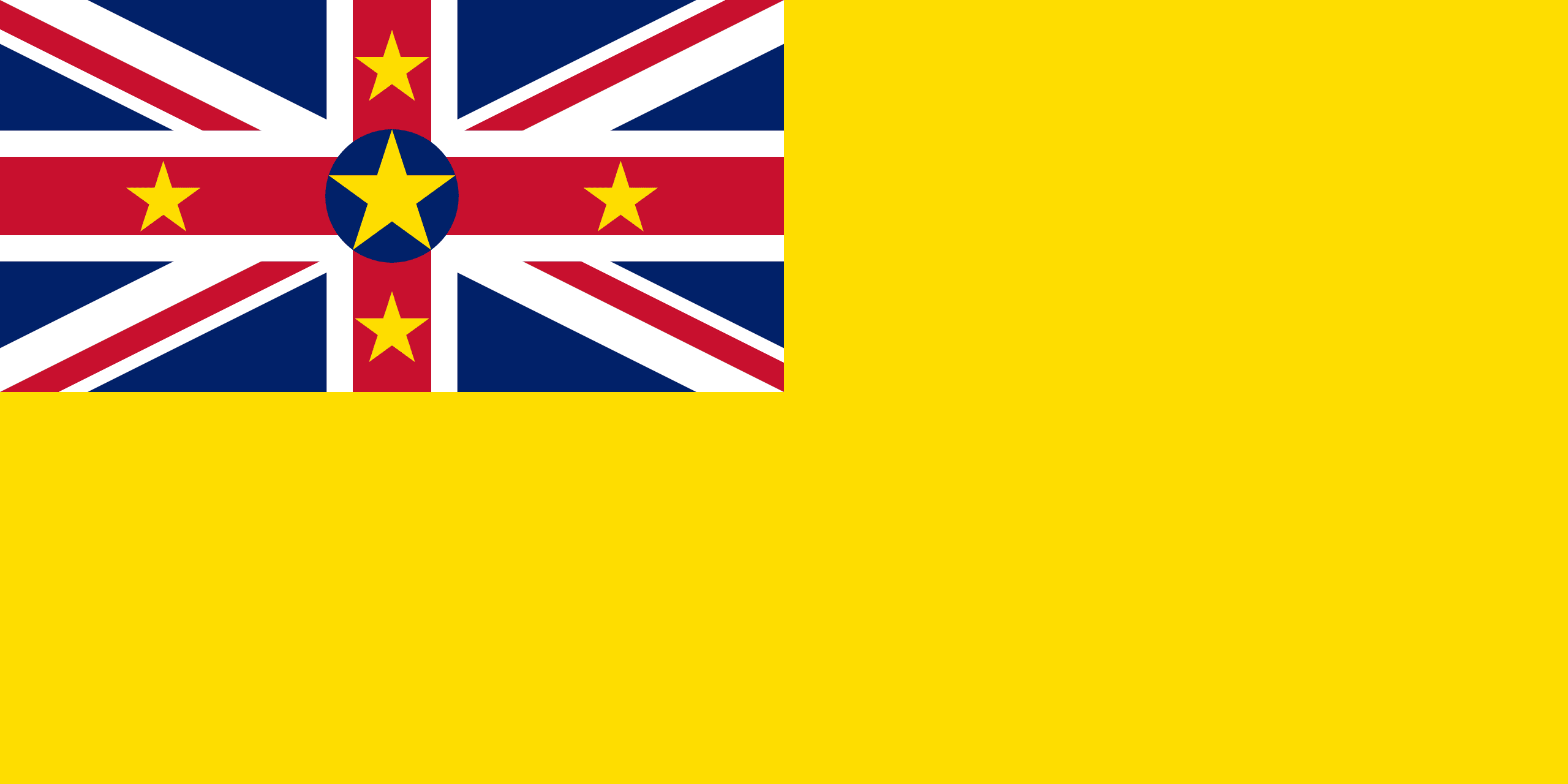
The flag of Niue is unusual: a yellow field bearing the British Union Jack in the upper hoist corner, with stars added to the Jack, including a central star on a blue disc. The bright yellow is said to represent the warmth and friendship of the Niuean people and the sunshine of the island, and the Union Jack reflects the historical links with Britain and the close association with New Zealand. The added stars stand for Niue and its place in the southern ocean. The cheerful yellow makes it one of the most distinctive flags in the Pacific.
Niue is a strongly Christian country, the result of nineteenth-century missionary work, with the great majority belonging to the Congregationalist Ekalesia Niue, the island's main church, descended from the early missions and central to community life, alongside smaller Roman Catholic, Latter-day Saint, and other communities. Church services and their hymn singing are an important part of island culture, and Sunday is widely kept as a day of rest. Traditional customs and respect for elders endure within the firmly Christian character of this small and close-knit island society.
Niuean cuisine is Polynesian, based on the island's crops and the resources of the surrounding sea. Staples include taro, yam, and other root crops, along with coconut, breadfruit, and tropical fruit, while fish and seafood from the ocean are central, and the coconut crab is a prized delicacy. Food is traditionally prepared in an earth oven called an umu for feasts and family gatherings. As on other Pacific islands, the diet combines the produce of the land and sea with imported foods, but the umu feast remains an important expression of Niuean culture and community.
Agriculture on Niue is mostly a matter of subsistence and small-scale cultivation, constrained by the thin soils over the limestone, though the island grows taro, yams, and other root crops, along with coconuts, and has at times exported taro, limes, passionfruit, and honey. Vanilla and noni have also been grown. With a tiny population and limited land, however, the island depends heavily on financial support from New Zealand, on remittances from the large Niuean community abroad, and on small-scale tourism and fishing, rather than on commercial agriculture.
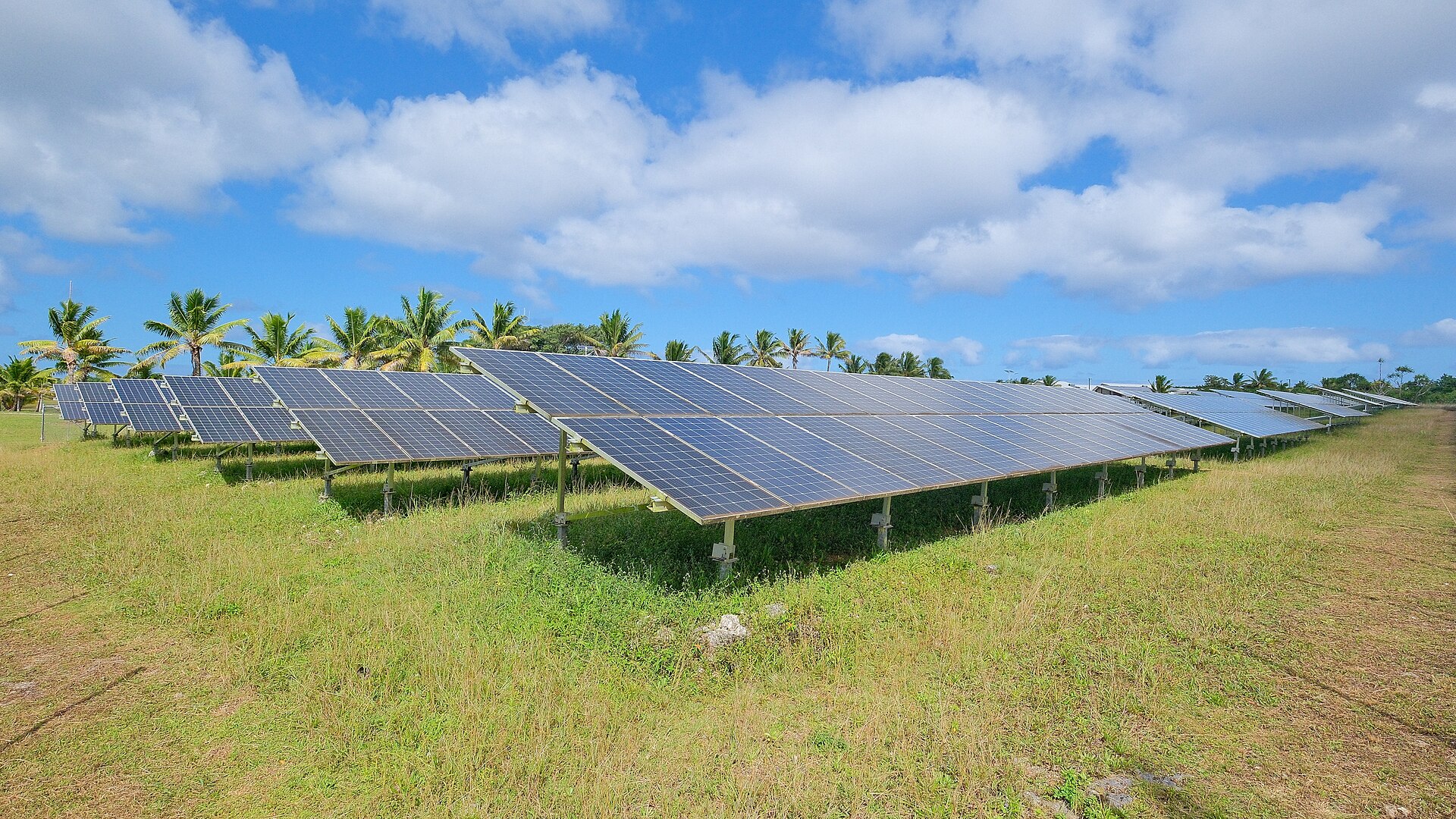
For a country of its size, Niue has an unusual record of going first. In 2020 it became the world's first nation accredited in its entirety as an International Dark Sky Place, protecting a night sky undimmed by any city, an accreditation covering both the island and its surrounding waters. It has invested heavily in solar generation with battery storage, aiming at energy self-sufficiency on an island that otherwise ships in every litre of diesel. In 2003 it declared itself the world's first Wi-Fi nation, offering free wireless internet across the territory, and it has long derived revenue from its .nu internet domain, an arrangement that itself became the subject of a long legal dispute with the Swedish registry that operated it.
The marine park of 2022 placed its entire exclusive economic zone under management, and the ocean sponsorship scheme that funds it invites anyone in the world to sponsor a square kilometre. None of this is decoration: for a population of a couple of thousand with almost no exportable product, being first at things is a plausible economic strategy as well as a source of pride.
Niue has a resident population of around 1,700, one of the smallest of any self-governing state, almost entirely Niuean, a Polynesian people whose language, vagahau Niue, is spoken alongside English and is classified as endangered, with active revival work in schools and in the diaspora.
The central fact of Niuean demography is that the island is a minority of its own nation. Somewhere around 25,000 to 30,000 people of Niuean descent live in New Zealand, well over ten times the resident population, with more in Australia; the outflow began in earnest in the 1970s and was accelerated by Cyclone Heta in 2004. Niue is consequently the only country in the world whose recognised nation lives overwhelmingly somewhere else, and its public policy is shaped around that: recruiting returnees, offering land and housing incentives, and maintaining close institutional ties with the diaspora, whose remittances and periodic returns sustain village life.
People live in fourteen villages ringed around the coast, linked by one road, with Alofi the capital and largest. Land is held under customary title through family lines and cannot be sold to non-Niueans, which keeps ownership within the nation, including its absent majority.