Nigeria is a country in West Africa and the most populous nation on the continent, often called the Giant of Africa. A land of great rivers, tropical forests, and northern savanna, it is home to an extraordinary diversity of peoples and a powerhouse of culture, from its music to its booming film industry. It holds vast oil reserves and one of the largest economies in Africa.
Nigeria's history reaches back thousands of years, through sophisticated early cultures and powerful kingdoms, the trauma of the slave trade, and a colonial union that fused many peoples into one country.
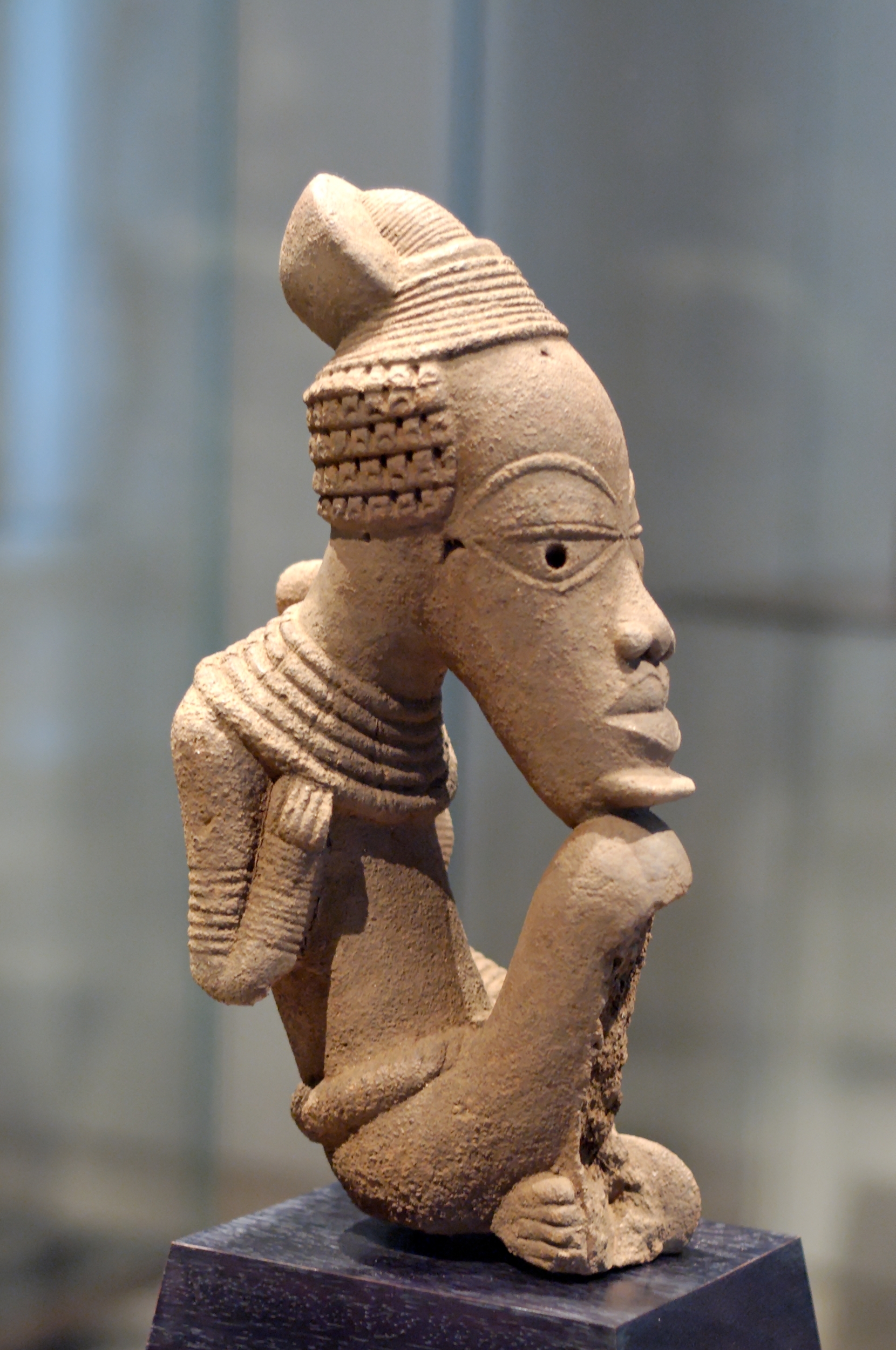
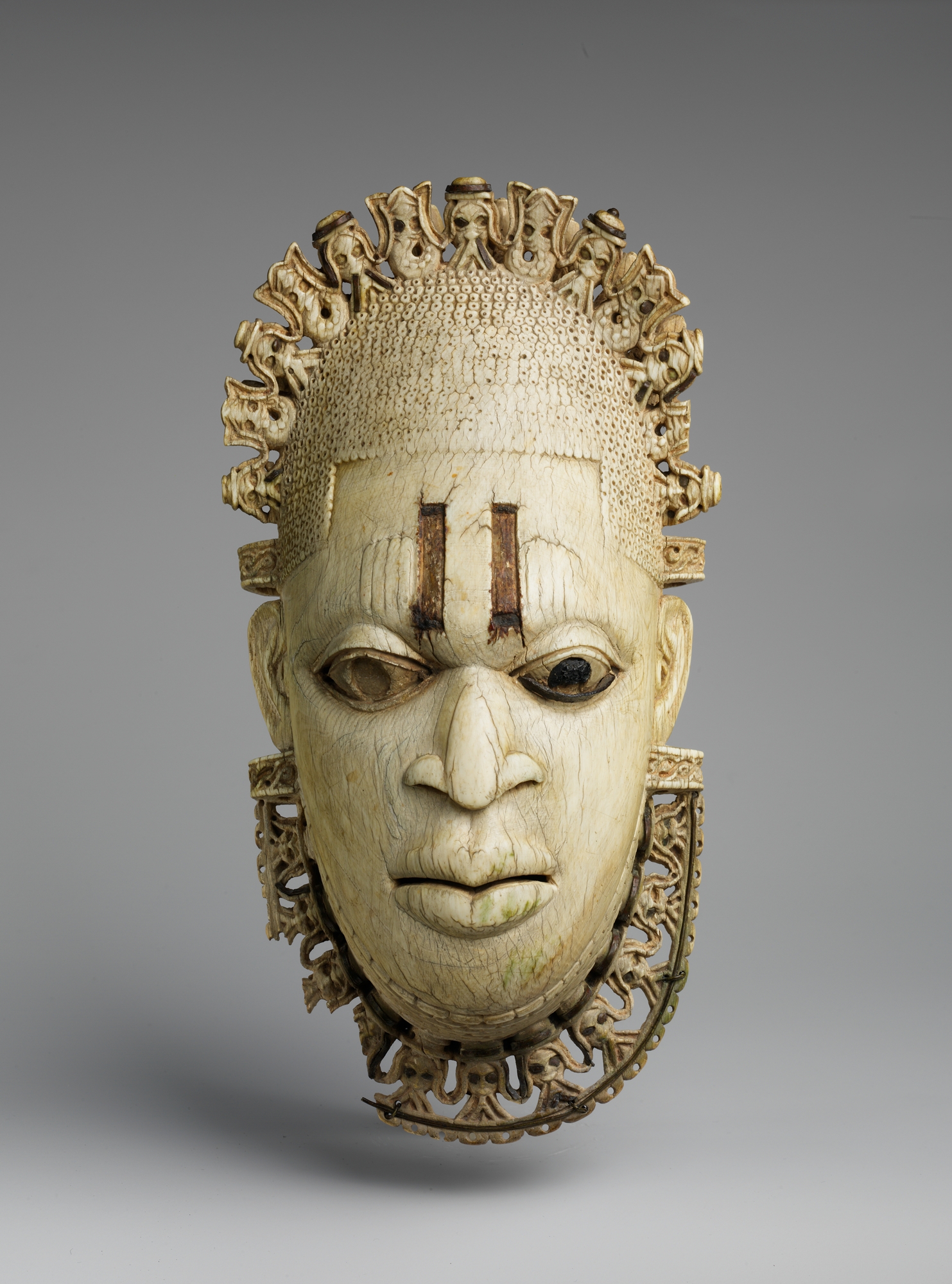
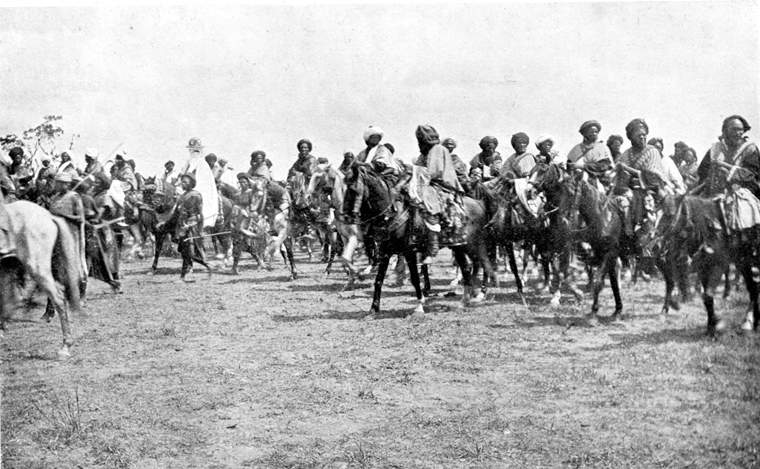
Long before colonisation, the region held remarkable societies. The Nok culture, more than two thousand years old, produced striking terracotta sculptures and worked iron early. Later came powerful states: the Kingdom of Benin, famed for its bronze and ivory artworks and its great walled city; the Yoruba kingdom of Oyo; the Hausa city-states; and the Islamic Sokoto Caliphate across the north.
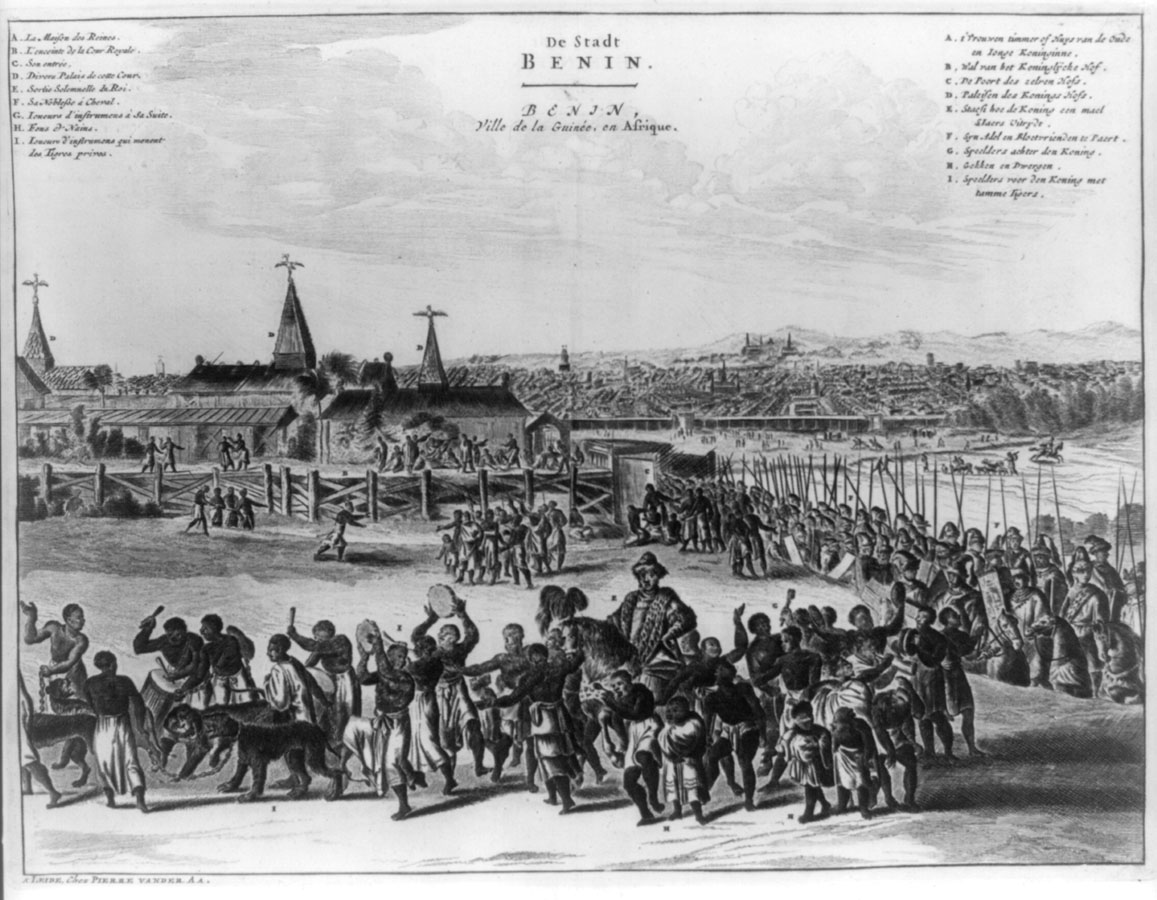
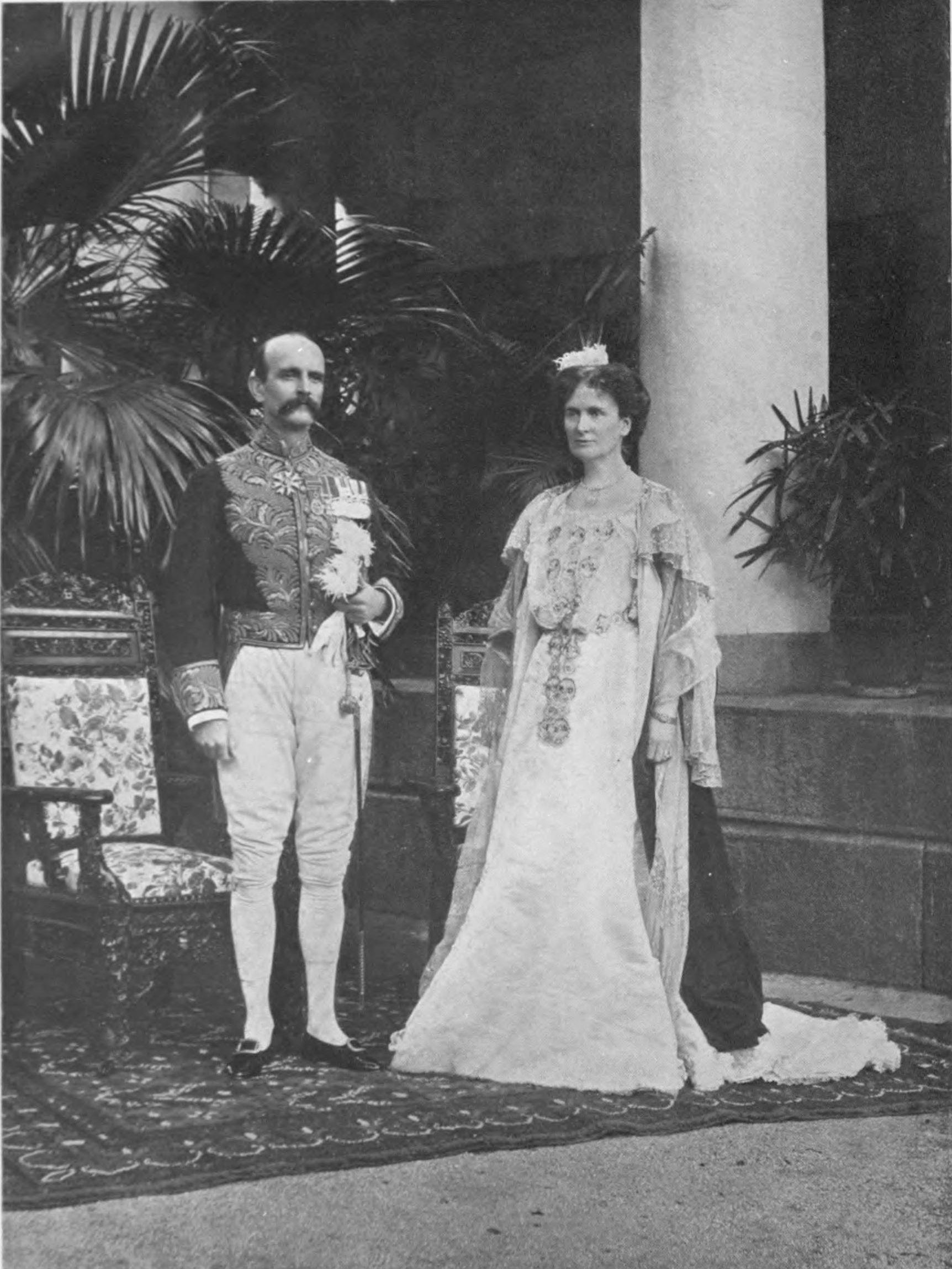
From the coast, kingdoms were drawn into the transatlantic slave trade, which carried away vast numbers of people over centuries. In the late nineteenth and early twentieth centuries Britain conquered the region and, in 1914, amalgamated its northern and southern territories into a single colony, throwing together hundreds of peoples who had never shared a state. Nigeria won its independence in 1960.
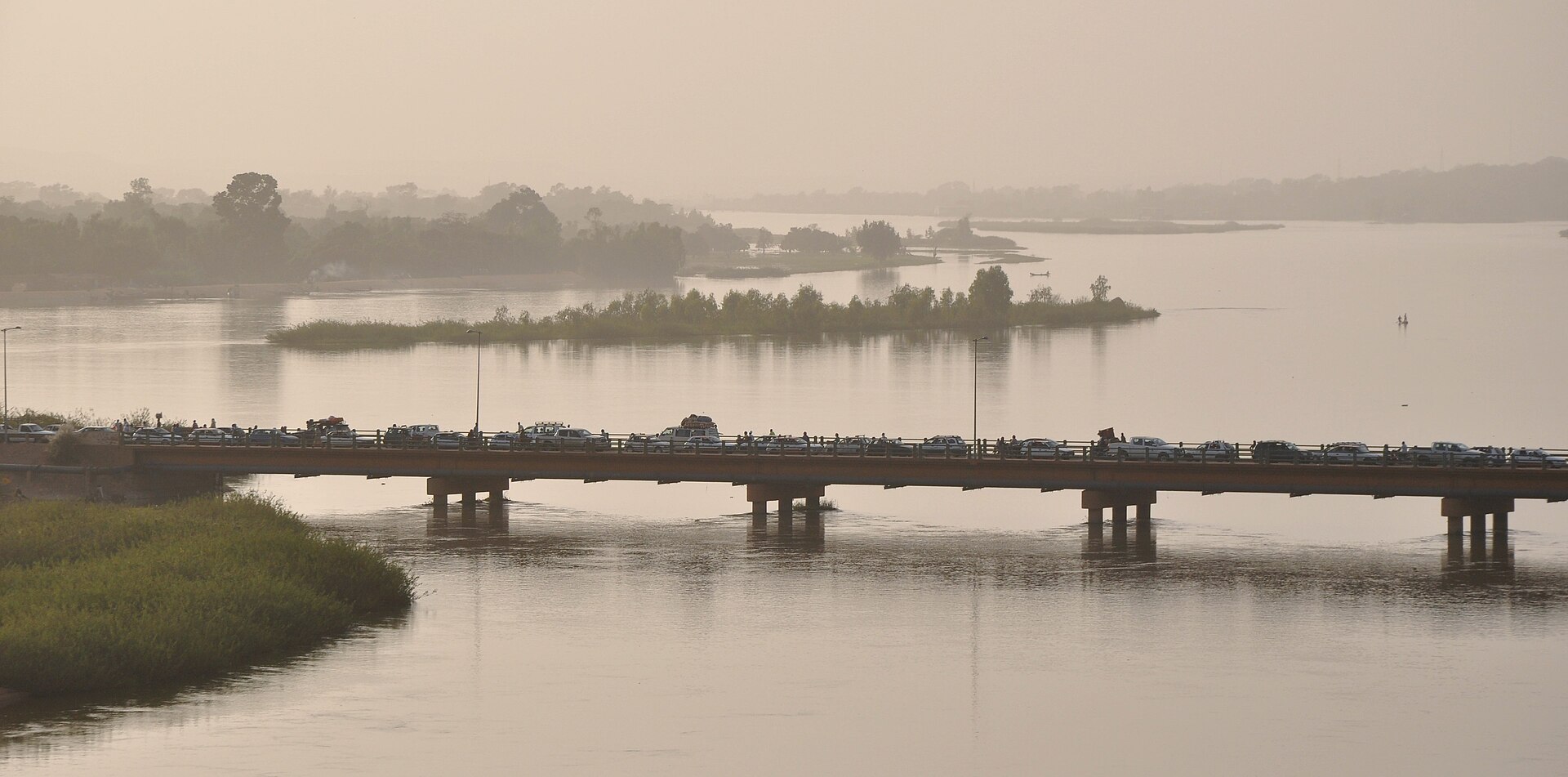
Nigeria stretches from the Gulf of Guinea in the south, with its mangroves, creeks, and the great delta of the Niger River, northward through tropical rainforest and on to open savanna and the semi-arid edge of the Sahel. The Niger River, which gives the country its name, and its tributary the Benue, are its great waterways. This range of environments supports both dense farming in the south and herding across the drier north.
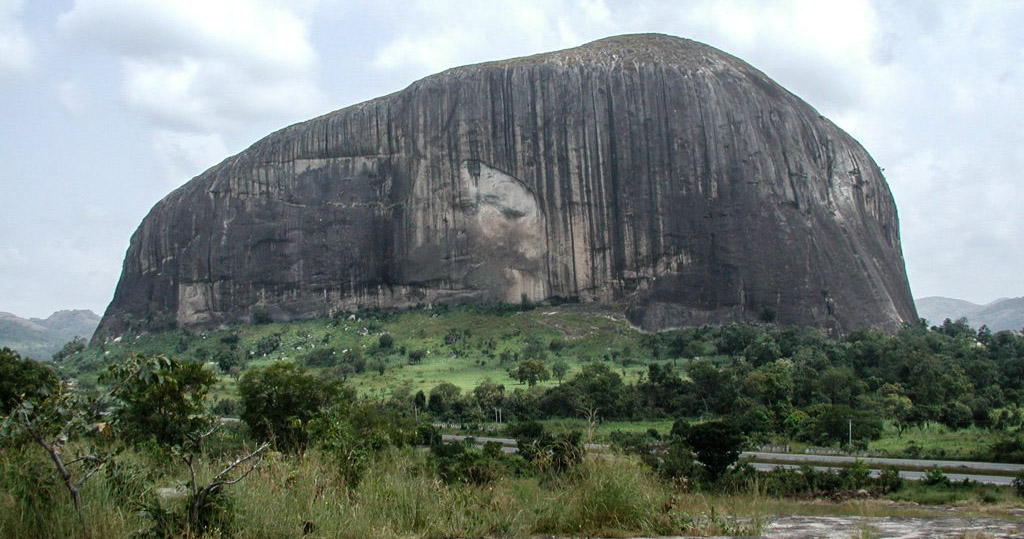
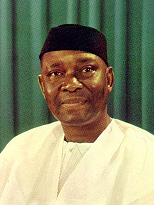
Nigeria is a federal presidential republic of thirty-six states, the most populous democracy in Africa. Power is shared between a national government in the purpose-built capital, Abuja, and the states, and an informal convention rotates the presidency between the largely Muslim north and largely Christian south to balance the country's great diversity. Since the return to civilian rule in 1999, Nigeria has held regular elections, though governance is strained by corruption and by deep regional and ethnic divisions.
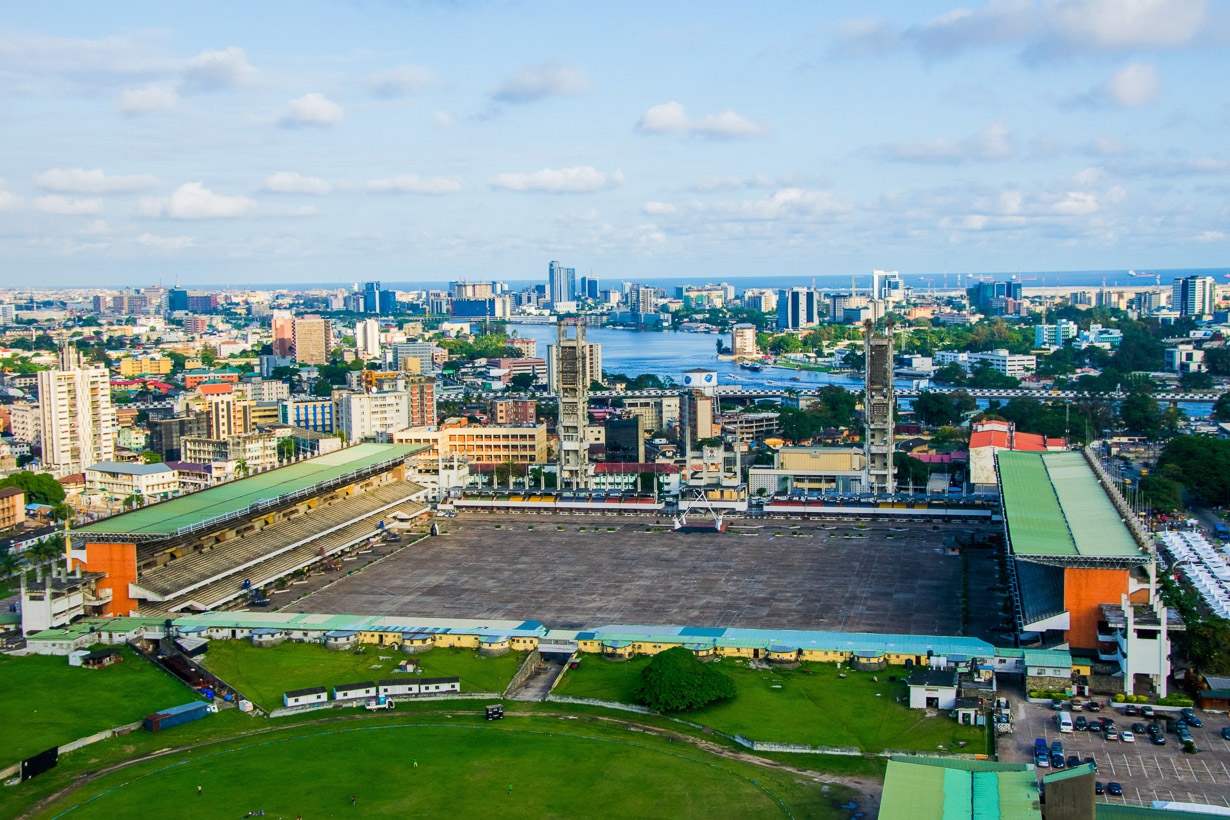
Nigeria has one of the largest economies in Africa, long dominated by oil, of which it is a leading producer, pumped largely from the Niger Delta. Yet that wealth has been unevenly shared, and the country is working to diversify into agriculture, technology, and services. Lagos, a sprawling coastal megacity, is the commercial engine and a fast-growing hub for finance and start-ups, while a vibrant informal economy supports millions.
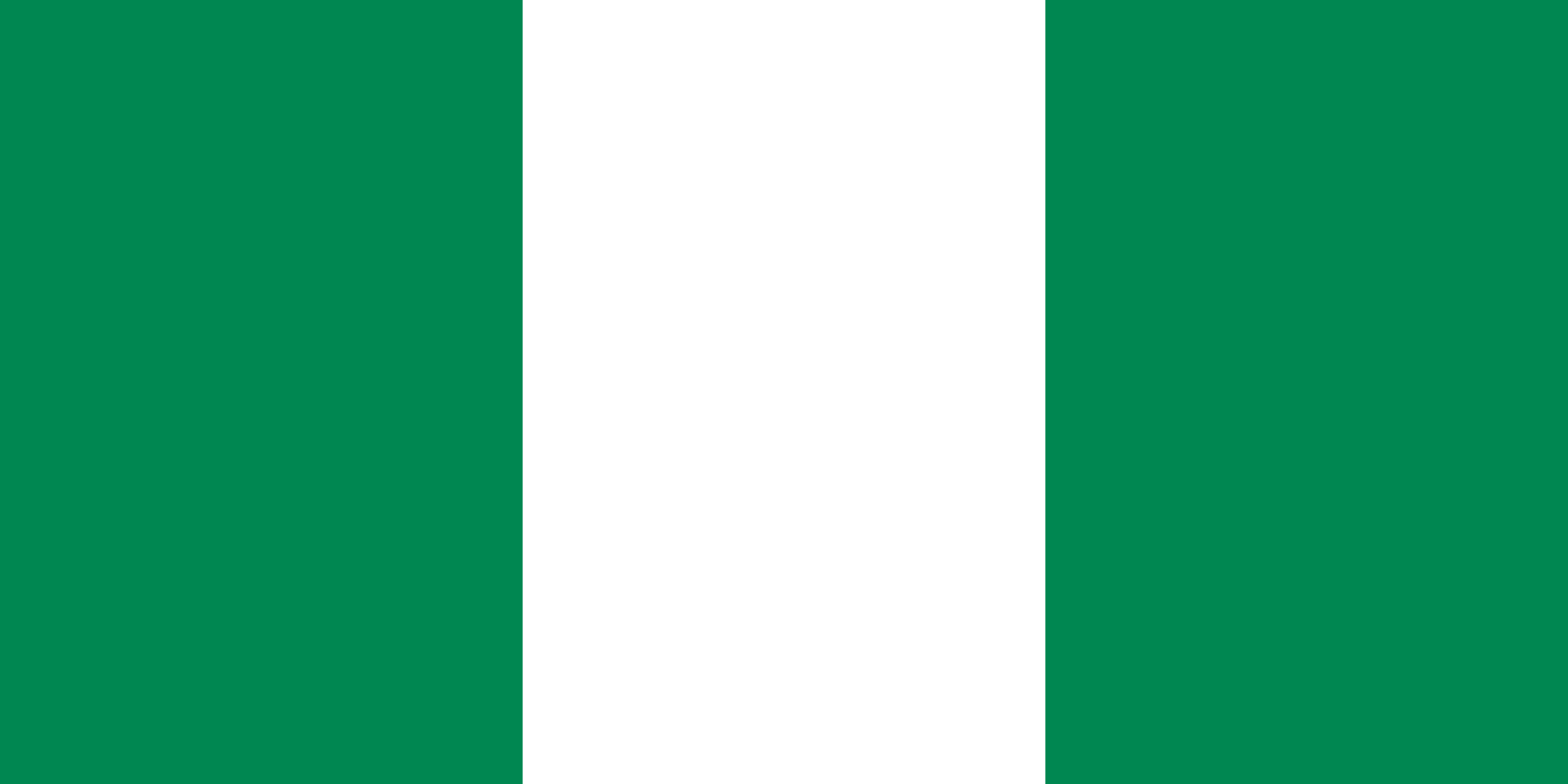
The Nigerian flag is simple and striking: three equal vertical bands, green on the outer edges and white in the centre. The green stands for the country's forests and natural abundance and for agriculture, while the white represents peace and unity. Chosen through a competition at independence, the design's clean simplicity was meant to speak for a young nation hoping to bind together its many peoples.
Nigeria is a deeply religious society, broadly divided between a largely Muslim north and a largely Christian south, with traditional African beliefs also enduring and often blended with the two world faiths. Islam arrived across the Sahara centuries ago and shaped the great northern emirates, while Christianity spread through the south in the colonial era. Faith is central to daily life, and the balance between these communities is an important feature of national politics.
Nigerian food is bold, spicy, and starch-rich. Jollof rice, a one-pot dish of rice cooked in a peppery tomato sauce, is a source of national pride and friendly rivalry across West Africa. Pounded yam and other starchy swallows are eaten with rich soups such as egusi, made from melon seeds, and okra. Suya, spiced grilled meat skewers, is a favourite street food, and plantains, beans, and fiery pepper sauces feature throughout.
Agriculture employs a large share of Nigerians and feeds the nation, even though oil dominates export earnings. Nigeria is the world's largest producer of yams and a major grower of cassava, and it produces sorghum, millet, rice, maize, cocoa, and oil palm. Farming ranges from smallholder plots in the humid south to grain and livestock in the northern savanna. Reducing dependence on imported food and on oil revenue is a central national goal.
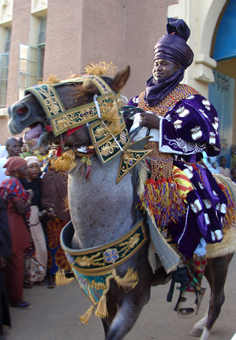
Nigeria is a cultural superpower. Its film industry, Nollywood, is among the most prolific in the world, and its Afrobeats music, led by global stars, fills dance floors across continents. With more than 250 ethnic groups and hundreds of languages, the country is a mosaic of traditions in dress, festival, and faith, bound together by a shared national energy, a love of football, and the common use of English.
Nigeria faces serious and contested challenges. In the northeast, the Islamist insurgency of Boko Haram and its offshoots has killed many thousands and displaced millions, while banditry, clashes between farmers and herders, and separatist feeling strain other regions. The oil wealth of the Niger Delta has brought pollution and grievance as much as prosperity, fuelling unrest. Across the country, corruption, insecurity, and the fair sharing of resources among its many peoples remain the defining issues of national debate.
Independence in 1960 was soon tested by the Biafran civil war of 1967 to 1970, a tragic conflict over the secession of the southeast that cost enormous loss of life. Decades of military rule followed before Nigeria returned to civilian democracy in 1999. In culture, the country has become a continental and global force, with Nollywood among the most prolific film industries in the world and Afrobeats music reaching audiences everywhere.
Nigeria has a population of well over 200 million people, by far the largest in Africa, and it is growing fast with a very young population, on track to become one of the most populous countries in the world. It is home to more than 250 ethnic groups, the largest being the Hausa, Yoruba, and Igbo, speaking hundreds of languages, with English serving as the common official tongue. Lagos, the largest city, is one of Africa's great megacities.