Niger is a vast, landlocked country in West Africa, named after the great river that crosses its southwestern corner, though most of its territory lies within the Sahara Desert and the semi-arid Sahel. One of the hottest countries in the world, it is also among the poorest, with a young and fast-growing population pressing on a fragile environment. Rich in uranium and crossed by ancient trade routes, Niger has in recent years faced drought, extremist violence, and political upheaval.
Niger's history reaches from a time when the Sahara was green, through the great empires and caravan cities of the desert edge, to a French colony and a fragile, much-interrupted independence.
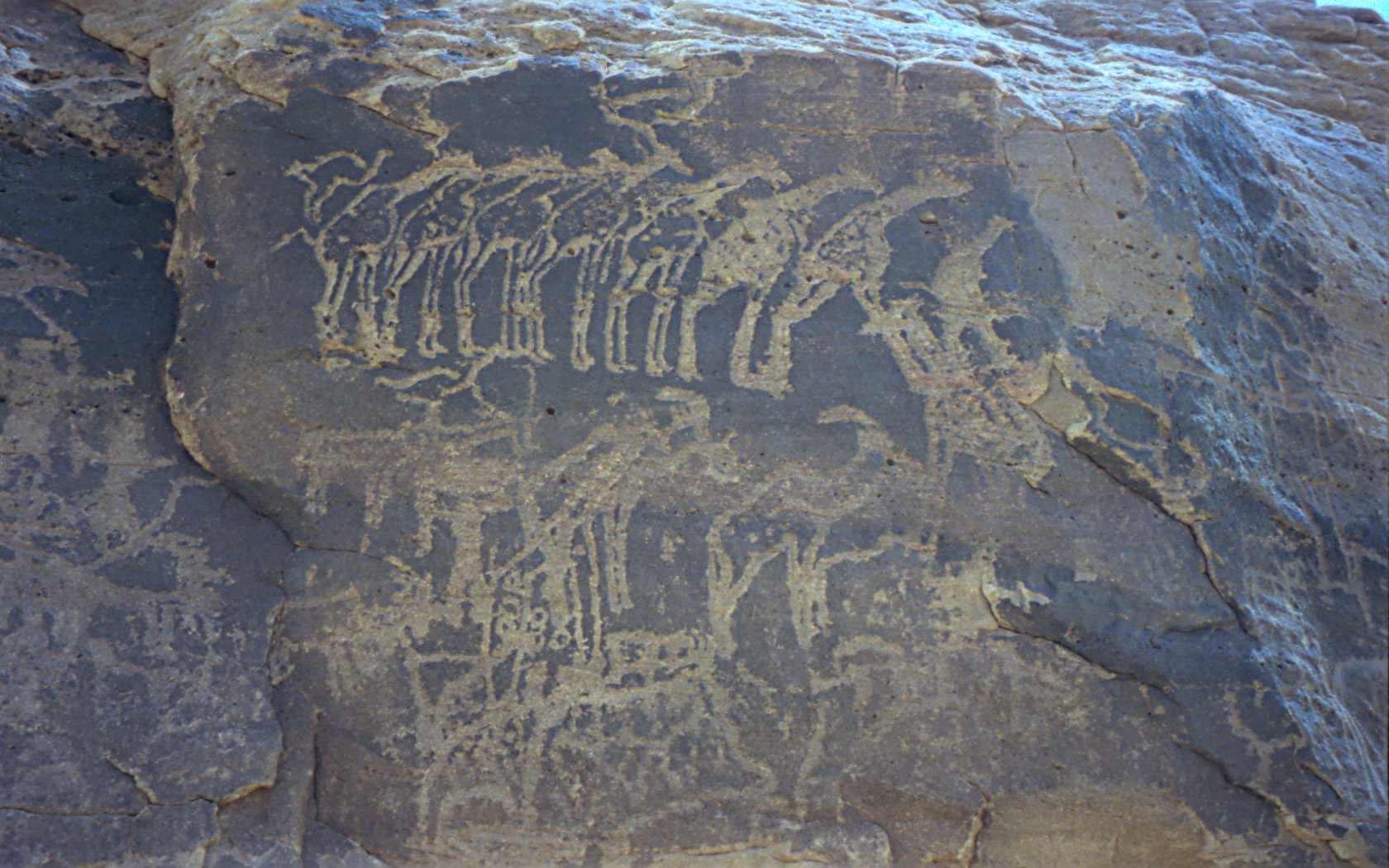
Thousands of years ago the Sahara was a well-watered land of lakes and grassland, roamed by herds of wildlife and by early cattle-herding peoples who left thousands of rock engravings and paintings across what is now the desert of northern Niger. As the climate dried, these populations moved south, and it was in Niger that some of the earliest known dinosaurs and later desert cultures left their traces.
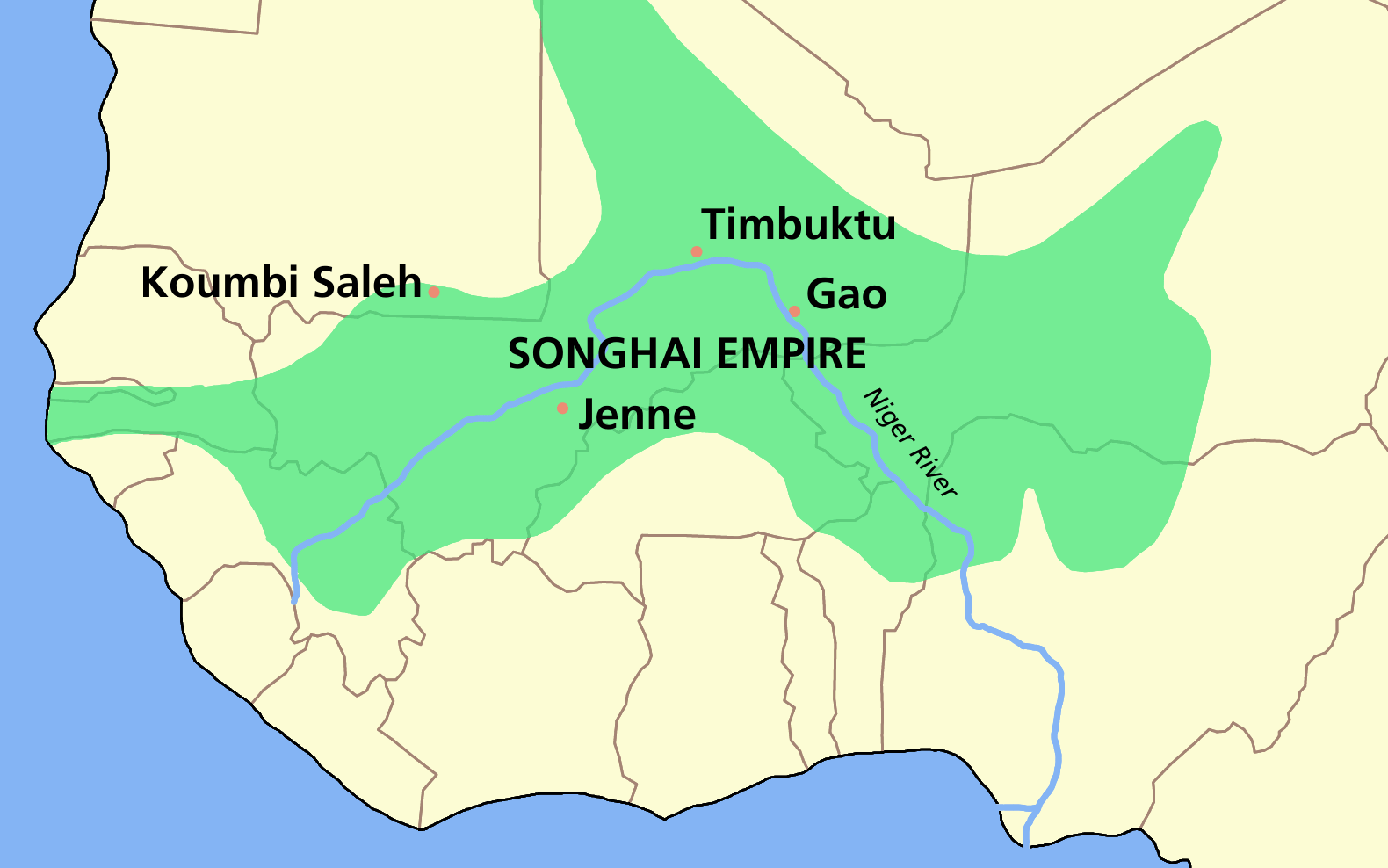
The lands of Niger lay along the trans-Saharan trade routes and were touched by the great empires of West Africa, above all Songhai to the west, while to the south and east flourished the Hausa city-states and the long-lived Kanem-Bornu realm. The desert town of Agadez became a wealthy hub of the caravan trade in salt, gold, and slaves, and the Hausa city of Zinder grew into a powerful sultanate.
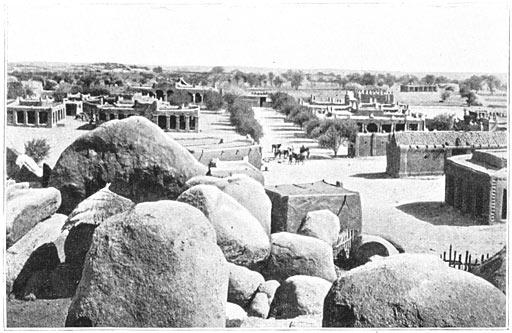
France conquered the region in the early twentieth century against fierce resistance and ruled it as part of the federation of French West Africa, a poor and neglected territory. Niger became independent in 1960, taking its name, like the river, from a word for flowing water, but its history since has been one of weak civilian governments repeatedly interrupted by military coups, drought, and rebellion.
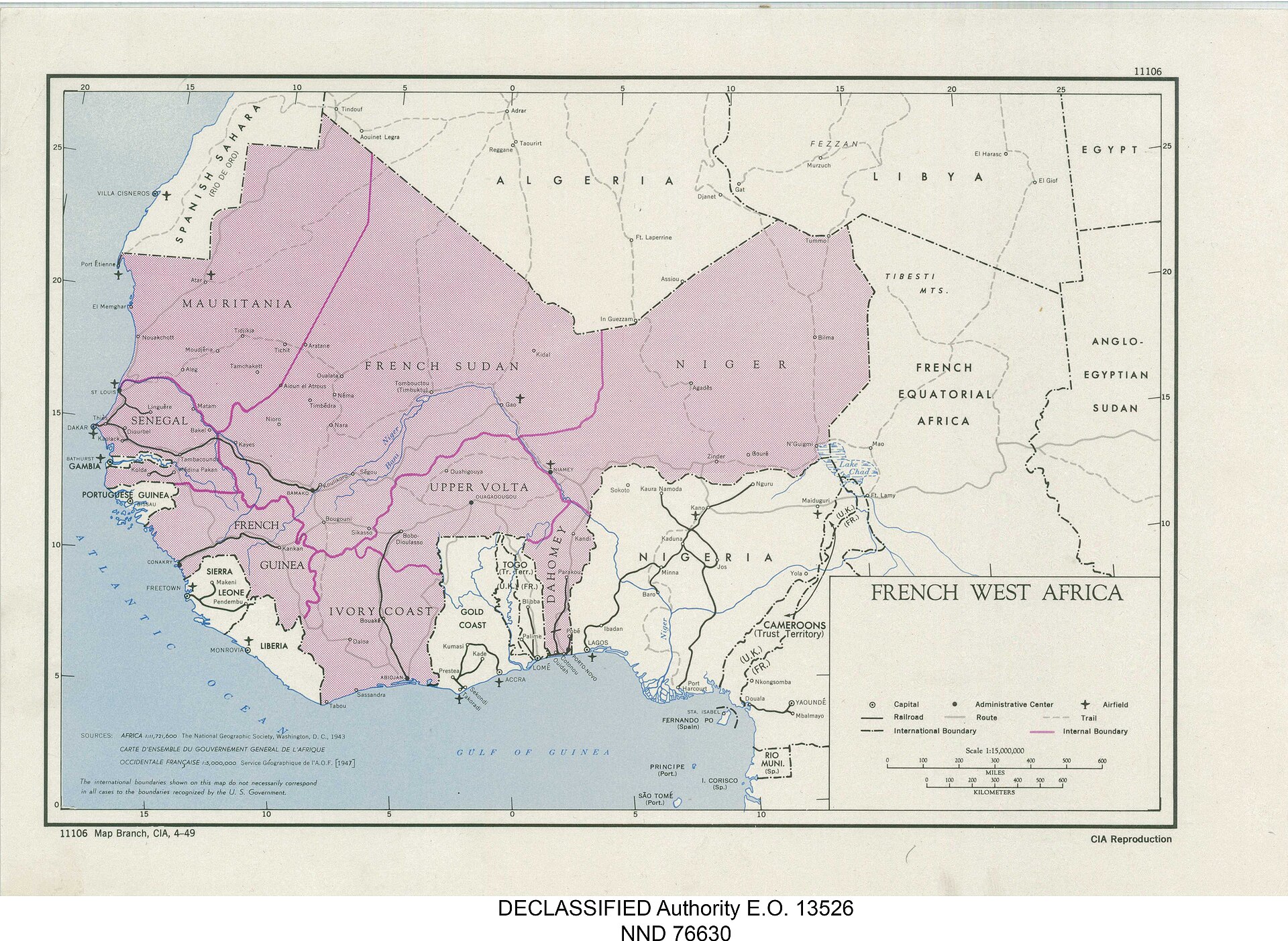
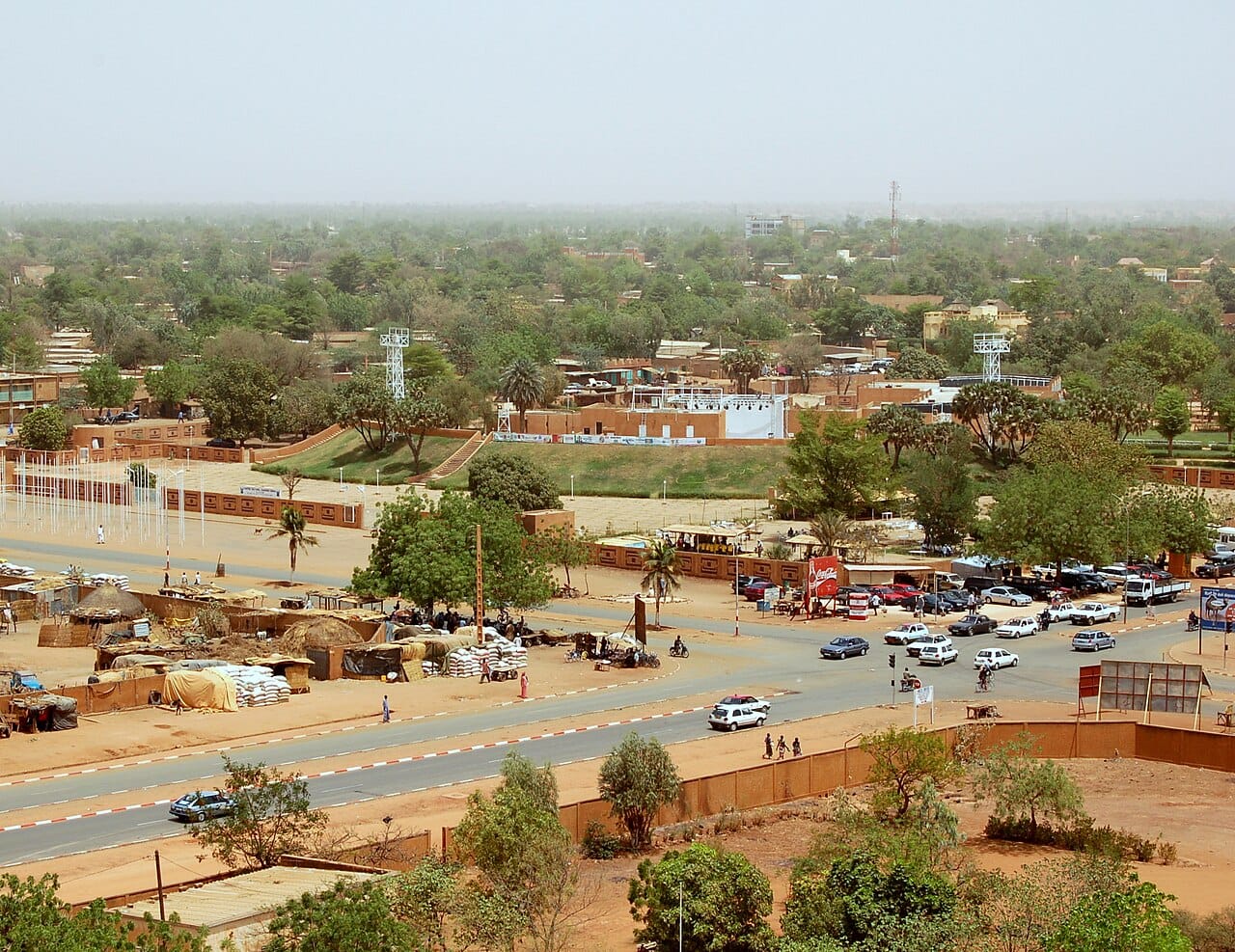
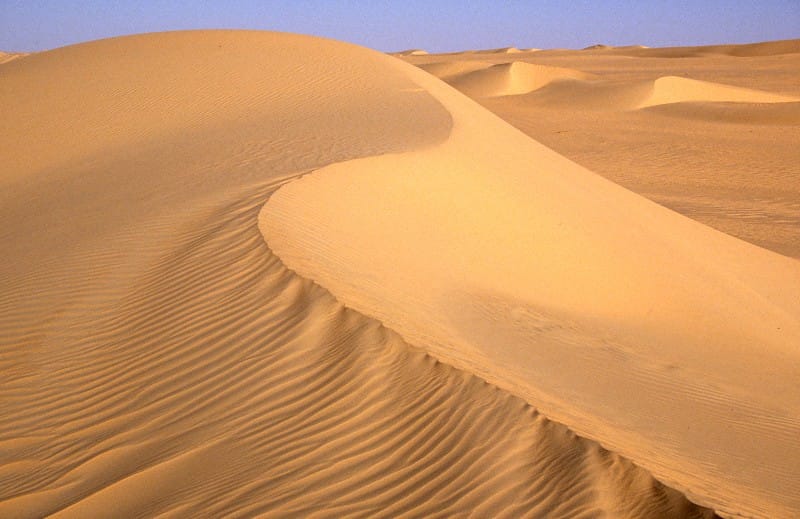
Niger is overwhelmingly desert, with the Sahara covering the great northern expanse of the country, including dramatic mountains and dune fields, giving way southward to the semi-arid Sahel where most people live. The land is hot and dry, with a single short rainy season, and is prone to drought and to the slow advance of the desert. The Niger River waters the southwest, and the southeast reaches the shrinking waters of Lake Chad, but most of the country is arid and thinly settled.
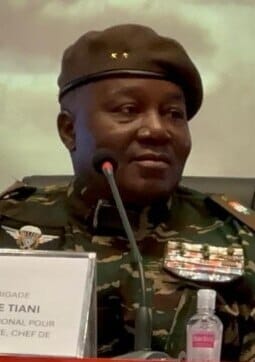
Niger is under military rule, the latest of many such interruptions to its troubled democracy. In July 2023 the presidential guard overthrew Mohamed Bazoum, the elected president, in a coup led by General Abdourahamane Tiani, who has since headed a military government. The takeover triggered a regional crisis: the West African bloc ECOWAS threatened force to restore Bazoum, but backed down, and Niger instead drew closer to its junta-led neighbours Mali and Burkina Faso, joining them in leaving ECOWAS to form the Alliance of Sahel States. Like them, Niger expelled the forces of its former Western partners, ending long-standing French and American military deployments and turning toward Russia.
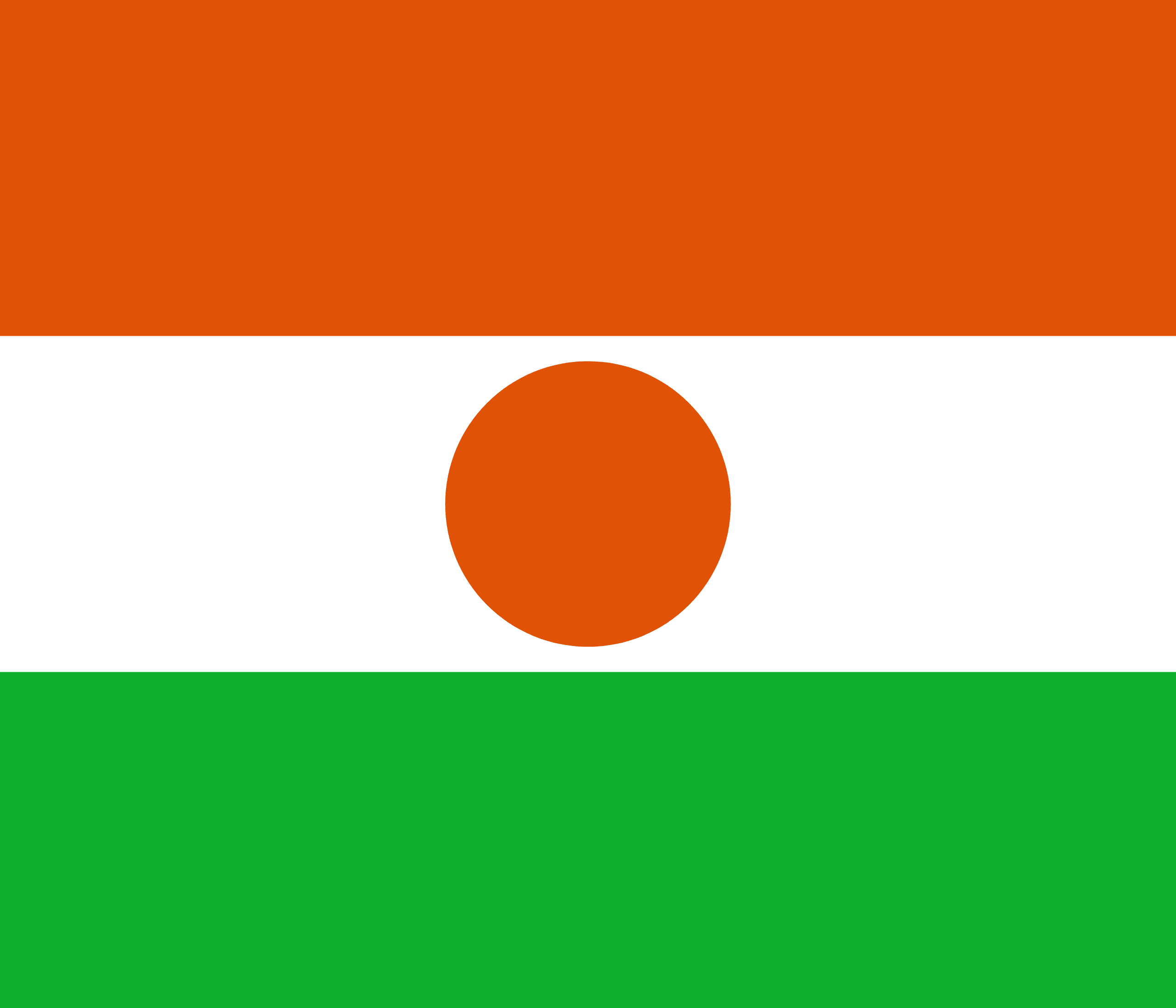
The flag of Niger has three horizontal bands of orange, white, and green, with an orange circle in the centre of the white band. The orange is often said to represent the Sahara Desert and the savanna, the white purity and the river, and the green the fertile lands of the south and hope. The central orange disc is widely understood to represent the sun, fitting for one of the hottest countries on Earth.
Niger is an overwhelmingly Muslim country, with the great majority of the population following Sunni Islam, a faith that arrived across the Sahara many centuries ago and is central to daily life, law, and culture. Islam in Niger has long included strong Sufi traditions and has generally been marked by tolerance. Small Christian and traditional-religion minorities exist, and ancient customs sometimes persist alongside Islamic practice in this land at the meeting point of the desert and the savanna.
The cuisine of Niger is based on the hardy grains of the Sahel, above all millet and sorghum, which are made into porridges and the thick staple known as tuwo or boule, eaten with sauces. These sauces are often made from leaves, okra, or peanuts, and may include meat or dried fish, while rice and beans are also common. Dairy from the herds of the Fulani and Tuareg peoples, and grilled meat, complete a diet adapted to a hot, dry land.
Agriculture and herding are the livelihood of most people in Niger, carried out in a harsh and unpredictable environment at the edge of the desert. Farmers grow millet, sorghum, cowpeas, and onions, an important export crop, on the limited fertile land of the south, while pastoralists herd cattle, goats, sheep, and camels across the Sahel, moving with the seasons. Recurring droughts make food security a constant challenge. The country also possesses significant deposits of uranium, a key export.
Niger's culture is a rich weave of its many peoples, each with its own traditions of music, dress, and craft. The Hausa are renowned for their trade, their emirs, and their crafts; the Tuareg of the desert for their indigo veils, their silverwork, and their camel caravans; the Fulani and Wodaabe herders for the famous Gerewol festival, at which young men adorn themselves in elaborate makeup and dance to be judged for their beauty. Islam, family, and a deep attachment to the land shape daily life, and despite crushing poverty, hospitality and endurance are cherished virtues in one of the harshest environments in which people make their home.
Niger sits at the heart of the Sahel crisis, and its situation gathers together the region's most contested questions. For years it faced a spreading jihadist insurgency on two fronts, spilling in from Mali in the west and from the Lake Chad basin in the east, that has killed many and displaced hundreds of thousands, even as Niger, unusually, remained a Western security partner and a democracy. That changed with the 2023 coup, which the plotters justified by pointing to the worsening insecurity, and which turned the country sharply away from France and the United States and toward Russia.
Underlying it all is a bitter paradox: Niger is one of the world's largest producers of uranium, the fuel of nuclear power and weapons, yet remains among its poorest countries, with much of the population lacking electricity. Critics of the old order, in Niger and across the Sahel, have long charged that France and Western companies extracted this wealth on unfair terms, a grievance the junta has seized upon; defenders of the former government counter that the coup has removed an elected president, who remains detained, and deepened the country's isolation without making its people safer. The documented facts are set out here; the judgements remain disputed.
Niger has a population of around 26 million people and one of the highest birth rates in the world, giving it a very young and rapidly growing population. It is made up of several ethnic groups, including the Hausa, the Zarma, the Fulani, and the Tuareg of the desert, speaking many languages with French as the official tongue. Most people are Muslim and live in the southern band of the country, away from the desert, with the capital, Niamey, set on the Niger River.