The Netherlands is a country in northwestern Europe, famous as a low-lying land much of which sits at or below sea level, reclaimed from water and held back by an extraordinary system of dikes, dams, and windmills. Its name means the low countries, and its long battle with the sea has shaped both its landscape and its ingenuity. A small, densely populated, and prosperous nation, it has had an outsized influence on world trade, art, and ideas.
The Dutch story is one of a low, watery land wrested from the sea, of a revolt that created a republic, and of a small nation that became, for a time, the hub of the world.
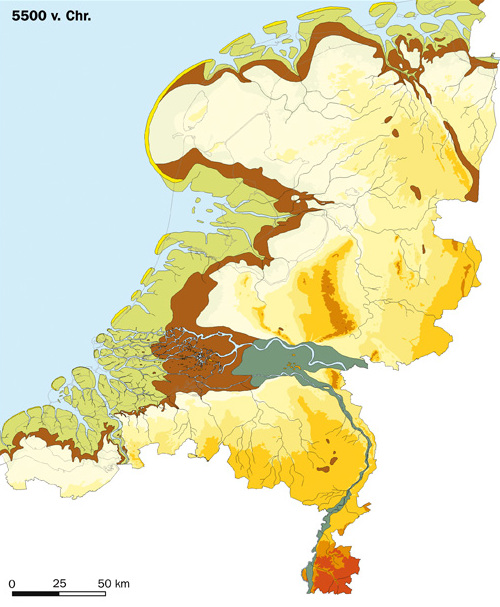
Much of what is now the Netherlands did not exist as dry land in the deep past: it was a shifting delta of marsh, dune, and shallow sea where the Rhine and other great rivers meet the North Sea. Over centuries the inhabitants learned to hold back and drain the water with dikes, ditches, windmills, and pumps, slowly reclaiming the polders on which the country is built, so that the very land is in large part a human creation.
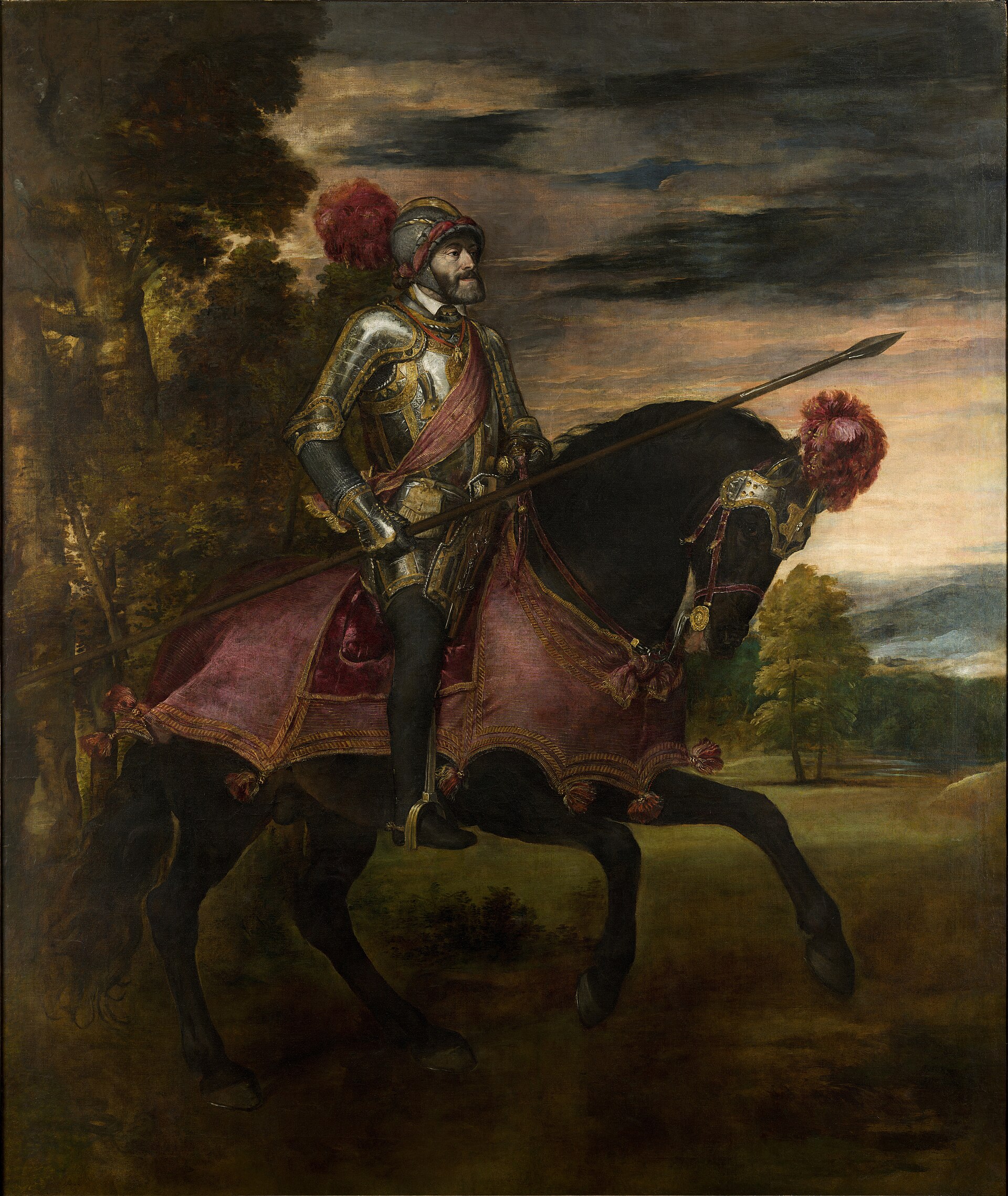
In the Middle Ages the Low Countries grew rich on trade and cloth, and passed by inheritance to the dukes of Burgundy and then to the Habsburgs, becoming part of the vast empire of Charles V and, after him, of the crown of Spain. Spanish rule, and the attempt to crush the new Protestant faith, set the stage for revolt.
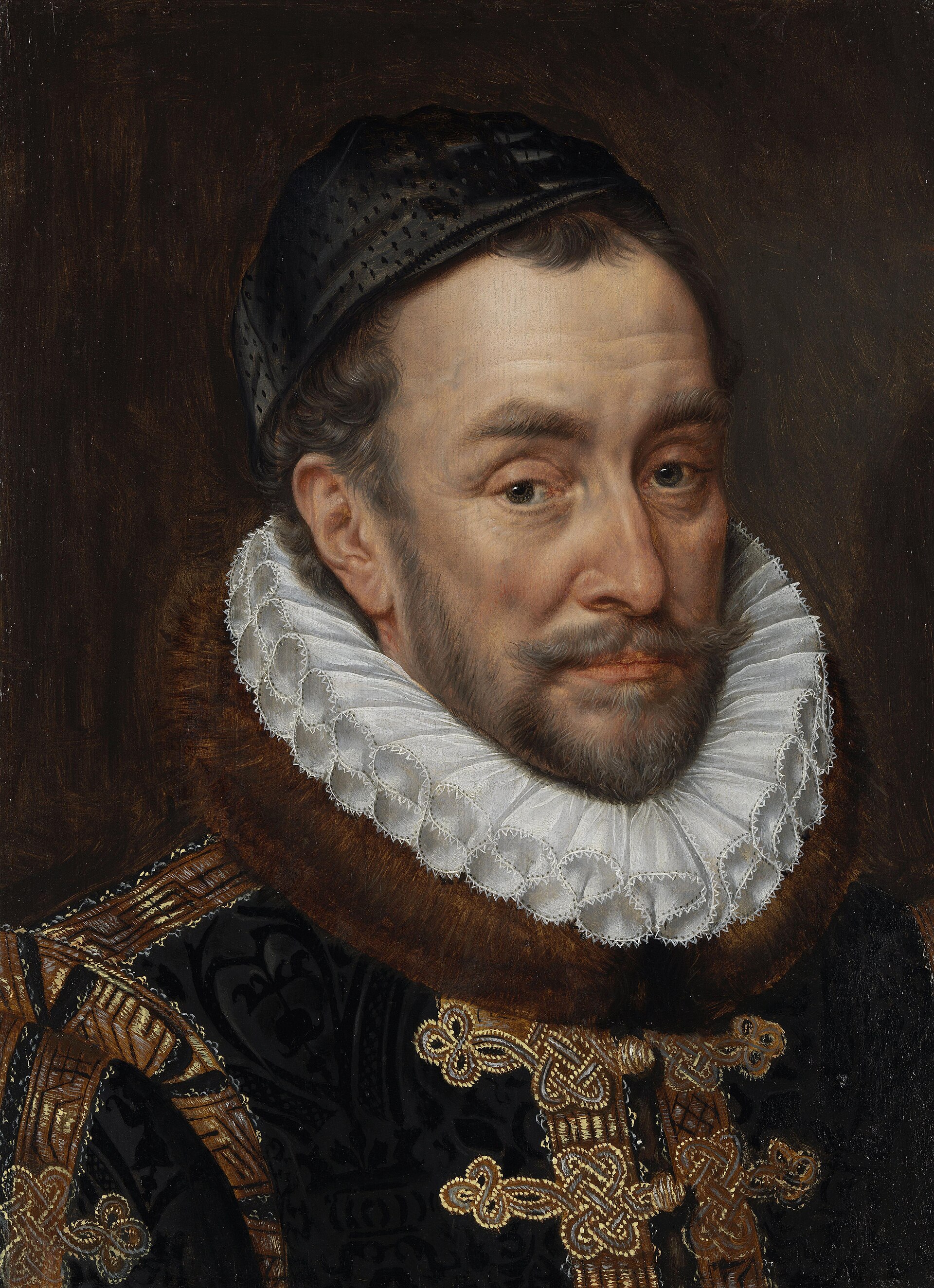
In the sixteenth century the Dutch rose against Spanish rule and religious persecution, led by William of Orange, in a long struggle, the Eighty Years' War, that gave birth to the independent Dutch Republic. The seventeenth century then became the Dutch Golden Age, when this small republic grew into the foremost trading and naval power on Earth, founded one of the first great chartered companies and stock markets, drew refugees and thinkers with its tolerance, and produced masters such as Rembrandt and Vermeer.
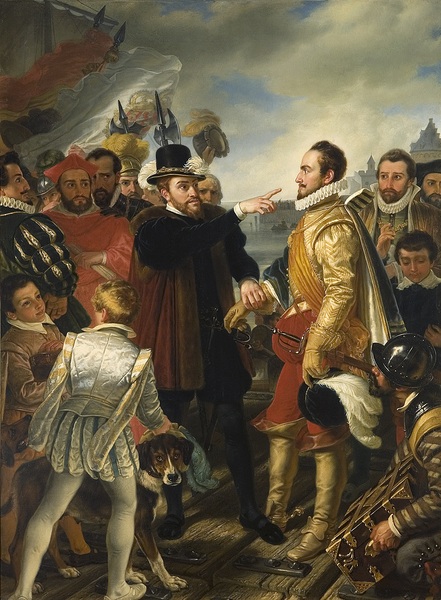
After the Napoleonic era the Netherlands became a kingdom in 1815, under the House of Orange that still reigns. It stayed neutral in the First World War but was occupied by Nazi Germany in the Second, an ordeal that included the deportation of most of its Jews and the wartime diary of Anne Frank in Amsterdam. After the war it shed its colonial empire, above all Indonesia, and became a founding member of what grew into the European Union.
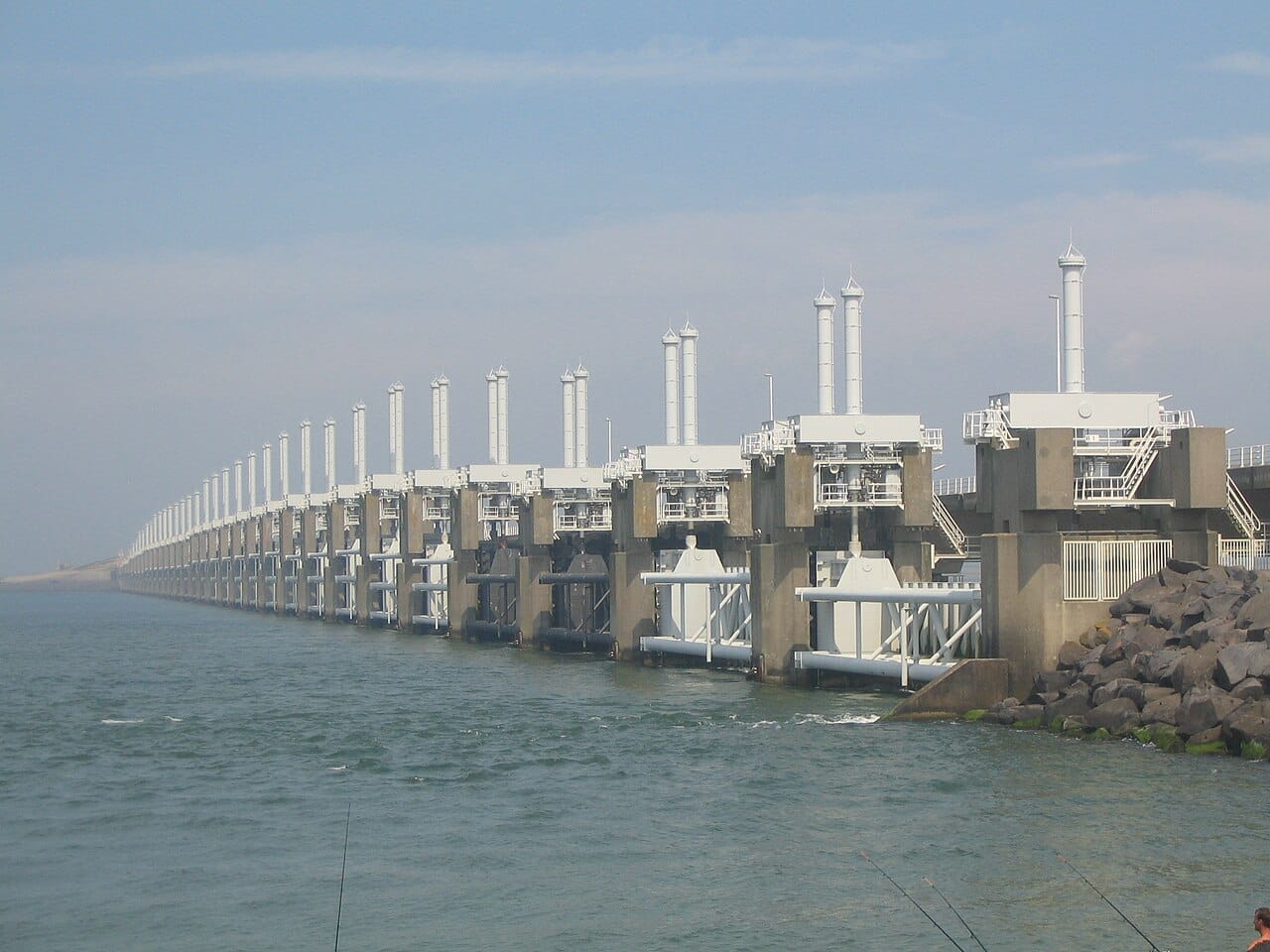
The Netherlands is one of the flattest countries in the world, a delta where the Rhine and other great rivers meet the North Sea. A large part of the land lies below sea level, protected by dikes and drained by pumps, and much of it, the famous polders, was reclaimed from the sea and lakes over centuries. This watery, human-shaped landscape, threaded with canals and dotted with windmills, is the defining feature of the country, and holding back the sea remains a national preoccupation as the climate warms and waters rise.
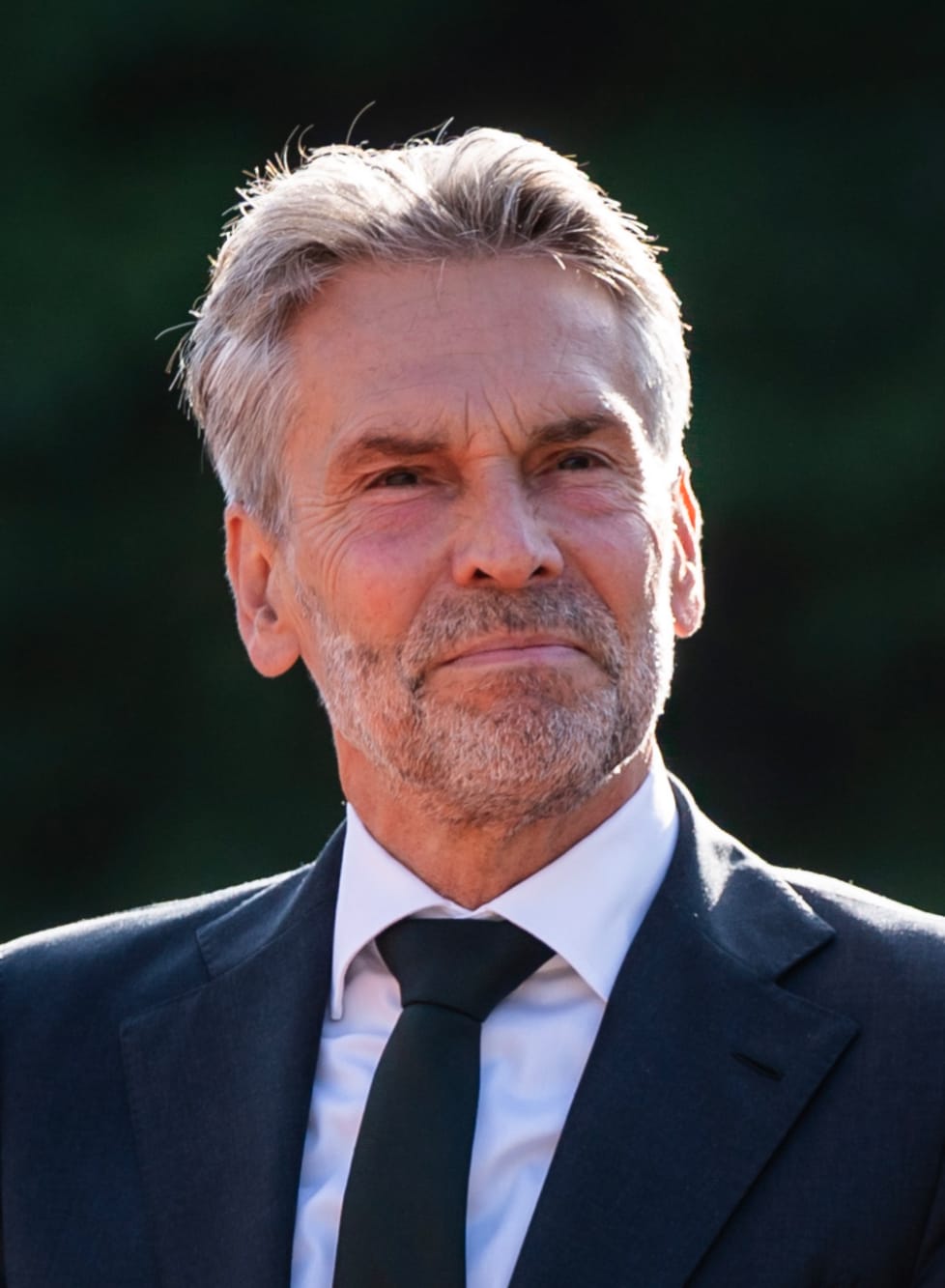
The Netherlands is a constitutional monarchy, with King Willem-Alexander of the House of Orange as head of state, and a parliamentary democracy centred on the States General at The Hague, which, though Amsterdam is the constitutional capital, is the seat of government and of major international courts. A strongly proportional voting system produces many parties and coalition governments built through long negotiation. In recent years its famously consensual politics has been shaken by the rise of the populist right: the anti-immigration party of Geert Wilders won the most seats in the election of 2023, ushering in a period of unusual turbulence and fragile, short-lived governments, including a cabinet led by the non-partisan former intelligence chief Dick Schoof.
The Netherlands has one of the most prosperous and open economies in the world, a trading nation by its very nature. Rotterdam is the largest seaport in Europe and a gateway for goods bound across the continent, and the country is a major hub for finance, energy, and high technology, home to companies such as the chipmaking-equipment maker ASML. Despite its tiny size it is also an agricultural powerhouse, as described below, and Schiphol near Amsterdam is one of the busiest airports in the world. Trade, logistics, and a highly educated workforce make this small country a giant of global commerce.
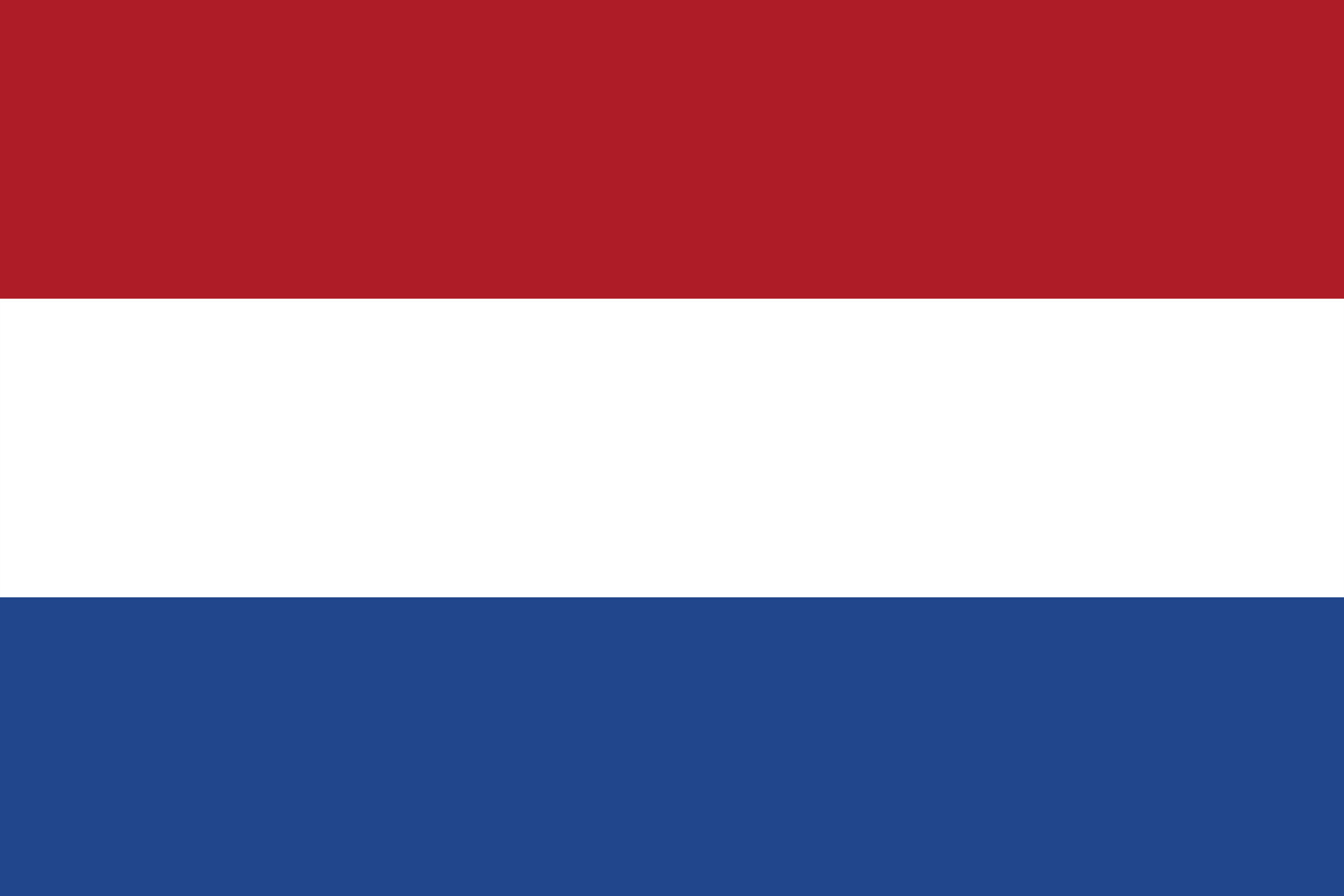
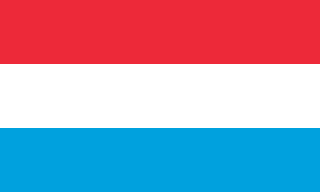
The flag of the Netherlands is a simple horizontal tricolour of red, white, and blue. It is one of the oldest tricolours in the world, dating in essence to the Dutch revolt against Spain, when the colours of the Prince of Orange were flown, and it later influenced the design of flags around the world, including that of Russia. The clean three-band pattern has become a familiar emblem of the nation.
The Netherlands was historically divided between a Protestant, largely Calvinist tradition and a Catholic one, a split that long shaped its politics and society. Today, however, it is among the most secular countries in the world, with a large and growing share of people reporting no religion at all. The country has long had a reputation for tolerance, including of religious minorities, which once made it a refuge for the persecuted of Europe.
Dutch cuisine is hearty and unpretentious, shaped by farming and the sea. The country is famous for its cheeses, above all Gouda and Edam, exported around the world, and for raw herring, traditionally eaten held by the tail. Hearty dishes like stamppot, mashed potato with vegetables, suit the cool climate, and the Dutch are known for sweet treats such as the syrup-filled stroopwafel. A long trading history also brought spices and Indonesian influences to the table.
Despite its tiny size, the Netherlands is an agricultural giant, one of the largest exporters of food and agricultural products in the world by value, second only to the United States. This remarkable feat rests on extraordinarily intensive and high-technology farming, vast greenhouses, and world-leading expertise. The country is the global centre of the flower trade, especially tulips, and a major exporter of dairy, vegetables, and seeds, turning a small, crowded land into an agricultural powerhouse, though the environmental strain of so much intensive farming, especially its nitrogen pollution, has become a fierce political issue.
The Netherlands is famous for a culture of openness, pragmatism, and tolerance, rooted in its trading past and its history as a refuge for the persecuted. It gave the world the art of the Golden Age, from Rembrandt and Vermeer to, later, Van Gogh, and it is known for a liberal approach to social questions, being among the first countries to permit same-sex marriage and to regulate rather than simply ban practices such as cannabis use and euthanasia. Daily life is shaped by the bicycle, which rules the flat streets, by a plain-spoken directness, and by an enduring bond to the water, the windmill, and the polder landscape.
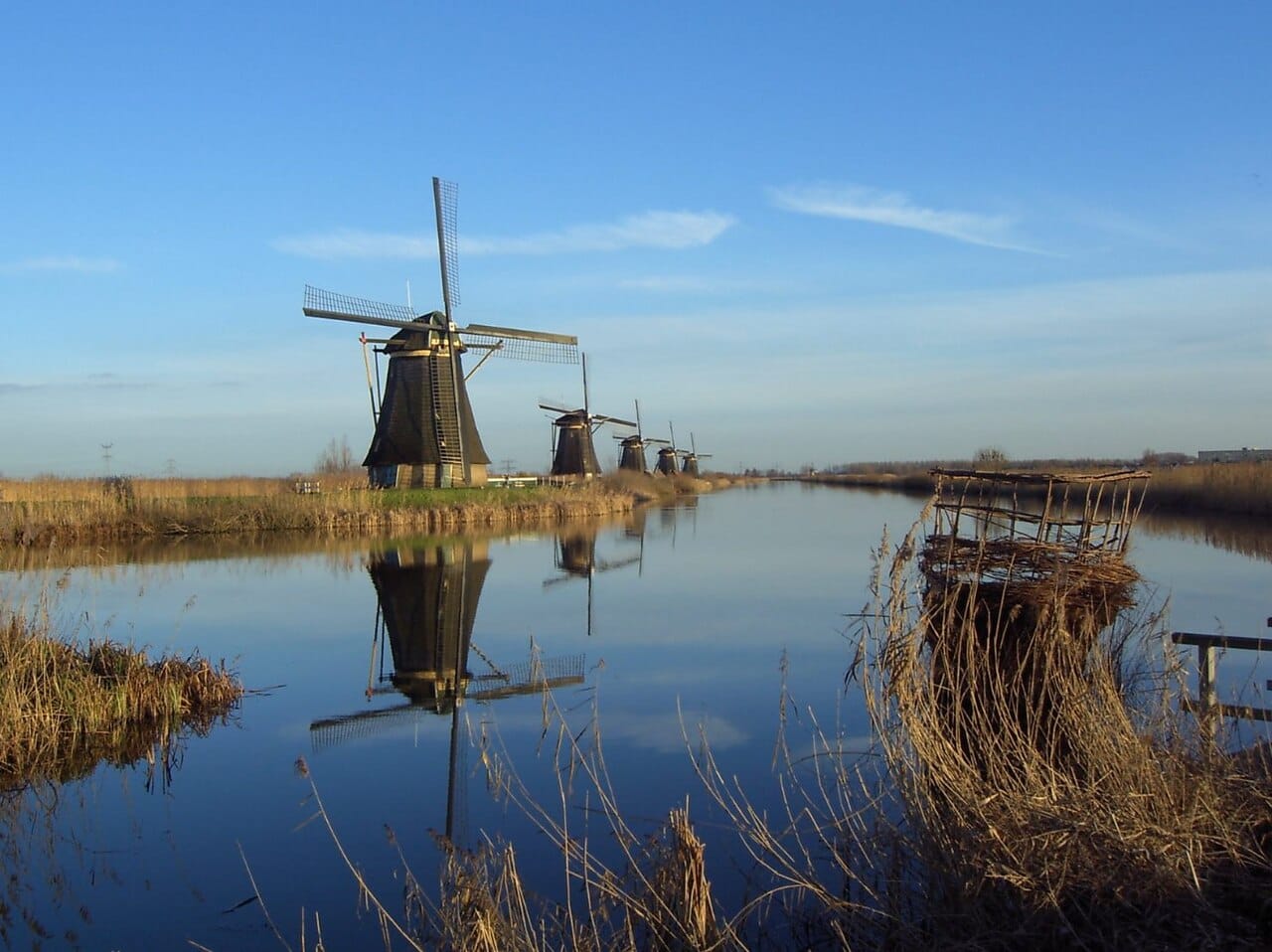
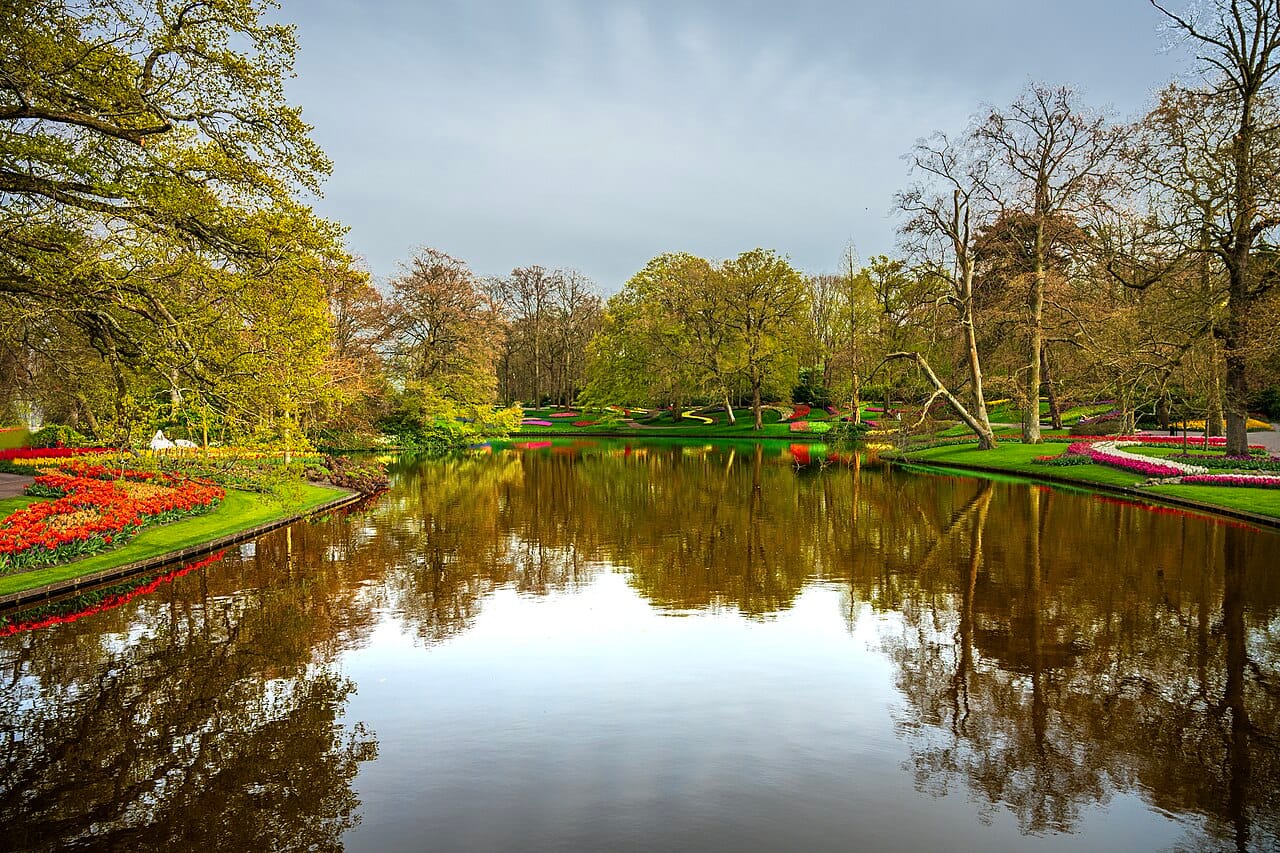
The Netherlands has long prided itself on tolerance, openness, and a welcome for outsiders, yet in recent decades that self-image has been strained by a fierce debate over immigration and national identity. Since the early 2000s a strand of populist politics has grown powerful, arguing that large-scale immigration, and Islam in particular, threaten Dutch liberal values and social cohesion, and calling for far tighter borders; the 2023 election victory of Geert Wilders' party was its high point. Others counter that this current itself betrays the country's tradition of openness and unfairly targets minorities, and that a nation built on trade and migration cannot wall itself off. The argument over who belongs, and how to reconcile tolerance with its limits, has become one of the defining tensions of modern Dutch life.
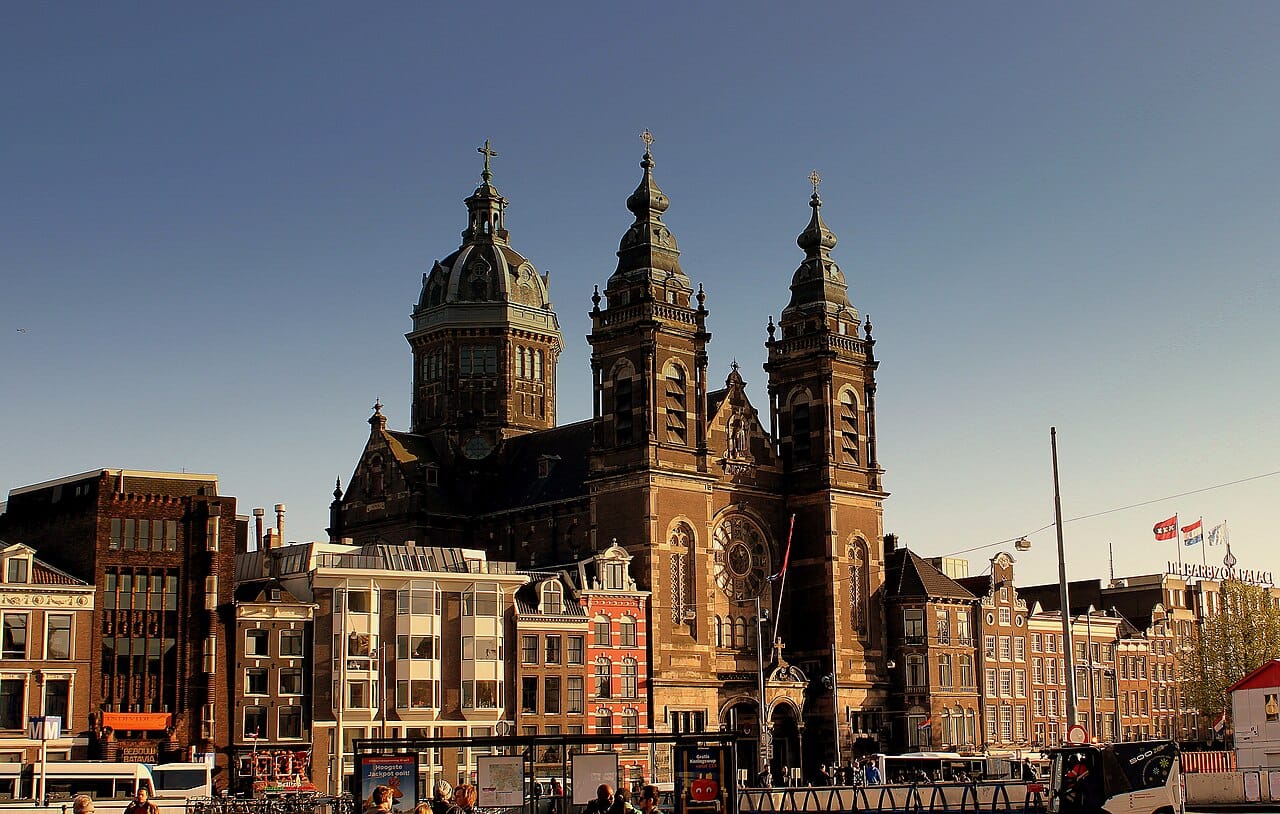
The Netherlands has a population of around 18 million people, packed into a small area to make it one of the most densely populated countries in Europe. The Dutch are known for a famously tall, well-educated, and outward-looking society, and most live in a ring of closely linked cities in the west, the Randstad, including Amsterdam, the capital, along with Rotterdam, with its great port, and The Hague, the seat of government and of international courts. Immigration has made the country increasingly diverse.