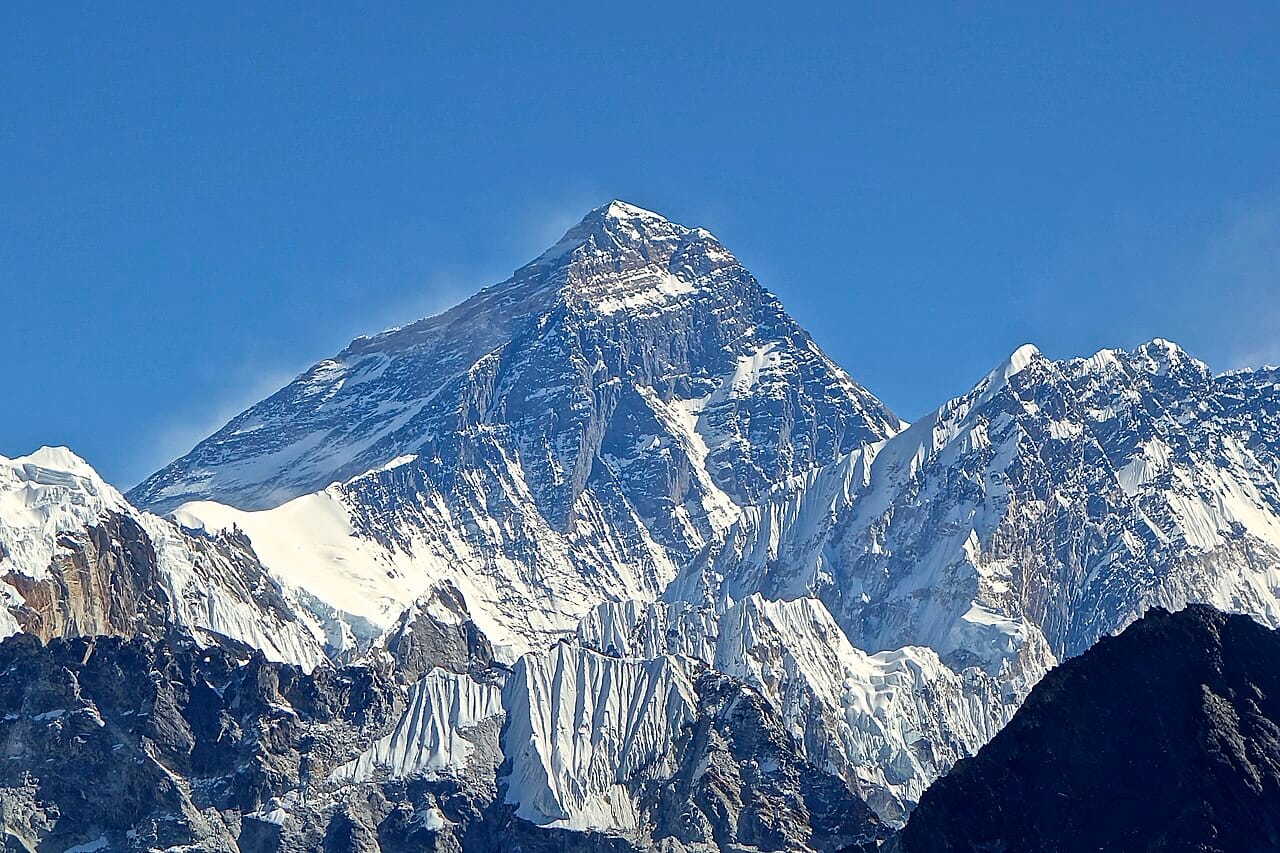
Nepal is a landlocked country in South Asia, cradled in the Himalayas between India and China. Within its borders rise eight of the ten highest mountains on Earth, including Mount Everest, the tallest of them all. A land of soaring peaks, deep valleys, and ancient temples, Nepal is the birthplace of the Buddha and a meeting point of Hindu and Buddhist culture, with a history as a proud kingdom that was never colonised.
Nepal's history runs from the birth of the Buddha in its southern plains, through the exquisite temple-kingdoms of the Kathmandu Valley, to unification under the Shah kings and a turbulent journey to a modern republic.
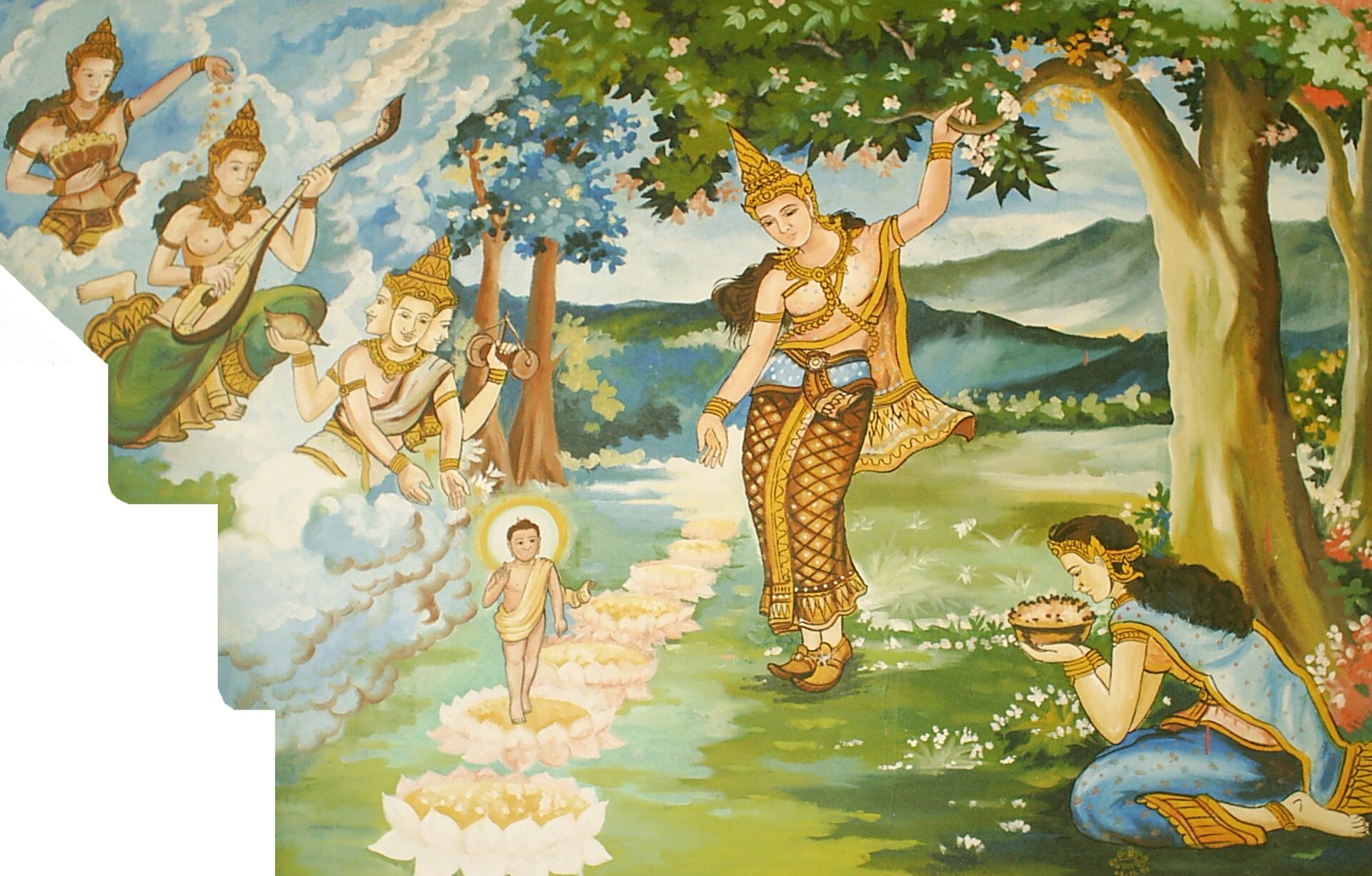
Around the sixth century BC, the man who became the Buddha was born, by tradition, at Lumbini in the plains of southern Nepal. The event gives Nepal a special place in the history of world religion, and the country has been a meeting ground of Hindu and Buddhist culture ever since.
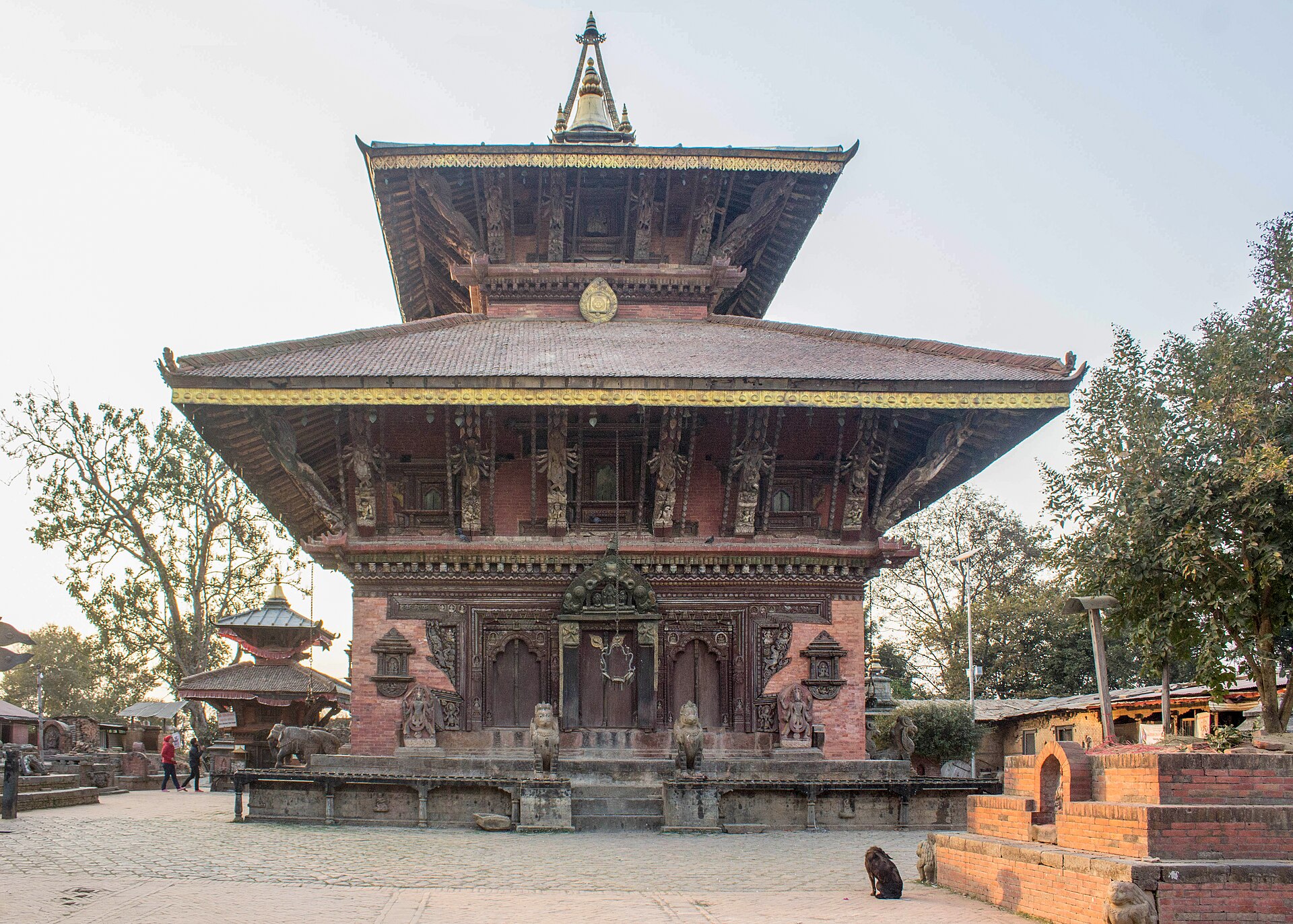
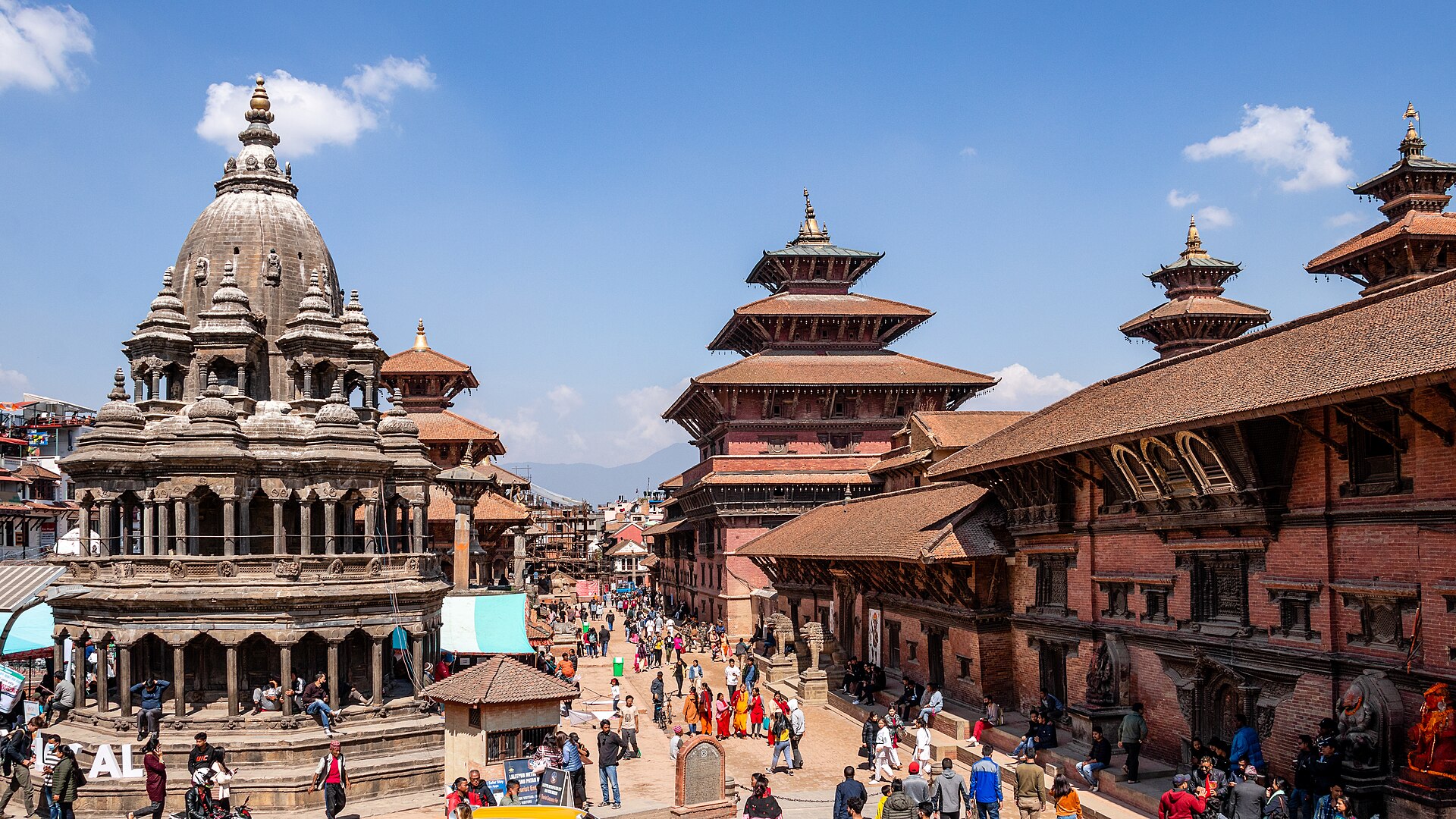
The historic heart of Nepal is the Kathmandu Valley, home for many centuries to sophisticated city-states. Under dynasties such as the Mallas, the valley's rival capitals competed in the building of temples and palaces, filling their squares with some of the finest wood and brick architecture in Asia.
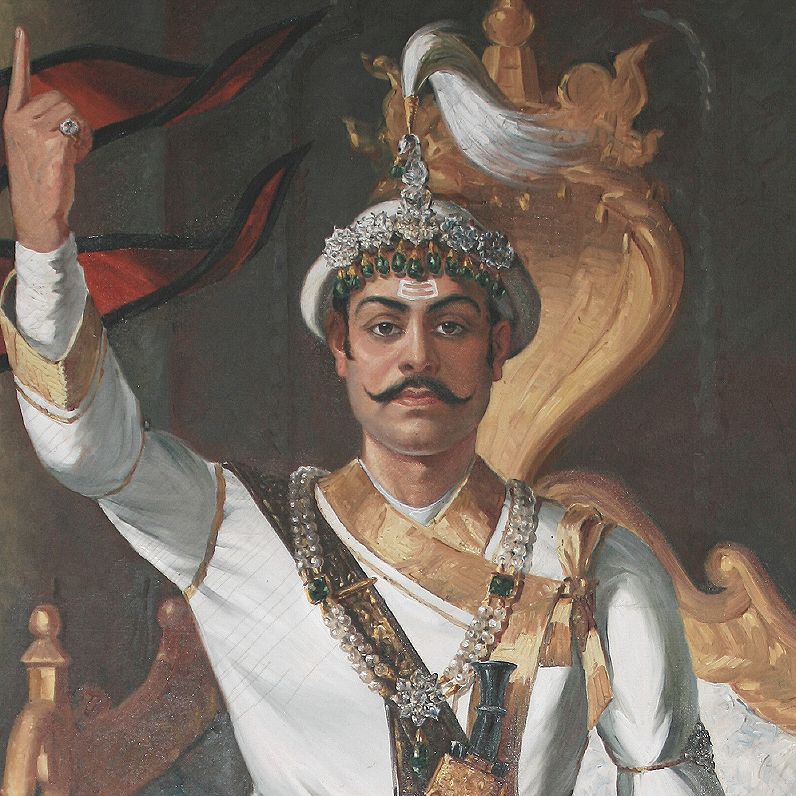
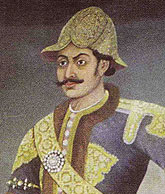
In 1768 the ruler of the small hill principality of Gorkha, Prithvi Narayan Shah, conquered the valley and welded the surrounding lands into a single kingdom, founding the Shah dynasty. For long stretches real power lay with hereditary prime ministers, and Nepal preserved its independence through the colonial age, never falling under foreign rule.
Tradition holds that the Kathmandu Valley was once a great lake, and that the bodhisattva Manjushri cut a gorge through the surrounding hills with his sword to drain the waters, making the valley fit for human settlement. The story is cherished in Nepal's Buddhist and Hindu heritage and woven into the founding of its sacred sites. As literal history it is legend, though geologists confirm the valley genuinely did once hold an ancient lake.
Nepal rises in dramatic steps from the flat, fertile plains of the Terai along the Indian border, through the green middle hills where most people live, to the high Himalayas in the north. This small country thus packs in an astonishing range of altitude and climate, from near-tropical lowlands to the icy summit of Everest, more than eight kilometres high. The mountains are both Nepal's defining feature and a magnet for climbers and trekkers from around the world.
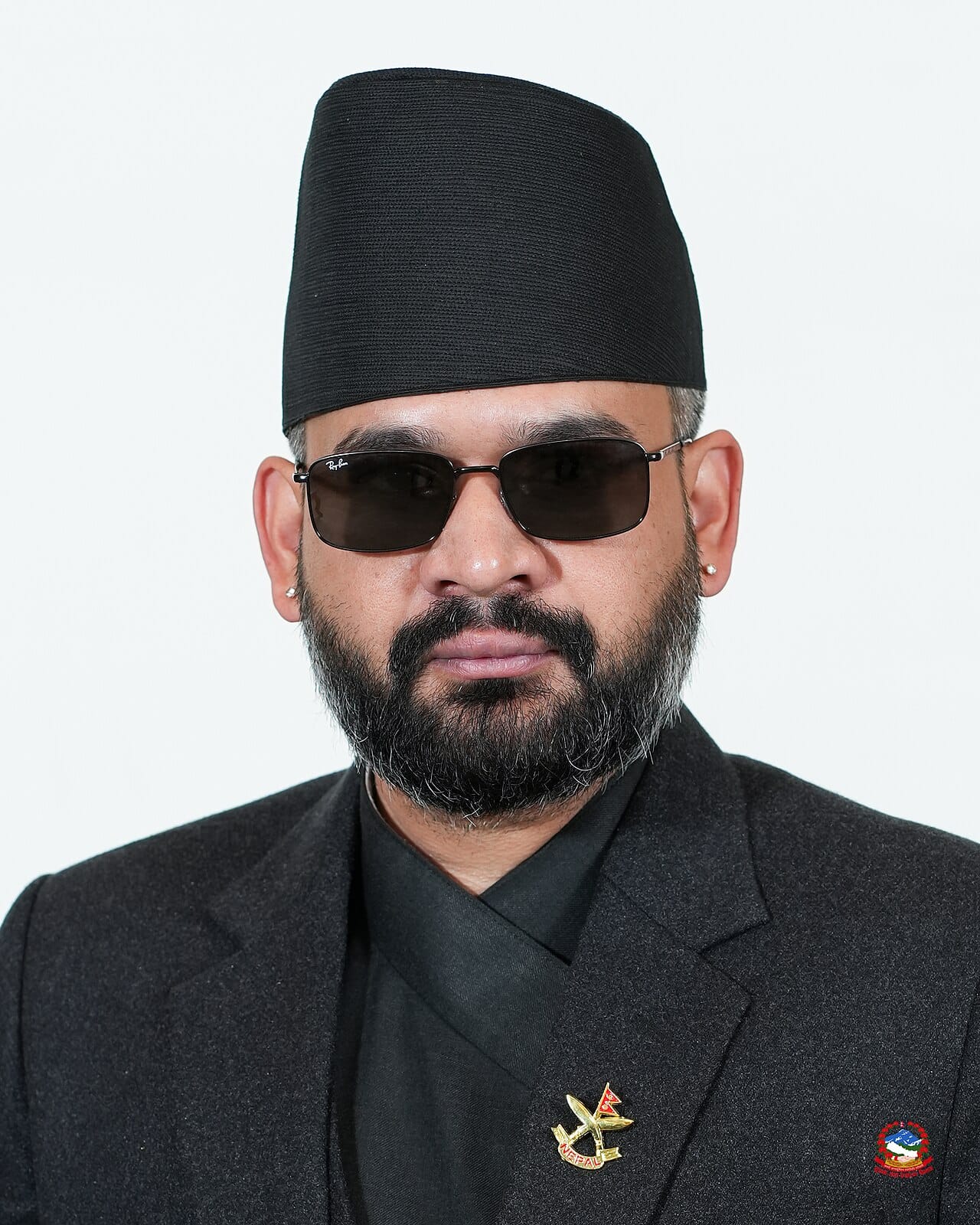
Nepal abolished its monarchy in 2008, after a decade-long Maoist insurgency, to become a federal democratic republic, ending nearly two and a half centuries of Shah rule. Its politics has since been unstable, with frequent changes of government among the main parties and repeated struggles over the constitution. That instability came to a head in September 2025, when mass protests, driven by young people angry at corruption and a ban on social media, turned deadly and forced the long-serving prime minister to resign. Elections in early 2026 delivered a dramatic outsider result: Balendra Shah, a young former rapper and mayor of Kathmandu, led a new party to victory and became the country's youngest ever prime minister, with Ram Chandra Poudel remaining as ceremonial president.
Nepal is one of the poorer countries of Asia, its economy resting on agriculture, tourism, and above all the money sent home by the millions of Nepalis who work abroad, especially in the Gulf and Malaysia, which is one of the largest sources of national income. The Himalayas draw trekkers and climbers whose spending is vital to whole regions, and the country's steep rivers give it great untapped potential for hydroelectric power, some of it exported to India. Landlocked and mountainous, Nepal depends heavily on its giant neighbours, India and China, for trade.
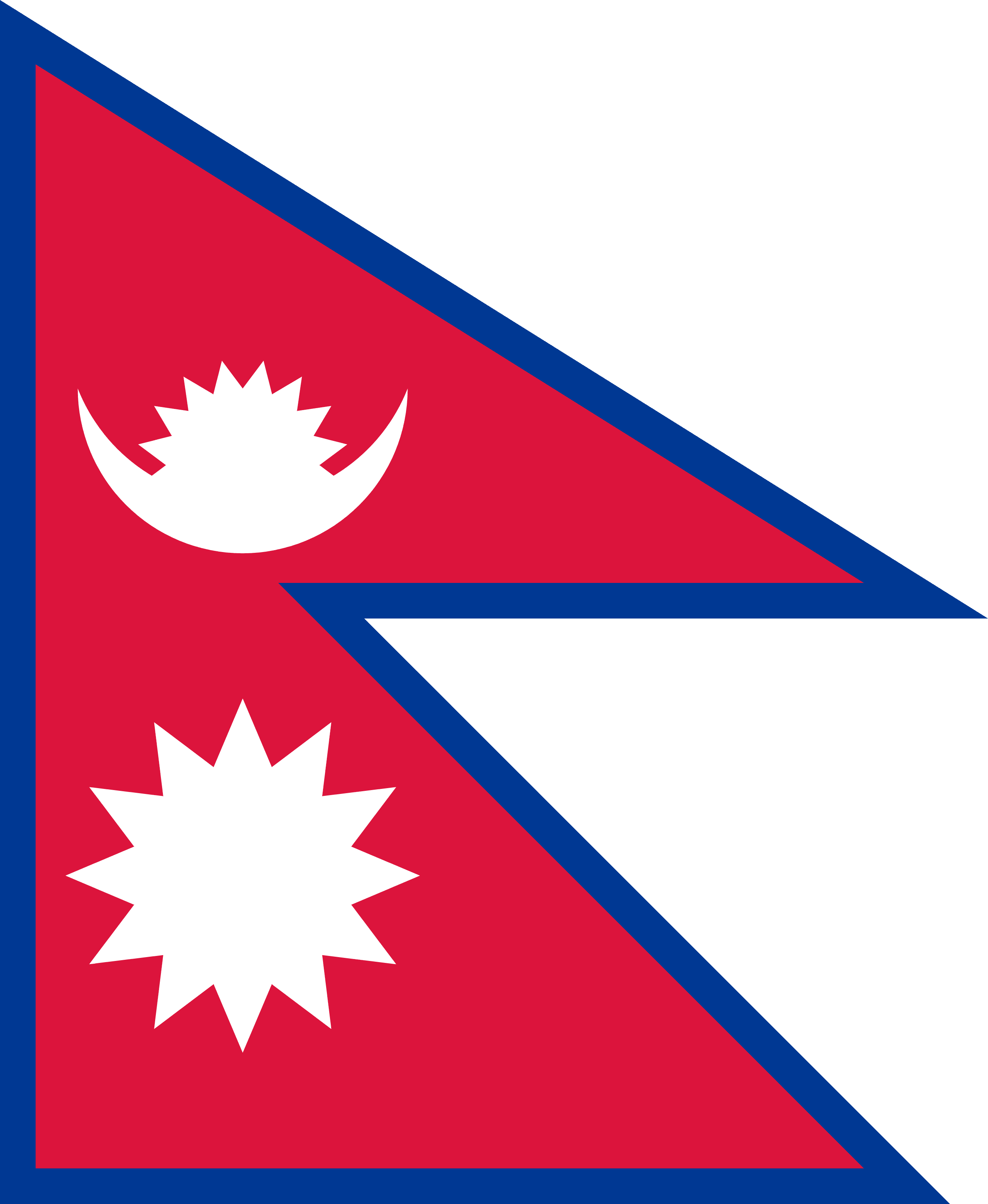
Nepal has the only national flag in the world that is not a rectangle. It is made of two stacked triangular pennants, a shape derived from the pennons once flown by Himalayan rulers. The crimson background is the colour of the national flower, the rhododendron, and the blue border represents peace. Within the pennants are a white moon and a white sun, symbols traditionally said to express the hope that the nation will endure as long as they do.
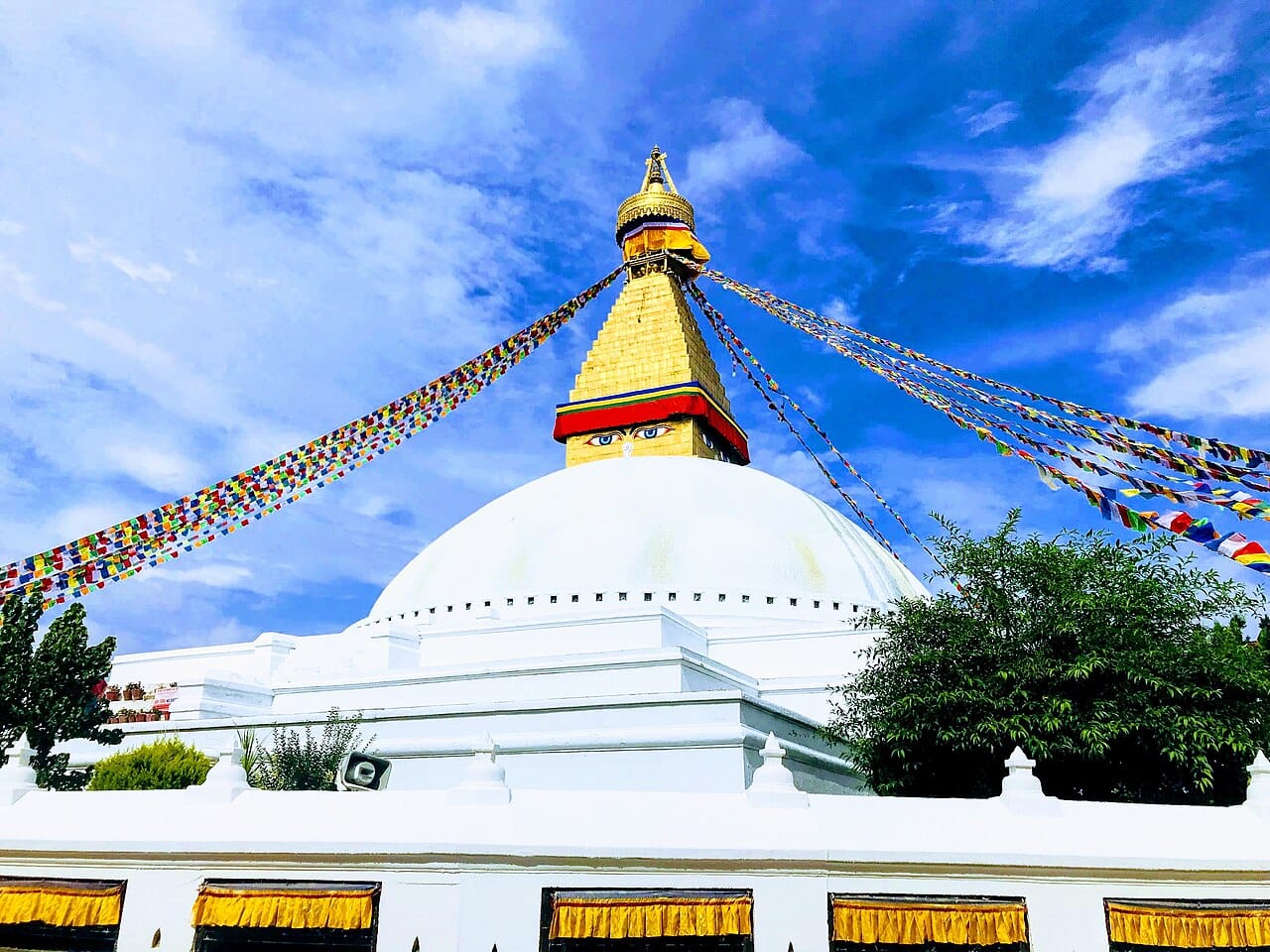
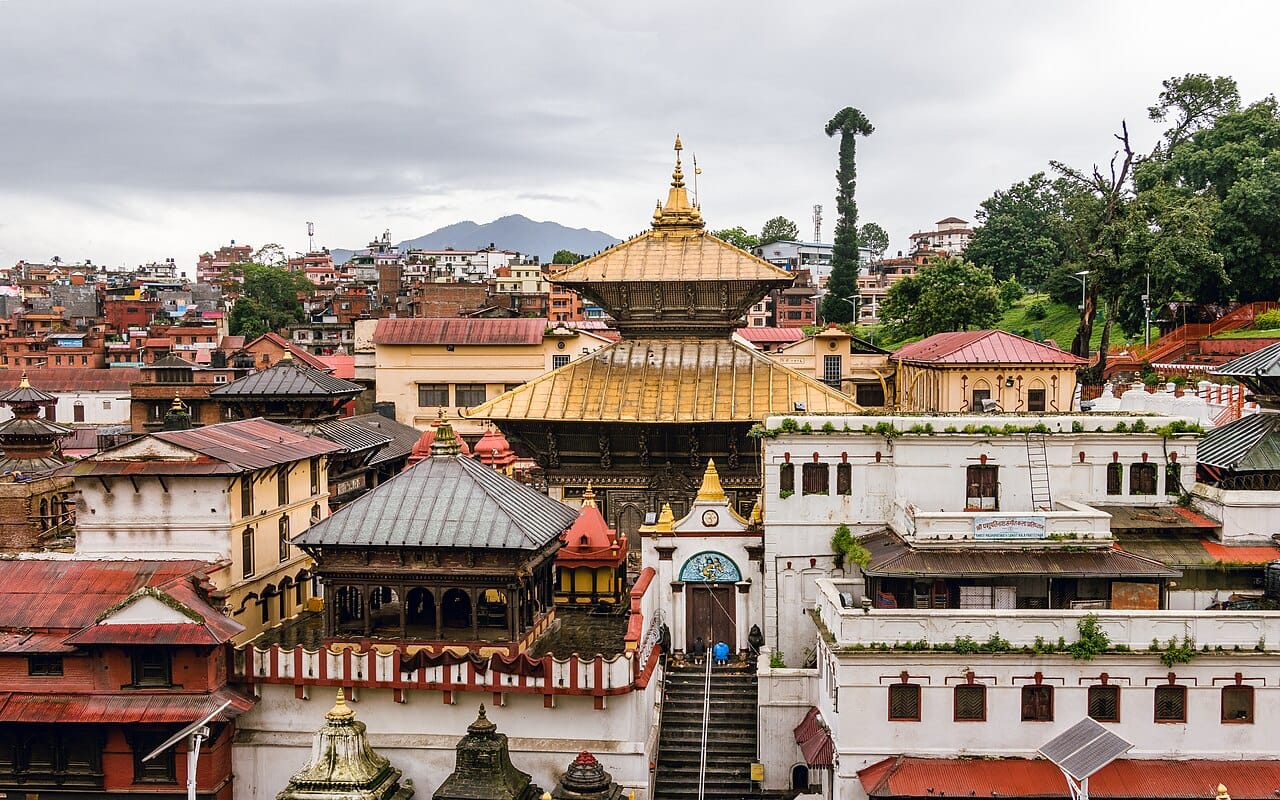
Nepal is a deeply religious country where Hinduism and Buddhism have intertwined for centuries, their gods, festivals, and temples often shared. The majority of Nepalis are Hindu, and Nepal was for a long time the world's only Hindu kingdom before becoming a secular republic. It is also revered as the birthplace of the Buddha. Its most sacred places, from the great Buddhist stupa of Boudhanath to the holy Hindu temple of Pashupatinath, draw pilgrims from across the region, and temples and shrines of both faiths are woven into daily life.
Nepali food is simple, nourishing, and suited to a mountainous land. The everyday meal, eaten across the country, is dal bhat, lentil soup served over rice with vegetable curries and pickles, often eaten twice a day. From the Himalayan communities and Tibetan influence come momo, steamed or fried dumplings that have become a national favourite, along with noodle soups. The food varies by region and altitude, reflecting Nepal's many peoples.
Agriculture is the livelihood of most Nepalis, much of it carried out on terraces carved into steep hillsides, a striking feature of the landscape. The fertile Terai plains in the south are the country's grain basket, producing rice, the staple crop, along with maize, wheat, and millet in the hills. Farming is largely small-scale and dependent on the monsoon rains. Alongside agriculture, tourism drawn by the Himalayas is a vital source of income.
Nepali culture is as varied as its landscape, shared among more than a hundred ethnic groups speaking scores of languages, from the Newars of the Kathmandu Valley with their splendid arts to the Sherpas of the high mountains famed for their mountaineering. Hindu and Buddhist festivals fill the calendar, and the country is renowned for its Gurkha soldiers, prized for their courage in armies around the world. The Nepali language, which binds this diversity together, is itself thought to have deep roots in the country's western valleys.
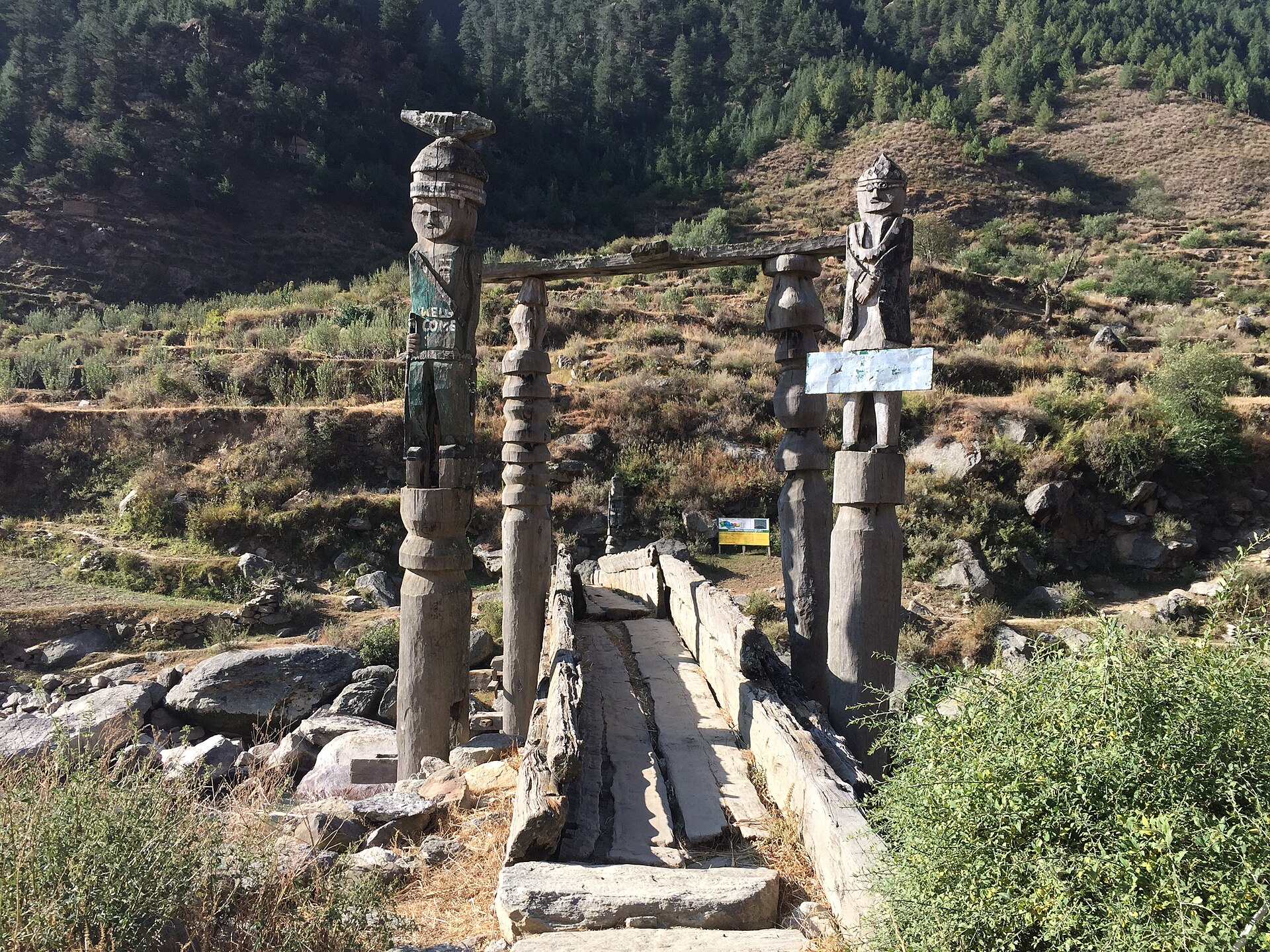
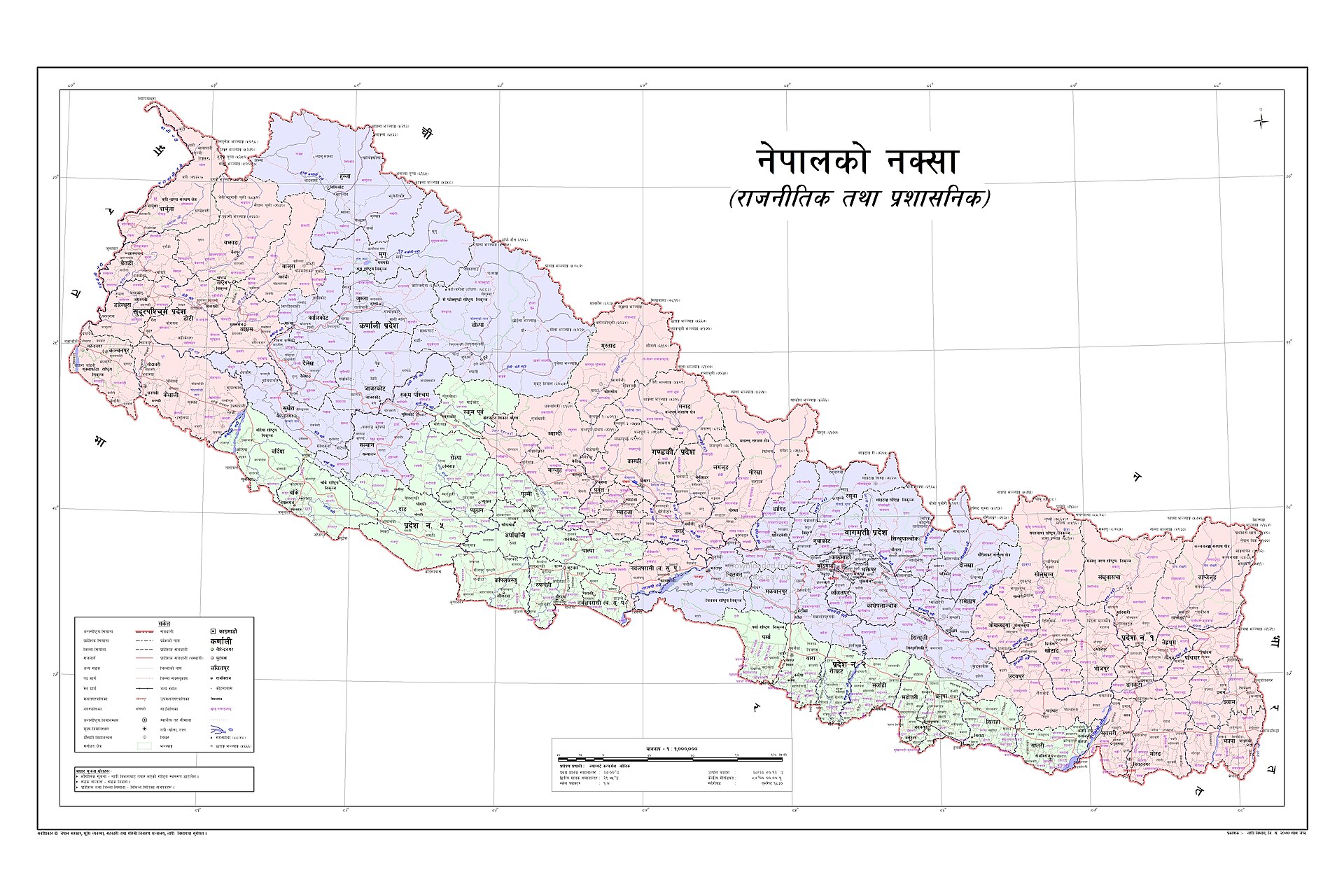
Nepal has a population of around 30 million people, remarkably diverse for its size, divided among many ethnic groups, castes, and languages across its varied terrain, from the plains to the high mountains. Most people live in the hills and the southern Terai, and the largest city and capital is Kathmandu, set in its historic valley. Many Nepalis work abroad, and the money they send home is an important part of the national economy.