Namibia is a country in southwestern Africa, on the Atlantic coast, a vast and dramatically arid land named after the Namib, one of the oldest deserts in the world. Sparsely populated, with great dunes, canyons, and a wild, foggy shore, it is a place of stark and spectacular natural beauty. One of the last countries in Africa to gain independence, in 1990, it has become a stable democracy whose wealth lies in diamonds, other minerals, and its extraordinary wildlife.
Namibia's history carries one of the darkest chapters of the colonial age and one of Africa's last great liberation struggles, ending in an independence that came only in 1990.
The land was home for millennia to the San, the Nama, the Damara, the Herero, the Ovambo, and other peoples before Germany claimed it in 1884 as the colony of German South West Africa, the German Empire's principal settler colony in Africa. German rule was harsh, seizing land and cattle, and it provoked fierce resistance from the Herero and Nama under leaders such as Samuel Maharero and Hendrik Witbooi.
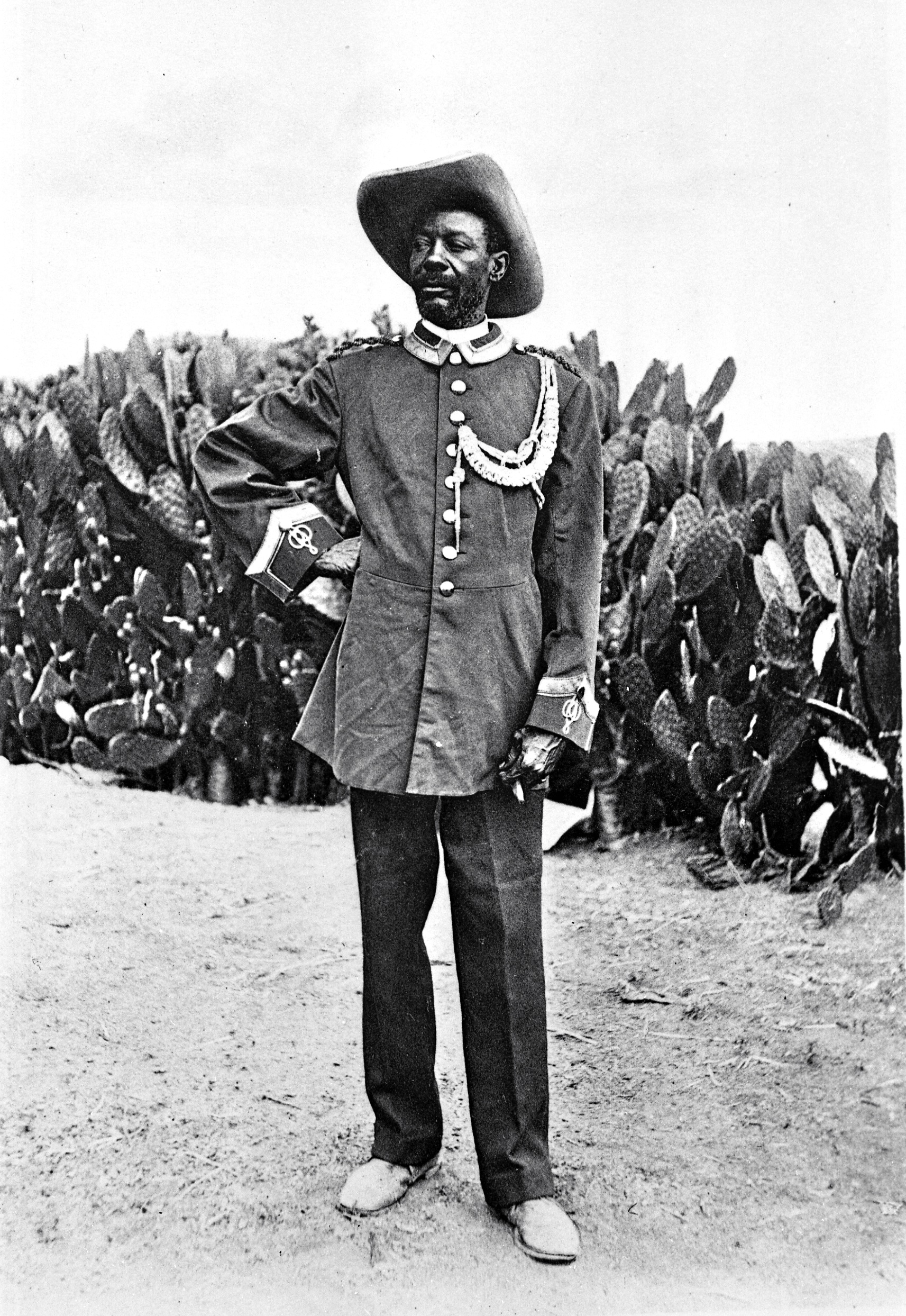
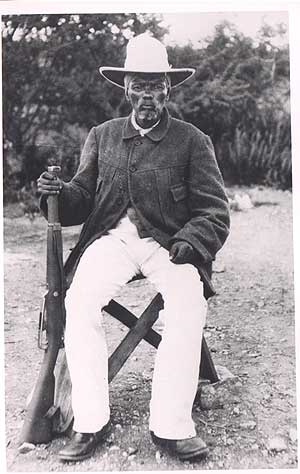
When the Herero and Nama rose up in 1904, the German commander issued an extermination order, and what followed is now widely recognised as the first genocide of the twentieth century. Tens of thousands of Herero were driven into the desert to die of thirst or shot, and survivors, along with the Nama, were worked and starved to death in concentration camps. By some estimates the great majority of the Herero and about half the Nama perished, a catastrophe whose legacy still shapes the country and its relations with Germany.
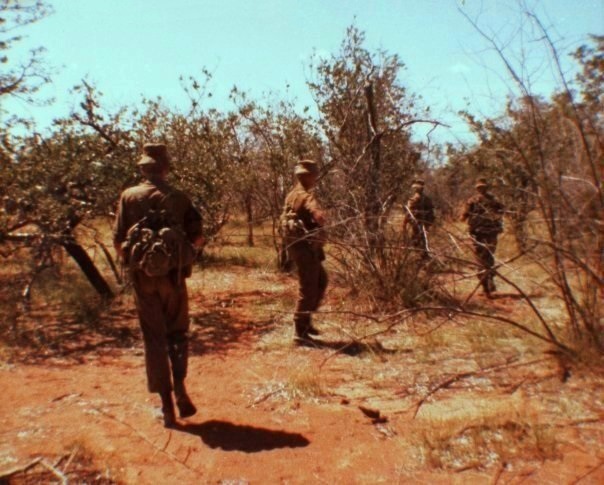
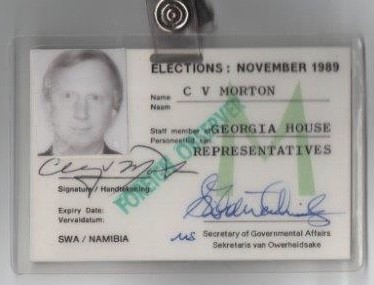
After Germany's defeat in the First World War, the territory passed to South Africa, which governed it, eventually in defiance of the United Nations, and extended its apartheid system of racial segregation over it. From 1966 the liberation movement SWAPO waged a long armed struggle, based across the border in Angola, that became entangled in the wider Cold War and the conflict in southern Africa, until a United Nations-supervised process finally brought Namibia to independence in 1990, the last new nation in mainland Africa.
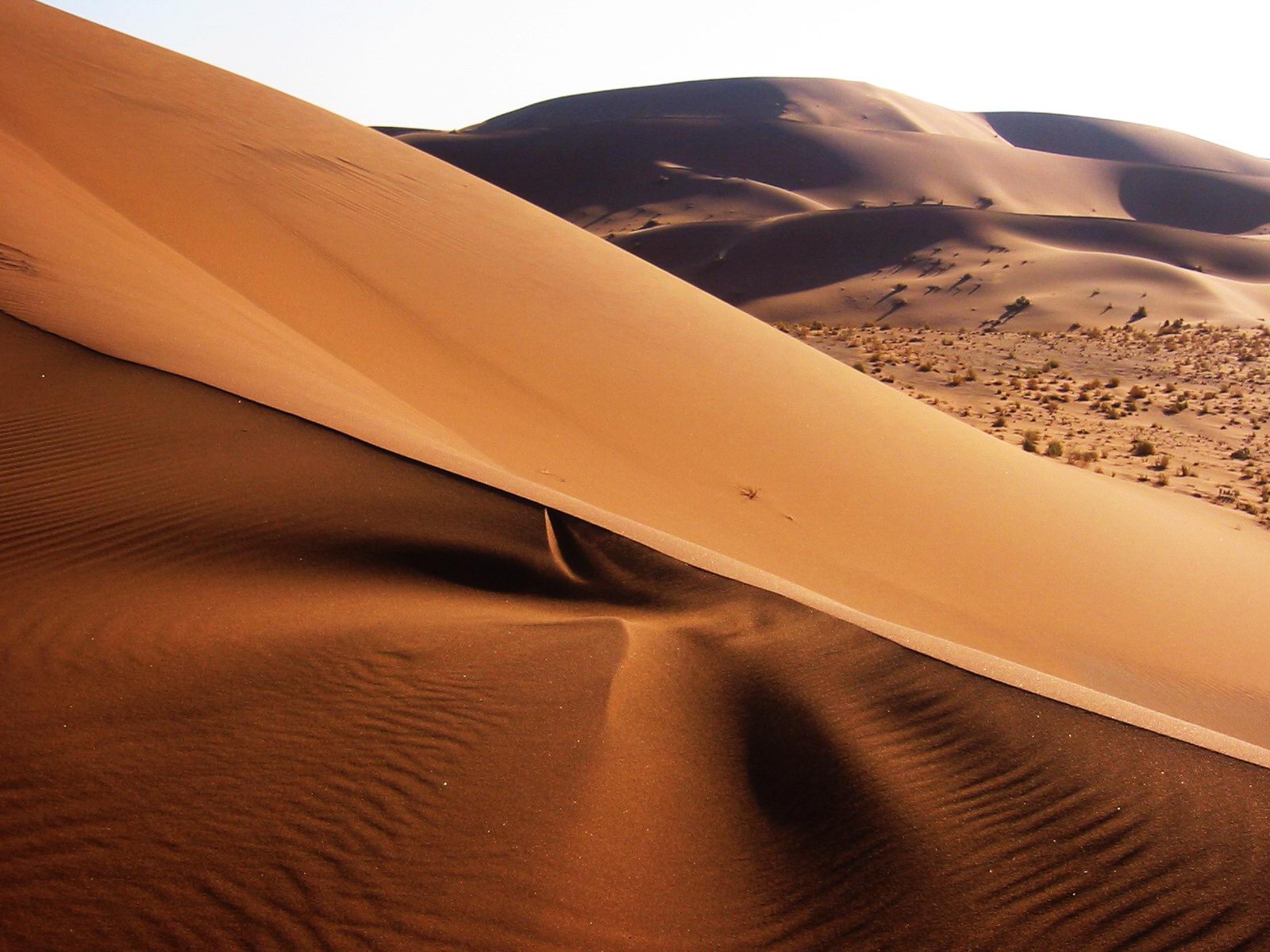
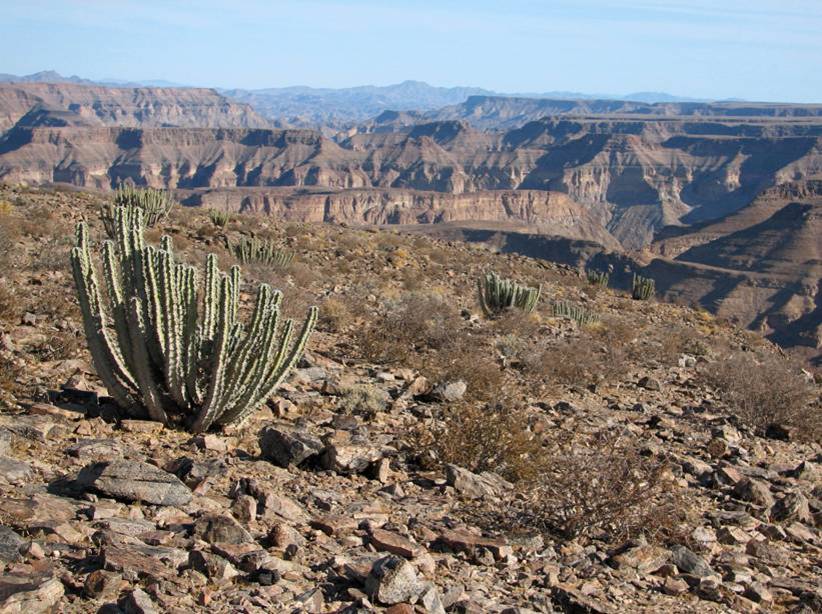
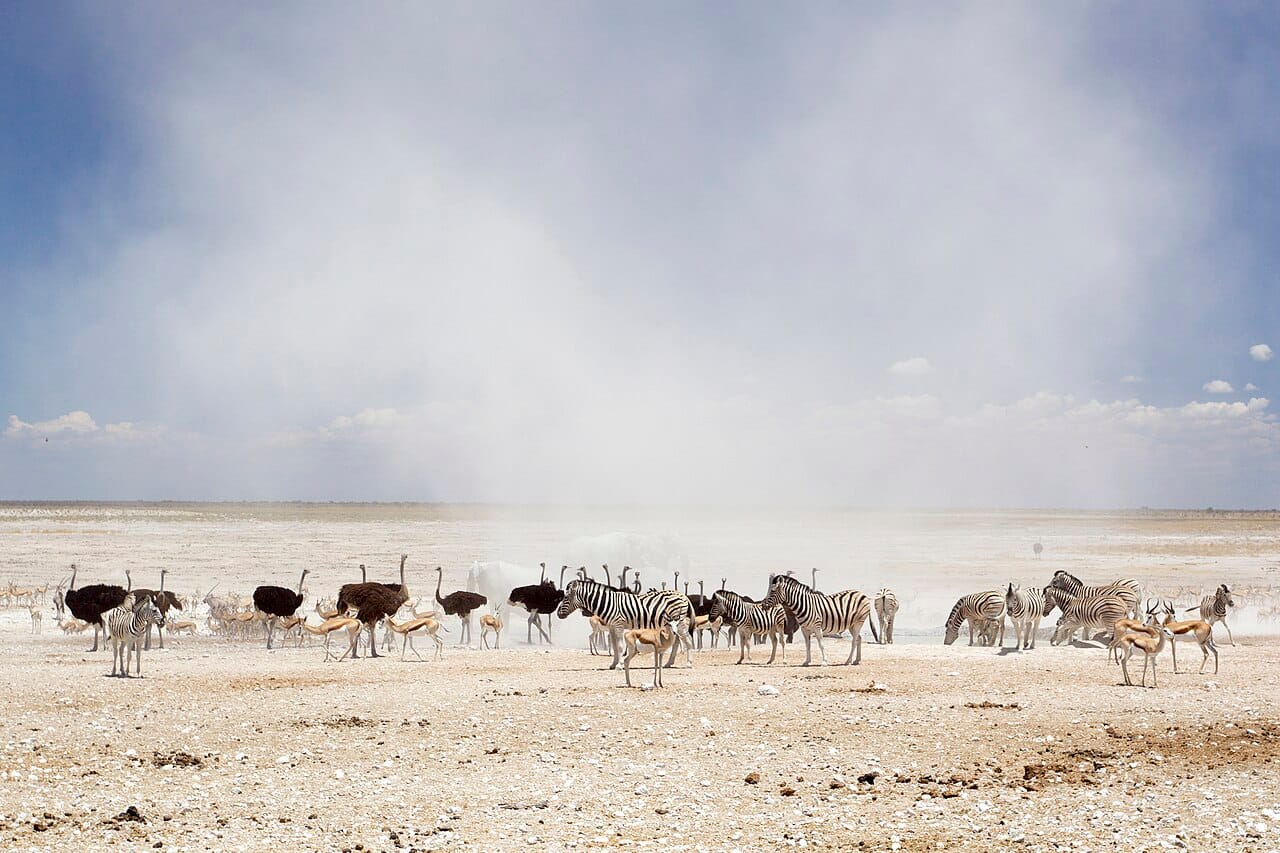
Namibia is overwhelmingly dry, dominated by two deserts: the ancient Namib along the Atlantic coast, with its towering red dunes at Sossusvlei among the highest in the world, and the Kalahari in the east. Between and beyond them lie semi-arid savanna and rugged highlands, and in the south the vast Fish River Canyon, one of the largest canyons on Earth. The cold Atlantic current shrouds the shore, the Skeleton Coast, in fog, and the country is one of the least densely populated on the planet.
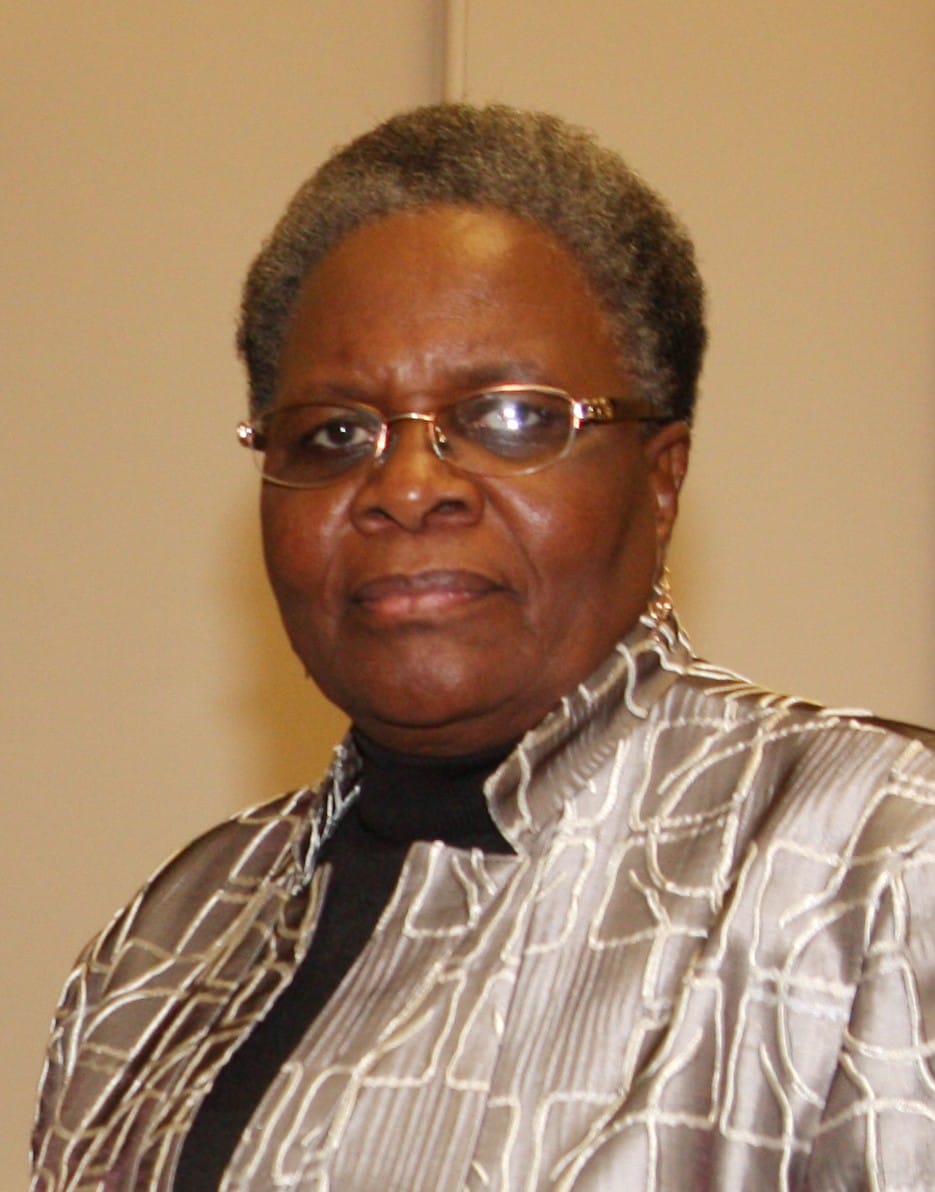
Namibia is a stable multiparty democracy that has been governed since independence by SWAPO, the movement that led the liberation struggle. In 2024 the party's candidate, Netumbo Nandi-Ndaitwah, a veteran of that struggle and long a senior figure in government, won the presidency, and in 2025 she was sworn in as Namibia's first woman head of state, extending SWAPO's long hold on power. Her government faces the enduring challenges of one of the most unequal societies in the world, a legacy of the colonial and apartheid past, with high unemployment and stark disparities of wealth and land ownership alongside the country's mineral riches.
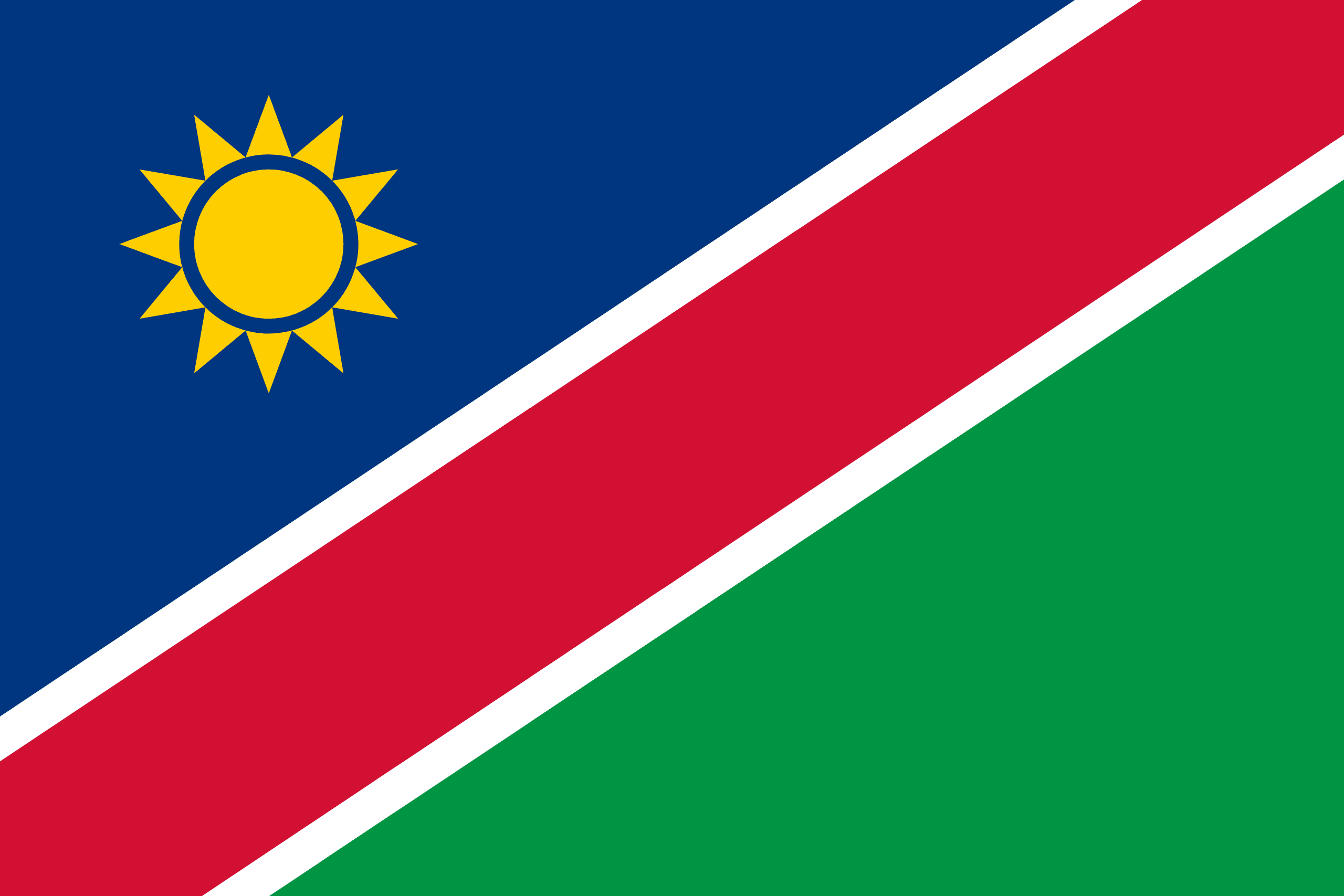
The flag of Namibia is crossed diagonally by a broad red band edged in white, dividing a blue triangle in the upper hoist from a green one in the lower fly, with a golden sun in the blue. The red represents the country's people and their determination, the white peace and unity, the blue the sky and the Atlantic and the importance of water, the green the vegetation and farming, and the golden sun life and energy in this sun-baked land.
Namibia is a predominantly Christian country, the result of German and other missionary activity, with the largest group being Lutherans, reflecting the German connection, alongside Roman Catholics and other Protestants. Traditional African beliefs, with their reverence for ancestors, remain influential among some communities and are sometimes blended with Christianity. Religion plays an important role in Namibian society, and the country is generally marked by tolerance among its various faiths and peoples.
Namibian cuisine reflects a meat-eating, cattle and game herding culture, along with German colonial influences. Meat is central, including beef and the game for which the country is known, often dried into the cured snack known across the region as biltong, or grilled. A distinctive legacy of the German era is a tradition of sausage-making, bread, and beer. Among indigenous communities, hearty porridges of millet or maize, served with meat or relishes, are the everyday staple.
Agriculture in Namibia is shaped and limited by the extreme dryness of the land. Most farming is the raising of livestock, cattle in the wetter north and sheep, especially the karakul breed valued for its pelts, and goats in the drier south, on vast ranches. Crop farming, mainly of millet and maize, is confined to the better-watered north. Far more valuable to the economy are the country's minerals, above all diamonds, much of them mined from the coastal sands, as well as uranium, and its rich Atlantic fisheries.
More than a century after the killing of the Herero and Nama, how to atone for it remains a live and painful dispute. For decades Germany avoided the word genocide, but in 2021, after long negotiations with the Namibian government, it officially recognised the atrocities as genocide, offered a formal apology, and pledged around 1.1 billion euros in development aid to affected communities over thirty years. Germany presented this as a gesture of reconciliation and healing.
Many Herero and Nama, however, rejected the deal. They objected that it was negotiated between the two governments over their heads, without a proper seat at the table for the descendants of the victims; that the money was framed as voluntary aid rather than legal reparations, and would flow through the Namibian state rather than directly to their communities; and that the sum was insufficient for so vast a crime. The dispute is entangled with the unresolved question of land, for the descendants of the dispossessed remain largely landless while much of the country's farmland is still held by the descendants of settlers. Whether justice has been done, or even begun, is fiercely contested. This account records the dispute as it stands.
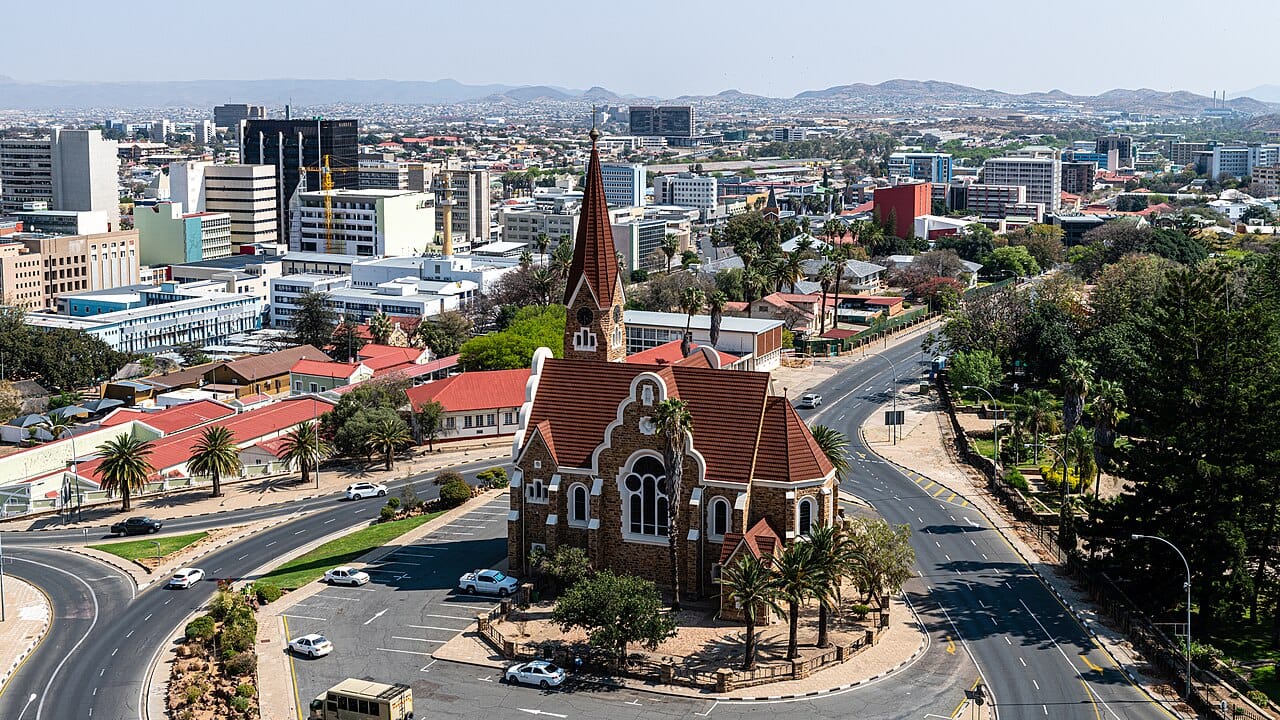
Namibia has a population of around 2.6 million people in a very large country, making it one of the most sparsely populated nations on Earth. Its people belong to several ethnic groups, the largest being the Ovambo of the north, along with the Herero, Nama, Damara, the San, and a small community of German descent, speaking many languages with English as the official tongue. The population is concentrated in the wetter north and in the capital, Windhoek, in the central highlands.