Myanmar, also known as Burma, is the largest country in mainland Southeast Asia, set between India, China, and Thailand on the Bay of Bengal. A land of great rivers, tropical forests, and thousands of Buddhist temples, it has a rich and ancient civilisation. After decades of isolation under military rule, it remains one of the region's more troubled nations, marked by political upheaval and conflict among its many peoples.
Myanmar's history is one of powerful kingdoms centred on the Irrawaddy River, of British conquest, and of a modern age dominated by war and military rule.
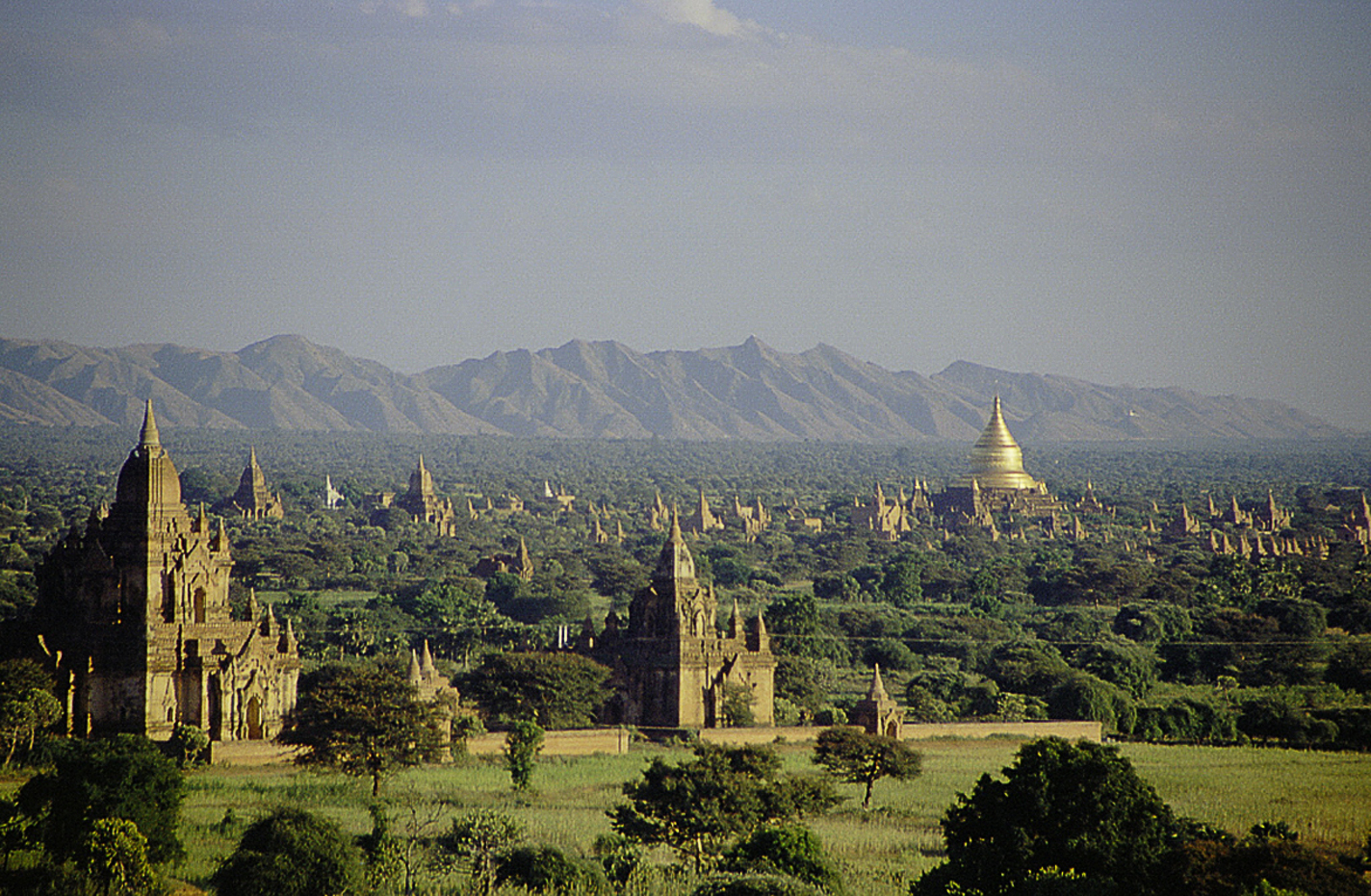
From around the eleventh century the kingdom of Bagan united much of the country and became a great centre of Theravada Buddhism, its kings raising thousands of temples and pagodas across a single plain. That astonishing landscape of shrines, much of it still standing, remains one of the wonders of Asia.
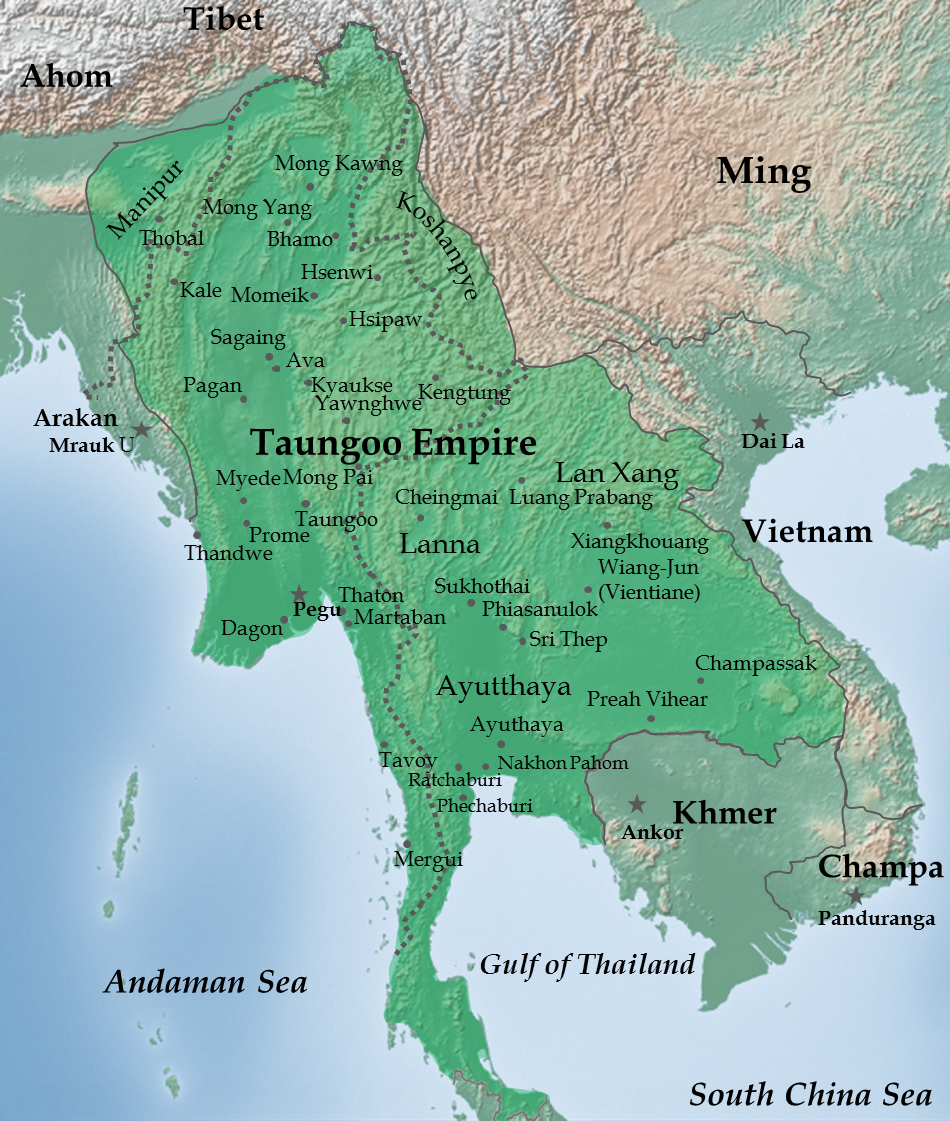
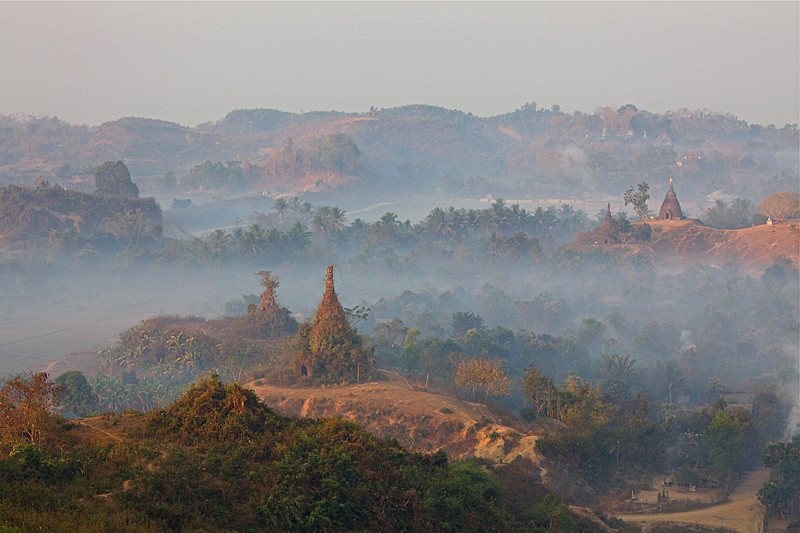
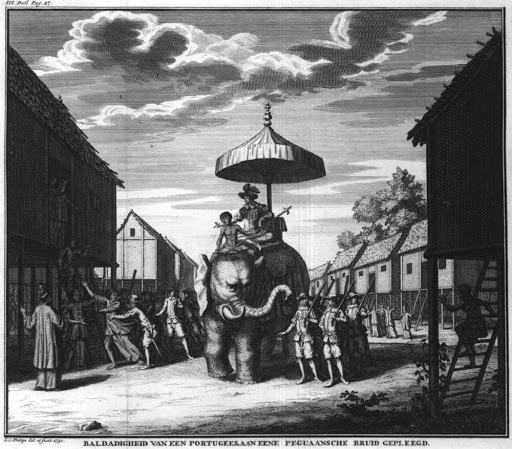
After Bagan fell, the country broke into rival kingdoms of the Burmans, the Mon, the Rakhine, and the Shan, before powerful dynasties such as the Toungoo and Konbaung once again built large empires. This was an age of shifting borders, of wars with Siam and China, and of the first contact with European traders and adventurers.
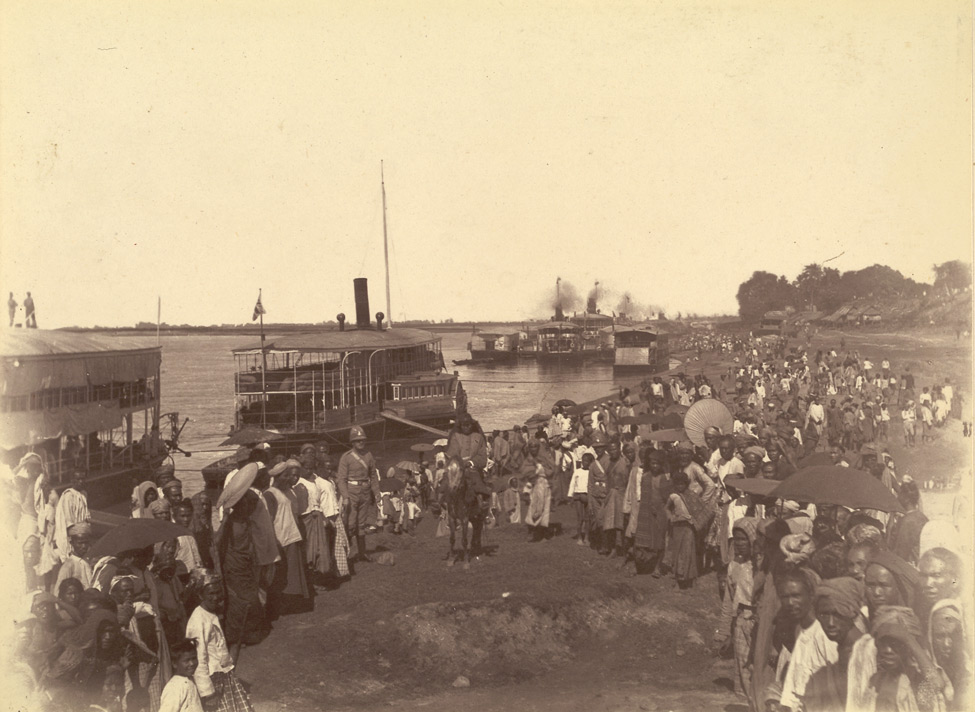
In the nineteenth century the British conquered the country in a series of wars, deposing the last king in 1885 and making Burma a province of their Indian empire. Colonial rule reoriented the economy around rice exports and brought in large numbers of Indian migrants, changes that stirred lasting tensions.
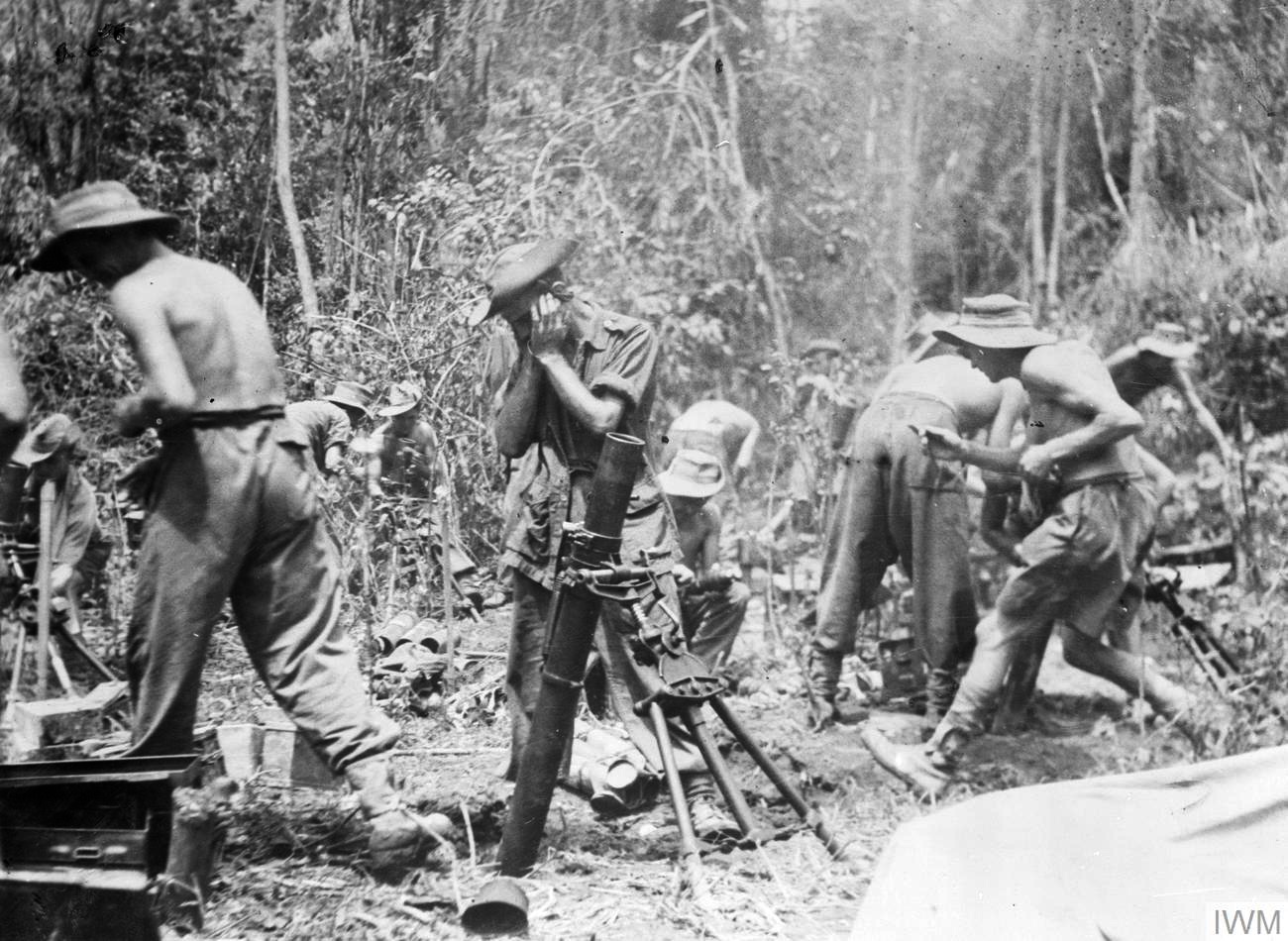
Burma was a terrible battleground in the Second World War, fought over by Japanese and Allied armies. It won independence in 1948, but the new nation was soon torn by insurgencies among its many peoples and, from 1962, fell under decades of isolating military rule.
Myanmar is shaped by the Irrawaddy River, which flows the length of the country from the northern mountains to a vast delta on the Bay of Bengal. Forested highlands and ranges, home to many ethnic peoples, ring a central lowland of rice fields and historic cities. The north reaches into the eastern Himalayas, while the long coastline and the fertile delta have made the country, historically, one of the great rice-growing regions of Asia.
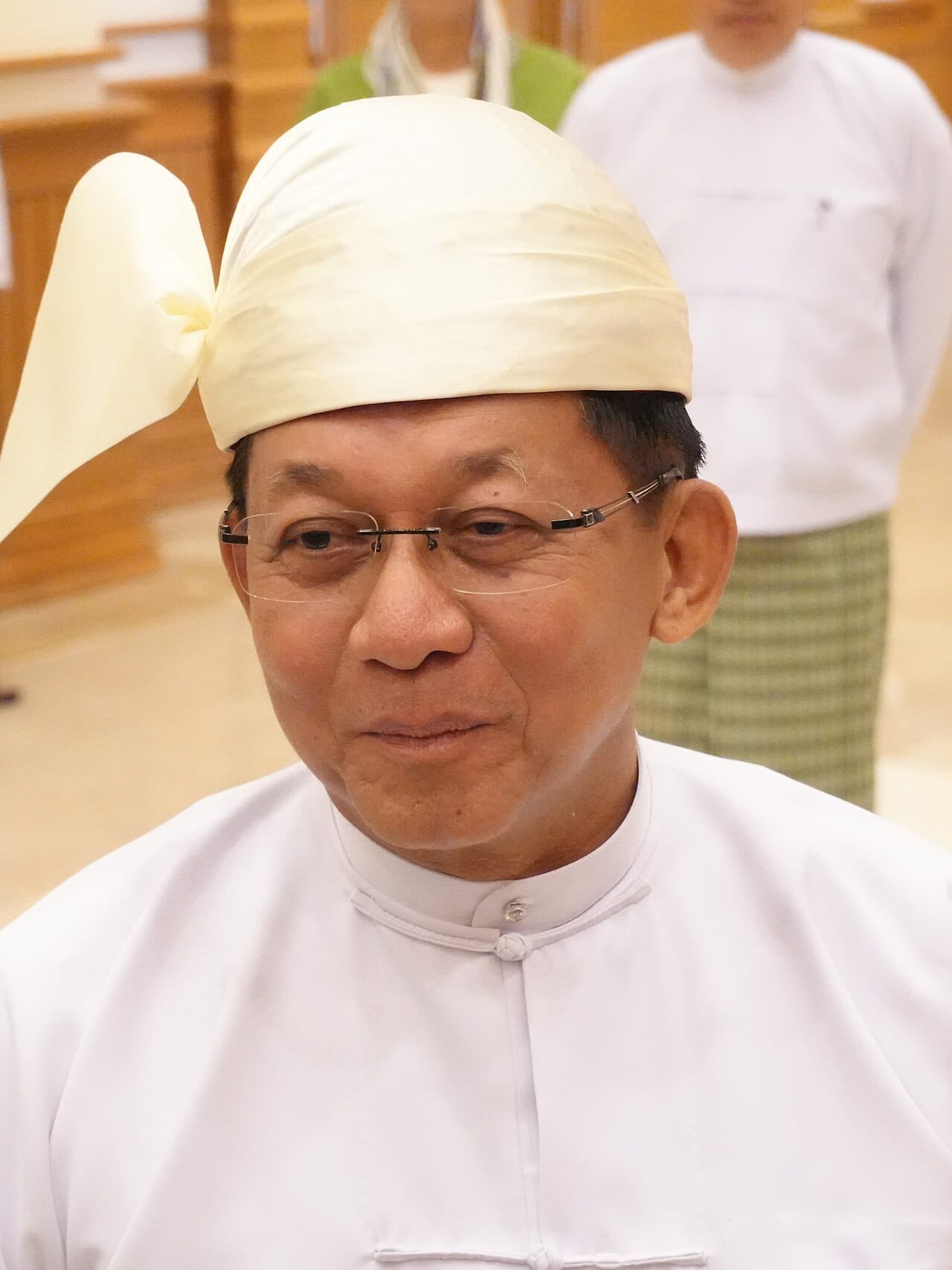
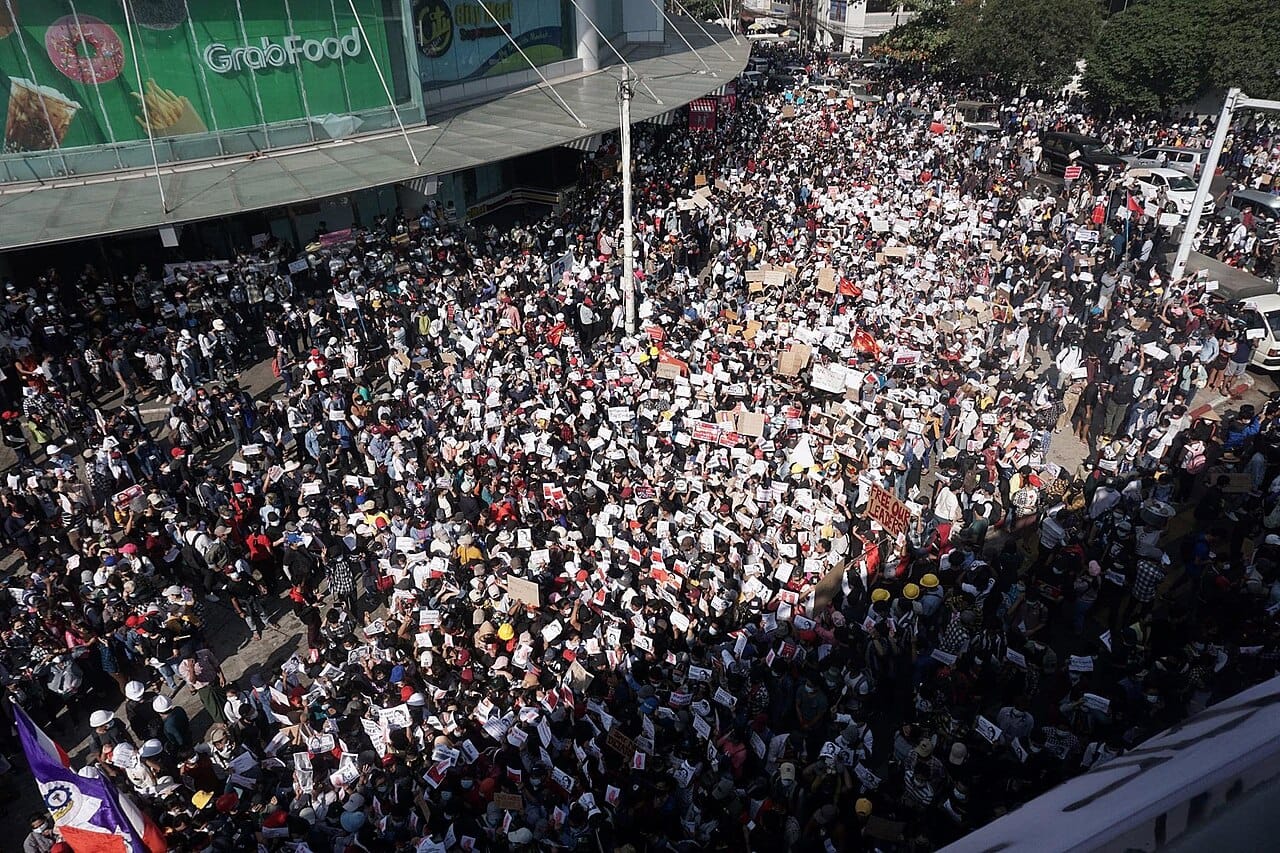
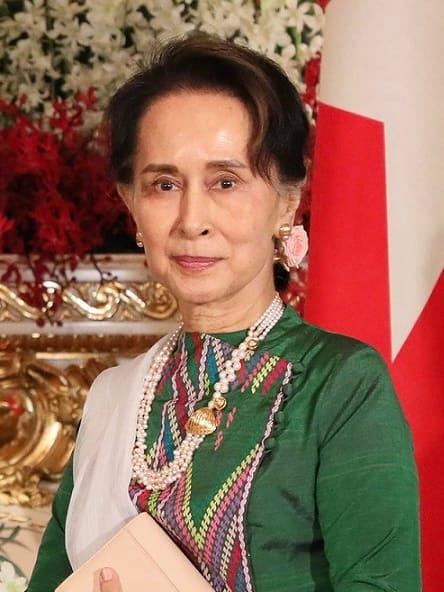
Myanmar has been dominated by its armed forces for most of its independent history. A cautious opening in the 2010s allowed the party of Aung San Suu Kyi, a long-imprisoned pro-democracy leader and Nobel laureate, to win elections and form a government, though the military kept sweeping powers written into the constitution. In February 2021 the army seized full control in a coup, detaining Aung San Suu Kyi and reversing the democratic transition. The takeover was met with mass protest and then armed resistance. In 2026, after tightly controlled elections widely dismissed by opponents, the coup leader, Min Aung Hlaing, formally assumed the presidency at the head of a nominally civilian government, even as much of the country lay beyond its control.
Myanmar is one of the poorer countries of Asia, its economy still resting heavily on farming, above all rice from the Irrawaddy delta, along with beans and pulses, teak timber, and rich deposits of jade, gems, natural gas, and other minerals. A brief opening in the 2010s drew foreign investment and hope of rapid growth, but the 2021 coup and the war that followed have battered the economy, cut off much foreign aid and investment, and driven many people into hardship. China remains its most important economic partner.
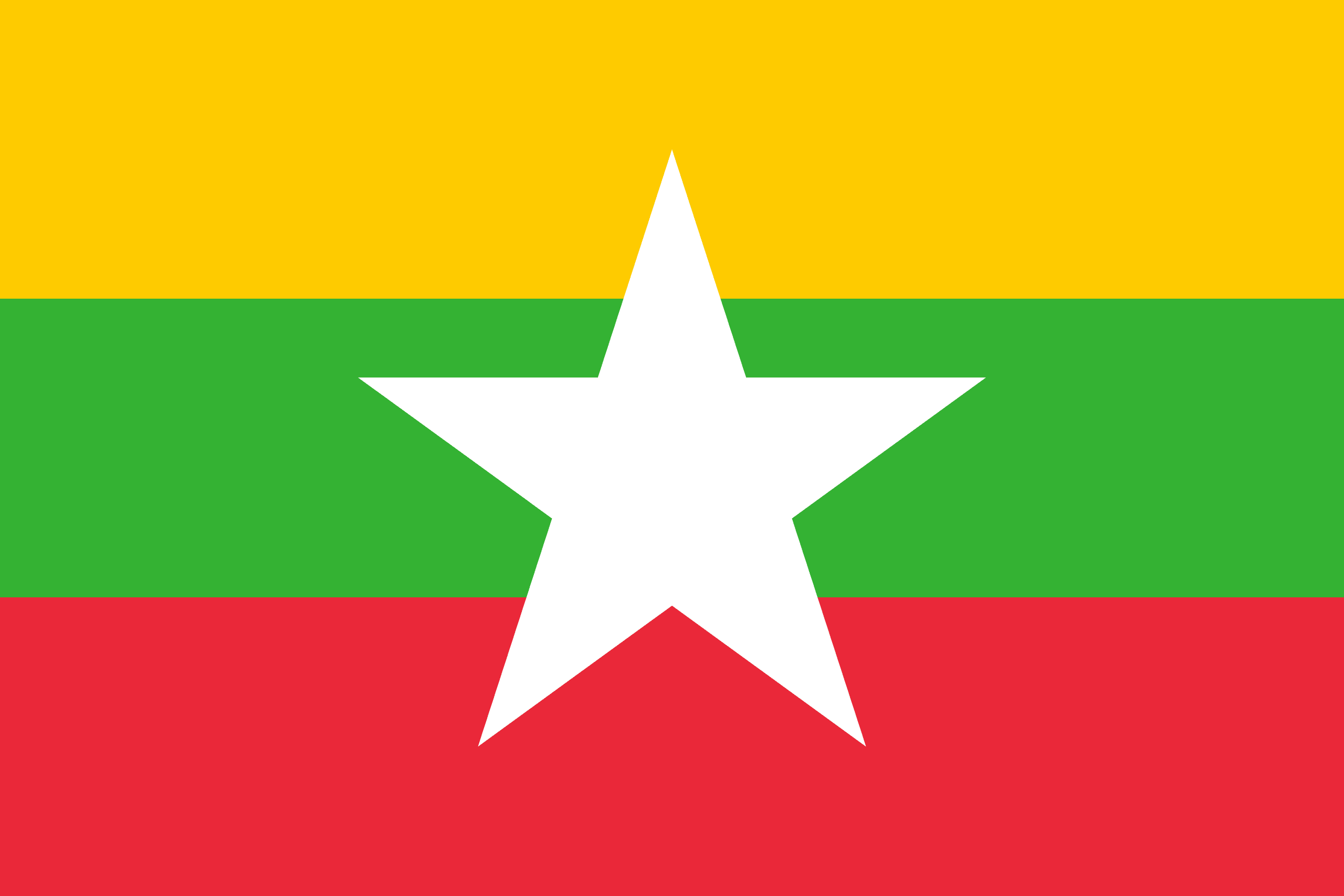
The flag of Myanmar has three horizontal bands of yellow, green, and red, with a large white five-pointed star in the centre. Adopted in 2010, its colours are said to represent solidarity, peace and the lush land, and courage, while the white star stands for the union of the country. The flag replaced an earlier socialist-era design, marking a change in the symbols of a nation that has often changed its rulers.
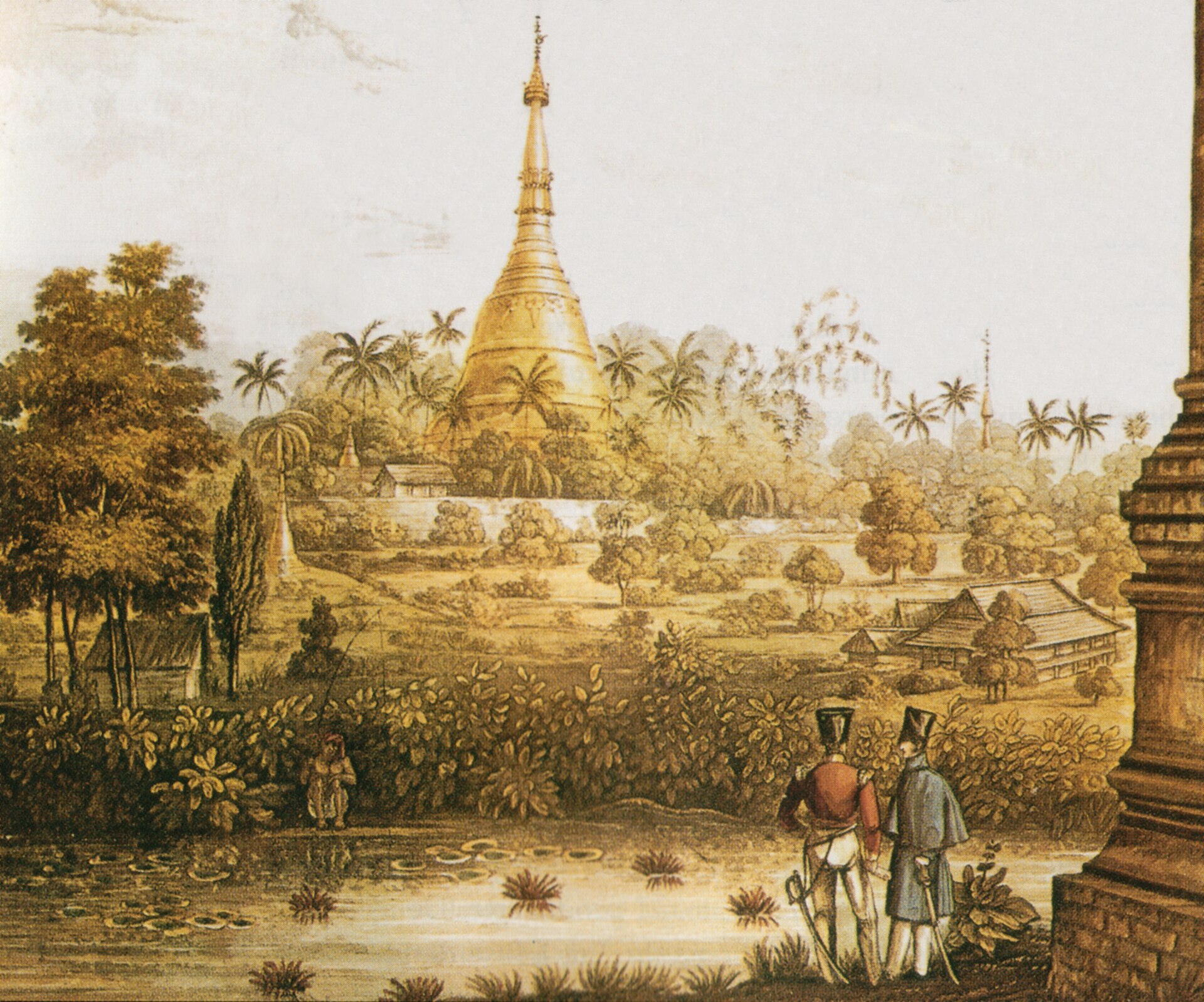
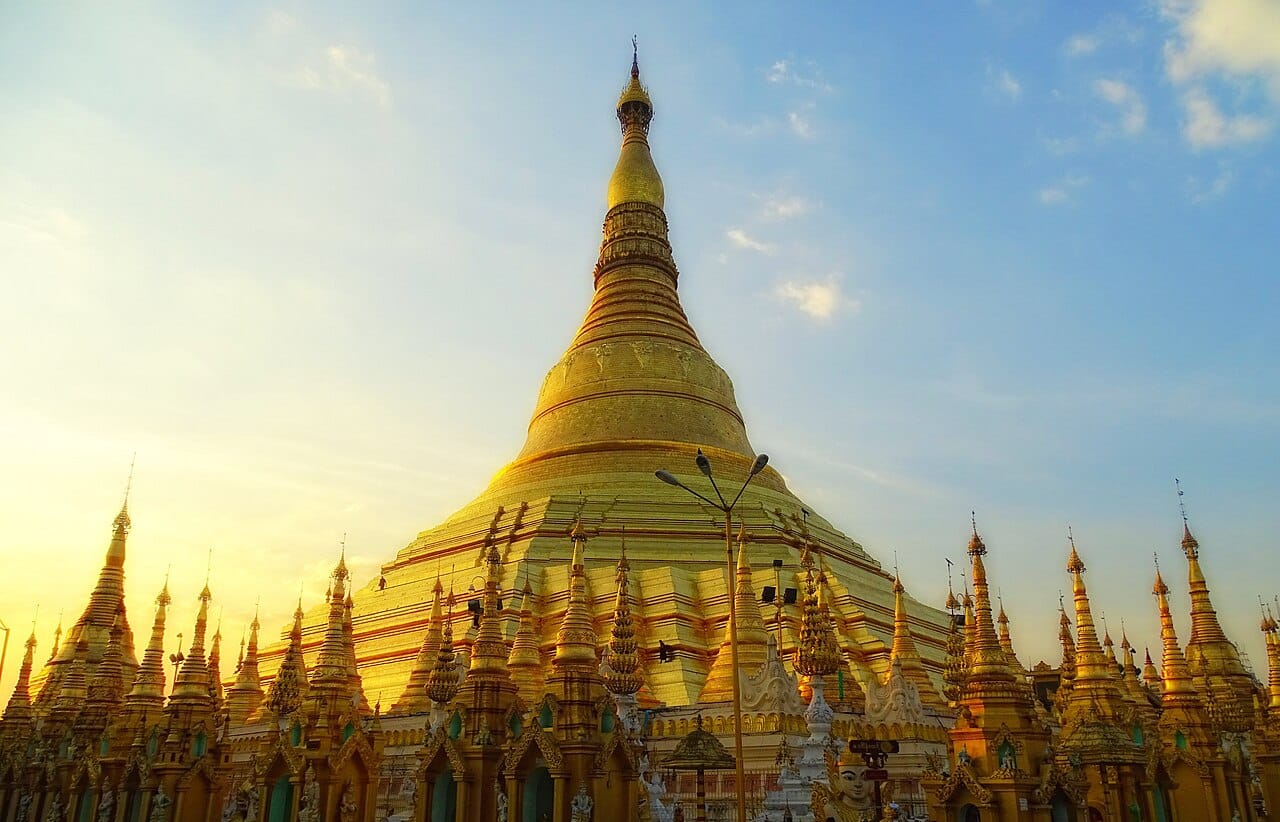
Myanmar is one of the most devoutly Buddhist countries in the world, with the great majority following the Theravada tradition that shapes daily life, the landscape of gilded pagodas, and the saffron-robed monks who are deeply respected. Its supreme shrine is the Shwedagon Pagoda in Yangon, a vast gilded stupa said to enshrine relics of the Buddha. Buddhist festivals and merit-making are woven into the calendar. The country is also home to Christian, Muslim, and Hindu minorities, and tensions between religious and ethnic communities have at times turned to serious conflict.
Burmese cuisine draws on its neighbours in India, China, and Thailand while keeping a character all its own. Rice is the staple, eaten with a variety of curries milder than those of India, and soups. The unofficial national dish is mohinga, a fish-based noodle soup eaten for breakfast, and a distinctive speciality is lahpet, a salad of fermented tea leaves, an unusual dish that reflects the country's old tradition of consuming, not just drinking, tea.
Agriculture is the foundation of Myanmar's economy, employing a large share of its people, with rice by far the most important crop. The fertile Irrawaddy delta once made the country the world's leading exporter of rice, and although decades of isolation reduced its output, farming remains central. Pulses and beans are major exports, and the country is also a traditional source of fine teak timber from its forests.
Burmese culture is shaped above all by Theravada Buddhism, expressed in its pagodas, its monasteries, and the custom by which most boys spend a period as novice monks. It is a land of gold leaf and lacquerware, of classical dance and puppetry, and of the thanaka paste that women and children wear on their faces against the sun. Yet Myanmar is not one people but many: the majority Bamar share the country with dozens of ethnic groups, and that diversity, rich in culture, has also been at the heart of its long conflicts.
Myanmar's recent history is dominated by conflict and grave human suffering. The military coup of February 2021 overturned an elected government and detained its leaders, and the resistance it provoked has grown into a wide civil war, fought between the army, a pro-democracy opposition, and long-established ethnic armed groups. By the mid-2020s the military was estimated to control only part of the country, and millions of people had been displaced.
The most internationally condemned episode is the fate of the Rohingya, a Muslim minority in western Rakhine State. In 2017 a military campaign drove more than seven hundred thousand Rohingya across the border into Bangladesh amid killings, burnings, and other atrocities. United Nations investigators and many governments have described these acts as ethnic cleansing, and some as genocide, and international courts have taken up the case, while Myanmar's authorities have rejected that characterisation. The plight of the Rohingya and the wider civil war remain among the gravest humanitarian crises in the world, and they are written about here as a matter of documented record.
Myanmar has a population of around 54 million people, made up of the majority Bamar, or Burmese, and a great many ethnic minorities living mainly in the hills and borderlands, including the Shan, Karen, Rakhine, and others, several of whom have long sought greater autonomy. This diversity has been a source of both cultural richness and persistent conflict. The largest city is Yangon, while the military built a new capital, Naypyidaw, in the interior.