Mozambique is a country in southeastern Africa with a long coastline on the Indian Ocean, facing the island of Madagascar across a wide channel. For centuries its shores were part of the Swahili trading world, linking Africa to Arabia and India, before becoming a Portuguese colony for some five hundred years. Independent since 1975, it endured a long civil war and remains one of the poorer nations of the region, though recent discoveries of natural gas hold promise.
Mozambique's history is one of a great trading coast, five centuries of Portuguese rule, and a hard-won independence followed by a ruinous civil war.
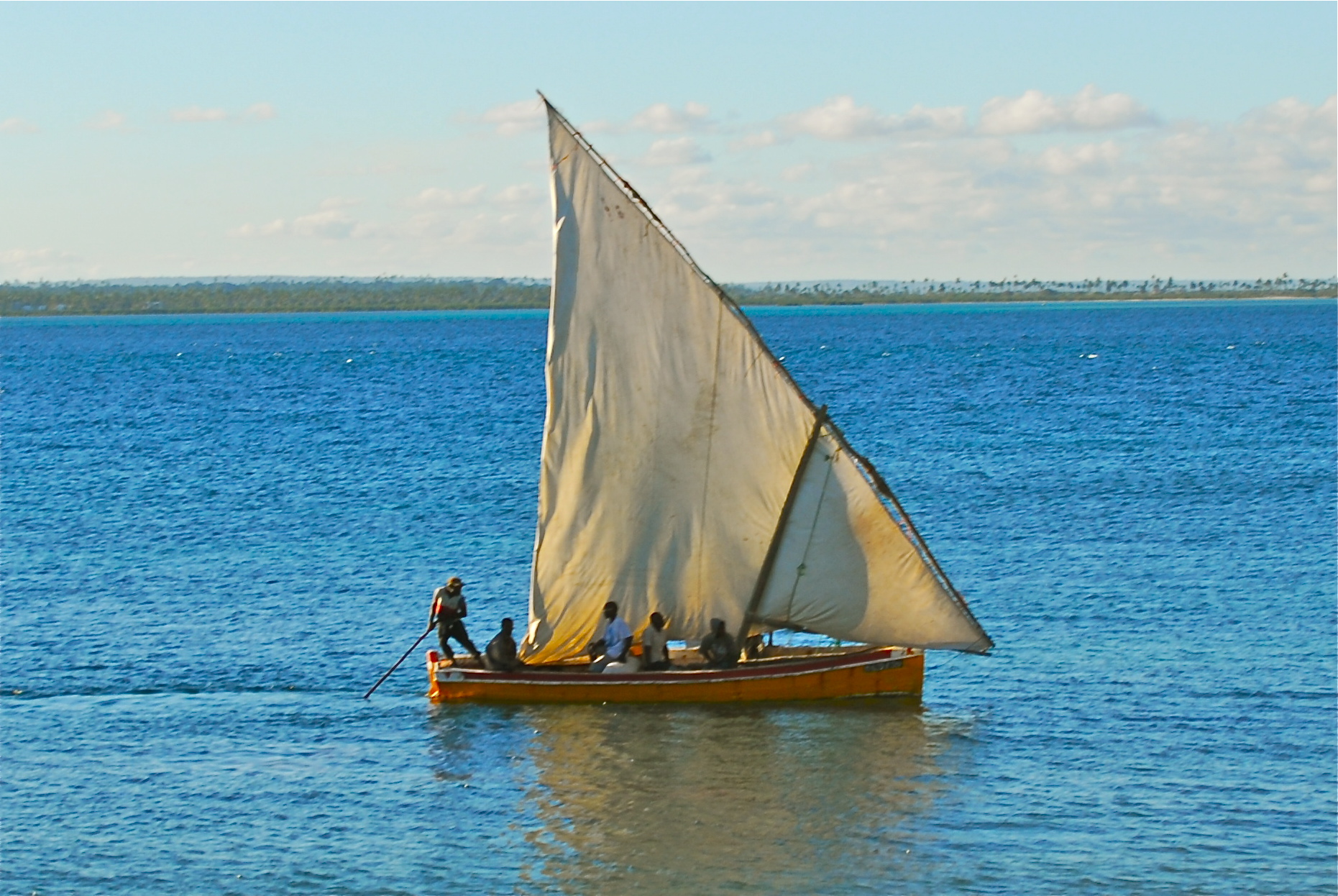
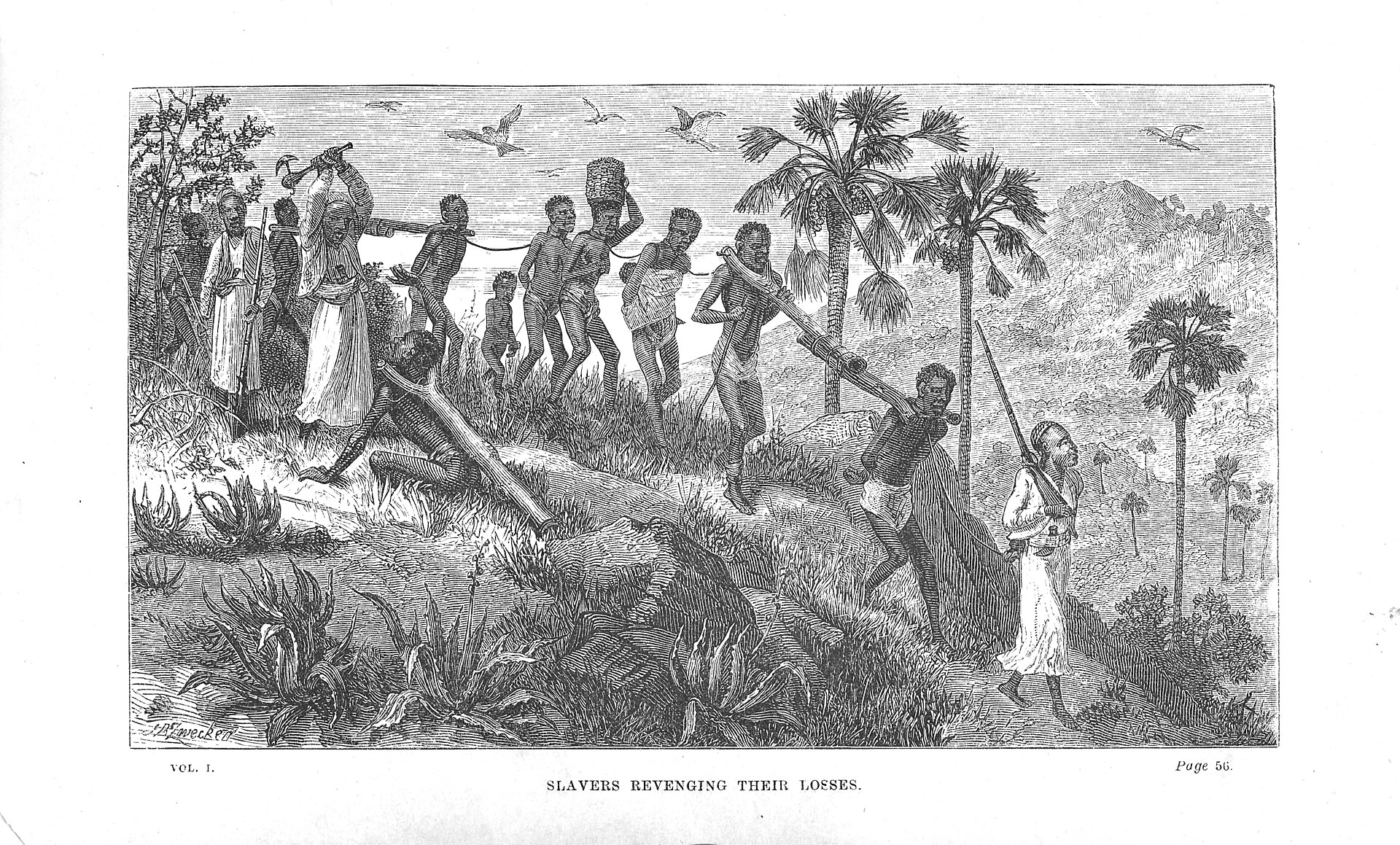
For centuries the shores of Mozambique were a vital link in the Indian Ocean trade, where Swahili and Arab merchants exchanged the gold and ivory of the African interior, much of it flowing down from the empire of Great Zimbabwe, for cloth, beads, and porcelain from Arabia, India, and beyond. Sailing craft called dhows plied these waters, and a cosmopolitan, Islamic coastal culture took root. This lucrative trade later included, tragically, the export of enslaved Africans.
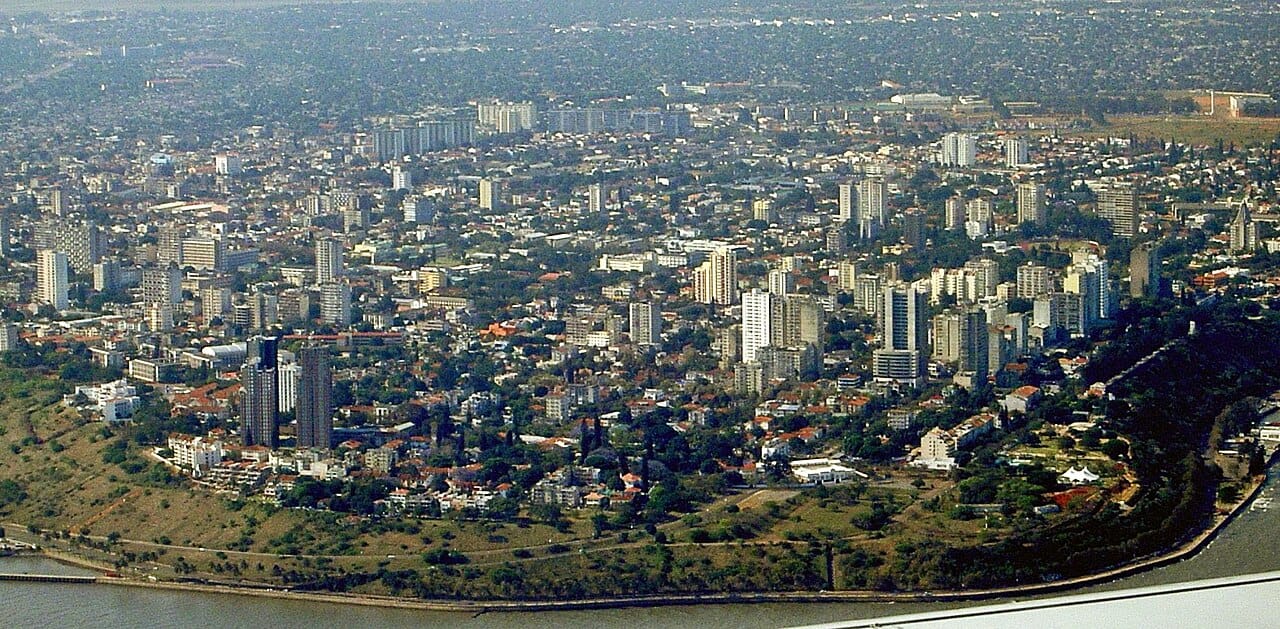
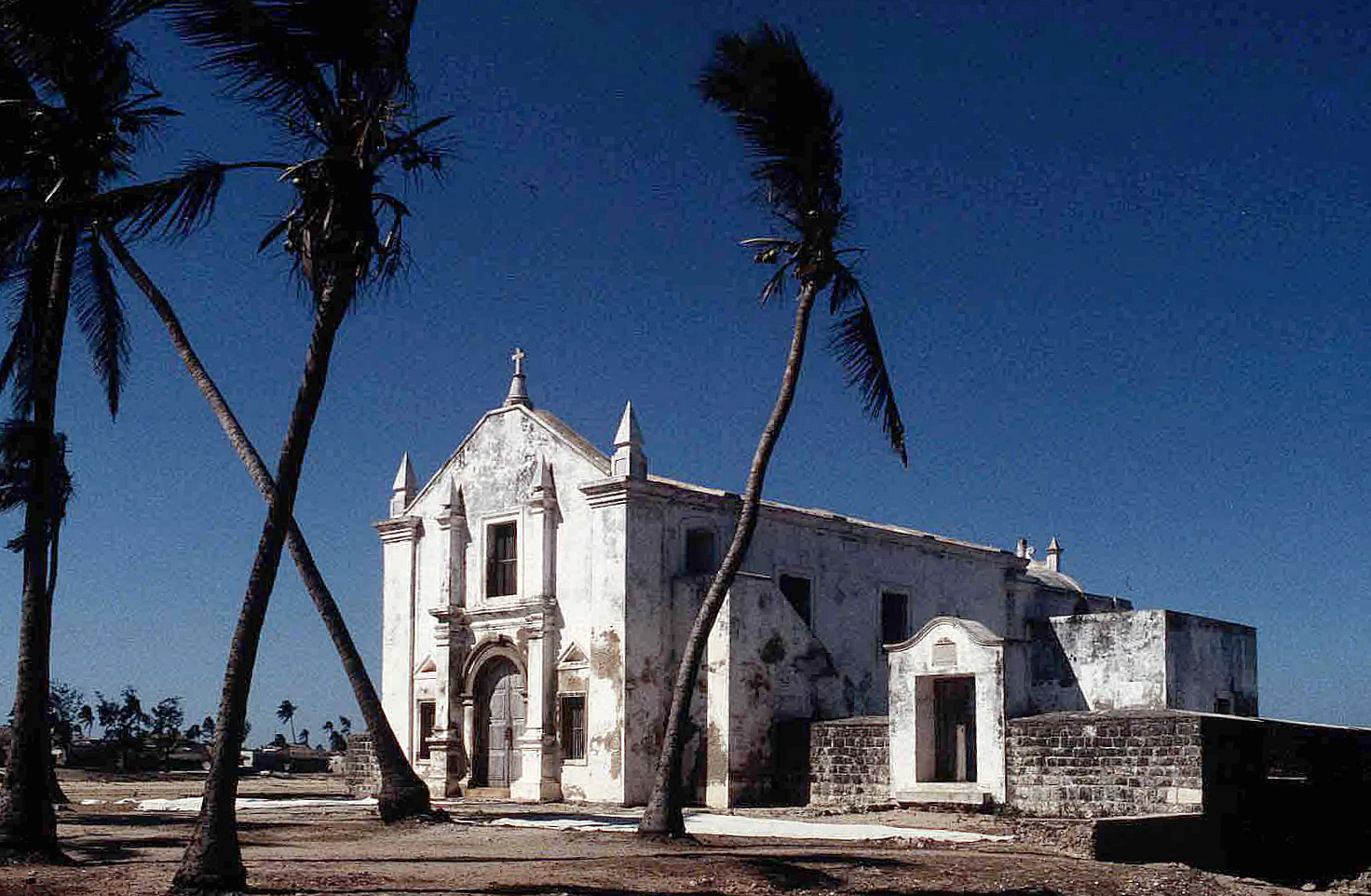
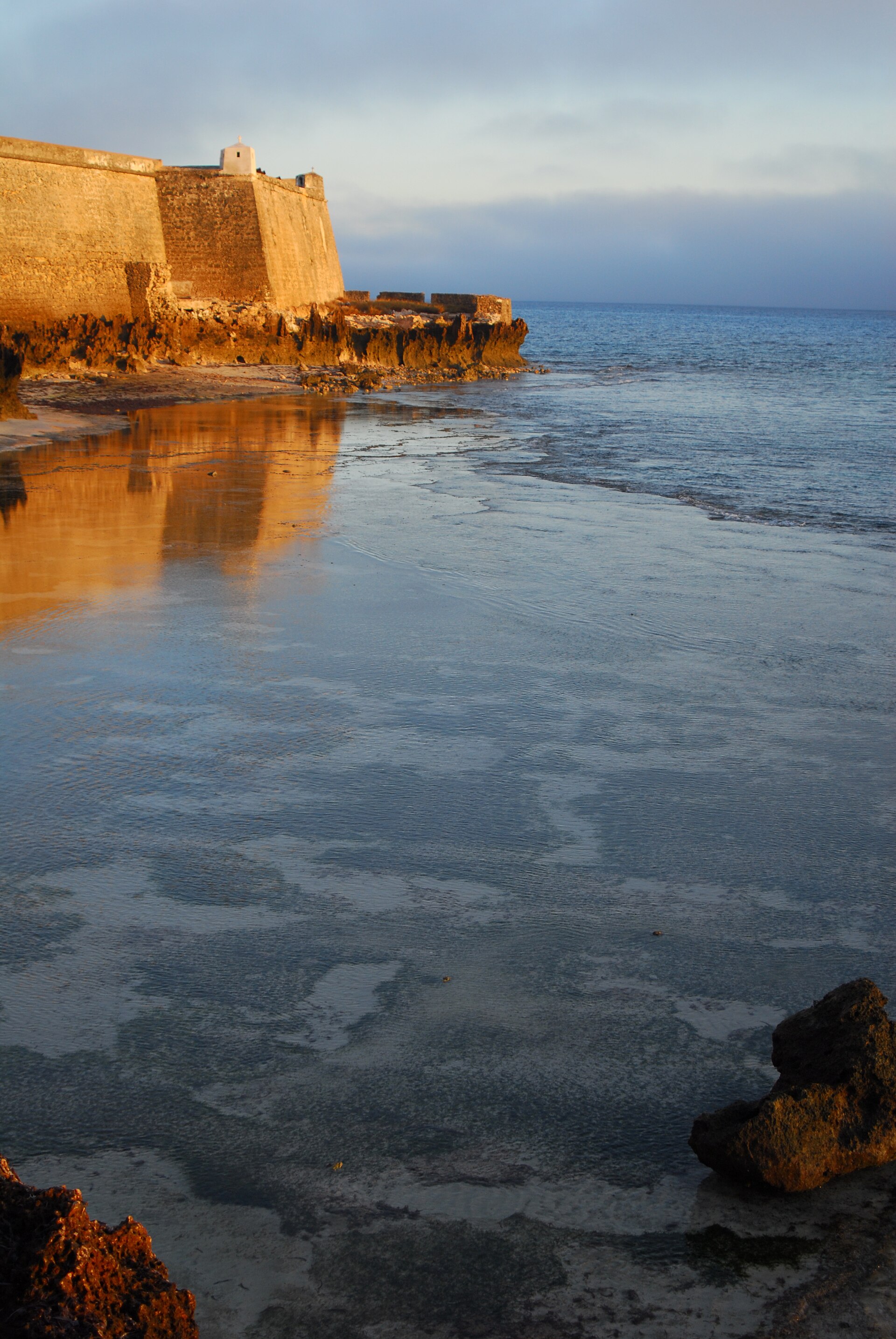
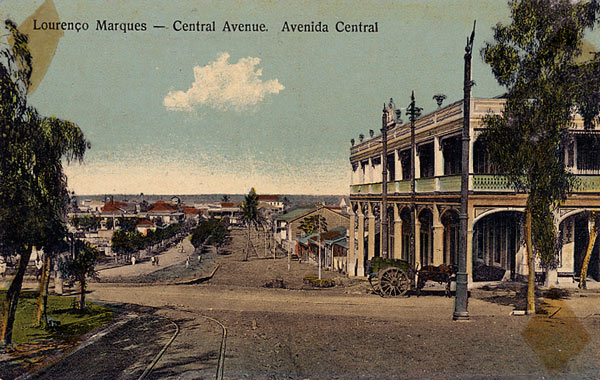
The Portuguese reached the coast around 1500 and gradually built a colony they would hold for nearly five hundred years, one of the longest colonial relationships in Africa. They ruled at first from the Island of Mozambique, a jewel of coral-stone architecture and fortresses, before shifting the capital south to Lourenco Marques, today's Maputo. Their rule rested heavily on forced labour and plantation agriculture.
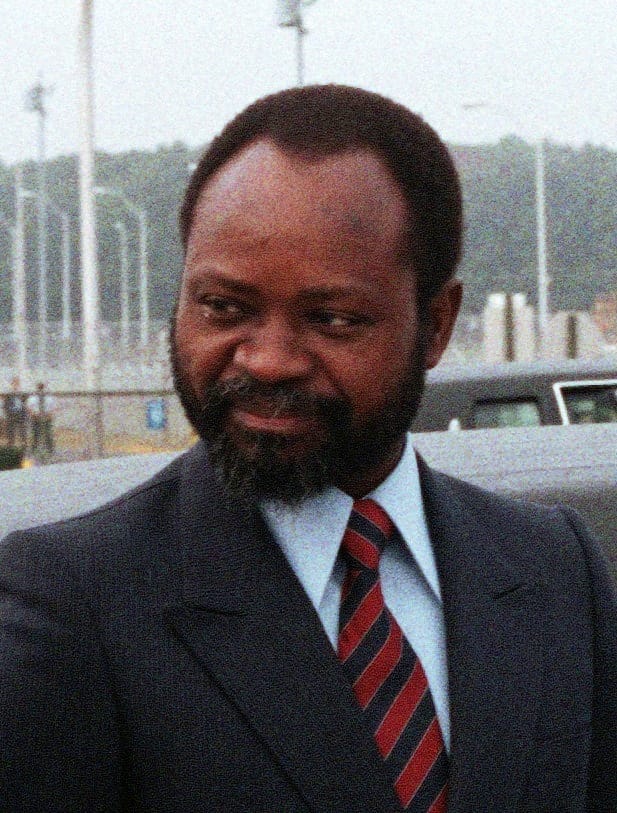
After a long armed liberation struggle, Mozambique won its independence in 1975 under the FRELIMO movement, led by the charismatic Samora Machel, who became its first president. But independence was almost immediately swallowed by a brutal civil war between the Marxist FRELIMO government and the RENAMO rebels, backed by white-ruled Rhodesia and South Africa, a conflict that killed around a million people and shattered the country before peace finally came in 1992.
Mozambique stretches along the Indian Ocean for some 2,500 kilometres, giving it one of the longest coastlines in Africa, fringed with beaches, coral reefs, and islands. Inland, low coastal plains rise to plateaus and highlands toward the western borders. The great Zambezi River crosses the country on its way to the sea. This warm, watered landscape is vulnerable to cyclones sweeping in from the Indian Ocean and to periodic flooding of its rivers.
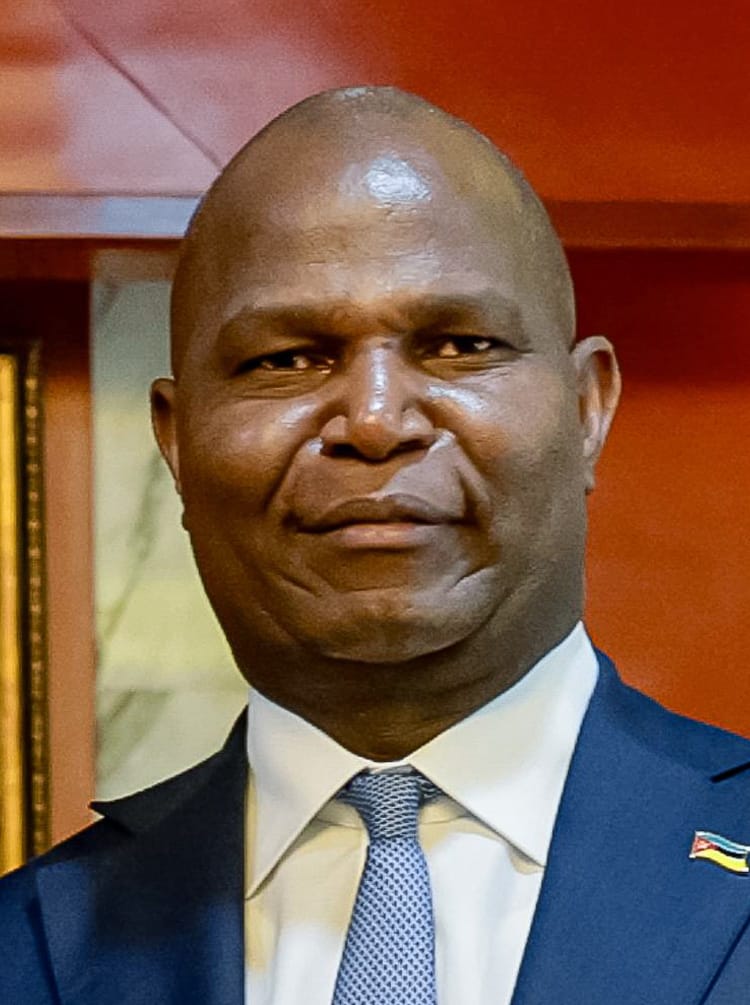
Mozambique is a presidential republic that has been governed since independence by a single party, FRELIMO, which turned from Marxism to the market but never relinquished power. The president since 2025 is Daniel Chapo, whose election laid bare the strains in that long dominance: the official result, giving FRELIMO a sweeping victory in the 2024 vote, was rejected as fraudulent by the opposition and its charismatic candidate, touching off the worst protests in the country's post-war history, in which security forces killed hundreds of demonstrators. The gap between FRELIMO's grip on power and a restless, disillusioned population has become the central tension of Mozambican politics.
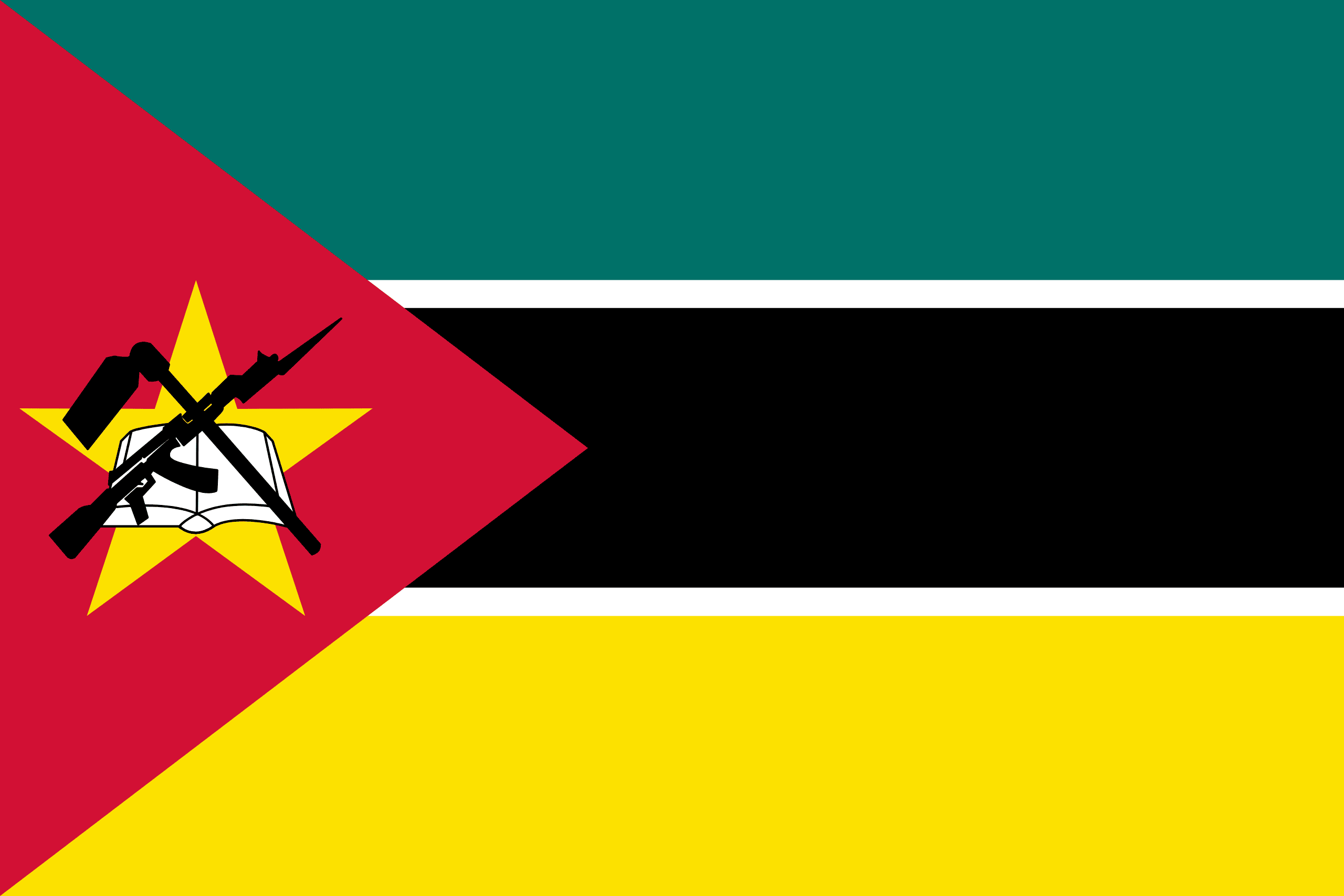
The flag of Mozambique is one of the most distinctive in the world, the only national flag to feature a modern rifle. It has green, black, and yellow horizontal bands separated by white stripes, with a red triangle at the hoist bearing a star, a book, a hoe, and a crossed automatic rifle. These represent education, agriculture, and defence, while the colours stand for the land, the African continent, mineral wealth, and the struggle for independence.
Mozambique is religiously diverse. Christianity, brought by the Portuguese, is the largest faith, divided among Catholics and various Protestant churches, while Islam is strongly established along the northern coast, a legacy of the centuries of Indian Ocean and Swahili trade. Traditional African beliefs remain widespread, often practised alongside the world religions. This blend of faiths reflects the country's position at a meeting point of African, Arab, and European worlds.
Mozambican cuisine is among the most distinctive in Africa, shaped by the meeting of African ingredients with Portuguese, Arab, and Indian influences along the spice routes. It is famous for its bold use of chili in the fiery peri-peri sauce, served most memorably with grilled prawns and chicken. Cassava and maize porridges are staples, matapa is a beloved dish of cassava leaves cooked with peanuts and coconut, and the long coast provides an abundance of fresh seafood.
Agriculture is the livelihood of most Mozambicans, the great majority of it small-scale and for subsistence. Cassava and maize are the main food crops, while cashew nuts, of which the country was once a leading producer, along with sugar, cotton, and tea, are grown for export. Prawns and other seafood from the rich coastal waters are an important export too. Recurring cyclones and floods, however, regularly threaten harvests and rural livelihoods.
Mozambican culture is a rich fusion, born of the meeting of African, Arab, Portuguese, and Indian worlds along the spice routes of the Indian Ocean. It is bound together by the Portuguese language, a colonial inheritance that unites its many Bantu peoples, and expressed vividly in music and dance, above all marrabenta, the buoyant popular sound of Maputo. The country has produced celebrated artists and writers, among them the painter Malangatana and the novelist Mia Couto, and its food, famous for the fiery peri-peri chili and its abundant seafood, is one of the most distinctive in Africa. Along the northern coast, an old Swahili and Islamic culture endures, layering yet another world onto the national character.
Mozambique stands at a fraught crossroads. Off its northern coast lie some of the largest natural gas reserves ever found in Africa, a discovery that could transform one of the world's poorest countries, or become another squandered fortune, for the nation is still scarred by a scandal of secret debts run up by its own leaders. Worse, the gas-rich province of Cabo Delgado has since 2017 been ravaged by a jihadist insurgency linked to the Islamic State, which has killed thousands, driven around a million people from their homes, and stalled the giant projects meant to extract the gas. Over all this hangs the disputed election of 2024 and the deadly crackdown that followed, which shattered Mozambique's image of stability. Whether the country can secure the peace, share the coming wealth, and open up its long one-party politics are the urgent, contested questions of its future.
Mozambique has a population of around 33 million people, made up of many Bantu ethnic groups speaking a range of languages, with Portuguese serving as the official and unifying tongue. The population is young, fast-growing, and largely rural, concentrated in the fertile north and along the coast. The capital and largest city is Maputo, in the far south. Despite its natural wealth, the country remains among the poorer in the world, working to rebuild after decades of conflict.