Morocco is a country in the northwest corner of Africa, the only African nation with coastlines on both the Atlantic Ocean and the Mediterranean Sea, separated from Europe by the narrow Strait of Gibraltar. A land of the Atlas Mountains, the edge of the Sahara, and ancient walled cities, it blends Berber, Arab, and African heritage into a rich and distinctive culture, and it is among the oldest continuously ruled kingdoms in the world.
Morocco's history is a long succession of Berber and Arab dynasties, from the first Muslim kingdom to the empires that ruled Spain, down to the monarchy that reigns today.
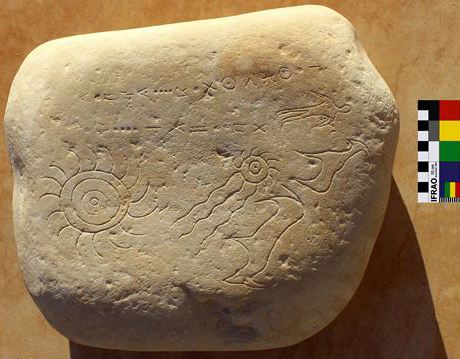
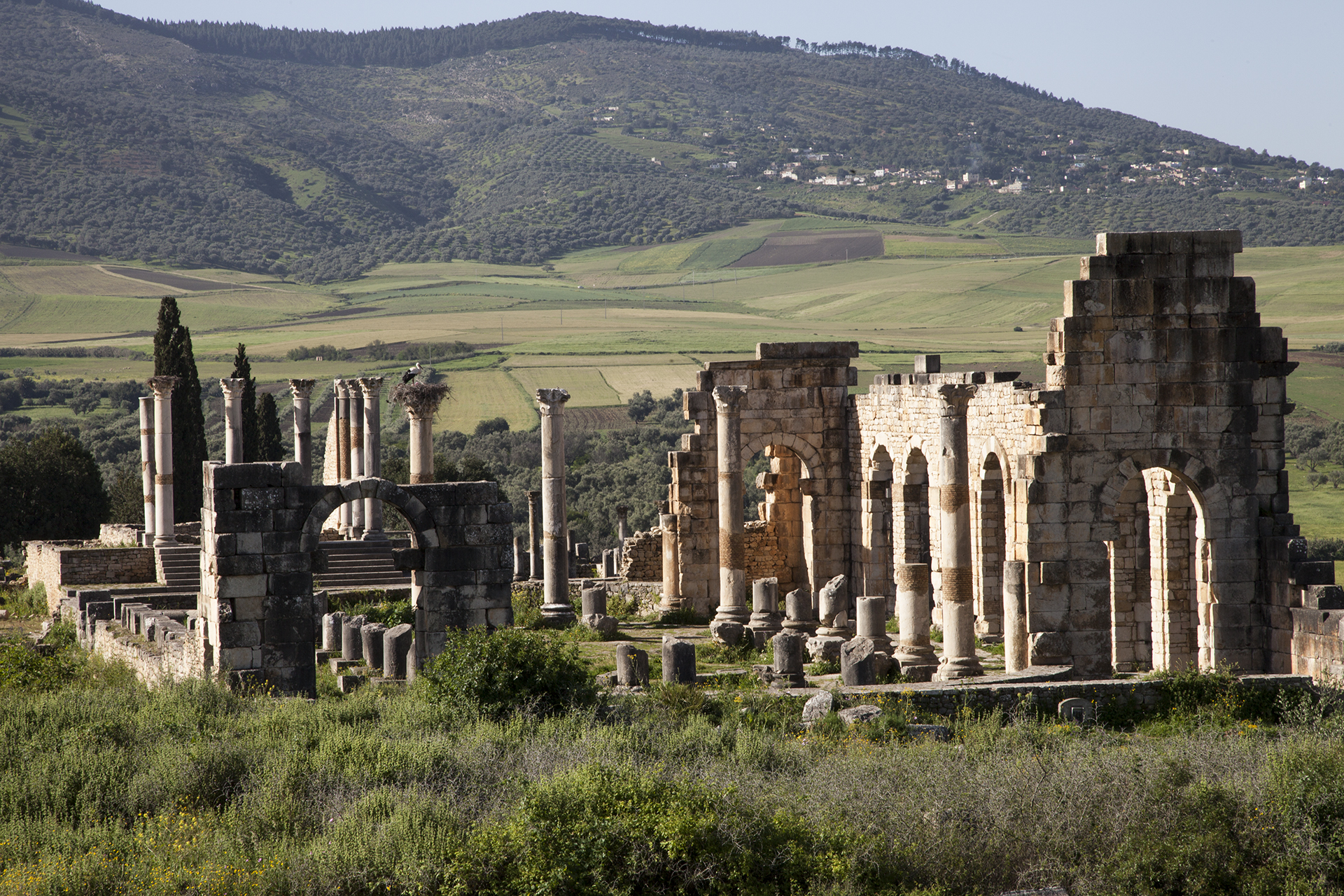
Morocco's earliest known inhabitants were the Berbers, or Amazigh, whose presence reaches deep into prehistory, recorded in ancient rock carvings and inscriptions. Phoenician traders settled the coasts, and Rome later ruled the north, leaving handsome cities such as Volubilis before the empire receded.
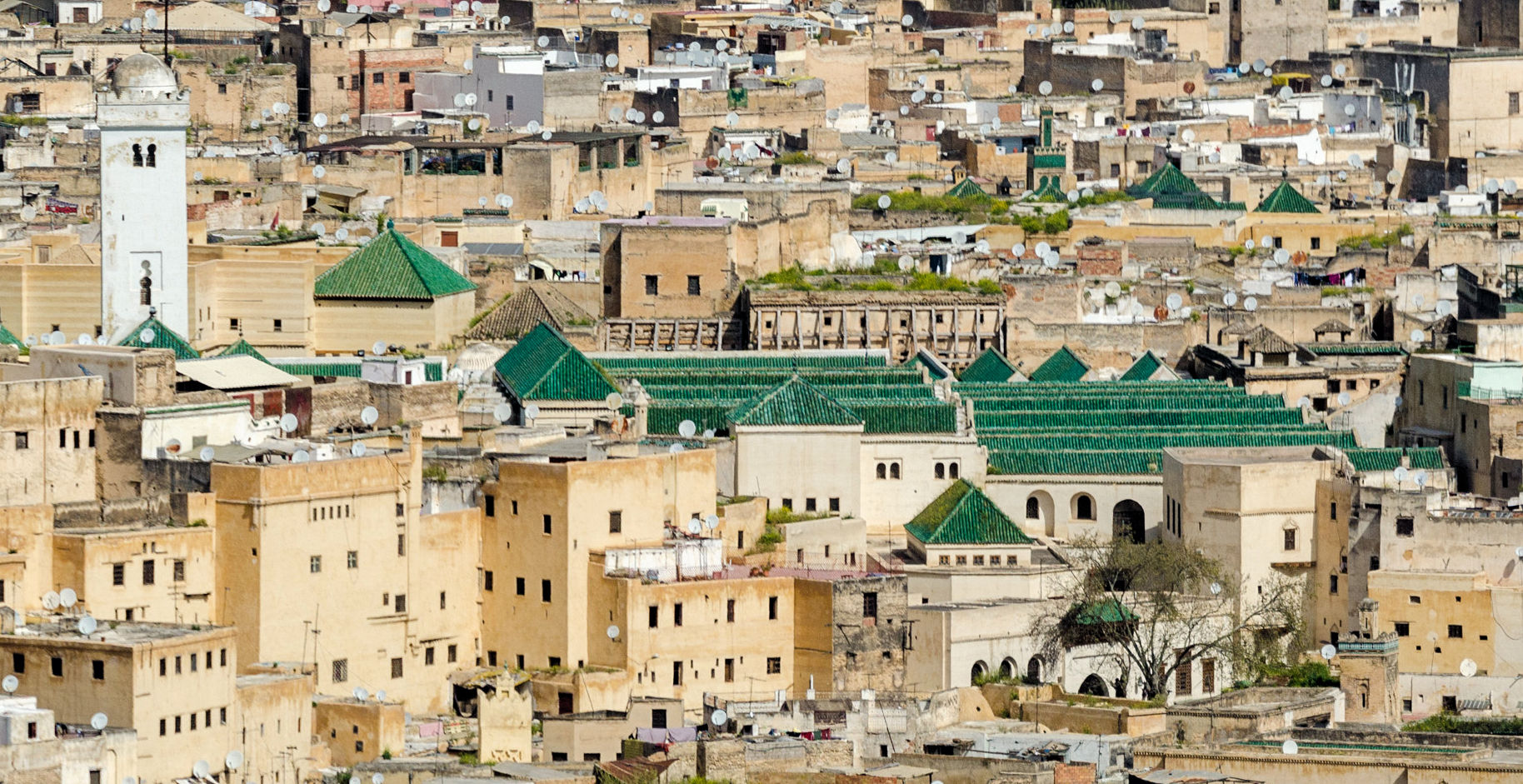
The Arab conquests of the seventh century brought Islam and the Arabic language. In the late eighth century the Idrisid dynasty founded the first Moroccan Muslim state, and Fes grew into a great centre of learning, home to al-Qarawiyyin, often called the oldest continuously operating university in the world. There followed a line of powerful Berber empires, the Almoravids and the Almohads, whose realms spanned North Africa and Muslim Spain, and then the Marinids.
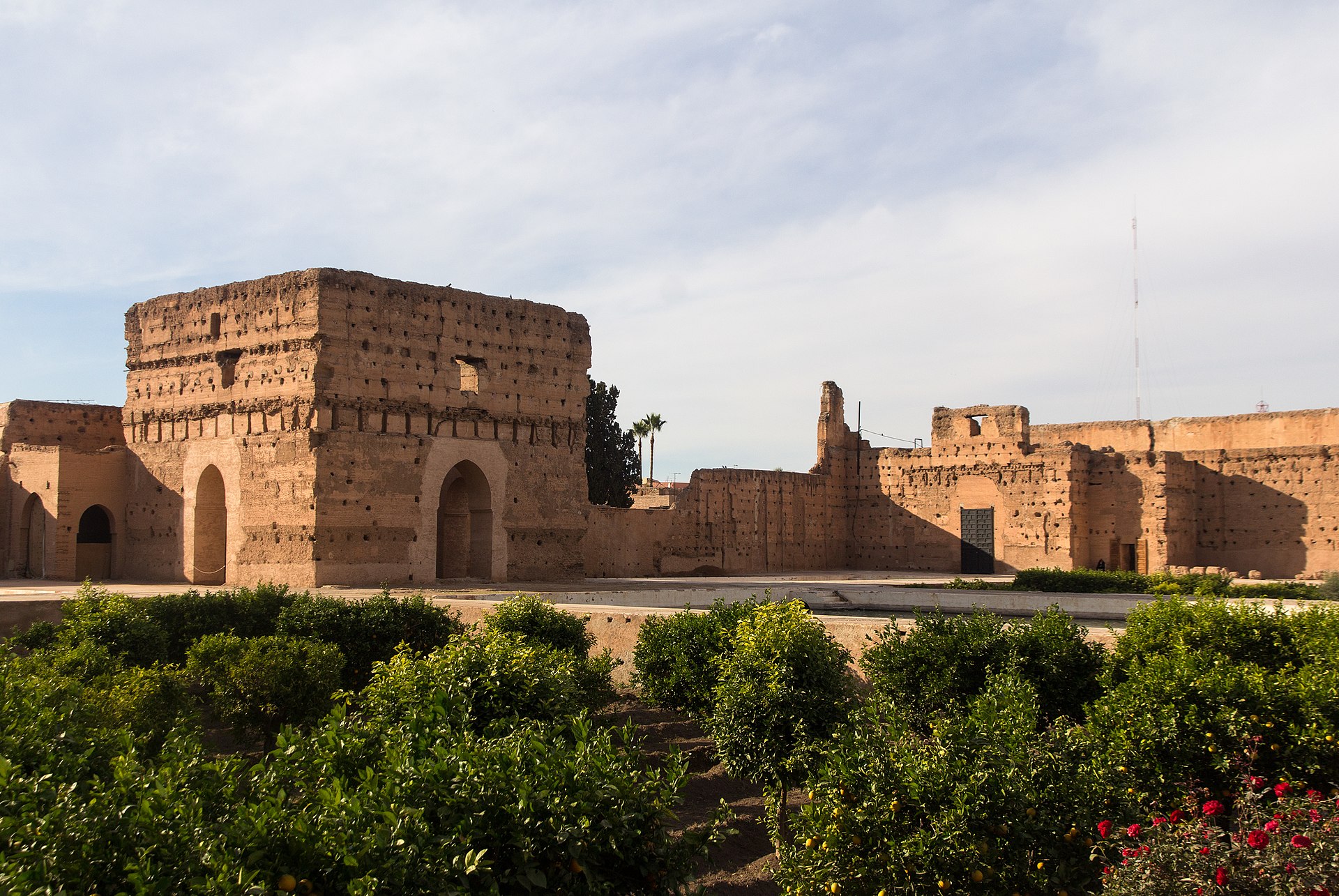
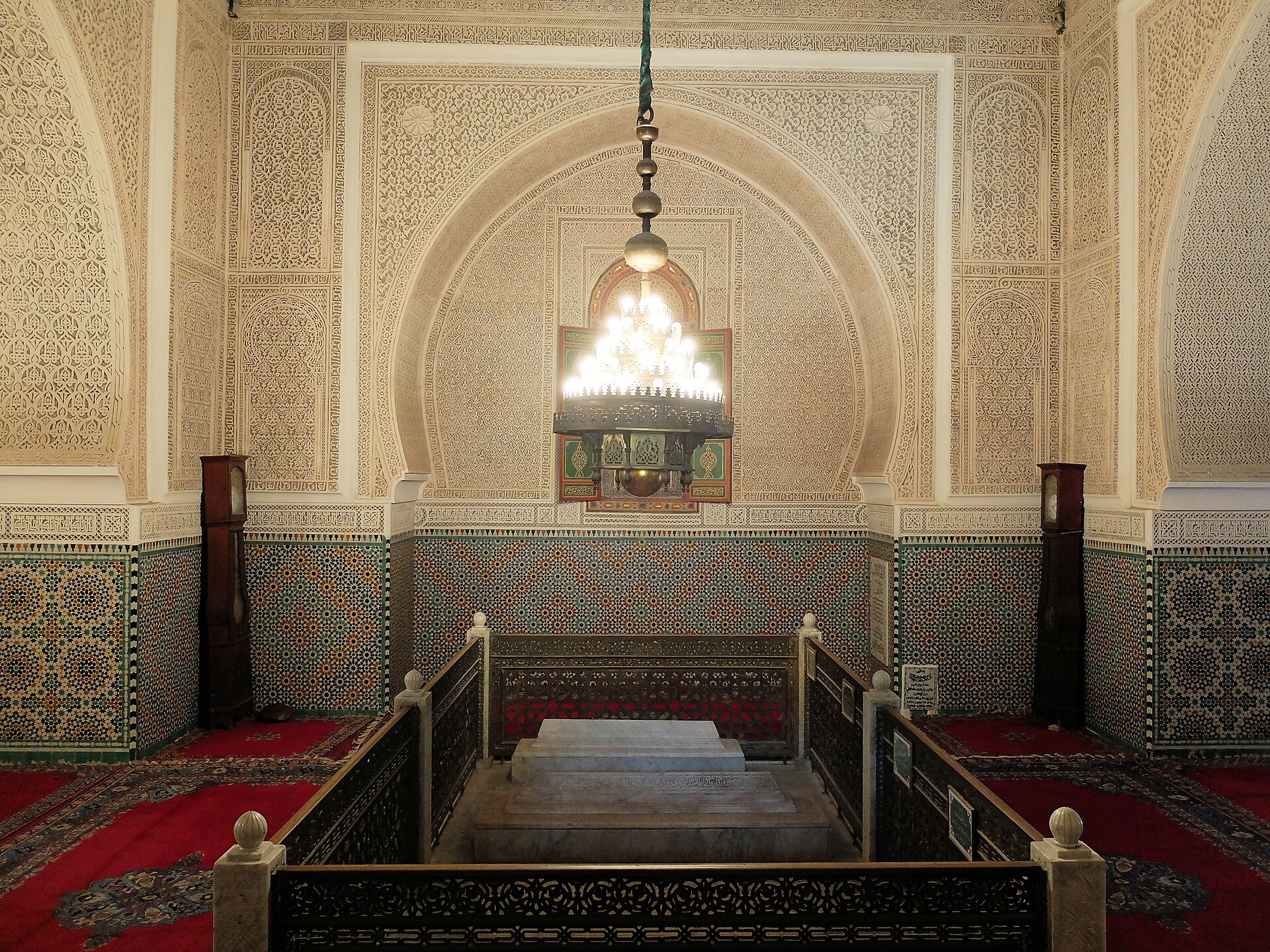
In the sixteenth century the Saadi dynasty repelled Portuguese invasion and, under Ahmad al-Mansur, presided over a golden age of wealth drawn from trade across the Sahara. It was followed by the Alaouite dynasty, which still reigns today and made Meknes an imperial capital under the formidable sultan Moulay Ismail. In 1912 Morocco fell under French and Spanish protectorate rule, but, almost uniquely in Africa, it kept its monarchy and its sense of nationhood, regaining full independence in 1956.
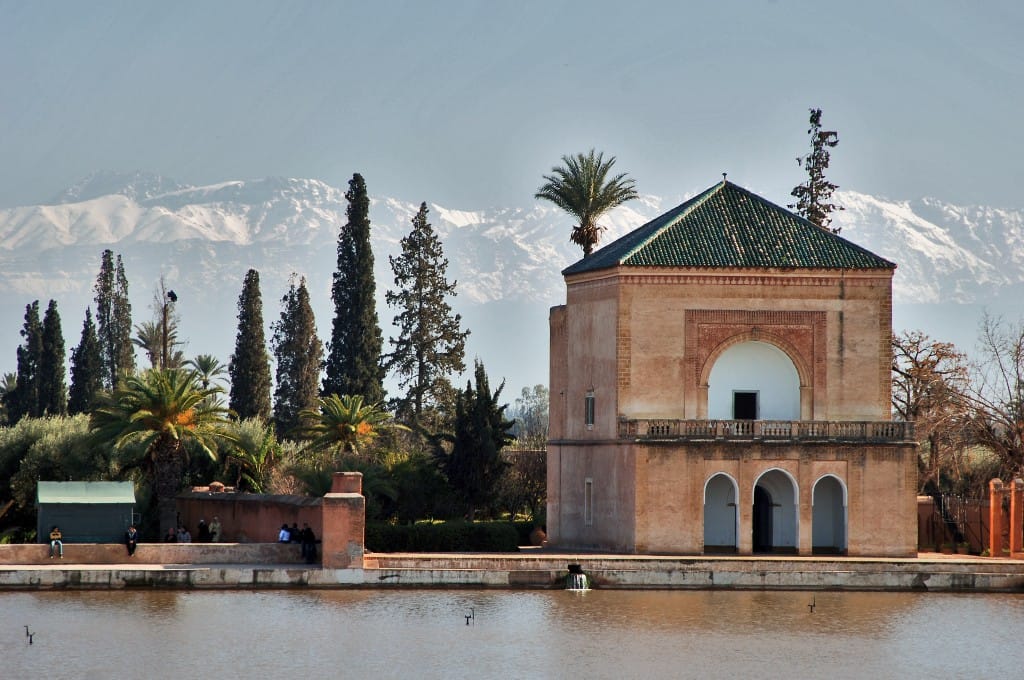
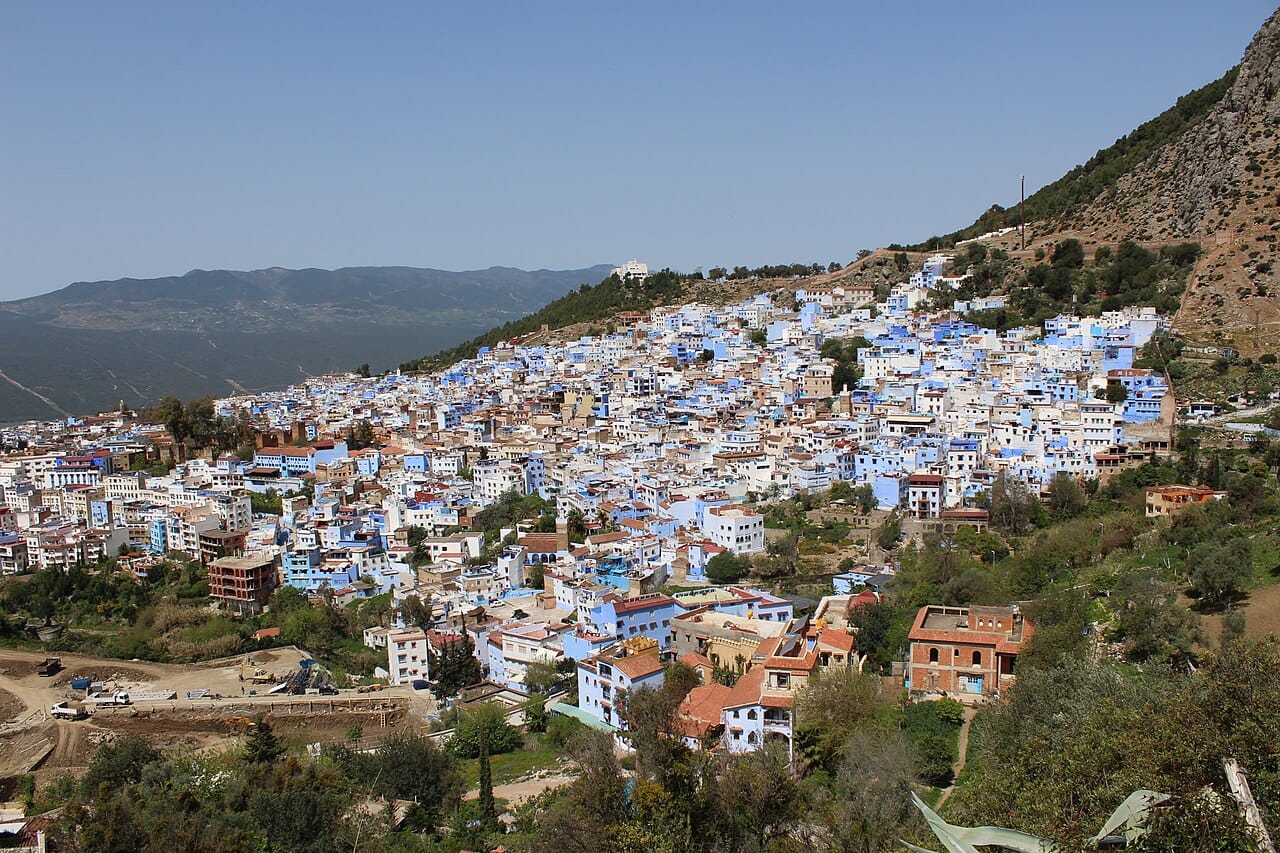
Morocco's landscape is strikingly varied, rising from fertile Atlantic and Mediterranean coastal plains to the high, snow-capped Atlas Mountains that run across the country, and falling away to the vast sands of the Sahara in the south and east. This range gives Morocco a wealth of climates and scenery within a single nation, from green valleys and cedar forests to desert dunes, and it has long shaped the lives of its farmers, herders, and traders.
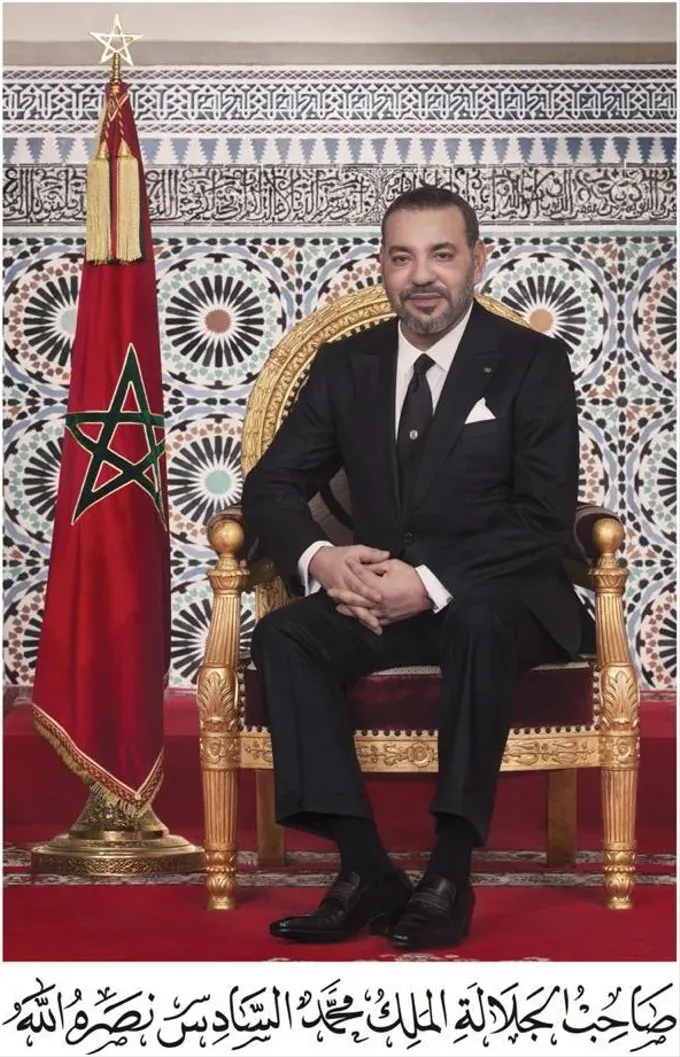
Morocco is a constitutional monarchy, but one in which the king holds substantial power. King Mohammed VI, on the throne since 1999, is both head of state and, as Commander of the Faithful, the highest religious authority, and he directs security, foreign, and strategic affairs, while an elected parliament and a prime minister drawn from it handle much of everyday government. Reforms adopted in 2011, in response to the Arab Spring protests, strengthened parliament and the prime minister, yet the monarchy remains the unquestioned centre of Moroccan political life, lending the country a stability unusual in the region.
Morocco has one of the more diverse economies in Africa. It sits atop the world's largest reserves of phosphate, essential to global fertiliser, and it is a major agricultural exporter of citrus, tomatoes, olives, and argan oil to Europe. In recent decades it has built a substantial manufacturing base, becoming one of the largest car exporters on the continent, with big French and other assembly plants, alongside aeronautics and textiles. Tourism, drawn to its imperial cities, coasts, and deserts, is a major earner, and the country has invested heavily in renewable energy, including one of the world's largest solar power complexes near Ouarzazate.
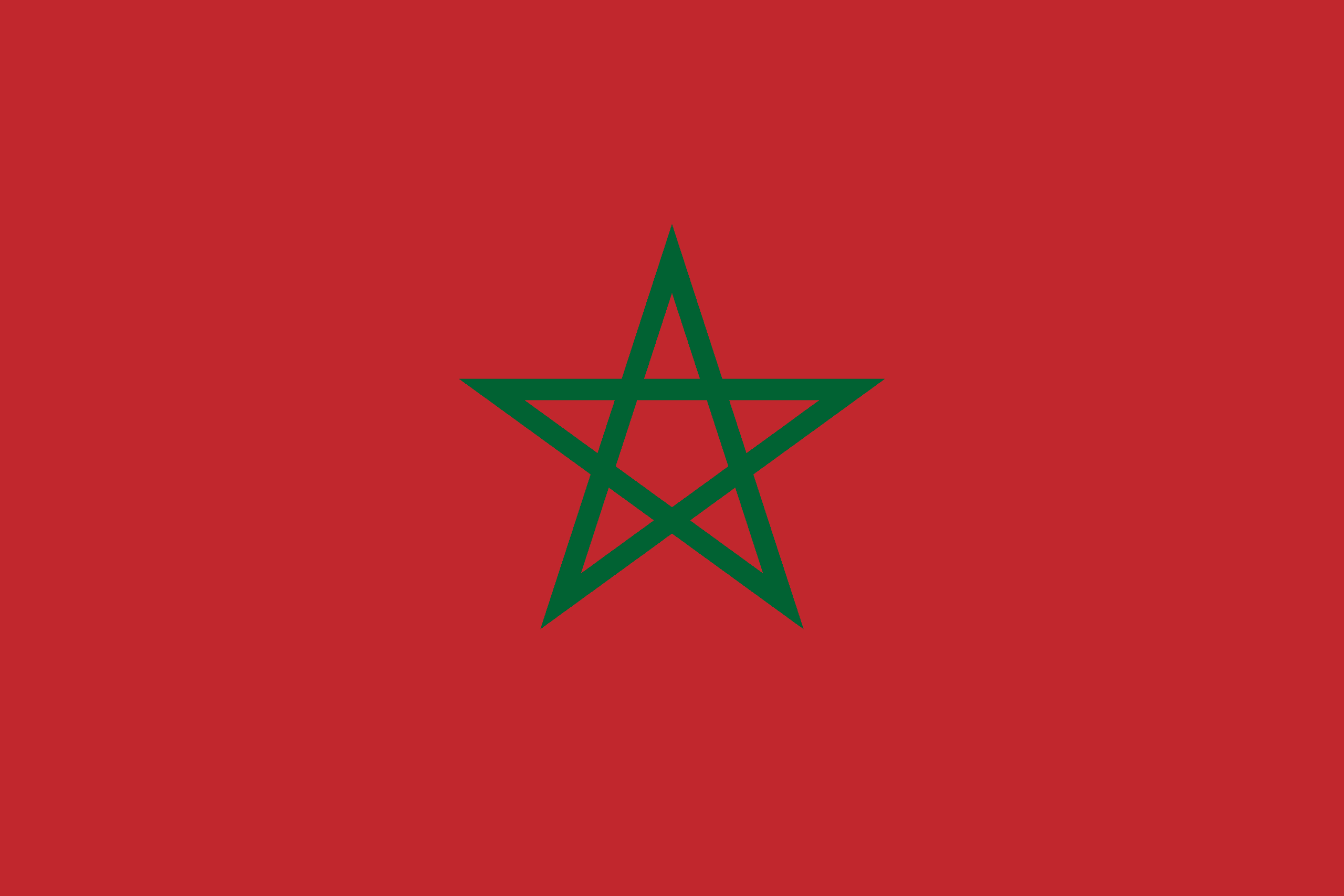
The flag of Morocco is a red field bearing a green five-pointed star, known as the Seal of Solomon. Red has long been associated with the Moroccan ruling house, while green is the colour of Islam, and the interlaced star is an ancient symbol of life and wisdom. The bold, simple design has represented the kingdom for more than a century and is a unifying national emblem.
Morocco is an overwhelmingly Muslim country, following the Sunni tradition, and Islam is central to its identity, law, and daily rhythm. The king holds the religious title of Commander of the Faithful, underlining the close bond between faith and monarchy. The ancient university-mosque of al-Qarawiyyin in Fes, founded in the ninth century, is often cited as the oldest continuously operating university in the world. Small Jewish and Christian communities reflect the country's older diversity, and Morocco has long been noted for a relatively tolerant tradition among the states of the region.
Moroccan cuisine is celebrated for its fragrant, slow-cooked dishes and its masterful use of spices. The tagine, a stew named for the conical earthenware pot it is cooked in, simmers meat with fruit, olives, and spices into something rich and tender, while couscous, traditionally served on Fridays, is a national dish. Sweet mint tea, poured with ceremony, is the drink of hospitality, and pastries and dishes like the savoury-sweet pastilla reveal a refined culinary tradition.
Agriculture is a major part of Morocco's economy and employs a large share of its people. The country grows cereals such as wheat and barley, along with a celebrated array of citrus fruits, olives, tomatoes, and vegetables, much of it exported to Europe. It is also the world's main source of argan oil, pressed from a tree native to the southwest. Beneath the soil, Morocco holds some of the world's largest reserves of phosphate, vital to global fertiliser supply.
Moroccan culture is a rich weave of Amazigh, Arab, African, and Andalusian threads. Its ancient walled medinas, above all in Fes and Marrakesh, with their labyrinthine souks, workshops, and courtyard houses, are among the great living monuments of the Islamic world, and its craft traditions of tilework, leather, and carpets are famous. Music ranges from Andalusian classical to the trance rhythms of the Gnawa, and hospitality, centred on the ceremony of sweet mint tea, is a point of deep pride. In recent years a revival of Amazigh, or Berber, identity has won the language official status, and the nation celebrated wildly when its football team became the first from Africa and the Arab world to reach a World Cup semifinal in 2022.
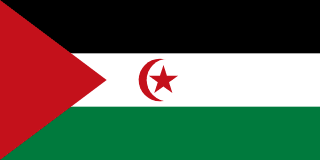
The most disputed question facing Morocco lies to its south, in Western Sahara, a vast, sparsely peopled desert territory that was once a Spanish colony. When Spain withdrew in 1975 Morocco moved in and claims the territory as its own Southern Provinces, controlling most of it and investing heavily in its towns and coast. Against this stands the Polisario Front, backed by neighbouring Algeria, which proclaimed a Sahrawi republic and demands a vote on self-determination for the territory's people, many of whom have lived for decades in refugee camps in the Algerian desert. A United Nations ceasefire held from 1991 but frayed after 2020, and a long-promised referendum has never taken place. Morocco offers autonomy under its sovereignty and has lately won backing from powers such as the United States, France, and Spain, while the Sahrawi cause insists on the right to independence. It remains one of the world's most intractable frozen conflicts.
Morocco has a population of around 37 million people, a blend of Arab and Berber heritage, with Berber communities especially strong in the mountains and rural south. Both Arabic and the Berber language, Tamazight, are official, and French is widely used in business and education. The population is increasingly urban, drawn to cities such as the economic hub of Casablanca and the capital, Rabat, while the ancient cities of Fes and Marrakech remain cultural treasures.