Montenegro is a small country in the western Balkans of southeastern Europe, on the Adriatic Sea, whose name means Black Mountain. A land of dramatic peaks plunging to a stunning coastline, it is famous for the fjord-like Bay of Kotor and for a fierce history of mountain independence. Long able to resist the Ottoman Empire from its rugged highlands, it was for centuries ruled by warrior prince-bishops, and it is today one of Europe's youngest states, having peacefully separated from Serbia in 2006.
Montenegro's history is that of a small mountain people who kept their freedom when the rest of the Balkans fell to the Ottomans, ruled by warrior prince-bishops, and who have wrestled ever since with the question of how close they stand to Serbia.
Montenegro traces its statehood to the medieval realms of Duklja and then Zeta, which flourished on the Adriatic in the early Middle Ages. When the Ottoman Empire overran the Balkans, the Montenegrins retreated into their rugged Black Mountains, from which they preserved a fierce independence, or at least autonomy, found almost nowhere else in the region, waging near-constant war against the empire that surrounded them.
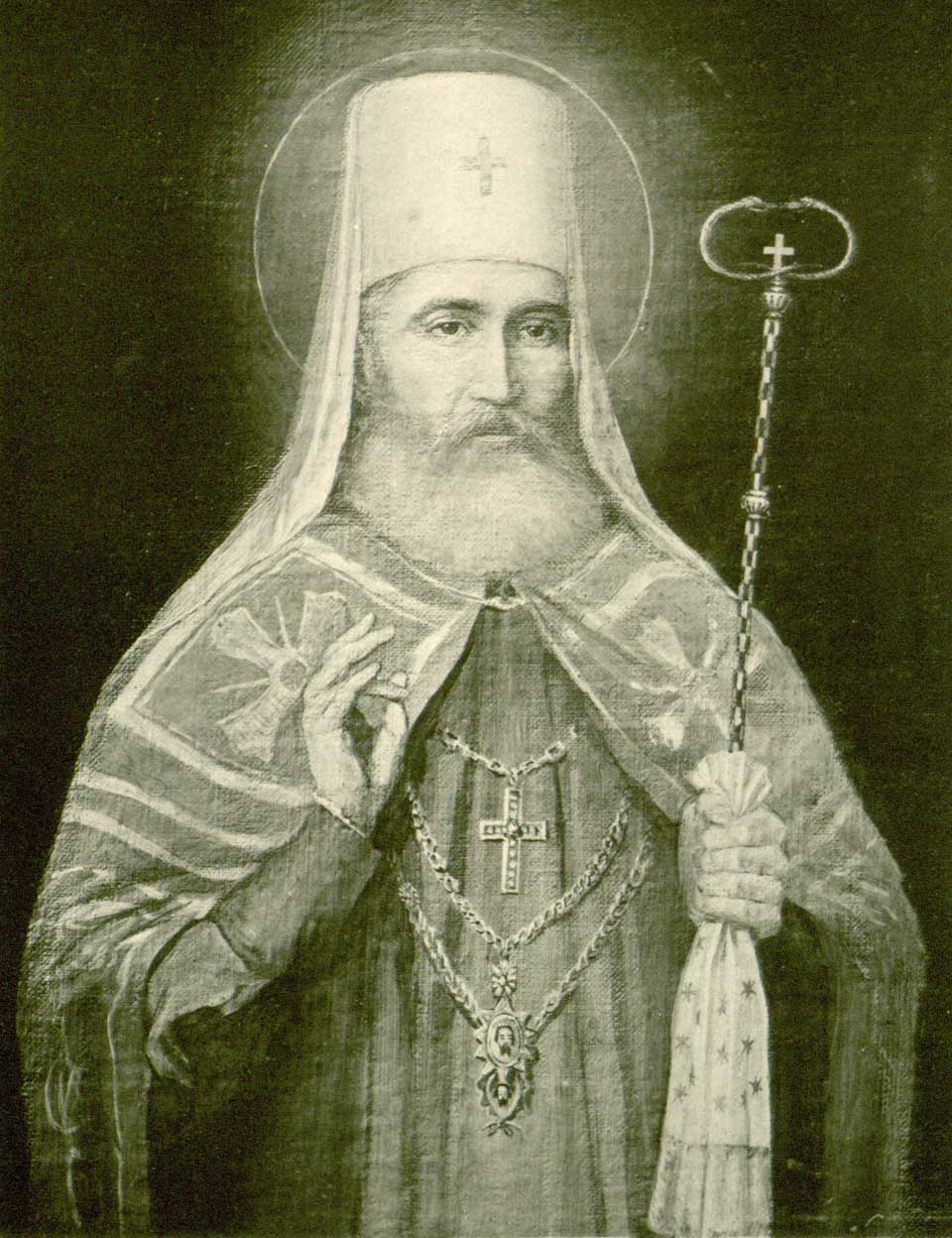
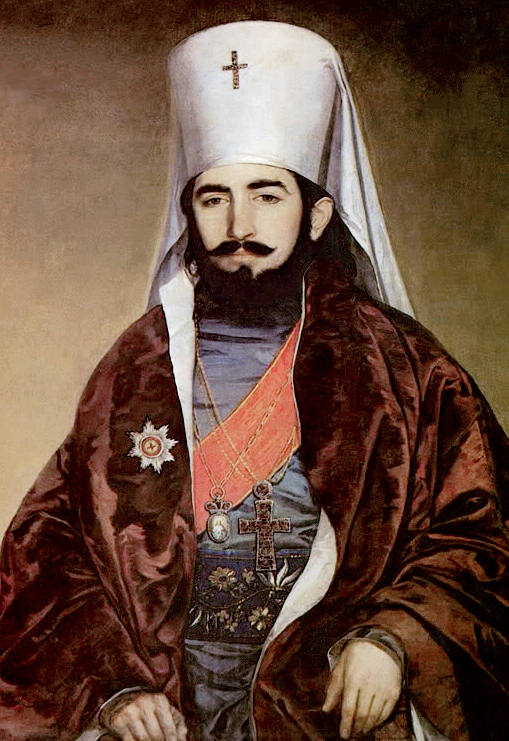
For generations Montenegro was governed by Orthodox prince-bishops, the vladikas of the Petrovic-Njegos family, who were at once spiritual and temporal rulers, passing power from uncle to nephew. Under them the mountain theocracy consolidated and expanded. The most celebrated, Petar the Second, was also one of the greatest poets of the South Slavs, whose epic verse helped shape the national identity.
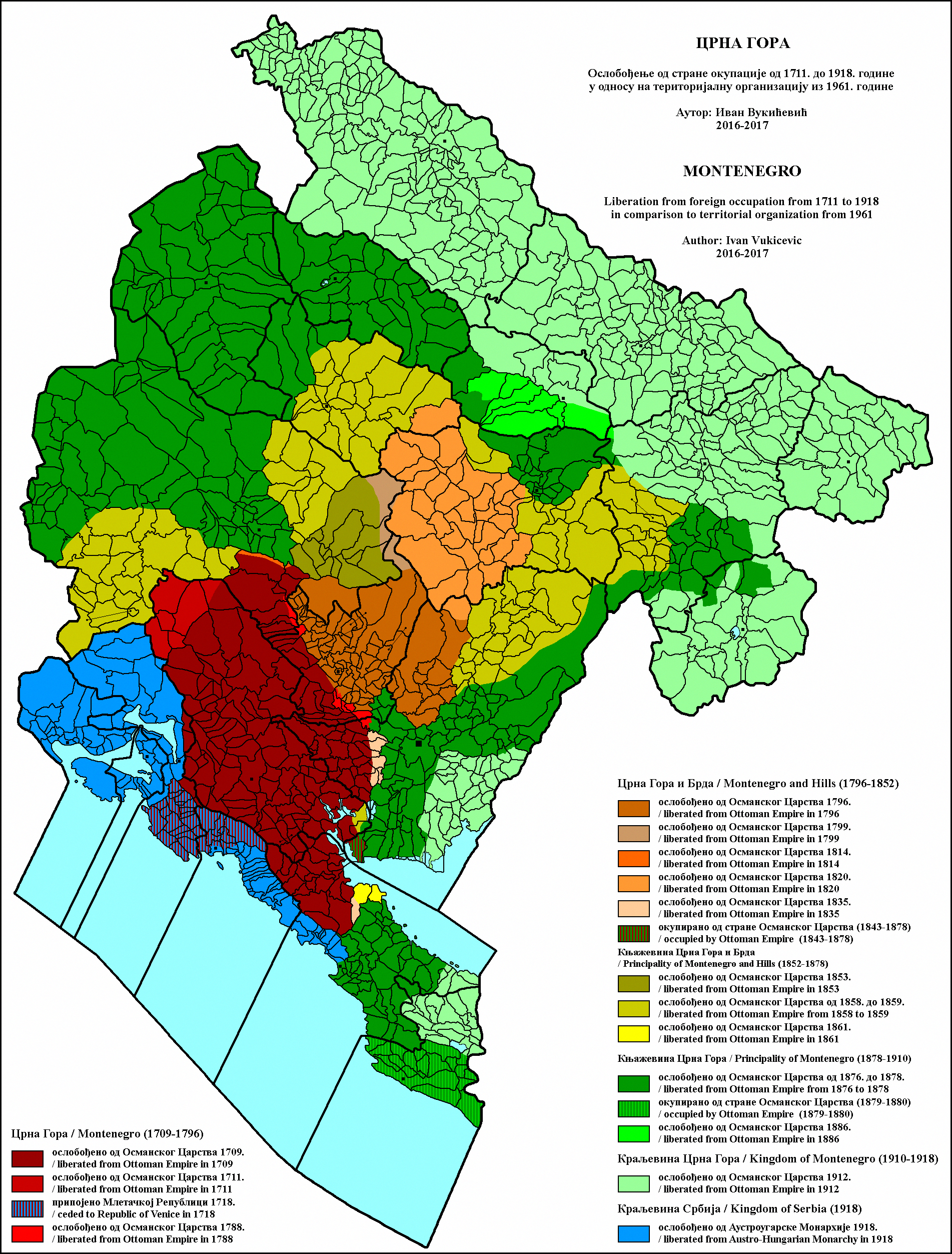
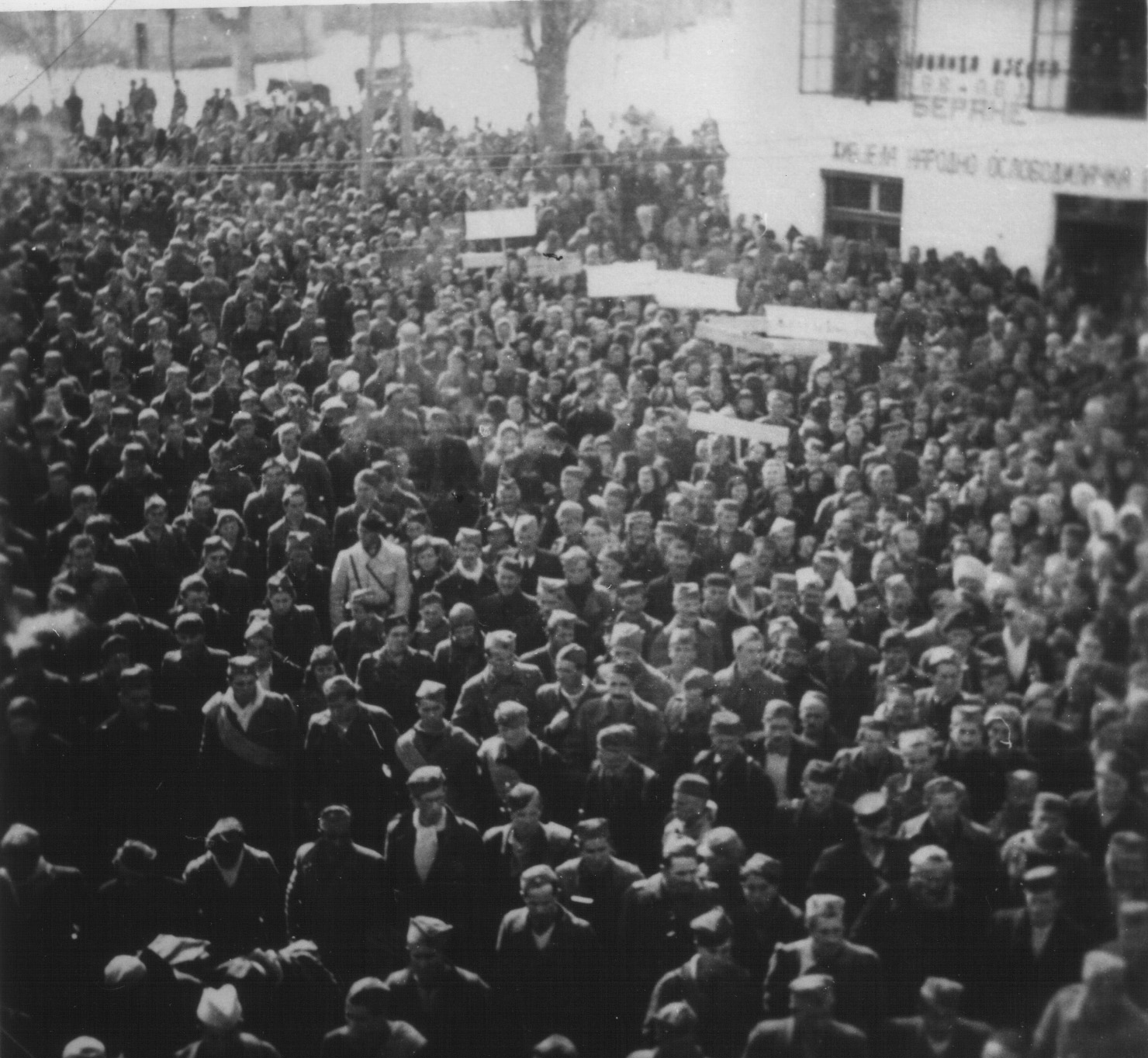
In the nineteenth century Montenegro won full recognition as an independent principality and then a kingdom, expanding its mountain territory. After the First World War it was absorbed, controversially, into the new South Slav state that became Yugoslavia, losing its separate statehood for most of a century. When Yugoslavia broke apart, Montenegro at first stayed joined to Serbia, before narrowly voting in a 2006 referendum to restore its independence, peacefully, as one of Europe's youngest states.
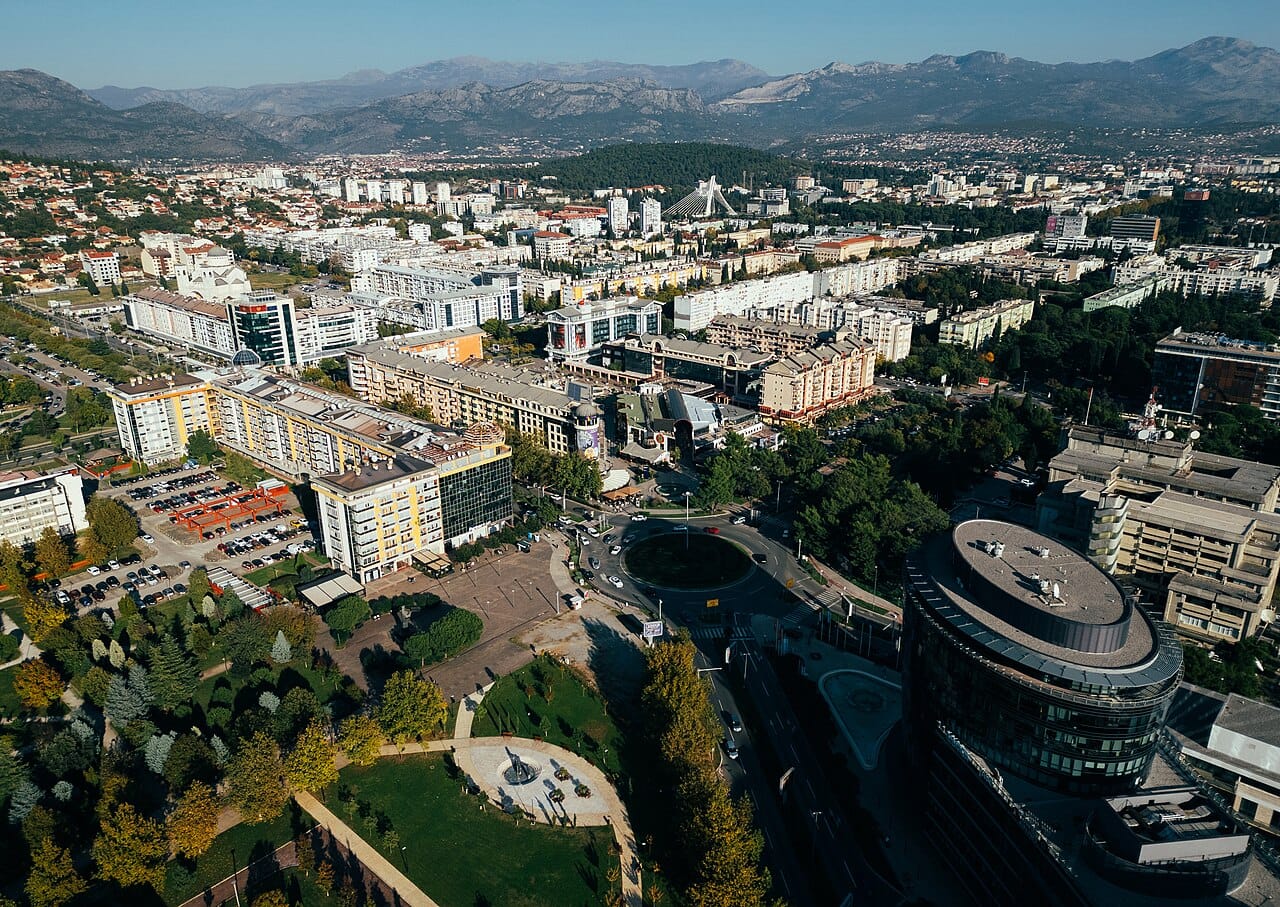
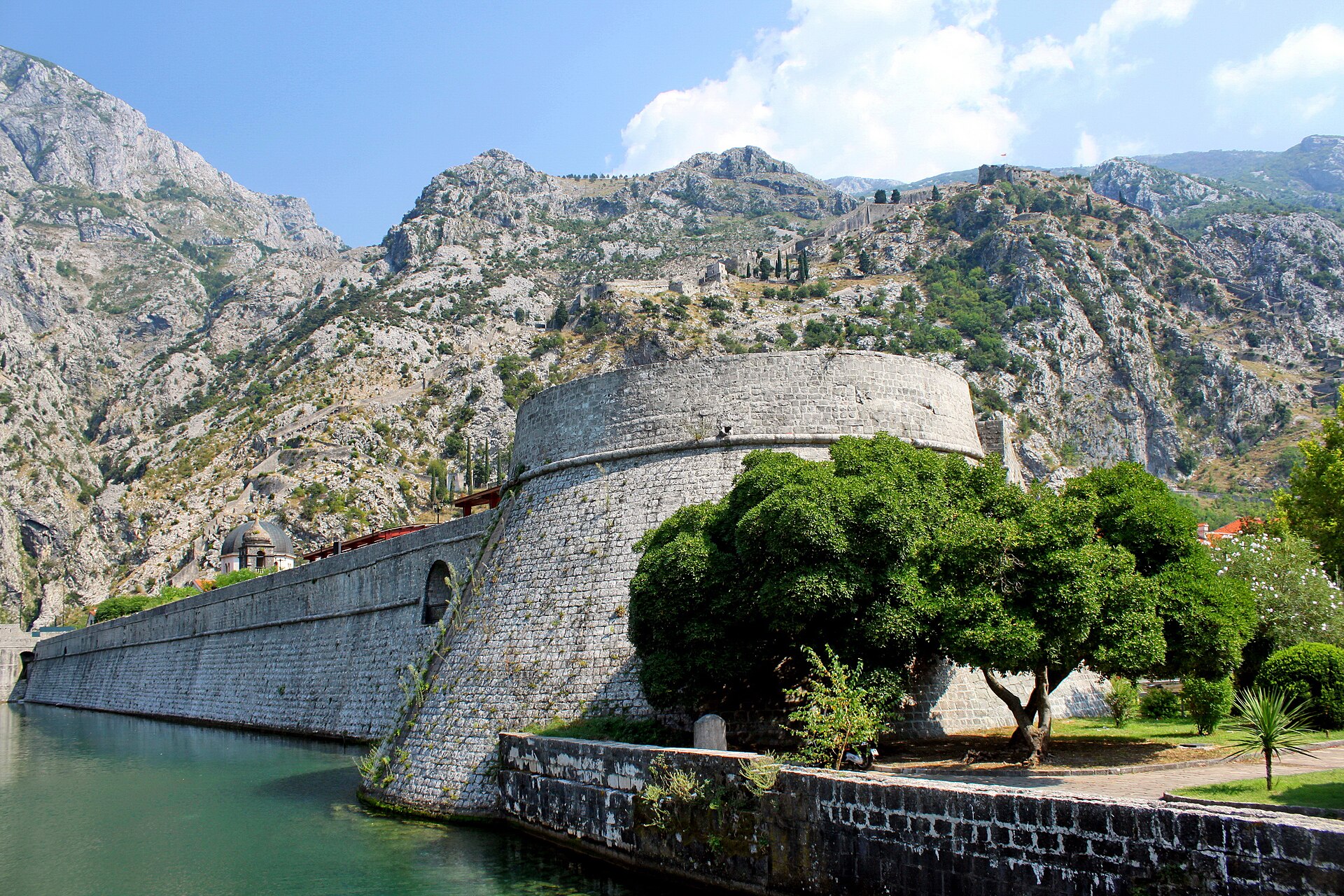
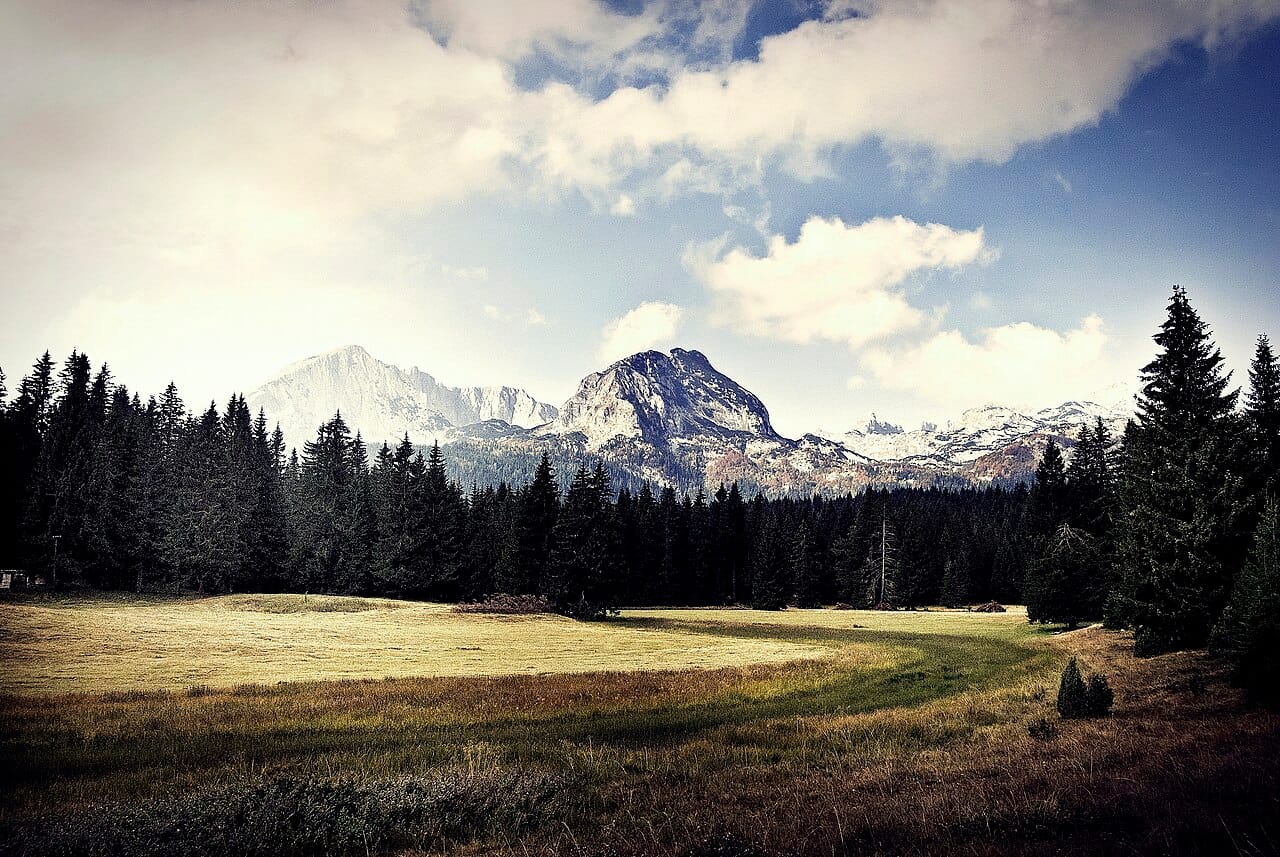
Montenegro packs spectacular scenery into a very small area. High, rugged mountains, including dramatic peaks and deep canyons such as that of the Tara River, one of the deepest in the world, dominate the interior, while a short but breathtaking Adriatic coastline includes the Bay of Kotor, a winding inlet ringed by mountains that resembles a fjord. Glacial lakes, ancient forests, and the great national parks of the highlands give the country an outsized natural grandeur.
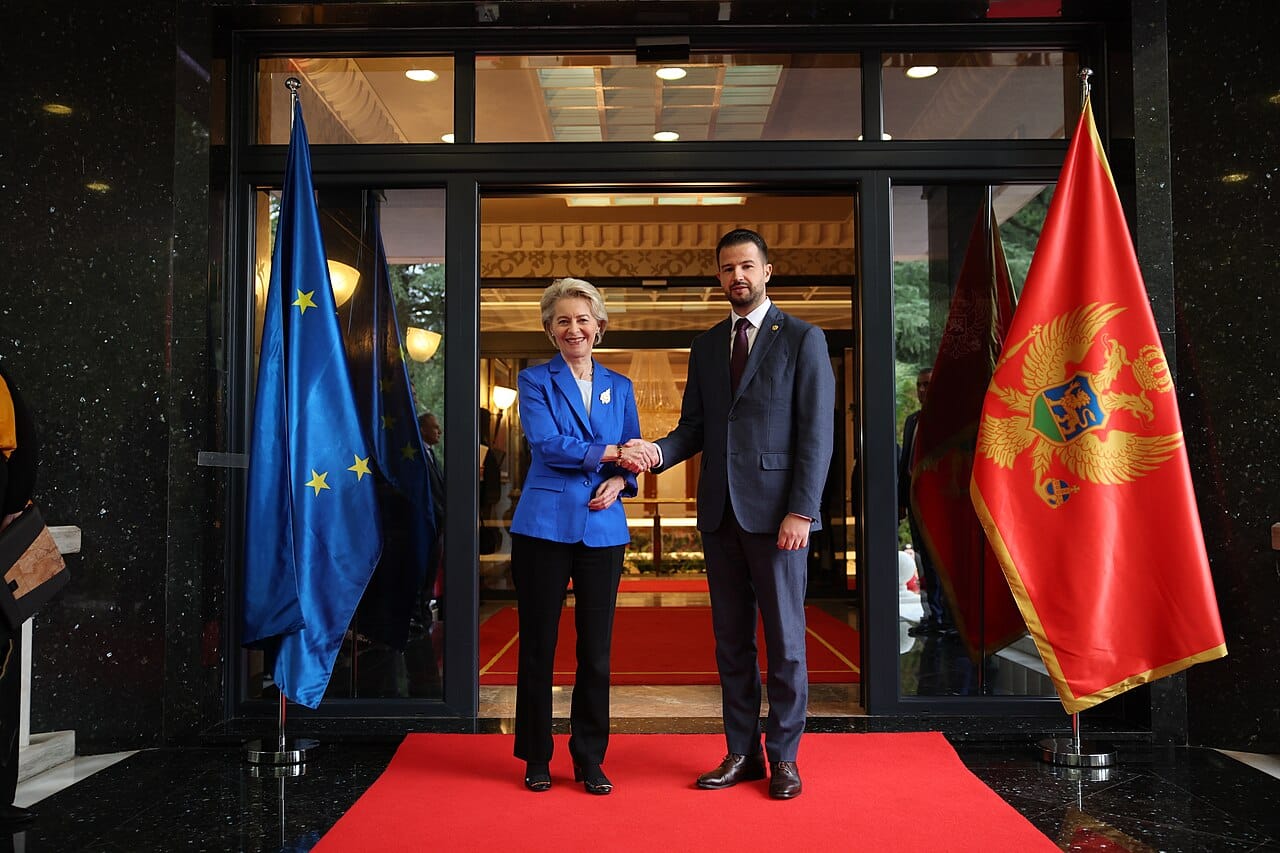
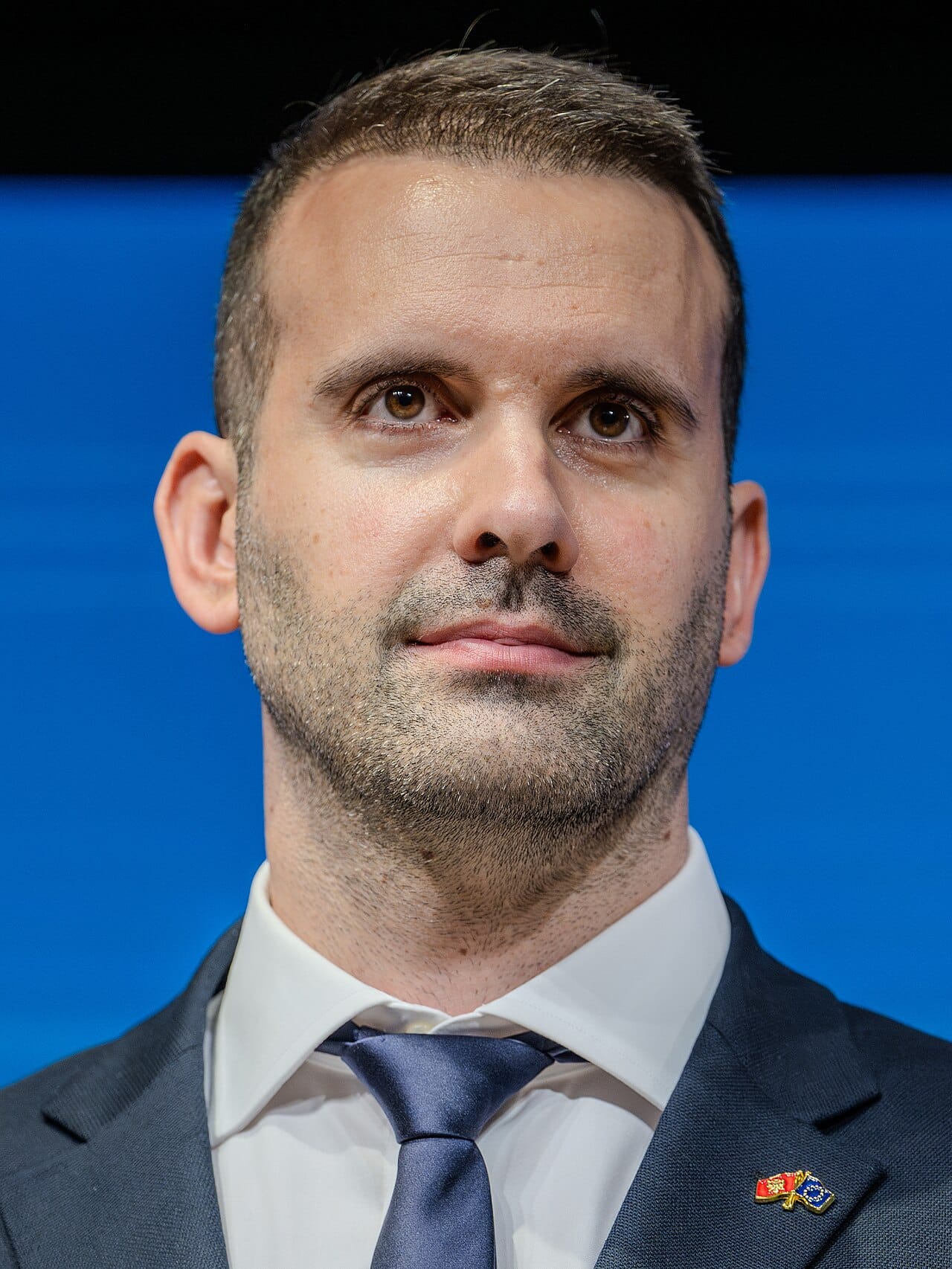
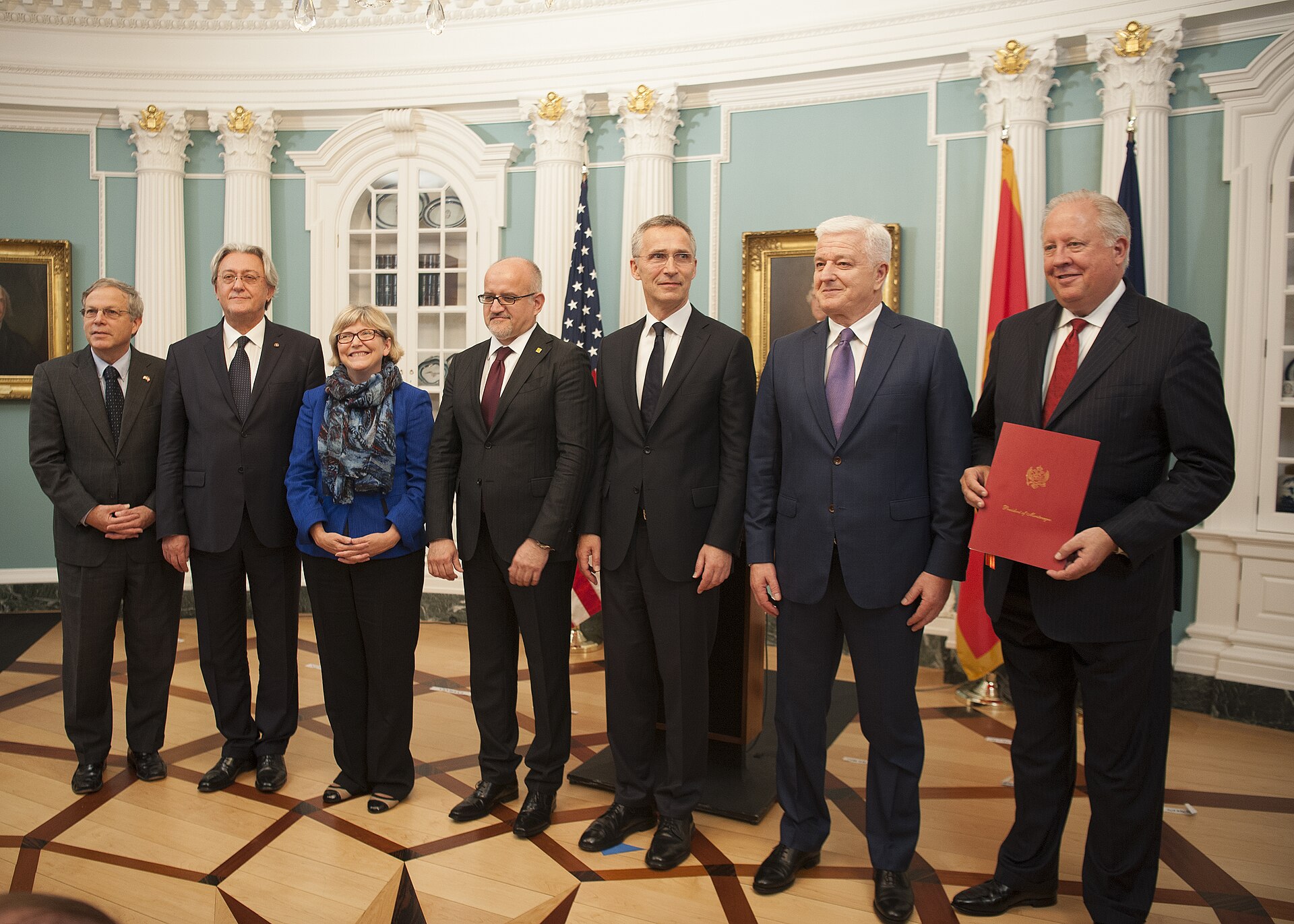
Montenegro is a parliamentary republic that joined NATO in 2017 and is one of the front-runners to join the European Union, with which it hopes to complete accession by the end of the decade. Its recent politics has been transformed. For some three decades after the fall of communism the country was dominated by Milo Djukanovic and his party, until a wave of change brought in a new pro-European generation: since 2023 the president has been Jakov Milatovic and the prime minister Milojko Spajic, both of the reformist Europe Now movement. They govern a small and closely divided country whose politics is shaped less by left and right than by questions of national identity and its relationships with Serbia, Russia, and the West.
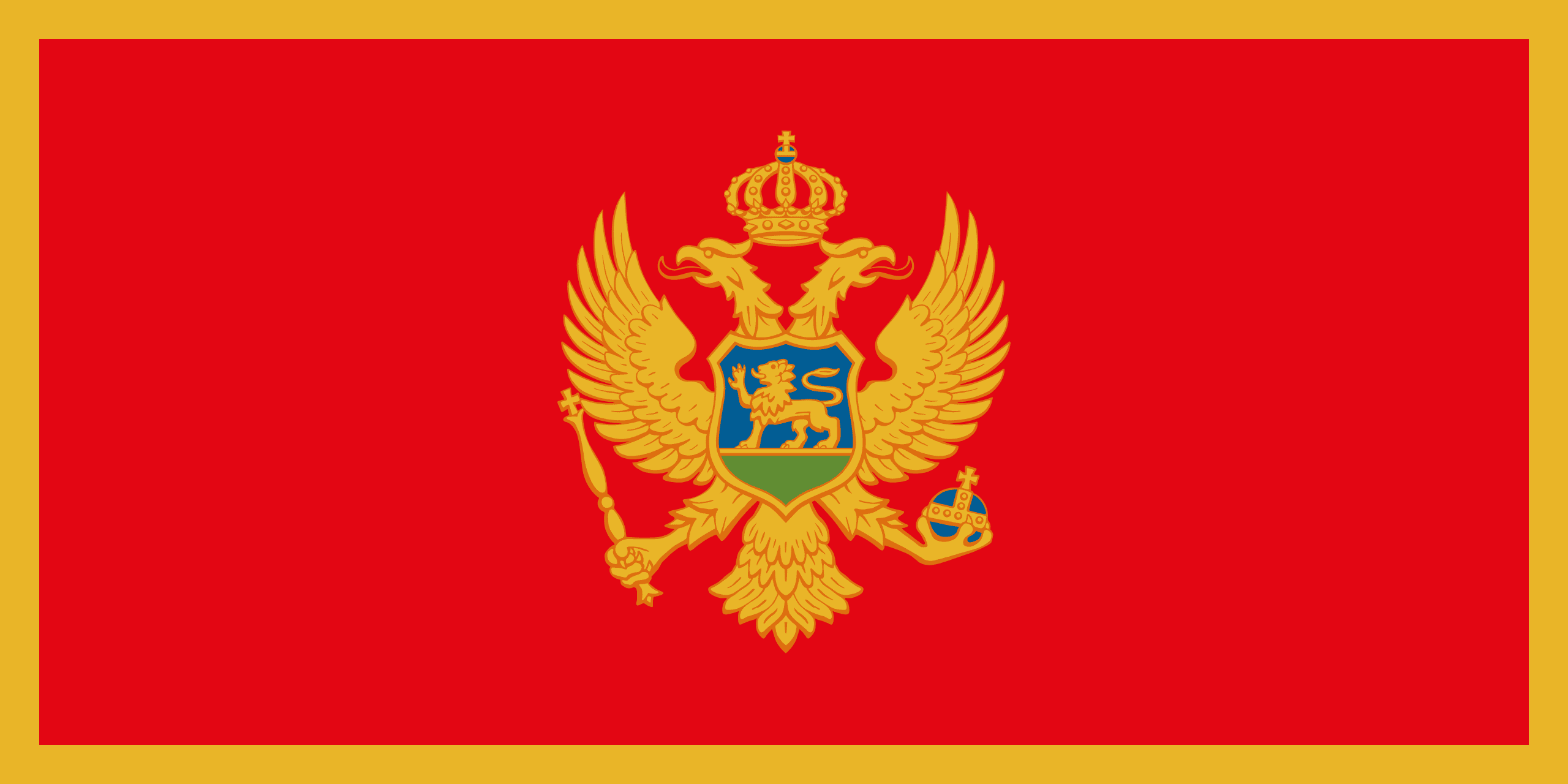
The flag of Montenegro is a red field with a gold border, bearing the national coat of arms in the centre. The coat of arms features a golden double-headed eagle, a symbol inherited from the Byzantine world and used by Montenegro's historic rulers, with a lion on a shield at its breast. The design draws on the royal standard of the old Montenegrin state, linking the modern republic to its proud heritage of independence.
The majority of Montenegrins are Eastern Orthodox Christians, a faith bound up with the country's identity and history, embodied in the centuries of rule by Orthodox prince-bishops. Questions of church organisation and identity, between Serbian and Montenegrin Orthodox traditions, are a sensitive feature of national life. There are also significant Muslim and Catholic minorities, especially among the country's Bosniak, Albanian, and coastal communities, reflecting its position at a crossroads of the Balkans.
Montenegrin cuisine reflects the country's split between the mountains and the sea. Inland, the food is hearty and meat-based, and the highland region of Njegusi is famous for its air-dried ham and cheese, cured in the mountain air. Along the Adriatic coast, the cuisine turns Mediterranean, rich in fresh fish, seafood, olive oil, and Italian influences. Grilled meats, dairy, and strong coffee feature throughout, in a food culture shaped by both Ottoman and Venetian neighbours.
Agriculture in Montenegro is limited by the overwhelmingly mountainous terrain, with farming concentrated in the few valleys, the area around Lake Skadar, and the coastal strip. Farmers grow grapes for wine, olives along the coast, tobacco, and a variety of fruits and vegetables, while the highlands support the raising of sheep and cattle and the production of the famous cured ham and cheese. Tourism along the spectacular coast, however, is far more important to the modern economy than farming.
Montenegro's deepest political fault line is not over policy but over identity, and it runs through families as much as parties. The population is split between those who consider themselves Montenegrins, a distinct nation, and those who identify as Serbs or see Montenegrins and Serbs as essentially one people, a division mirrored in language, in history, and above all in the church, between a Serbian Orthodox Church long established in the country and a revived Montenegrin Orthodox Church. The question flared into mass protests in 2019 and 2020 over a law on religious property seen as targeting the Serbian Church, protests that helped topple the long-ruling government.
Overlaid on this is a contest over the country's direction. Montenegro's move into NATO in 2017 was fiercely opposed by pro-Serb and pro-Russian forces, and prosecutors alleged that a coup was attempted on election day in 2016 to stop it, a plot they linked to Russian agents, which Moscow denied. The country continues to balance its firm Western course, and its bid to join the European Union, against deep historical, religious, and family ties to Serbia and Russia. How Montenegrins should understand their own nationhood, and where their country belongs, remains genuinely and often bitterly contested.
Montenegro has a population of around 620,000 people, one of the smallest in Europe, made up of Montenegrins and Serbs, whose distinct identities are closely intertwined and sometimes contested, along with significant Bosniak, Albanian, and other communities. This diversity, and the balance among its groups and churches, shapes the country's politics. Most people live along the coast and in the few valleys, above all in and around the capital, Podgorica, and the historic former capital of Cetinje.