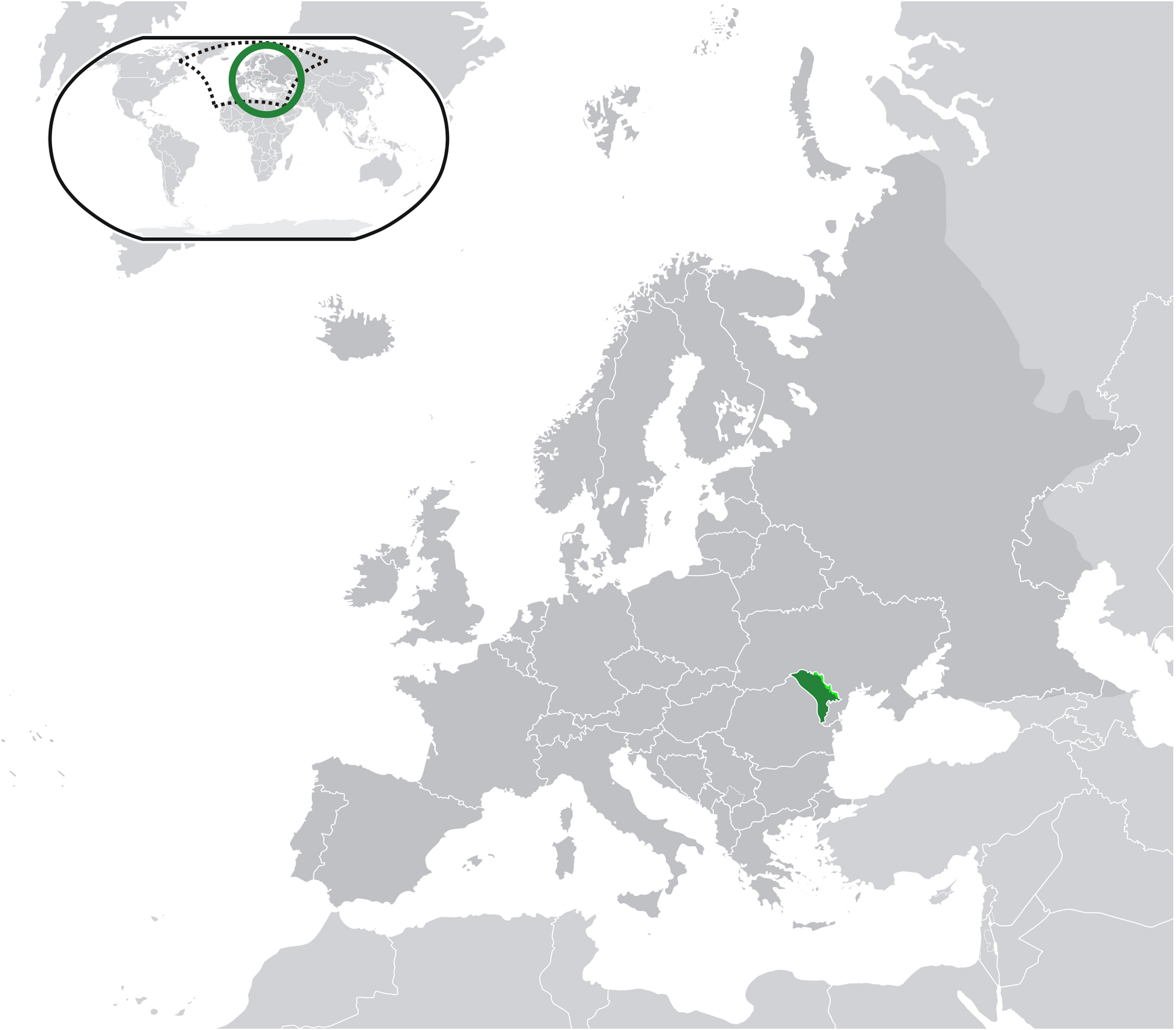
Moldova is a small, landlocked country in Eastern Europe, set between Romania and Ukraine on the gentle, fertile plains between the Prut and Dniester rivers. A largely rural land of vineyards, orchards, and rolling countryside, it shares its language and much of its history with neighbouring Romania. One of the poorest and least-known countries in Europe, it is famous above all for its deep tradition of winemaking and for a frozen territorial dispute that has shadowed its independence.
Moldova's history is that of the eastern half of an old principality, long fought over by empires, and now a small nation caught between Russia and the West.
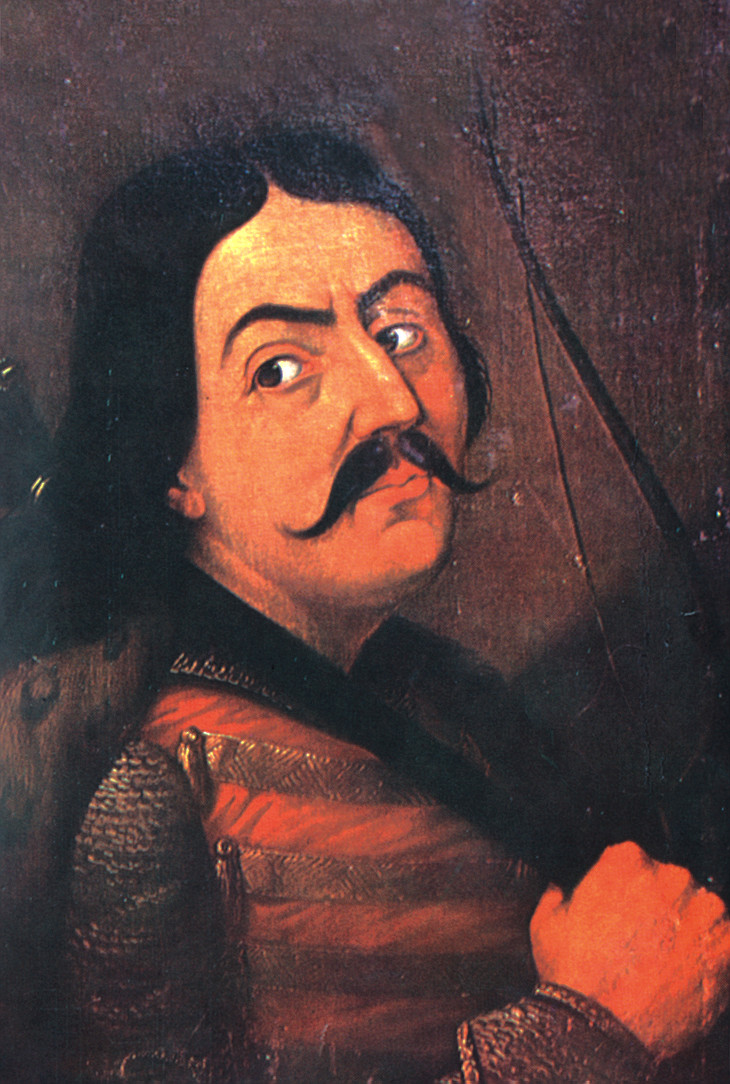
The land was the core of the historic principality of Moldavia, founded in the fourteenth century by voivodes such as the legendary Dragos, and reaching its height in the late fifteenth century under Stephen the Great, who defended it against the Ottomans in dozens of battles and is revered to this day. Moldavia later fell under Ottoman suzerainty, a Christian principality paying tribute to the Turkish sultan.
In 1812 the Russian Empire seized the eastern half of Moldavia, between the Prut and the Dniester, naming it Bessarabia. The region united with Romania after the First World War, but the Soviet Union annexed it in 1940 under the secret pact with Nazi Germany, and, after the war, made it the Moldavian Soviet Socialist Republic, promoting a distinct Moldovan identity to loosen its ties to Romania. Independence came, almost unexpectedly, when the Soviet Union dissolved in 1991.
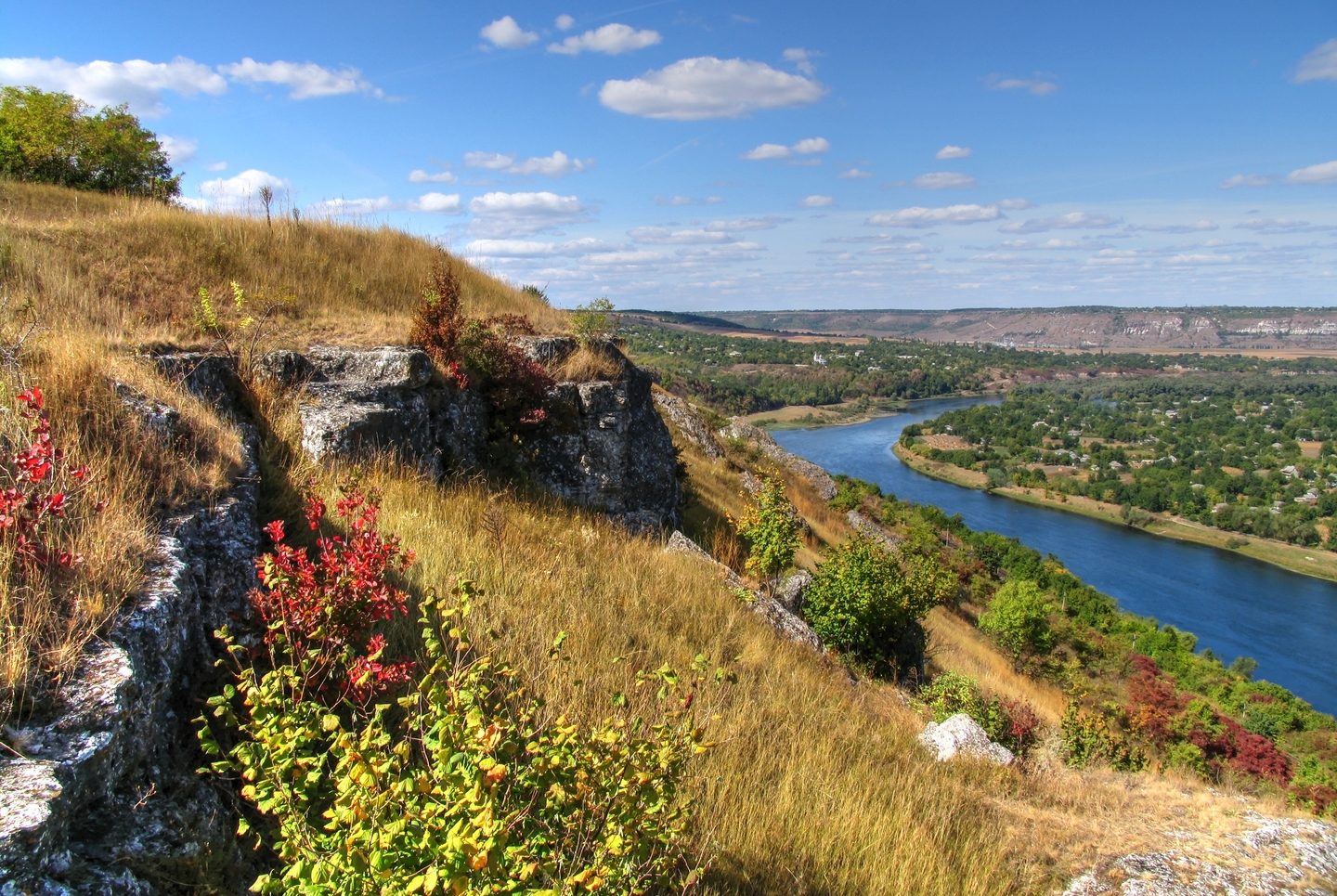
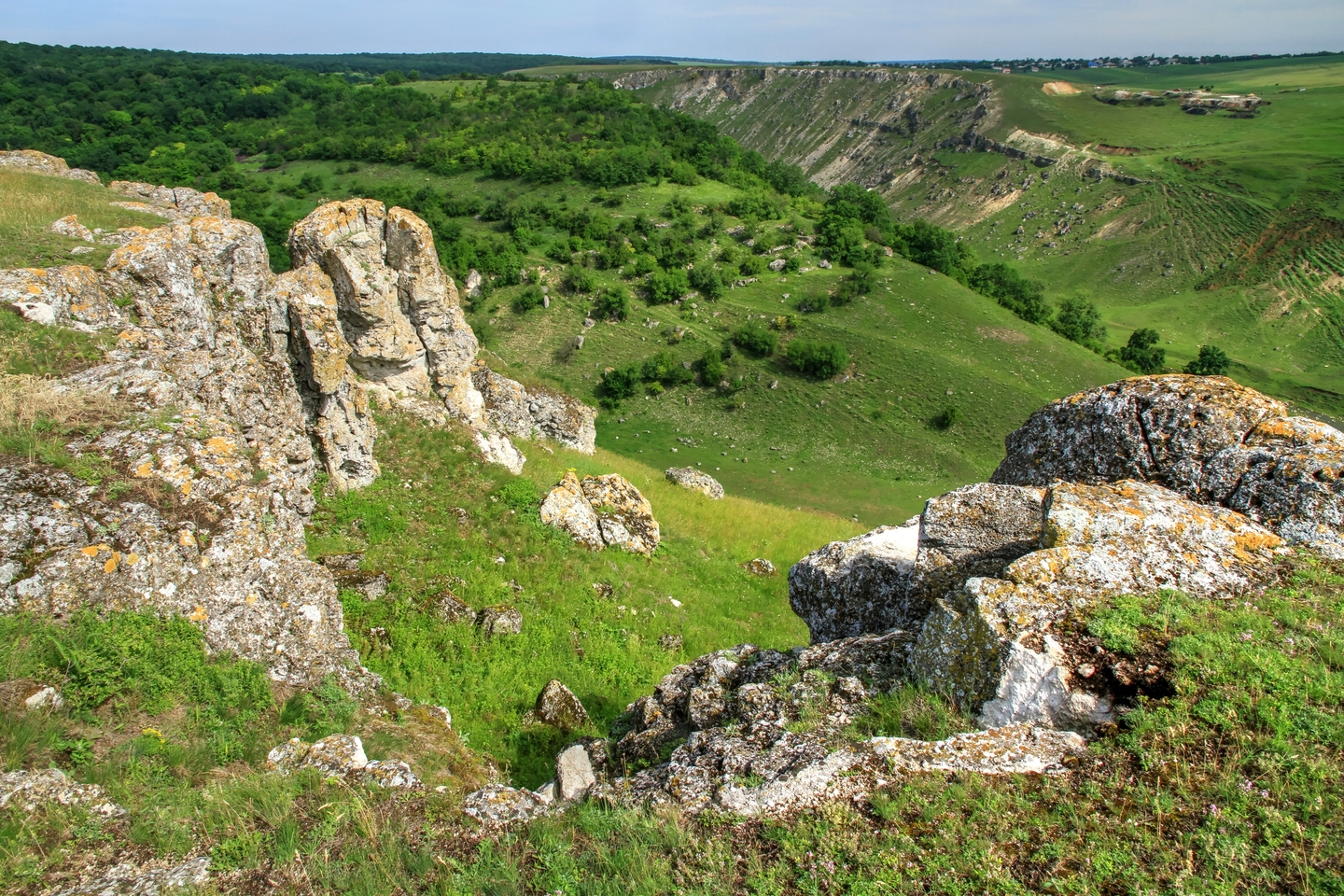
Moldova is a country of gently rolling hills and plains, with no mountains and no coast, lying in the fertile basin between two rivers. Its famously rich black soil and mild climate make it ideal for farming, and much of the land is given over to fields, vineyards, and orchards. The Dniester River, called the Nistru in Moldova, winds through the east, and beyond it lies the narrow strip of Transnistria, a breakaway region outside the government's control.
Moldova is a parliamentary republic whose politics is dominated by a single, fateful choice: whether the country's future lies with Europe or with Russia. Since 2020 it has been led by President Maia Sandu, a reform-minded, pro-European former economist, under whom Moldova won candidate status for the European Union and opened membership talks. That course is fiercely contested. A narrow majority backed European integration in a referendum in 2024, but only amid what Moldovan and Western officials described as a vast Russian campaign of disinformation and vote-buying, and pro-Russian parties and networks remain powerful. The struggle over Moldova's direction is among the sharpest in Europe.
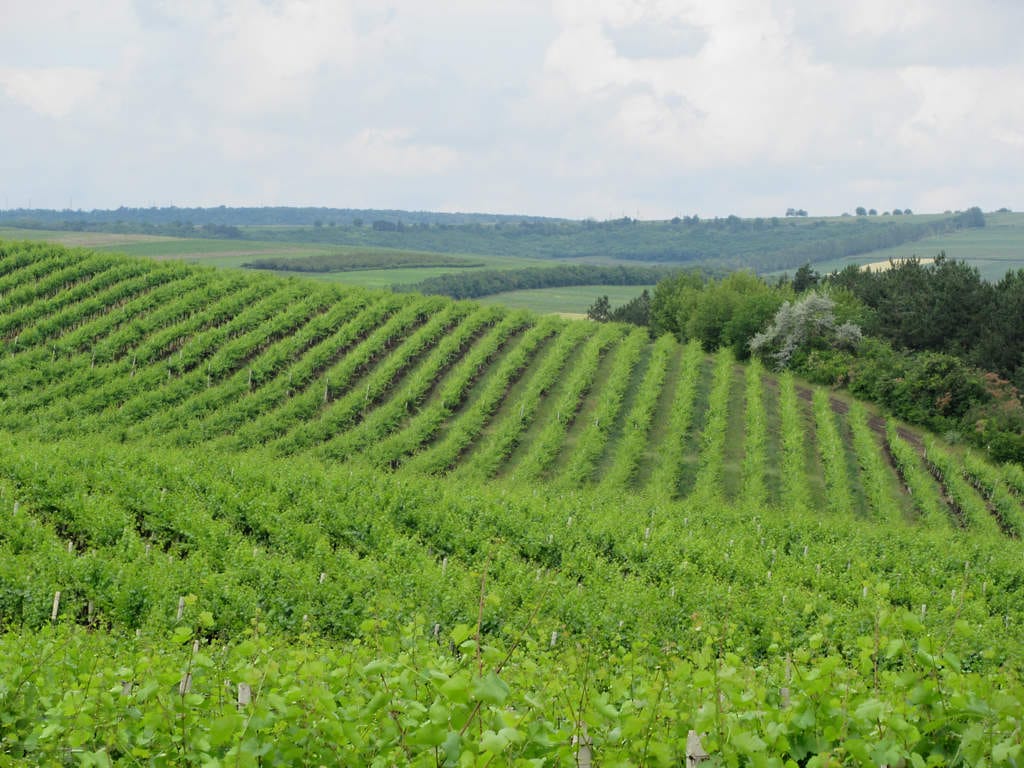
Moldova is one of the poorest countries in Europe, its small economy resting heavily on agriculture, the money sent home by the very many Moldovans who work abroad, and the produce of its famous vineyards. It is, above all, a land of wine, with one of the highest densities of vineyards in the world, a winemaking tradition thousands of years old, and, at Cricova and Milestii Mici, some of the largest underground wine cellars on Earth. The country has long been vulnerable to economic pressure from Russia, which has at times cut off its gas or banned its wine, a leverage that has pushed Moldova to seek closer ties with the European Union.
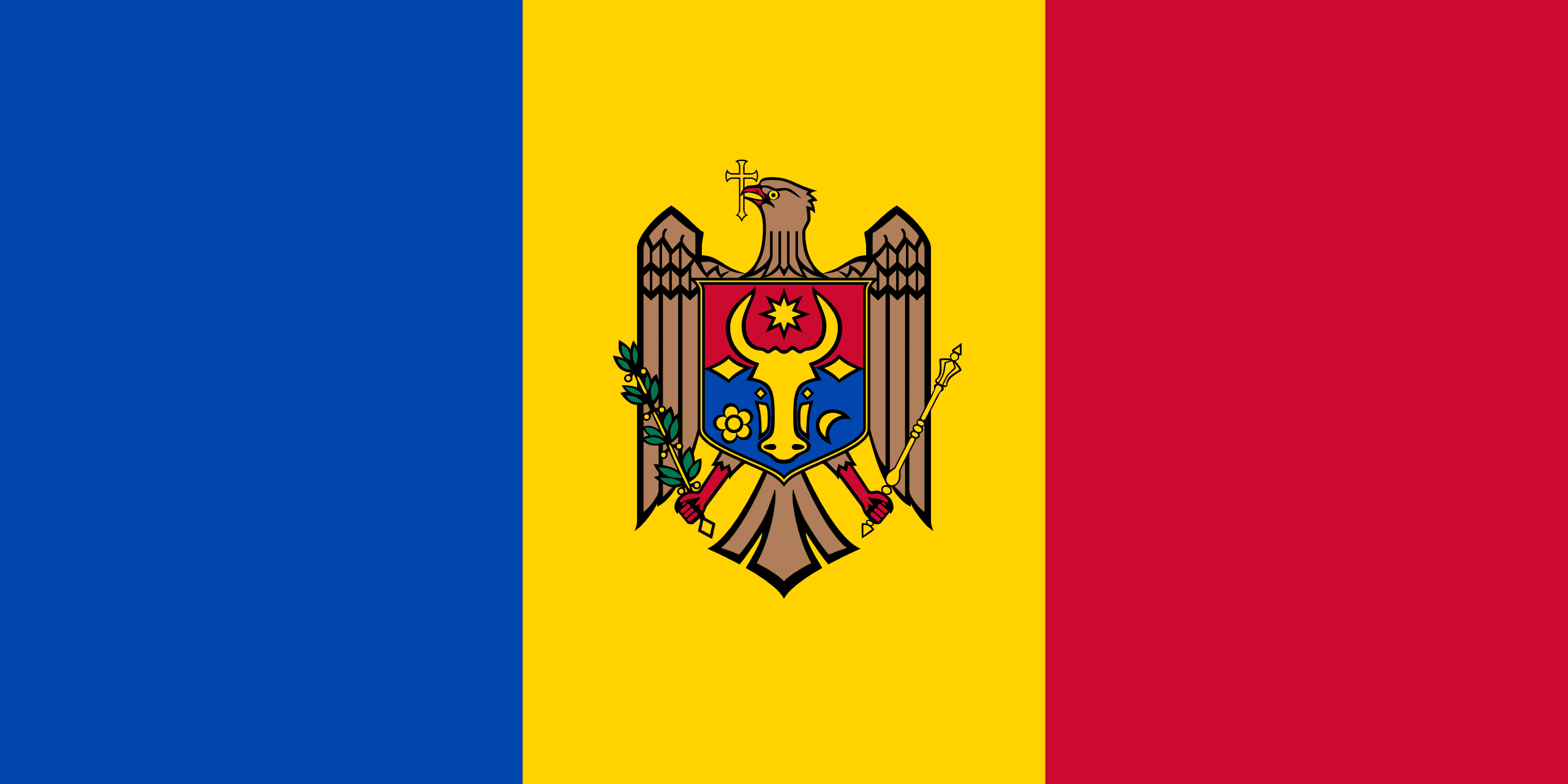
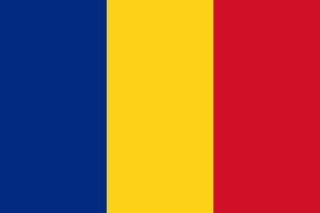
The flag of Moldova has three vertical bands of blue, yellow, and red, with the national coat of arms in the centre, closely resembling the flag of neighbouring Romania, with which Moldova shares a language and much history. The coat of arms features an eagle holding a cross, an olive branch, and a sceptre, and on its breast a shield bearing an aurochs head, an ancient symbol of the Moldavian lands. The colours echo the shared Romanian heritage.
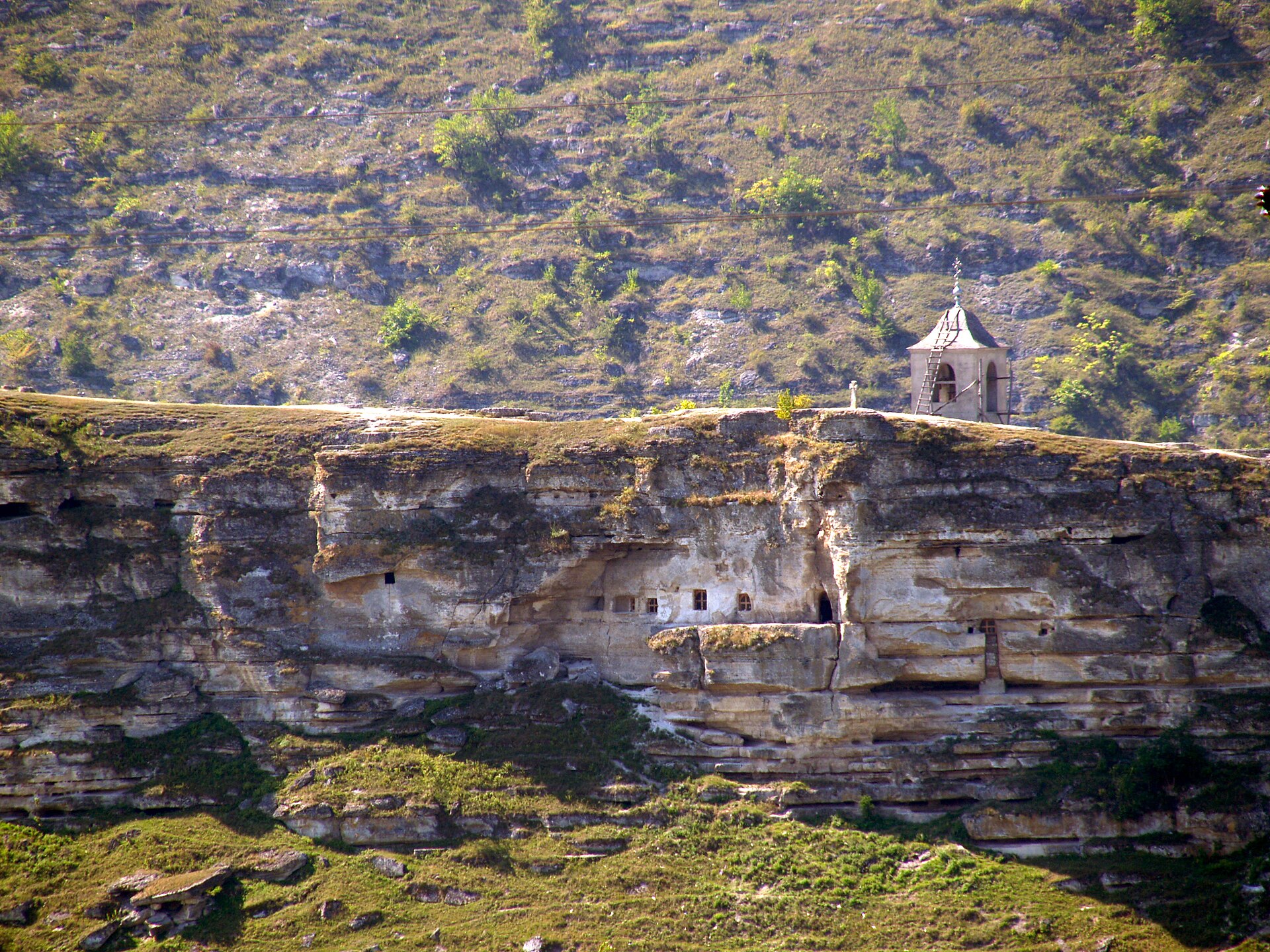
The great majority of Moldovans are Eastern Orthodox Christians, and the Orthodox Church is an important part of national identity and culture, woven into festivals, family life, and the rhythm of the year. Orthodox churches and monasteries, including remarkable cave churches carved into cliffs, are among the country's most treasured sites. Religious tradition is a strong presence in this largely rural society, often blended with older folk customs in the celebration of the seasons.
Moldovan cuisine is rustic and closely related to that of Romania, making the most of the country's rich farm produce. A staple is mamaliga, a thick cornmeal porridge served with cheese, sour cream, or stews. Sarmale, parcels of minced meat and rice wrapped in cabbage or vine leaves, are a festive favourite, and the savoury filled pastry placinta is widely loved. Above all, meals are accompanied by the country's celebrated wines, central to Moldovan hospitality.
Agriculture is the backbone of Moldova's economy, favoured by its exceptionally fertile soil and warm climate. The country is, above all, a land of wine: it has one of the highest densities of vineyards in the world and a winemaking tradition reaching back thousands of years. Moldova also grows abundant fruit, vegetables, sunflowers, and grains, and farming and food remain central to rural life and exports.
Moldovan culture is essentially shared with that of Romania, its people speaking Romanian, following the same Orthodox faith, and keeping the same rich traditions of folk music, dance, and hospitality centred on the offering of wine. The doina, a soulful, meditative folk song, runs deep in the culture, as do the flute and pan-pipe. Yet Moldova also carries the marks of its Soviet century and its ethnic mix, in a Russian-speaking presence and in the Turkic Christian community of Gagauzia in the south. The country's identity, poised between a Romanian heritage and a separate Moldovan statehood shaped under Soviet rule, is itself a matter of quiet, continuous debate.
More than almost anywhere in Europe, Moldova is a country pulled in two directions. To the west lies Romania, with which it shares a language, a history, and, for many Moldovans, a longing for closer union and a European future; to the east lies Russia, whose influence runs through the country's energy supply, its media, its money, and its politics. That contest has a frozen front line: Transnistria, a narrow Russian-speaking strip beyond the Dniester that broke away in a brief war in 1992 and survives as an unrecognised statelet, garrisoned by Russian troops to this day. Since Russia's invasion of neighbouring Ukraine, the struggle over Moldova's direction has grown only more intense, fought now through disinformation, vote-buying, and the weaponising of gas as much as through the ballot box. Whether this small, poor nation can secure its chosen path toward Europe, resolve the wound of Transnistria, and settle the question of its own identity, is the defining drama of its independence.
Moldova has a population of around 2.5 million people in the area under government control, the great majority ethnic Moldovans, who speak Romanian, alongside Ukrainian, Russian, and other minorities. Questions of national identity, and of the country's relationship with Romania and with Russia, run through its politics. Heavy emigration in search of work abroad has reduced the population and reshaped society, and most people live in the countryside or in the capital, Chisinau.