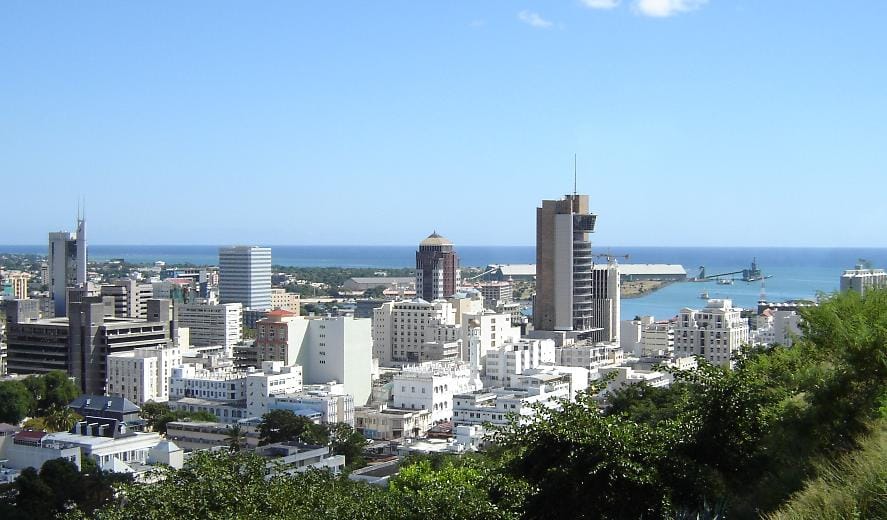
Mauritius is an island nation in the Indian Ocean, east of Madagascar, a tropical paradise of white beaches, turquoise lagoons, and lush mountains. Uninhabited until modern times, it was settled by a succession of European powers who brought enslaved Africans and then indentured Indian labourers, creating one of the most diverse societies on Earth. Famous as the only known home of the extinct dodo, Mauritius has become a rare African success story, a stable, prosperous democracy built on sugar, tourism, and finance.
Mauritius had no native people, and its whole society was assembled, over three centuries, by the powers who came for its strategic harbours and its sugar, and by the enslaved and indentured they brought to work it.
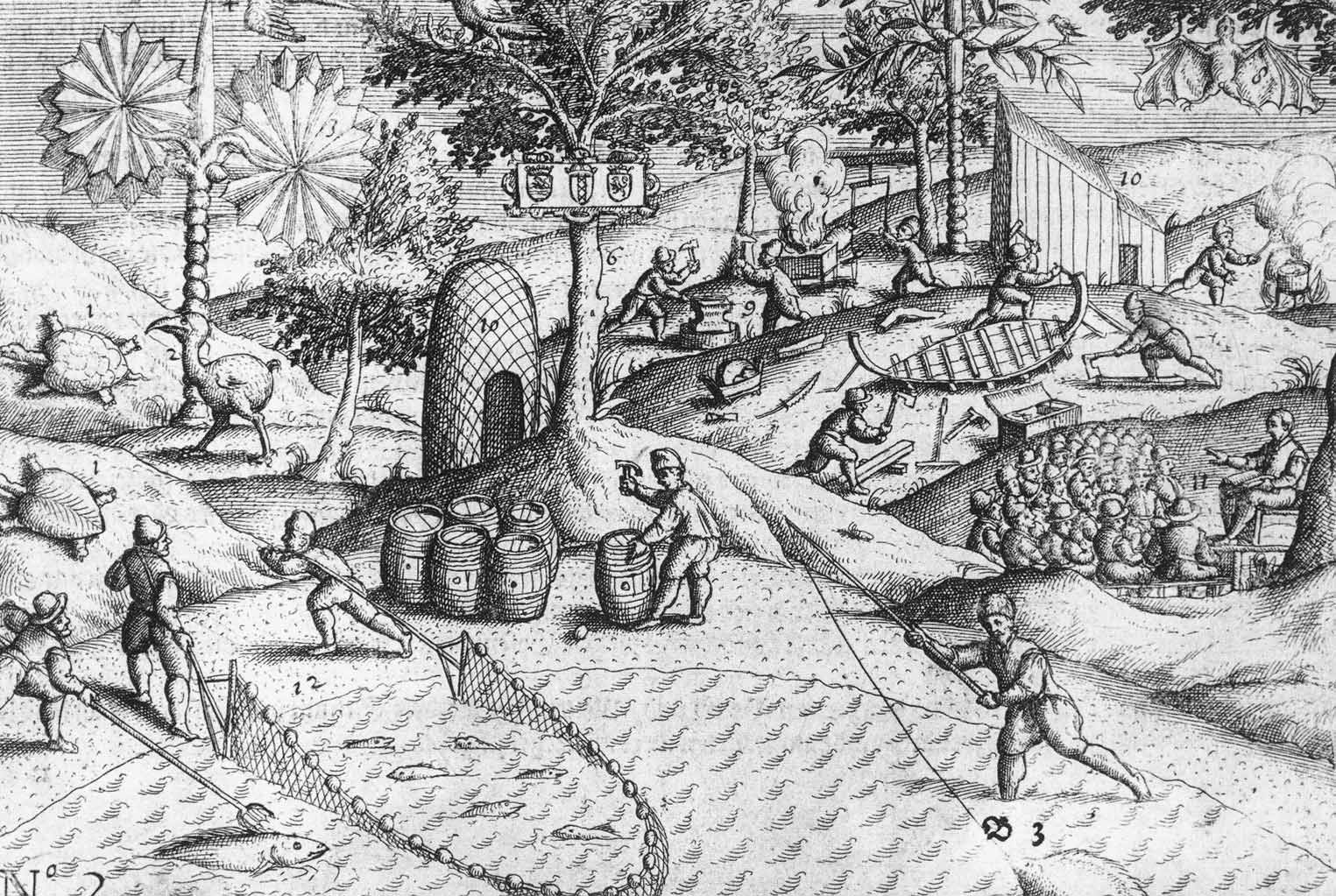
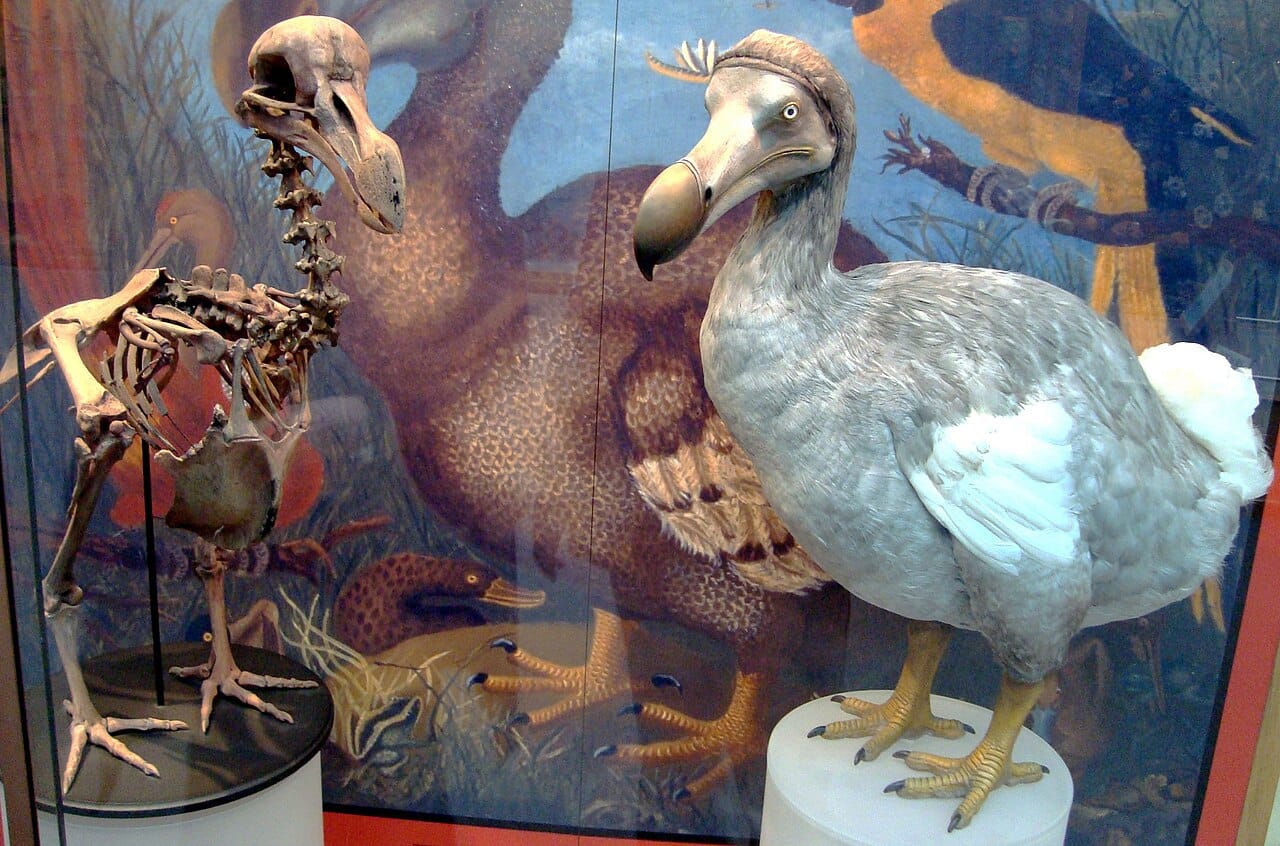
Known to Arab and Portuguese sailors but left unsettled, the island was first colonised by the Dutch in 1638, who named it after their Prince Maurice. Their most lasting mark was an act of destruction: within a few decades of their arrival, the dodo, a large flightless bird found only here and utterly unafraid of humans, had been hunted and driven to extinction, becoming forever the world's emblem of a species wiped out by people. The Dutch abandoned the island in 1710.
France took the island in 1715, renamed it the Isle de France, and built the plantation economy that would define it, growing sugar with the labour of enslaved Africans and Malagasy shipped across the ocean. Its fine harbour made it a base for French privateers preying on British shipping, and in the Napoleonic Wars the two empires fought over it, the French winning a famous naval victory at Grand Port before Britain seized the island in 1810 and kept it, restoring the name Mauritius.
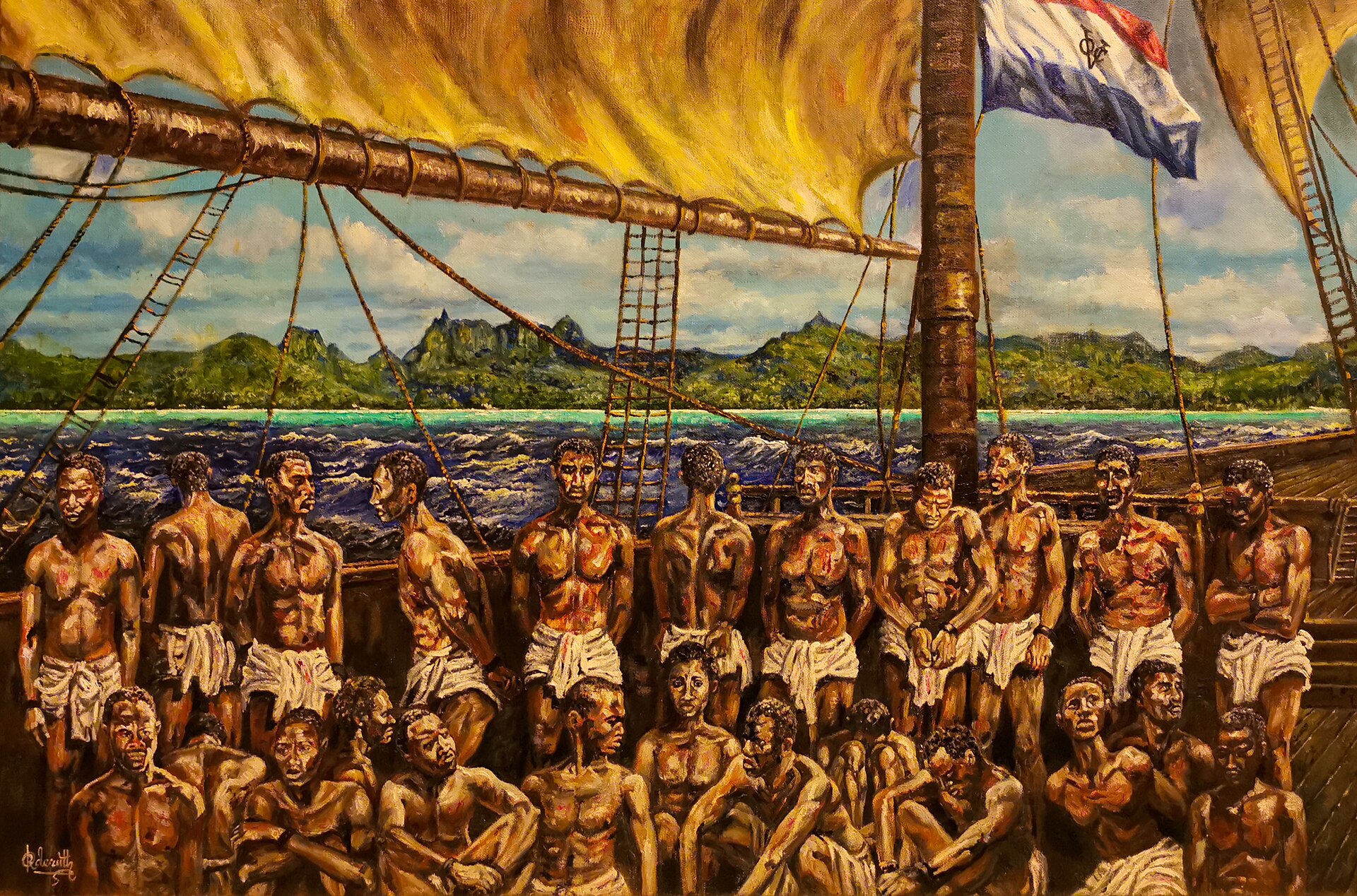
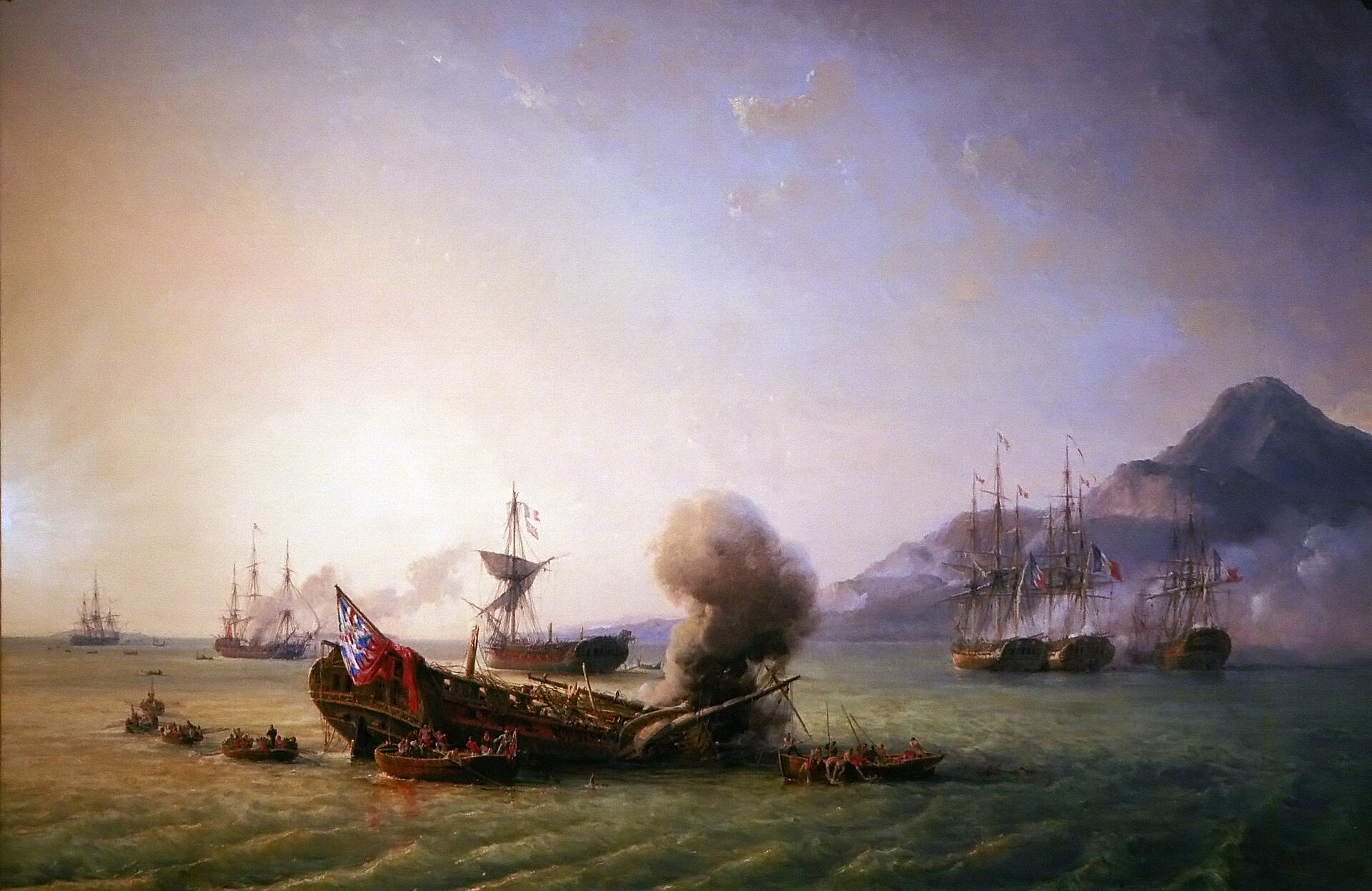
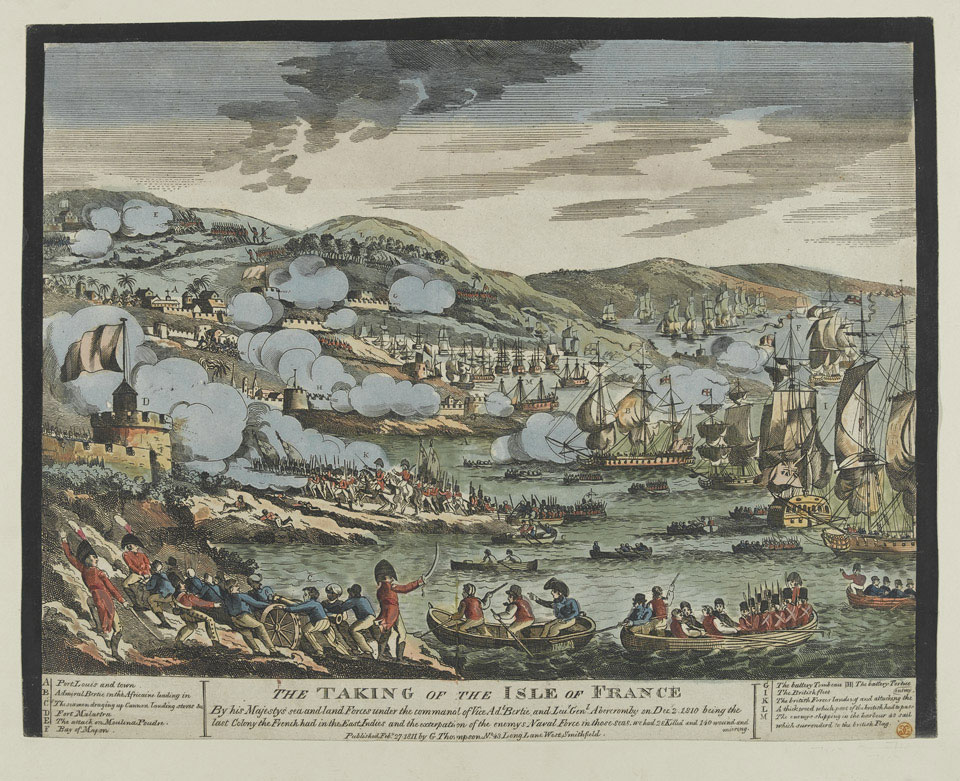
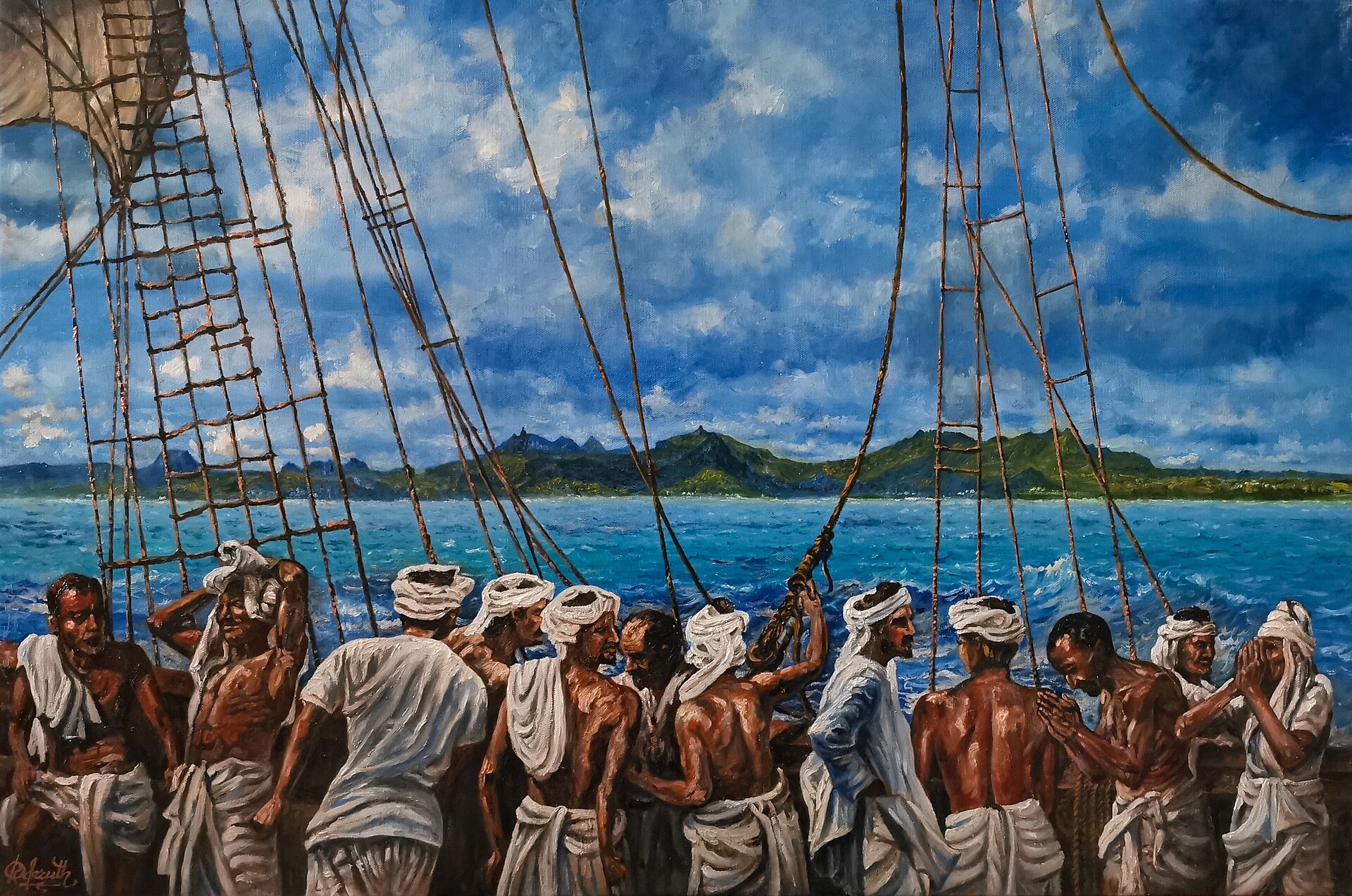
After Britain abolished slavery in 1835, the planters turned to indentured labour, and over the following decades brought roughly half a million workers from India to toil on the sugar estates, a migration so vast that it made Indo-Mauritians the majority and reshaped the island's faith, food, and language. From this layering of Dutch, French, African, Indian, and Chinese arrivals came one of the most diverse societies on Earth. Mauritius gained independence in 1968 and became a republic in 1992.
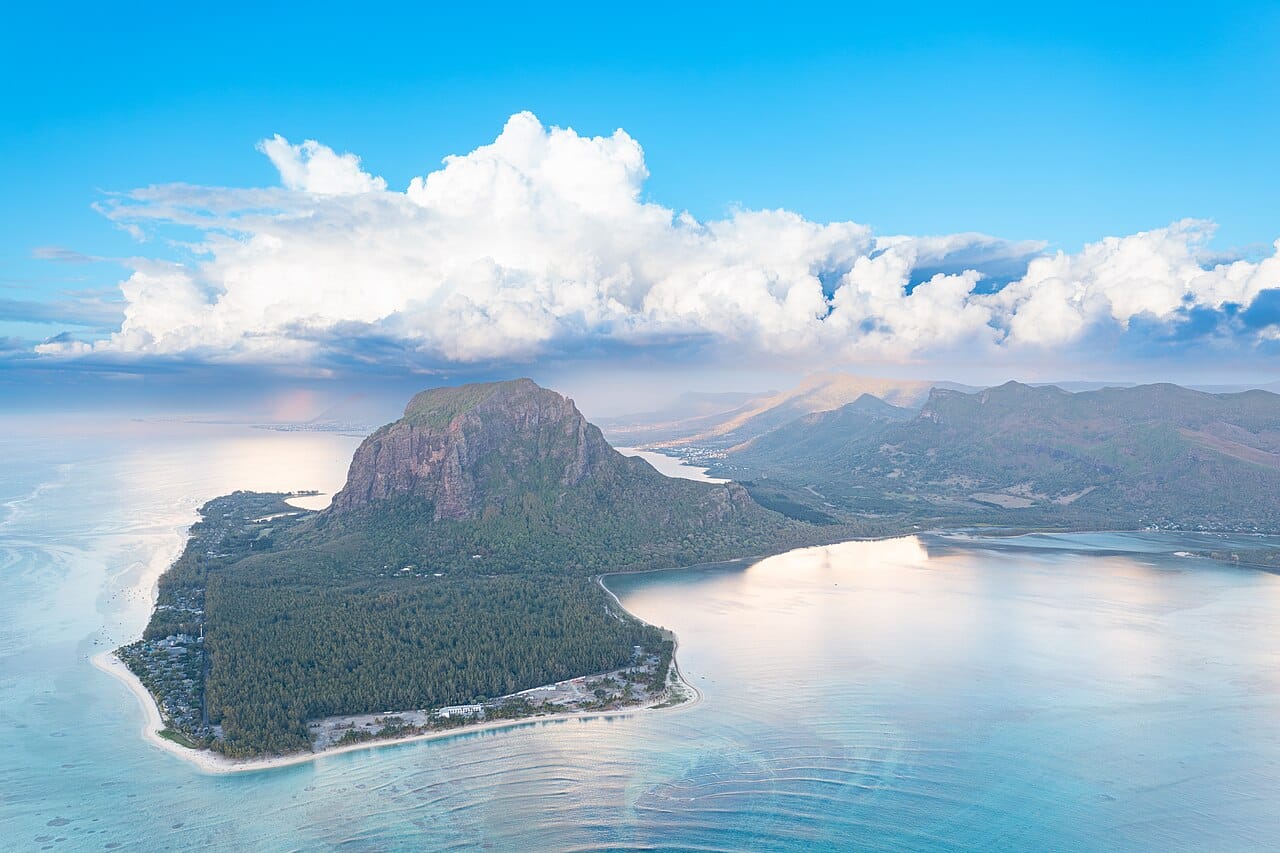
Mauritius is a volcanic island, ringed almost entirely by coral reefs that enclose calm, clear lagoons, with a central plateau rising to jagged, forested mountain peaks, the dramatic remnants of ancient volcanoes. The climate is tropical, tempered by ocean breezes, and the island's beaches, reefs, and scenery have made it a celebrated holiday destination. Once covered in unique forests that were home to the dodo and other creatures found nowhere else, much of the island is now given over to sugarcane fields.
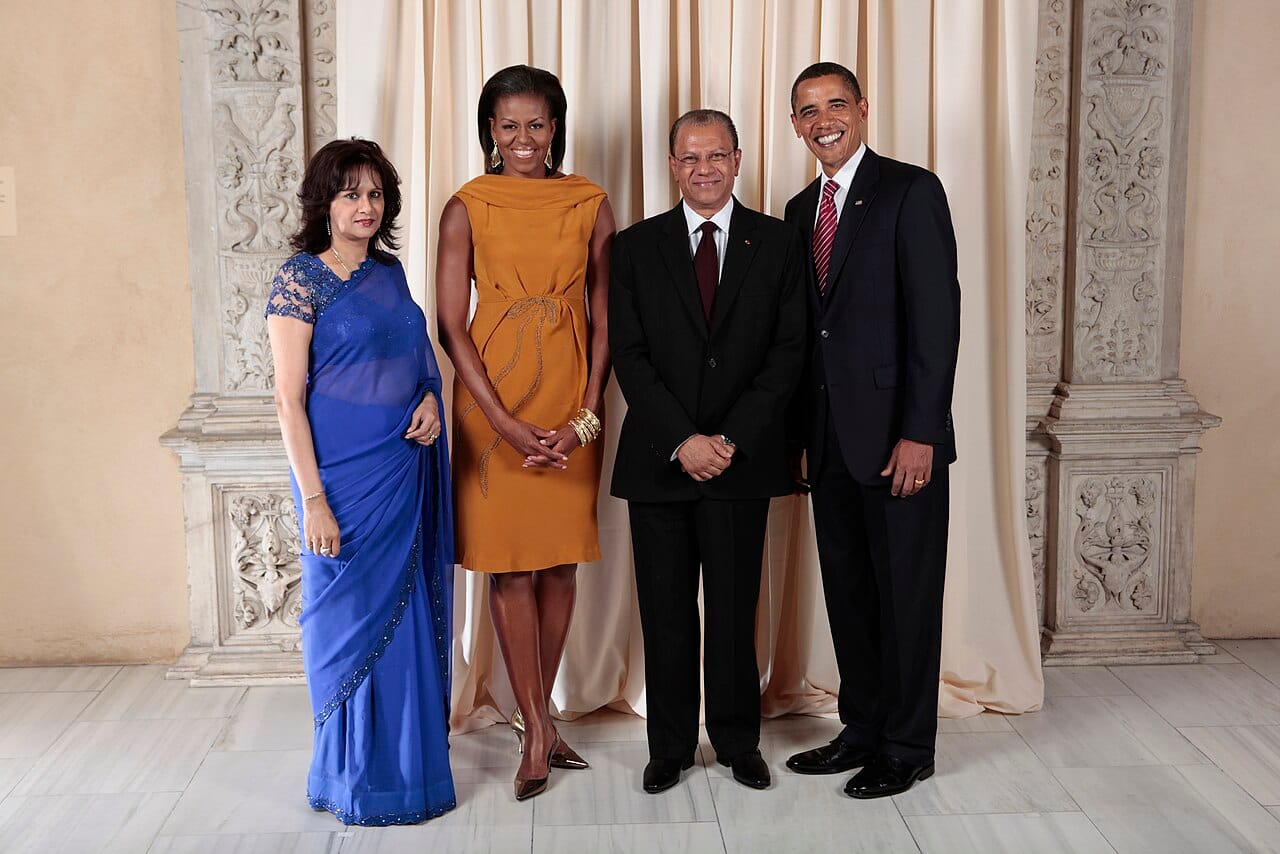
Mauritius is a parliamentary republic and one of Africa's most stable and admired democracies, with a strong record of free elections, press freedom, and peaceful transfers of power. Its politics is competitive and, to a degree, dynastic, long shaped by rivalry between a few leading families and coalitions. In 2024 an opposition alliance won a landslide, and Navin Ramgoolam, the son of the country's founding prime minister, returned to the office of prime minister he had held before. Mauritius also won a long diplomatic campaign in these years, securing an agreement from Britain to hand back sovereignty over the Chagos Archipelago, detached from the colony before independence, though the fate of the Chagossians expelled to make way for a military base remains a painful and unresolved question.
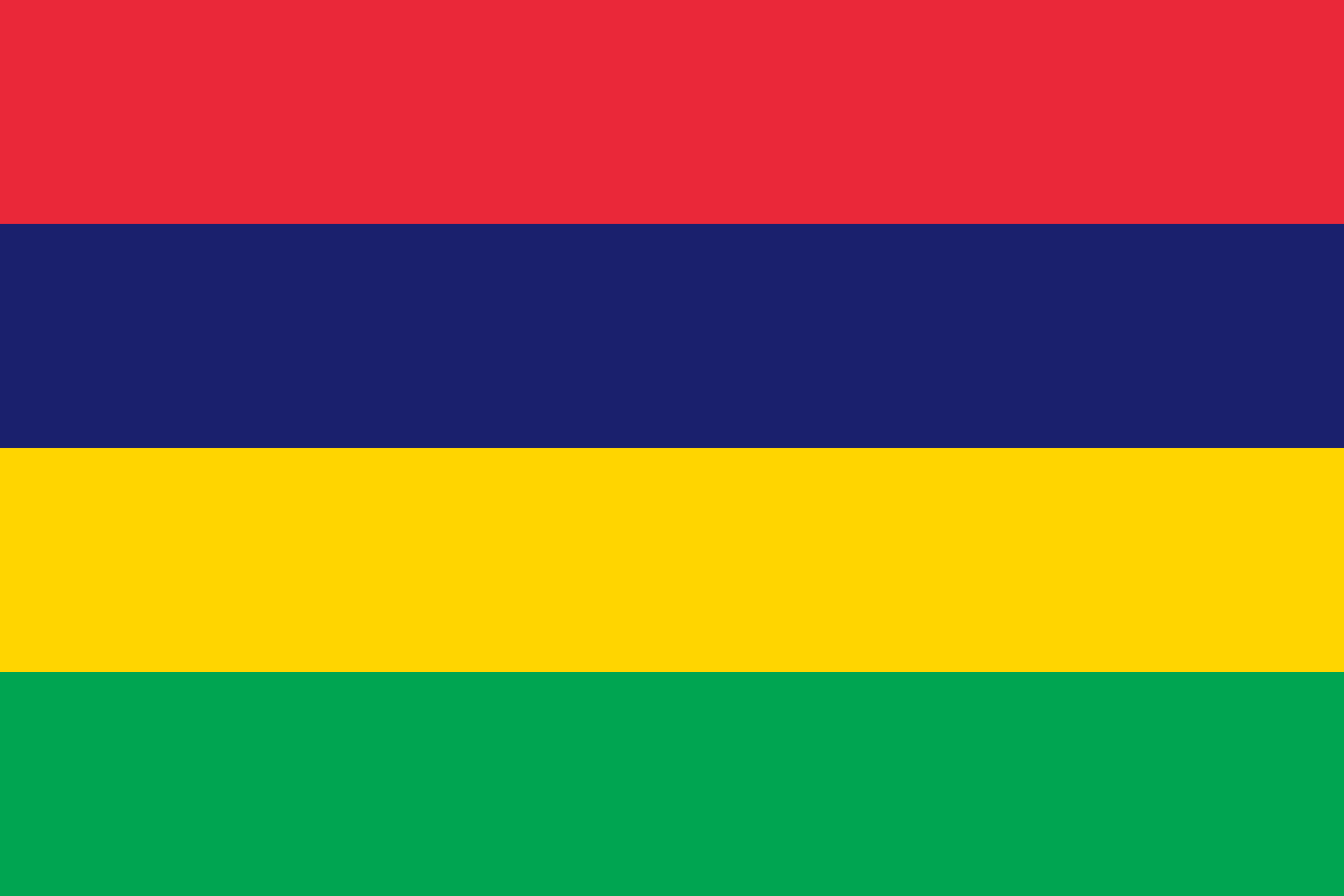
The flag of Mauritius has four horizontal bands of red, blue, yellow, and green, an unusual four-colour design. The red is said to represent the struggle for freedom and independence, the blue the Indian Ocean that surrounds the island, the yellow the light of independence shining over the nation, and the green the lush vegetation and agriculture of this tropical land. The bright, distinctive flag has been the emblem of the nation since independence in 1968.
Mauritius is one of the most religiously diverse countries in the world, a reflection of its mixed population. Hinduism, brought by the Indian indentured labourers, is the largest faith, followed by a substantial number of people, alongside Christianity, mainly Roman Catholicism among the Creole and Franco-Mauritian communities, and Islam, also brought from the Indian subcontinent. Buddhism and other faiths are present too. This variety of religions coexists peacefully, and the island's calendar is filled with festivals from each of its traditions.
Mauritian cuisine is a delicious reflection of the island's diversity, blending Indian, Creole, Chinese, and French traditions. Curries and the use of abundant spices come from the Indian heritage, while Creole cooking brings fiery rougaille, a tomato-based sauce, and dishes of seafood from the surrounding lagoons. Street foods such as the savoury Indian-style snacks known as dholl puri are beloved, and rice and noodles reflect Asian influences. The result is one of the most varied and flavourful food cultures of any small nation.
Agriculture in Mauritius has long been dominated by sugarcane, which once blanketed the island and built its colonial economy, and which, though less central than before, still covers much of the farmland and supplies a major export. The island also grows tea, tobacco, and a variety of fruits and vegetables, and fishing in its waters is important. As the economy has diversified into tourism, textiles, and financial services, agriculture has declined in relative importance, but the green fields of cane remain a defining feature of the landscape.
At independence in 1968, Mauritius seemed to have every disadvantage: a poor, overcrowded island dependent on a single crop, sugar, whose fortunes rose and fell with a fickle world price, its future so bleak that some economists predicted disaster. What followed instead is remembered as the Mauritian miracle. Through shrewd policy and a stable democracy, the country diversified out of sugar into textiles and manufacturing, then into tourism drawn by its beaches, and then into financial services, becoming a regional business hub. Today Mauritius is among the wealthiest countries in Africa, with high standards of living and health, and it is regularly ranked at or near the top of the continent for good governance, economic freedom, and the rule of law, a small, diverse nation widely held up as a model of how prosperity can be built.
Mauritian culture is a genuine fusion, its calendar crowded with the festivals of every community, Hindu, Christian, Muslim, and Chinese, all national celebrations on an island proud of living together in peace. The heart of the local music is the sega, the rhythmic song and dance born among the enslaved, now the sound of the nation, while cuisine, language, and daily life all blend Indian, Creole, French, and Chinese strands. That easy coexistence, in one of the most diverse populations on Earth, is itself a source of national pride and a pillar of the country's success.
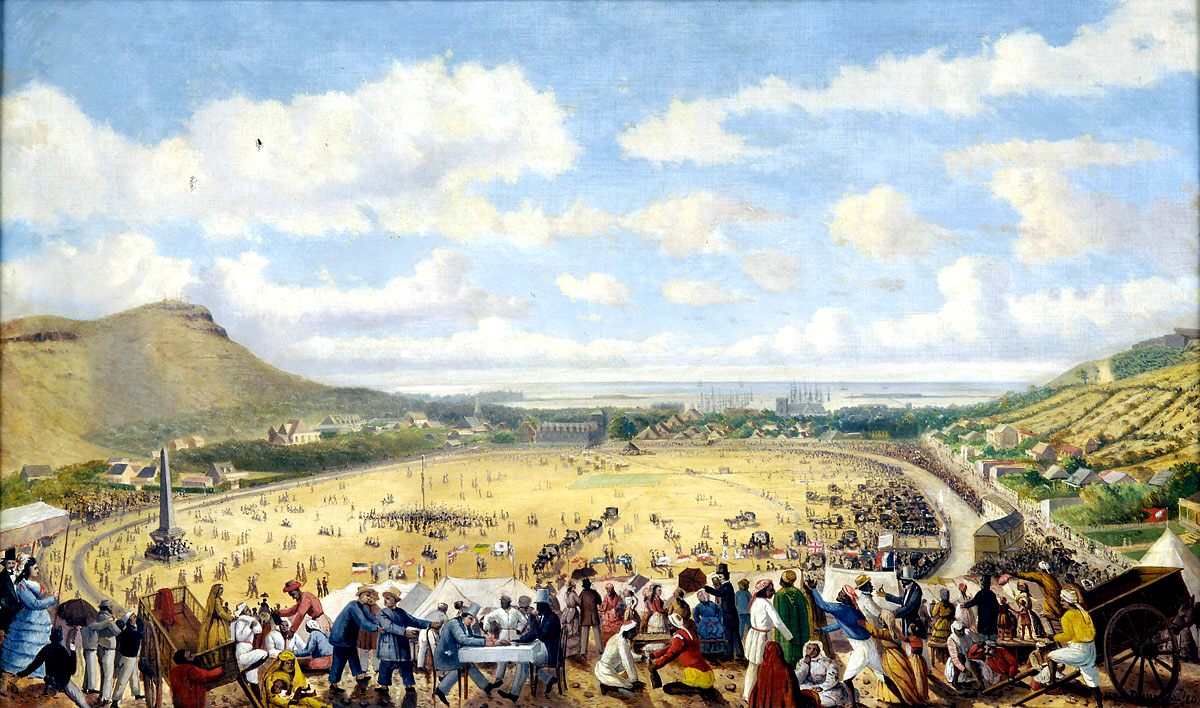
Mauritius has a population of around 1.3 million people, one of the most diverse in the world. The largest group are Indo-Mauritians, descendants of the indentured labourers, alongside a substantial Creole population of African and mixed descent, and smaller communities of Chinese and Franco-Mauritian origin. English is the official language, French is widely used, and a French-based Creole is the everyday tongue of most people. The population is dense and largely urban, and the diversity of its peoples and faiths is central to the national identity.