Mauritania is a large country in northwest Africa, the great majority of it lying within the Sahara Desert, on the Atlantic coast between the Maghreb and West Africa. A bridge between the Arab and Berber north and the Black African south, it has an ancient heritage as a land of desert caravans and Islamic scholarship, home to fabled trading towns whose libraries still hold priceless manuscripts. Sparsely populated and arid, it is rich in iron ore and bordered by some of the most productive fishing waters in the world.
Mauritania's history runs from a green Sahara, through the caravan towns and empire-builders of the desert, to a modern nation still wrestling with the deepest divisions of its past.
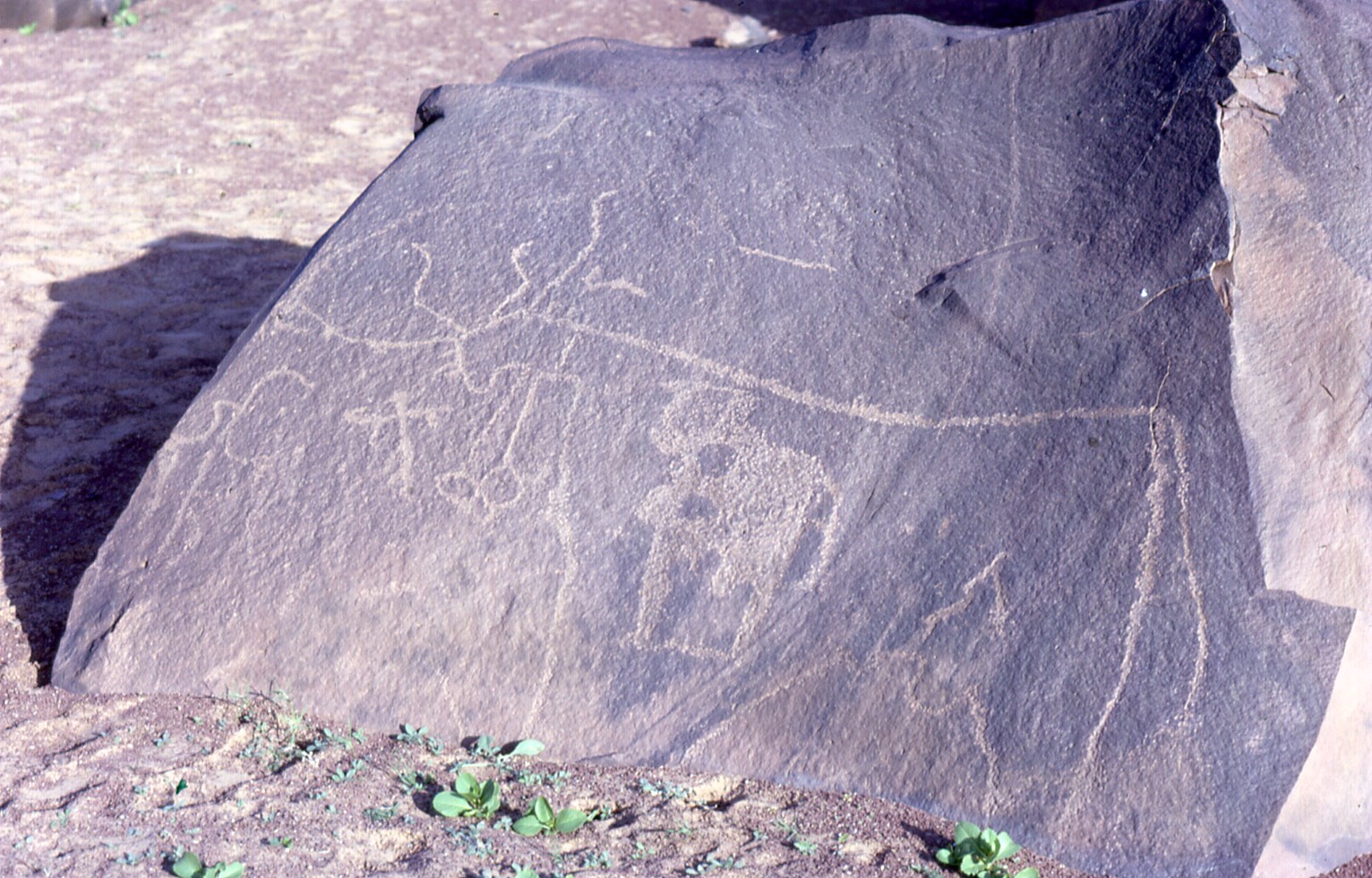
Thousands of years ago the Sahara was a well-watered land, and its early peoples left rock art across what is now Mauritania before the desert claimed it. As the sands spread, the region became a crossroads of the trans-Saharan trade, and desert towns such as Chinguetti, Ouadane, and Oualata grew into celebrated centres of Islamic scholarship and pilgrimage, their libraries filled with manuscripts that survive to this day. From these lands, in the eleventh century, arose the Almoravid movement, whose warriors built an empire that reached from the Senegal River to Spain.
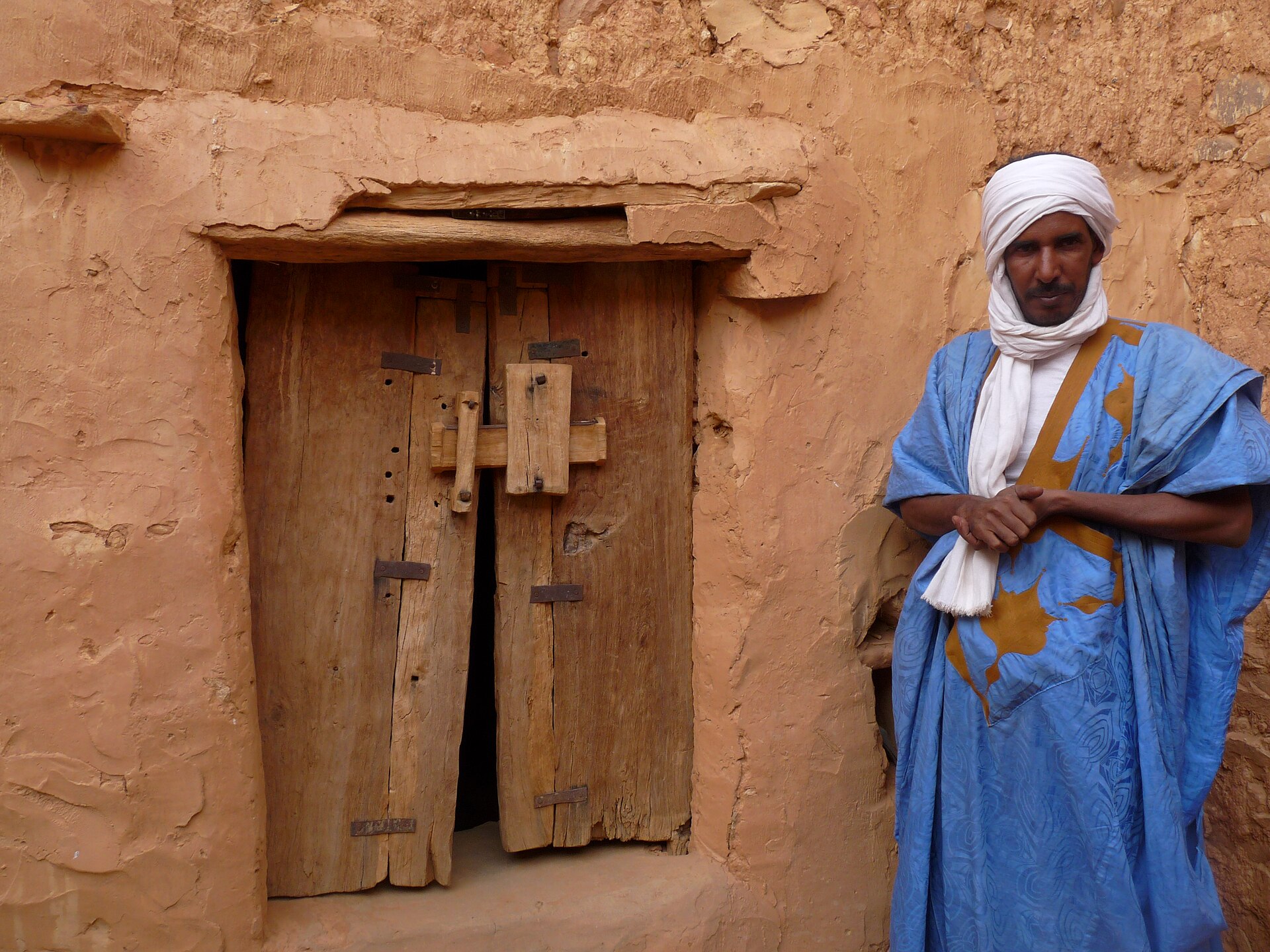
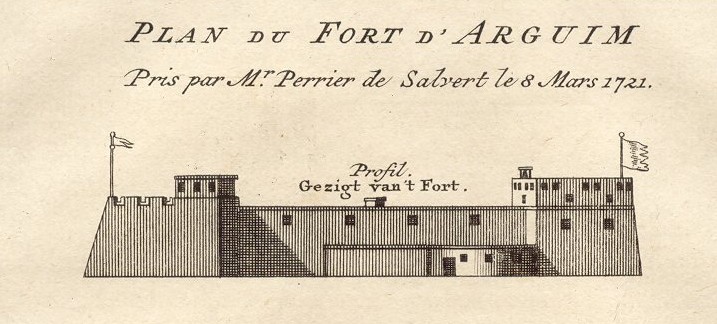
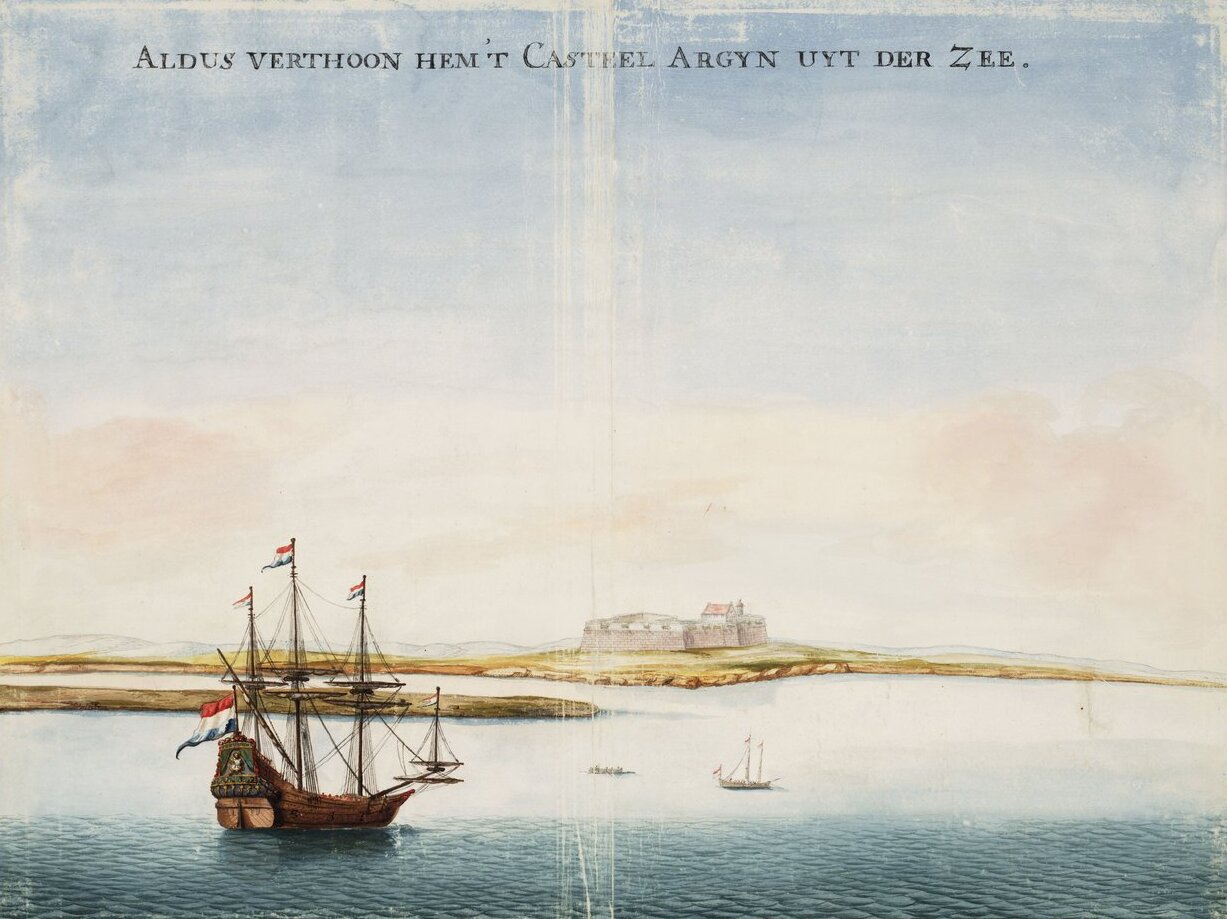
On the Atlantic coast, the island of Arguin became, in 1445, the site of the first European trading fort in sub-Saharan Africa, a Portuguese post that drew the region into the Atlantic slave trade before passing to the Dutch and others. Inland, Arab peoples migrating from the north mingled with the Berbers to form the Moors, whose Hassaniya Arabic and desert culture came to dominate. France gradually conquered the territory in the early twentieth century, ruling it as part of French West Africa, and Mauritania gained independence in 1960.
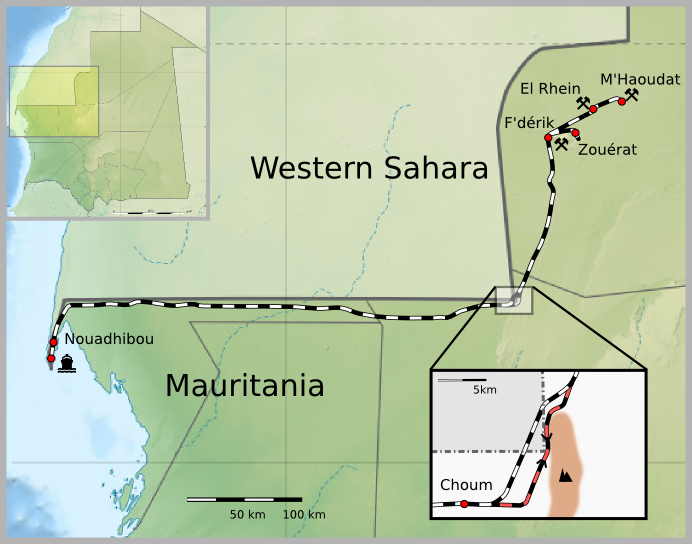
Mauritania is overwhelmingly desert, with the Sahara covering most of the country, a vast and largely empty expanse of sand dunes, rocky plateaus, and the occasional oasis. A narrow band of semi-arid Sahel in the south, near the Senegal River, holds the best farmland and much of the settled population. The Atlantic coast, by contrast, washes some of the richest fishing grounds on Earth, where cold, nutrient-laden waters teem with fish, a major resource for an otherwise barren land.
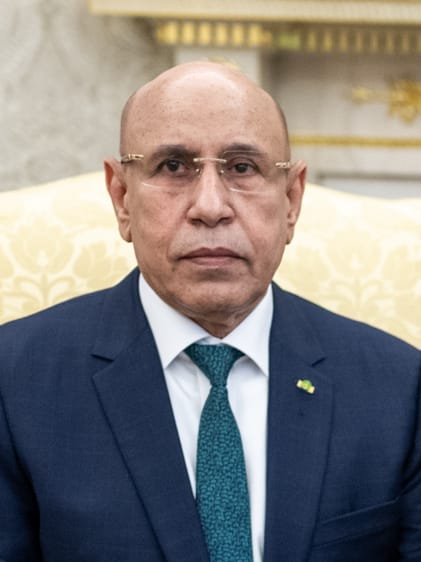
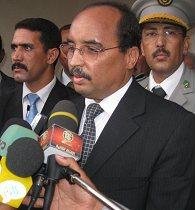
Mauritania is an Islamic republic whose politics has been dominated, since independence, by the military. A long series of coups has repeatedly put generals in the presidential palace, and even elected governments have grown out of the officer corps. The president since 2019 is Mohamed Ould Ghazouani, a former general and defence chief, re-elected in 2024; his rise to power, though through the ballot box, marked the country's first transfer of power between elected presidents, a modest step toward stability. His government balances a strategic partnership with the West against jihadist threats in the Sahel with the country's own deep internal divisions.
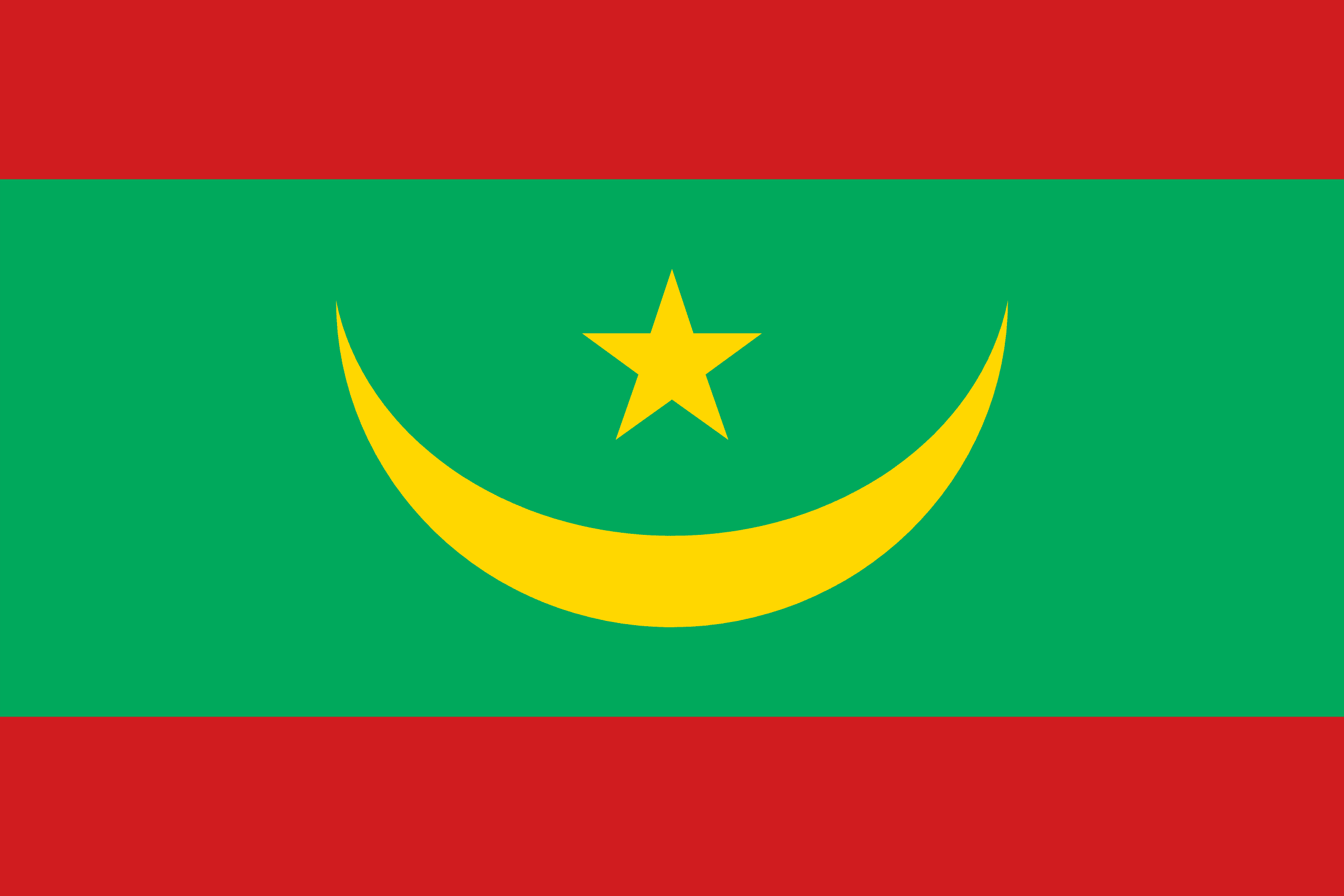
The flag of Mauritania is green, bearing a golden crescent moon and star, with horizontal red stripes added across the top and bottom. The green and the crescent and star are traditional symbols of Islam, the faith that defines the nation, which calls itself an Islamic republic, while the gold is associated with the sands of the Sahara. The red stripes, added in a later revision, are said to represent the blood shed by those who defended the country.
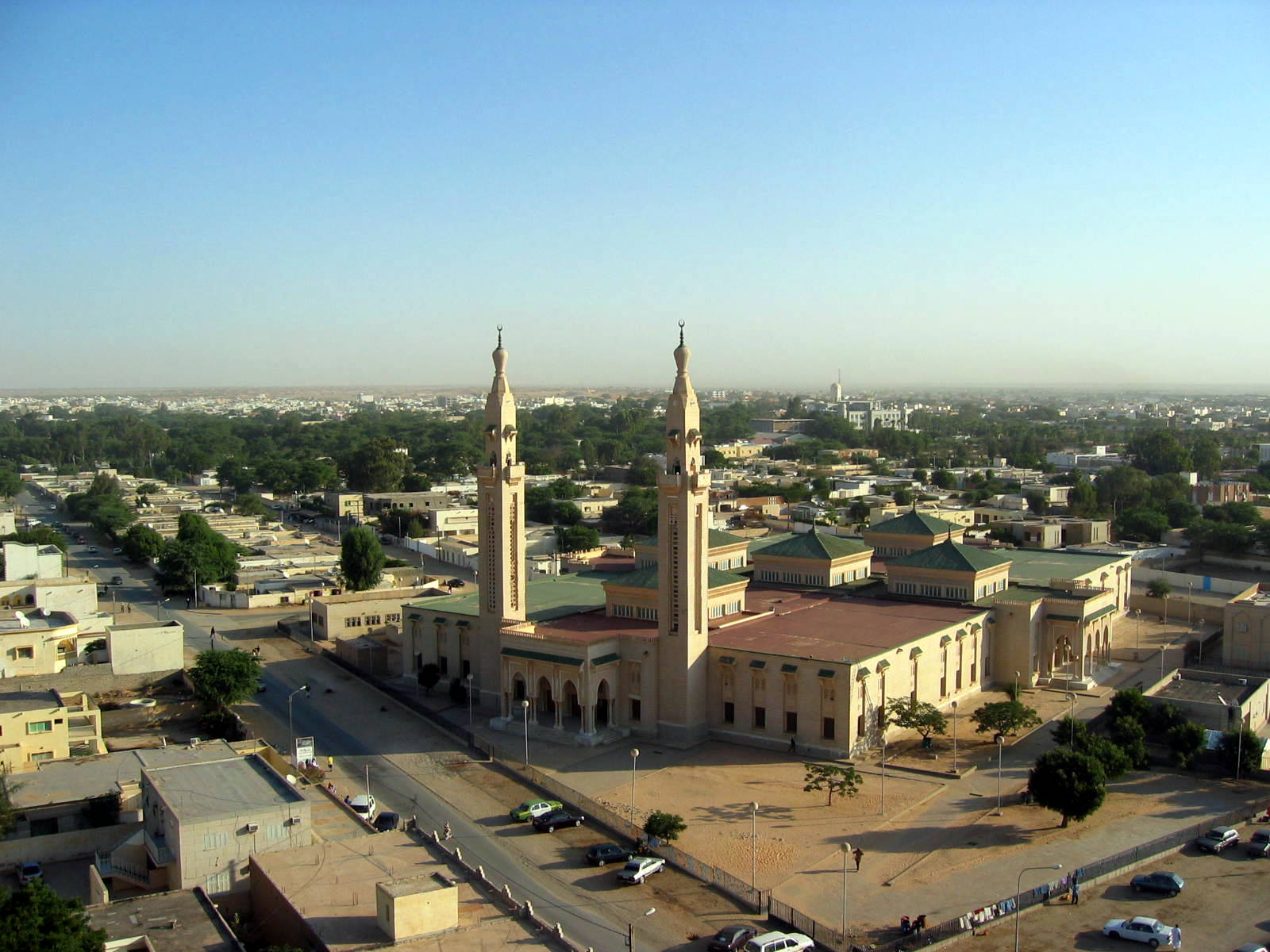
Mauritania is an Islamic republic, and Islam is not only the overwhelming faith but the very basis of the state, with virtually the entire population following Sunni Islam. The country has a deep heritage of Islamic scholarship, embodied in the ancient libraries of towns like Chinguetti, and religious tradition shapes law, education, and daily life. Sufi brotherhoods are influential. The practice of any other religion is heavily restricted, making Mauritania one of the most religiously uniform countries in the world.
Mauritanian cuisine reflects the country's desert and its position between the Arab and African worlds. Meat, especially from the herds of camels, goats, and sheep, and dates from the oases are central, along with rice and millet. A traditional dish is thieboudienne, the fish and rice dish shared with neighbouring Senegal, reflecting the importance of the coast. Camel milk is prized, and strong, sweet tea, poured in an elaborate ceremony of several rounds, is central to a culture of warm hospitality.
Agriculture in Mauritania is severely limited by the desert that covers most of the land, confined largely to the Senegal River valley in the south and a few oases, where farmers grow millet, sorghum, rice, dates, and vegetables. Herding of camels, cattle, sheep, and goats across the Sahel is a traditional way of life. Far more important to the economy, however, are the country's rich offshore fisheries and its large deposits of iron ore, which is the leading export.
Mauritania carries one of the most painful and disputed legacies in the world: slavery. For centuries, a rigid social order held the lighter-skinned Arab-Berber Moors, the Bidhan, above a class of enslaved Black Africans and their descendants, the Haratin, in a hereditary bondage passed from mother to child. Mauritania was the last country on Earth to formally abolish slavery, in 1981, and did not make it a crime until 2007, strengthening the law in 2015. Yet human-rights organisations say the practice persists, with tens of thousands of people, by some estimates far more, still held in slavery or slavery-like conditions, above all in the remote countryside, bound by custom and dependence even where the chains are gone.
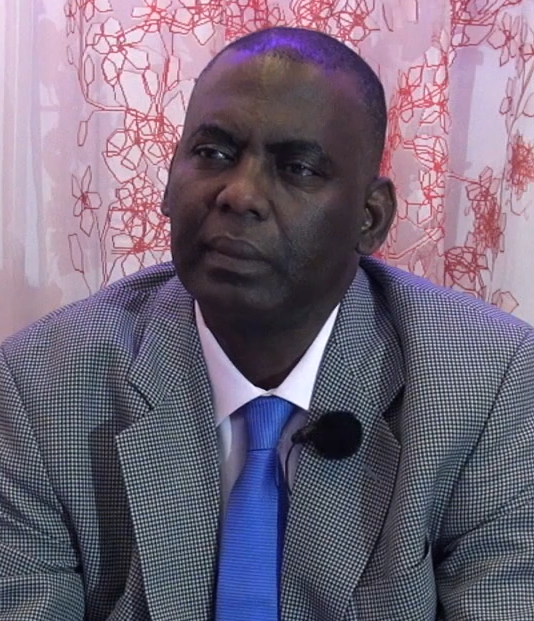
The subject is fiercely contested. The government insists that slavery has been abolished and that only isolated remnants remain, and it has jailed prominent anti-slavery campaigners, among them Biram Dah Abeid, an activist of Haratin descent who has run for president from a prison cell. Rights groups, and the activists themselves, counter that the state is in deep denial about a system that still shapes the lives of a large underclass, layered atop a wider ethnic hierarchy that also marginalises the Black African peoples of the south. This account records the documented dispute.
Mauritania has a population of around 5 million people, spread thinly across its vast, mostly desert territory, making it one of the least densely populated countries in the world. Its people are divided mainly between the Arab-Berber Moors, the formerly enslaved Haratin, and Black African groups such as the Haalpulaar, Soninke, and Wolof of the south, divisions central to the country's social and political life. Arabic is the official language. Most people now live in towns, above all the fast-growing capital, Nouakchott, on the Atlantic coast.