The Marshall Islands is an island nation in the central Pacific, made up of more than a thousand low-lying coral islands grouped into 29 atolls and a few isolated islands, spread across a vast area of ocean. A Micronesian nation with a remarkable seafaring heritage, its navigators once crossed the open Pacific guided by their knowledge of the swells, recorded on ingenious stick charts. In the twentieth century the islands became the site of extensive American nuclear weapons testing, whose tragic legacy still shapes the nation, which today is closely associated with the United States.
The Marshallese story moves from a golden age of ocean navigation, through a succession of foreign empires, to a nuclear ordeal that still defines the nation.
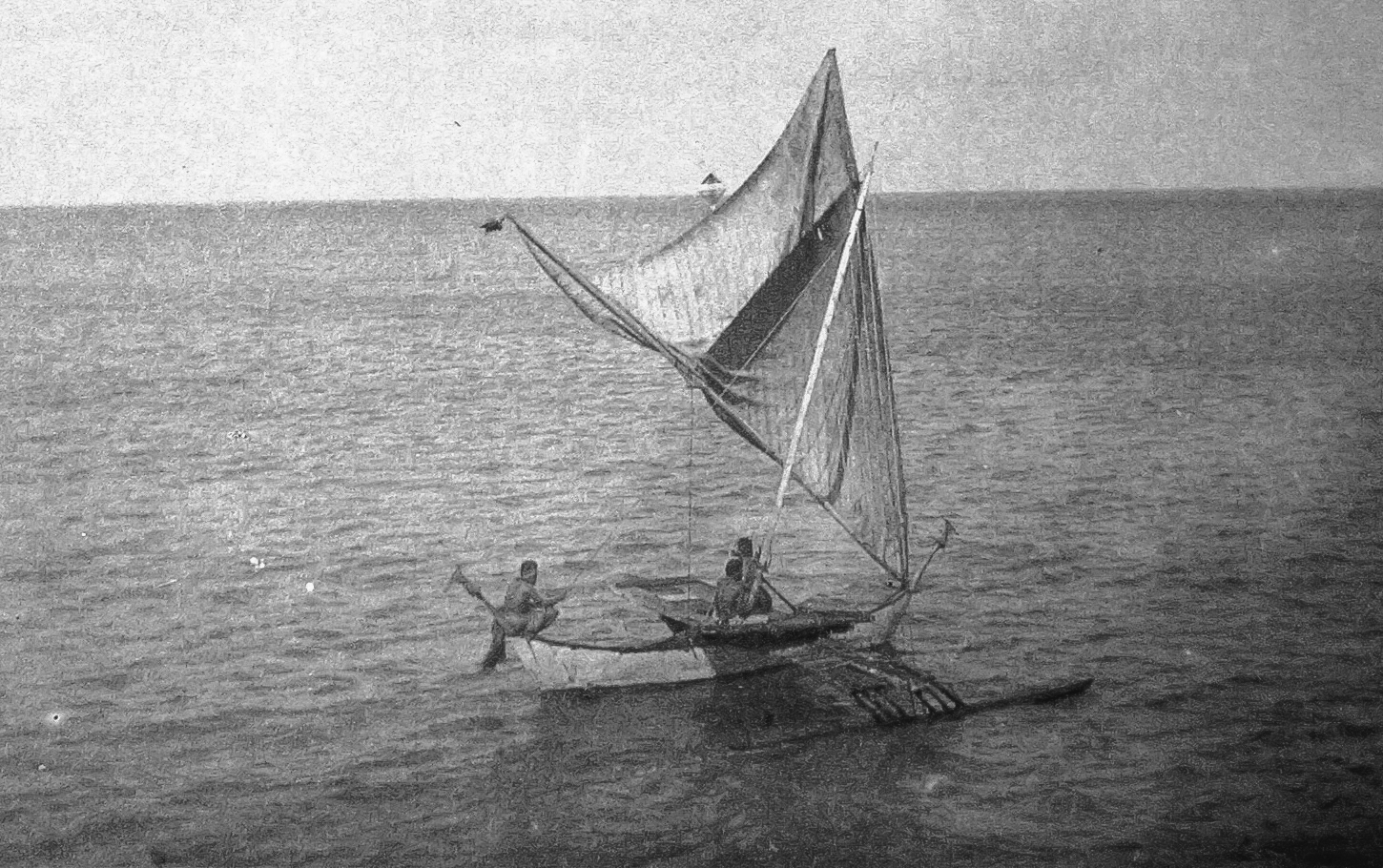
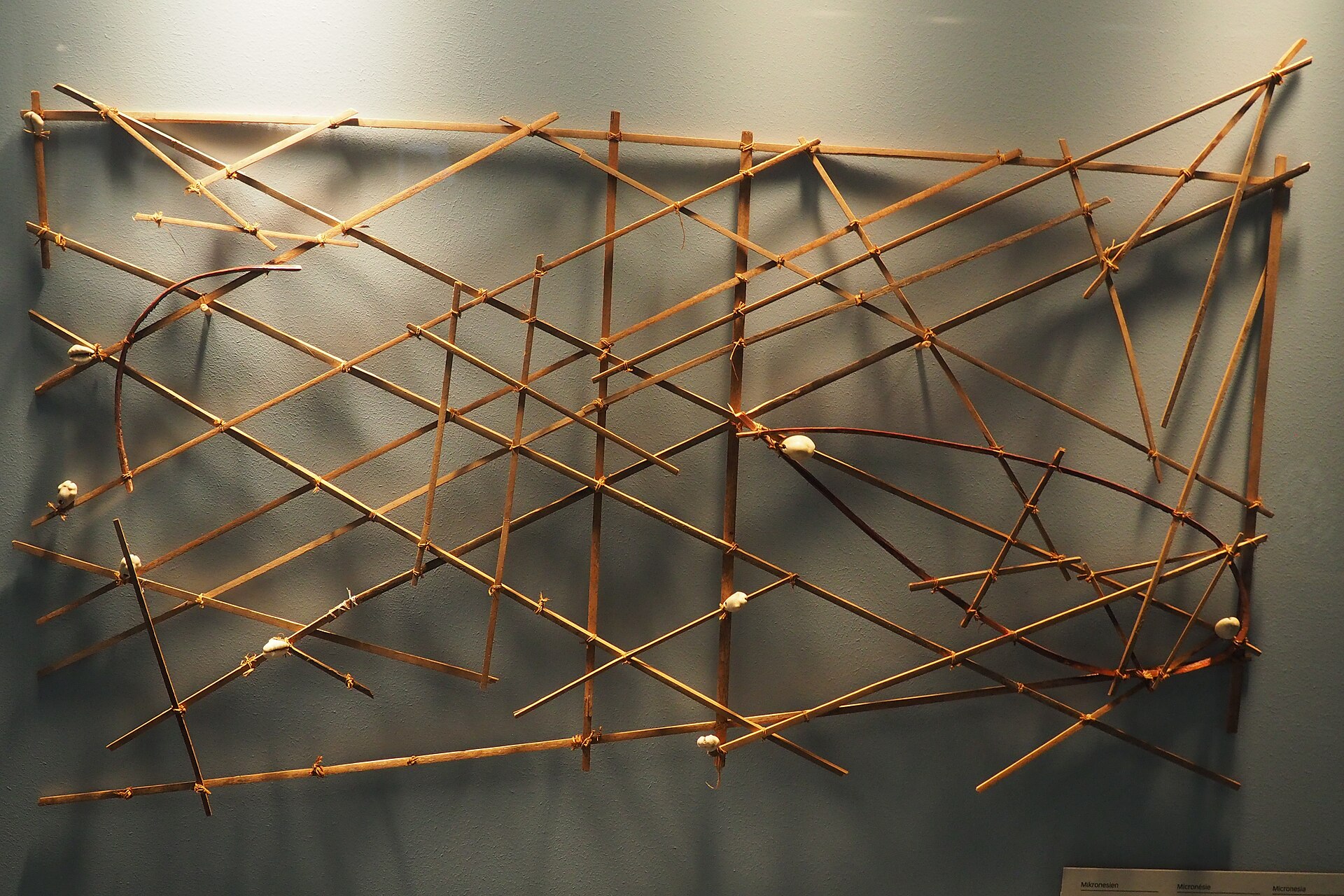
The islands were settled by Micronesian peoples some two thousand years ago, and their descendants became among the greatest navigators the world has known, crossing vast stretches of empty ocean between tiny atolls. They read the sea itself, the way ocean swells bend and echo around islands far over the horizon, and taught this knowledge with the famous stick charts, lattices of palm ribs and shells that mapped the patterns of the waves.
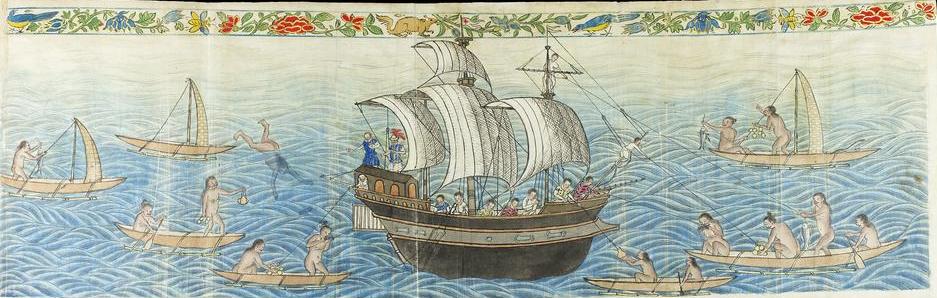
Europeans reached the islands in the sixteenth century, and they later took their name from a British sea captain, John Marshall. Spain claimed them but ruled lightly; Germany bought them in 1885 and worked the copra trade from a base at Jaluit; and after the First World War Japan took over, governing the islands as part of its South Seas mandate until the Second World War.
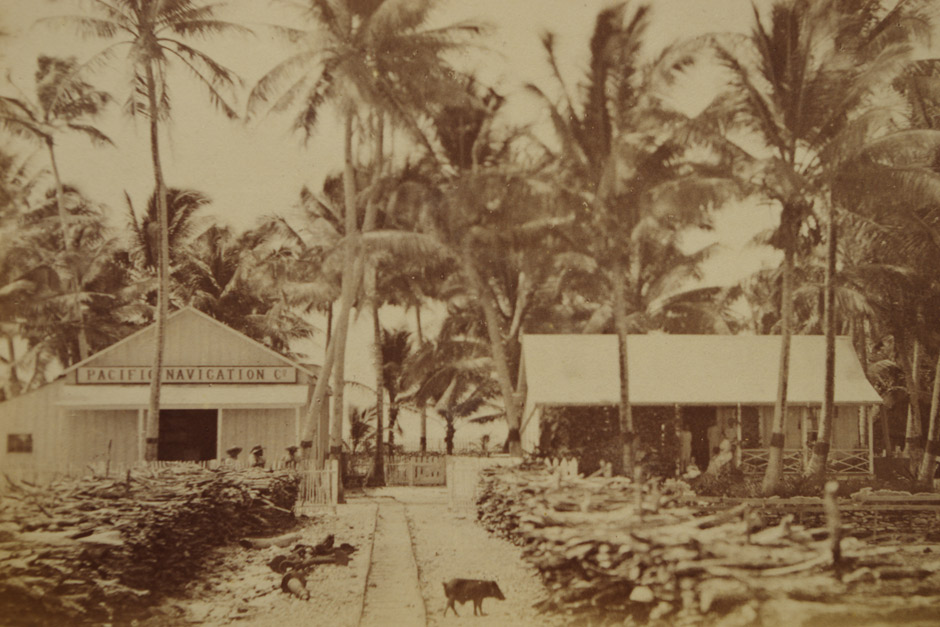
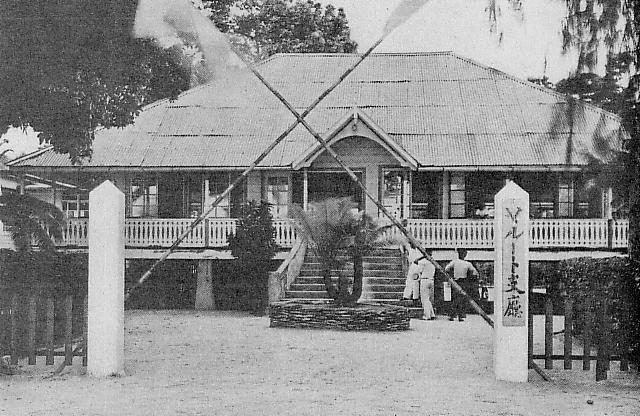
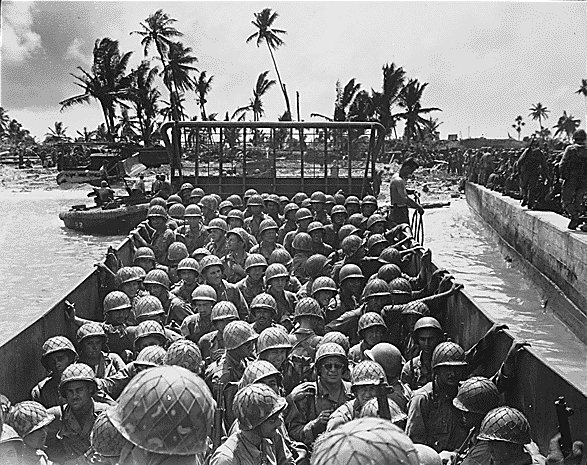
The United States captured the islands from Japan in the Second World War, including the fierce Battle of Kwajalein in 1944. Under American administration the Marshalls then became the testing ground for the young nuclear age, an ordeal described below. The nation gained self-government and, in 1986, independence in free association with the United States.
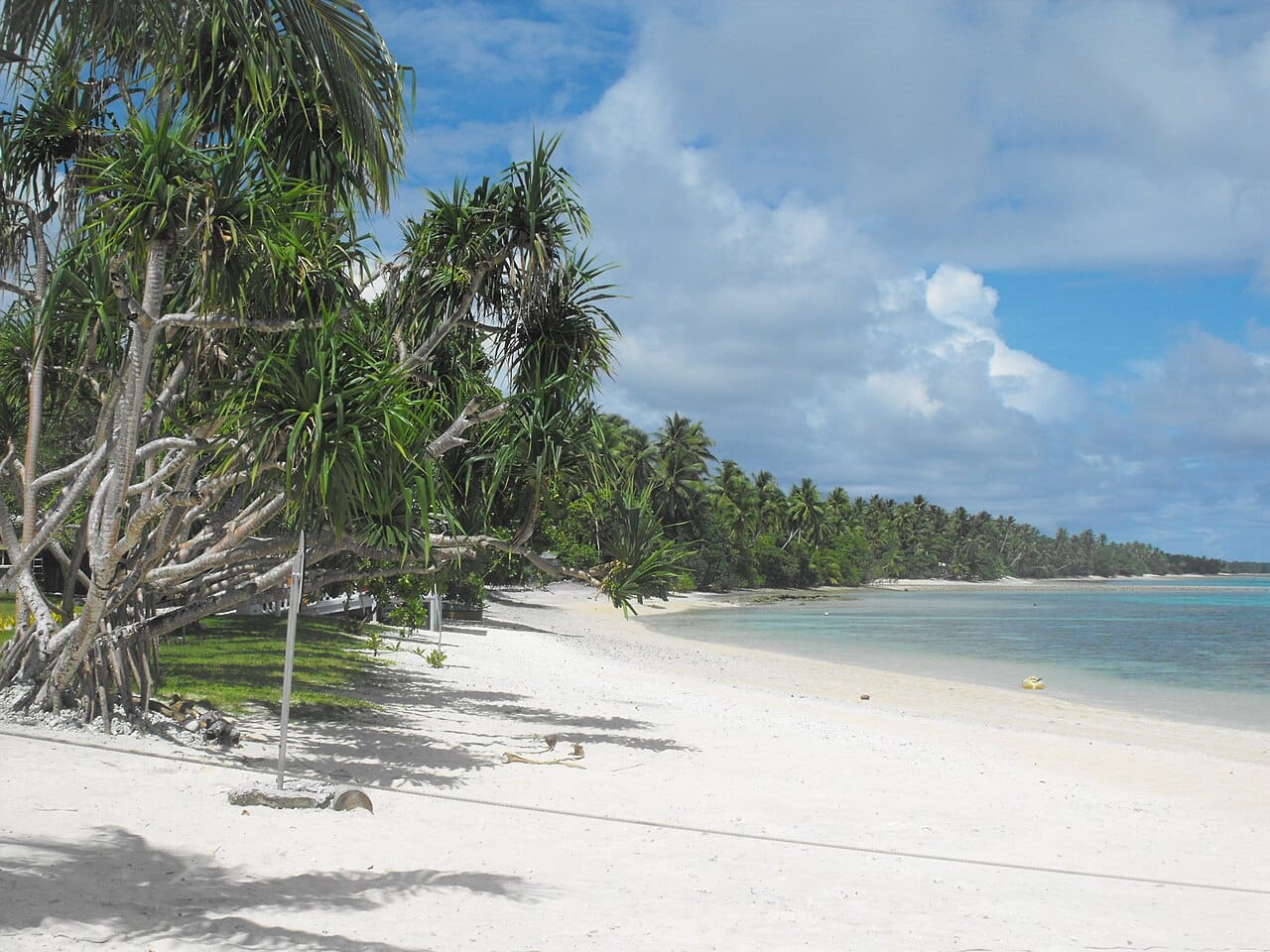
The Marshall Islands consists of more than a thousand tiny coral islands and islets gathered into 29 atolls and five isolated islands, arranged in two roughly parallel chains across the central Pacific. The islands are extremely low and flat, rarely more than a couple of metres above the sea, slender rings and strips of coral enclosing large lagoons, some among the biggest in the world, such as Kwajalein. With their minimal elevation, the islands are gravely threatened by rising sea levels and storm surges, and their scattered, watery geography has always made the ocean central to Marshallese life.
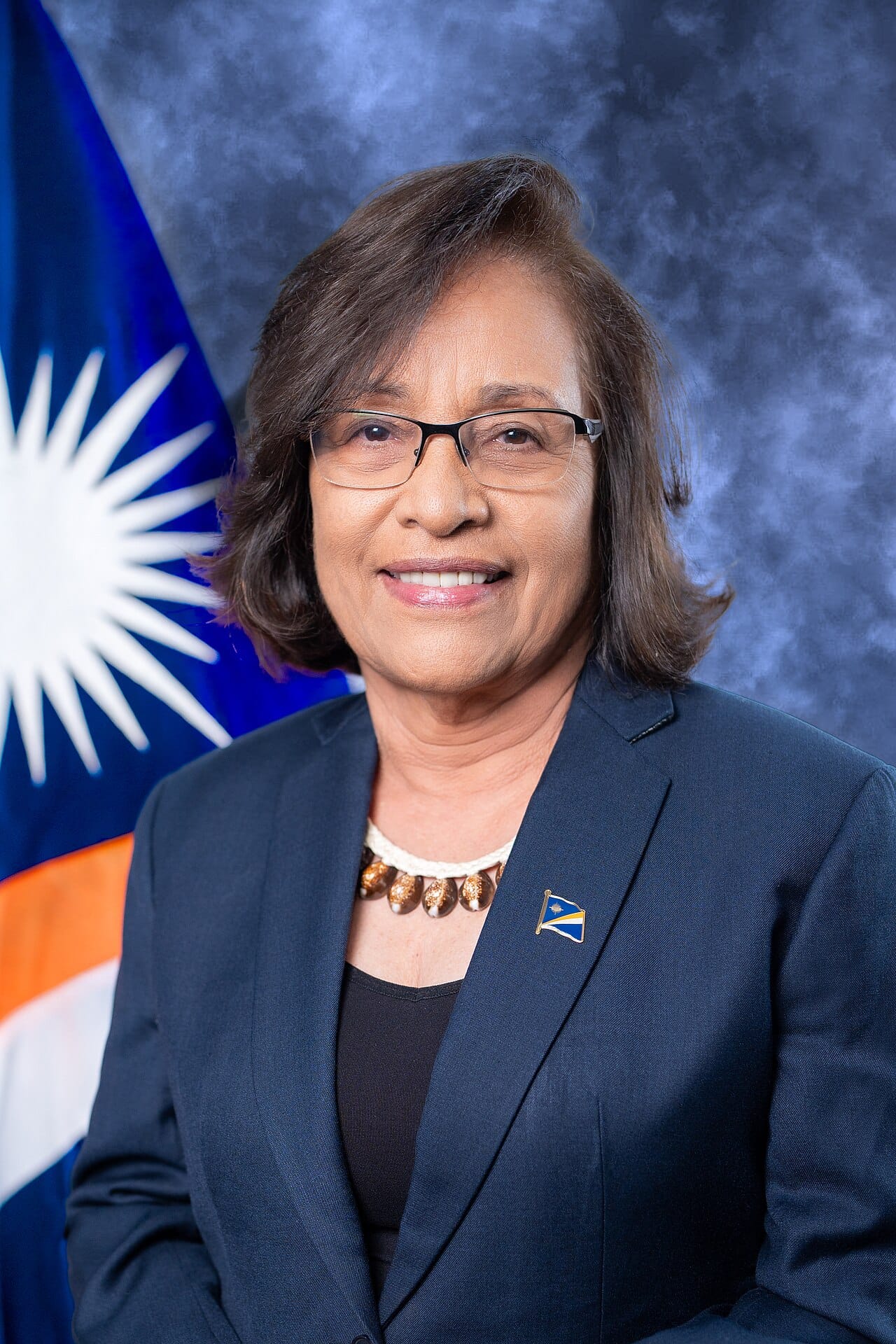
The Marshall Islands is a presidential republic whose parliament, the Nitijela, elects the president as both head of state and head of government, advised by a council of traditional chiefs, the Iroij, who keep a real place in national life. Its defining external relationship is the Compact of Free Association with the United States, under which America provides defence and financial support, leases Kwajalein Atoll for a major missile testing range, and allows Marshallese to live and work freely in the United States. The president since 2024 is Hilda Heine, who had earlier become the first woman to lead any independent Pacific island nation.
The Marshall Islands has a small economy resting heavily on its relationship with the United States: direct Compact assistance and the payments and jobs tied to the American missile range at Kwajalein are central. Beyond this, the country earns from selling fishing licences for its enormous ocean territory, from copra, and, unusually, from operating one of the largest ship registries in the world, so that a great share of global shipping sails under the Marshallese flag. Much of the population, however, lives outside the cash economy, and remittances from Marshallese in the United States are important.
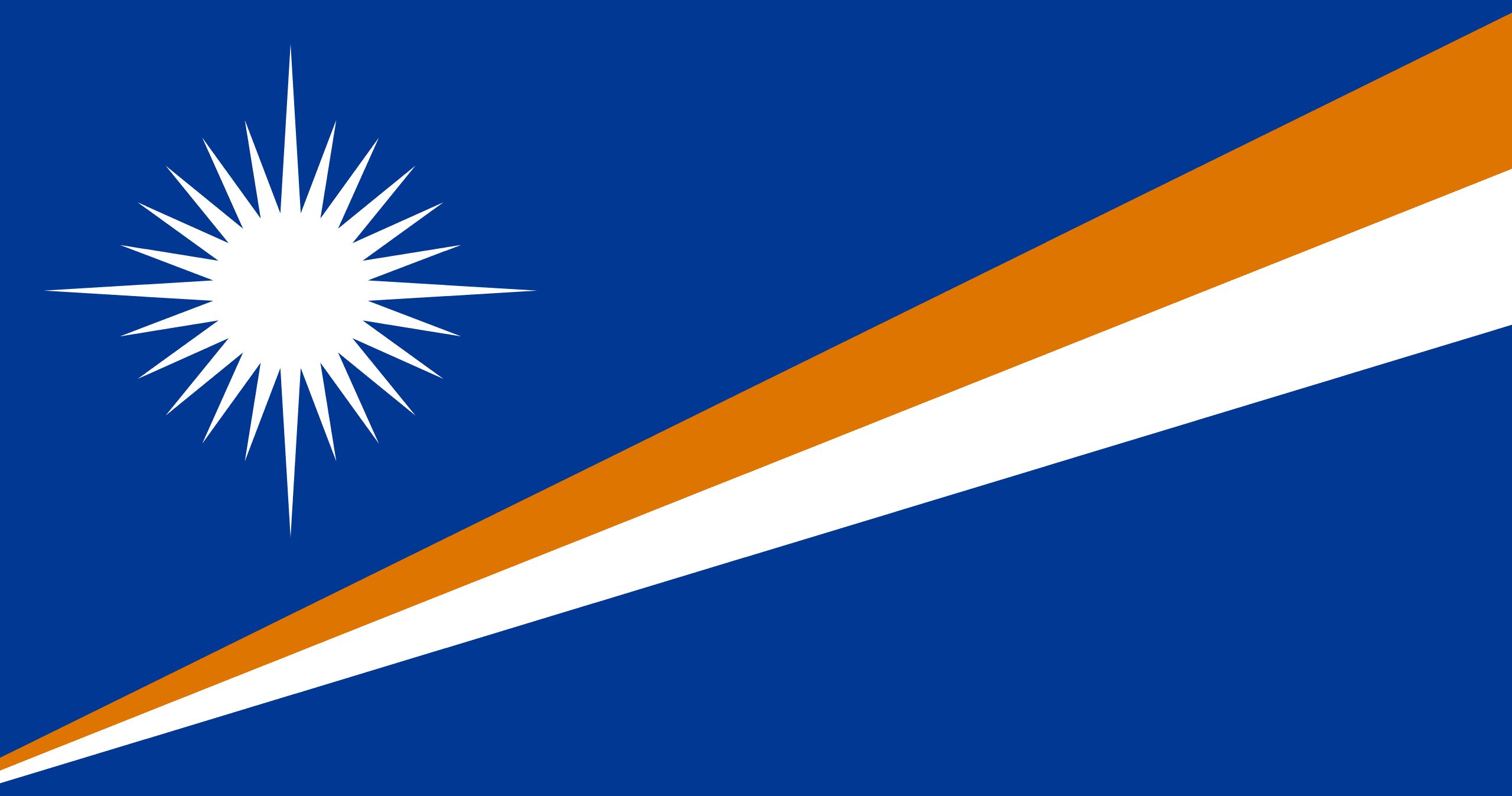
The flag of the Marshall Islands is blue, crossed diagonally from the lower hoist to the upper fly by two widening stripes of orange over white, with a large white star of many points in the upper hoist. The blue represents the Pacific Ocean, and the rising diagonal stripes the equator, with the white star above marking the islands' position in the northern hemisphere; the orange stands for courage and the white for peace. The star's many rays represent the country's electoral districts, with longer rays for the principal cultural centres.
The Marshall Islands is overwhelmingly Christian, the result of nineteenth-century missionary work, with the population belonging mainly to Protestant churches, especially a Congregationalist tradition, alongside Roman Catholic, Latter-day Saint, and other communities. The church is central to Marshallese community life, and Christianity is deeply woven into the culture and the calendar of the atolls. Traditional beliefs, customs, and the authority of chiefs persist alongside the Christian faith, in a society that blends its ancient island heritage with the now dominant religion.
Marshallese cuisine is based on the produce of the atolls and the sea. Fish and other seafood, abundant in the lagoons and surrounding ocean, are the dietary staple, along with coconut in all its forms, breadfruit, pandanus, taro, and arrowroot. Coconut and its cream flavour many dishes, and food is traditionally cooked in earth ovens. As elsewhere in the low Pacific, the limited land for farming makes the ocean and the coconut palm central to the diet, which in modern times has come to rely heavily on imported rice and tinned and processed foods.
Agriculture is constrained by the poor coral soils and tiny land area of the atolls, and the Marshall Islands grows little for export beyond coconuts, processed into copra, which has long been the main cash crop. Breadfruit, pandanus, taro, and arrowroot are grown for local use, and pigs and poultry are kept. With so little land, the sea remains the true larder of the islands, and fishing and the coconut palm sustain daily life across the scattered atolls.
Marshallese society is organised around the clan, the extended family, and the land, which passes through the mother's line, giving women a central place as the holders of family and property, alongside the inherited authority of chiefs. The old navigational knowledge, the weaving of mats and baskets from pandanus, and traditions of song, dance, and storytelling endure, woven together with a devout Christianity. Bound tightly to the ocean and to one another across great distances of water, Marshallese communities keep a strong sense of shared identity, carried also by the very large number who now live in the United States.
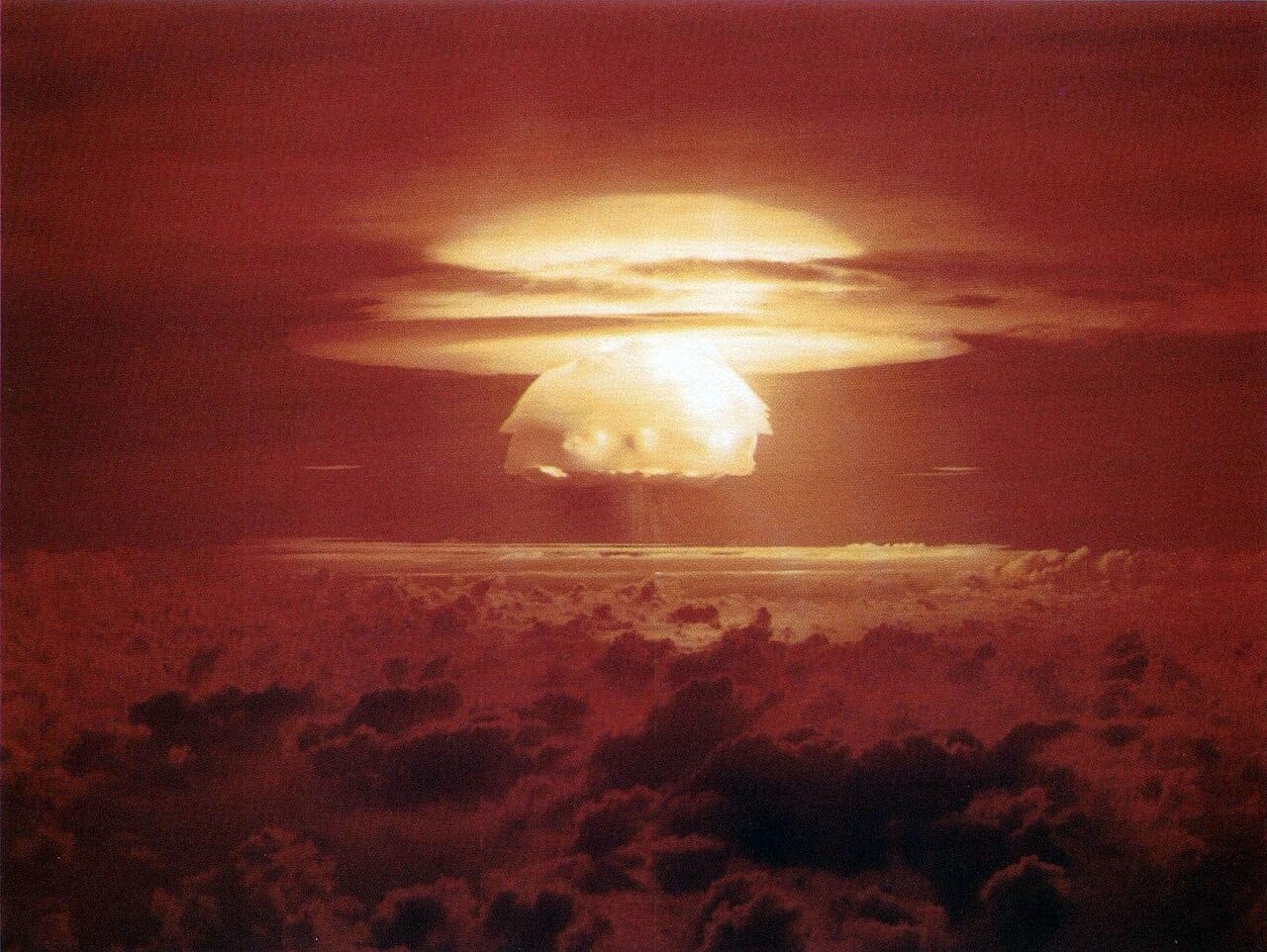
Two great harms, both largely from beyond its shores, define the modern Marshall Islands. Between 1946 and 1958 the United States detonated 67 nuclear weapons at Bikini and Enewetak atolls, including the 1954 Castle Bravo test, the most powerful the United States ever exploded, whose fallout blanketed inhabited atolls. Whole communities were displaced and, decades on, many still cannot safely return; the islands carry a burden of radiation-linked illness, contested compensation, and a concrete dome on Enewetak that seals nuclear waste and is now itself threatened by the sea. The disputes over responsibility, cleanup, and payment between the Marshalls and the United States are unresolved. Layered on top is climate change: with the land barely above the waves, rising seas threaten the very habitability of the nation, and how, and whether, the Marshallese can remain in their homeland is a live and painful question.
The Marshall Islands has a population of around 40,000 people, predominantly the Micronesian Marshallese, sharing the Marshallese language alongside English. The population is concentrated on a few atolls, above all the crowded capital, Majuro, and the urban area near the American base at Kwajalein, while many outer atolls remain sparsely settled. Society retains a traditional structure of clans and chiefs, organised around the extended family and the land, which passes through the mother's line. A very large number of Marshallese have emigrated to the United States, which the compact allows them to enter and work in freely.