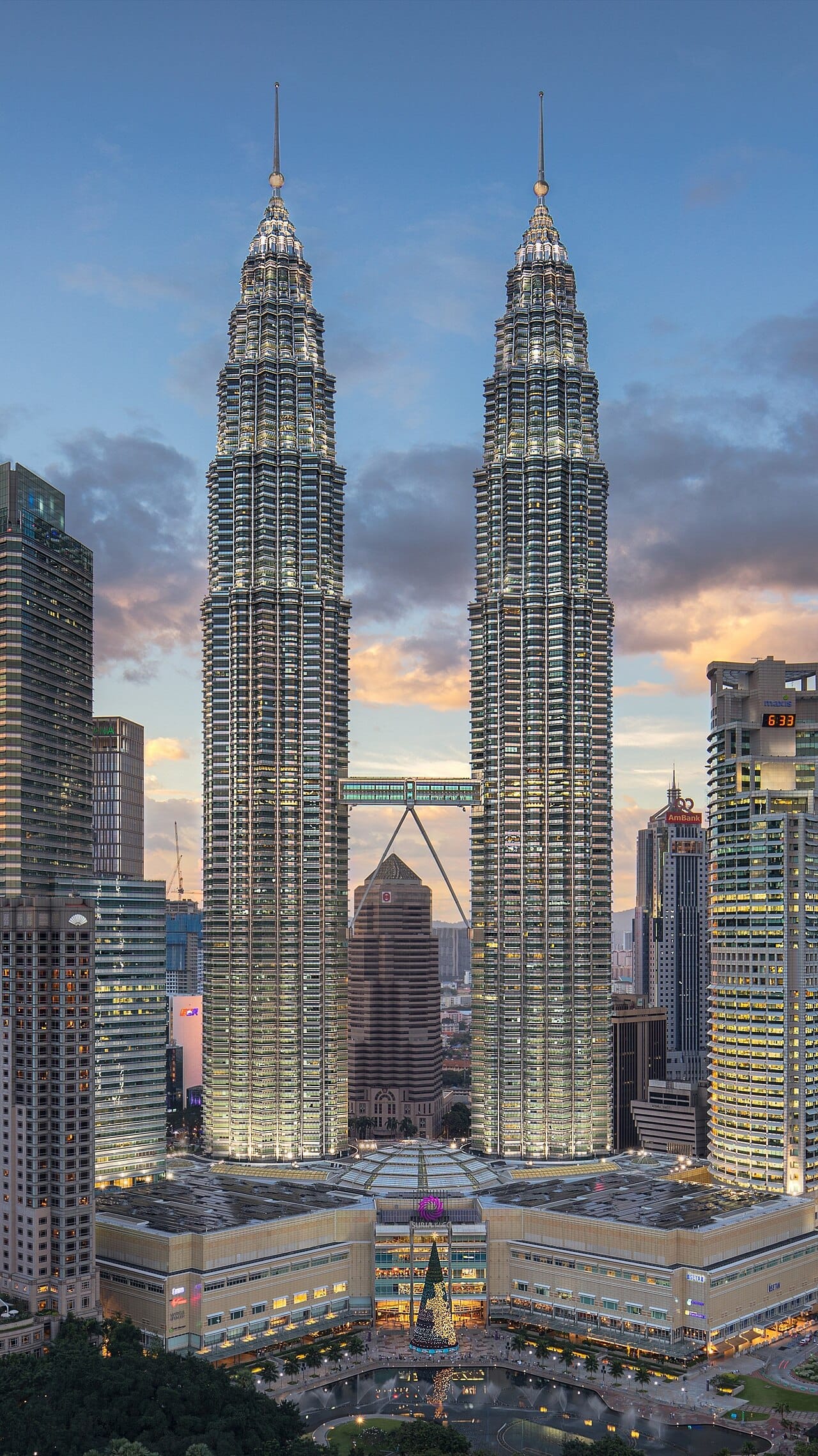
Malaysia is a country in Southeast Asia, split into two regions separated by the South China Sea: a peninsula joined to the Asian mainland, and a northern slice of the island of Borneo. A tropical land of rainforests, mountains, and coastline, it sits astride some of the world's busiest sea lanes. Famous for its multicultural society, blending Malay, Chinese, and Indian communities, it is one of the more prosperous and developed nations in the region.
Malaysia's history is a story of trade: of a strategic crossroads that drew merchants, religions, and empires from across the world, and slowly became a single, diverse nation.
The Malay Peninsula and the coasts of Borneo were long shaped by the sea, drawing Indian, Chinese, and Arab merchants and the faiths and cultures they carried. In the fifteenth century the Sultanate of Malacca rose as one of the great trading ports of the world, commanding the strait that bears its name and becoming a centre for the spread of Islam across Southeast Asia.
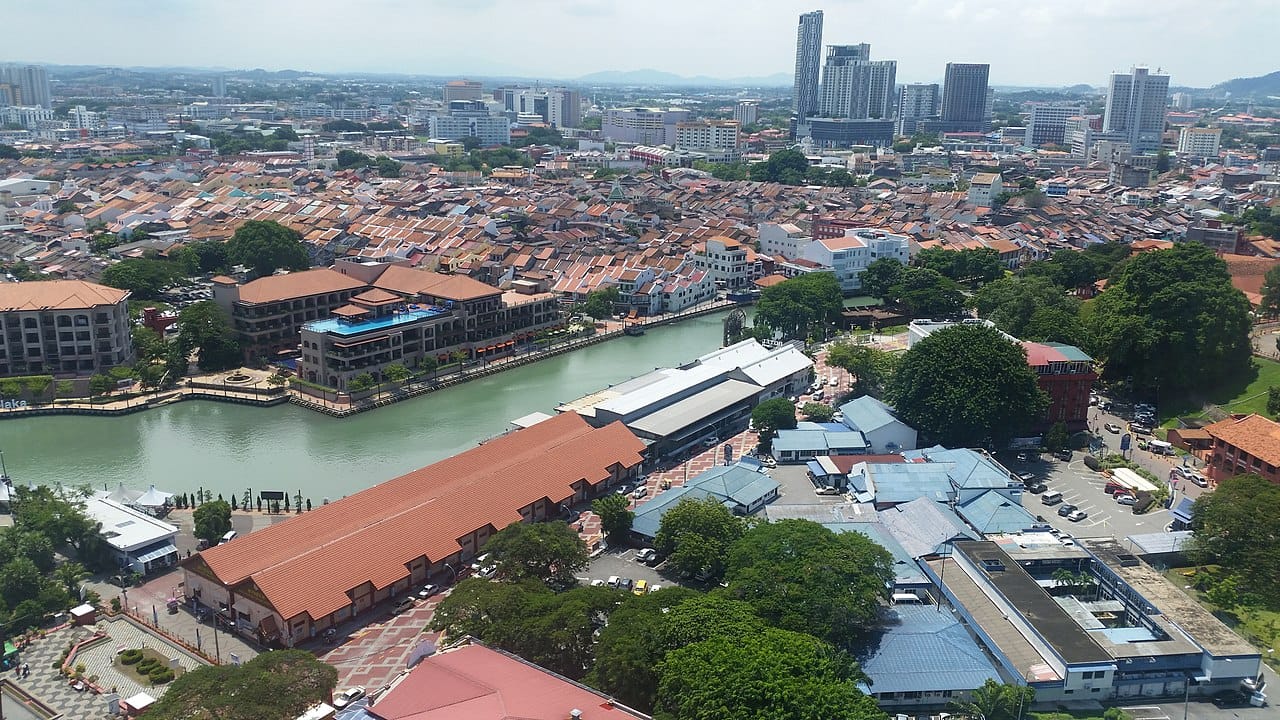
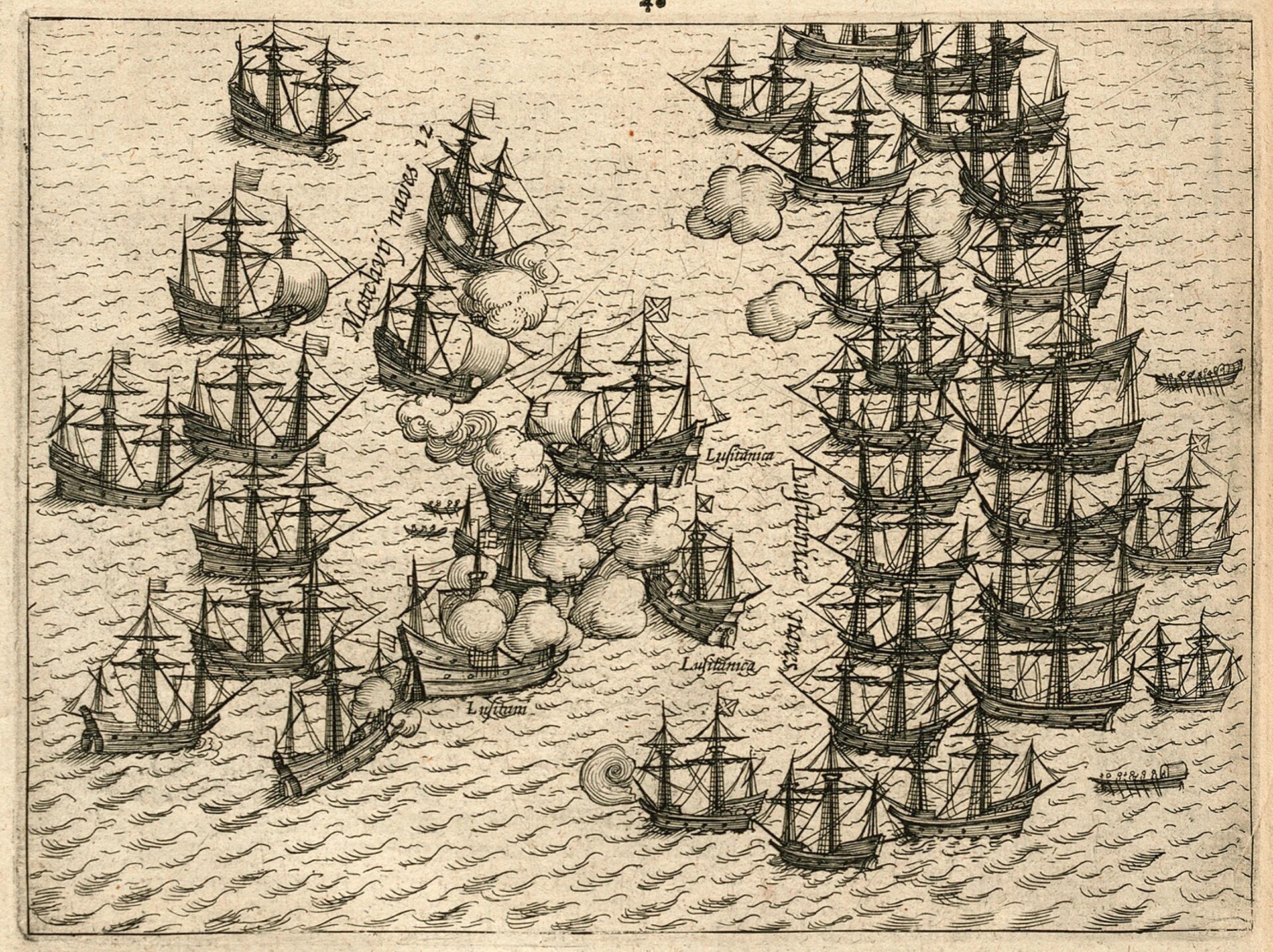
Malacca's wealth made it a prize, and from 1511 it was seized in turn by the Portuguese, the Dutch, and finally the British, who came to dominate the whole region. Under British rule tin mining and rubber plantations transformed the economy, drawing large numbers of Chinese and Indian immigrants whose descendants make up much of Malaysia's diverse population today.
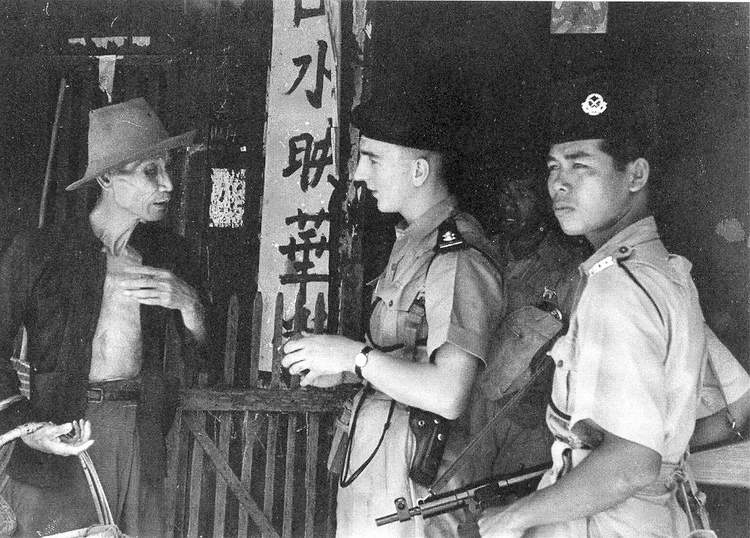
Japanese occupation in the Second World War shook British rule, and afterwards a long communist insurgency, the Malayan Emergency, tested the path to independence. Malaya won its freedom, its Merdeka, in 1957, and in 1963 joined with other British territories to form the wider federation of Malaysia, though Singapore soon departed. Building a united nation from its Malay, Chinese, and Indian communities, tragically strained by deadly race riots in 1969, became the central task of the new country.
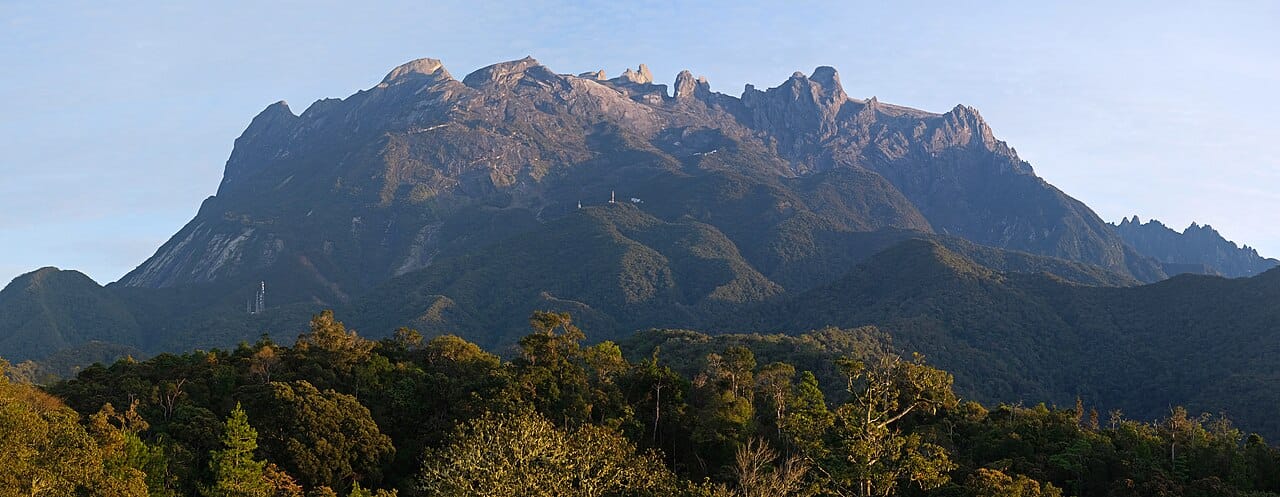
Malaysia's two halves share a hot, humid, tropical climate and dense rainforest, among the oldest and most biodiverse on Earth, sheltering creatures such as the orangutan. Peninsular Malaysia has a mountainous spine and busy western coast, while Malaysian Borneo is wilder, with vast jungles and Mount Kinabalu, the highest peak in the country. The seas around Malaysia, including the strategic Strait of Malacca, are among the most heavily travelled shipping routes in the world.
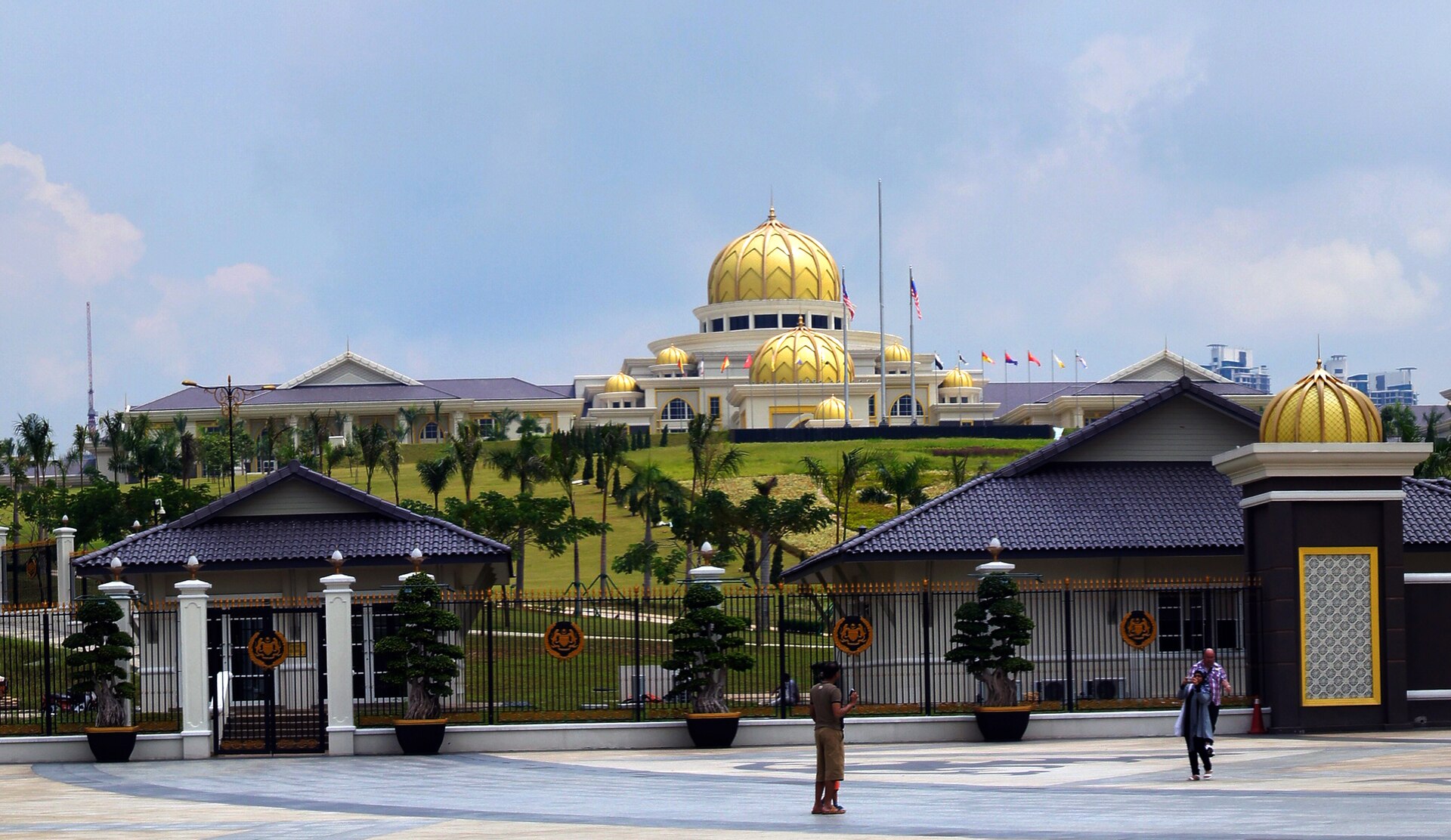
Malaysia has one of the most unusual political systems in the world: a federal constitutional monarchy in which the king, the Yang di-Pertuan Agong, is elected for a five-year term, rotating among the hereditary sultans of nine of the Malay states. Beneath this crowned head sits a Westminster-style parliamentary democracy. For six decades after independence a single coalition dominated by the main Malay party governed continuously, until a historic election defeat in 2018 opened an era of greater competition and instability. The prime minister since 2022 is Anwar Ibrahim, a veteran reformist who was twice imprisoned during his long years in opposition before finally leading a unity government.

Malaysia has grown from a colonial producer of tin and rubber into one of the more developed and diversified economies in Southeast Asia. It is one of the world's largest producers of palm oil, a huge export though a controversial one for its toll on the rainforest, and a significant producer of oil and gas through the state company Petronas. Above all it has built a strong manufacturing base, especially in electronics and semiconductors, making it an important link in global technology supply chains. Steady growth has lifted Malaysia to the edge of high-income status, with a large middle class and modern cities.
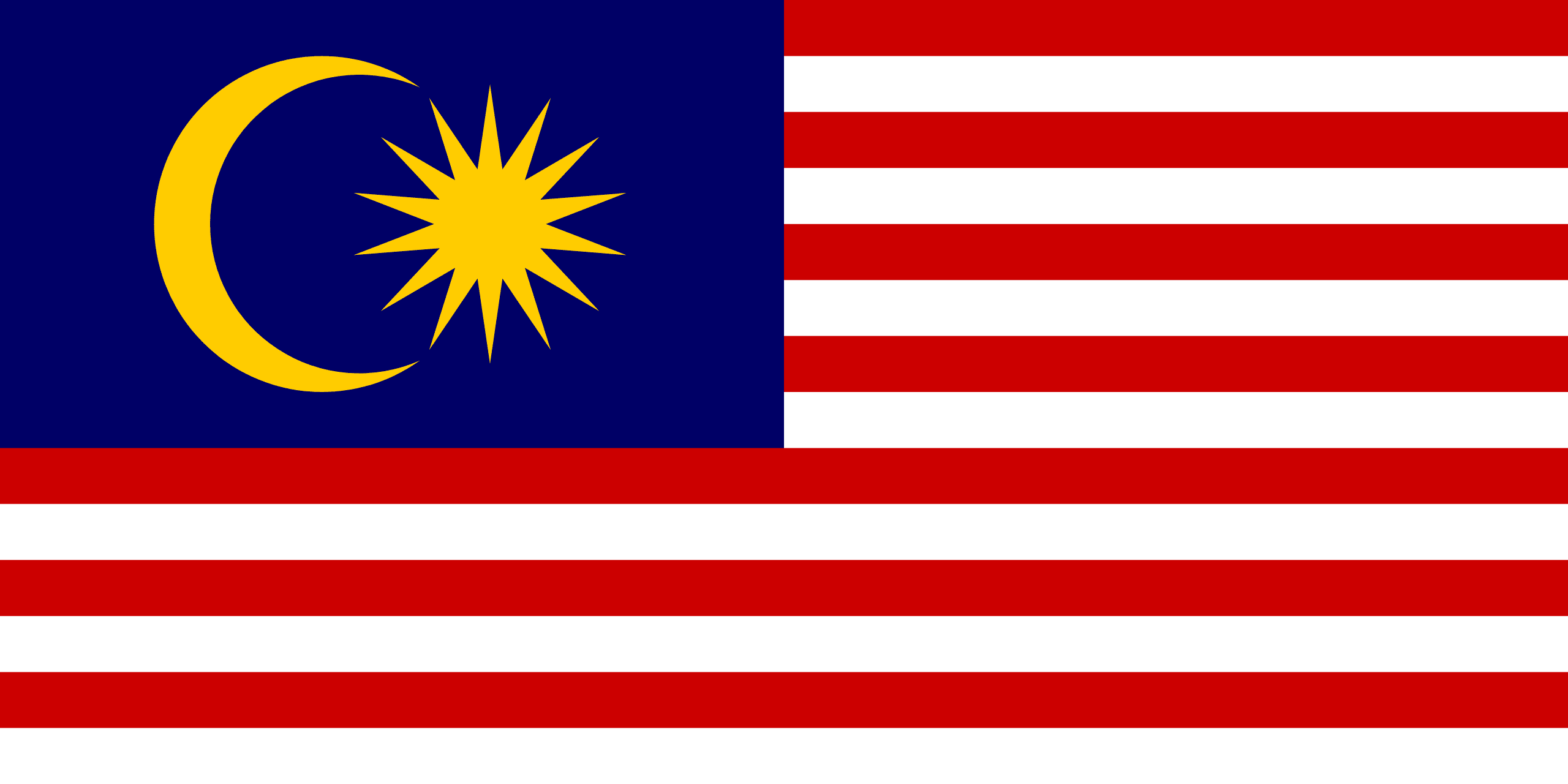
The flag of Malaysia, called the Stripes of Glory, has fourteen alternating red and white stripes and a blue canton bearing a yellow crescent and a fourteen-pointed star. The stripes and the points of the star represent the thirteen states and the federal government that make up the country. The crescent reflects Islam as the official religion, and the yellow is a royal colour, recalling the Malay rulers.
Malaysia is a multireligious society in which Islam is the official religion, followed by the Malay majority and central to national identity and law. Reflecting the country's diversity, large communities practise Buddhism, mostly among Malaysians of Chinese descent, Hinduism among those of Indian descent, and Christianity, especially in the Borneo states. This mix of faiths generally coexists, and the balance among religious and ethnic communities is a defining feature of public life.
Malaysian cuisine is a delicious reflection of its mixed society, blending Malay, Chinese, and Indian traditions into bold, complex flavours. The national dish is nasi lemak, rice cooked in coconut milk served with spicy sambal and accompaniments. Other favourites include laksa, a spicy noodle soup with many regional versions, satay skewers, and the flaky flatbread roti canai of Indian origin. A vibrant culture of street food and night markets makes eating a national pleasure.
Agriculture remains important to Malaysia, which is one of the world's largest producers of palm oil, a major export grown on vast plantations, though one that has raised concern over rainforest loss. The country was historically the world's leading producer of natural rubber, planted across the peninsula, and it also grows cocoa, tropical fruits, and rice. Farming, alongside oil, gas, and manufacturing, helped lift Malaysia to relative prosperity.
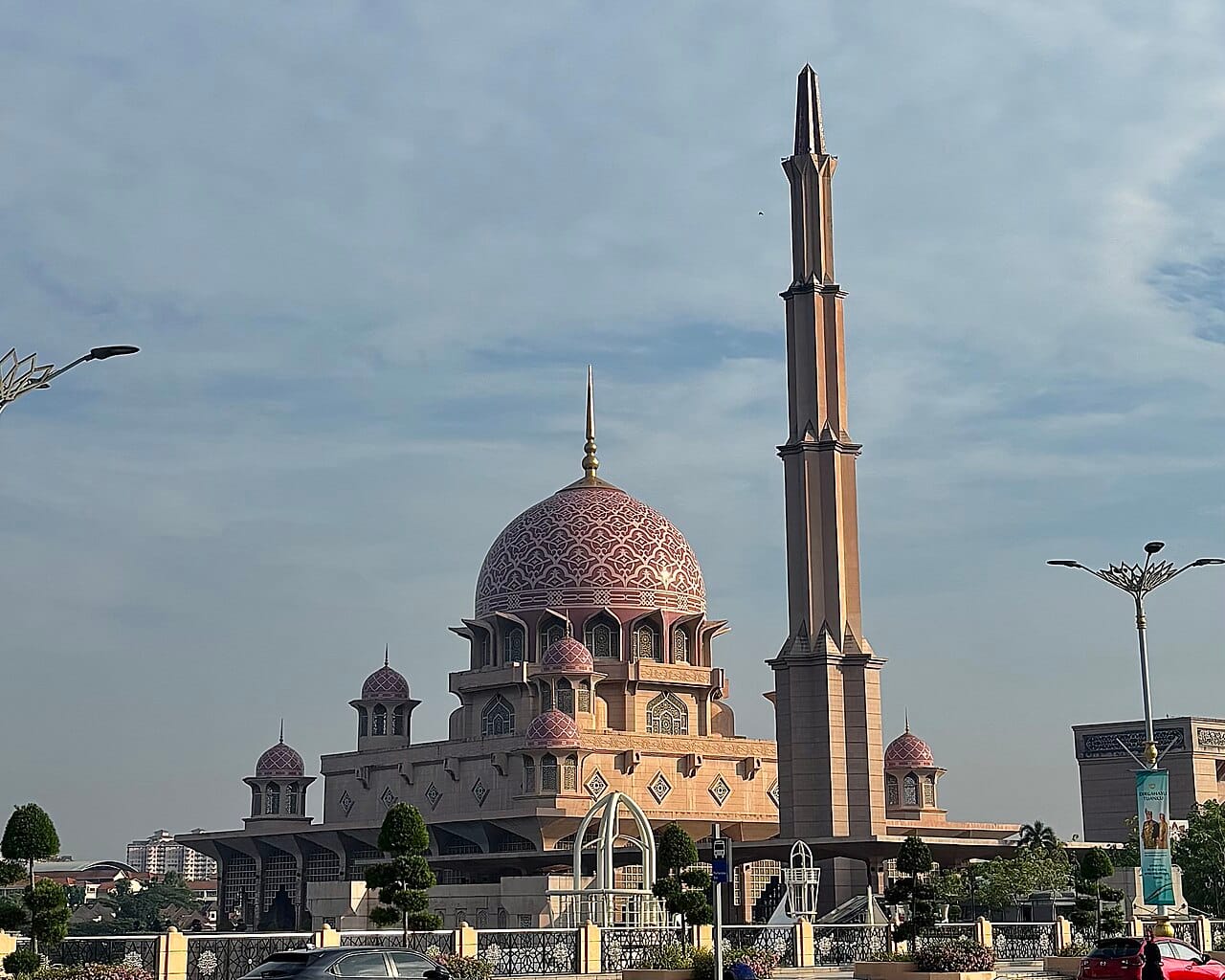
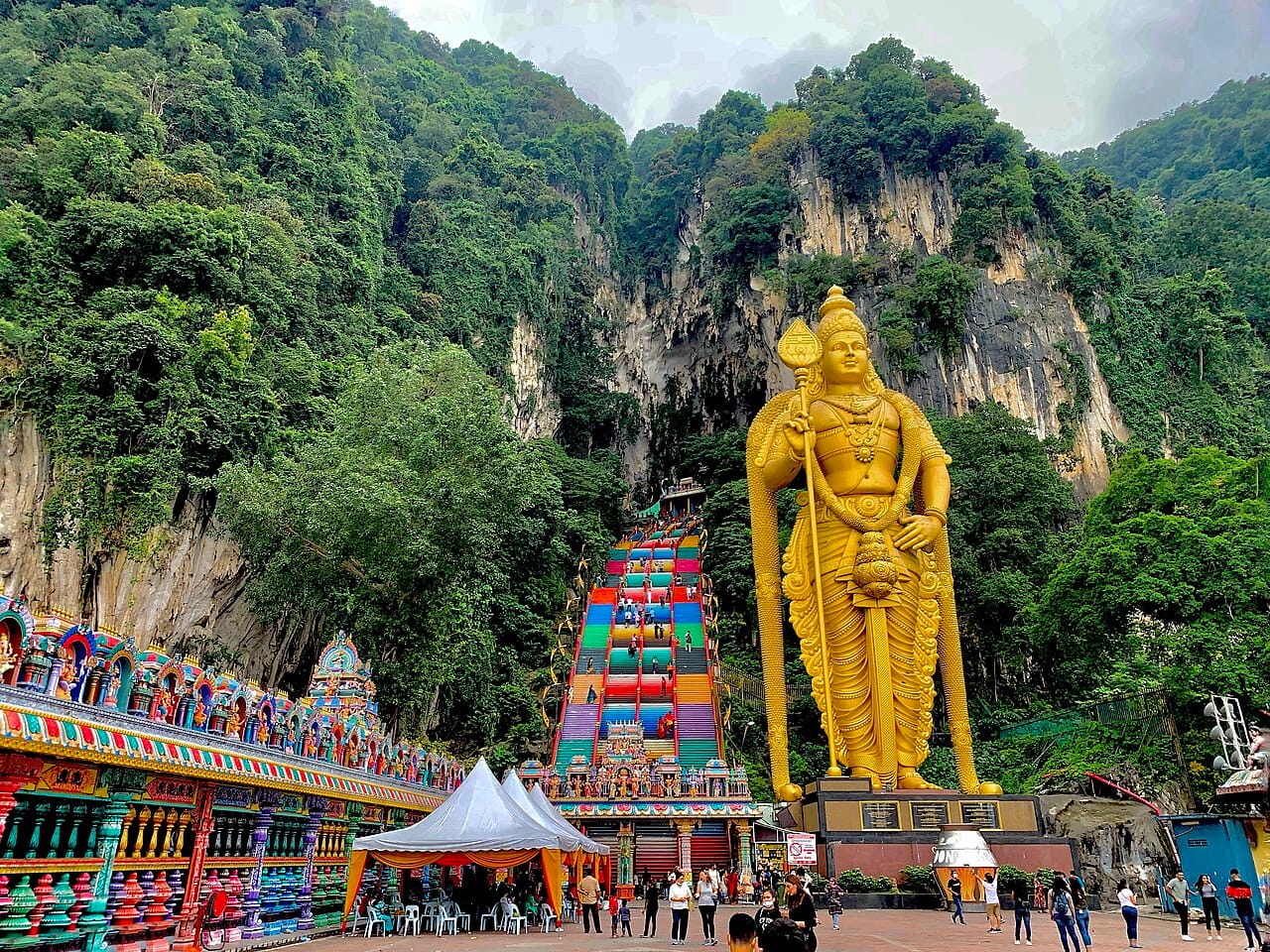
Malaysia's defining feature is its diversity, a society woven from Malay, Chinese, Indian, and indigenous threads, each keeping its own language, faith, and festivals while sharing a common home. The result is a country where mosques, Chinese temples, Hindu shrines, and churches stand close together, where a calendar brimming with festivals, from Hari Raya to Chinese New Year, Deepavali, and Christmas, is widely shared, and where the food, as much as anything, expresses the national blend. This coexistence is a genuine source of pride, even as the balance among the communities remains a delicate and sometimes contested part of national life.
At the heart of Malaysian politics lies a delicate and disputed arrangement over race and religion. After deadly riots between Malays and ethnic Chinese in 1969, the government introduced sweeping affirmative-action policies favouring the Malay and indigenous majority, the Bumiputera, in education, business, and public life, meant to correct economic inequality. Decades on, these policies remain fiercely debated: many Malays see them as a rightful protection and a pillar of social peace, while many Chinese and Indian Malaysians experience them as entrenched discrimination that drives talent abroad. Bound up with this is the growing role of Islam in public life and the reach of Islamic law over Muslims, which non-Muslim minorities watch warily. How to balance Malay primacy with equal citizenship, and religious identity with a plural society, is the enduring and unresolved question of Malaysian life.
Malaysia has a population of around 34 million people, famously diverse. The largest group are the Malays and other indigenous peoples, known together as Bumiputera, alongside large communities of Chinese and Indian descent whose ancestors came as traders and labourers. This multi-ethnic, multireligious mix is central to Malaysian identity and politics. Most people live in Peninsular Malaysia, especially around the capital, Kuala Lumpur, with its iconic twin towers.