Malawi is a small, landlocked country in southeastern Africa, often called the Warm Heart of Africa for the friendliness of its people. Much of it is defined by the great Lake Malawi, a vast and beautiful inland sea that fills a large part of the country and teems with more species of fish than any other lake on Earth. A green and densely populated land of mountains, plateaus, and farms, it is one of the poorest countries in the world, deeply dependent on agriculture.
Malawi's history runs from ancient rock-painters, through a kingdom that gave the country its name and the ravages of the slave trade, to a long dictatorship and, at last, a resilient democracy.
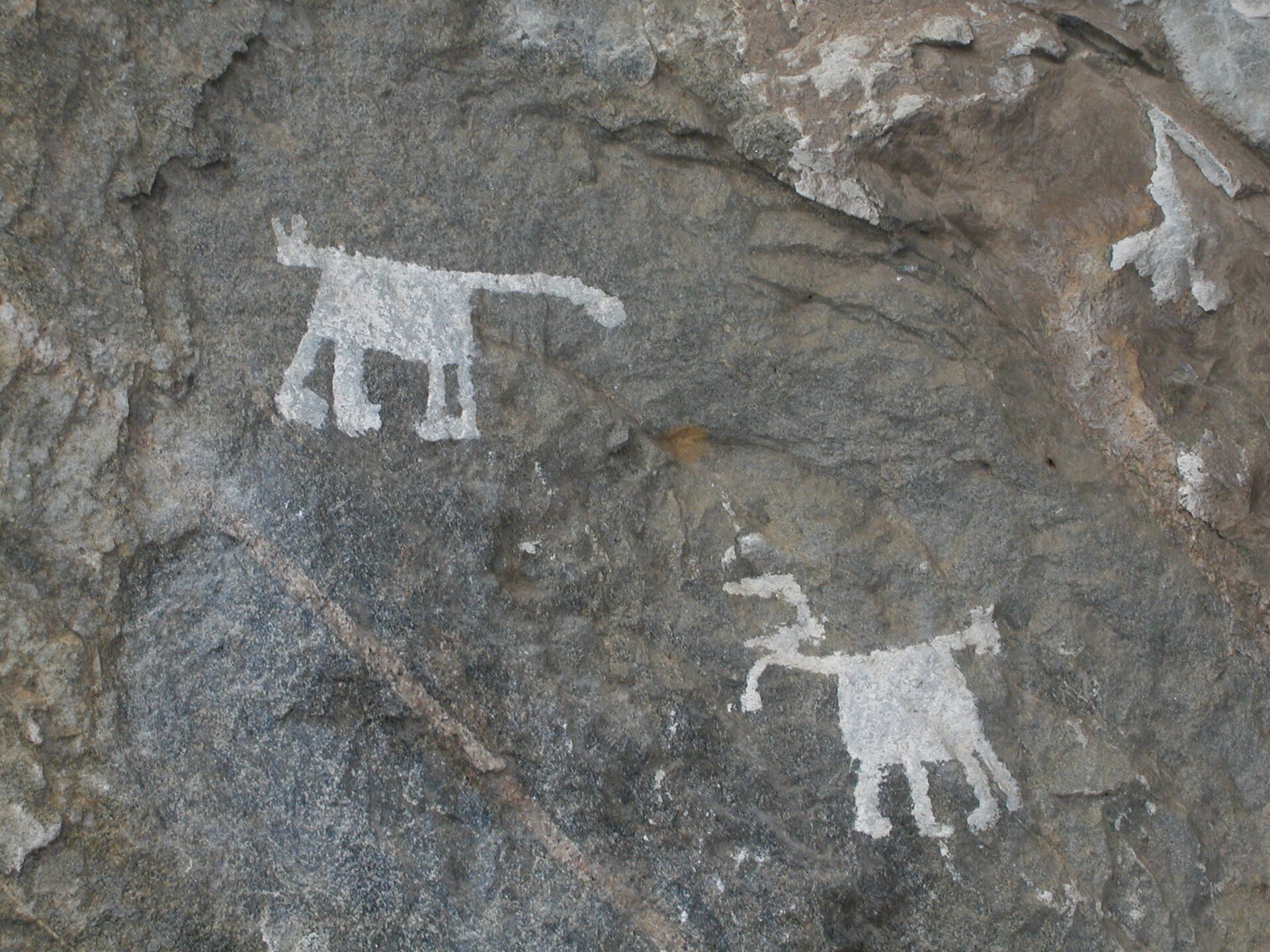
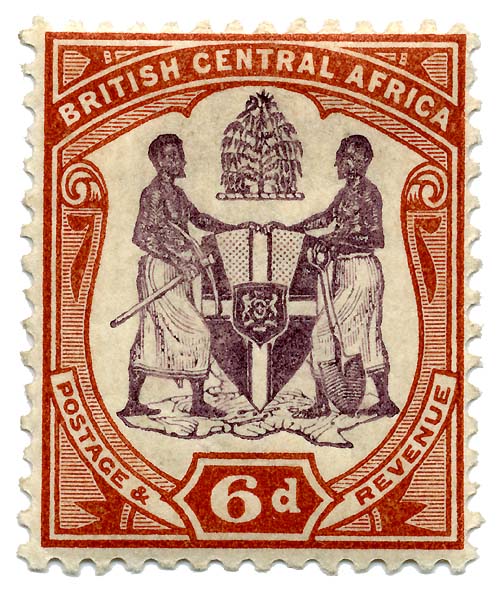
The region has been inhabited for millennia, its rock shelters painted by early hunter-gatherers, and by the second millennium it was home to the Maravi, a Bantu kingdom from which the country takes its name. In the nineteenth century the area was ravaged by the Swahili-Arab slave trade, which is what drew the Scottish explorer and missionary David Livingstone, whose reports and call to end the trade brought British missionaries and, in time, colonial rule as the protectorate of Nyasaland.
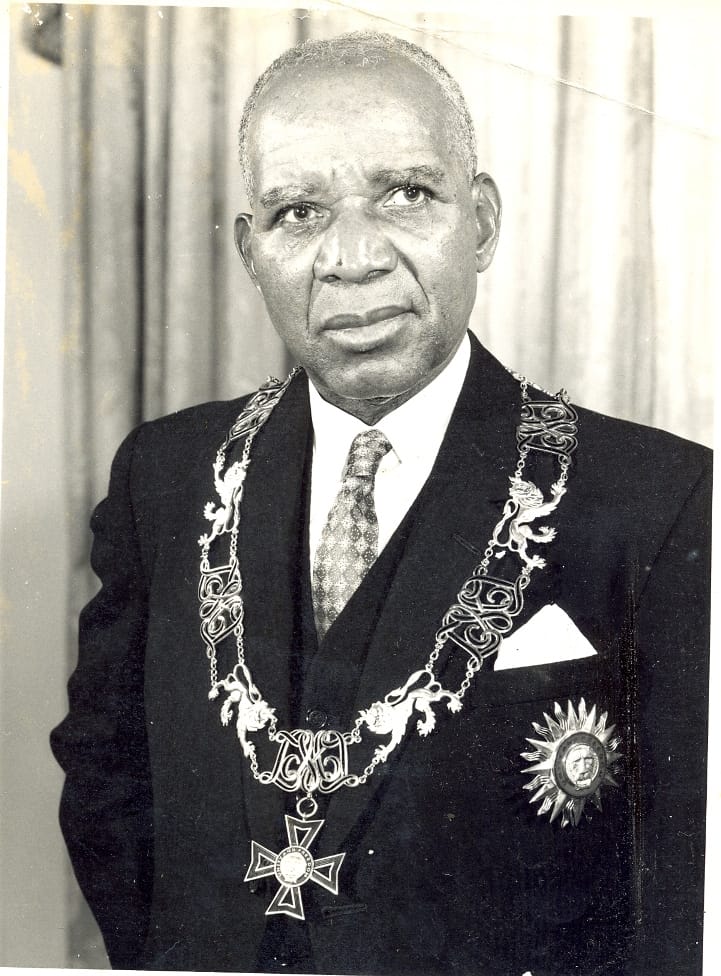
Malawi gained independence in 1964 under Hastings Kamuzu Banda, who swiftly turned the young nation into a one-party state and ruled it for three decades as a repressive autocrat. Styling himself Life President, he built a cult of personality, jailed or exiled his opponents, enforced puritanical dress codes, and, uniquely among African leaders, maintained friendly ties with apartheid South Africa. Mounting pressure at home and abroad forced him to accept multiparty elections in 1994, ending his long rule.
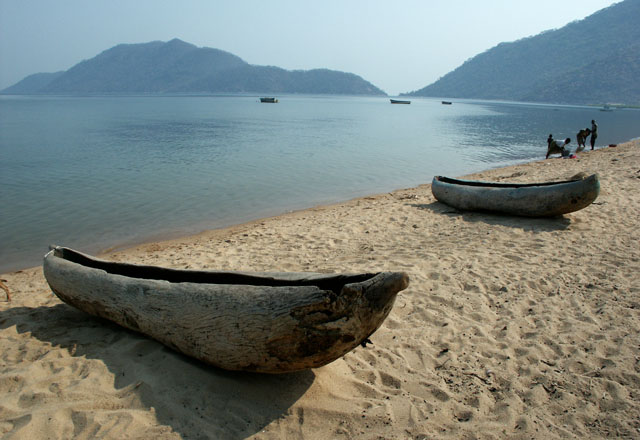
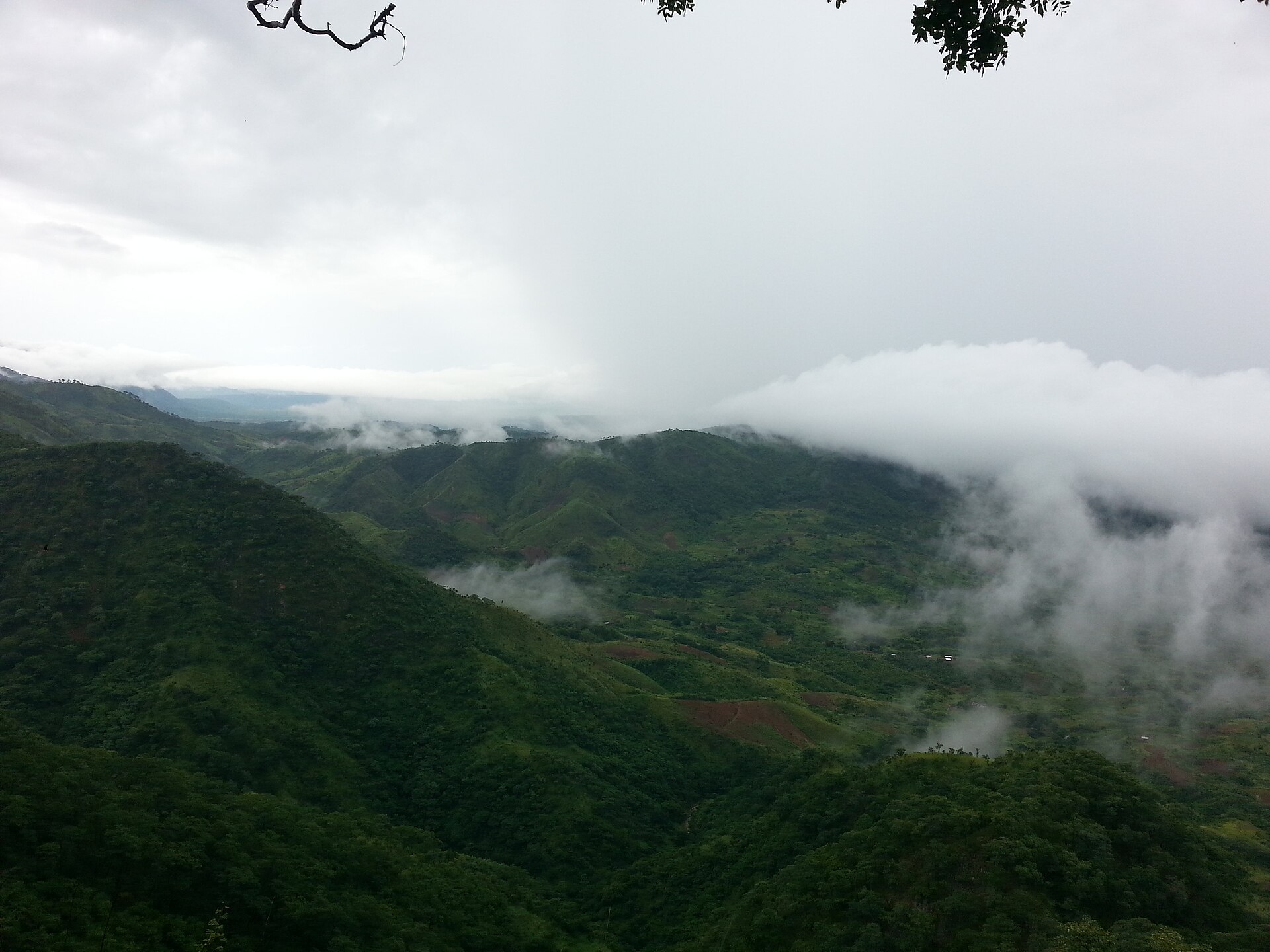
Malawi is dominated by the Great Rift Valley and by Lake Malawi, which stretches along much of the country's eastern side, one of the largest and deepest lakes in Africa, its clear waters fringed by beaches and famous for an astonishing variety of colourful fish. Beyond the lake the land rises to plateaus and highlands, including dramatic mountains in the south, and falls to the valley of the Shire River. This green, well-watered country is intensively farmed by a dense rural population.
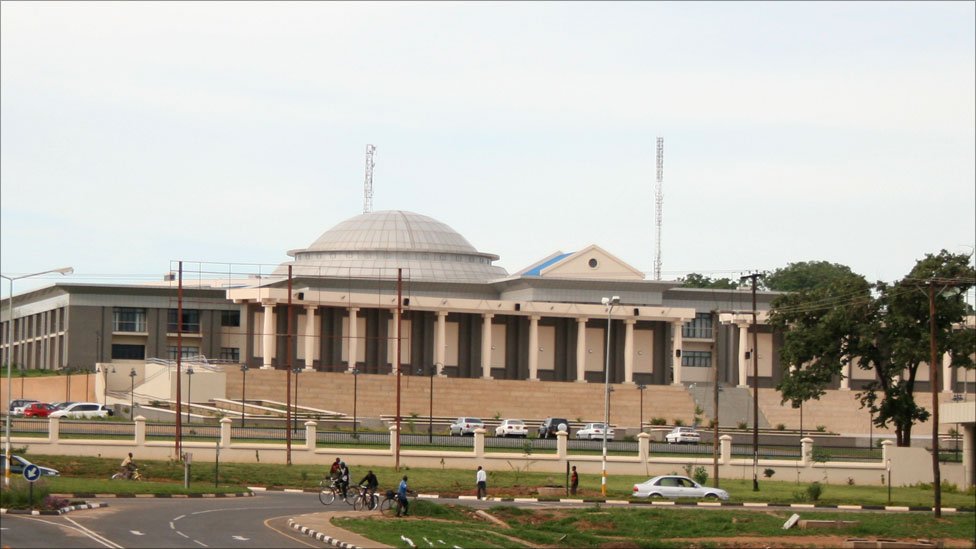
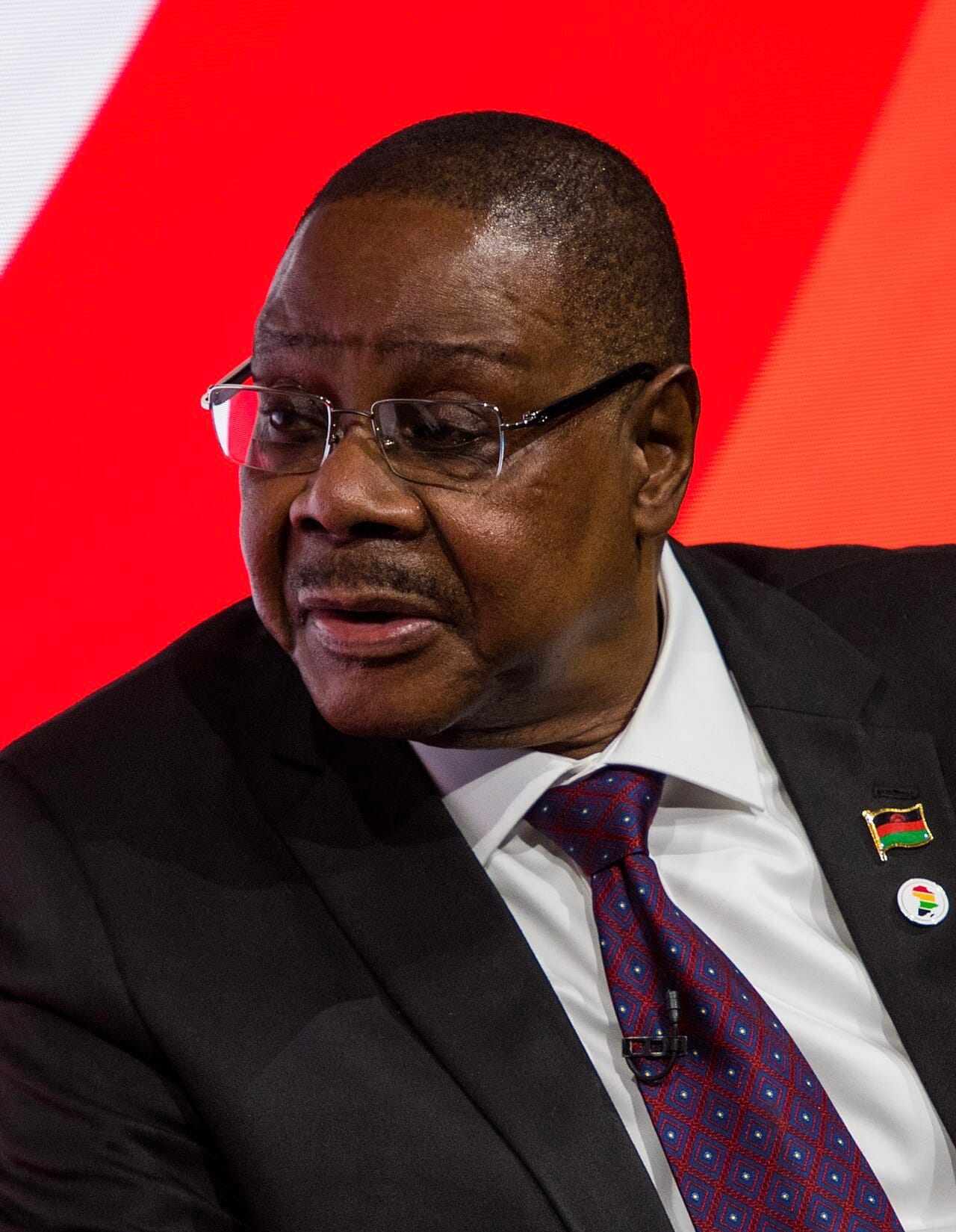
Malawi is a presidential democracy that, since the fall of the Banda dictatorship in 1994, has become one of Africa's more resilient, if turbulent, examples of the ballot box at work. Its most celebrated moment came in 2020, when the country's highest court annulled a fraudulent presidential election and ordered a fresh vote, a rare rebuke to a sitting government that was hailed across the continent, in which the opposition's Lazarus Chakwera won. In 2025, amid a deep economic crisis, voters turned again, returning the former president Peter Mutharika, then in his mid-eighties, to office. Deep poverty, corruption, and heavy dependence on aid and on a single export crop remain the country's defining challenges.

The flag of Malawi has three horizontal bands of black, red, and green, with a rising red sun in the black band. The black represents the people of Africa, the red the blood shed in the struggle for freedom, and the green the country's ever-green nature. The rising sun symbolises the dawn of hope and freedom for Malawi and for the African continent, capturing the optimism of the nation at its independence.
Malawi is an overwhelmingly Christian country, the result of the missionary work that followed the explorations of Livingstone, with the majority belonging to a range of Protestant churches and to the Roman Catholic Church. There is a significant Muslim minority, especially along the lakeshore and in the south, a legacy of old trade routes, and traditional African beliefs also persist, often alongside Christianity. Religion is a prominent and active part of Malawian community and family life.
Malawian cuisine centres on nsima, a thick porridge made from ground maize that is the staple of nearly every meal, rolled into balls by hand and eaten with accompanying relishes. These include vegetables such as pumpkin leaves, beans, and, very importantly, fish from Lake Malawi, especially the small, much-loved species known as chambo. Fish, whether fresh, dried, or smoked, is a key source of protein, and the food is simple and hearty, built around the produce of farm and lake.
Agriculture is the foundation of Malawi's economy and the livelihood of the great majority of its people, who farm small plots of land. Maize is the staple food crop, grown almost everywhere, while tobacco is the leading cash crop and export, so dominant that the country's fortunes have long risen and fallen with it, alongside tea, grown on highland estates, and sugar. The pressure of a dense and growing population on limited land, and vulnerability to drought, are central challenges.
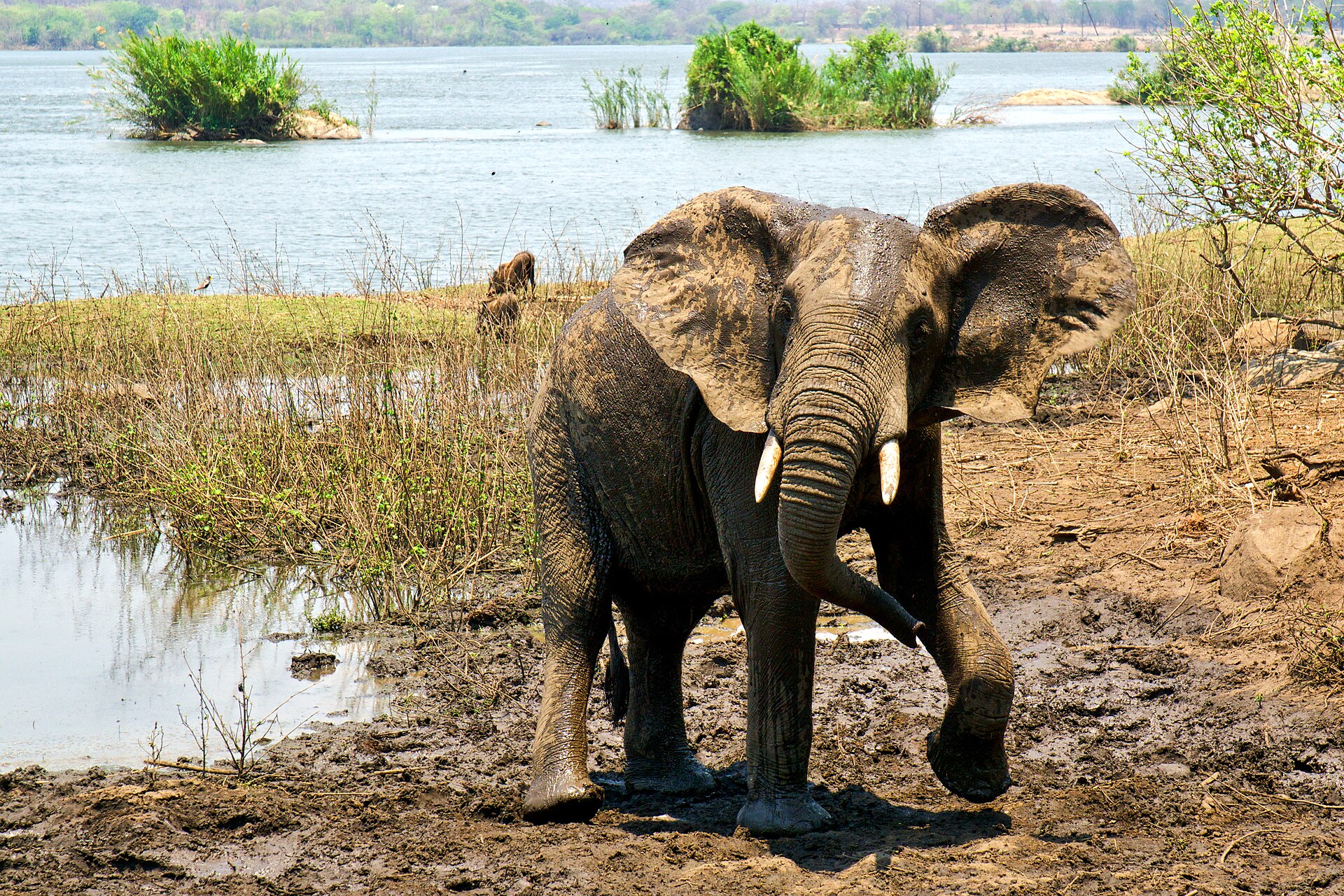
Malawi's enduring nickname, the Warm Heart of Africa, speaks to a national character of exceptional friendliness and hospitality that visitors remark upon again and again, a warmth all the more striking in one of the poorest countries in the world. That poverty is real and grinding: with little mineral wealth and a fast-growing population pressing on limited land, Malawi depends heavily on subsistence farming, on the single export crop of tobacco, and on foreign aid, and it is acutely vulnerable to drought and flood. Yet the country holds real treasures beyond its people's spirit: the great lake and its beaches, and restored wildlife parks such as Majete and Liwonde, brought back from the brink of ruin, which are slowly building a tourism industry to match the country's natural beauty.
Malawi has a population of around 21 million people in a small country, making it one of the most densely populated in Africa, and it is growing fast and overwhelmingly rural. Its people belong to several ethnic groups, the largest being the Chewa, speaking Chichewa and the official English. The population is concentrated in the agricultural lands of the south and centre and along the lakeshore, with the capital, Lilongwe, in the central plains, and the commercial hub of Blantyre in the south.