Madagascar is a large island nation in the Indian Ocean, off the southeastern coast of Africa, the fourth largest island in the world. Long isolated, it evolved a natural world like nowhere else on Earth, where the great majority of its plants and animals, from lemurs to baobab trees, are found nowhere else. Its people, the Malagasy, are unusual too, descended from settlers who crossed the ocean from distant Southeast Asia as well as from nearby Africa, giving the island a culture all its own.
Madagascar's history is unlike any other in Africa: an island settled from across the Indian Ocean, united by a highland kingdom, colonised by France, and, in our own time, repeatedly convulsed by popular revolt.
Remarkably, Madagascar was one of the last major landmasses on Earth to be settled by people, reached only around two thousand years ago. Its first inhabitants were Austronesian seafarers who crossed thousands of kilometres of open ocean from the region of modern Indonesia, one of the most extraordinary feats of navigation in human history, and they were later joined by Bantu peoples from the nearby African mainland. From this improbable meeting came the Malagasy, a people with an African home but an Asian language and many Asian customs.
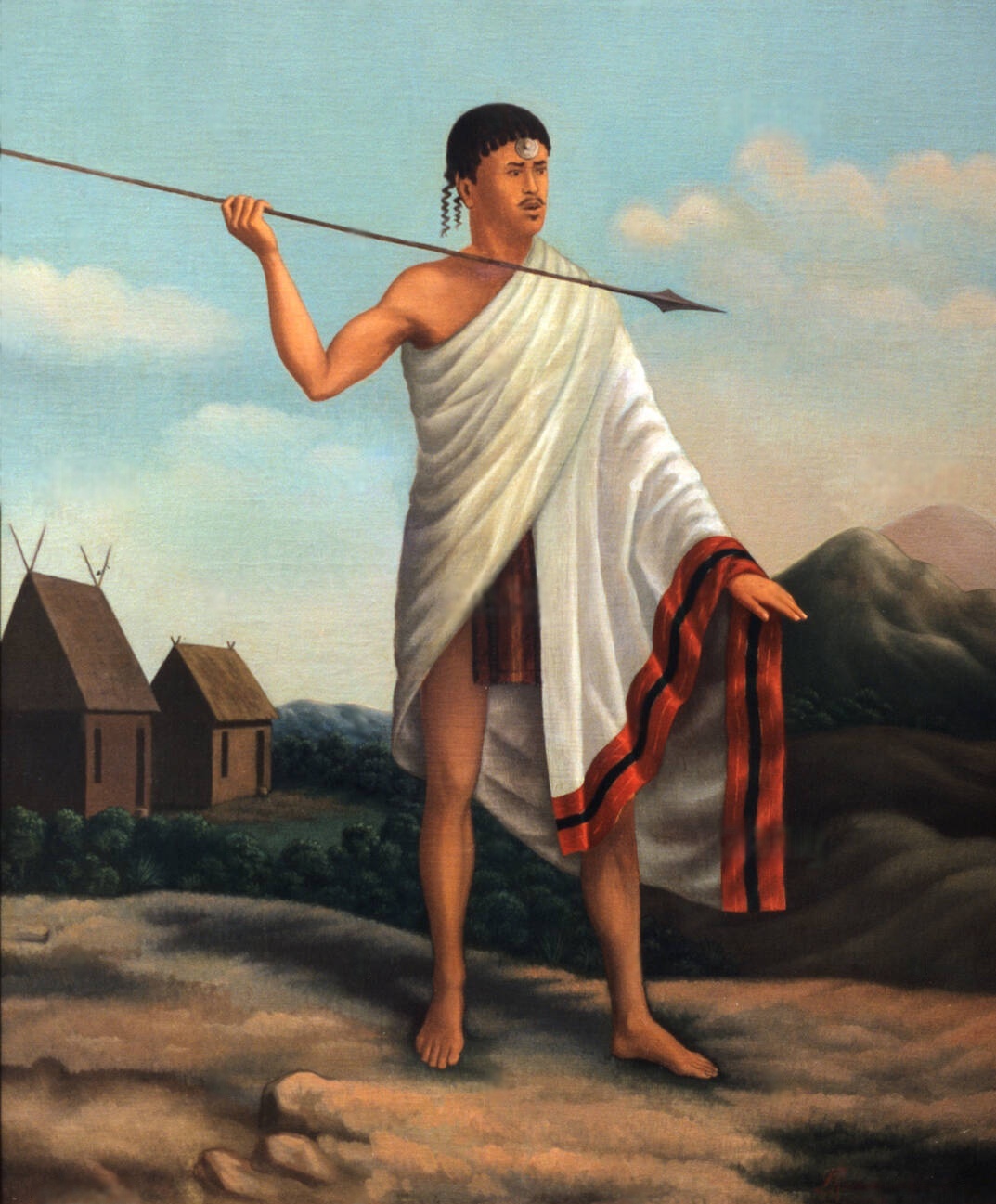
Over the centuries, kingdoms rose across the island, and in the early nineteenth century the Merina kingdom of the central highlands, under rulers such as Andrianampoinimerina and his son, united most of Madagascar under a single monarchy. The Merina court adopted writing and, later, Christianity, and dealt with European powers as a sovereign state, building a kingdom that governed the island until the coming of the French.
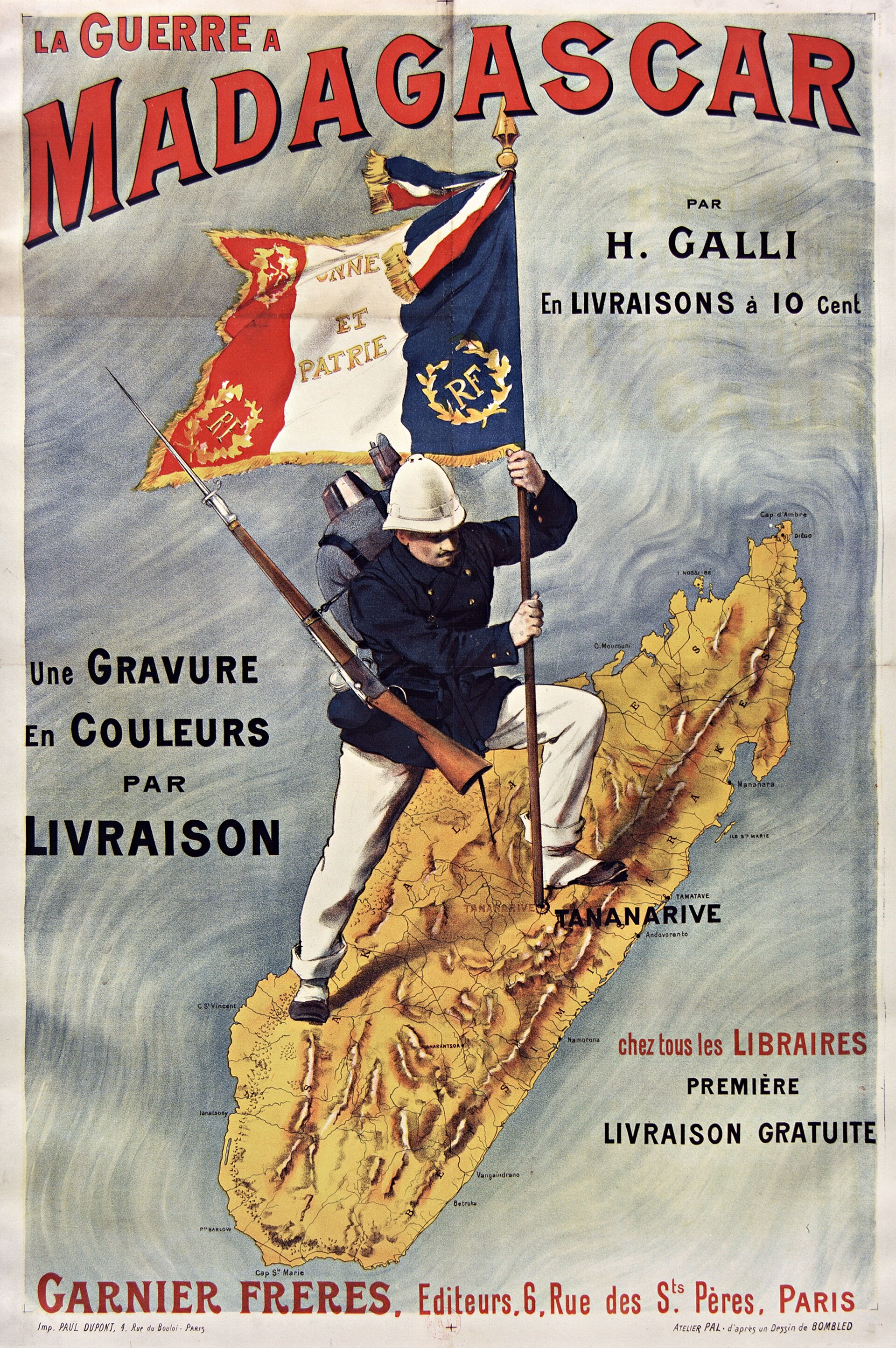
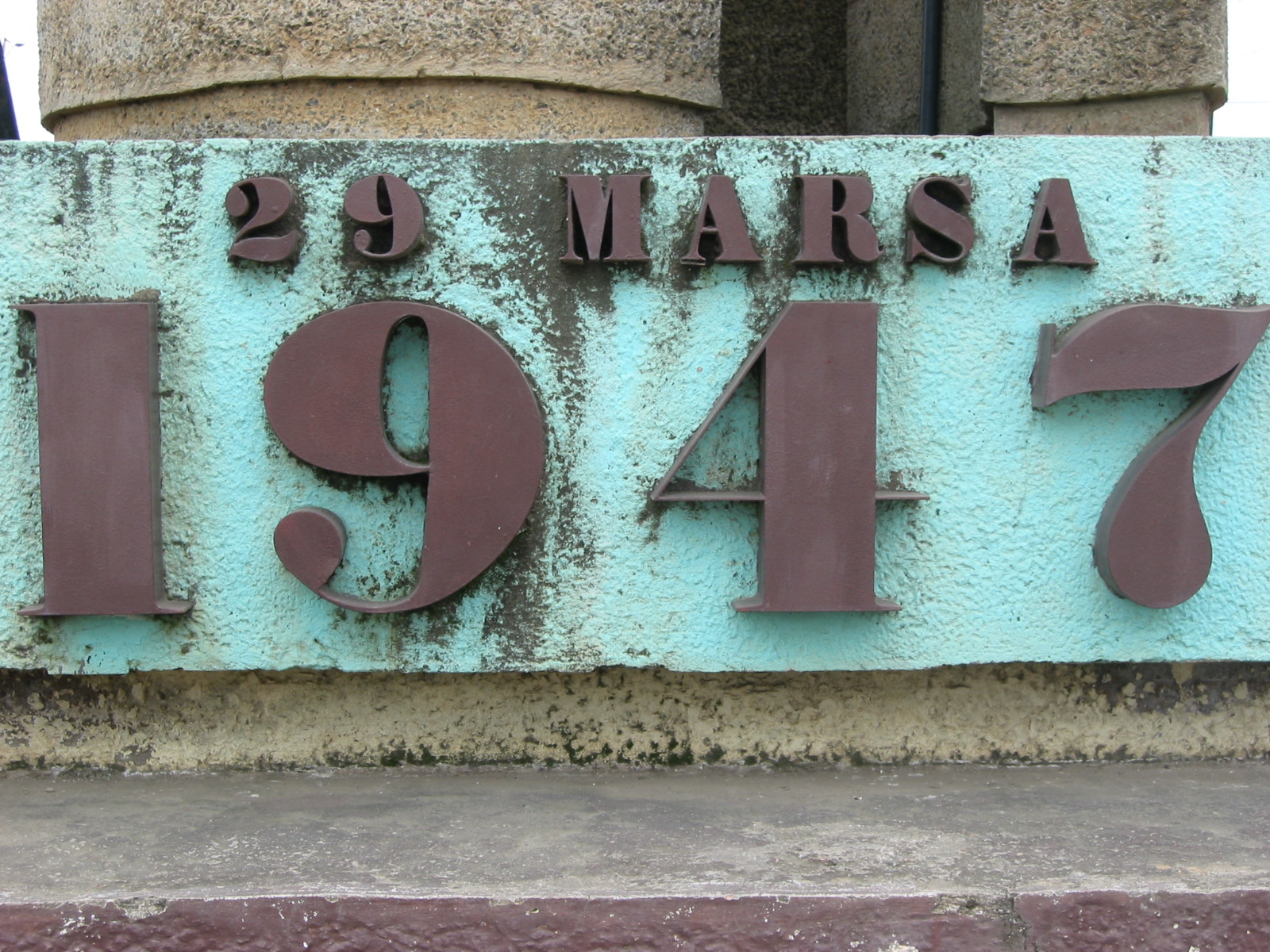
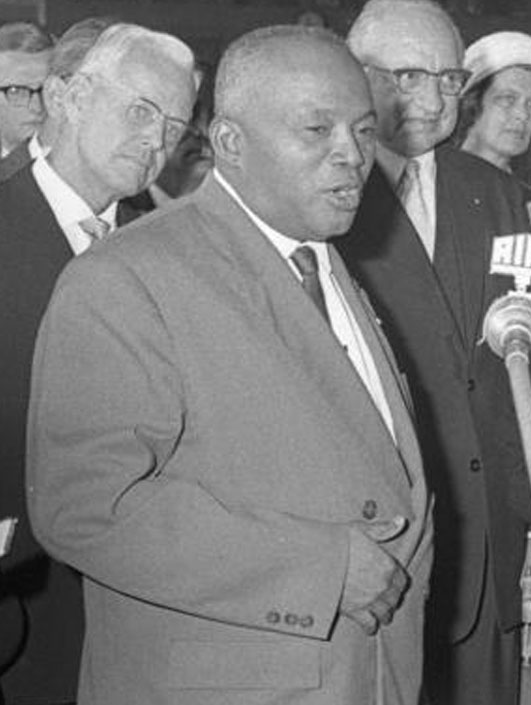
In the 1890s France invaded, abolished the monarchy, and made Madagascar a colony, defeating the kingdom in the Franco-Hova wars. Colonial rule was harsh, and a major uprising in 1947 was crushed with great loss of life, a searing memory in the national story. Madagascar regained its independence in 1960, but the decades since have been turbulent, marked by socialist experiments, economic decline, and repeated political crises.
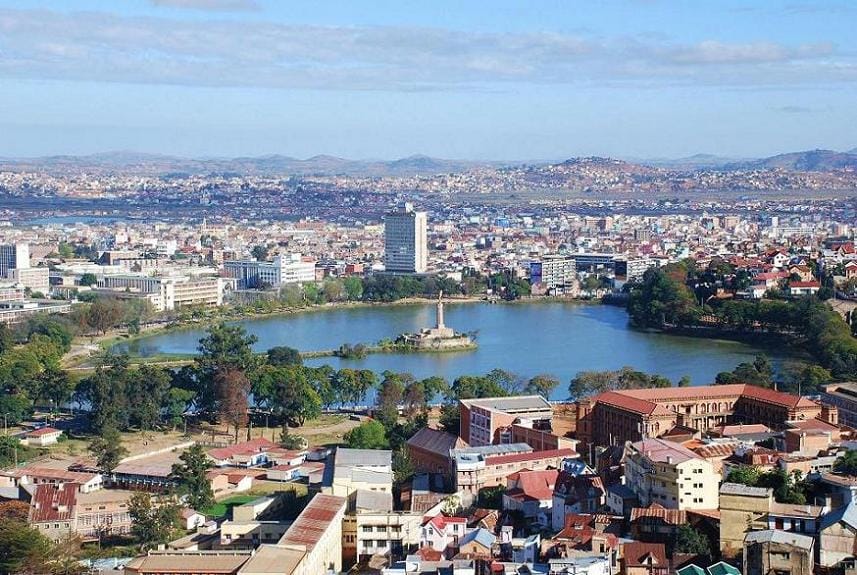
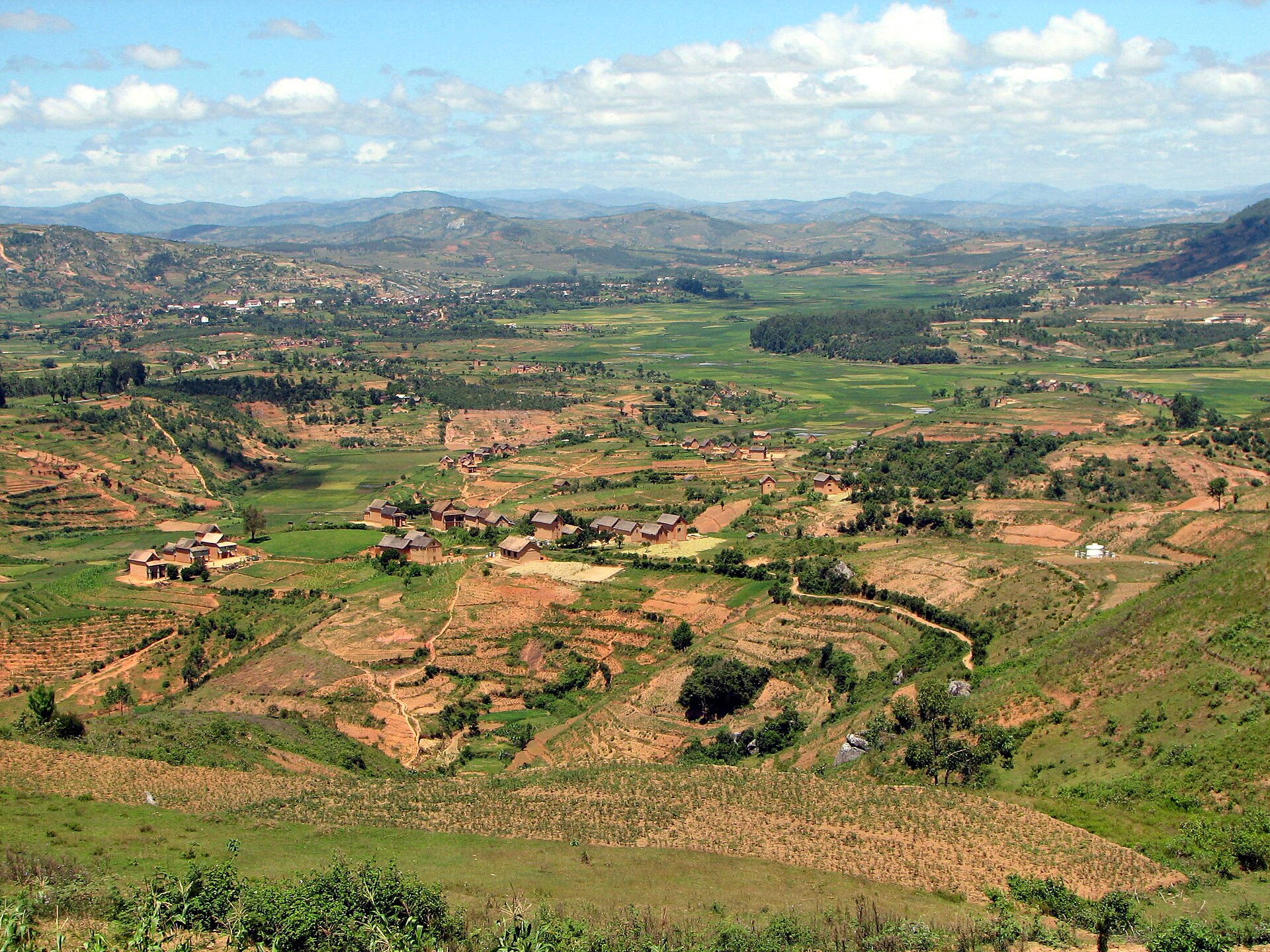
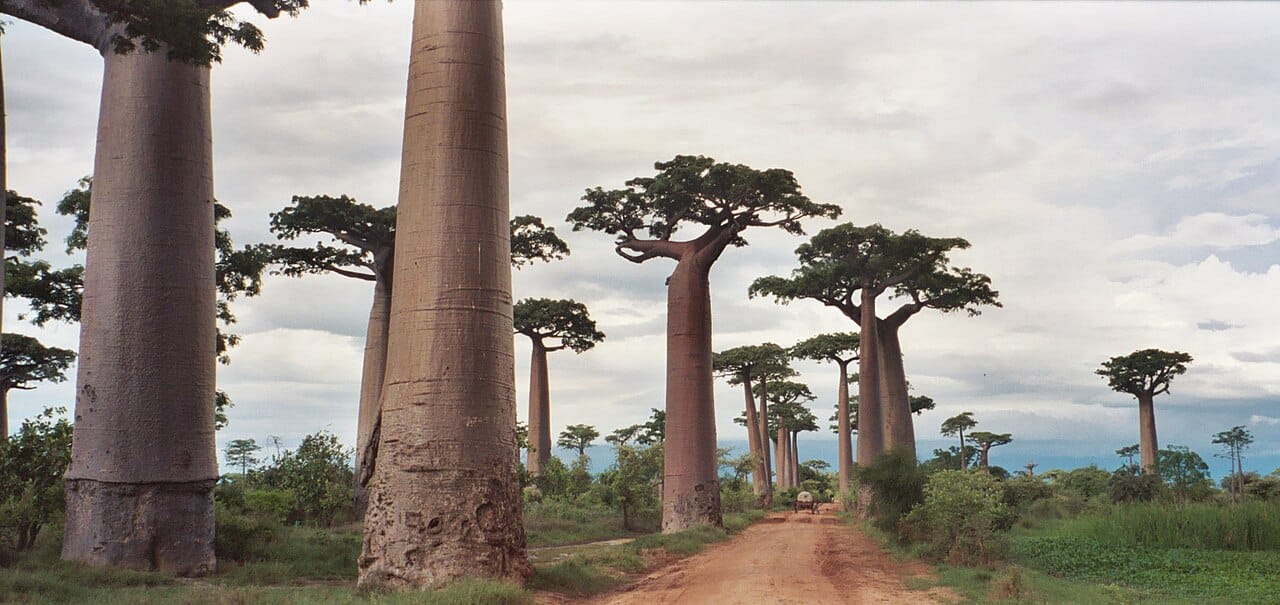
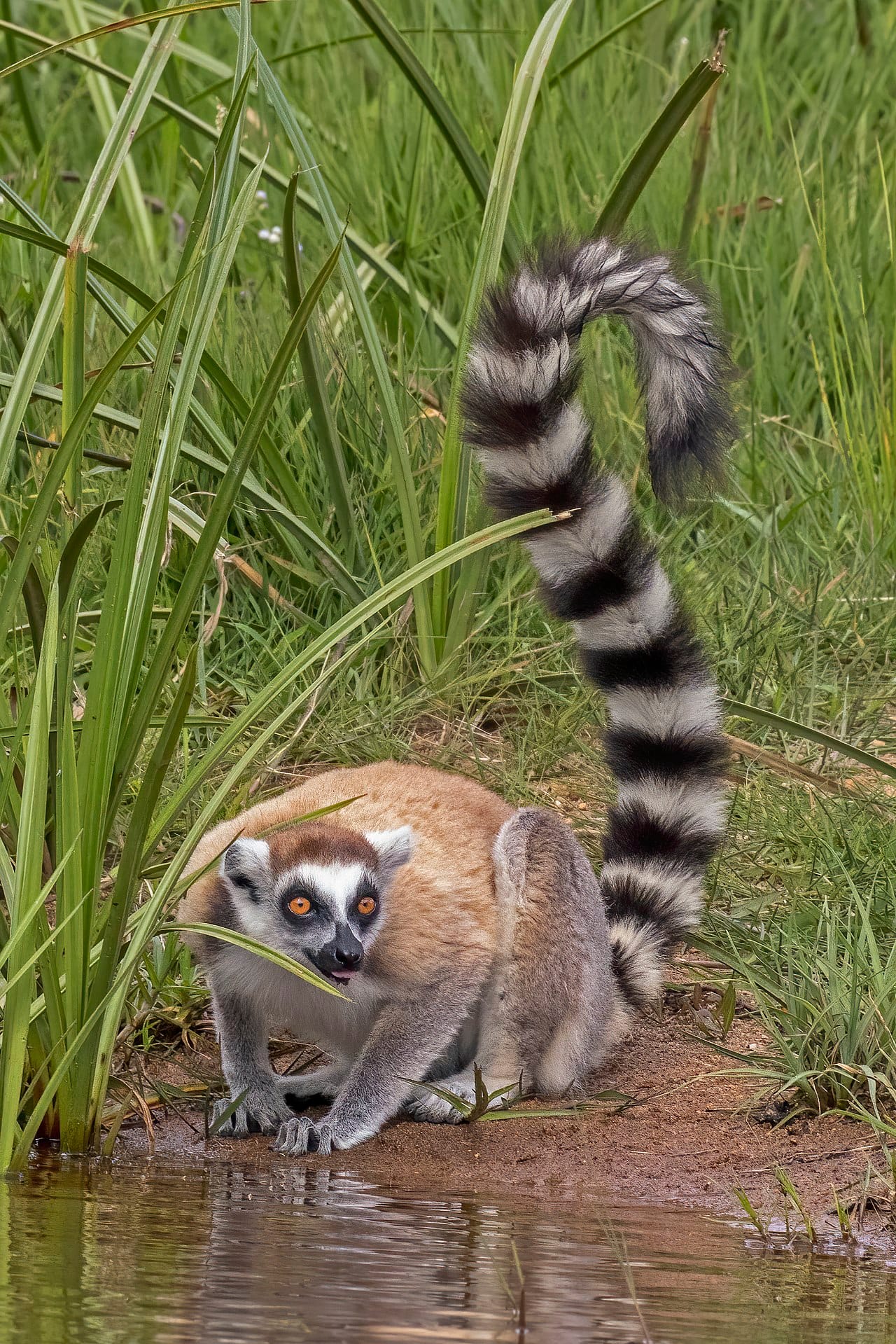
Madagascar is a long island dominated by a spine of central highlands, where the climate is cool and the capital sits, falling away to a narrow, humid eastern coast once cloaked in rainforest and to drier plains and spiny forests in the west and south. Its long isolation from any continent allowed life to evolve in extraordinary directions, making it one of the world's great biodiversity hotspots, home to lemurs, chameleons, and the iconic, swollen-trunked baobab trees, though much of its unique habitat is now under threat.
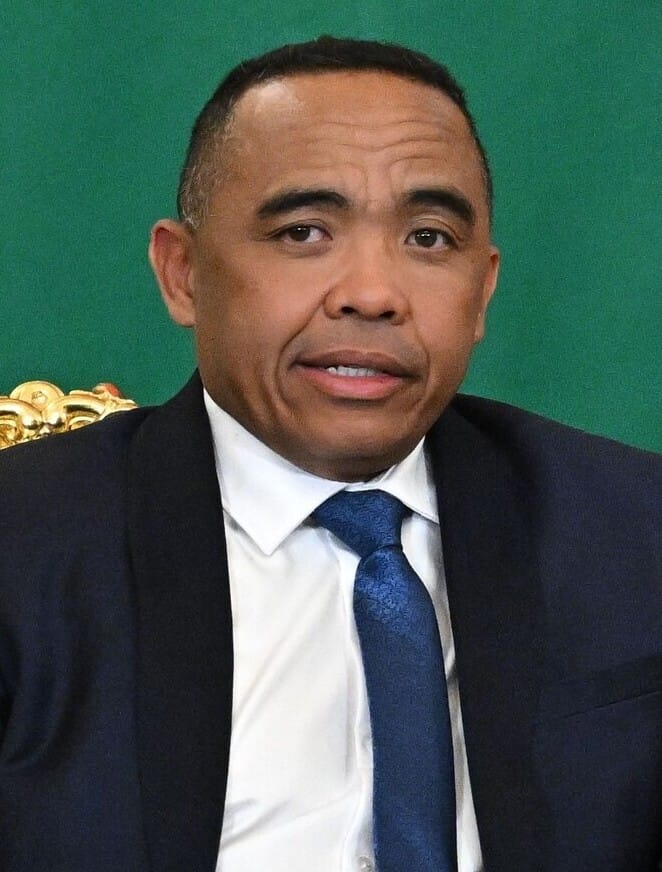
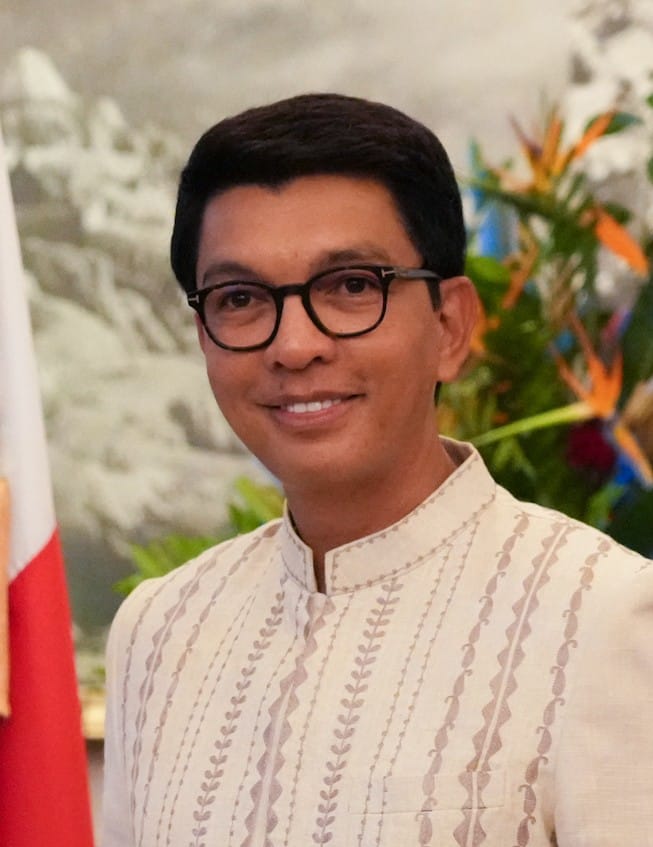
Madagascar is a republic with a long record of political instability, in which popular uprisings have repeatedly toppled governments. Its most recent president, Andry Rajoelina, first came to power in a 2009 coup, returned through elections in 2018, and was re-elected in a boycotted 2023 vote, but was himself overthrown in October 2025: mass protests, sparked by chronic water and electricity shortages and led by young people, drew the support of an army unit, and Rajoelina fled the country. Power passed to a military-led transition under Colonel Michael Randrianirina, who was sworn in as president and promised a return to civilian rule within about two years. The upheaval, one of several youth-driven revolts to shake the world in the mid-2020s, left the island's fragile democracy once again in transition.

The flag of Madagascar has a vertical white band at the hoist and two horizontal bands of red over green. The red and white were colours of the historic Merina kingdom that once ruled much of the island, while the green is often said to represent the coastal peoples and the hope of the nation. The arrangement, with the white set vertically, gives the flag a distinctive look among national banners.
Madagascar's religious life blends Christianity, brought by European missionaries and now followed by a large share of the population in both Catholic and Protestant forms, with deeply rooted traditional beliefs. Central to Malagasy tradition is reverence for ancestors, expressed in customs such as the famadihana, or turning of the bones, a celebratory rite in which families exhume and rewrap the remains of their dead. There is also a Muslim minority, and the two world faiths often coexist with the older ancestral practices.
The cuisine of Madagascar reflects its mixed Asian and African heritage, centred firmly on rice, which Malagasy people eat in great quantity at nearly every meal, often more than almost anyone else in the world. Rice is accompanied by side dishes of meat, fish, vegetables, or beans in flavourful sauces, and the island grows the spices and produce, including vanilla, that enrich the food. Zebu, the humped cattle central to Malagasy culture, provide meat for special occasions.
Agriculture is the livelihood of most Malagasy, much of it small-scale and centred on rice grown in terraced and irrigated paddies across the highlands and lowlands. Madagascar is also the world's leading producer of vanilla, the costly flavouring derived from a climbing orchid, much of it grown in the northeast, along with cloves, coffee, and other spices and cash crops. Cattle, especially the humped zebu, are central to rural life and culture, valued as a sign of wealth and used in ceremonies.
Malagasy culture is a singular fusion of Asian, African, and later European strands, unified by a single language and a strong sense of shared identity across the island's peoples. Rice is far more than food, it is the centre of life, eaten at nearly every meal and woven into ritual, while the zebu, the humped cattle brought from Africa, are a measure of wealth and a presence in ceremony. Central to tradition is reverence for the ancestors, the razana, expressed most strikingly in the famadihana, the turning of the bones, in which families periodically exhume, rewrap, and celebrate their dead. Music, from the valiha zither to modern styles, and a rich oral tradition of proverbs round out one of the most distinctive cultures in the world.
Madagascar poses a painful puzzle: an island of extraordinary natural riches and a proud, unified people, yet one of the poorest countries on Earth, where most people live on very little and the share in poverty has grown rather than shrunk since independence. The reasons are disputed. Its modern political history is a revolving door of popular uprisings, each toppling a leader amid hopes of renewal, from the fall of the first president in 1972, through repeated crises, to the youth-led revolt that ousted Andry Rajoelina in 2025, without breaking the underlying cycle of poverty and instability.
Observers argue over the causes: some emphasise chronic misrule, corruption, and the capture of the state and its resources by a narrow elite; others point to the plunder of the island's forests and minerals, the burdens inherited from colonial rule, and the blows of cyclones and a changing climate. What is not disputed is the toll, for while the world prizes Madagascar's unique wildlife, its people remain among the most deprived anywhere, and the deforestation driven by that poverty is destroying the very natural heritage that makes the island precious. The judgements remain contested; the hardship does not.
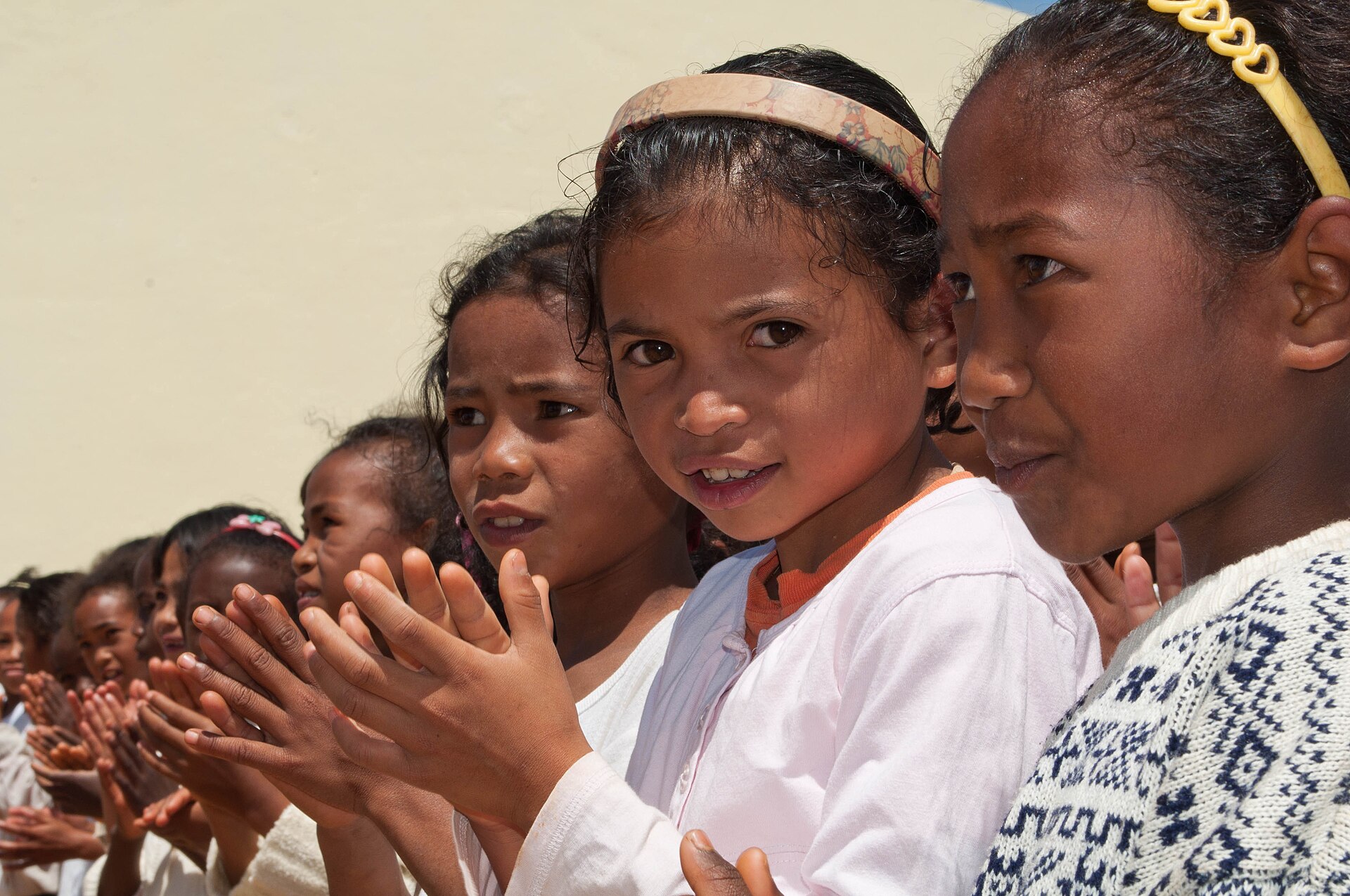
Madagascar has a population of around 30 million people, the Malagasy, who, despite the island's African location, are descended from a blend of Southeast Asian and African ancestors and speak a single language, Malagasy, that belongs to the Austronesian family of distant Indonesia and the Pacific. French is also widely used. The population is largely rural and among the poorest in the world, concentrated in the highlands and along the coasts, with the capital, Antananarivo, set high in the centre of the island.