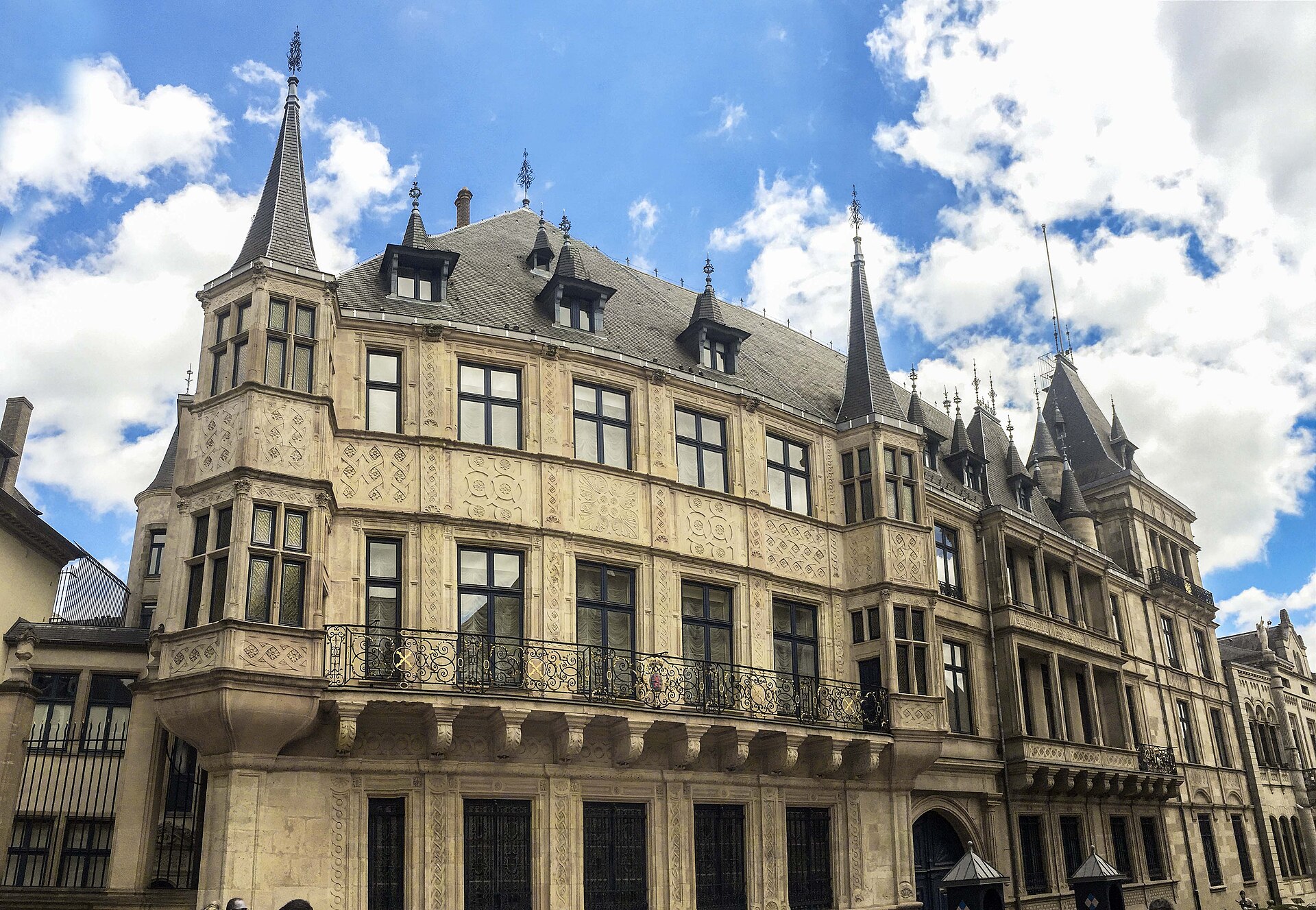
Luxembourg is a tiny landlocked country in western Europe, wedged between Belgium, France, and Germany, and one of the smallest and wealthiest nations in the world. A grand duchy, the only sovereign one remaining, it grew from a mighty fortress on a rocky promontory into a prosperous modern state and a founding member of the European Union, several of whose institutions it hosts. Despite its small size, it has played an outsized role in European history and politics.
Luxembourg's history is that of a small fortress-county that once reached the imperial throne, spent centuries as a coveted stronghold passed between the great powers, and reinvented itself as a founder of modern Europe.
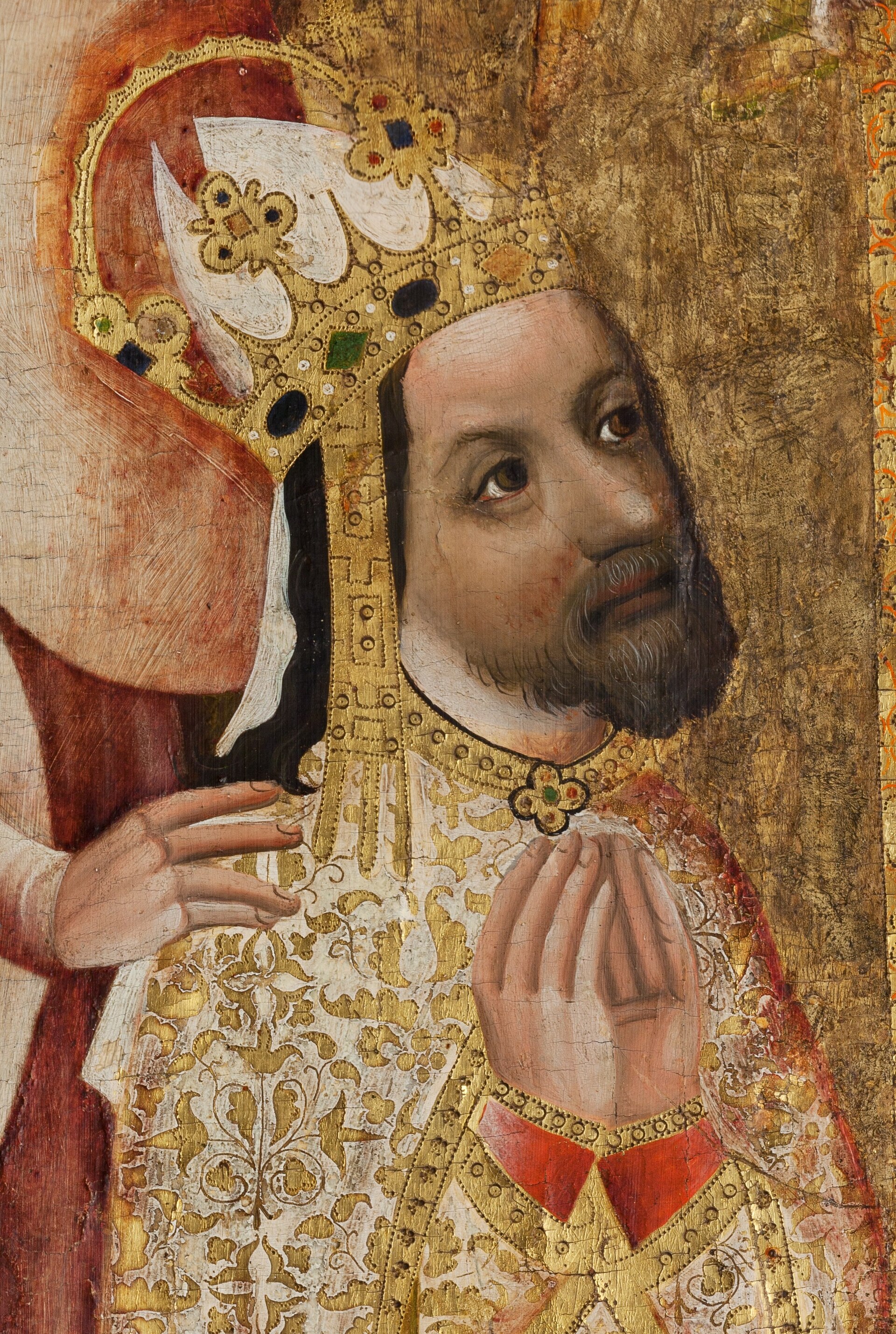
Luxembourg began around a castle founded in the tenth century on a rocky spur above the Alzette river, from which a small county grew. In the fourteenth and fifteenth centuries the House of Luxembourg rose to the very heights of European power, providing several Holy Roman Emperors and kings of Bohemia and Hungary, among them Charles the Fourth, one of the most important rulers of the medieval empire, a remarkable ascent for so small a land.
Because it commanded a strategic crossroads, Luxembourg's fortress was expanded over the centuries into one of the mightiest in Europe, a maze of ramparts, bastions, and rock-cut tunnels known as the casemates. Nicknamed the Gibraltar of the North, it made the duchy a prize fought over and garrisoned in turn by the Burgundians, Spanish, French, Austrians, and Prussians, who held it through long stretches of foreign rule.
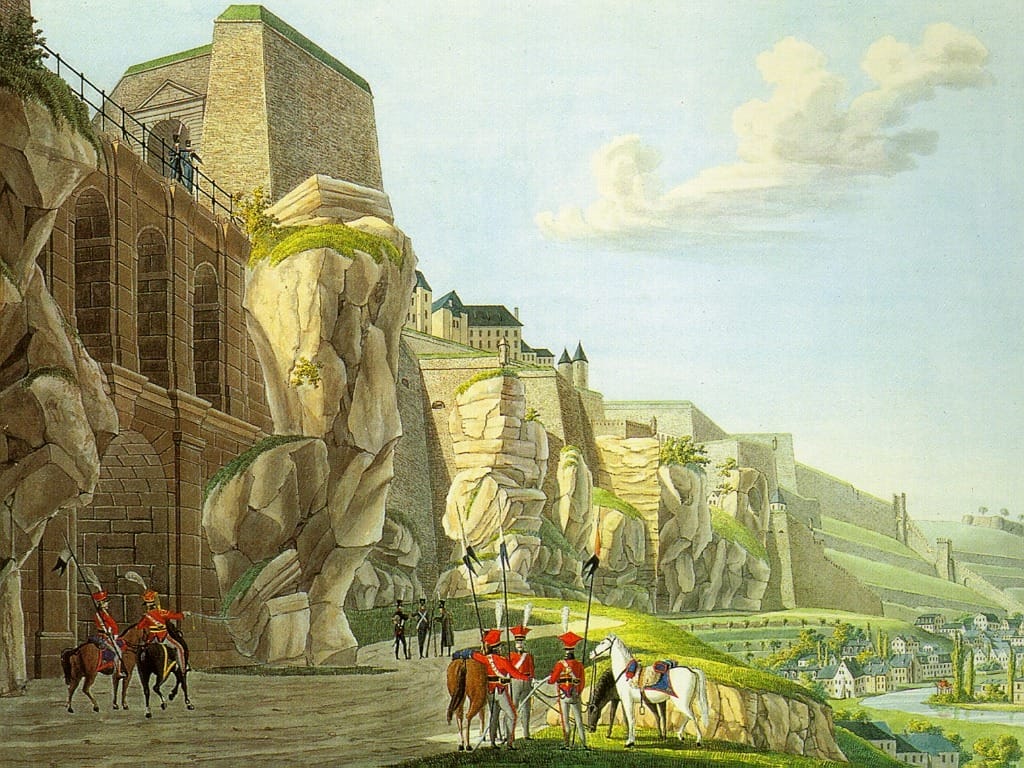
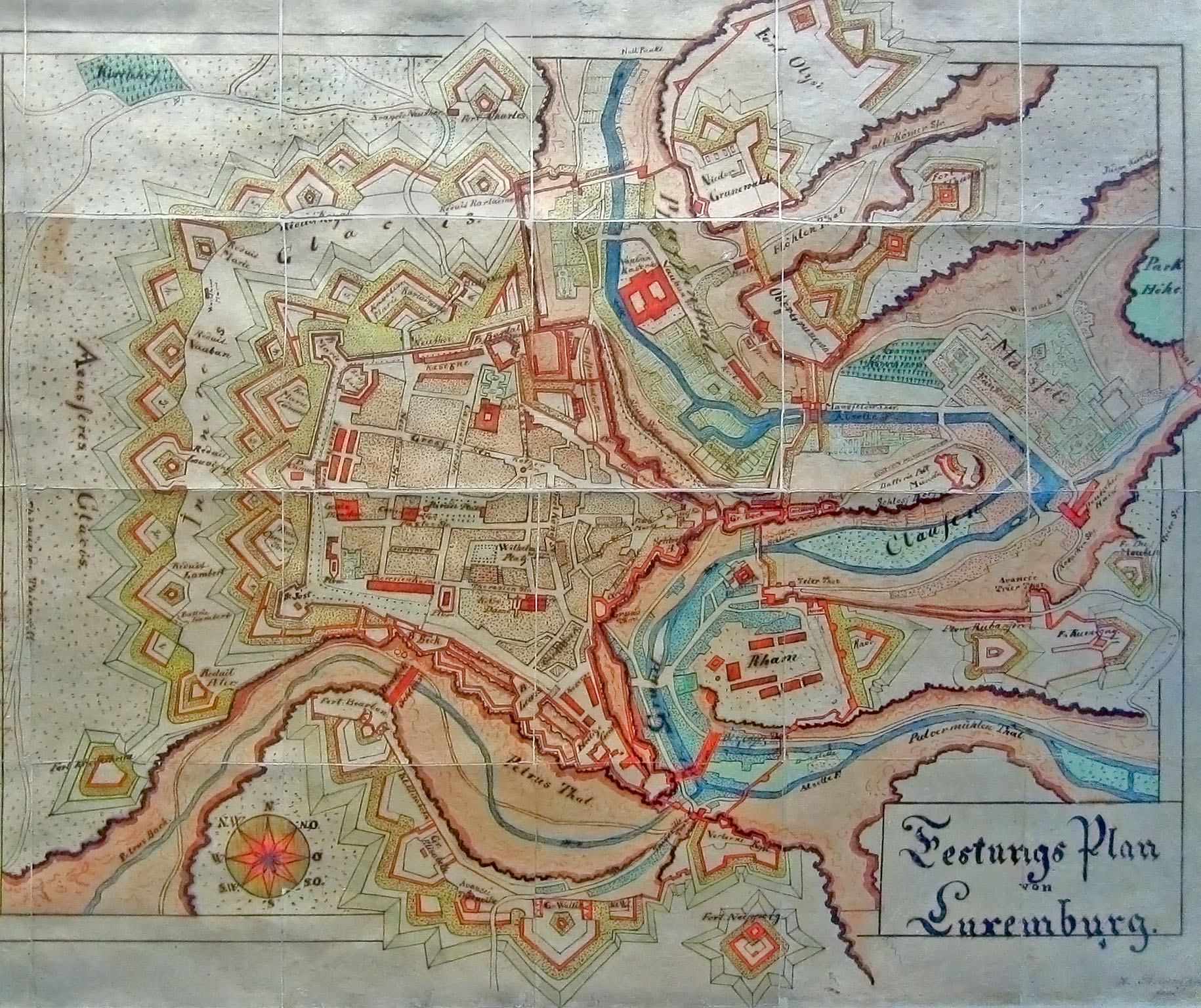
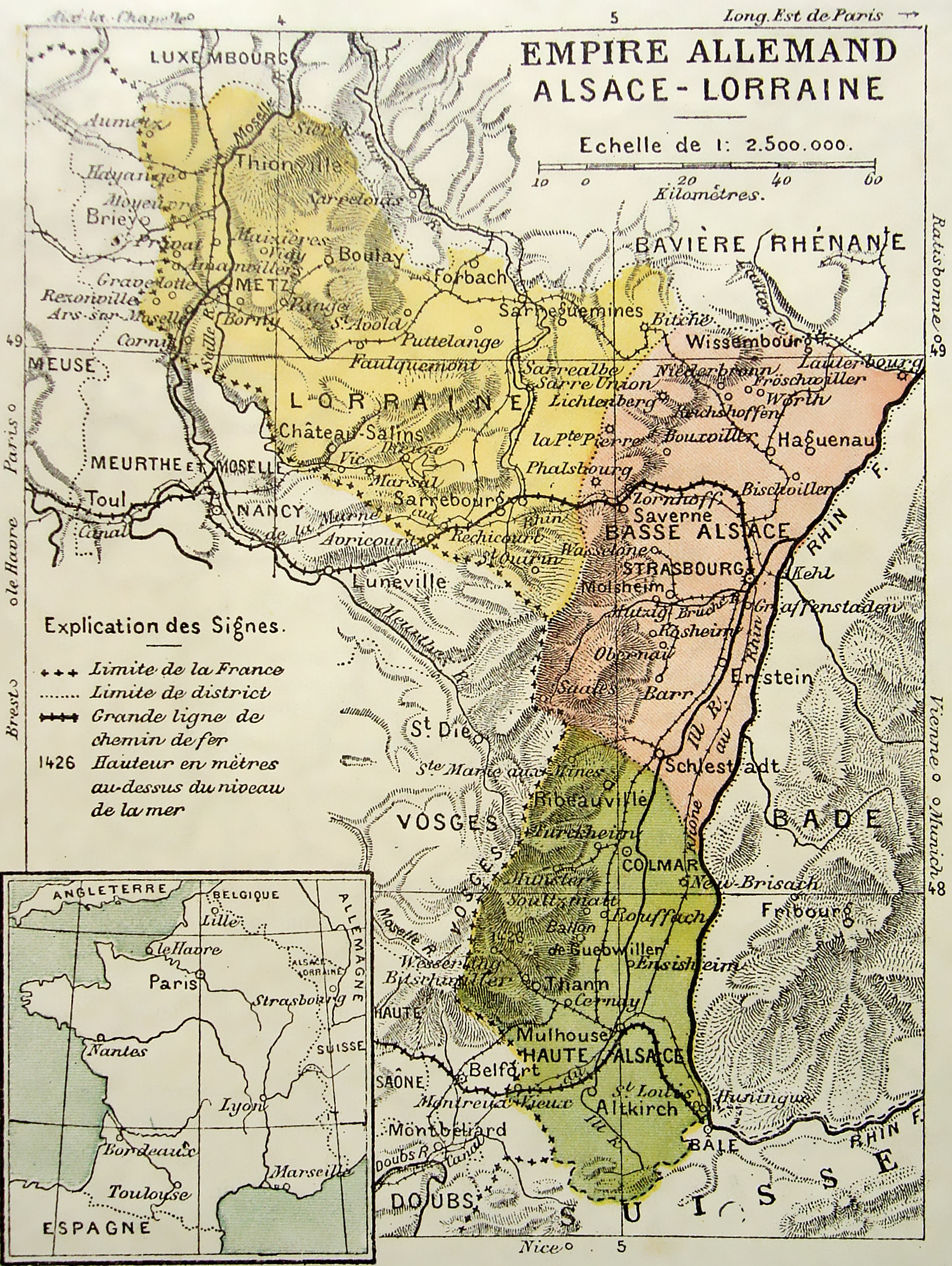
Luxembourg became an independent grand duchy in the nineteenth century, and in 1867 the great powers agreed to neutralise it and demolish its fortress. Neutrality did not spare it: Germany occupied the country in both world wars. Out of that experience, Luxembourg abandoned neutrality and threw itself into European integration, becoming a founding member of the institutions that grew into the European Union and one of its official capitals.
Luxembourg is small and green, divided into two natural regions. The rugged, forested hills and deep valleys of the Ardennes, known here as the Oesling, cover the north, while the gentler, more fertile lowlands of the Gutland, meaning good land, spread across the south, holding most of the population and farmland. Rivers, including the Moselle along the German border with its terraced vineyards, wind through the countryside, and the capital sits dramatically atop the cliffs and gorges of its old fortress.
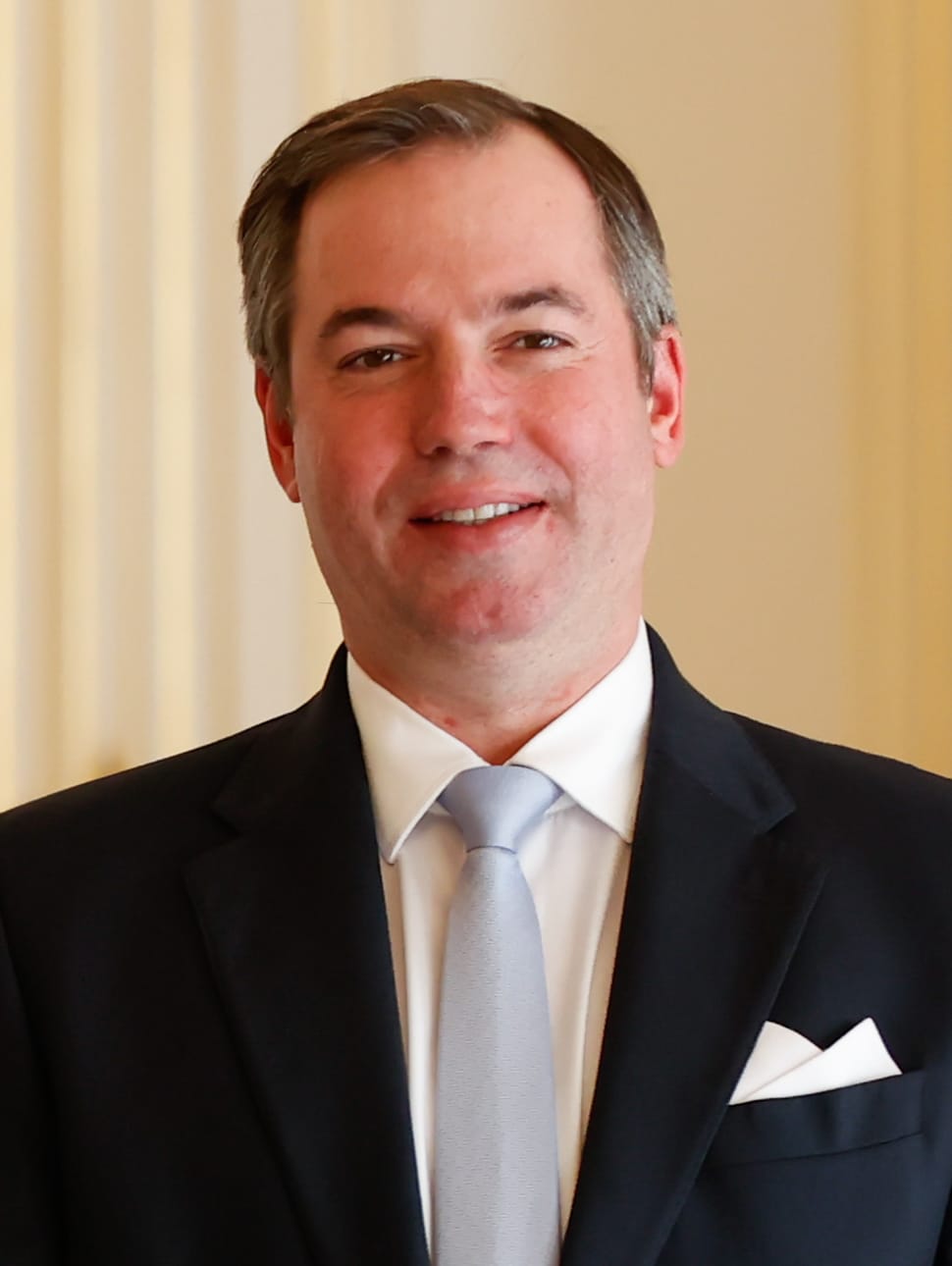
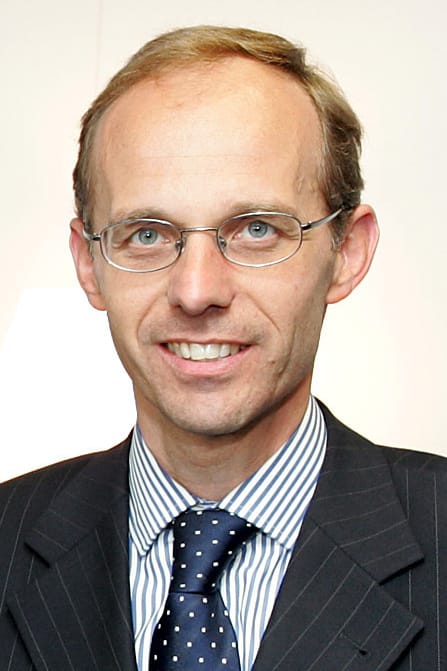
Luxembourg is a constitutional monarchy, and the world's only remaining sovereign grand duchy, with a parliamentary democracy in which the grand duke reigns as a largely ceremonial head of state. In October 2025, after 25 years on the throne, Grand Duke Henri abdicated in favour of his son, who became Grand Duke Guillaume the Fifth. The government is led by a prime minister drawn from parliament, a post held since 2023 by Luc Frieden of the Christian Social People's Party, at the head of a coalition. A stable, consensual, and prosperous democracy, Luxembourg punches far above its weight in European affairs, hosting the Court of Justice of the European Union and other key institutions.
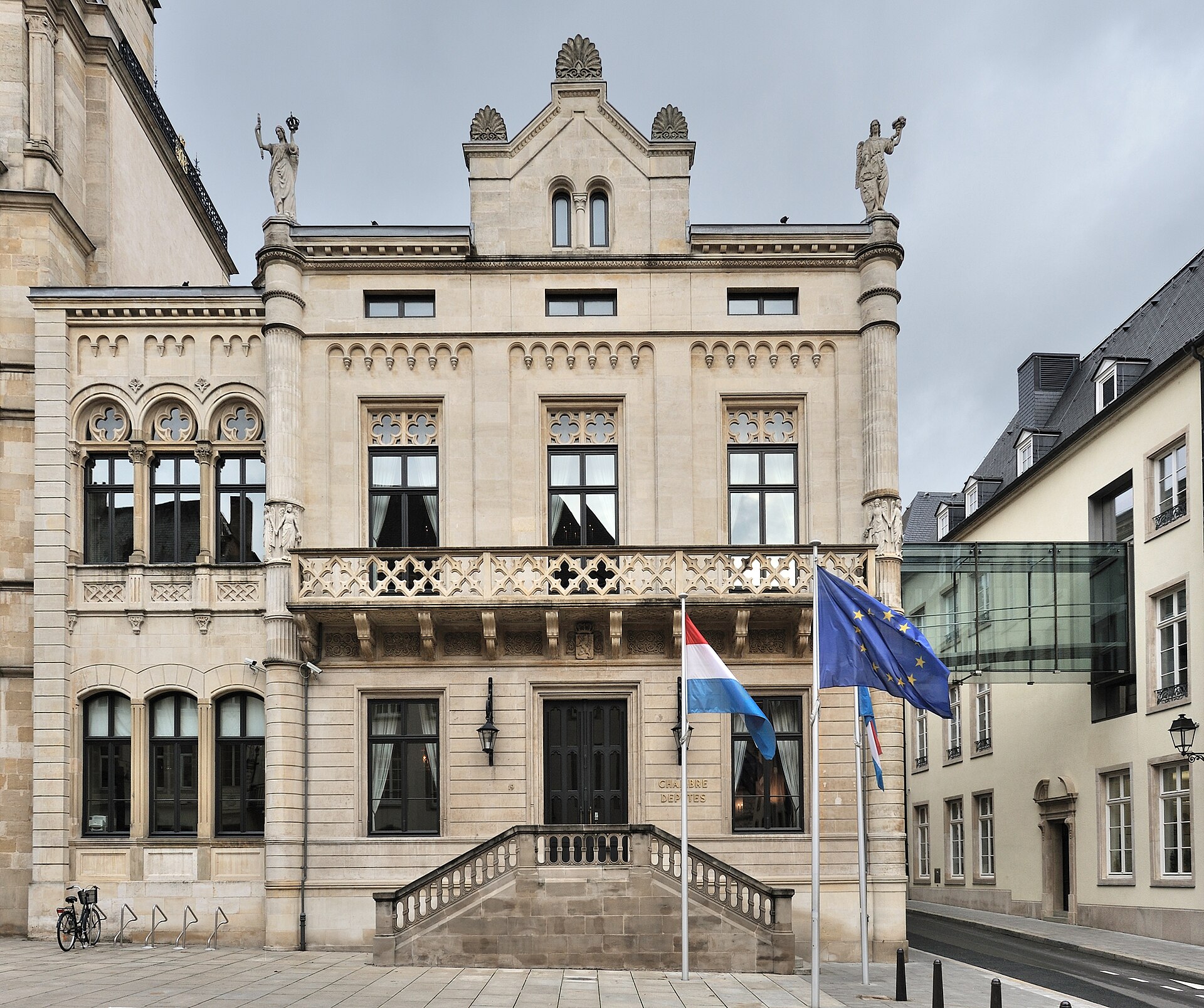
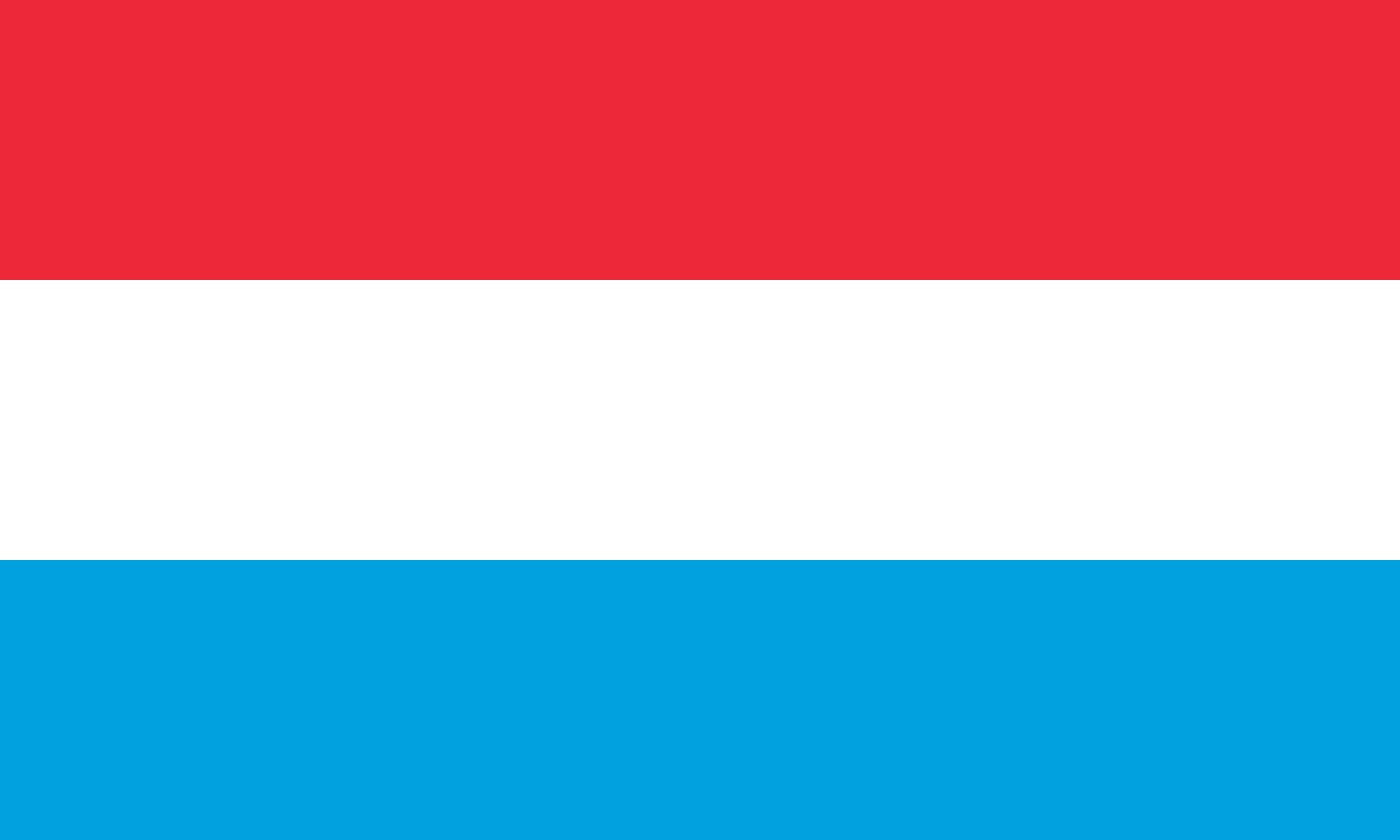
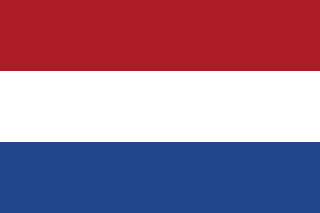
The flag of Luxembourg has three horizontal bands of red, white, and light blue, closely resembling the flag of the Netherlands, with which it shares a history, though Luxembourg's blue is a lighter shade. The colours derive from the coat of arms of the grand duchy, which features a red lion on white and blue stripes. Because of the similarity to the Dutch flag, Luxembourg also uses a separate red-lion banner for some purposes.
Luxembourg is historically a Roman Catholic country, and Catholicism long shaped its culture, calendar, and institutions, with the great majority of the population traditionally belonging to the Church. As across western Europe, religious practice has declined and the society has grown more secular, and the state formally separated from organised religion in recent years. Its highly international population has also brought a greater variety of faiths to this small but cosmopolitan country.
Luxembourg's cuisine reflects its position between France and Germany, often described as combining French refinement with German heartiness. The national dish is judd mat gaardebounen, smoked pork collar served with broad beans, a hearty country meal. River fish, game, and rich stews feature in traditional cooking, alongside French-influenced fine dining in the cosmopolitan capital. The terraced vineyards of the Moselle valley produce respected white and sparkling wines that accompany the table.
Agriculture occupies a small part of Luxembourg's highly developed, finance-driven economy, but it remains a feature of the green countryside. The fertile lowlands of the south support the growing of grains and the raising of dairy and beef cattle, while the slopes of the Moselle valley are given over to vineyards producing the country's well-regarded wines. Farming is modern and efficient, on a scale suited to one of the smallest countries on the continent.
Luxembourg's transformation from a poor land of farmers and iron-workers into one of the wealthiest countries on Earth is among the most striking economic stories in Europe. In the nineteenth and twentieth centuries its economy rested on iron and steel, but as that industry declined the country reinvented itself as a global financial centre, home to a vast fund-management and private-banking industry, and later a hub for satellites and technology. Today Luxembourg regularly ranks as the richest country in the world by output per person, its prosperity underpinned by finance, its central European location, and a cross-border workforce that pours in each day from France, Belgium, and Germany.
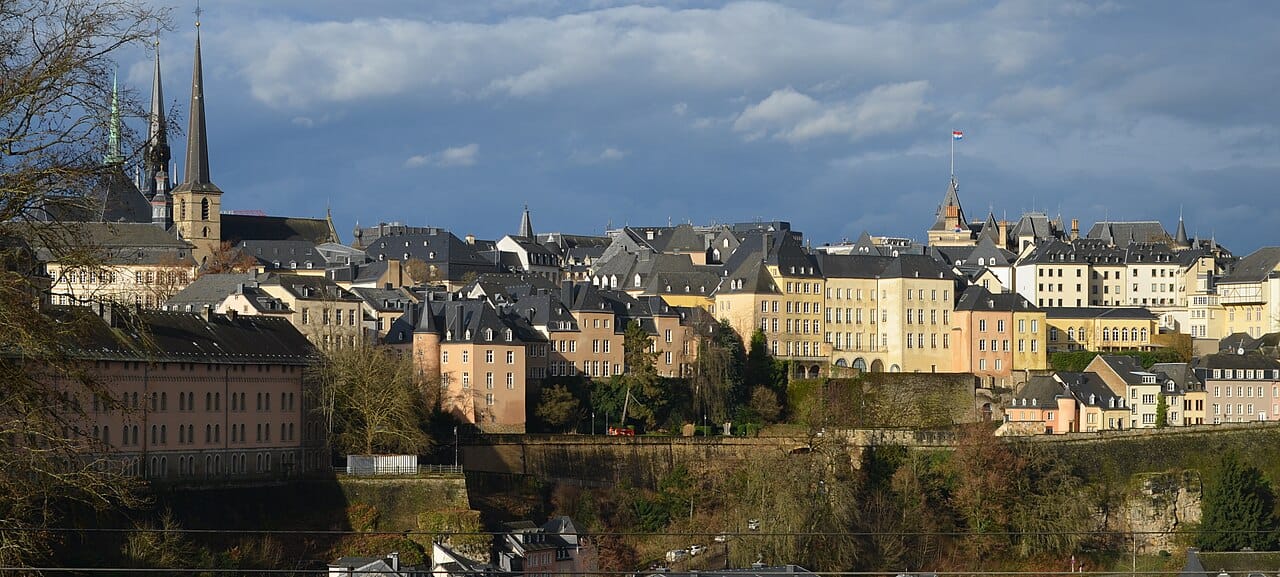
Luxembourg has a population of around 660,000 people, but it is one of the most international societies on Earth: nearly half of its residents are foreign nationals, drawn by its prosperity and its role as a European hub. The country is remarkable for being trilingual, with Luxembourgish, French, and German all in official use in daily life. Most people live in or around the capital, Luxembourg City, a small but globally significant centre of finance and European governance.