Lithuania is a country on the eastern shore of the Baltic Sea, the largest and southernmost of the three Baltic states. A flat, forested land of lakes and rivers, it has a history of striking contrasts: in the Middle Ages it was the heart of one of the largest states in Europe, yet it was also the last pagan country on the continent. Its people speak one of the oldest and most archaic of all living Indo-European languages, a treasure for scholars of language.
Lithuania's history swings between extremes: a medieval empire and the last pagan realm of Europe, then centuries of subjection, and a modern rebirth as a small, fiercely independent nation.
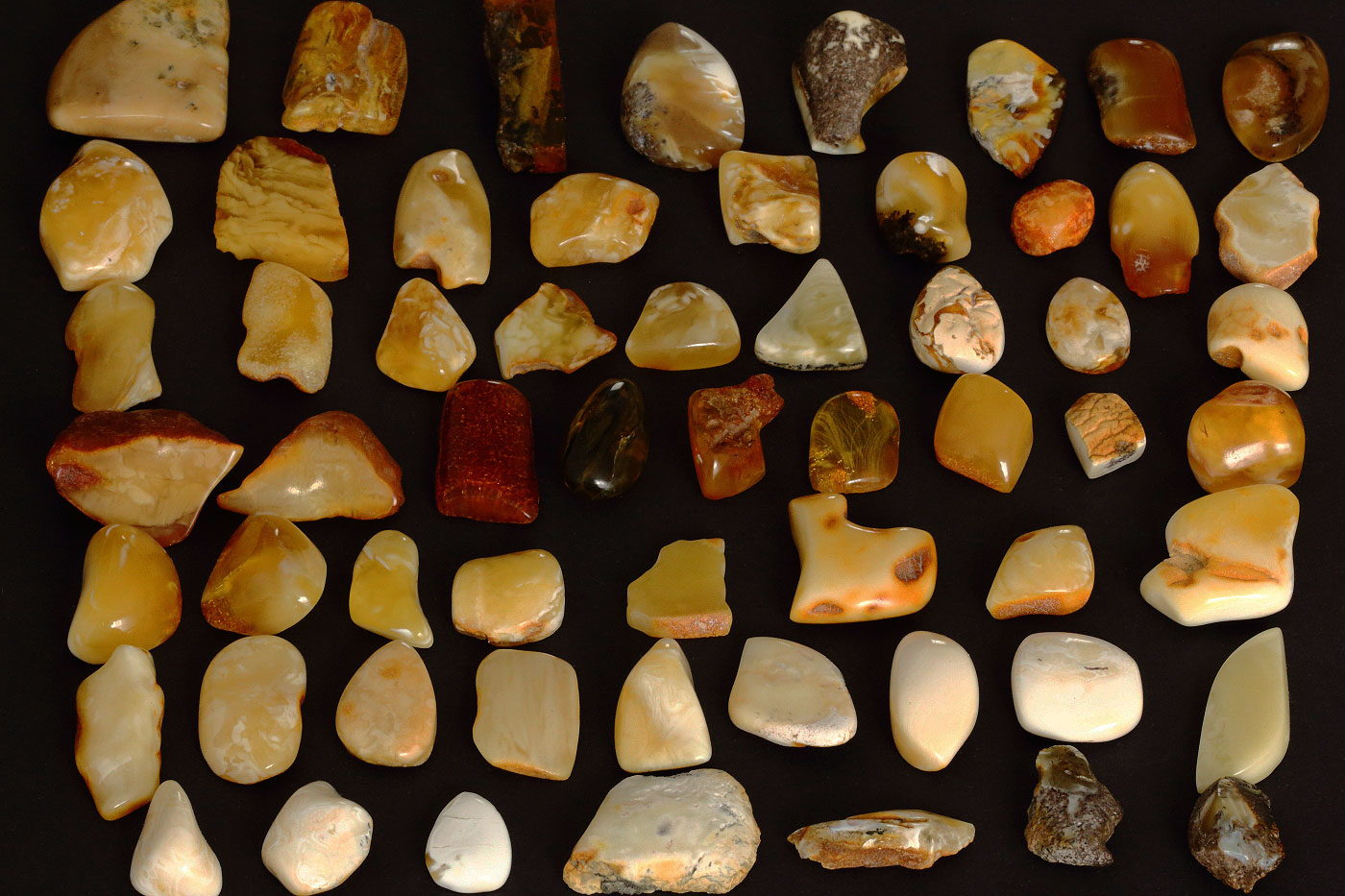
The Baltic peoples who became the Lithuanians settled these forests and lake-lands in deep antiquity, building hillforts and worshipping the gods of an old pagan faith, and trading the amber of the Baltic shore, prized across the ancient world, far to the south. Lithuania holds the distinction of having remained pagan longer than any other land in Europe, resisting Christianity into the late fourteenth century.
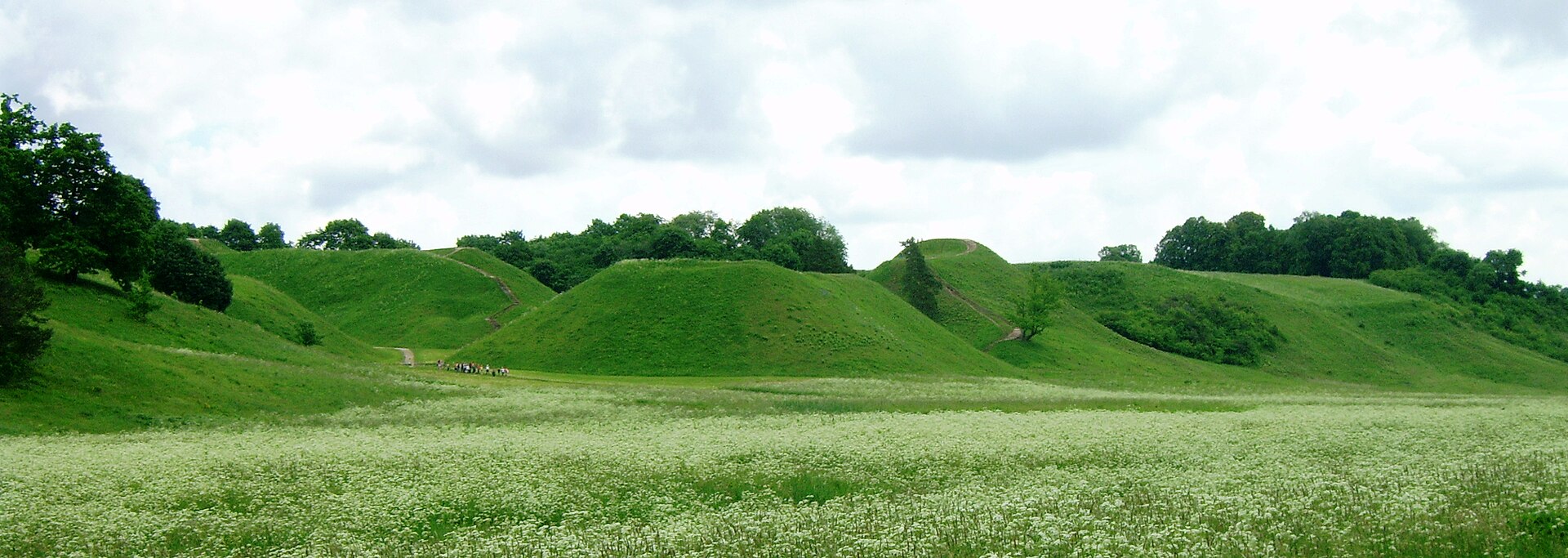
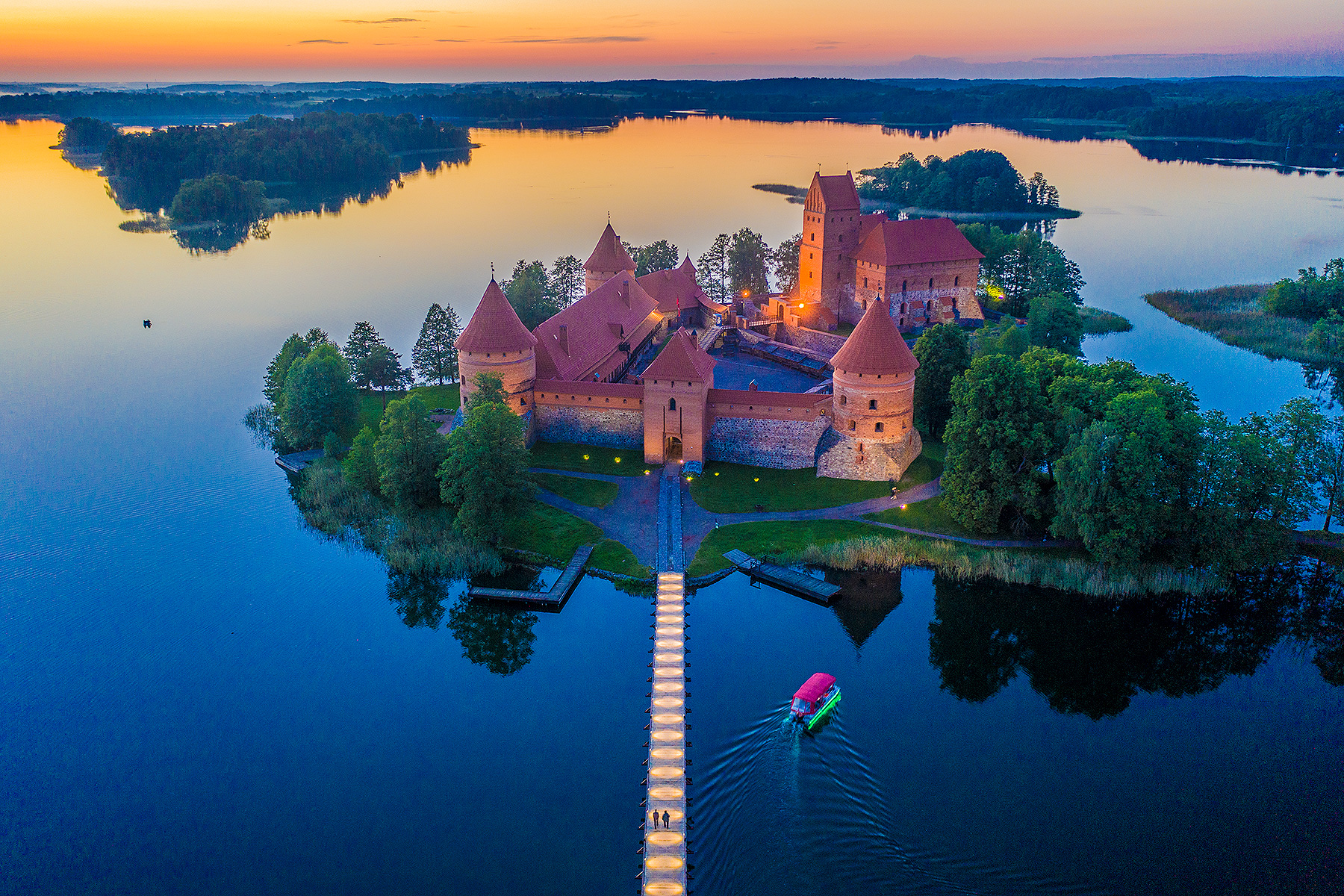
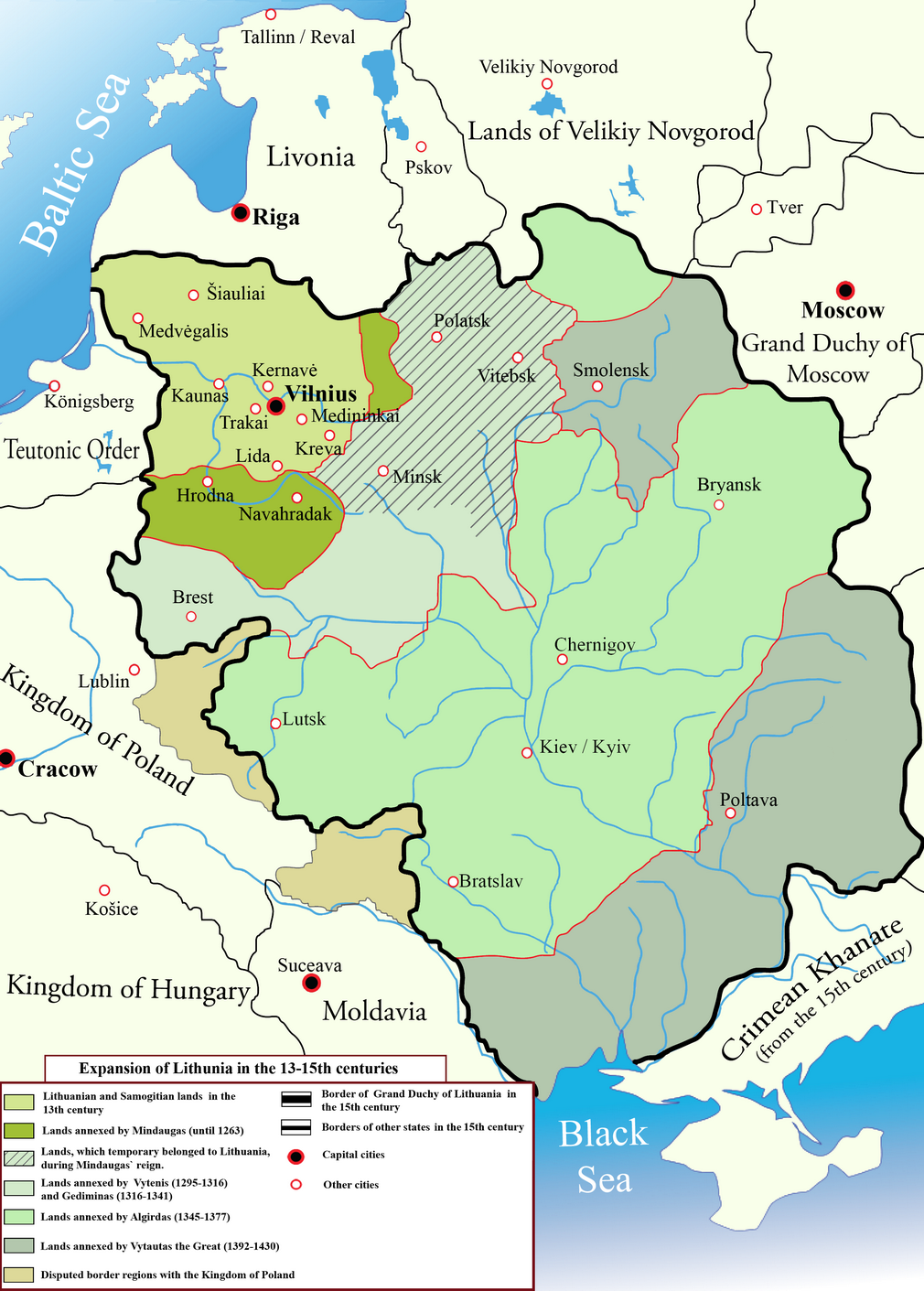
In the Middle Ages Lithuania rose to remarkable power. Under its grand dukes it expanded into a vast realm, the Grand Duchy of Lithuania, which at its height stretched from the Baltic almost to the Black Sea, one of the largest states in Europe. Converting to Christianity around 1387, it entered a long and mighty union with Poland, the Polish-Lithuanian Commonwealth, that dominated much of eastern Europe for centuries.
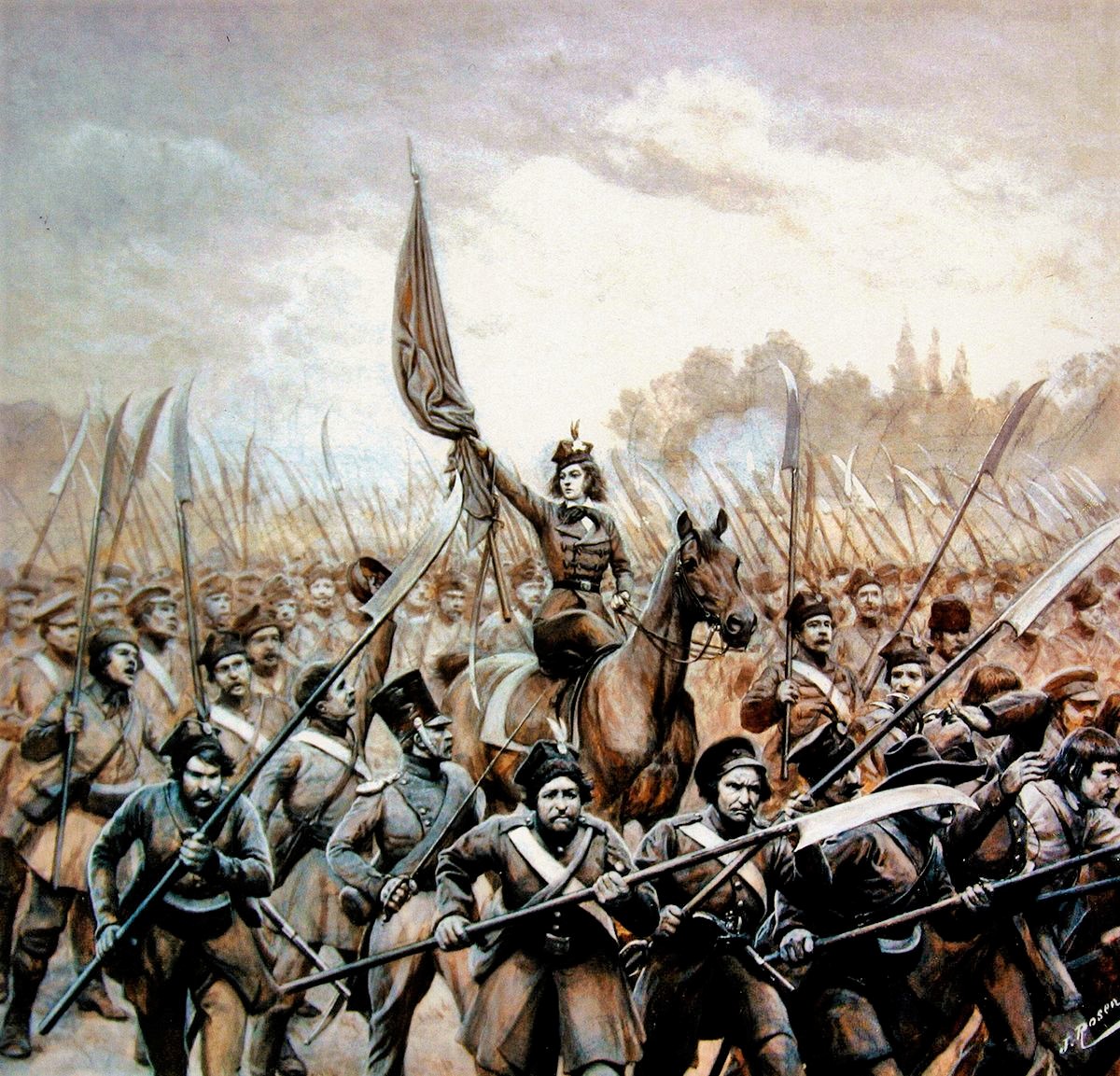
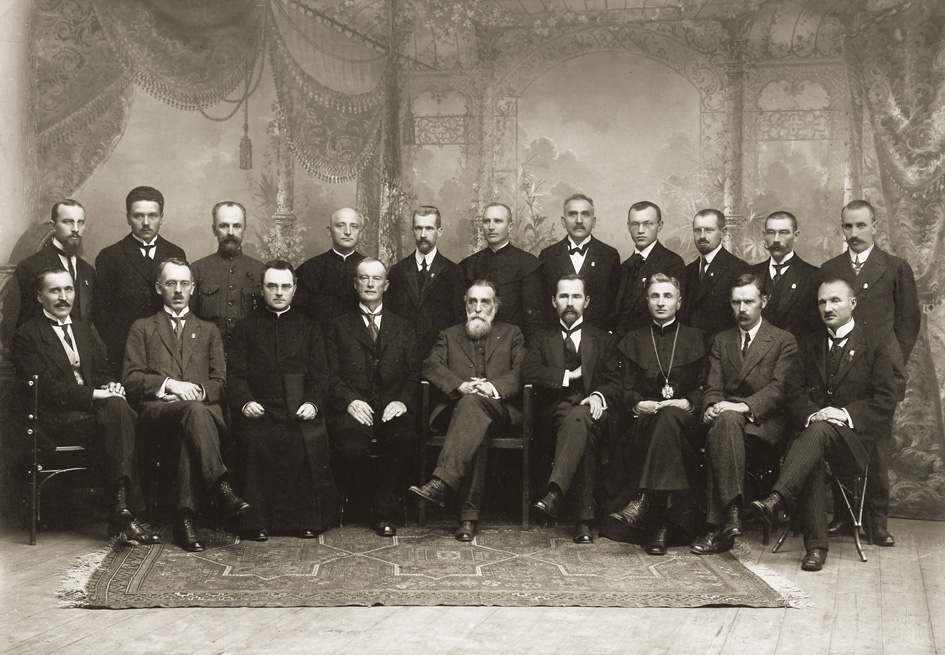
The Commonwealth declined and was partitioned in the eighteenth century, and Lithuania was swallowed by the Russian Empire. Its people rose repeatedly against Russian rule, in dramatic uprisings that were harshly crushed, and kept their language and identity alive through decades of repression. Amid the upheaval of the First World War, Lithuania at last declared its independence in 1918.
The interwar republic was short-lived. In 1940 the Soviet Union annexed Lithuania, followed by Nazi occupation, during which almost the entire Lithuanian Jewish community, one of the greatest centres of Jewish learning in the world, was murdered in the Holocaust. The Soviets then returned for nearly fifty years, met by a long partisan resistance and mass deportations to Siberia. In 1990 Lithuania became the first Soviet republic to declare independence outright, a courageous act that helped bring down the USSR itself.
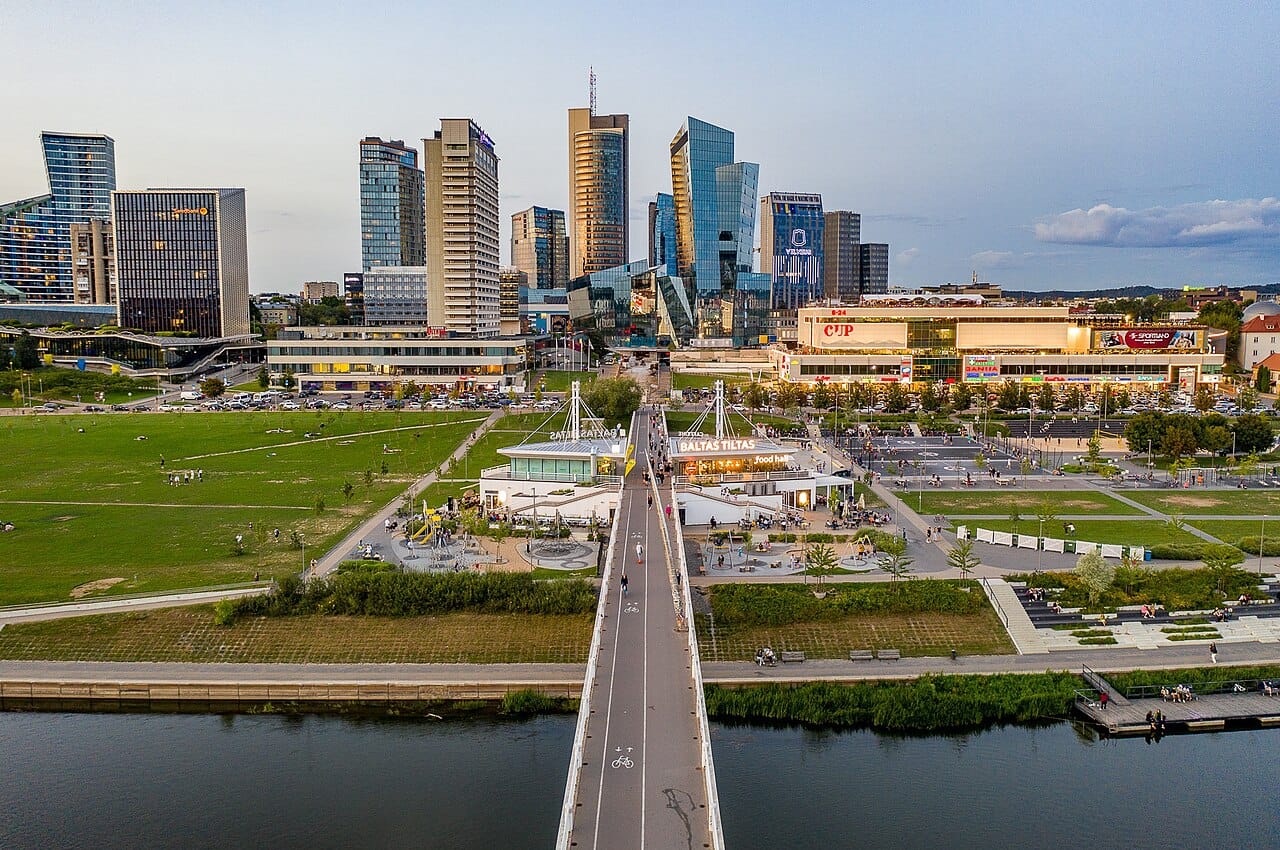
Tradition holds that Grand Duke Gediminas, hunting in the forest, fell asleep and dreamed of a great iron wolf standing on a hilltop and howling with the voice of a hundred wolves. A pagan priest interpreted the dream as a sign to build a mighty city on the spot, and so, the legend says, Gediminas founded Vilnius, the capital. The tale is cherished as the origin story of the city, but the dream of the iron wolf belongs to legend rather than documented history.
Lithuania is a low-lying, gently rolling country of farmland, extensive forests, and many lakes and rivers, with a relatively short but scenic Baltic coastline. Among its most striking natural features is the Curonian Spit, a long, narrow finger of towering sand dunes separating a lagoon from the open sea. The land has no mountains, and its mild, damp climate and fertile soils have long supported farming, while the Baltic shore is the source of the amber for which the region is famous.
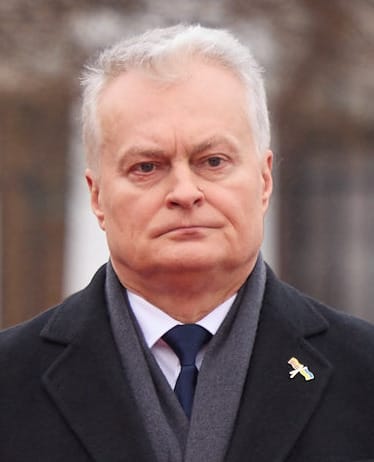
Lithuania is a democratic republic, a member of the European Union and NATO, which it joined in 2004, and of the eurozone. It has a semi-presidential system: a directly elected president leads foreign and defence policy, a weighty role for a small country on Europe's eastern frontier, while a prime minister drawn from parliament runs domestic affairs. The president since 2019 is Gitanas Nauseda. Since throwing off Soviet rule, Lithuania has anchored itself firmly in the West and become one of the most stable and rapidly developing democracies of the former Soviet bloc.

The flag of Lithuania has three horizontal bands of yellow, green, and red. The colours are drawn from traditional Lithuanian folk art and culture, and they are commonly interpreted as yellow for the sun, prosperity, and the fields of ripening grain, green for the country's forests and the hope of the nation, and red for the courage and blood of those who fought for its freedom. The tricolour was first adopted when Lithuania declared independence in 1918.
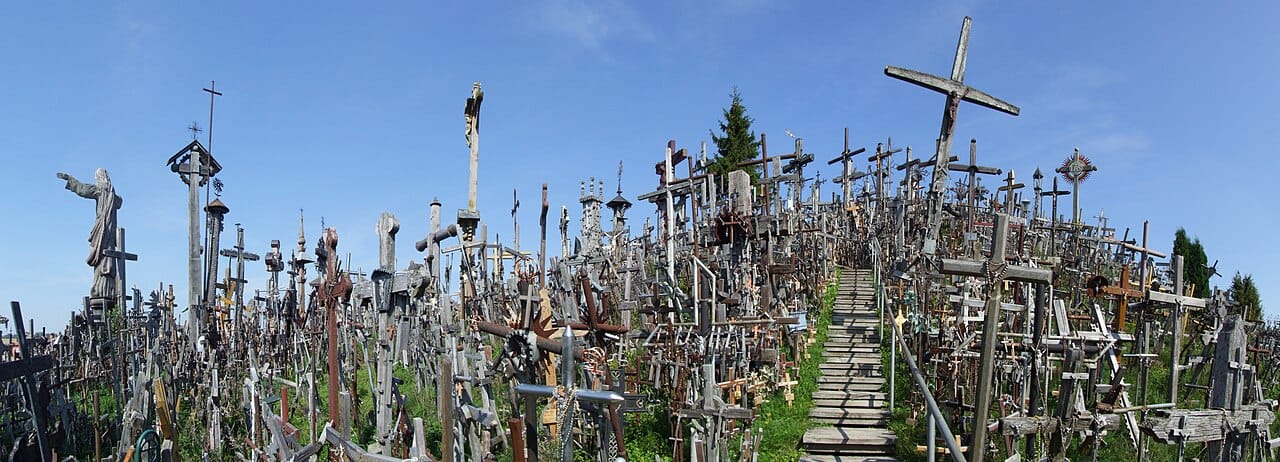
Lithuania is the most Roman Catholic of the Baltic states, and Catholicism, adopted relatively late in the country's history, became deeply woven into national identity, serving as a focus of resistance during the long decades of Soviet rule when religion was suppressed. The faith remains strong in the country's culture and traditions, expressed in pilgrimages and a landscape of churches, including the remarkable Hill of Crosses, where countless crosses have been planted as an act of devotion and defiance.
Lithuanian cuisine is hearty and built around potatoes, grains, dairy, and pork, suited to a cool northern climate. The national dish is cepelinai, large potato dumplings, named for their zeppelin shape, stuffed with meat and served with sour cream. A summer favourite is a vivid pink cold beetroot soup, served chilled with a side of hot potatoes. Dark rye bread, smoked meats, and curd cheese are staples, and a tradition of mead and beer accompanies the table.
Lithuania has a strong agricultural tradition supported by its fertile soils and gentle landscape. Farmers grow cereals such as wheat and barley, along with potatoes, sugar beet, and rapeseed, and dairy and livestock farming are important, with the country exporting dairy products and grain. Flax was historically a significant crop. As in the rest of the Baltic region, much of the land is forested, and forestry adds to an economy that has modernised rapidly since independence.
Geography and history have placed Lithuania on the sharp edge of Europe's confrontation with Russia. It borders both Russia's heavily militarised Kaliningrad enclave and Russia's ally Belarus, and it guards the Suwalki gap, the narrow land corridor that is the Baltic states' only overland link to the rest of NATO and a spot military planners watch with unease. Since Russia's invasion of Ukraine, Lithuania has been among the most hawkish voices against Moscow and, relative to its size, one of Ukraine's most generous supporters. It pursues a strikingly bold, values-driven foreign policy for so small a nation: it shelters the exiled democratic opposition of Belarus, and in 2021 it let Taiwan open a representative office under its own name, drawing furious economic retaliation from China. A small country living beside a giant, Lithuania has chosen to punch far above its weight.
Lithuania has a population of around 2.9 million people, the great majority ethnic Lithuanians, a Baltic people whose language is among the oldest and most archaic still spoken, preserving features lost in other Indo-European tongues. There are Polish and Russian minorities. Like much of the region, the country has seen significant emigration since independence. Most Lithuanians live in cities, above all the historic capital, Vilnius, famed for its baroque old town.