Liberia is a country on the Atlantic coast of West Africa with a history unlike any other on the continent. It was founded in the early nineteenth century as a home for freed slaves and free-born Black people from the United States, who established a republic modelled on the one they had left, making Liberia Africa's first and oldest republic. A land of rainforest, rubber plantations, and a long Atlantic shore, it has endured devastating civil wars in recent decades but has worked toward peace and recovery.
Liberia's history is unlike any other in Africa: a republic founded by freed American slaves, who then ruled over the indigenous majority for more than a century, until the whole order collapsed into coup and civil war.
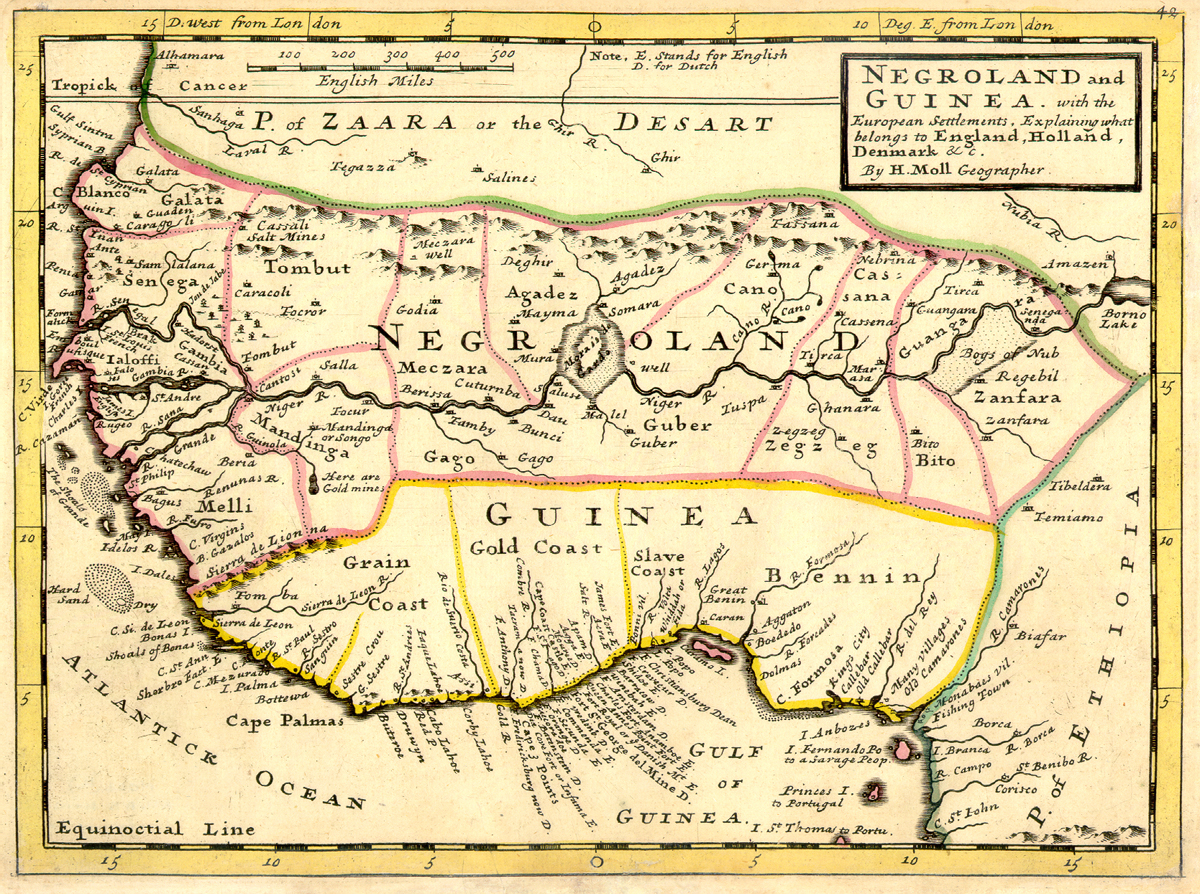
The coast, known to old traders as the Grain Coast for the malagueta pepper gathered there, was long home to indigenous peoples. From 1822 the American Colonization Society, a body of Americans with mixed motives, some opposed to slavery, some simply wishing to remove free Black people from the United States, began settling freed and free-born African Americans on the coast. They founded a capital, Monrovia, named after the American president James Monroe, and in 1847 declared an independent republic, the first in Africa.
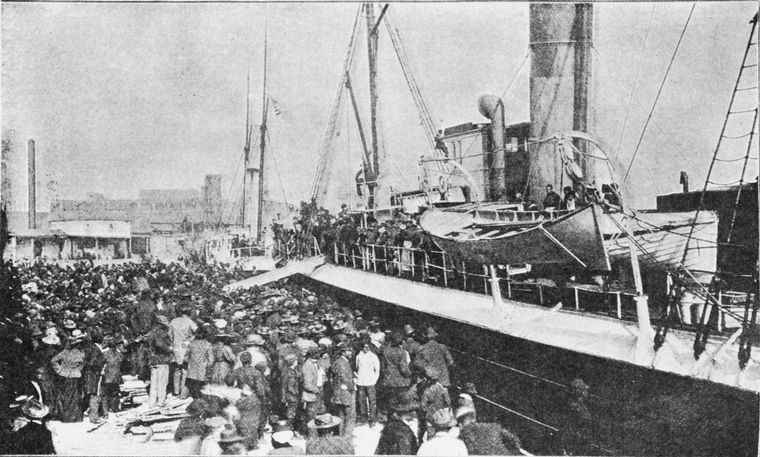
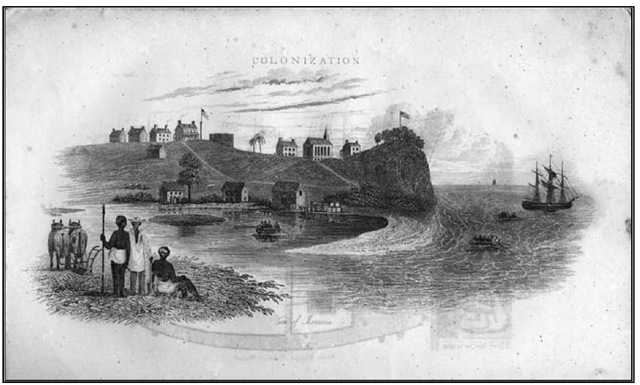
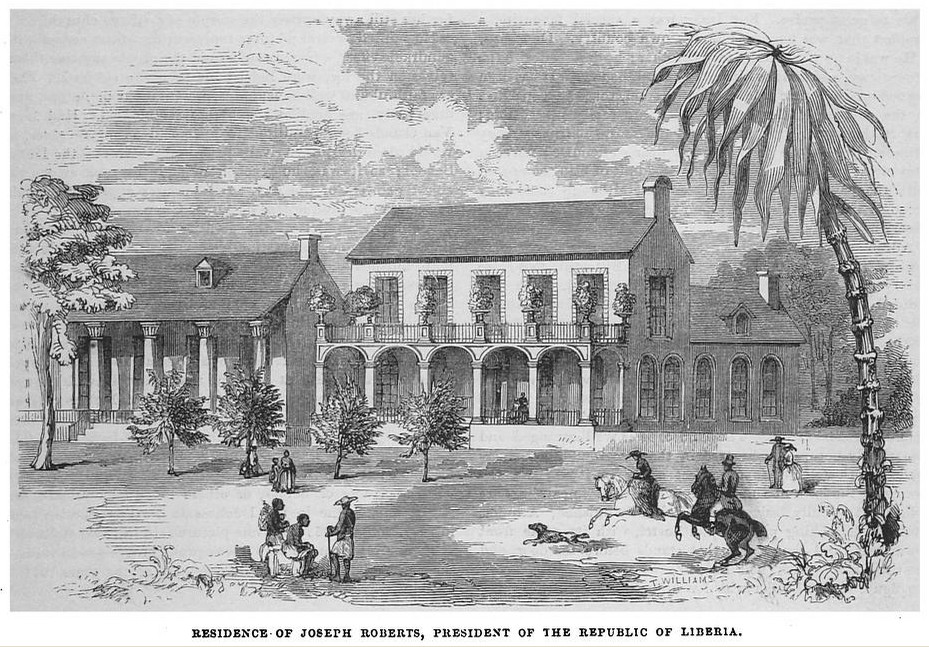
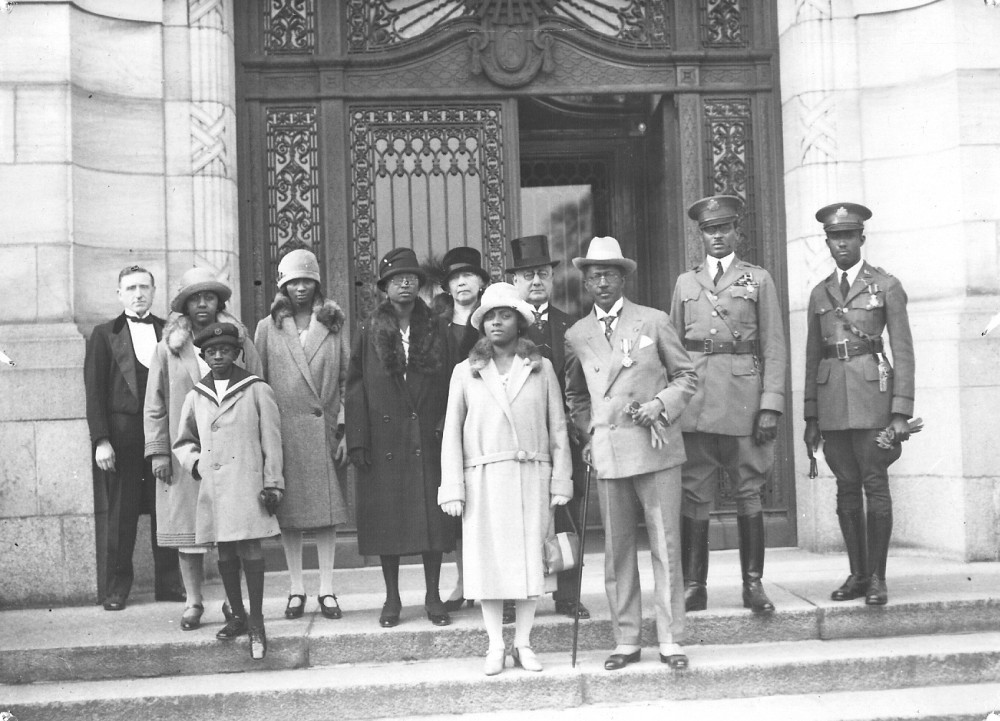
The settlers, known as Americo-Liberians, though never more than a small fraction of the population, governed the country and its indigenous majority for over 130 years, through the single True Whig Party, modelling their state, flag, and mansions on the United States. It was a striking paradox: a nation founded by former slaves that ruled the native peoples as a disenfranchised underclass, a system so exploitative that in 1930 a League of Nations inquiry into forced labour forced the resignation of President Charles King.
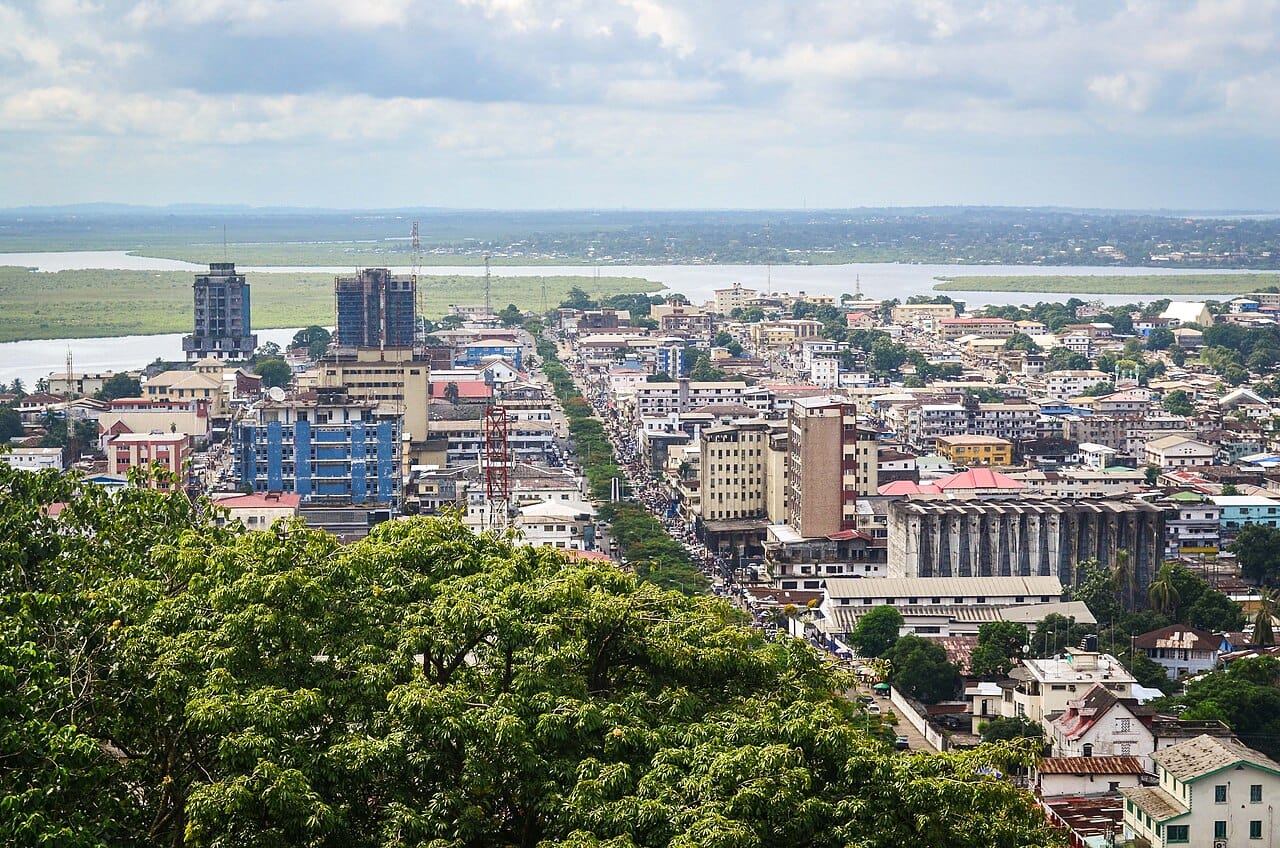
Liberia is a hot, humid, and heavily forested country, with a low Atlantic coastline of lagoons and sandy beaches rising to rolling plateaus and low mountains inland. It receives some of the highest rainfall in West Africa, and much of the land was once covered by dense tropical rainforest, part of the great Upper Guinean forest belt, which shelters rare wildlife and holds valuable timber. Rivers run from the interior to the sea, and the green, wet landscape supports farming and rubber growing.
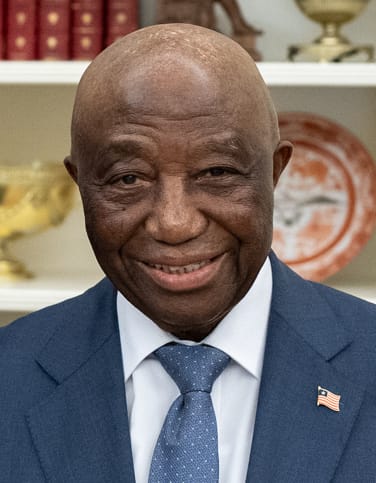
Liberia is a presidential republic whose democracy, restored after the catastrophe of its civil wars, has become a source of cautious pride, with power passing peacefully at the ballot box. In 2005 Liberians elected Ellen Johnson Sirleaf, the first woman ever elected to lead an African country, who won a share of the Nobel Peace Prize and guided the country through recovery and the Ebola epidemic. She was succeeded in 2018 by the former international football star George Weah, and in the election of 2023 Weah conceded defeat to the veteran politician Joseph Boakai, who took office in 2024, another peaceful handover in a country that not long ago knew only the gun. Rebuilding from war and poverty, and fighting entrenched corruption, remain the government's central tasks.
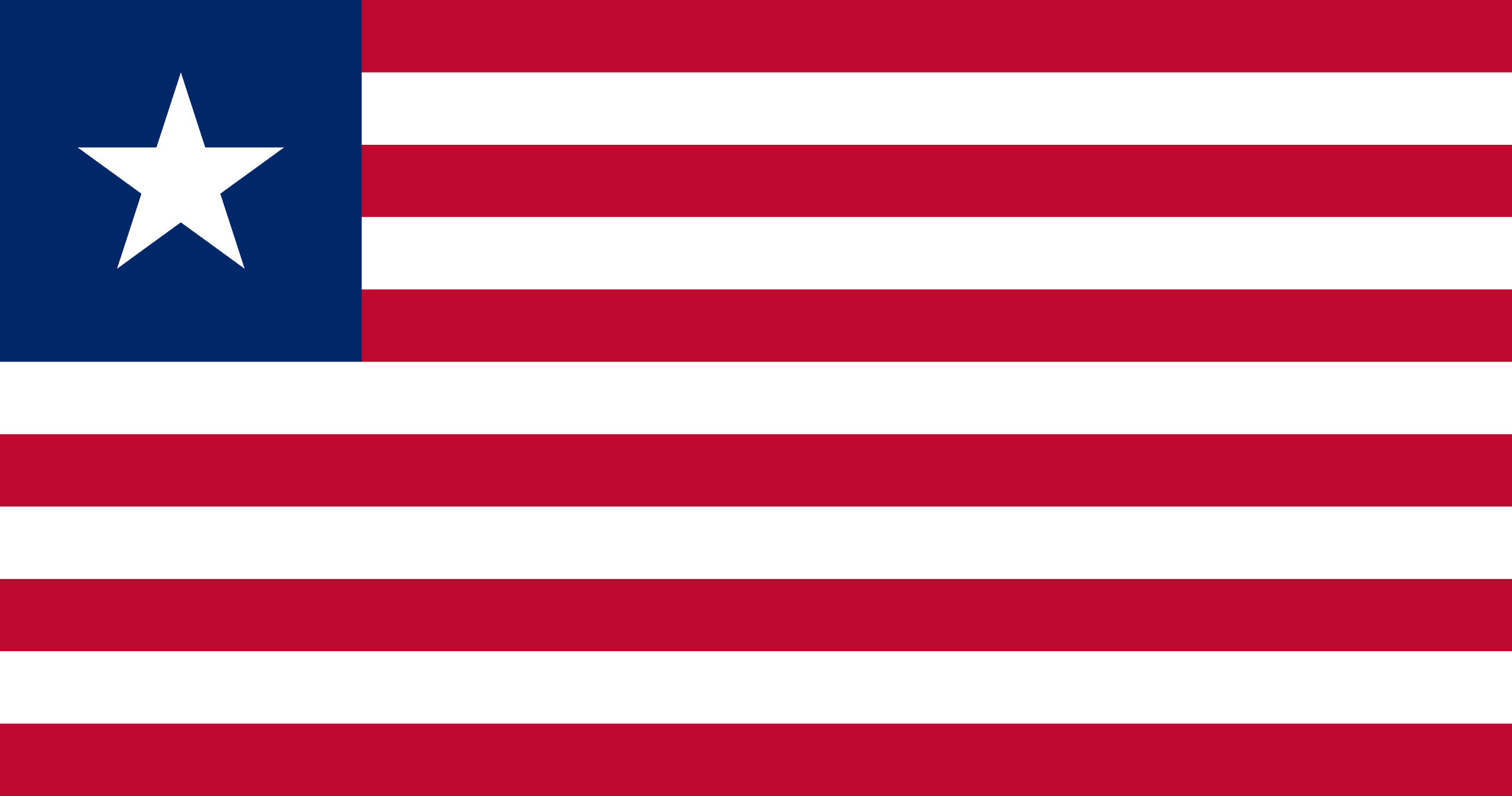
The flag of Liberia closely resembles that of the United States, a reflection of the country's founding by African American settlers. It has eleven red and white horizontal stripes and a blue square in the upper hoist bearing a single white star. The stripes represent the signatories of the country's declaration of independence, the red and white stand for courage and moral excellence, and the lone white star, which gives Liberia the nickname the Lone Star, represents Africa's first independent republic.
Liberia is a predominantly Christian country, the legacy of its founding by African American settlers and of missionary activity, with the majority belonging to various Protestant churches and a smaller number to the Roman Catholic Church. There is a significant Muslim minority, especially in the north, and traditional African religions are also practised, often alongside Christianity. Religion plays a prominent role in Liberian society, and churches and faith leaders have been important voices in the country's public life.
Liberian cuisine reflects both West African traditions and the influence of the African American settlers. Rice is the absolute staple, eaten at nearly every meal and central to the culture, served with rich, spicy stews and sauces such as the popular cassava-leaf and potato-greens dishes, often made with palm oil, meat, or fish. Fufu, dumboy, and other cassava preparations, along with plenty of chili and fresh seafood from the Atlantic, characterise a hearty and flavourful food culture.
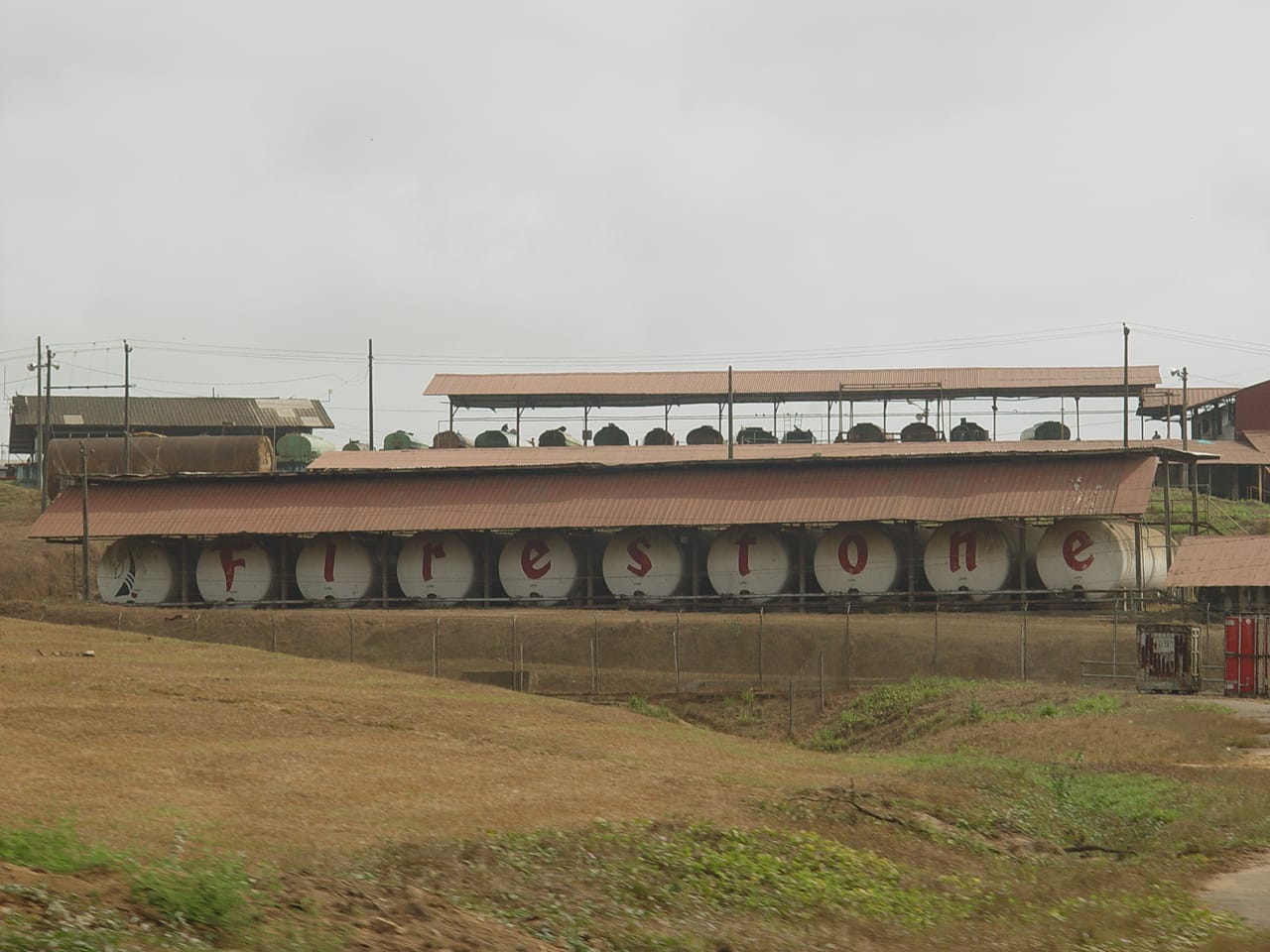
Agriculture is the livelihood of most Liberians, who grow rice, the staple food, along with cassava and vegetables on small farms, while rubber has long been the country's most important commercial crop and export, grown on large plantations, including one of the largest in the world. Palm oil, cocoa, and coffee are also produced, and the country is rich in iron ore, gold, and diamonds. Fishing and timber from the rainforests add further to Liberia's resources.
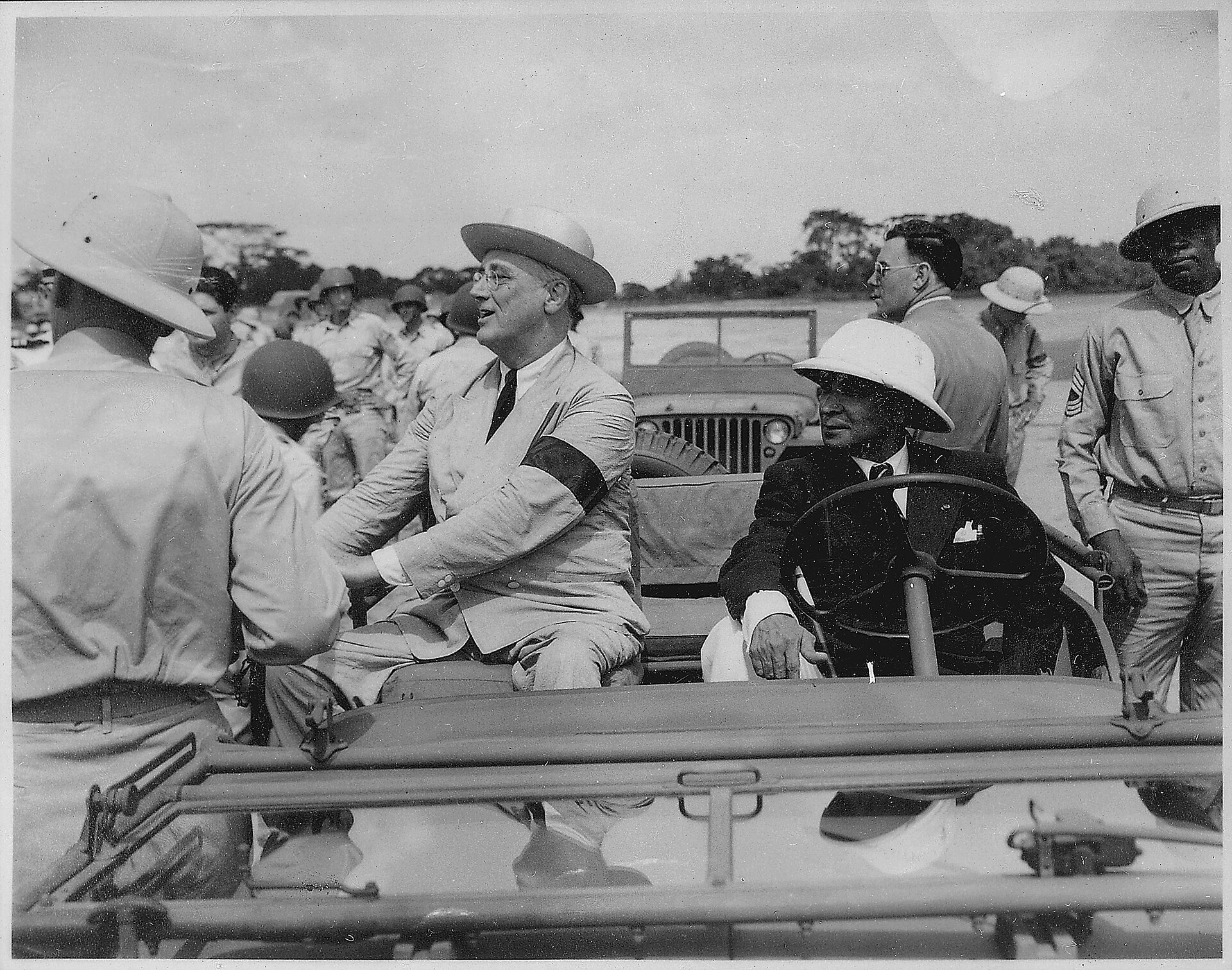
Liberia's founding paradox, a nation of freed slaves that ruled the indigenous majority as an underclass, sowed the seeds of catastrophe, and how to weigh that history is still debated. For over a century the Americo-Liberian minority held power and privilege while most Liberians were excluded, until, in 1980, a young indigenous sergeant, Samuel Doe, seized power in a bloody coup, executing much of the old ruling class on a beach and ending 133 years of settler rule. But Doe's own brutal and tribally divisive regime led not to liberation but to disaster.
In 1989 the warlord Charles Taylor launched a rebellion that plunged Liberia into two overlapping civil wars, from 1989 to 2003, that killed perhaps a quarter of a million people, turned children into soldiers, and spread horror across the region, including into neighbouring Sierra Leone. Taylor won a 1997 election held under the shadow of his guns before renewed war and international pressure drove him into exile; he was later convicted of war crimes by an international court. Peace, held by United Nations peacekeepers, finally came in 2003, and Liberia has since rebuilt a democracy that is now, remarkably, one of West Africa's more stable. Whether the tragedy is best understood as the delayed reckoning of an unjust founding, the work of predatory strongmen, or both, remains a live question; the suffering it caused is beyond dispute.
Liberia has a population of around 5 million people, the great majority belonging to the country's indigenous ethnic groups, such as the Kpelle and the Bassa, with the descendants of the original American settlers, the Americo-Liberians, forming a small but historically dominant minority. English is the official language, alongside many indigenous tongues. The population is young and concentrated along the coast, especially in the capital, Monrovia, as the country continues to recover from years of conflict.