Lesotho is a small, mountainous kingdom in southern Africa with a unique geographic distinction: it is one of only a handful of countries completely surrounded by a single other nation, in its case South Africa, which encircles it entirely. Often called the Kingdom in the Sky, it is the highest country in the world by its lowest point, a rugged land of peaks and plateaus where snow falls in winter. Its people, the Basotho, have a proud history of forging and defending their nation in these highland fastnesses.
Lesotho owes its very existence to one man's statecraft: a kingdom gathered from the chaos of the nineteenth century and preserved, against long odds, into the modern world.
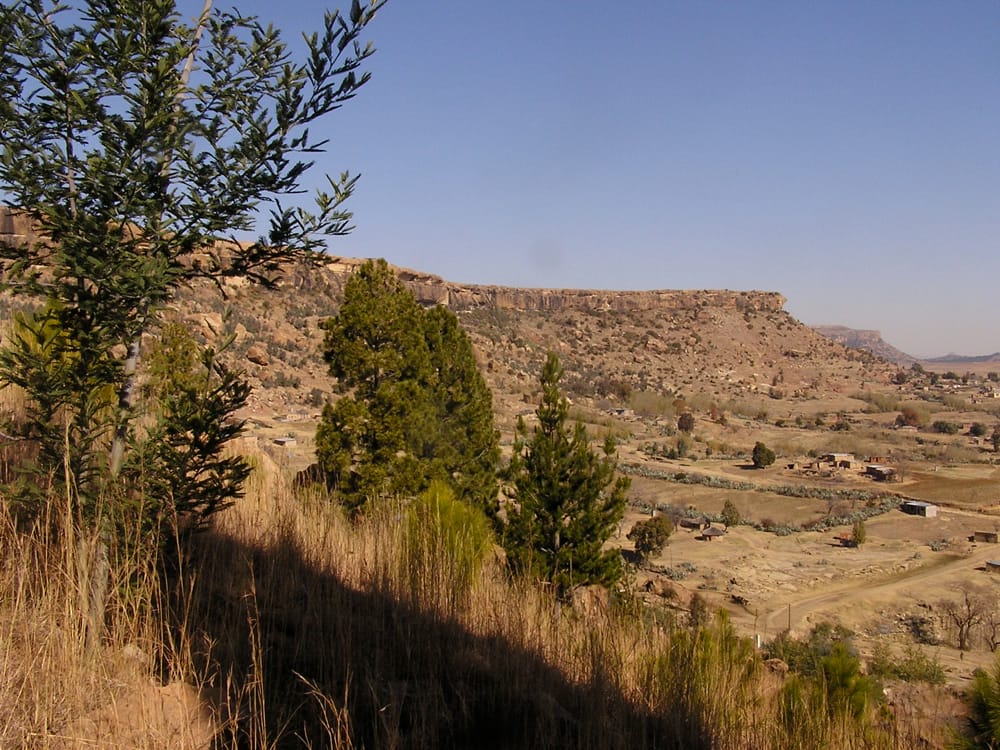
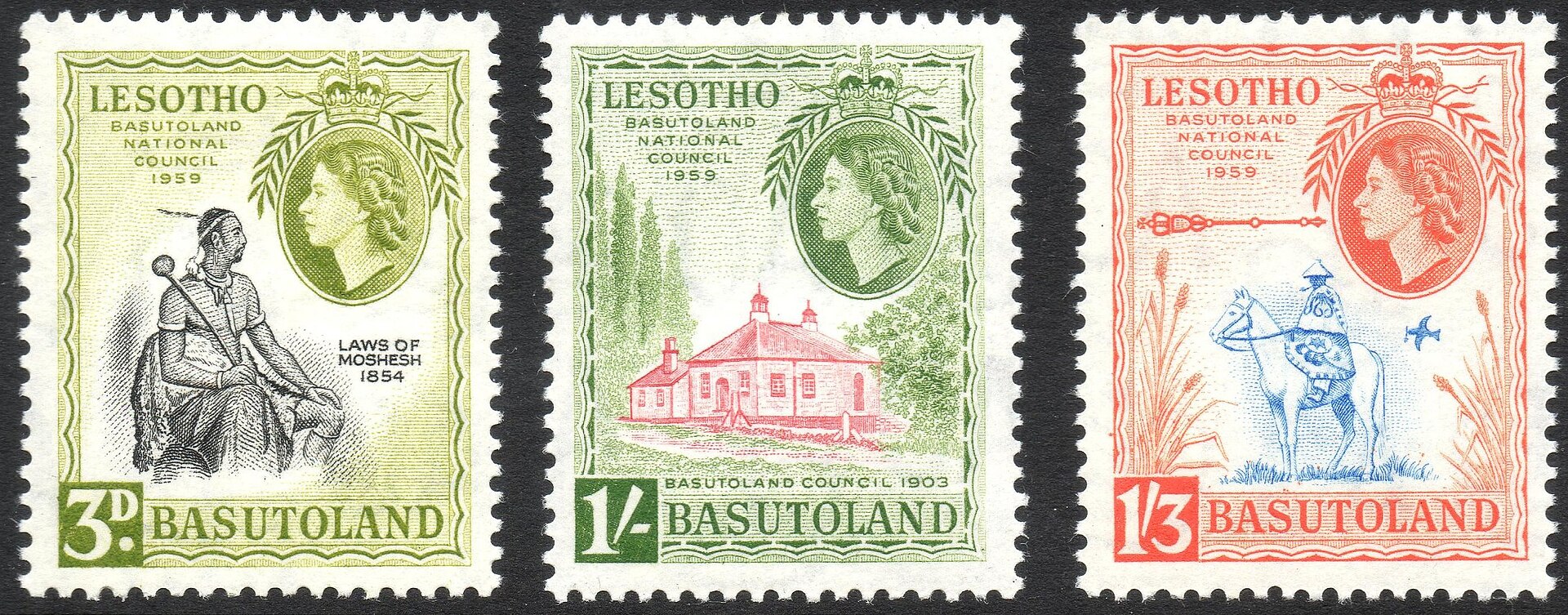
The Basotho nation was created in the early nineteenth century by the skilful and far-sighted king Moshoeshoe the First, who, amid the great upheavals of the Mfecane, gathered scattered and refugee peoples and welded them into a nation atop the natural mountain fortress of Thaba Bosiu. From that stronghold, which no enemy ever took, he defended his people against the Zulu, the Ndebele, and the encroaching Boers with a rare combination of military skill and diplomacy.
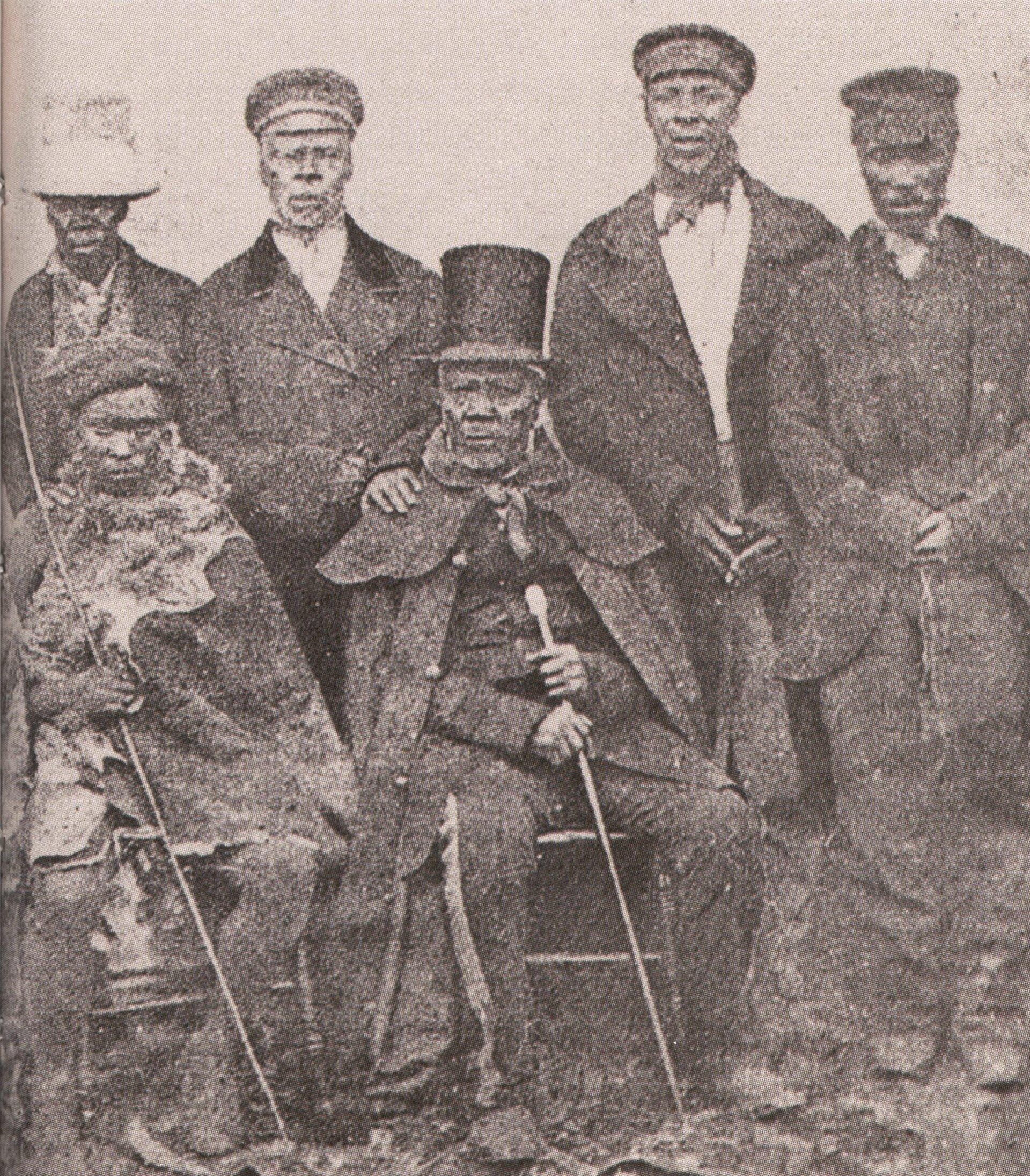
As Boer expansion threatened to overrun his kingdom, Moshoeshoe made the fateful choice to seek the protection of Britain, and in 1868 the territory became the protectorate of Basutoland, spared the fate of absorption into a Boer republic or, later, into apartheid South Africa. It was governed as a British dependency until it regained full independence in 1966 as a constitutional monarchy, the Kingdom of Lesotho.
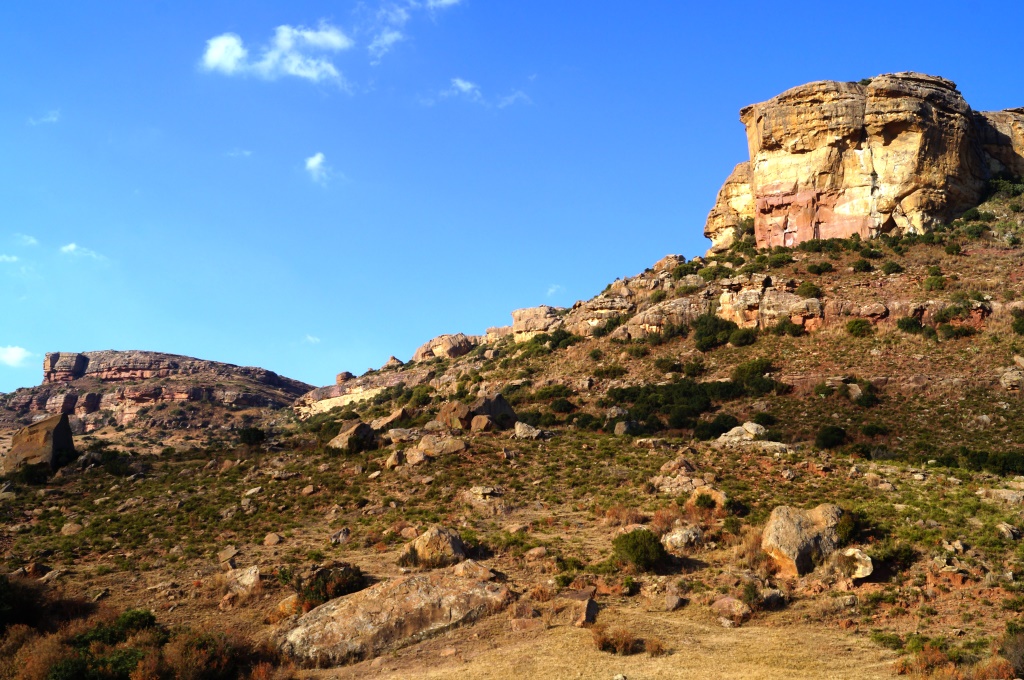
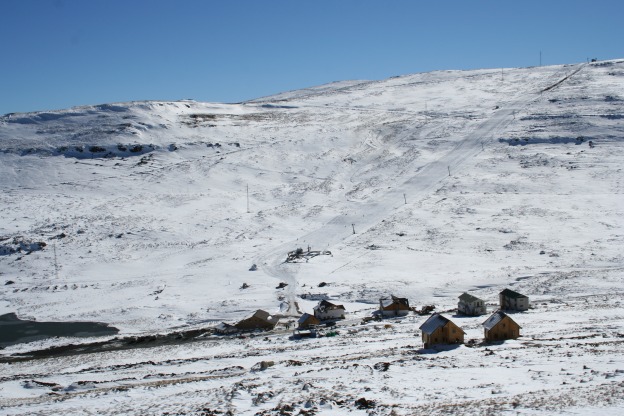
Lesotho is extraordinarily mountainous, the only country in the world that lies entirely above 1,000 metres in elevation, and it has the highest low point of any nation. The dramatic Maloti and Drakensberg ranges dominate the land, with deep valleys, high plateaus, and peaks that catch snow in winter, allowing the country to have a ski resort, a rarity in Africa. This high, rugged terrain, the source of rivers that flow into South Africa, has shaped both the nation's history and its economy.
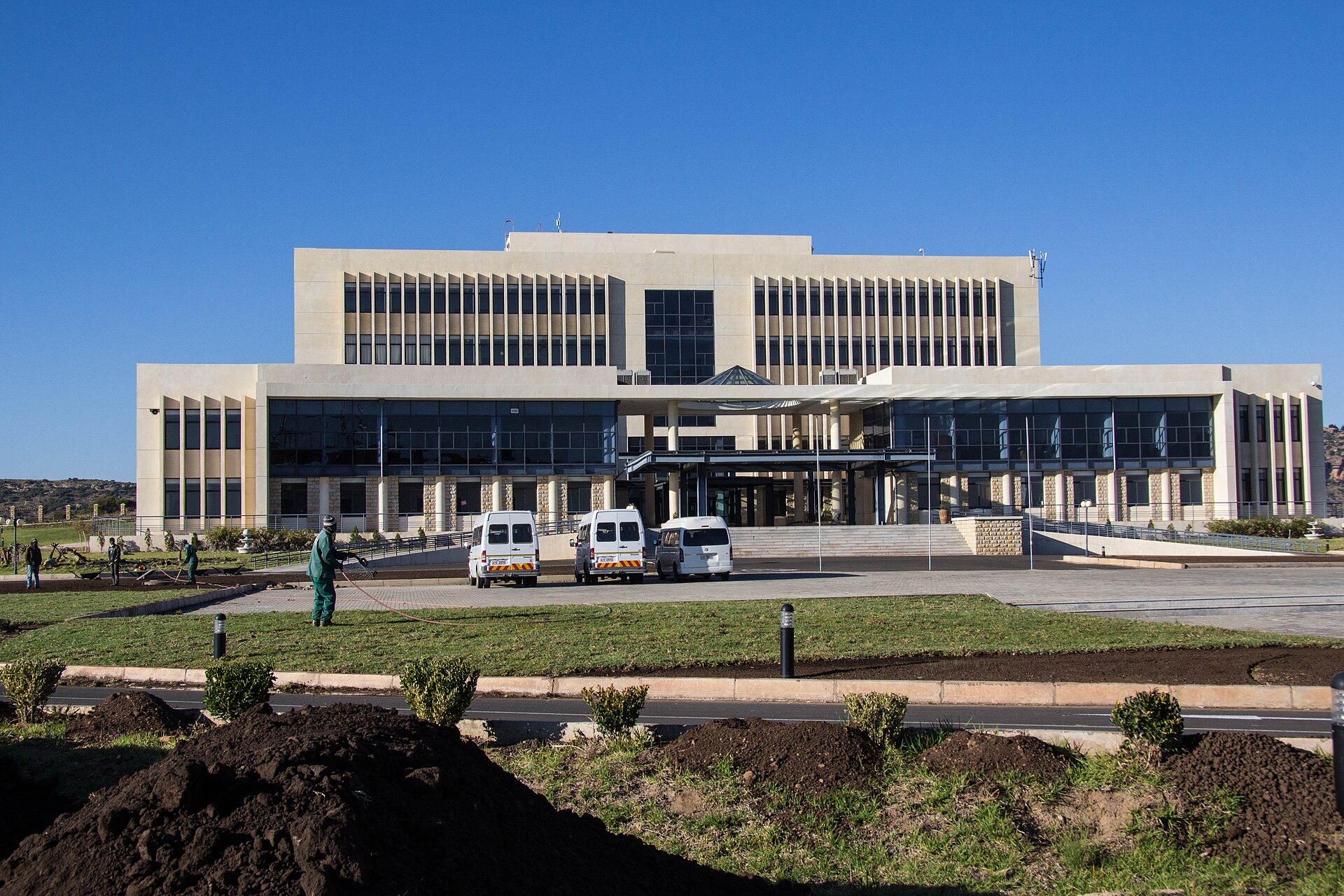
Lesotho is a parliamentary constitutional monarchy, in which King Letsie the Third reigns as a ceremonial head of state while an elected government holds power. Its democracy, though genuine, has been notably unstable, with a fragmented parliament, frequent coalitions, and a history of disputed elections and periodic interference by the military, which brought a regional peacekeeping intervention in 1998 and further turmoil in the 2010s. In 2022 a political newcomer, the wealthy diamond businessman Sam Matekane, swept to power as prime minister at the head of a party he had founded only months earlier, on promises to fix the economy and stabilise the country's fractious politics.
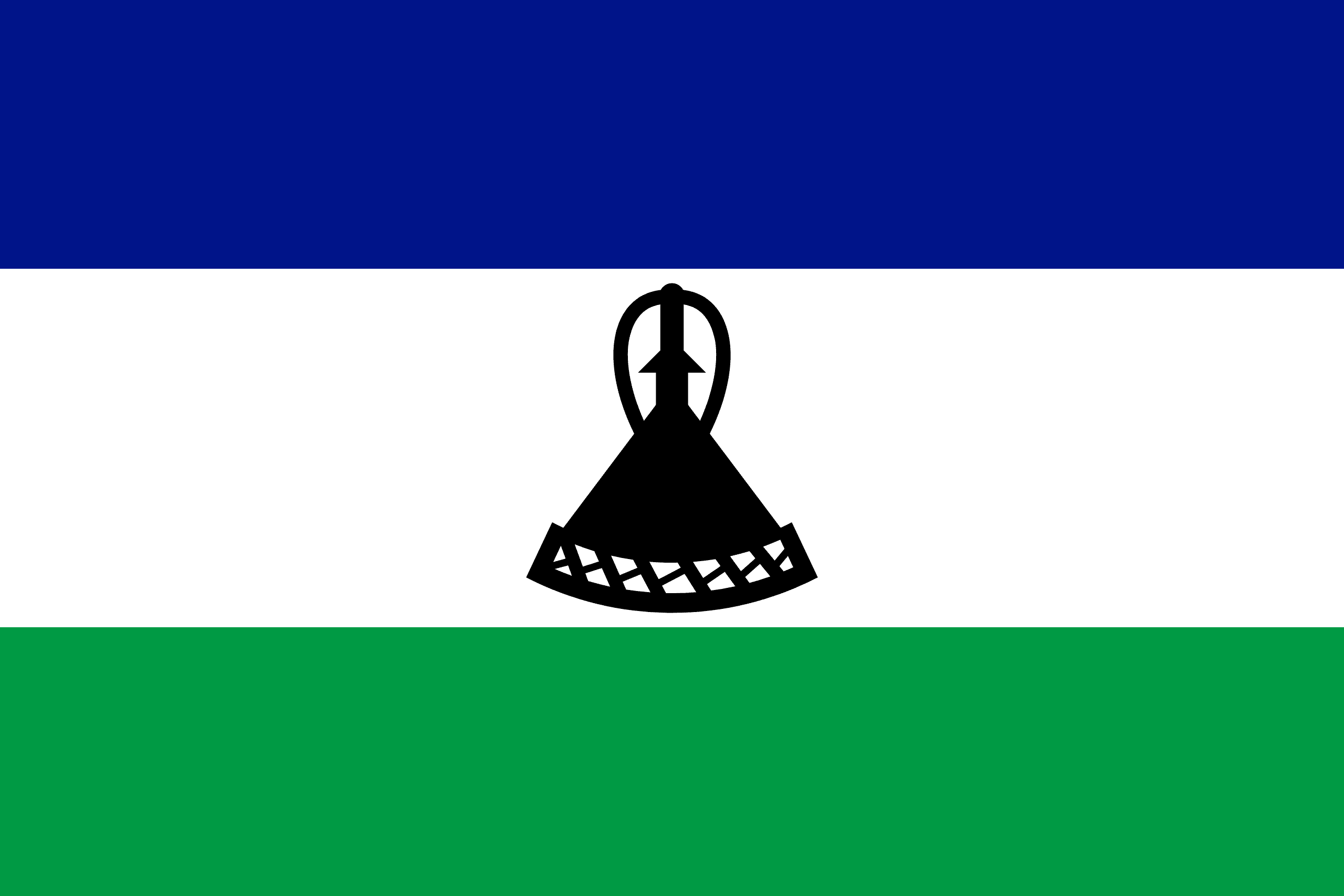
The flag of Lesotho has three horizontal bands of blue, white, and green, with a black mokorotlo, the distinctive conical Basotho straw hat, in the centre of the white band. The blue represents rain and the sky, so important in this land, the white peace, and the green prosperity and the land. The Basotho hat, a powerful national symbol worn across the country, was placed at the centre of the flag adopted in 2006 to represent the indigenous people and their culture.
Lesotho is a predominantly Christian country, the result of missionary activity that began in the time of Moshoeshoe, who invited missionaries to his kingdom. The majority belong to the Roman Catholic Church and to various Protestant churches. Traditional African beliefs, with their reverence for ancestors, also persist and are often held alongside Christianity. Religion plays a significant role in Basotho society, and churches have long been important institutions in education and community life.
Basotho cuisine is based on the staples of a highland farming country. The mainstay is papa, a thick maize porridge eaten with relishes of vegetables such as the wild spinach known as moroho, along with beans and, when available, meat. Sorghum is used to make a traditional fermented porridge and beer. The food is simple, hearty, and suited to a cold mountain climate, and is closely tied to the farming and herding that occupy most rural Basotho families.
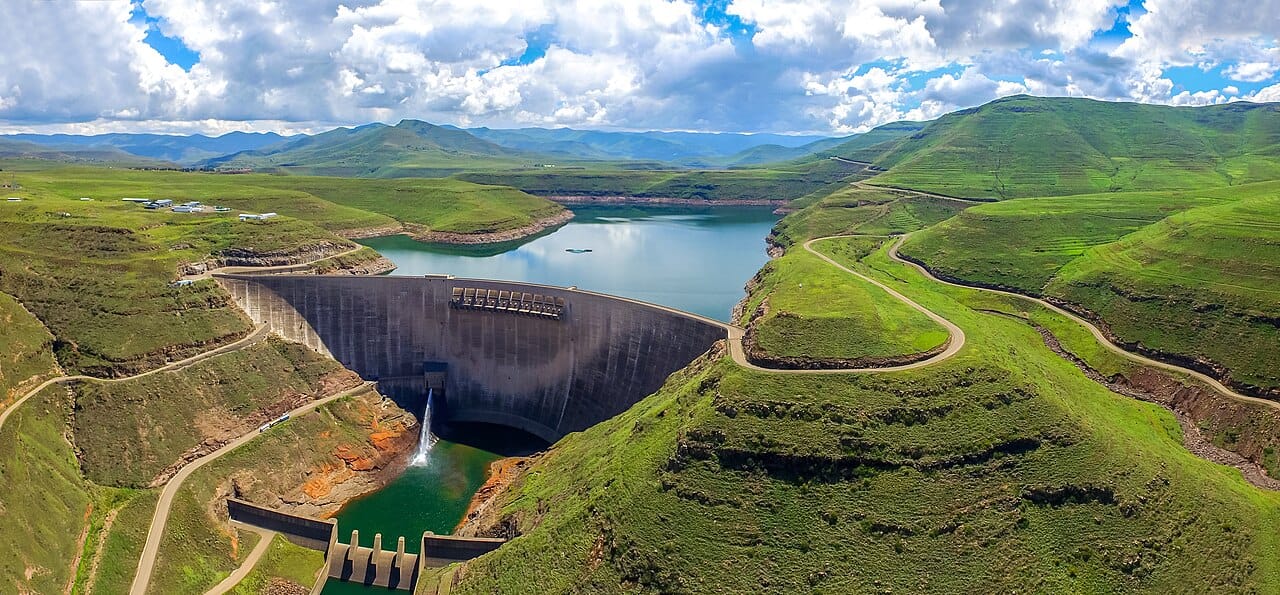
Agriculture in Lesotho is constrained by the mountainous terrain, with only a small fraction of the land suitable for crops, mostly in the lower western lowlands, where maize, sorghum, and wheat are grown. Across the highlands, the herding of sheep, goats, and the hardy Basotho ponies is central, and wool and mohair are significant exports. The country's greatest natural resource, however, is its water: it sells water from its mountain rivers to South Africa, a vital source of national income often called white gold.
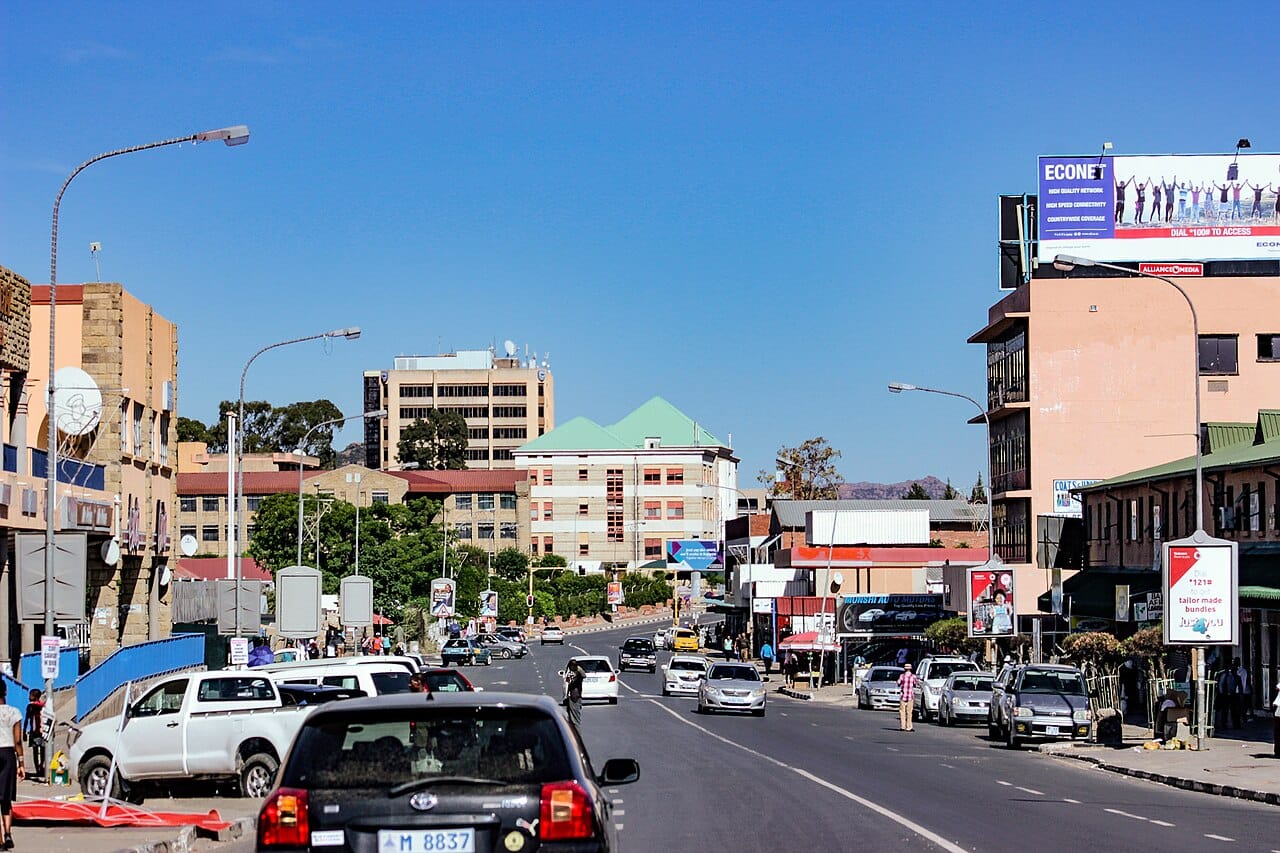
Lesotho has a population of around 2.3 million people, almost all of them Basotho, a people sharing a single language, Sesotho, alongside the official English, and a strong common identity, making the country one of the more homogeneous in Africa. The population is concentrated in the lower-lying western part of the country, including the capital, Maseru, on the South African border. A great many Basotho men have historically worked in the mines of South Africa, and the country has been heavily affected by the regional HIV epidemic.