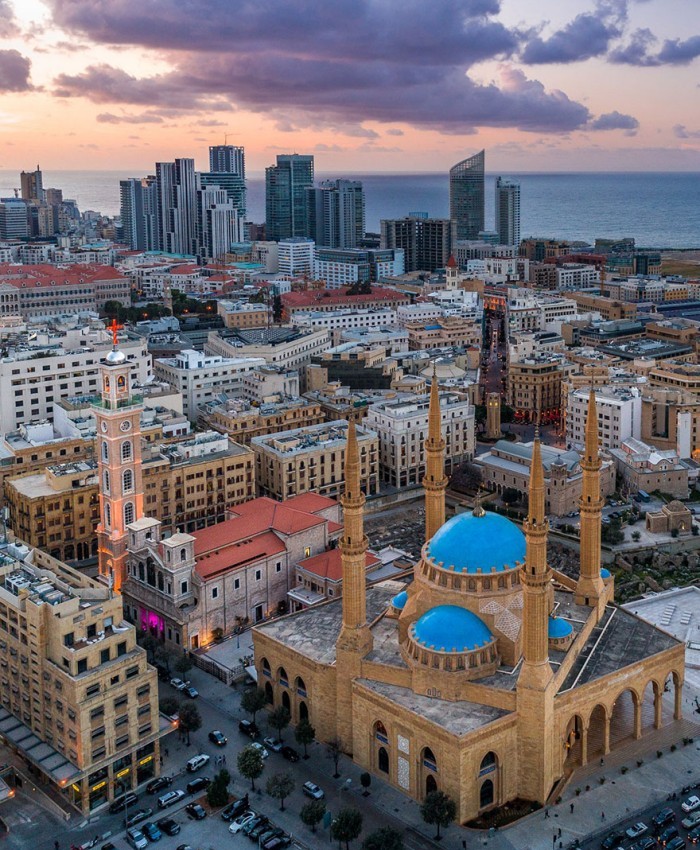
Lebanon is a small country on the eastern shore of the Mediterranean Sea, bordered by Syria and Israel, with a history reaching back to the ancient Phoenicians who sailed from its coast. A land of mountains, coast, and famous cedar trees, it is one of the most religiously diverse nations in the Middle East, home to a mosaic of Muslim and Christian communities whose delicate balance is built into the very structure of its government. Once celebrated for the cosmopolitan glamour of Beirut, Lebanon has endured civil war, foreign intervention, and, in recent years, a severe economic collapse.
Lebanon's story runs from the seafaring Phoenicians of antiquity, through Roman, Crusader, and Ottoman rule, to a modern republic built on a delicate sharing of power among its religious communities and shaken by war and crisis.
The Lebanese coast was the homeland of the Phoenicians, the great seafaring traders of antiquity, whose cities such as Byblos, Tyre, and Sidon are among the oldest continuously inhabited in the world. Master sailors and merchants, they founded colonies across the Mediterranean, including Carthage, and spread the alphabet that lies behind most written scripts used today.
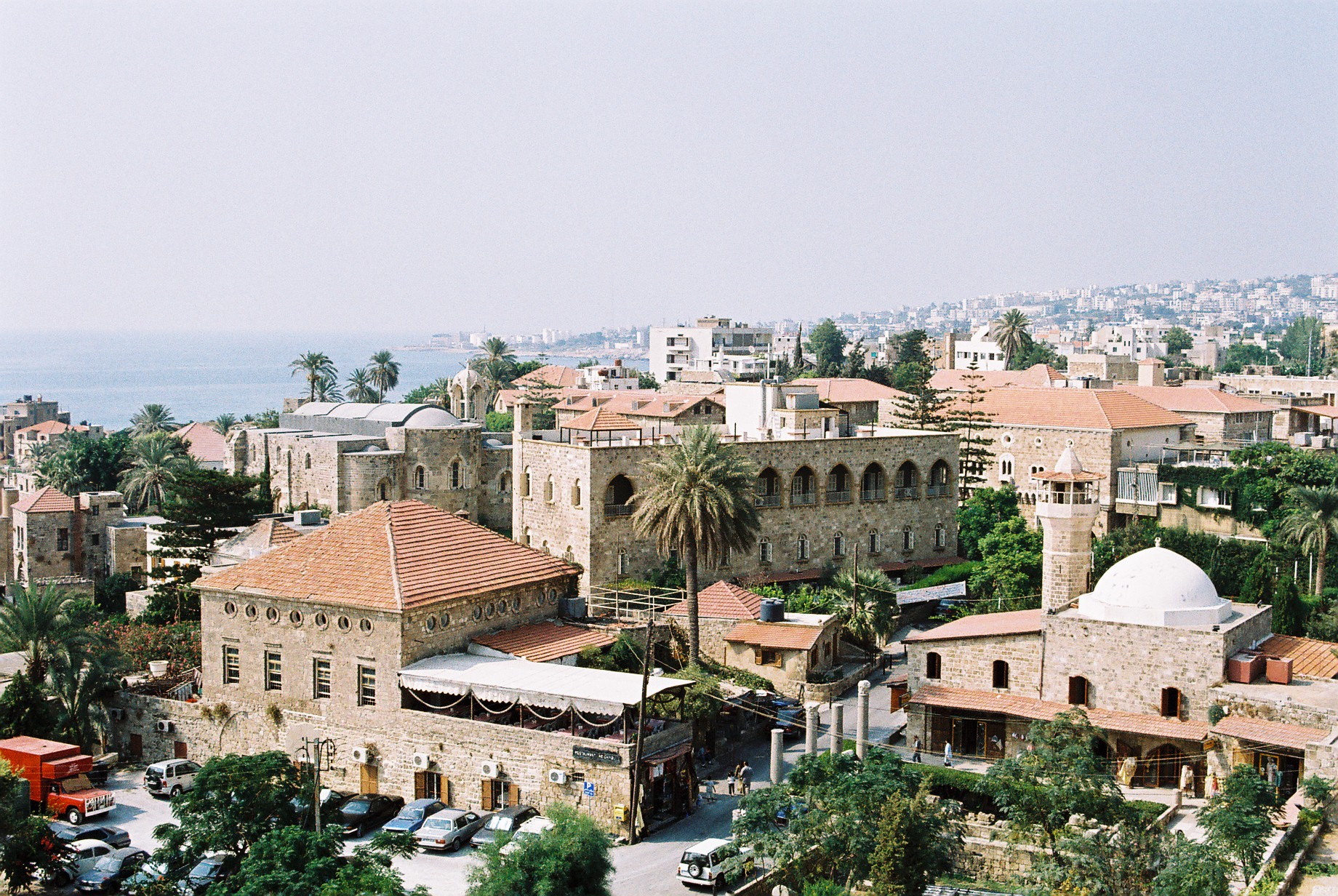
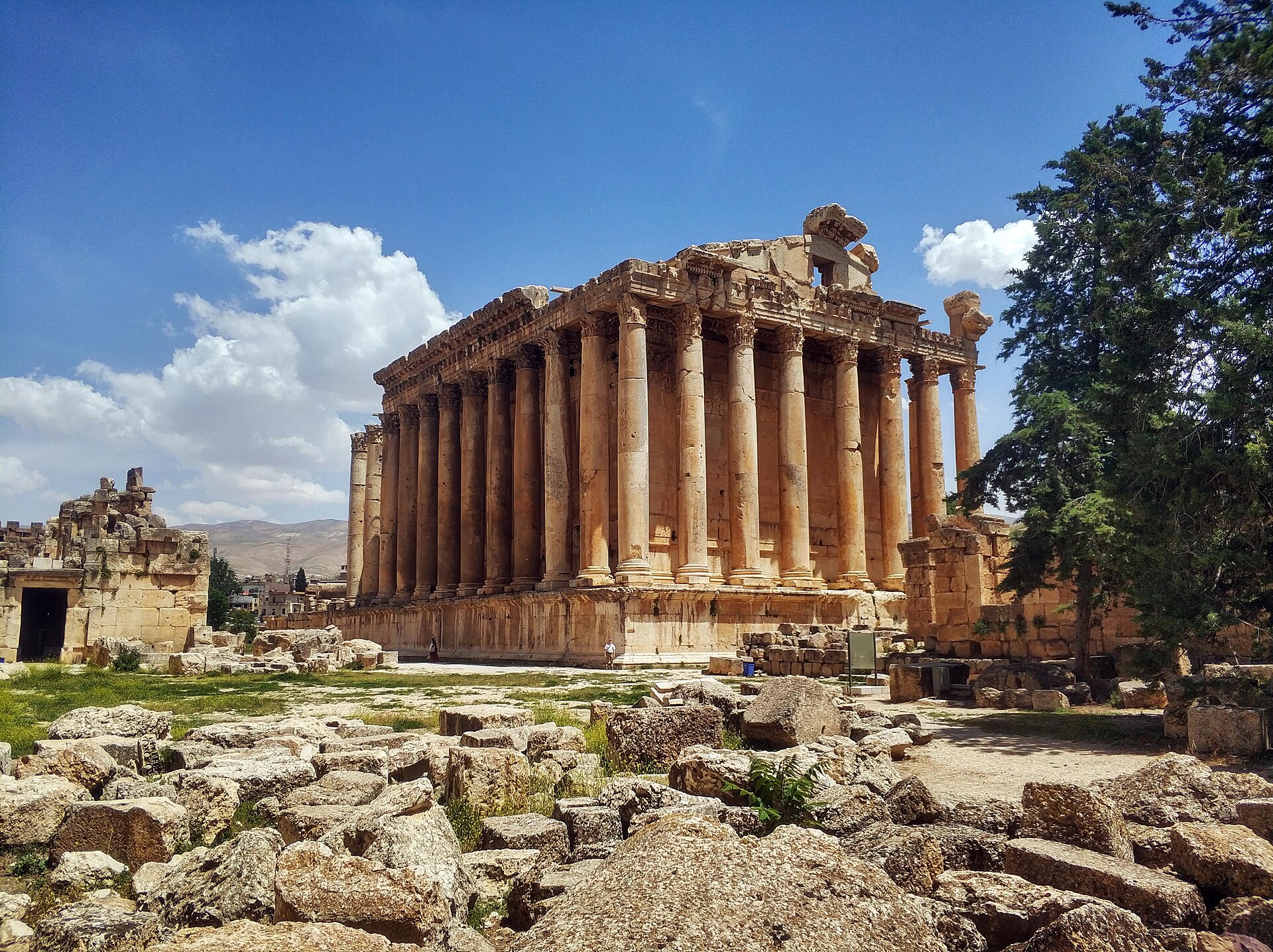
The region was drawn into a long line of empires, from Rome, which raised the vast temples of Baalbek, to the Arab caliphates, the Crusaders, and the Mamluks. Through these centuries the rugged Mount Lebanon range became a refuge for religious communities, especially the Christian Maronites and the Druze, who took shelter in its valleys and shaped the country's distinctive character.
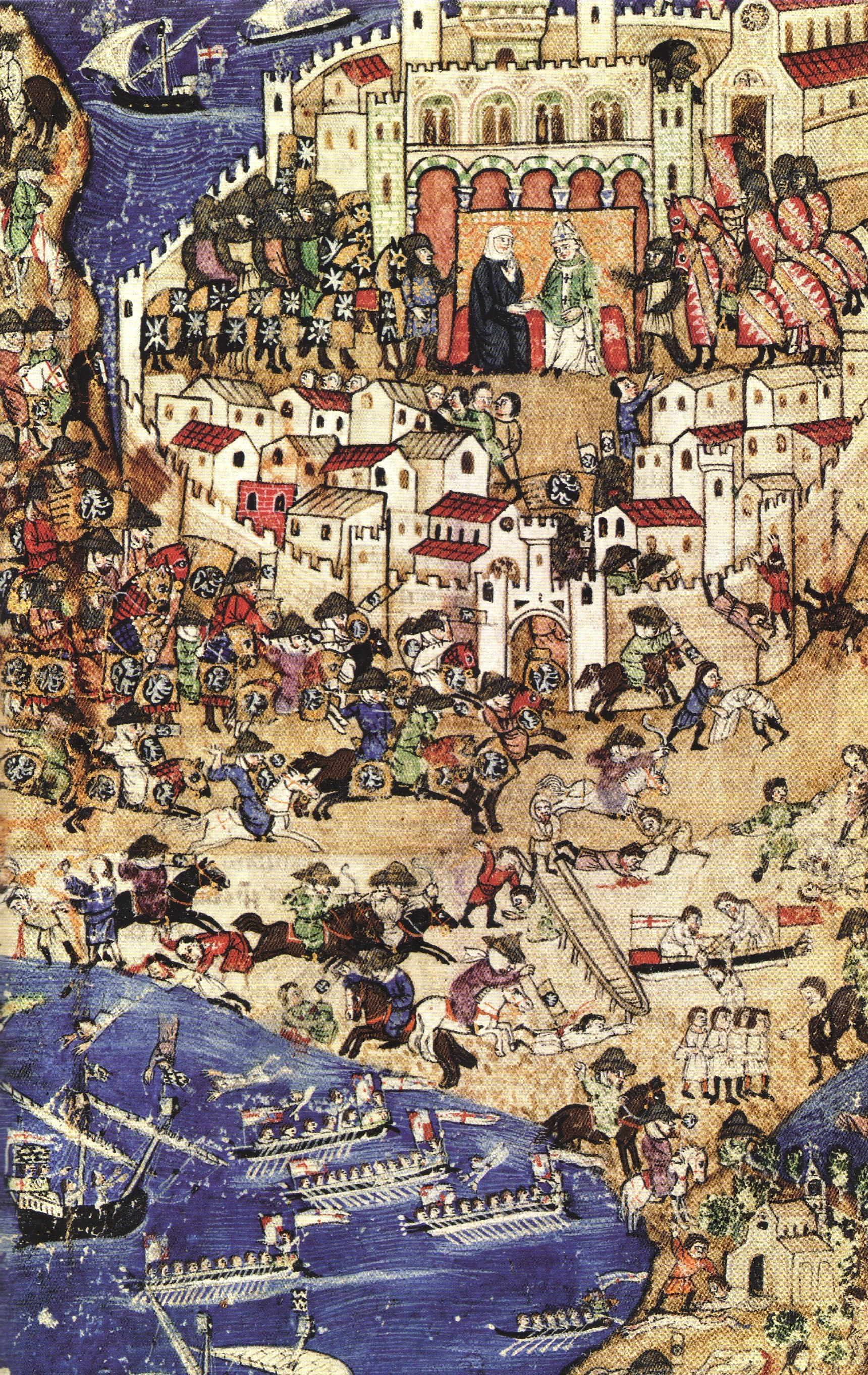
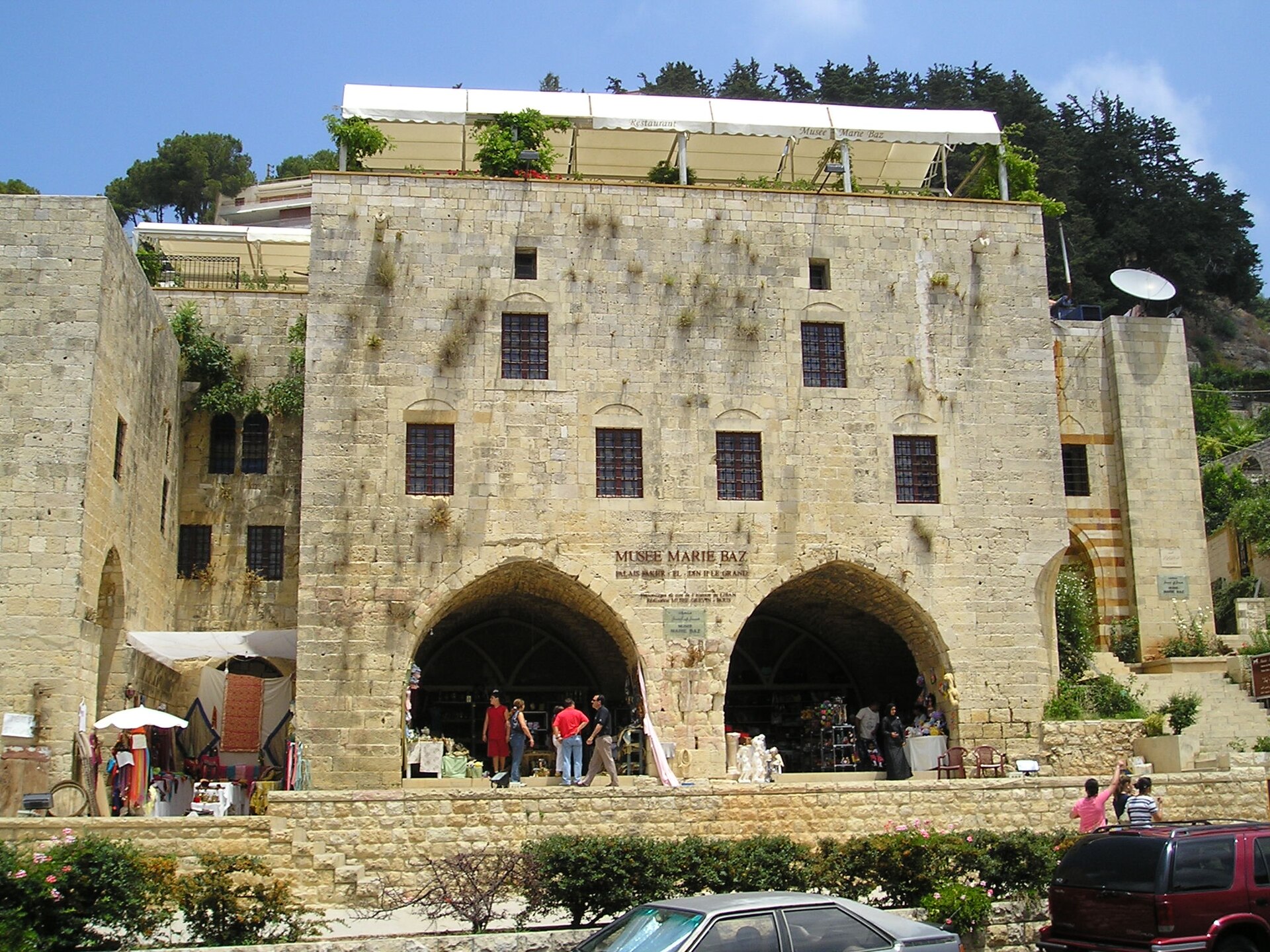
Under the Ottomans, Mount Lebanon enjoyed periods of autonomy before the empire fell in the First World War. France then governed the enlarged territory of Greater Lebanon under a League of Nations mandate, and the country won full independence in 1943, under a power-sharing arrangement that divided the highest offices among its religious communities.
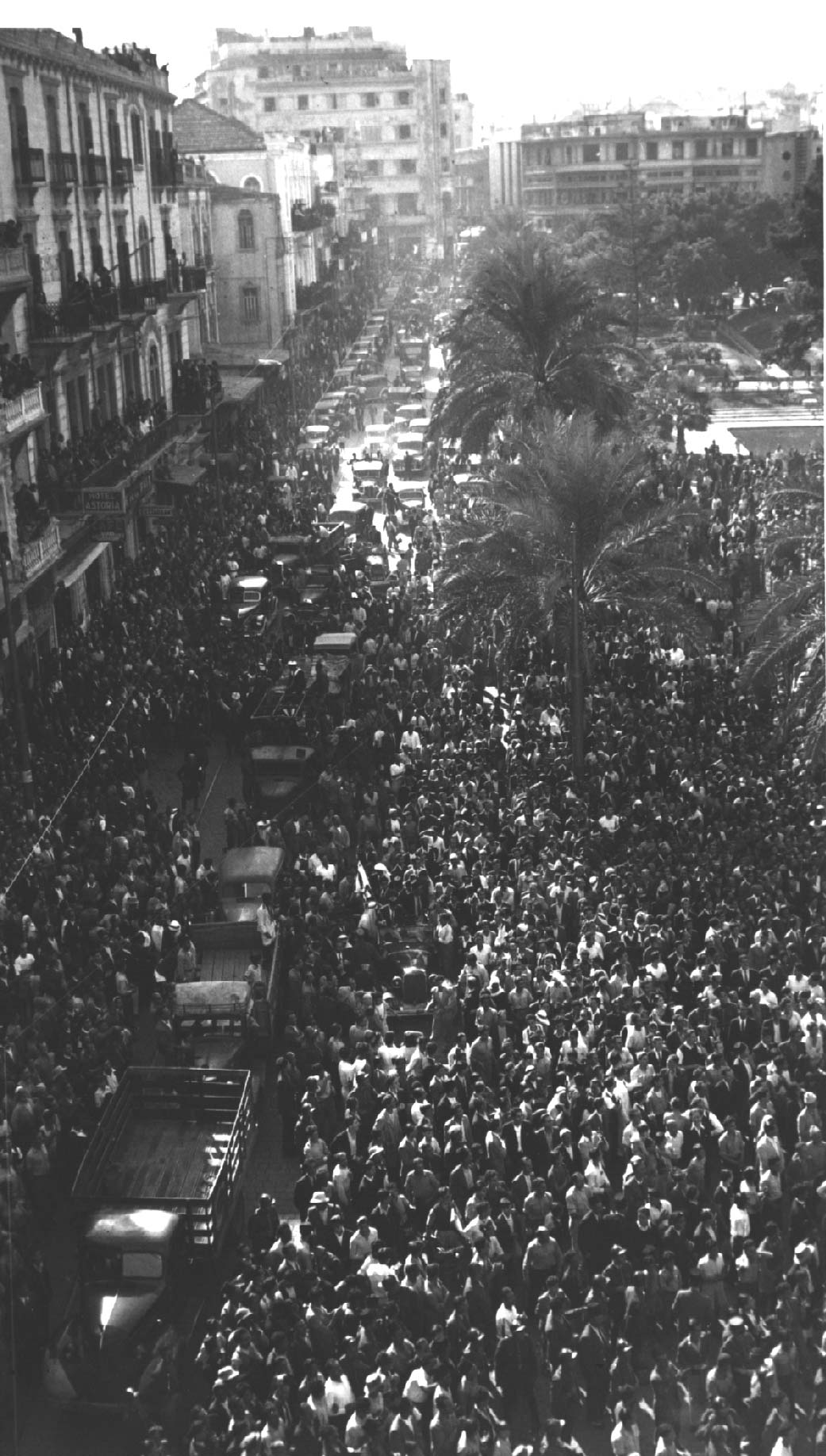
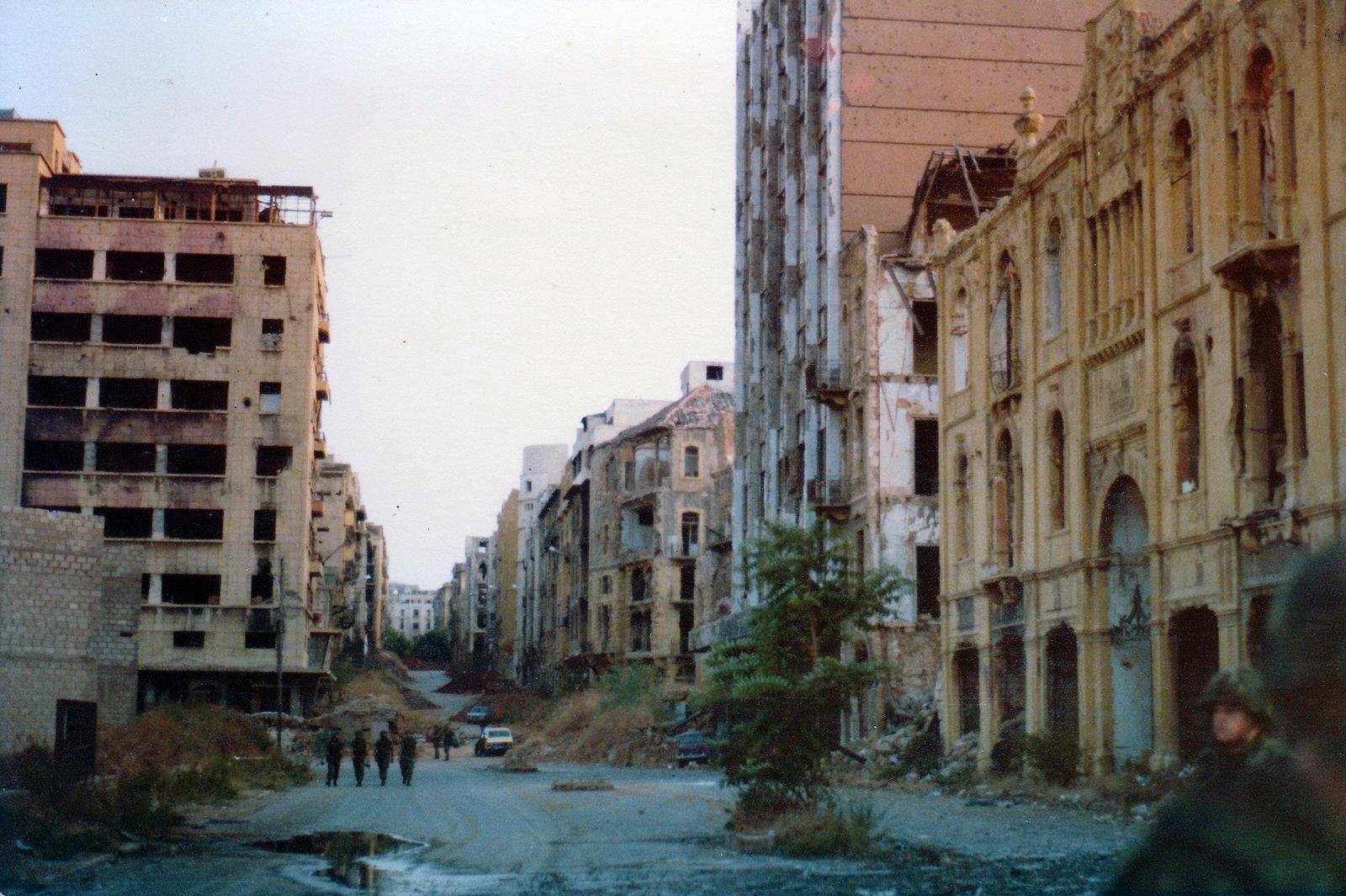
In the decades after independence Beirut flourished as a cosmopolitan centre of banking, trade, and culture, earning the nickname of the Paris of the Middle East. That prosperity was shattered by a devastating civil war from 1975 to 1990, in which the country's communities and foreign armies fought a ruinous conflict that divided the capital and left deep scars.
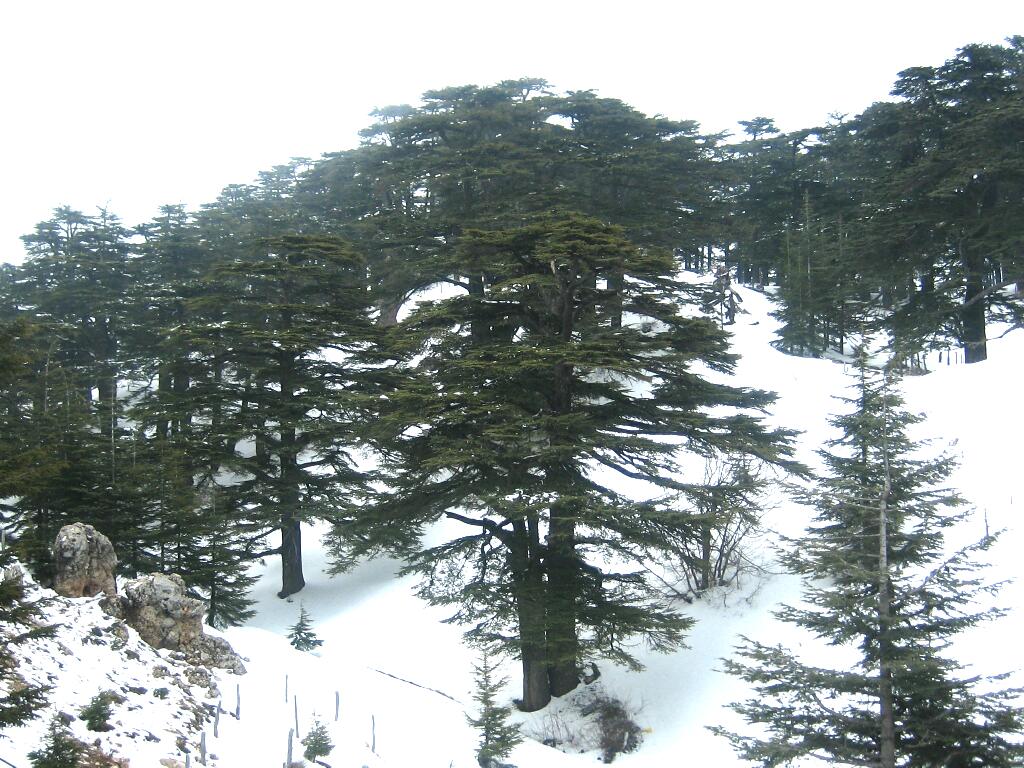
Lebanon is a small but strikingly varied country, defined by two mountain ranges running parallel to the Mediterranean coast, between which lies the fertile Beqaa Valley. A narrow coastal strip holds most of the cities, including Beirut, while the Mount Lebanon range rises sharply behind, snow-capped in winter, its slopes once covered by the famous cedar forests that gave the country its emblem and supplied timber to the ancient world. This compact geography of sea, mountain, and valley gives Lebanon a range of climates and landscapes unusual for its size.
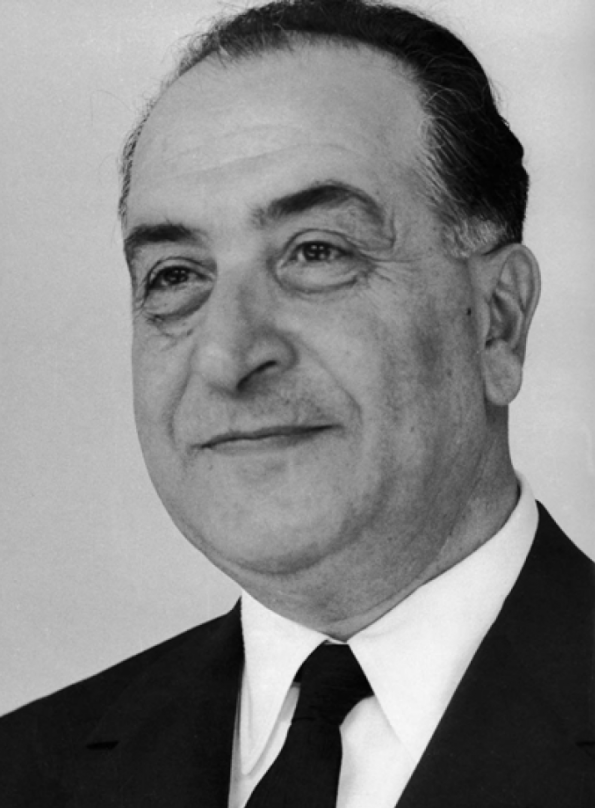
Lebanon is a parliamentary republic built on a unique confessional system that shares power among its religious communities. By long-standing convention the president is a Maronite Christian, the prime minister a Sunni Muslim, and the speaker of parliament a Shia Muslim, with seats and offices divided along similar lines. This arrangement has helped preserve a fragile coexistence, but it has also produced weak and gridlocked government, frequent political paralysis, and long vacancies in the presidency, and it leaves the state entangled with the rivalries of the wider region.
Lebanon's economy was historically built on banking, trade, tourism, and the services of a well-educated, multilingual population, together with support from its vast diaspora. Since 2019 it has suffered one of the most severe economic collapses of modern times, as the currency lost most of its value, banks froze people's savings, and much of the population was pushed into poverty. Rebuilding confidence in the state and its finances, long undermined by debt and mismanagement, is the country's overwhelming economic challenge.
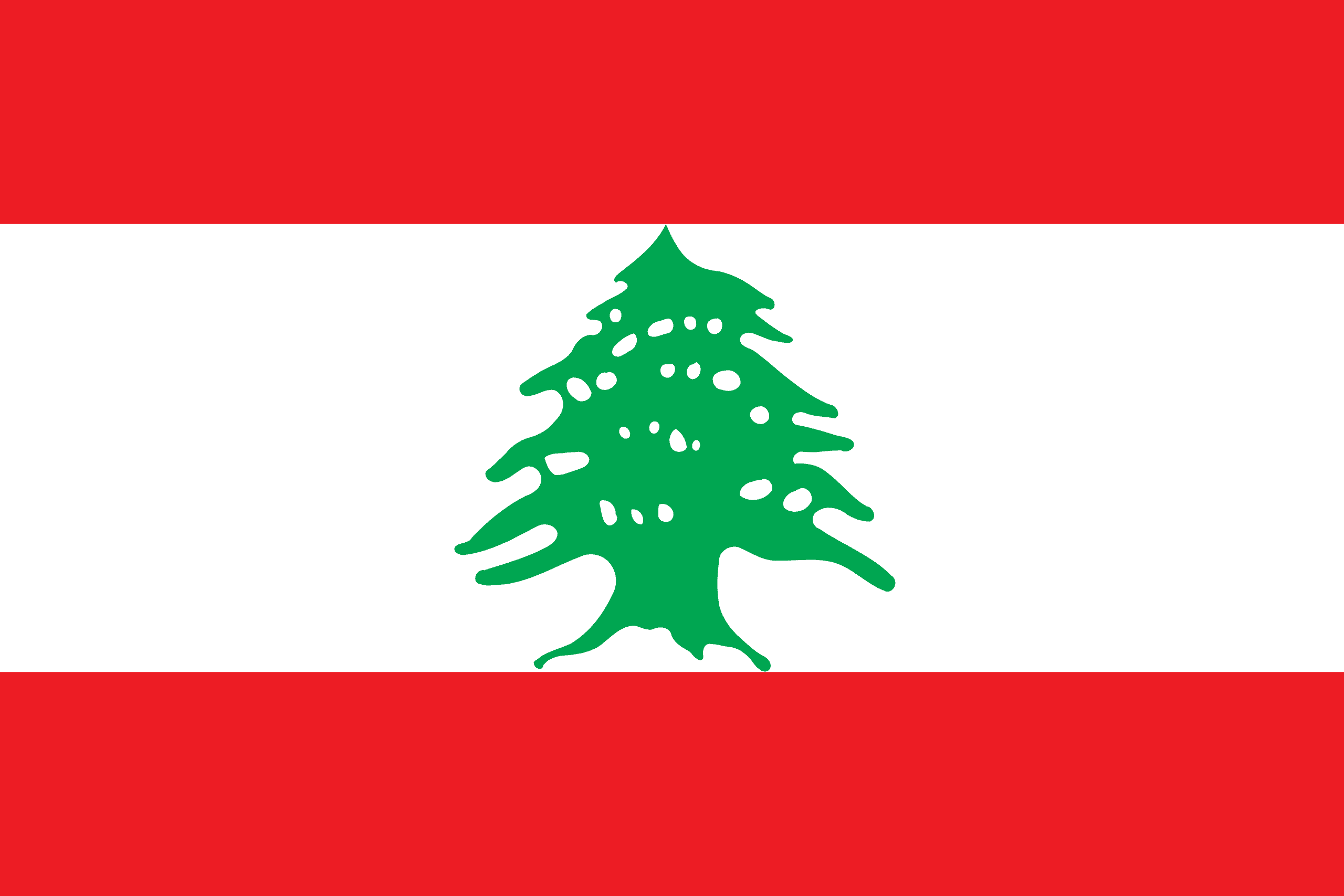
The flag of Lebanon has three horizontal bands, red over white over red, with a green cedar tree centred on the white band. The red bands are said to represent the blood shed in the struggle for independence and survival, and the white the snow of the mountains and peace. At the heart of the flag stands the cedar of Lebanon, an ancient and enduring symbol of the country, associated with holiness, eternity, and resilience, and famous since biblical times. The cedar makes the flag instantly recognisable.
Lebanon is one of the most religiously diverse countries in the Middle East, with no single faith holding a majority, and its identity and politics are profoundly shaped by this mosaic. The population is divided among a number of officially recognised communities, including Sunni and Shia Muslims, the Druze, and several Christian churches, above all the Maronite Catholics, along with others. This diversity is built directly into the state through a confessional system that distributes the presidency, premiership, and other offices among the communities, a delicate arrangement that has both preserved coexistence and fuelled conflict.
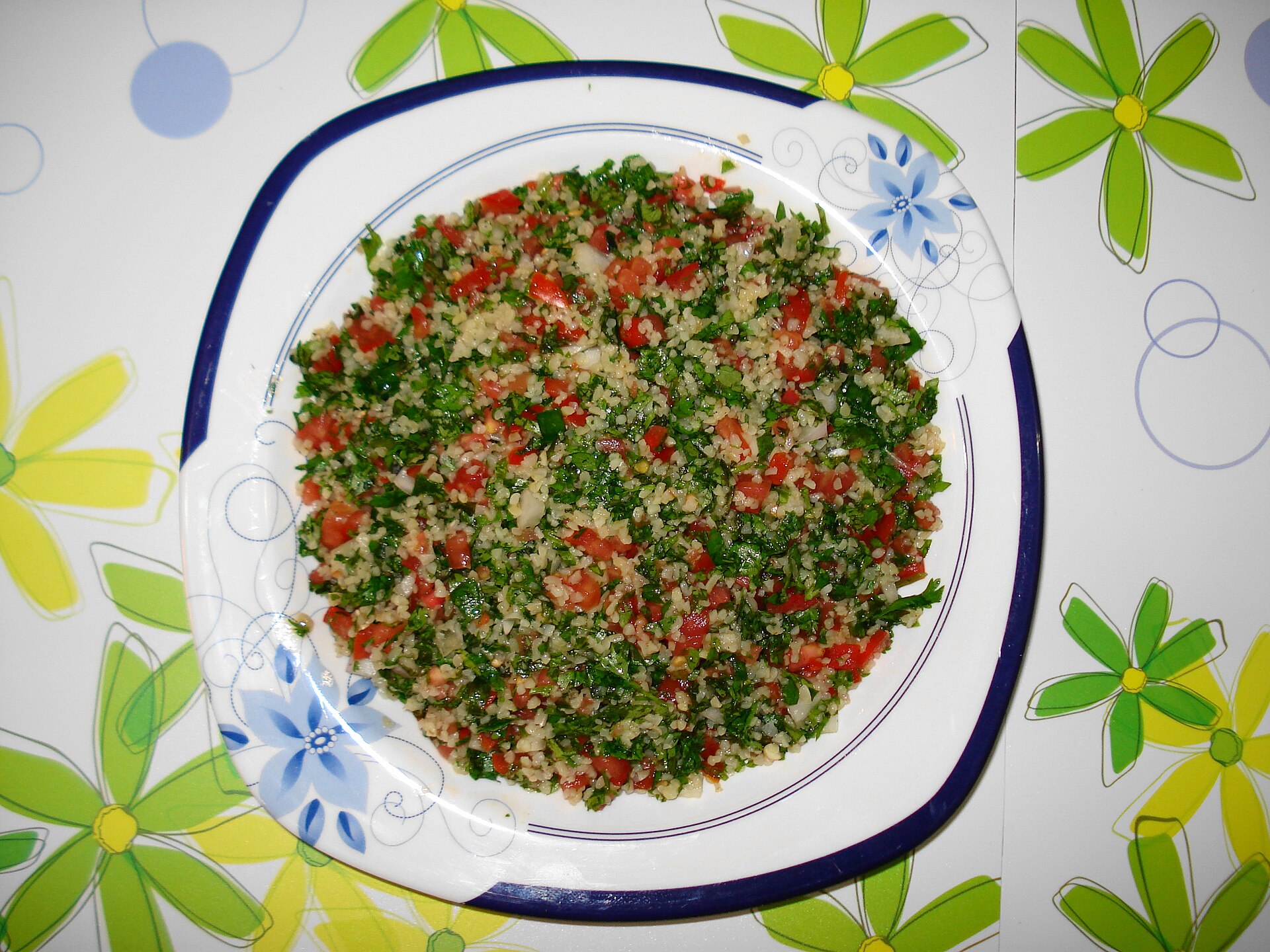
Lebanese cuisine is celebrated around the world as one of the finest of the Mediterranean and the Middle East. It is famous for its mezze, a spread of many small dishes including hummus, the parsley salad tabbouleh, the eggplant dip baba ghanoush, stuffed vine leaves, and pastries, eaten together at a leisurely table. Grilled meats, kibbeh of minced meat and bulgur, fresh vegetables, olive oil, and herbs are central, and flatbread accompanies everything. The cuisine, generous and convivial, is a great source of national pride and a key part of Lebanese identity at home and across its vast diaspora.
Agriculture, though now a modest part of the economy, has deep roots in Lebanon, favoured by its fertile coastal plains and the Beqaa Valley, the country's agricultural heartland. Lebanon grows a wide range of crops, including fruits such as apples, citrus, grapes, and olives, vegetables, and grains, and it is known for its wines, produced in the Beqaa since antiquity. The famous cedar forests, much reduced over the millennia, are now protected. Farming coexists with an economy historically built on banking, trade, and services, all severely strained by the country's recent crises.
Lebanon has long been one of the most open and cosmopolitan societies in the Arab world, famous for its lively arts, music, publishing, and nightlife, and for a population fluent in Arabic, French, and English. Society is knit from many religious communities living closely together, a diversity that gives the country great cultural richness even as it complicates its politics. A defining feature is the vast Lebanese diaspora, with far more people of Lebanese descent living abroad than in the country, sustaining its culture and its economy from around the world.
Lebanon faces some of the deepest crises in its modern history. Since 2019 a catastrophic financial collapse has wiped out savings and living standards, and in 2020 an enormous explosion of stored chemicals at the port of Beirut devastated the capital and killed more than two hundred people, becoming a symbol of state failure and impunity. The confessional political system is widely blamed for paralysis, corruption, and gridlock, and the country remains divided over the armed movement Hezbollah, its weapons, and its entanglement in regional conflicts. How to reform the state, revive the economy, and account for past disasters are the questions dominating national life.
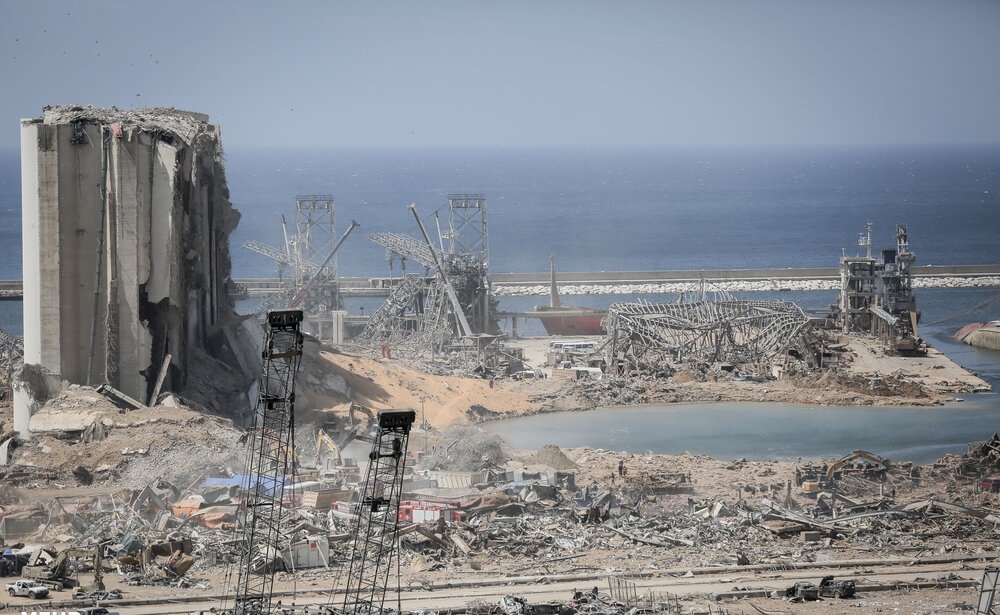
The Phoenician civilisation and the ancient cities of the coast are Lebanon's proudest heritage, while its modern history has been turbulent. A devastating civil war from 1975 to 1990, drawing in foreign armies, shattered the country and its capital, once known as the Paris of the Middle East. Lebanon has endured occupations and conflicts involving its neighbours, and in recent years a catastrophic economic collapse and the enormous Beirut port explosion of 2020 have deepened its hardship, even as its resilient people and immense worldwide diaspora sustain its culture.
Lebanon has a population of around 5 to 6 million people, overwhelmingly Arab, divided among its many religious communities, a balance so sensitive that no official census has been taken since 1932. Arabic is the official language, with French and English widely spoken, reflecting the country's history and cosmopolitan character. The population is concentrated along the coast, above all in and around Beirut. Lebanon also hosts large numbers of refugees, and one of its defining features is its vast diaspora, with far more people of Lebanese descent living abroad than in the country itself.