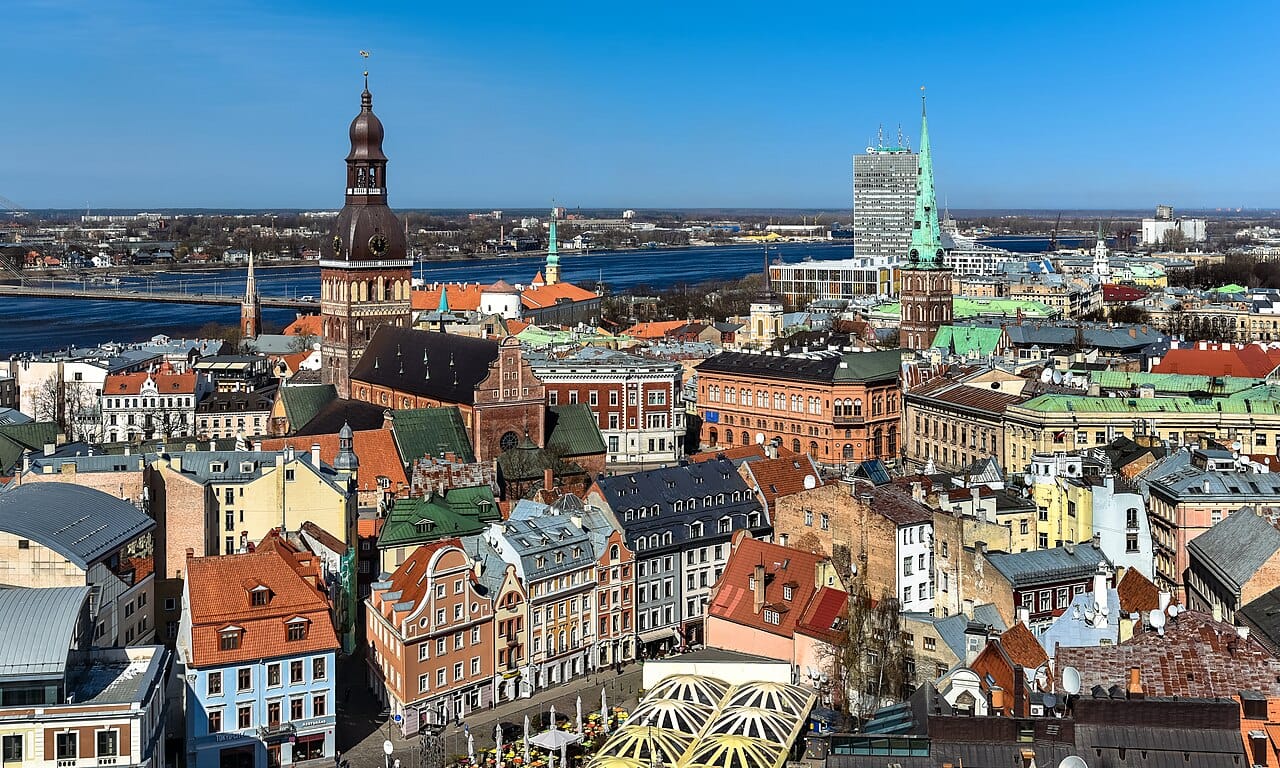
Latvia is the central of the three Baltic states, a country on the eastern shore of the Baltic Sea, a flat, green, and heavily forested land of rivers, lakes, and a long sandy coast. Its capital, Riga, is the largest city in the Baltic region and famous for its art nouveau architecture and medieval old town. Like its neighbours, Latvia spent much of its history under foreign rule and treasures a national culture kept alive above all through its remarkable tradition of choral singing.
Latvia's history is one of a small Baltic people long ruled by others, who won a brief freedom, lost it to two brutal occupations, and finally regained it through the power of song.
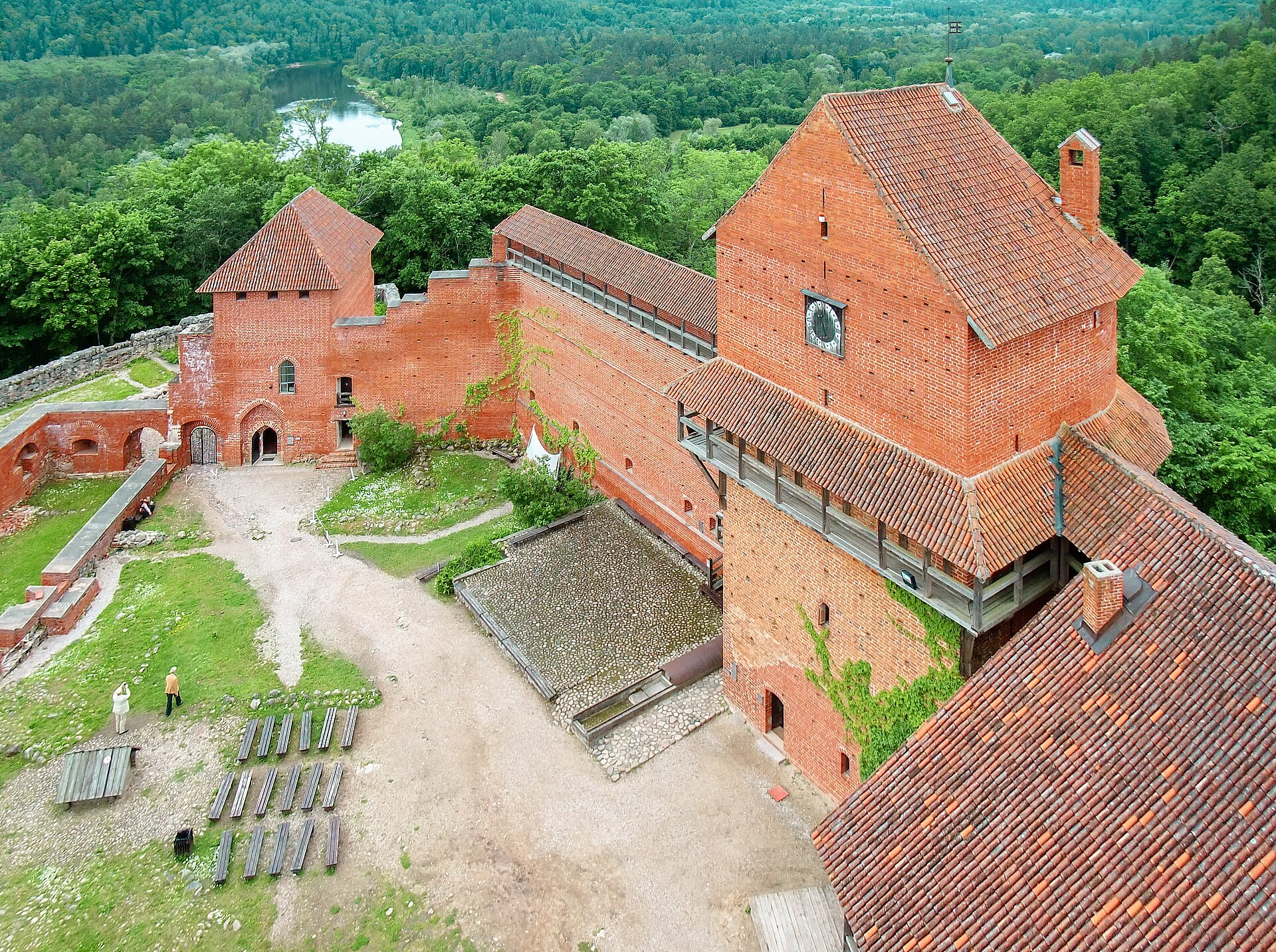
The Baltic tribes who were the ancestors of the Latvians settled these forests in deep antiquity. In the thirteenth century they were conquered by German crusaders, who established the land of Livonia, built stone castles across it, and founded a German-speaking nobility that would dominate the peasantry for centuries, while the port of Riga grew rich as a member of the Hanseatic trading league.
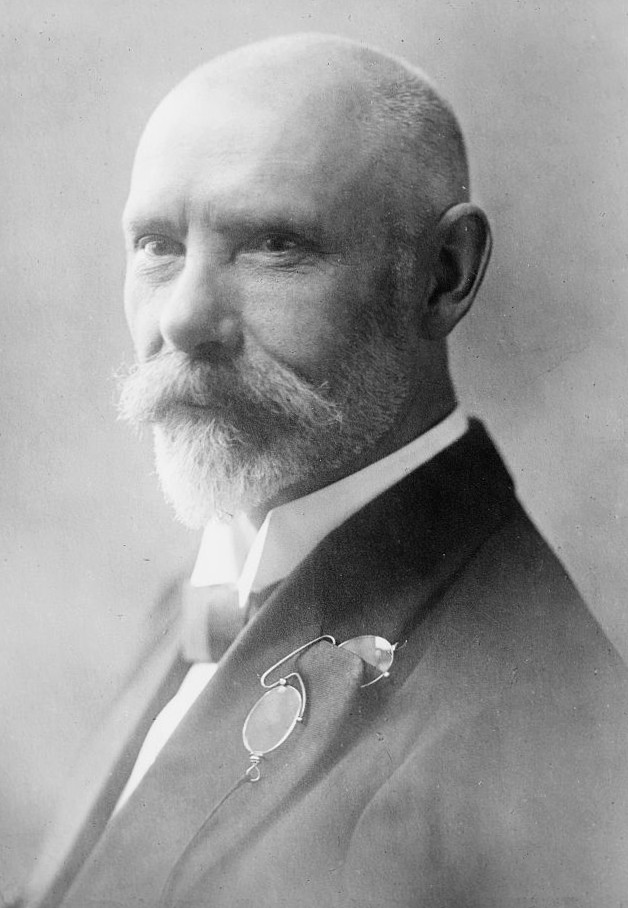
The territory passed through Polish, Swedish, and Russian hands before, amid the collapse of empires after the First World War, Latvia declared its independence in 1918, led by figures such as its first president, Janis Cakste. That hard-won freedom lasted barely two decades. In 1940 the Soviet Union annexed Latvia, in 1941 Nazi Germany invaded, bringing the Holocaust that destroyed the country's Jewish community, and in 1944 the Soviets returned, deporting tens of thousands of Latvians to Siberia.
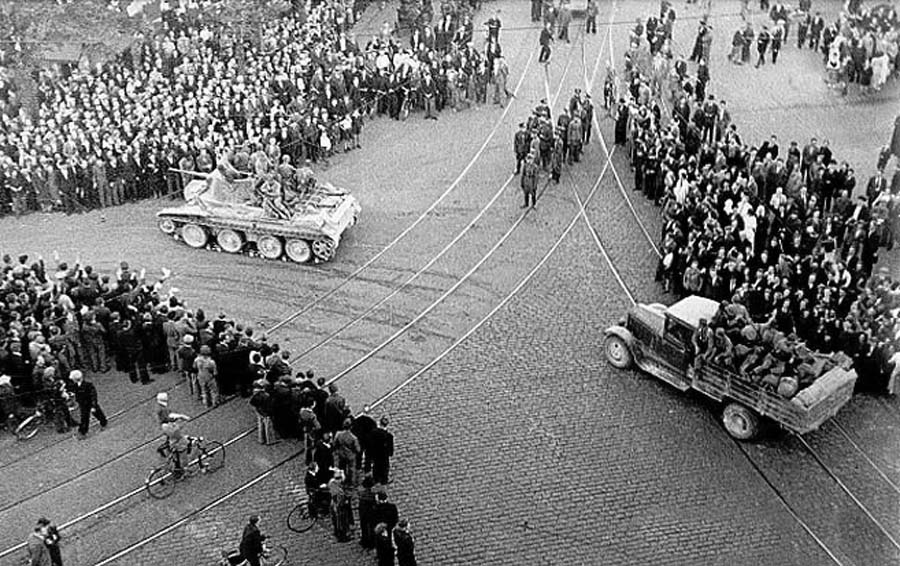
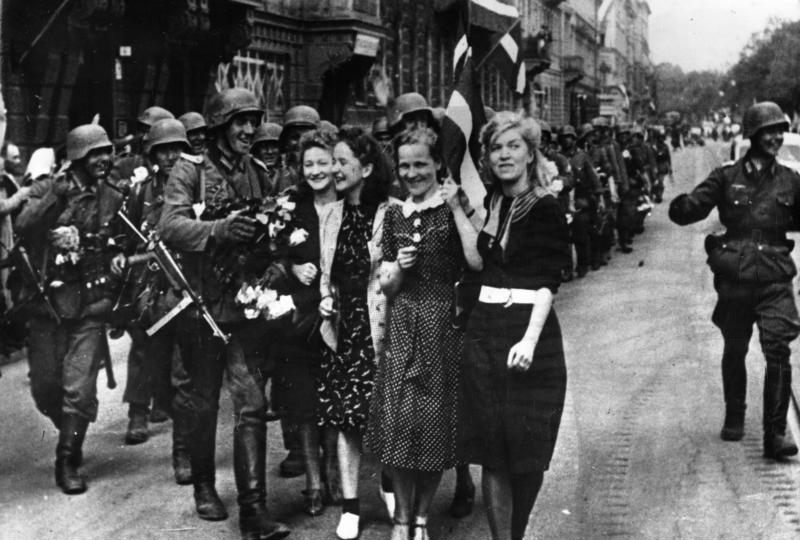
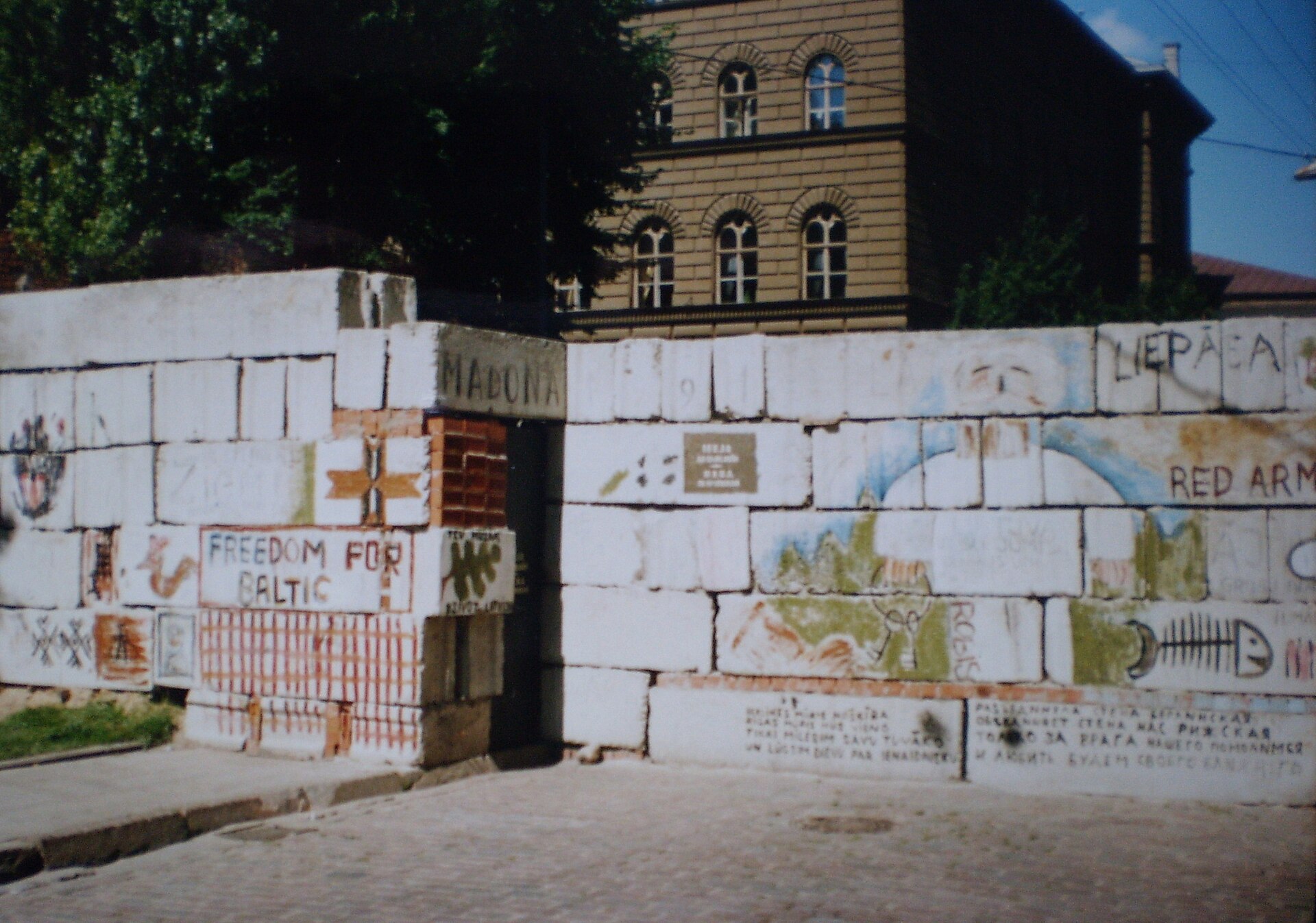
Through nearly fifty years of renewed Soviet rule, Latvians kept their national feeling alive. In the late 1980s they joined the other Baltic peoples in the Singing Revolution, a peaceful mass movement expressed through song, and in the famous Baltic Way, a human chain linking the three capitals. When Soviet forces tried to reassert control in 1991, Latvians manned barricades in Riga to defend their parliament, and independence was restored as the USSR fell.
Latvia is a low-lying country of gently rolling plains and extensive forests, which cover more than half its area, threaded with thousands of rivers and dotted with lakes. Its long Baltic coastline includes the wide Gulf of Riga and beaches of fine white sand. The largest river, the Daugava, flows through the heart of the country and past the capital to the sea. The cool, damp maritime climate and abundant woodland give Latvia a green, watery, and unspoiled character.
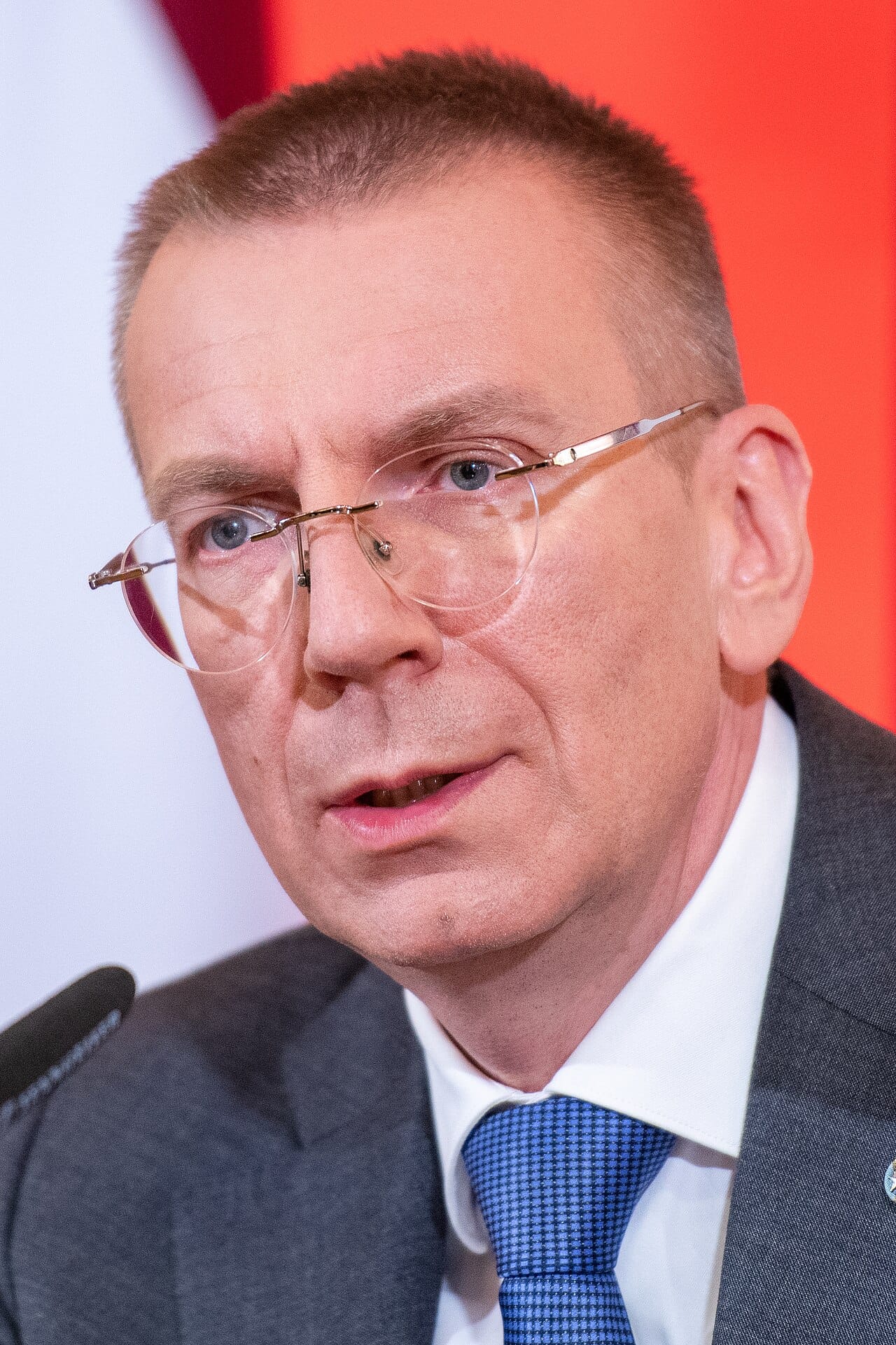
Latvia is a parliamentary republic, a member of the European Union and NATO since 2004 and of the eurozone. Its parliament, the Saeima, elects both the government and the president, who serves as a largely ceremonial head of state. The presidency has been held since 2023 by Edgars Rinkevics, long the country's foreign minister and the first openly gay head of state in the European Union. Since regaining its freedom, Latvia has bound itself firmly to the West, a choice given fresh urgency by its position on NATO's eastern frontier and its long, wary border with Russia.
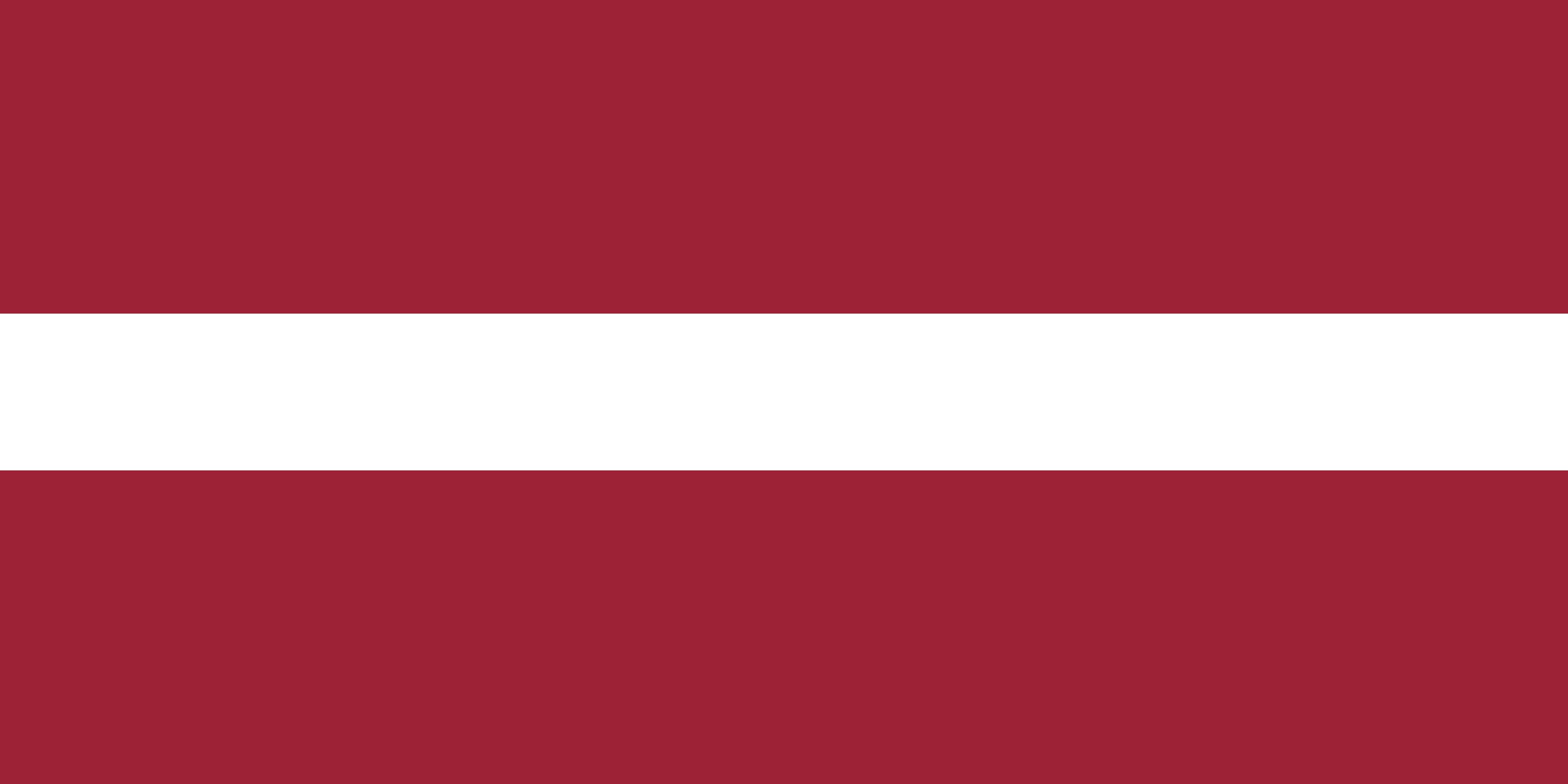
The flag of Latvia is a deep carmine red, often called Latvian red, with a narrow white horizontal stripe across the middle. It is one of the oldest flags in the world, with a tradition reaching back to a medieval chronicle that describes a red banner with a white stripe carried by Latvian tribes. According to that legend the red represents the blood of a wounded leader, with the white marking the sheet on which he lay. The simple, distinctive flag is a cherished national symbol.
Latvia is religiously mixed and, like its Baltic neighbours, quite secular, with a large share of the population not actively religious. Its Christians are divided chiefly among Lutherans, a legacy of German influence, Roman Catholics in the east, and Orthodox Christians, reflecting the country's position between western and eastern Europe and its layered history of rule. The decades of Soviet atheism weakened organised religion, and modern national identity rests heavily on language, folklore, and song.
Latvian cuisine is hearty and seasonal, making the most of grains, potatoes, dairy, pork, and fish from the Baltic. Dense, dark rye bread is a national staple eaten with nearly every meal. A traditional dish is grey peas with bacon, considered close to a national dish, and smoked fish, pickled vegetables, and curd cheese are widely enjoyed. Wild berries and mushrooms from the forests are gathered and cherished, and a herbal liqueur called Riga Black Balsam is a famous local specialty.
Latvia's farming is shaped by its cool climate and abundant forest. Farmers raise dairy and beef cattle and grow grains such as wheat, barley, and rye, along with potatoes and rapeseed. Much of the country is covered in forest, making forestry and the timber industry an important part of the economy. Since independence the agricultural sector has modernised, and Latvia, with its clean environment and low population density, exports grain, dairy, and timber products.
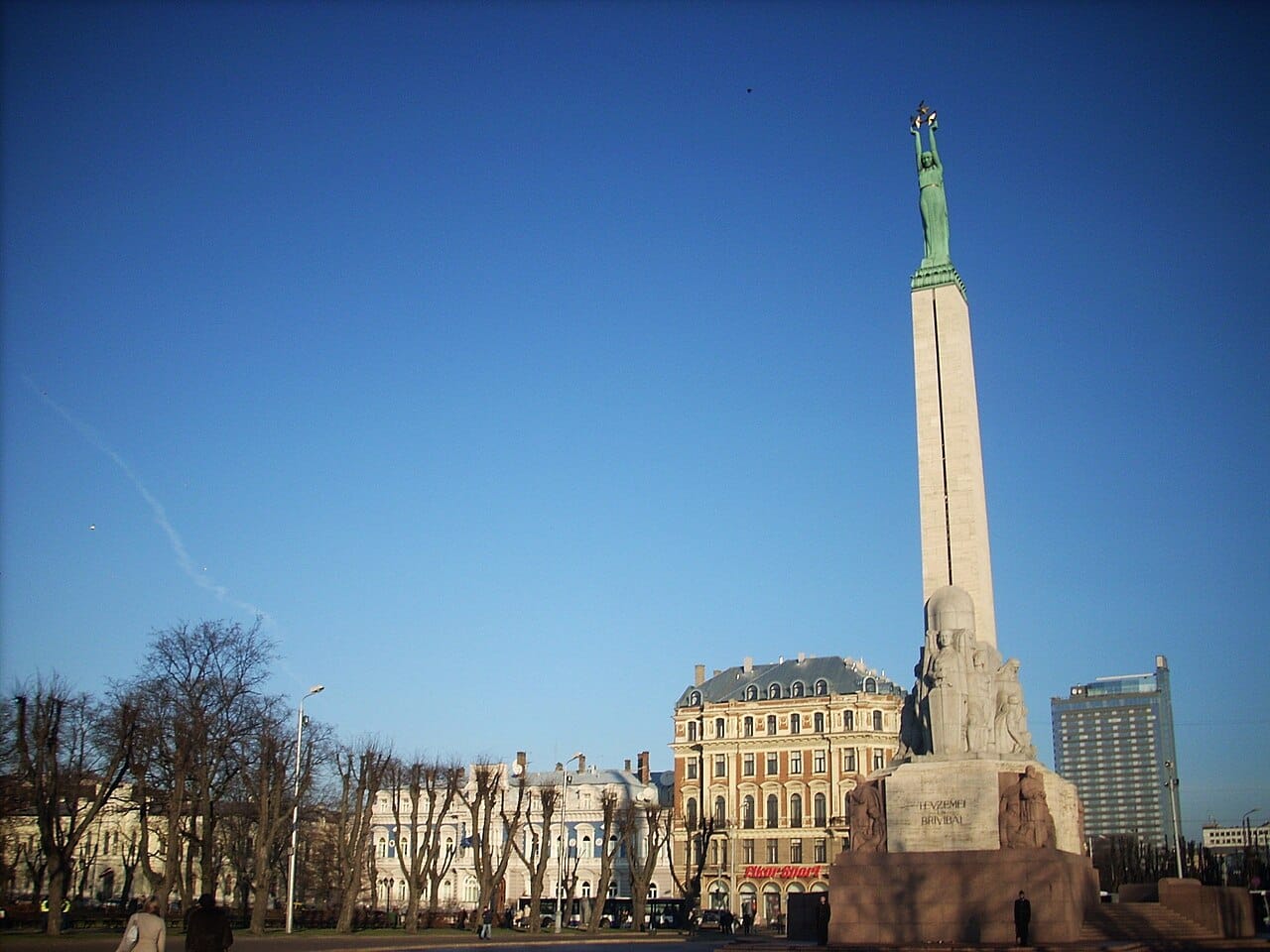
At the heart of Latvian culture lies song. The nation's identity was forged and preserved through choral singing, and its enormous Song and Dance Festival, held every few years, gathers tens of thousands of singers before vast crowds in a tradition recognised by UNESCO; it was through such singing that Latvians reclaimed their freedom. Riga is famous for possessing one of the world's finest collections of art nouveau architecture, and the country treasures a deep well of folklore, the short folk verses called dainas, and a bond with the forest and the Baltic shore. The Freedom Monument in the heart of Riga, which survived the Soviet decades, stands as the enduring symbol of the nation's independence.
Latvia lives with a division at the core of its society. Alongside the ethnic Latvian majority is a large Russian-speaking minority, roughly a quarter of the population, most of them Soviet-era settlers and their descendants, concentrated in Riga and the east. When independence was restored, citizenship was granted automatically only to those whose families had held it before the Soviet takeover, leaving many Russian-speakers as stateless non-citizens, and later reforms have steadily narrowed the place of the Russian language in schools and public life. To most Latvians these measures are a necessary defence of a small nation's language and hard-won freedom against generations of enforced Russification and the shadow of a hostile Moscow. To many in the minority they feel like exclusion from a country that is also their home. Russia's invasion of Ukraine sharpened the divide further, prompting Latvia to pull down Soviet monuments and tighten its rules. How the two communities can share one nation is the country's most sensitive and unresolved question.
Latvia has a population of around 1.9 million people, made up of ethnic Latvians, a Baltic people with their own ancient language, and a large Russian-speaking minority, particularly in the cities and the east, a legacy of the Soviet era. The population is small and has declined through low birth rates and emigration since independence. Most Latvians live in towns and cities, above all the capital, Riga, a grand Baltic port and the cultural and economic heart of the country.