Laos is a landlocked country in Southeast Asia, the only one in the region without a coastline, a mountainous and forested land threaded by the Mekong River. Once the heart of a kingdom known as the land of a million elephants, it is among the least densely populated and least developed countries in the region. Quiet and largely rural, it is known for its serene Buddhist temples, its mountains, and its mighty river.
Laos runs from the great kingdom of Lan Xang, through French colonial rule and the devastation of the wars in Indochina, to the one-party socialist state of today.
The first great Lao state was the kingdom of Lan Xang, founded in the fourteenth century, whose name means the land of a million elephants and a white parasol. For centuries it was a considerable power in the region, a centre of Theravada Buddhism, before it fragmented into smaller kingdoms and fell under the influence of neighbouring Siam.
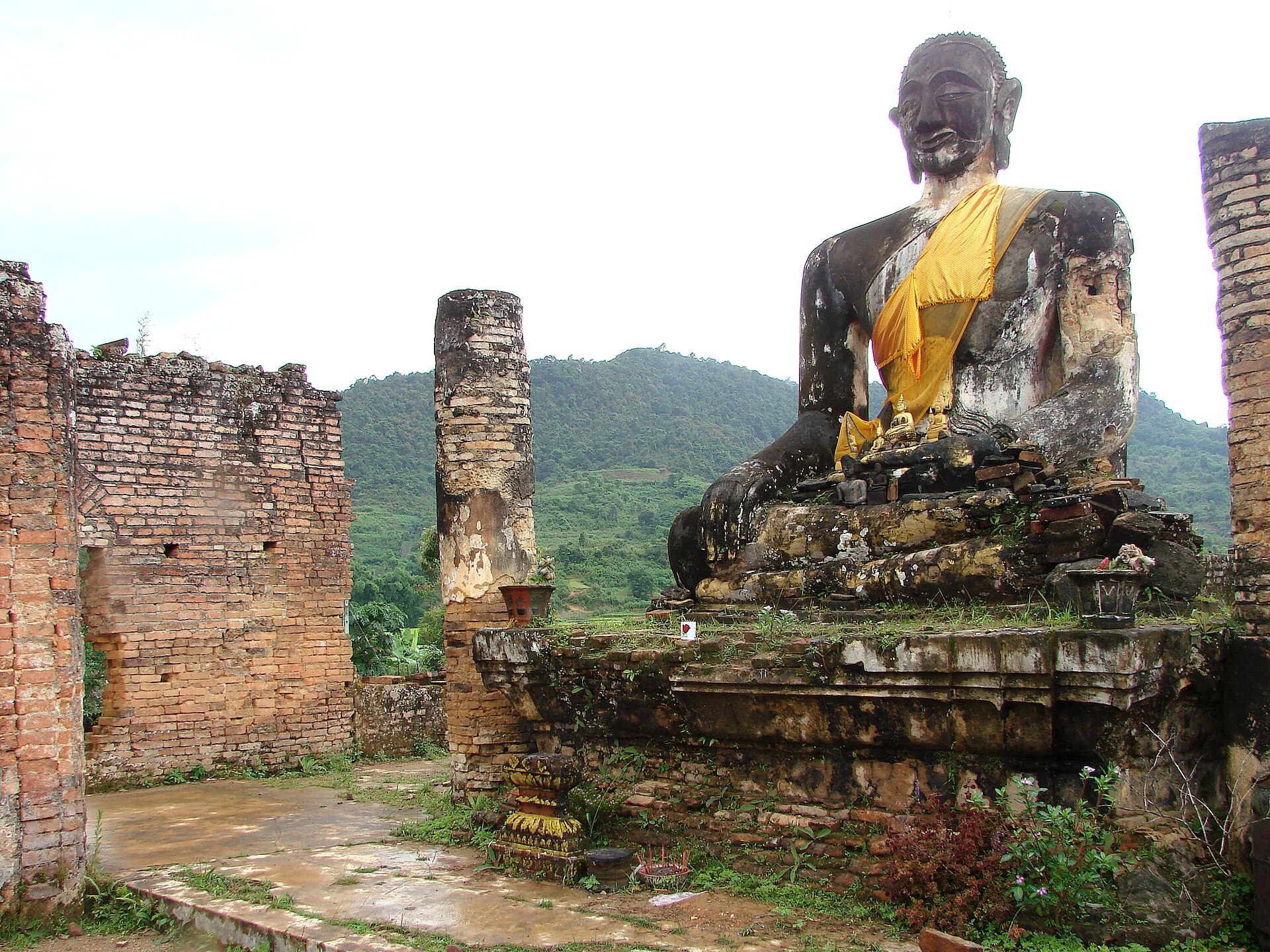
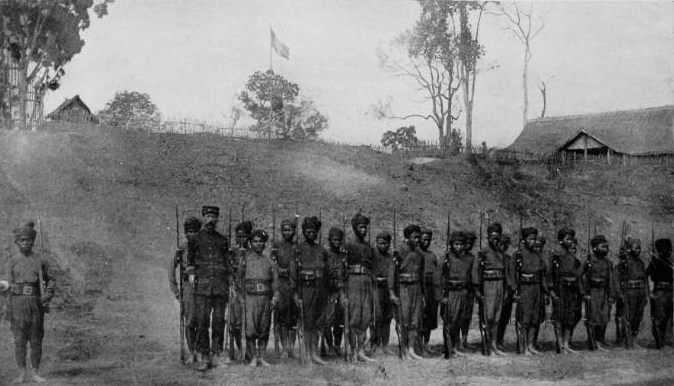
In the late nineteenth century the Lao lands were absorbed into French Indochina, ruled from afar as a quiet colonial backwater alongside Vietnam and Cambodia. French rule left its mark on the towns and administration but did little to develop the country.
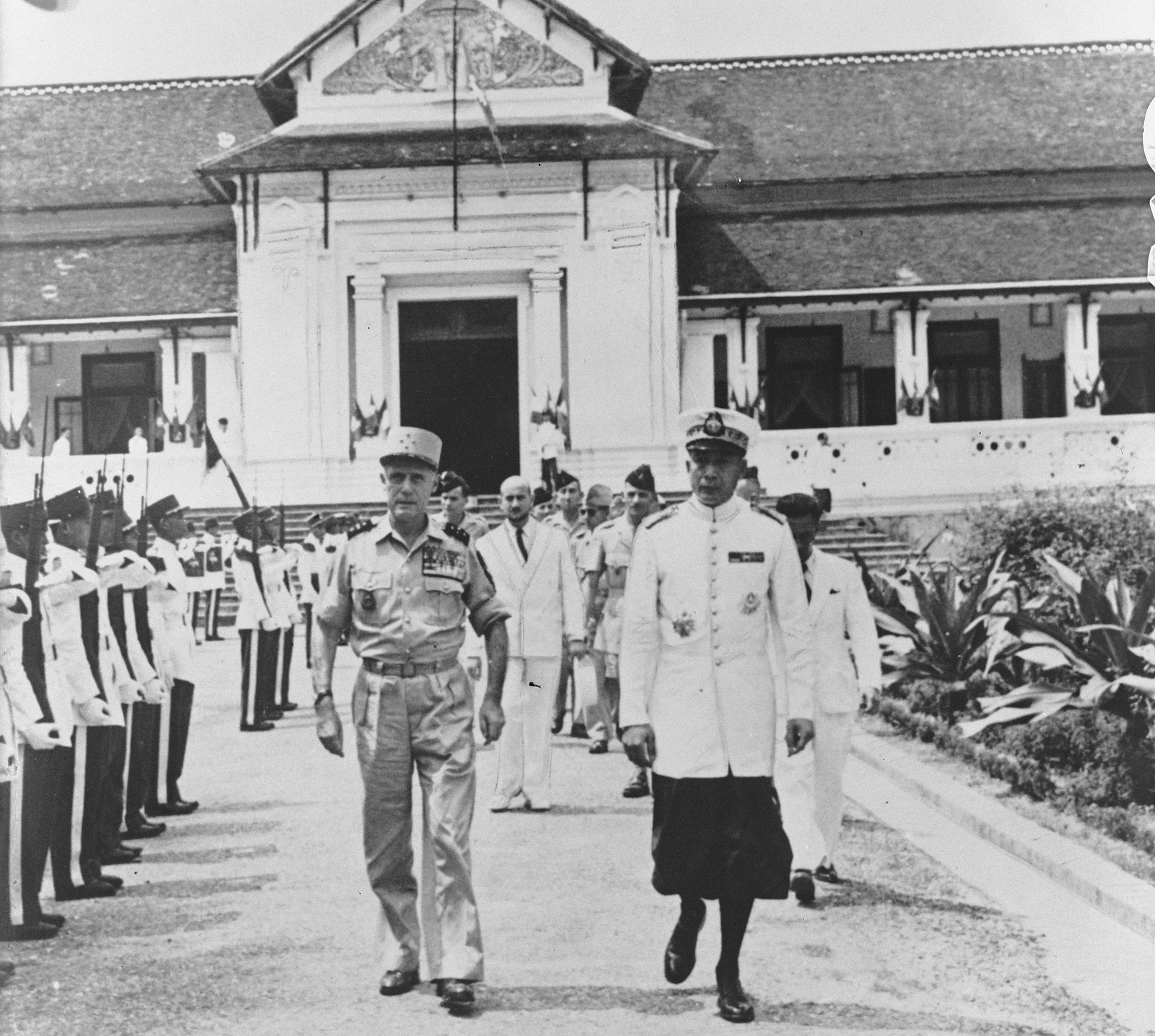
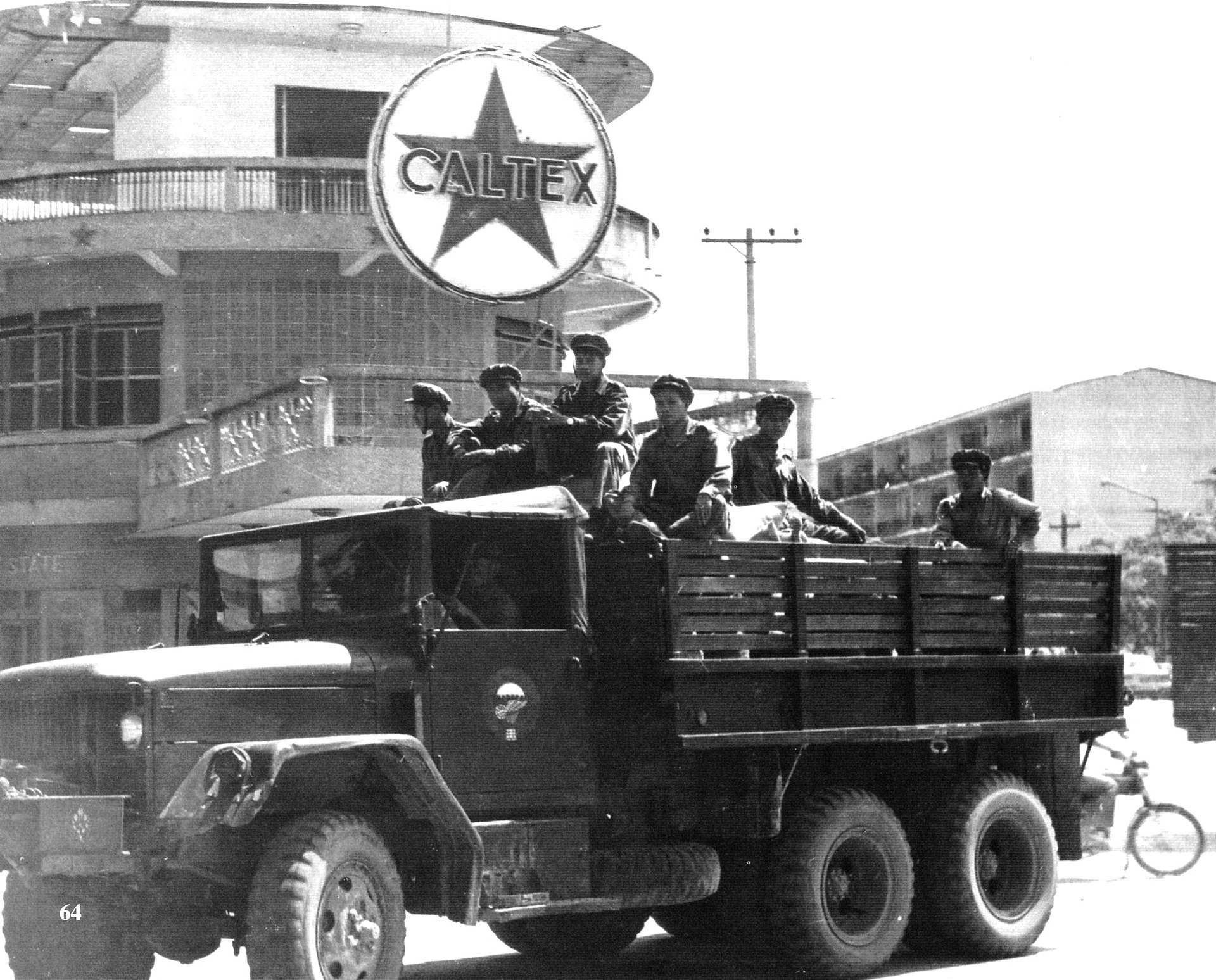
Laos gained full independence in 1953 but was quickly swept into the wars convulsing the region. It suffered a hidden catastrophe as a battleground of the conflict in neighbouring Vietnam, and in 1975 a communist movement, the Pathet Lao, seized power, abolished the monarchy, and founded the one-party socialist state that governs the country to this day.
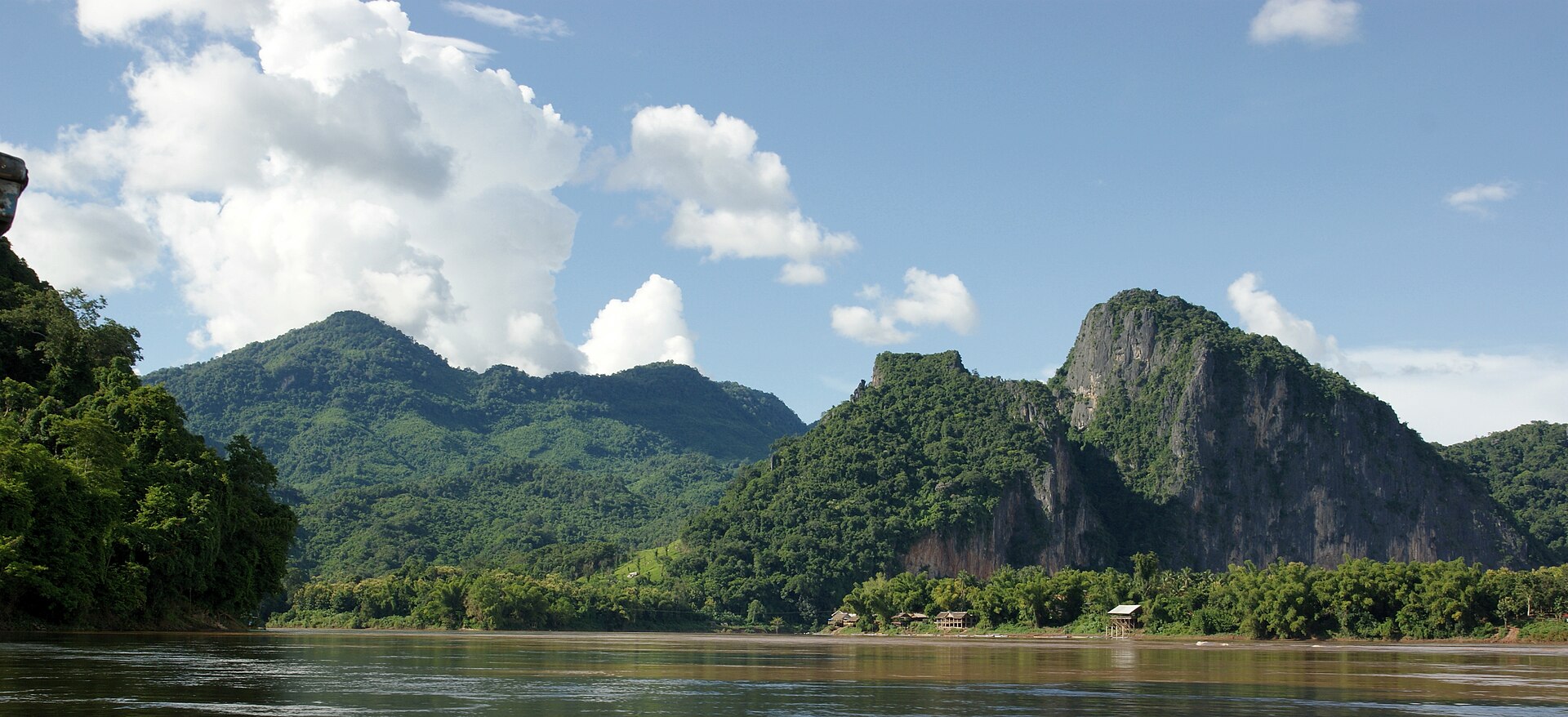
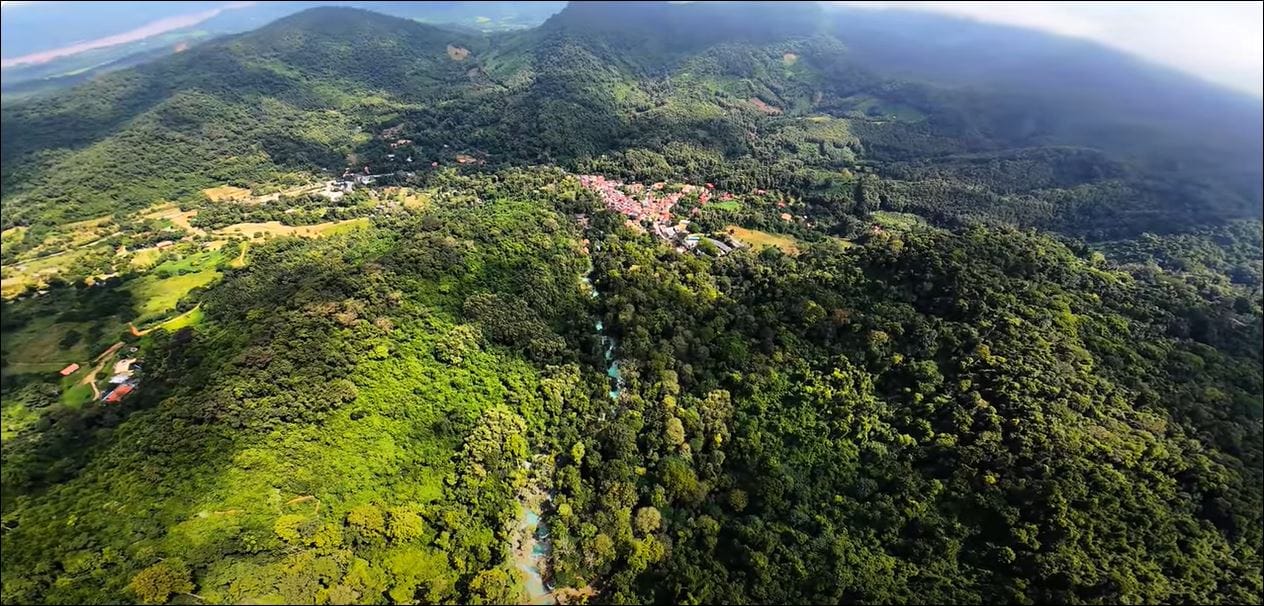
Laos is dominated by rugged, forested mountains, with lowlands mostly confined to the valley of the Mekong River, which runs along much of the western border and is the lifeline of the country. The Mekong and its tributaries provide water, fish, transport, and increasingly hydroelectric power. Much of the land remains heavily forested and sparsely settled, and the country's rivers, waterfalls, and karst mountains are drawing a growing number of visitors.
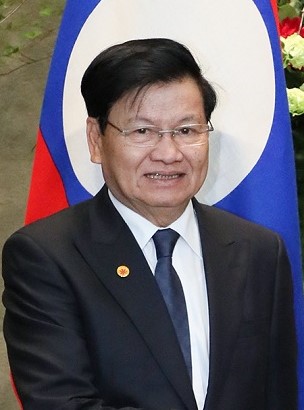
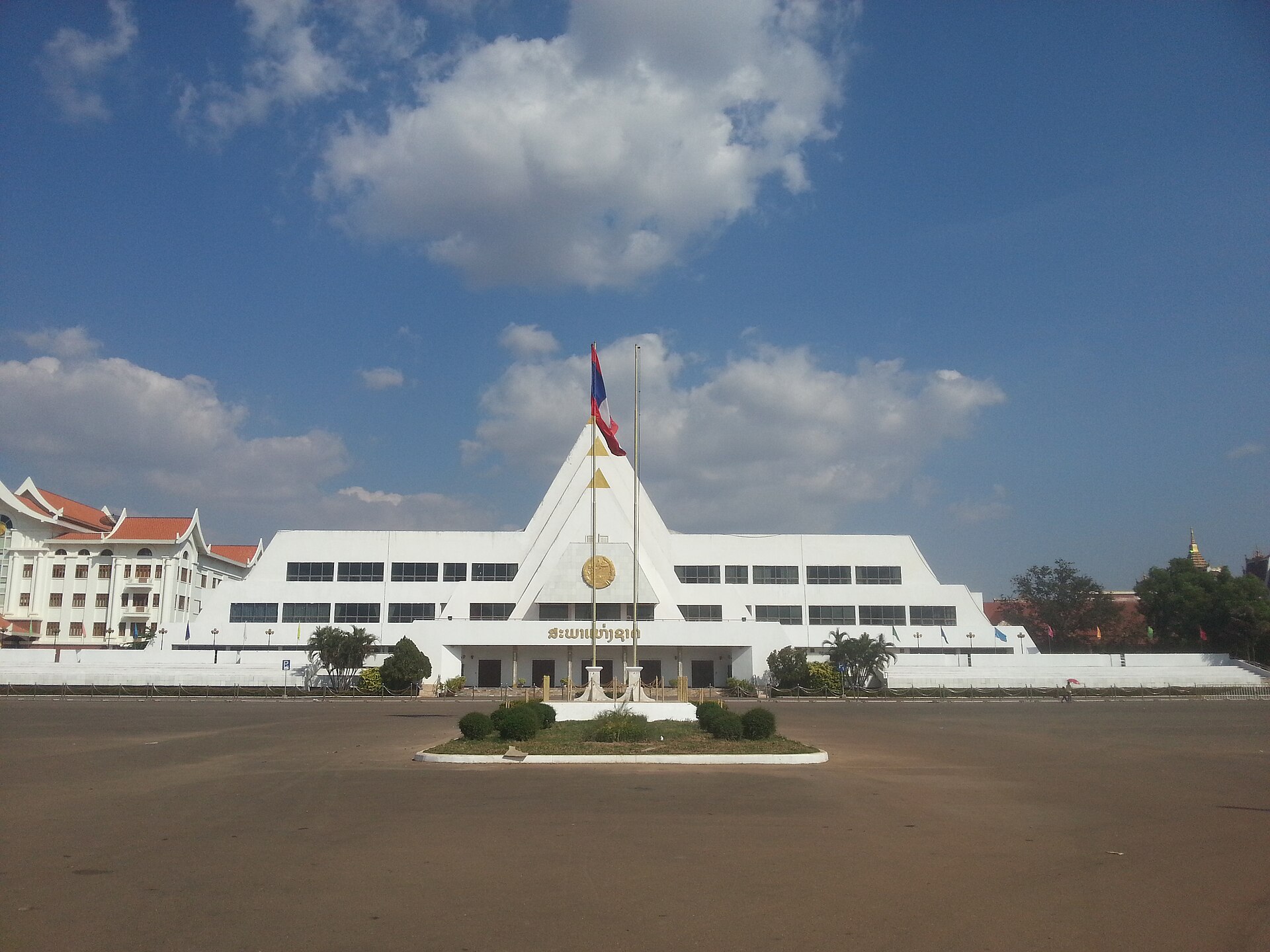
Laos is a one-party socialist republic, ruled since 1975 by the Lao People's Revolutionary Party, the only legal party. Power is concentrated in the party leadership, with no organised opposition and tight limits on political expression. The National Assembly, whose members come overwhelmingly from the party, confirms the country's top leaders: as of 2026 the president, who also heads the party, is Thongloun Sisoulith, and the prime minister is Sonexay Siphandone, both returned to office for a further term. The system closely mirrors that of neighbouring Vietnam, with which the ruling party has long been closely aligned.
Laos is one of the poorest countries in the region, but it has staked its future on its rivers, aiming to become the battery of Southeast Asia by building dams across the Mekong and its tributaries and exporting the electricity to Thailand, Vietnam, and China. Mining and forestry add to the economy, and a Chinese-built railway opened in 2021 now links the capital to China, part of a deepening economic embrace of its giant northern neighbour. This drive for development has brought growth but also heavy foreign debt, much of it owed to China, and hard questions about the cost to the environment and to the communities of the Mekong.
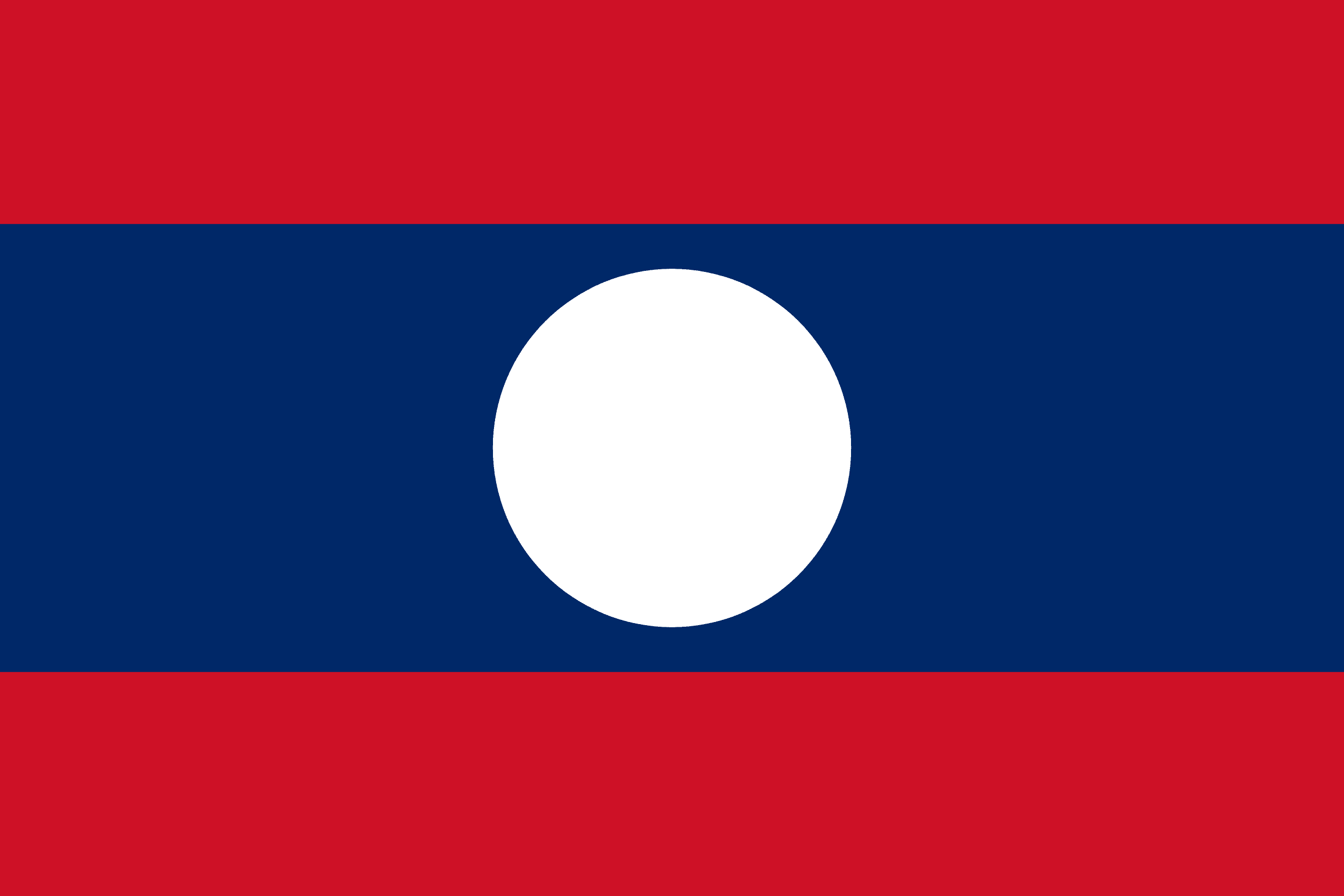
The flag of Laos has three horizontal bands, a broad blue band between two red ones, with a white disc in the centre. The red bands are said to stand for the blood shed in the struggle for freedom, the blue for prosperity and the Mekong River, and the white disc for the full moon over the Mekong and for the unity of the people. The design dates from the communist movement that took power in 1975.
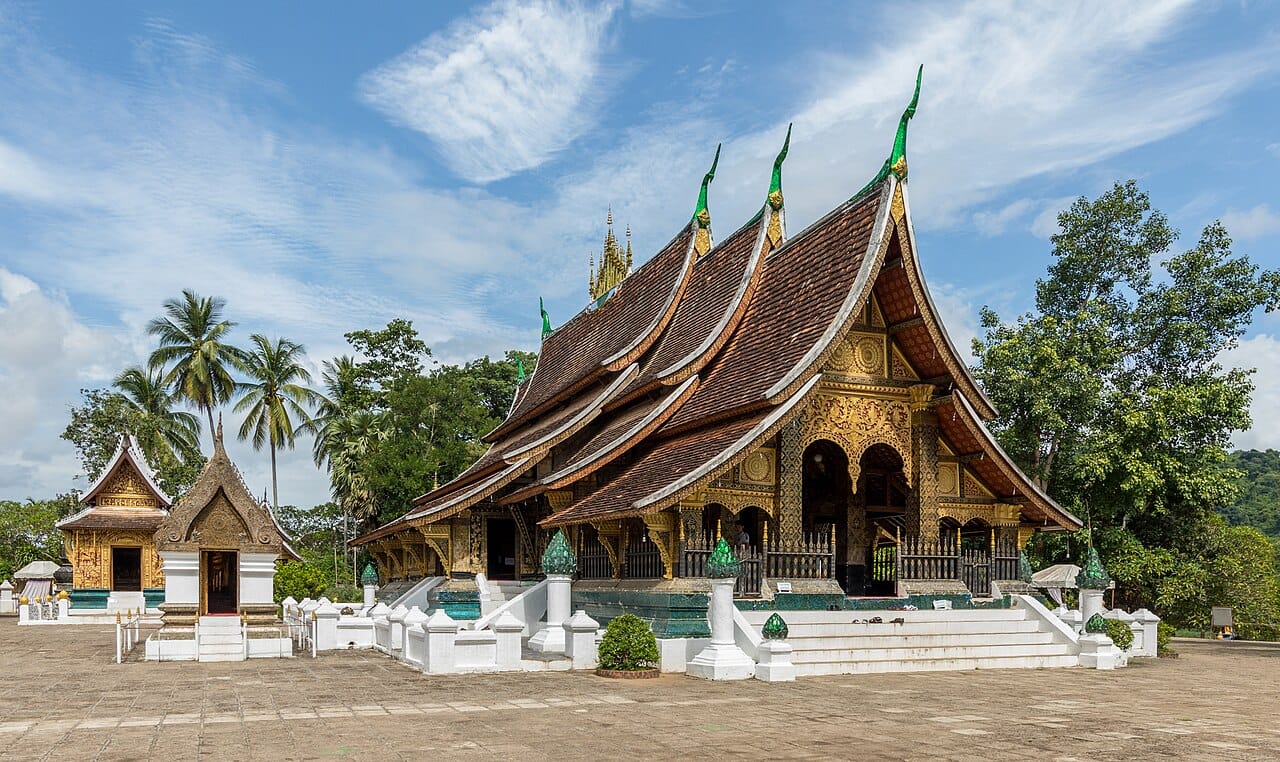
The majority of Lao people are Theravada Buddhists, and Buddhism is deeply woven into the country's culture and daily rhythm, from the alms-giving to monks at dawn to the temples that grace every town. The former royal capital of Luang Prabang is especially renowned for its monasteries. Among the many ethnic minorities in the highlands, traditional animist beliefs in spirits remain strong, often blended with Buddhist practice, giving the country a rich spiritual life.
Lao cuisine is fresh, herbal, and often fiery. Its defining staple is sticky rice, which is rolled into balls by hand and dipped into dishes, eaten in greater quantities here than almost anywhere. The national dish is laap, a zesty salad of minced meat or fish seasoned with lime, chili, and herbs. Grilled meats, fresh vegetables, and pungent fermented fish sauces complete a cuisine closely related to that of northeastern Thailand.
Agriculture is the livelihood of most Lao people, and much of it is subsistence farming carried out on the limited flat land and on terraced and shifting plots in the hills. Rice, especially sticky rice, is by far the most important crop. The mountainous terrain limits large-scale farming, and much of the rural economy still runs at little more than subsistence level.
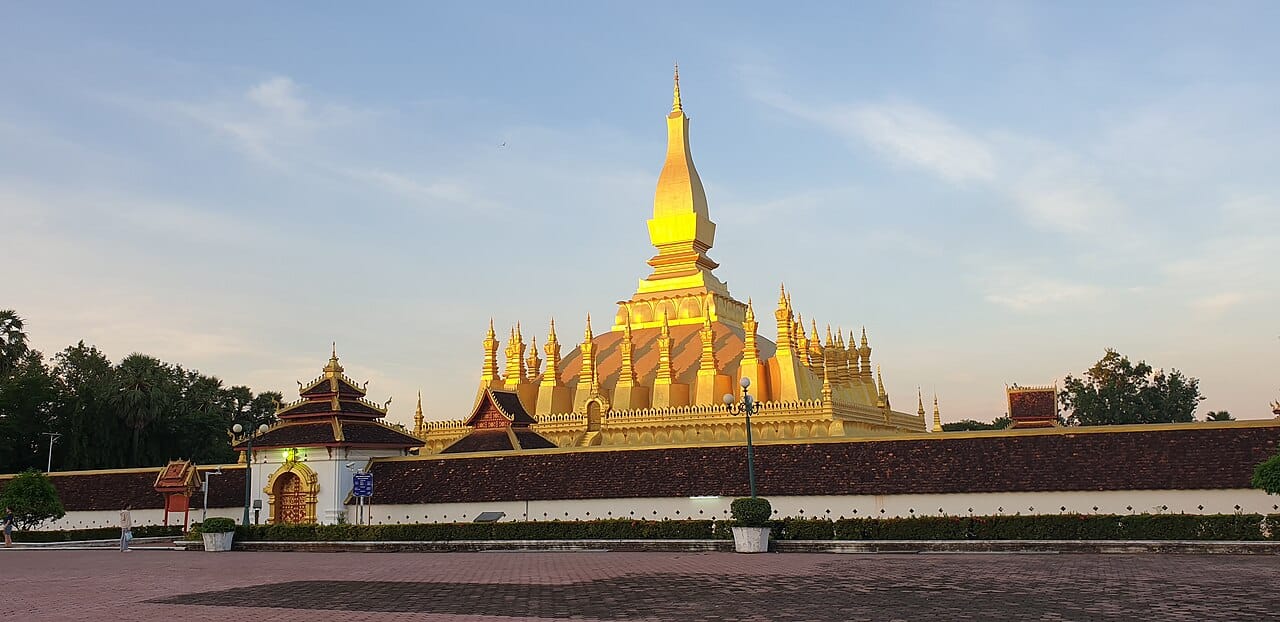
Lao culture is gentle and unhurried, shaped by Theravada Buddhism and a deep attachment to village and family. It is a country of morning alms rounds, of the water-splashing new year festival of Pi Mai, and of the that, the bell-shaped Buddhist reliquary, whose greatest example, the golden Pha That Luang, is the national symbol. The old royal town of Luang Prabang preserves this serene traditional world, while the many highland minorities add their own languages, dress, and customs to one of the most culturally varied countries in the region.
Two difficult issues shadow modern Laos. The first is the legacy of war: during the conflict in neighbouring Vietnam, Laos became, per head of population, the most heavily bombed country in the history of the world, and vast quantities of unexploded ordnance still lie in its soil, killing and maiming people, especially farmers and children, decades after the last bombs fell. Clearing it is the slow work of generations. The second is the cost of the country's development drive: the dams that promise to make Laos the battery of Southeast Asia also disrupt the Mekong, on which millions downstream depend for fish and silt, and the heavy borrowing behind them, much of it from China, has raised concerns about debt and sovereignty. Supporters see a path out of poverty; critics see environmental and financial risk. Both the buried bombs and the dammed rivers are live and unresolved questions.
Laos has a population of around 7.5 million people, small and spread across a rugged land, making it one of the least densely populated countries in Asia. The lowland Lao are the largest group, living mostly along the Mekong, while a great many ethnic minorities inhabit the highlands, giving the country considerable cultural diversity. The capital and largest city is Vientiane, on the Mekong along the border with Thailand, where most of the country's modern life is concentrated.