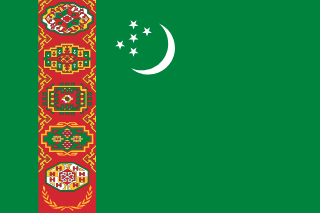
Kyrgyzstan is a landlocked, mountainous country in Central Asia, a rugged land dominated by the great Tian Shan range, the celestial mountains. A nation with deep nomadic roots, it preserves a strong tradition of herding, horse culture, and the felt tents known as yurts. Crossed in ancient times by the Silk Road and home to the vast alpine lake of Issyk-Kul, it has, since independence, been the most politically turbulent and arguably the most open of the Central Asian republics.
Kyrgyzstan's history is that of a Turkic mountain people with deep nomadic roots, whose lands lay along the Silk Road before passing under Russian and Soviet rule and into a turbulent independence.
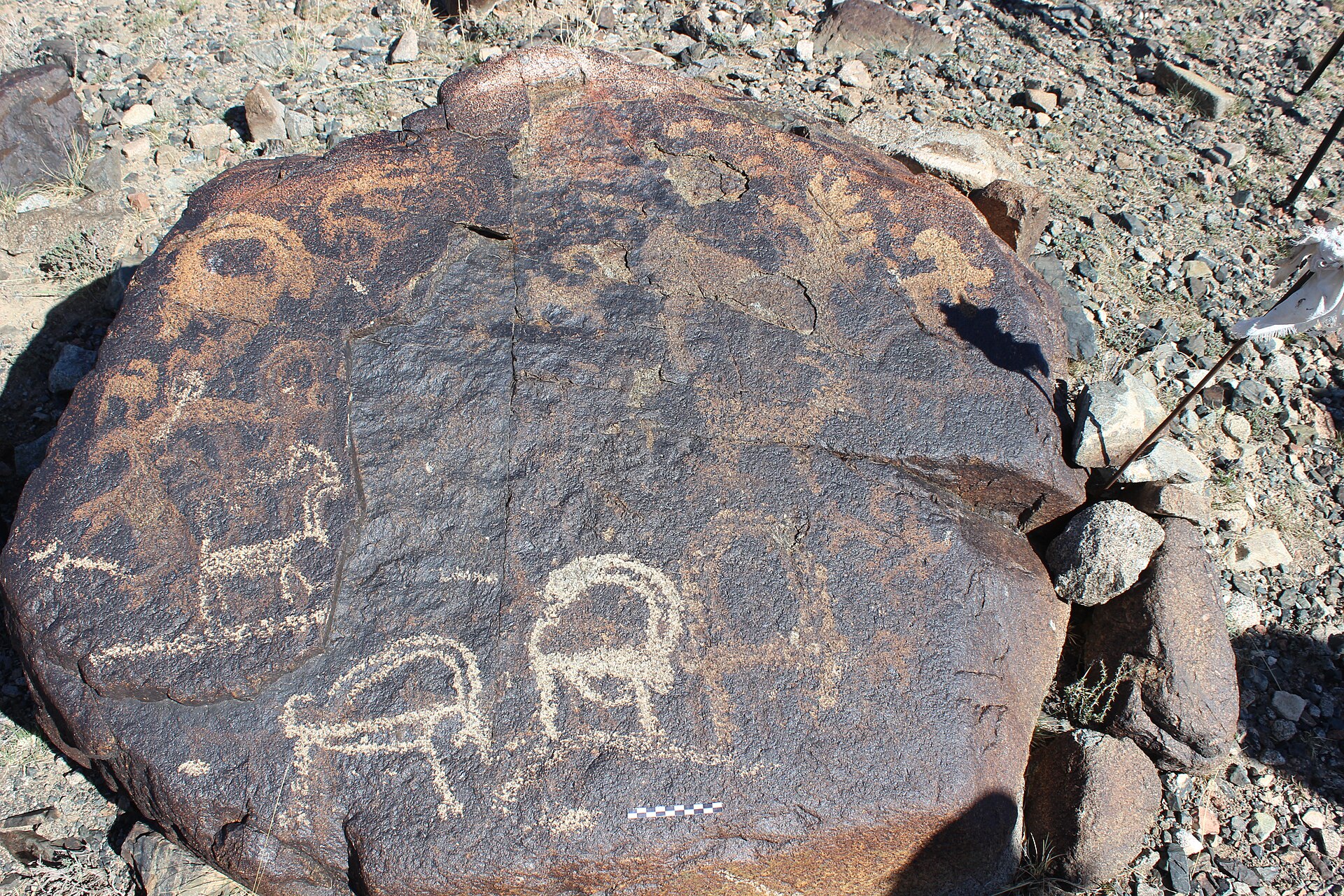
The Kyrgyz are a Turkic people who have herded across these mountains and valleys for many centuries, and the region has been inhabited far longer still. Ancient rock carvings scattered across the highlands record the animals and life of the herders and hunters who lived here long before written history.
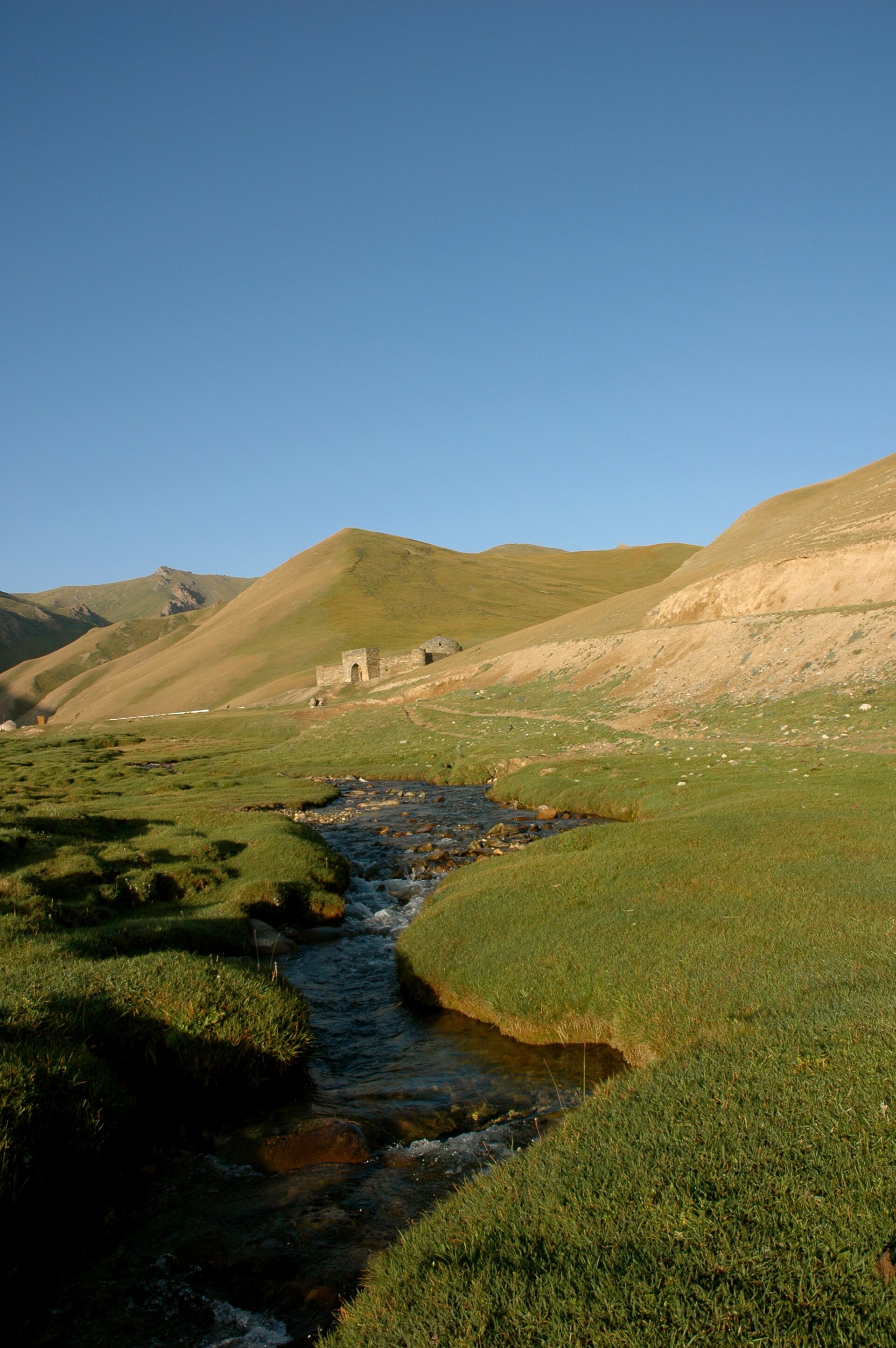
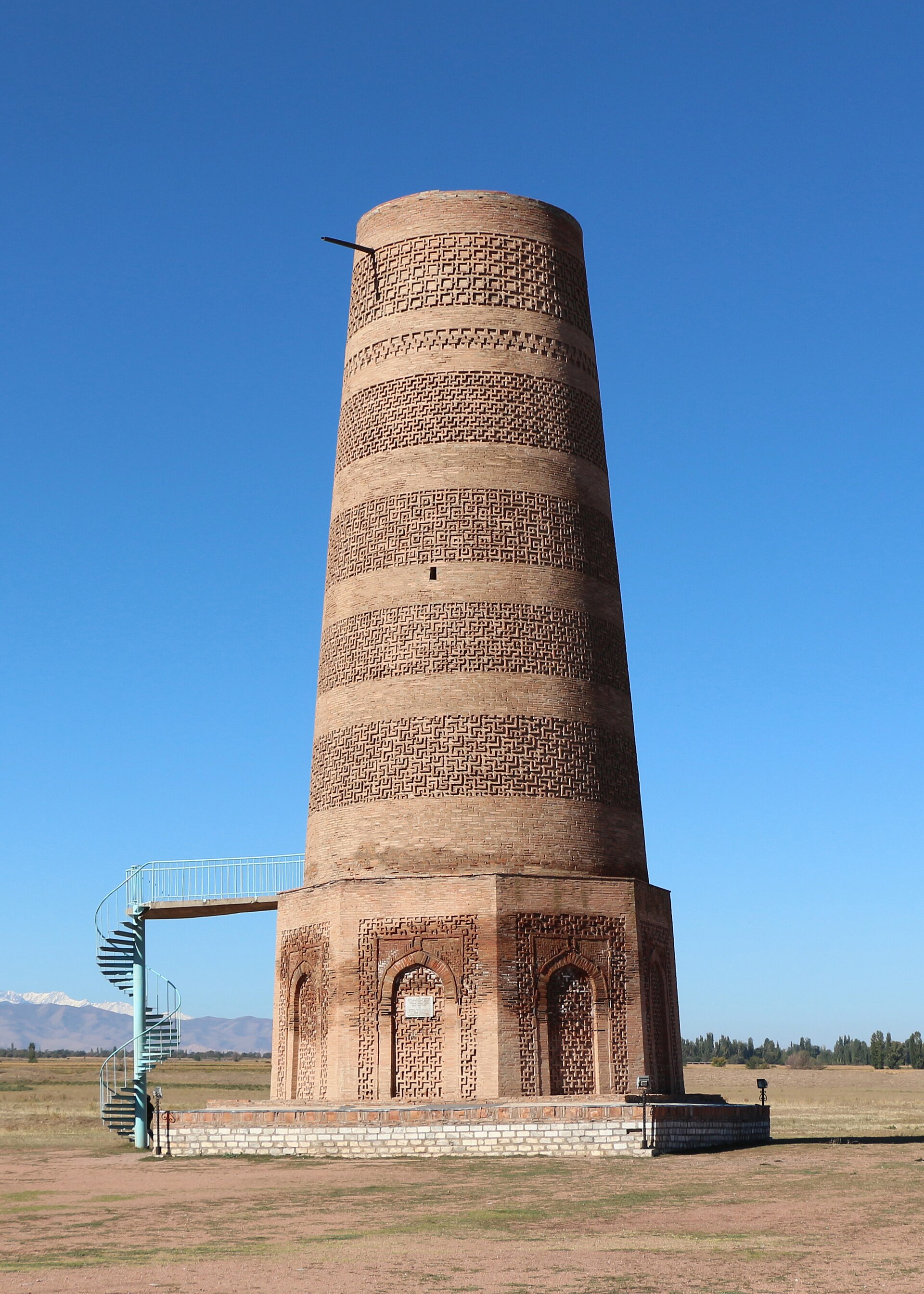
The valleys of the Tian Shan carried branches of the Silk Road, and caravans crossing between China and the West passed through the region, leaving forts, trading posts, and towns. The stone caravanserai of Tash Rabat and the minaret of Burana, near the medieval city of Balasagun, survive as monuments of that age.
Absorbed by the Russian Empire in the nineteenth century after fierce resistance, the Kyrgyz lands later became a Soviet republic. Soviet rule forced the settling of the nomads and brought schools, industry, and cotton, along with the suppression of the old ways, before independence came in 1991.
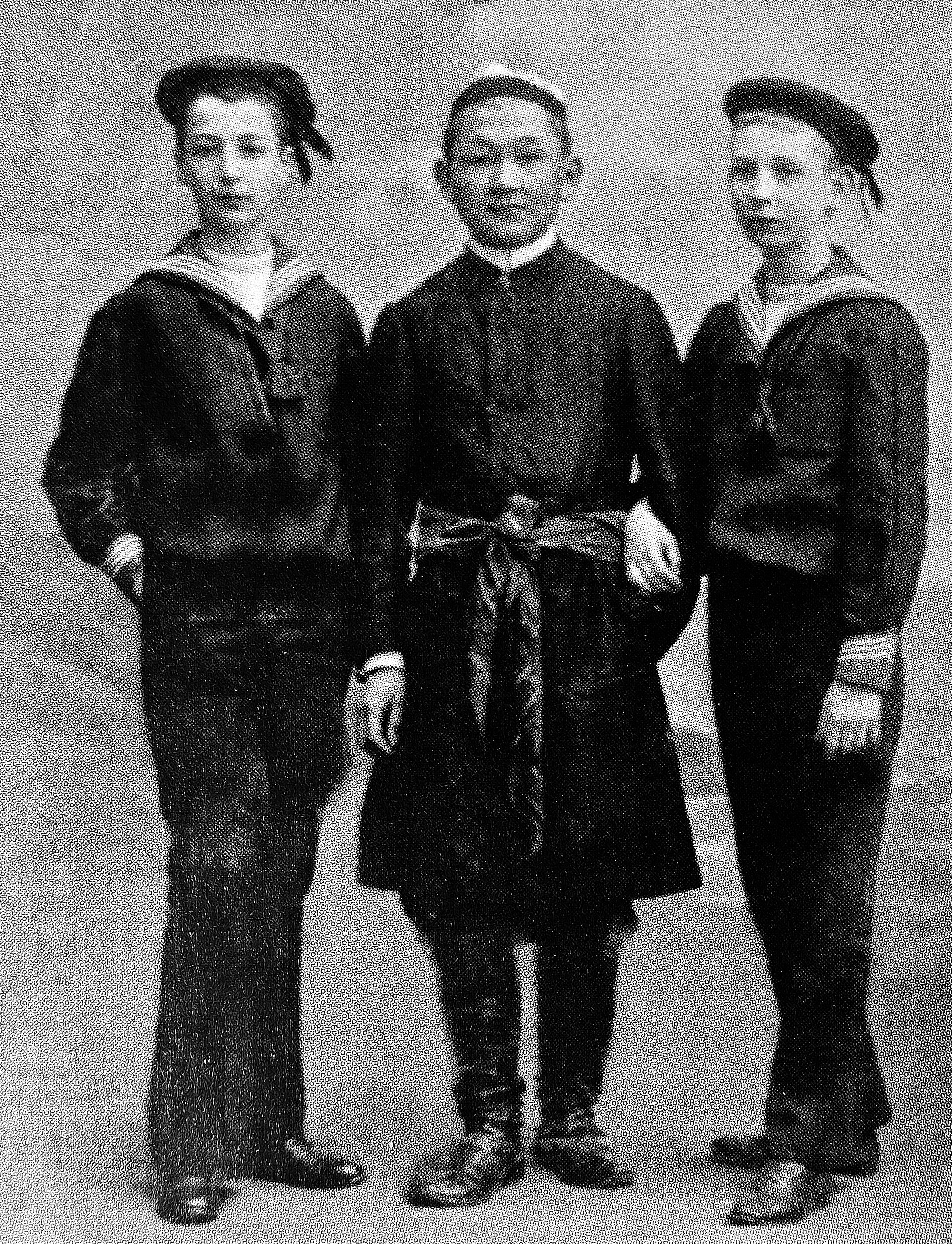
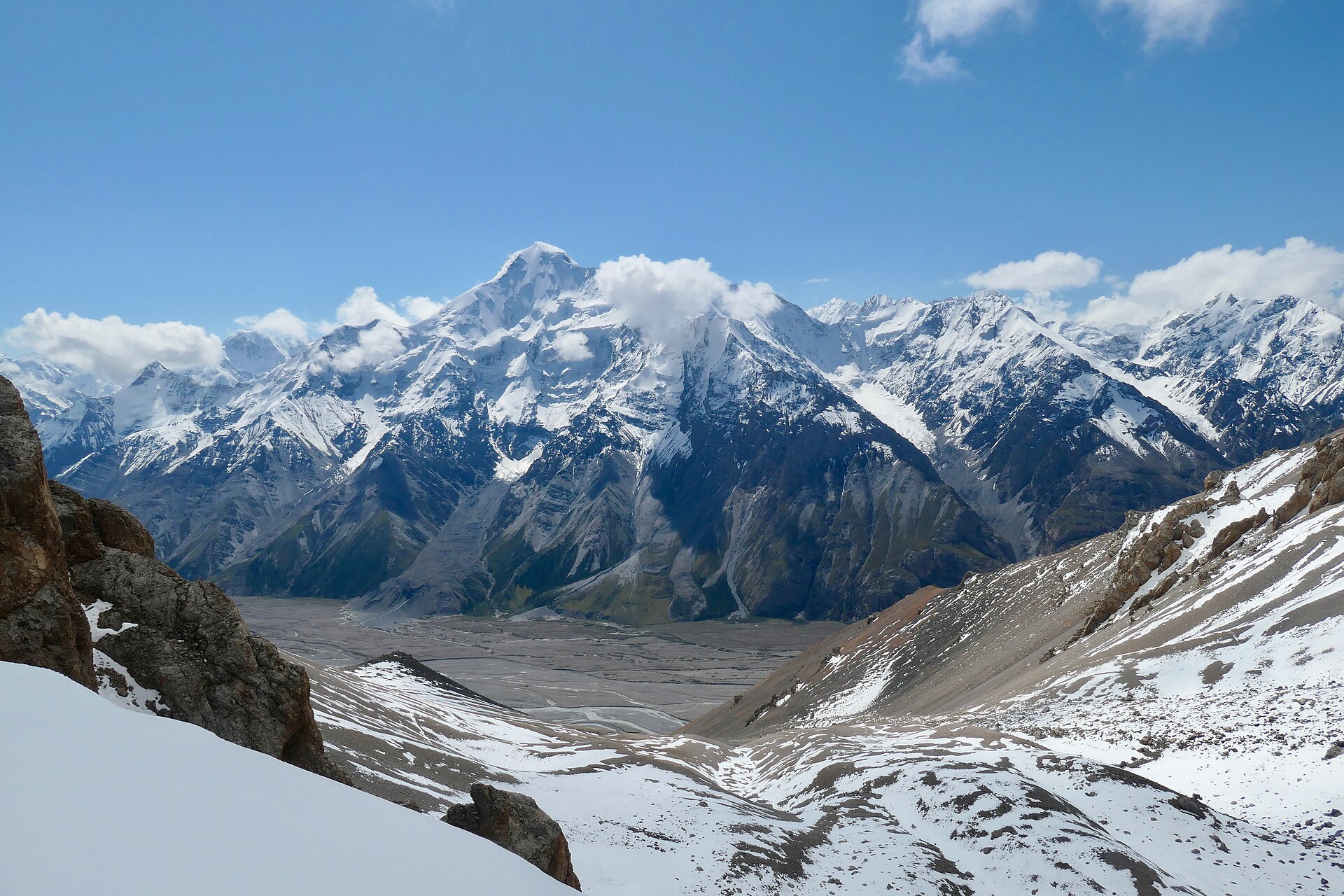
Kyrgyzstan is one of the most mountainous countries in the world, with the ranges of the Tian Shan covering the great majority of its territory, their snow-capped peaks and high valleys giving the country spectacular scenery. Among its jewels is Issyk-Kul, one of the largest and deepest mountain lakes on Earth, which remains unfrozen through the winter despite its altitude. Fast rivers and glaciers feed the lowland valleys where most people live, and give the country significant hydroelectric resources.
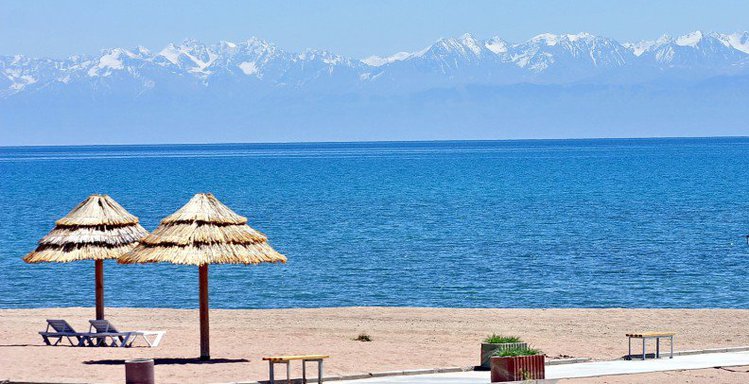
Kyrgyzstan has been the most politically turbulent and, for a time, the most open of the Central Asian states. Since independence it has seen several popular uprisings, in 2005, 2010, and 2020, each sweeping away a government, giving it a reputation as an island of contested, if unstable, democracy in an authoritarian region. The current president, Sadyr Japarov, came to power in the 2020 upheaval and has since strengthened the powers of his office, a shift that critics see as a turn away from the country's more pluralist tradition.
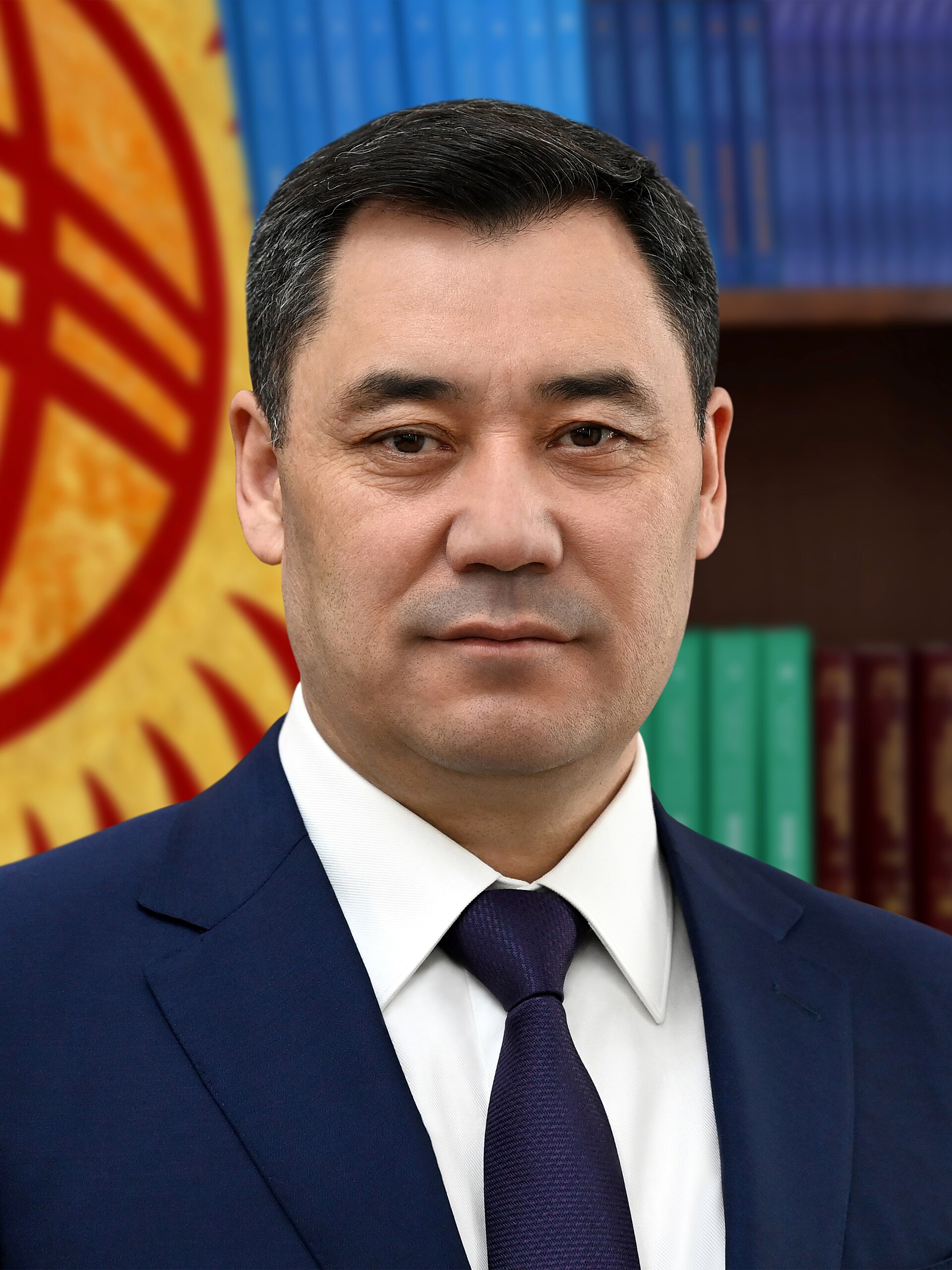
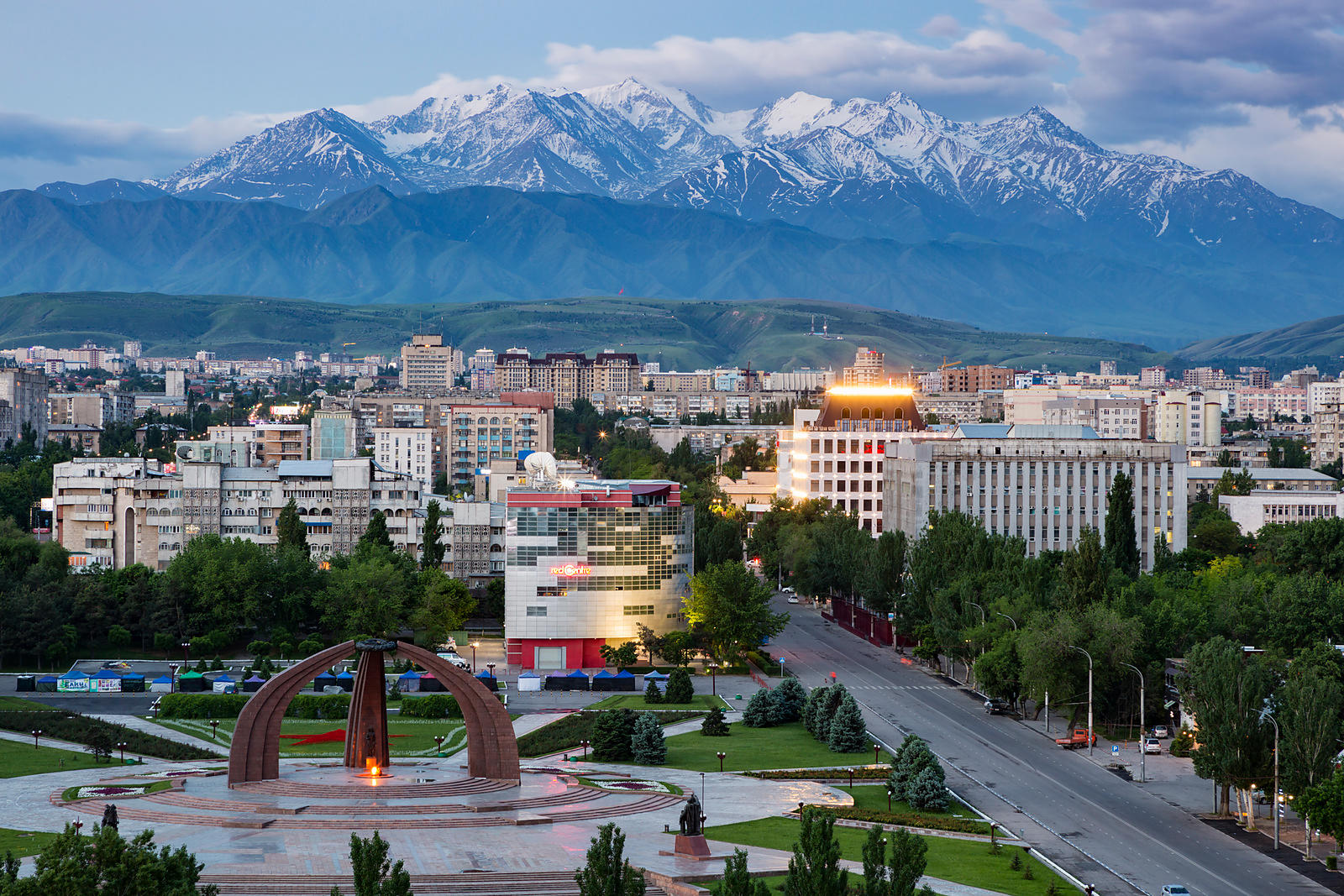
Kyrgyzstan is one of the poorer countries of the region, with an economy resting on agriculture, gold mining, and, above all, the money sent home by the great many Kyrgyz who work abroad, especially in Russia. A single large gold mine high in the mountains provides a major share of exports, and the country's rivers give it significant hydroelectric potential. Poverty and dependence on remittances leave the economy exposed to conditions far beyond its borders.
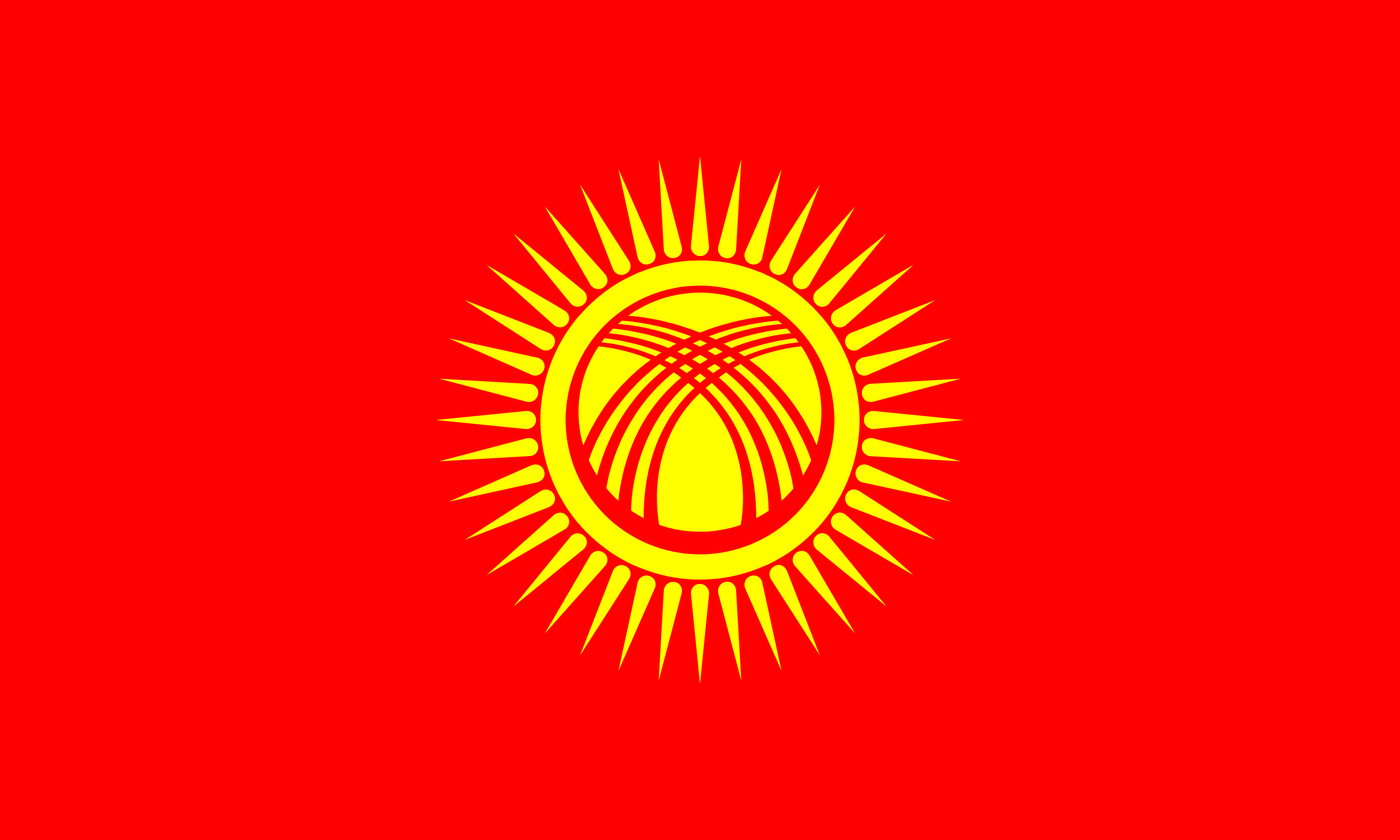
The flag of Kyrgyzstan is a red field bearing a yellow sun with forty rays, and at the centre of the sun a stylised red image of the crown of a yurt, the traditional felt tent, seen from the inside looking up. The forty rays are said to represent the forty tribes united by the legendary hero Manas, and the yurt crown symbolises the home, family, and the unity of the nation, tying the flag closely to the country's nomadic heritage.
The majority of Kyrgyz are Sunni Muslims, a faith that arrived along the Silk Road and over the centuries blended with older nomadic traditions of shamanism and the veneration of nature and ancestors, producing a distinctive and relatively relaxed form of belief. Decades of Soviet rule left a secular society, and religious practice, while reviving, is often interwoven with these pre-Islamic customs. There are also minorities of Russian Orthodox Christians and others among the country's varied population.
Kyrgyz cuisine reflects the nomadic, herding way of life, centred on meat and dairy. The national dish is beshbarmak, meaning five fingers, boiled meat, traditionally mutton or horse, served over flat noodles and eaten by hand. Dairy products, including the fermented mare's milk known as kymyz, are central, especially in summer. Manty dumplings, grilled meats, and hearty breads complete a cuisine shaped by life on the high pastures and a culture of generous hospitality.
Agriculture in Kyrgyzstan is shaped by its mountains, with livestock herding the traditional mainstay: sheep, horses, and cattle are grazed on the high summer pastures in a continuation of the nomadic way of life. In the lower valleys, irrigated farming produces cotton, tobacco, wheat, and an abundance of fruits and vegetables. The country's mountains and rivers also give it considerable potential for hydroelectric power, an important resource for its developing economy.
Kyrgyz culture is proudly rooted in the nomadic life of the mountains, above all in the towering epic of Manas, an oral poem about a hero who united the forty Kyrgyz tribes that is among the longest in the world and recited by revered bards. Horse culture runs deep, from mounted games to the fermented mare's milk drunk in summer, and the felt yurt remains a cherished national symbol, its crown even appearing on the flag. Kyrgyzstan has revived these traditions in the World Nomad Games, a festival of the sports and skills of the steppe.
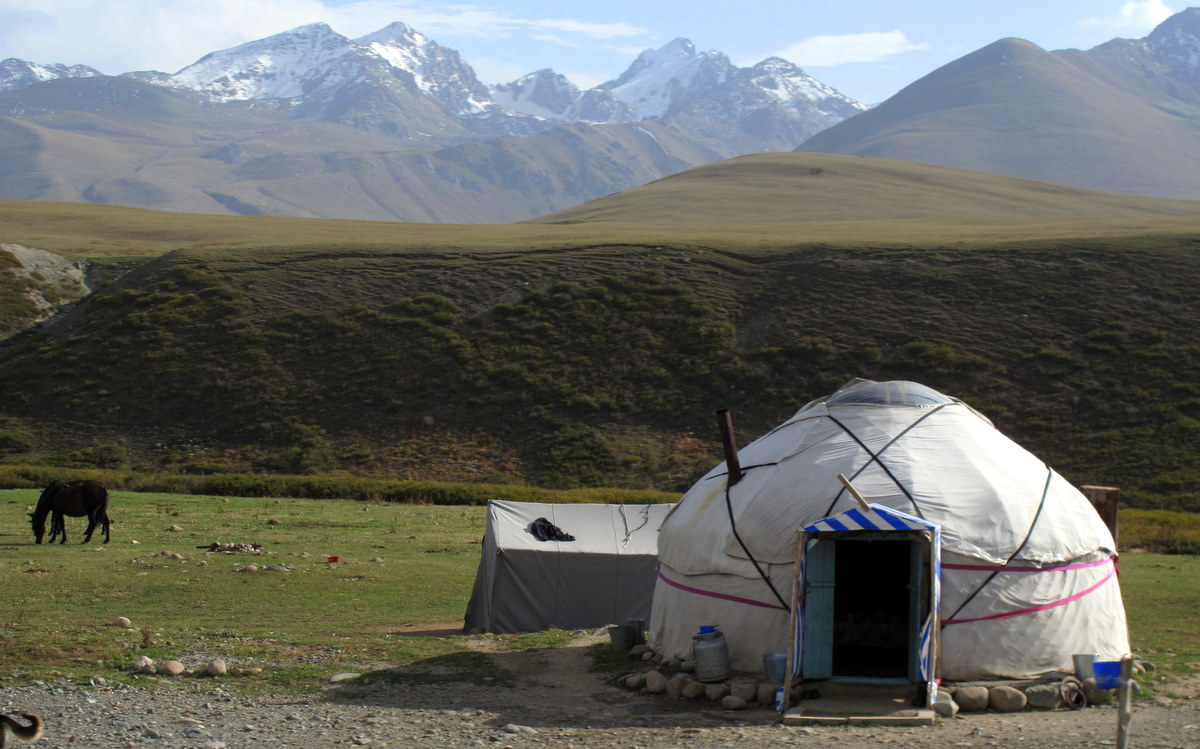
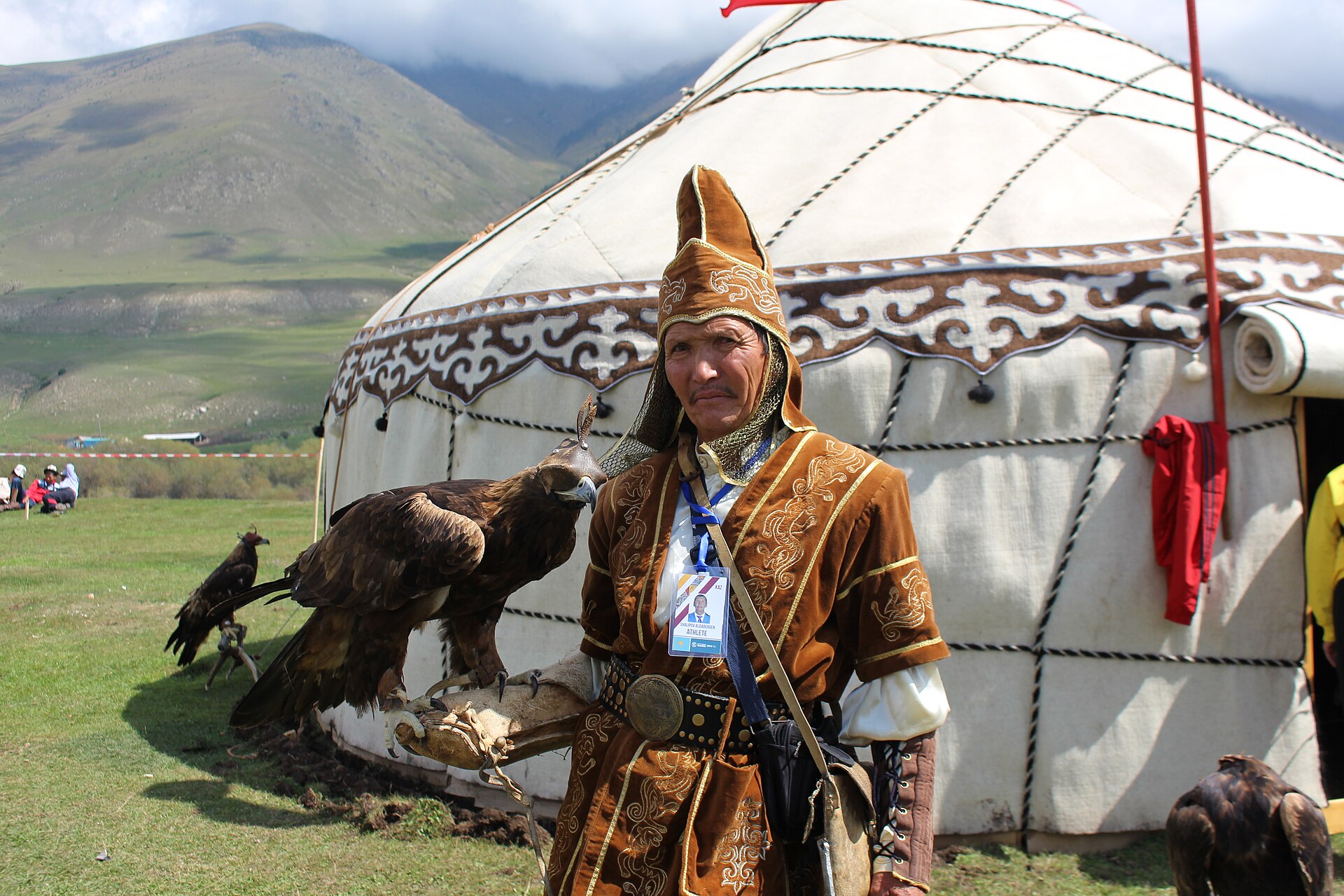
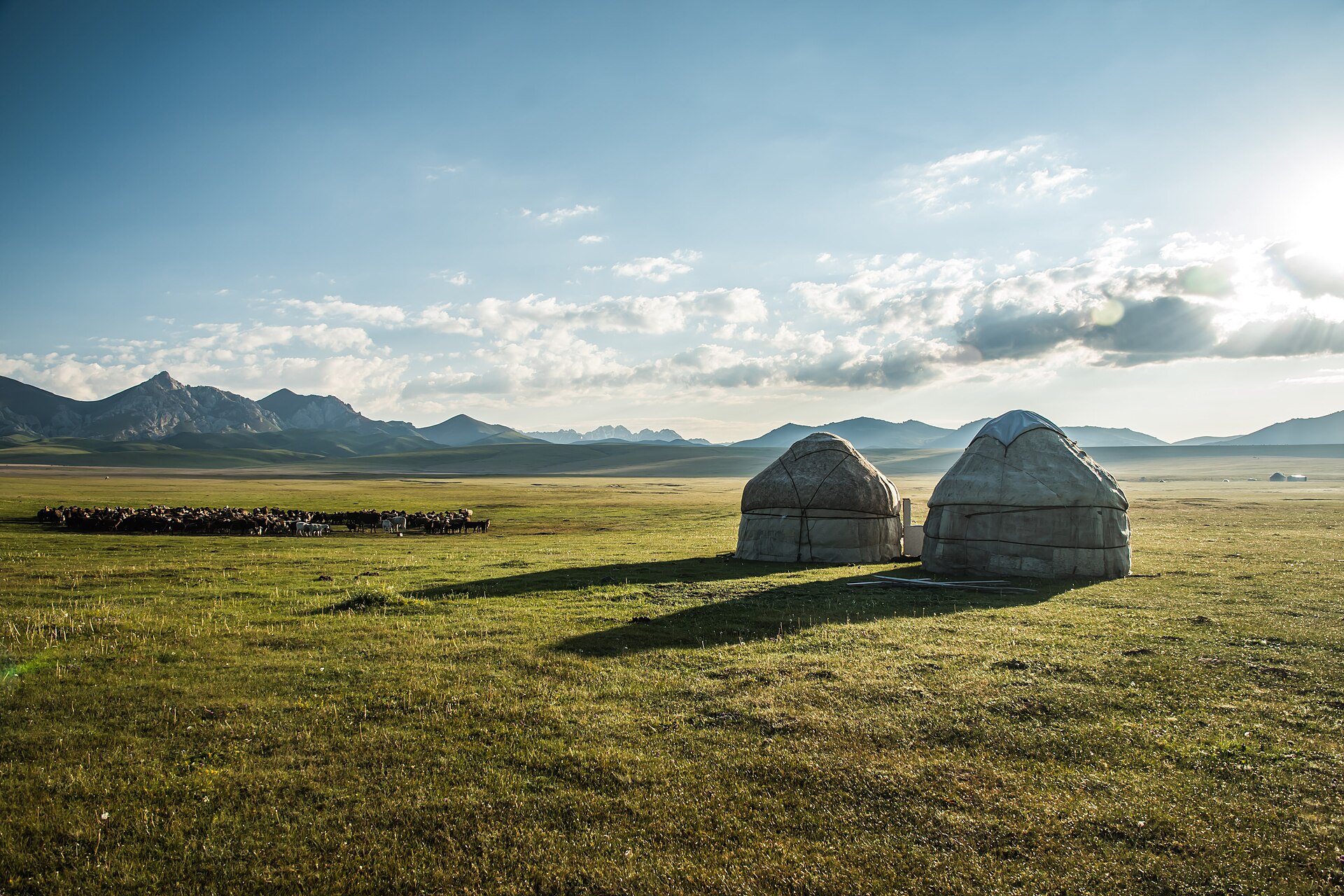
Kyrgyzstan has a population of around 7 million people, the majority ethnic Kyrgyz, a Turkic people with a strong nomadic heritage, alongside significant Uzbek and Russian minorities. The population is concentrated in the valleys, especially the fertile Fergana Valley in the south, which it shares with its neighbours, and around the capital, Bishkek, in the north. Many Kyrgyz work abroad, particularly in Russia, and the remittances they send home are an important part of the economy.