Kuwait is a small country at the northern head of the Persian Gulf, bordered by Iraq and Saudi Arabia. Once a modest port living by trade, pearling, and the sea, it was transformed by the discovery of some of the world's largest oil reserves into a wealthy state. Long notable in the Gulf for its outspoken press and its elected parliament, Kuwait is also remembered for the dramatic events of 1990, when it was invaded and occupied by neighbouring Iraq before being liberated in the Gulf War.
Kuwait's history runs from an ancient trading crossroads on the Gulf, through the founding of a merchant town under the Al Sabah family, to the discovery of oil, independence, and the trauma of invasion and liberation.
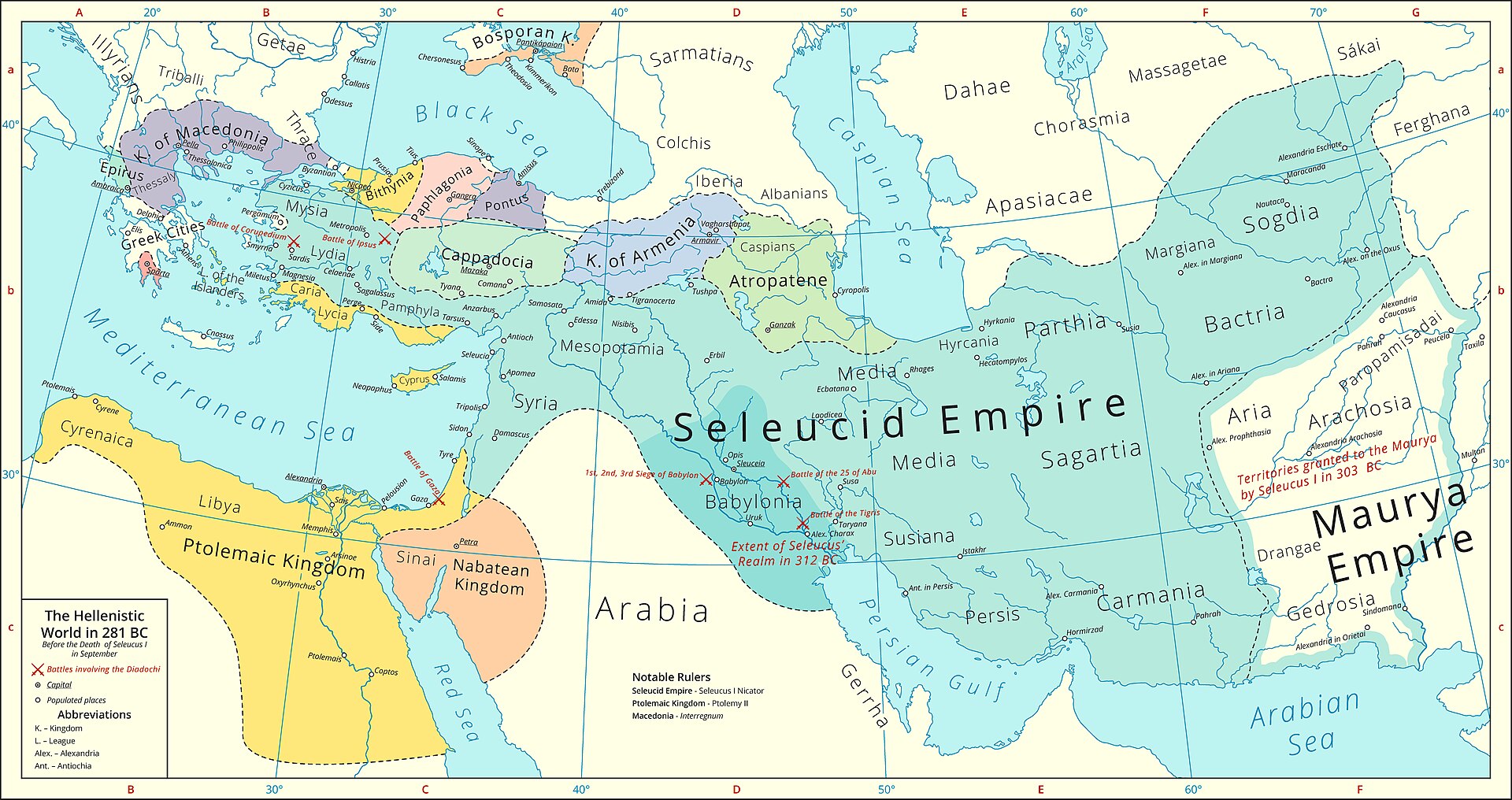
The head of the Gulf has drawn traders and travellers since antiquity, and the Kuwaiti island of Failaka held a temple and settlement of the Greeks who came in the wake of Alexander the Great. For centuries the region lay at the meeting point of the great empires of Mesopotamia, Persia, and Arabia.
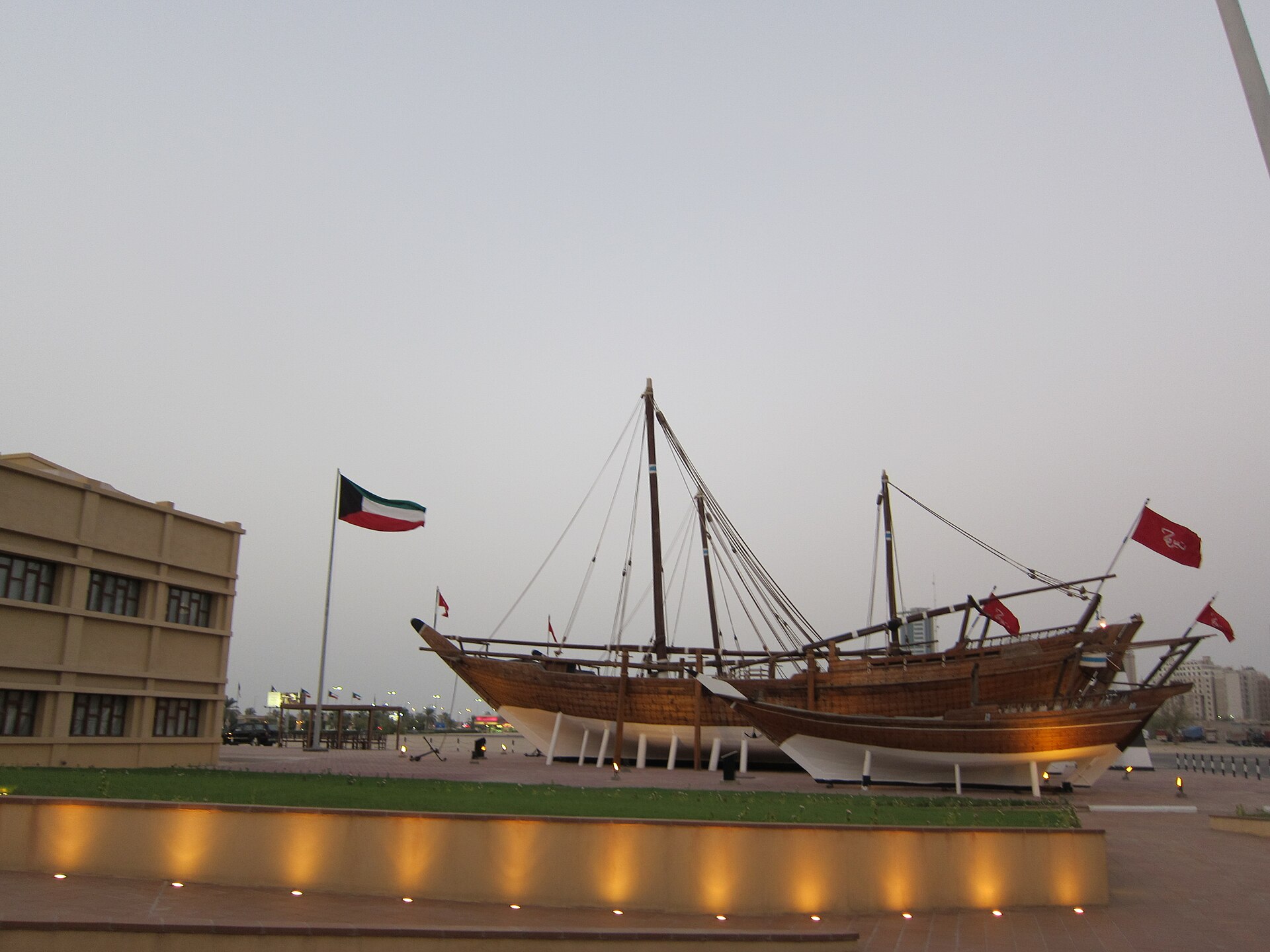
In the eighteenth century settlers known as the Bani Utub established a town by a sheltered bay, choosing the Al Sabah family to lead them, a dynasty that still rules. The port thrived on trade, fishing, and above all pearl diving, its dhows linking the Gulf to India, East Africa, and beyond.
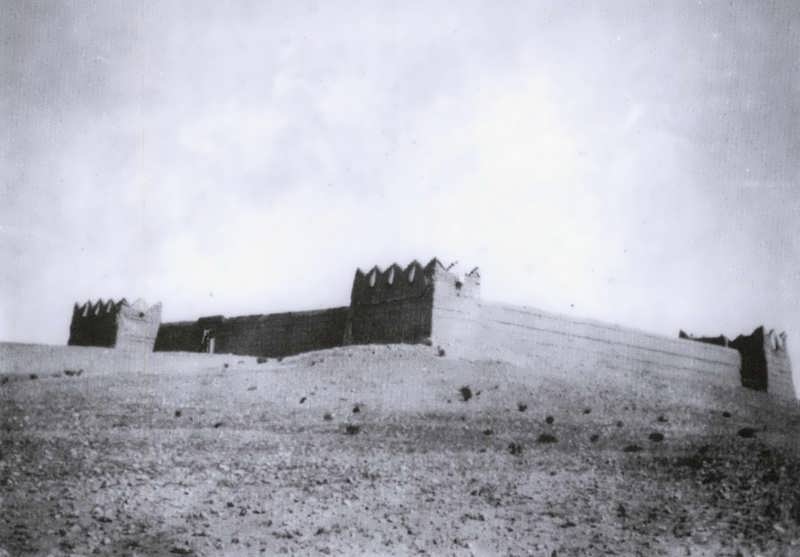
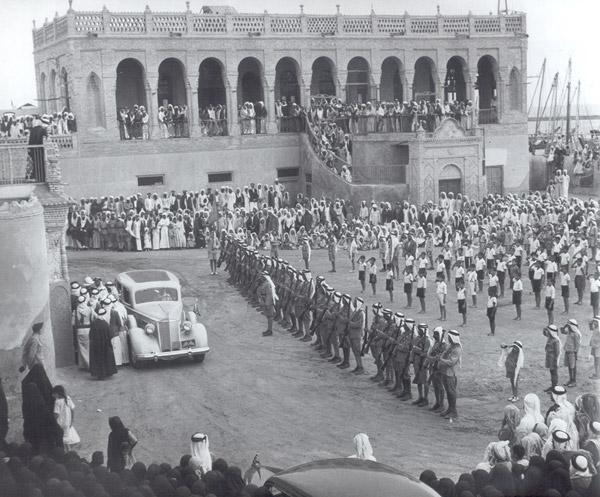
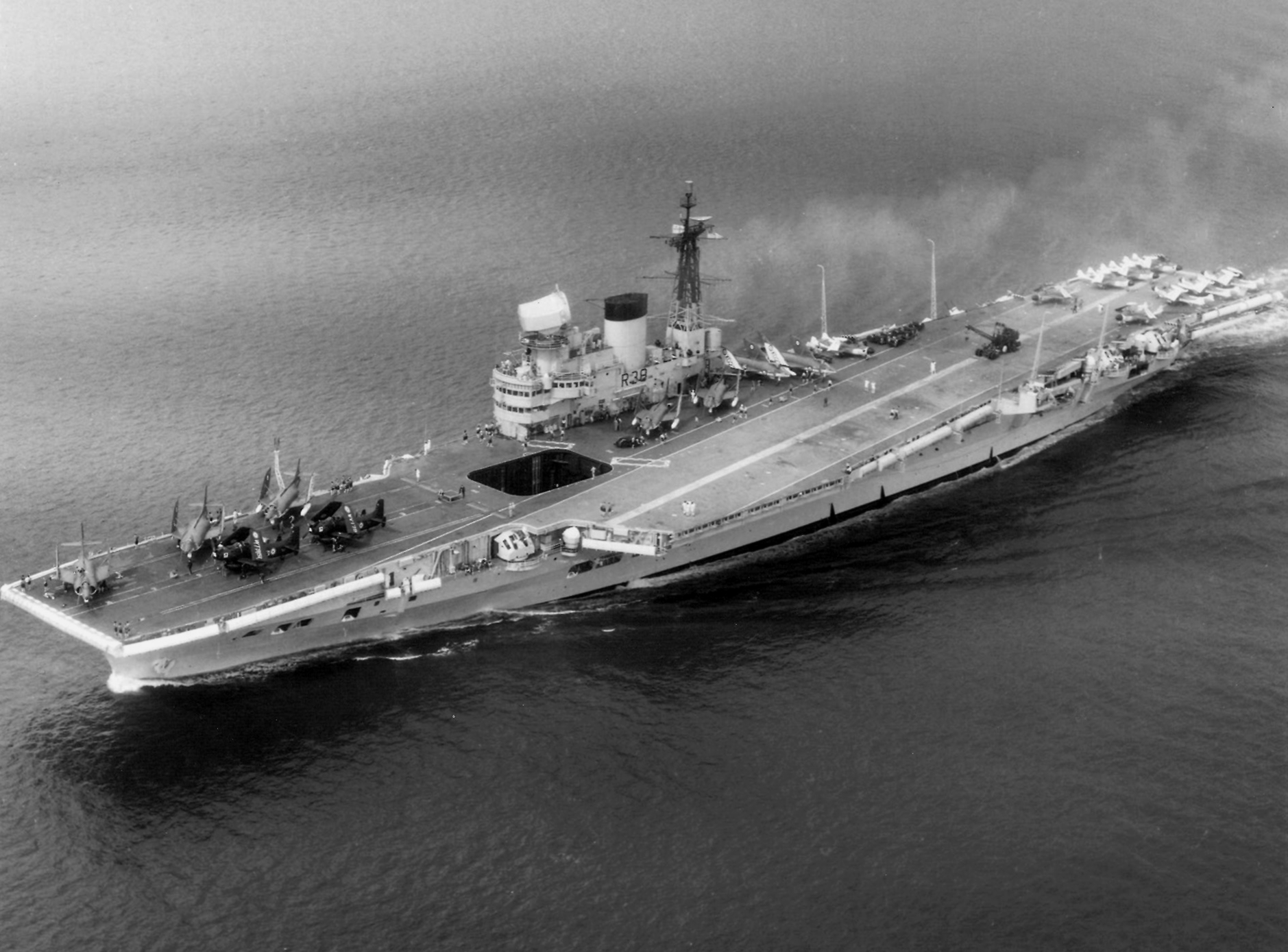
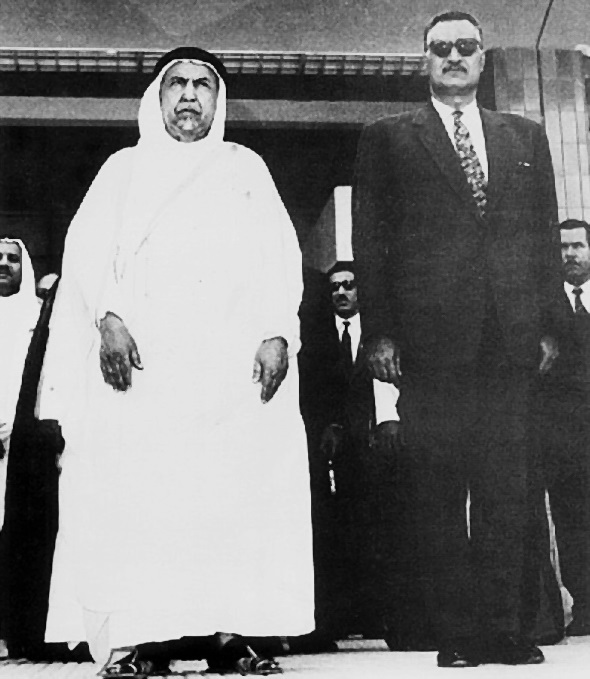
Kuwait placed itself under British protection in 1899 to guard against outside threats, and the discovery of vast oil reserves in the 1930s transformed its fortunes. It became fully independent in 1961, and when Iraq immediately threatened the new state, British and later Arab League forces deployed to deter an invasion.
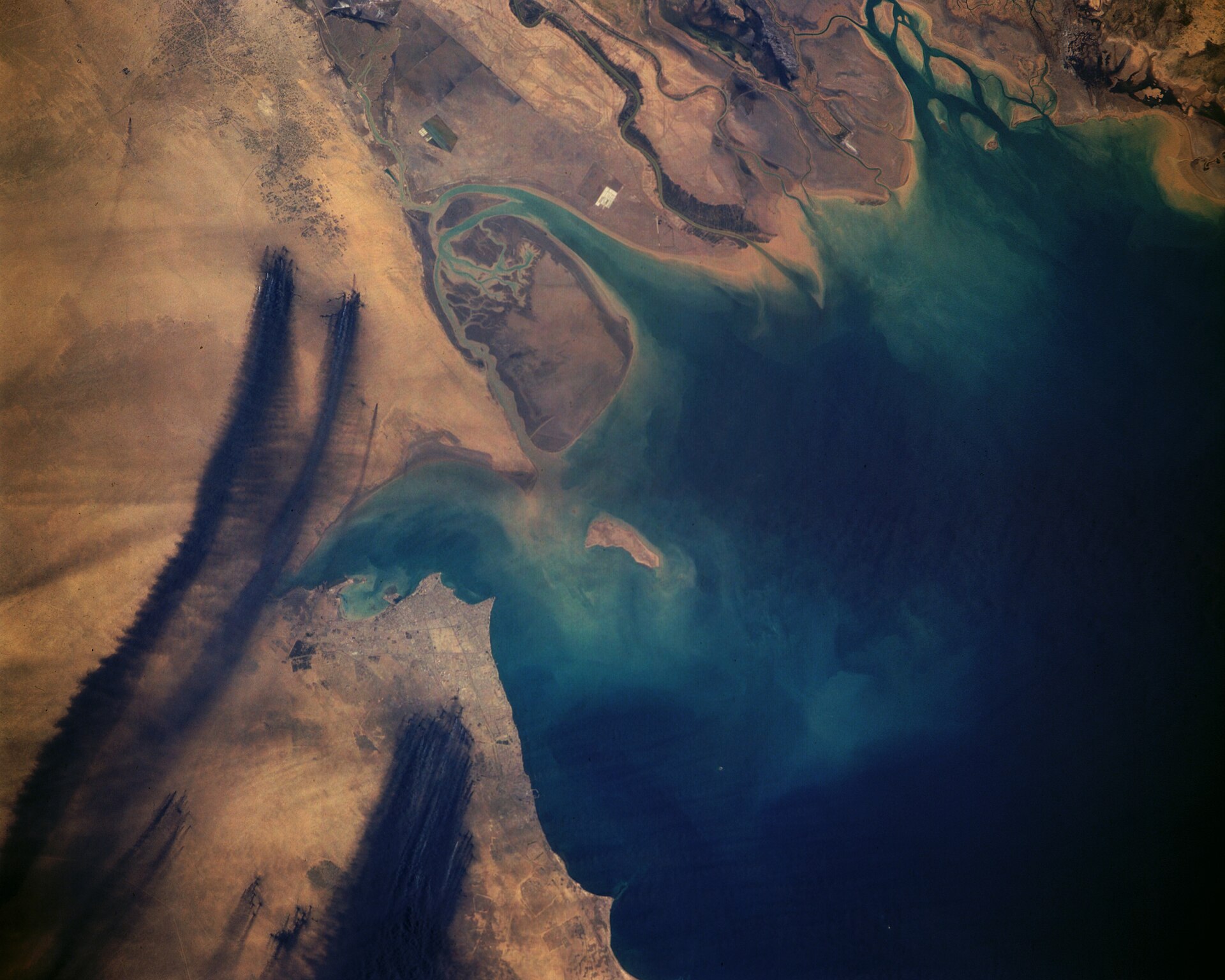
Kuwait is a small, flat, and almost entirely desert country at the top of the Persian Gulf, with a hot, dry climate and little fresh water or vegetation. Its most important geographic feature is its fine natural harbour, Kuwait Bay, which gave the trading city its reason for being. A handful of islands lie off the coast, and the flat desert interior, dotted with oil fields, stretches to the borders. Summers are searingly hot, and the country relies on desalinated seawater for much of its supply.
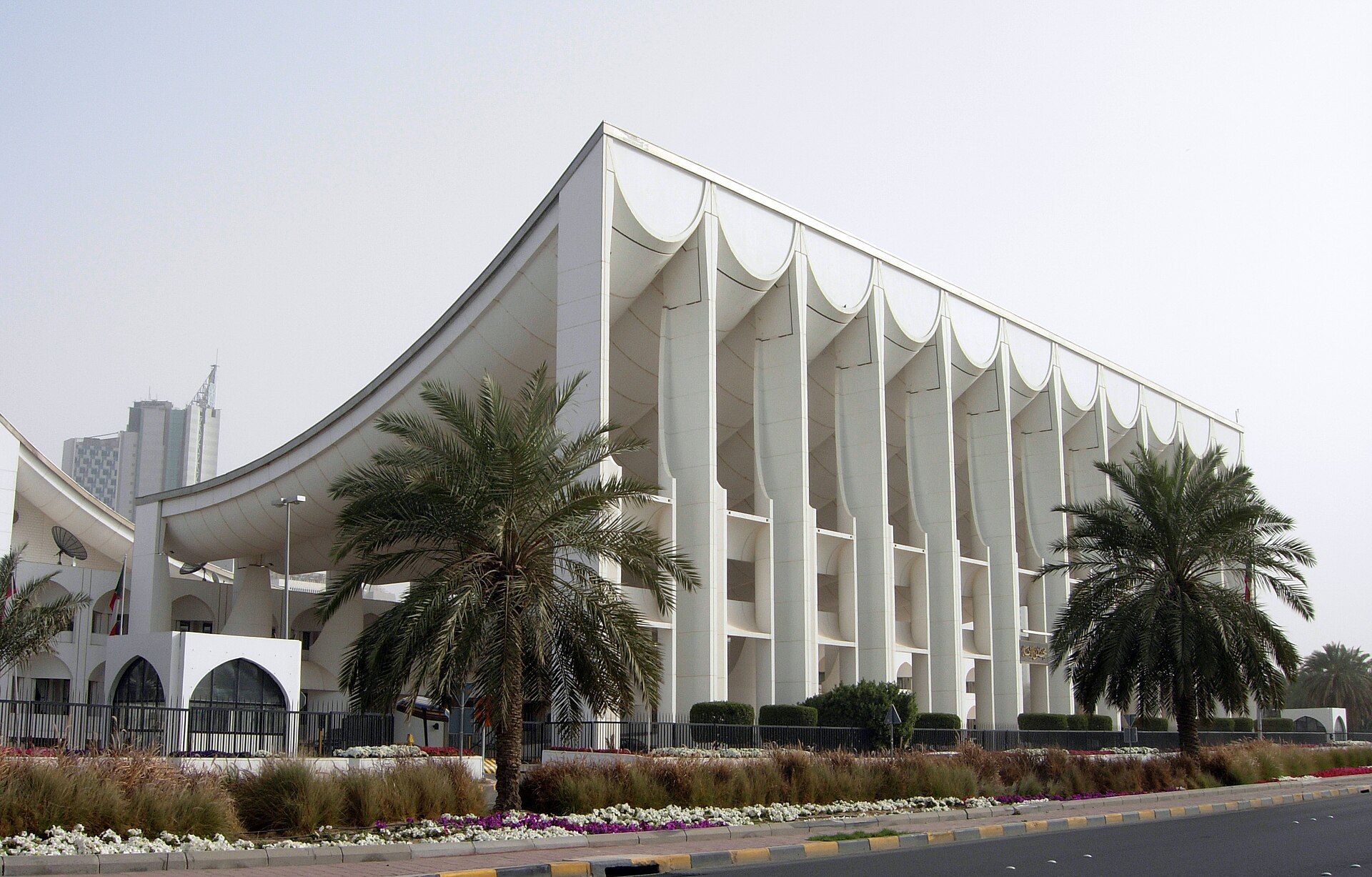
Kuwait is governed by the Al Sabah family, with the Emir as head of state, but it has long stood out in the Gulf for its tradition of political life, including an elected National Assembly with real powers and a famously outspoken press. That system has often produced friction between the ruling family and elected members, leading to repeated dissolutions of parliament. In May 2024 the Emir, Sheikh Mishal Al-Ahmad Al-Jaber Al-Sabah, who had come to power in late 2023, dissolved the National Assembly and suspended parts of the constitution for up to four years, a striking pause in the country's distinctive experiment with elected government.
Kuwait's wealth rests overwhelmingly on oil, of which it holds some of the largest reserves in the world, giving its citizens one of the highest incomes in the region and funding a vast sovereign wealth fund invested around the globe. The state provides generous benefits and employs most working Kuwaitis, while the private economy leans heavily on foreign labour. The central long-term challenge, as elsewhere in the Gulf, is to diversify beyond a near-total dependence on crude oil.
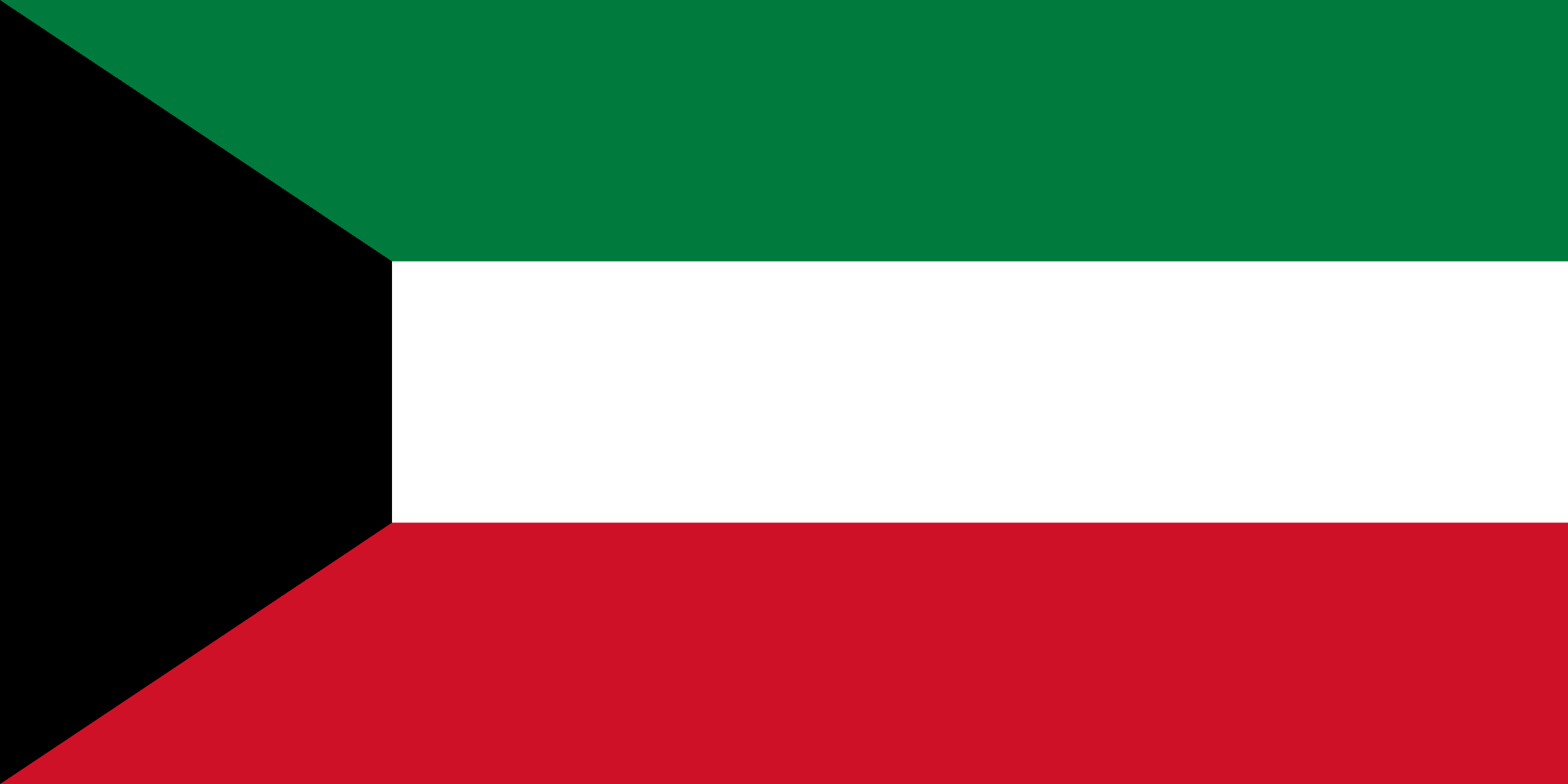
The flag of Kuwait has three horizontal bands of green, white, and red, with a black trapezoid extending from the hoist. These are the pan-Arab colours, and a traditional verse is often used to explain them: the green for the country's fertile efforts, the white for its deeds, the red for the blood on its swords, and the black for the fields of battle. The flag was adopted at independence in 1961, replacing the plain red banner used before.
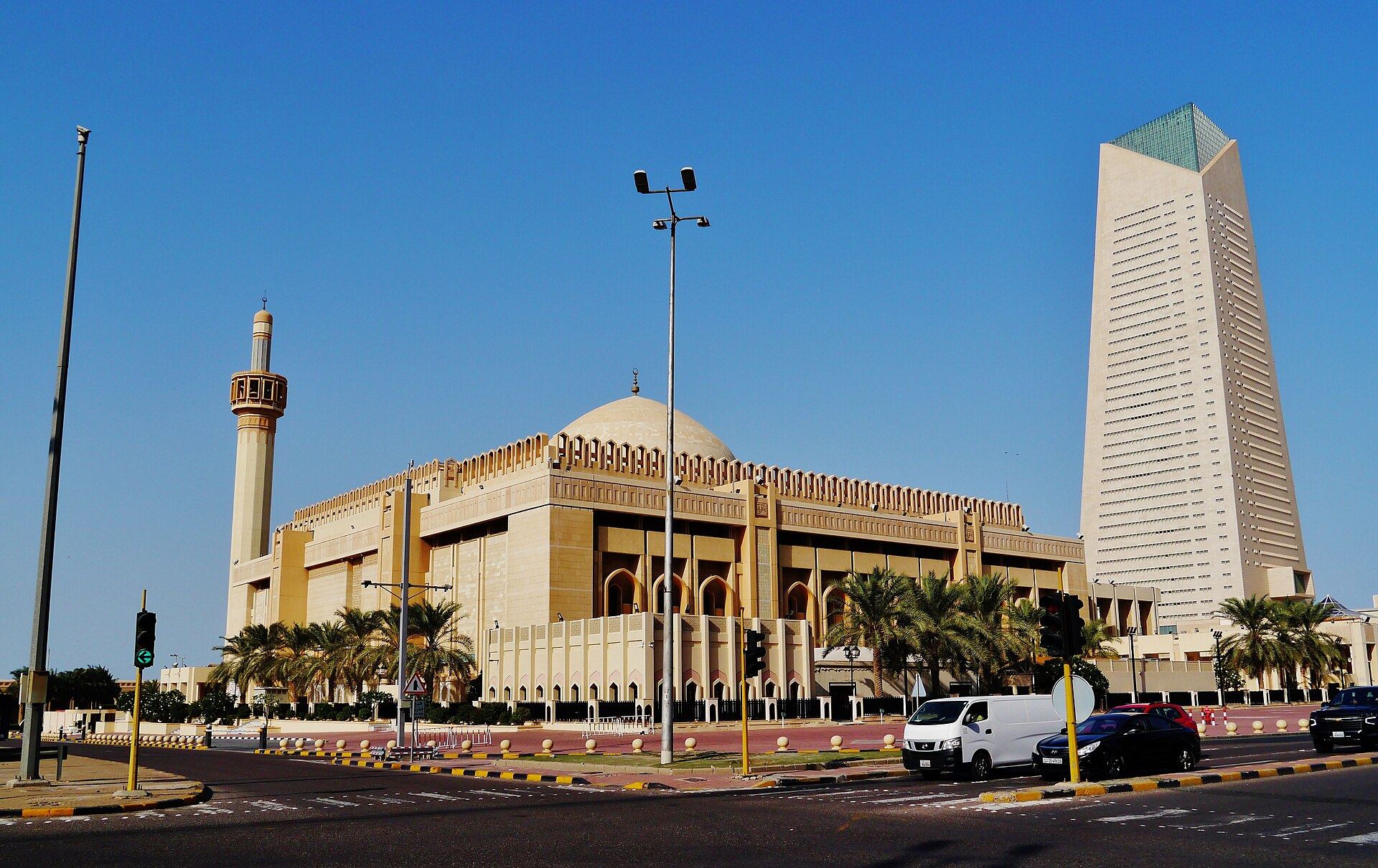
Kuwait is a Muslim country, and Islam is the state religion, followed by the great majority of its citizens, who are divided between a Sunni majority and a significant Shia minority. Religious tradition shapes law and public life. As a long-standing trading hub with a very large foreign population, Kuwait is also home to people of other faiths, including Christians and Hindus among its migrant communities, and the country permits some non-Muslim worship within limits.
Kuwaiti cuisine is rooted in the traditions of the Gulf and shaped by centuries of seafaring trade. The national dish is machboos, spiced rice served with meat or with the fresh fish and seafood that the Gulf provides, reflecting the country's maritime heritage. Dates, flatbread, and grilled and stewed meats are staples, and the flavours carry the imprint of Persian, Indian, and wider Arab influences. Cardamom-scented coffee and dates are central to the strong culture of hospitality.
Agriculture is minimal in Kuwait, where the desert climate and scarcity of fresh water leave almost no land suitable for farming, and the country imports nearly all of its food. Some vegetables and dates are produced with irrigation and modern techniques, and there has been investment in greenhouse and hydroponic farming to improve self-sufficiency. Historically the sea, through fishing and the great pearl-diving industry, sustained Kuwait far more than the land ever could.
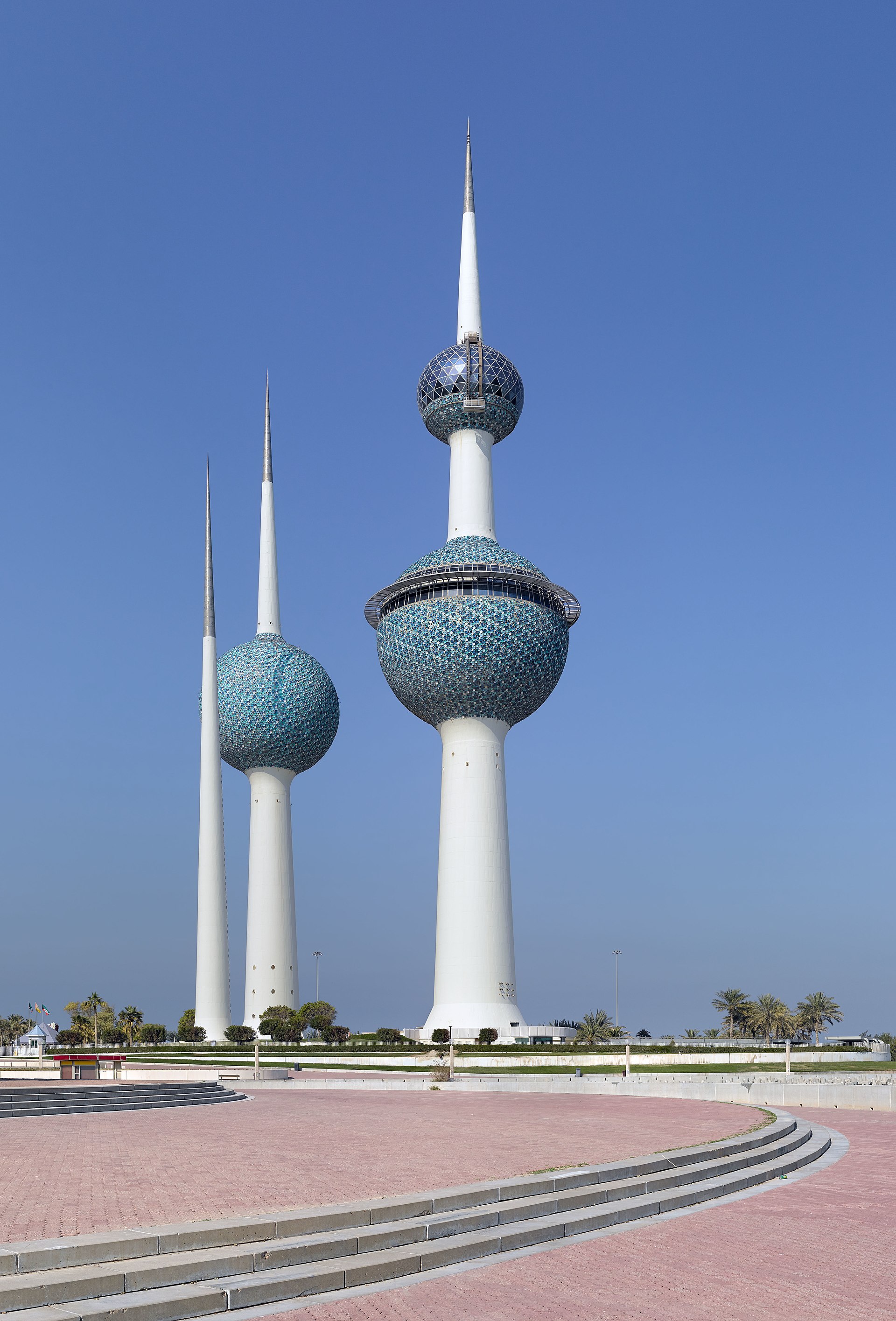
Kuwait has long been seen as one of the more open and culturally lively societies in the Gulf, with a strong tradition of the diwaniya, the regular social gathering where men meet to talk, debate, and do business, a cornerstone of Kuwaiti public life. The country prizes its theatre, its press, and its poetry, and a young, well-educated population mixes deep-rooted Arab and Islamic tradition with a taste for modern consumer life. The historic Kuwait Towers, rising over the bay, are the best-known symbol of the modern nation.
Two very different strains run through Kuwait's recent history. In August 1990 the country was invaded and annexed by Iraq under Saddam Hussein, occupied for seven months, and then liberated by a United States-led coalition in the Gulf War of 1991, during which retreating Iraqi forces set hundreds of oil wells ablaze in an environmental catastrophe. At home, the central debate is over the country's political future: the long tension between the ruling family and the elected parliament culminated in the 2024 suspension of the National Assembly, leaving open questions about how, and whether, Kuwait's distinctive democratic tradition will be restored.
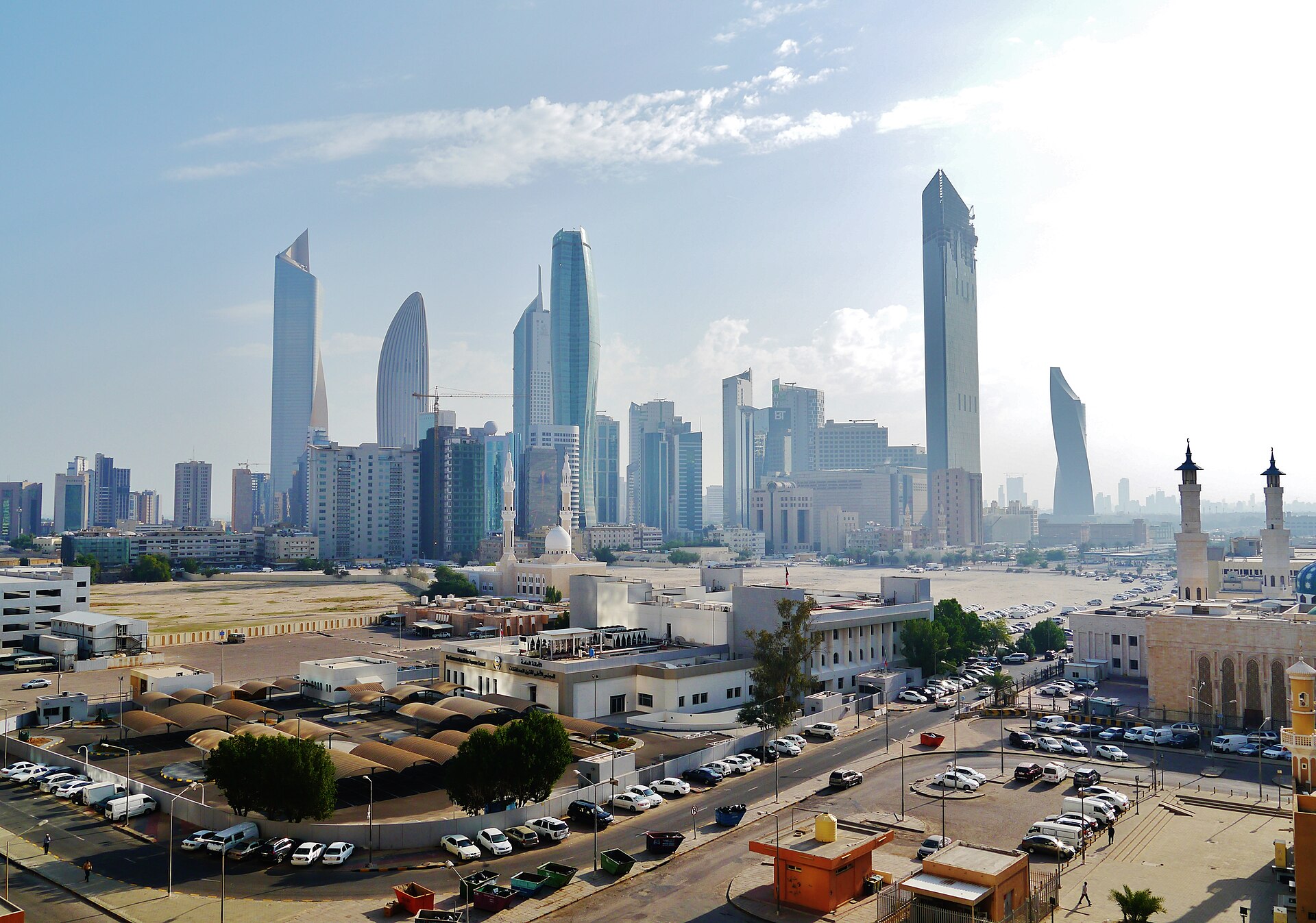
Kuwait has a population of around 4.3 million people, but, as elsewhere in the Gulf, a large majority are foreign workers, drawn from South Asia, Egypt, and other countries, who outnumber Kuwaiti citizens. The citizen population is Arab and Muslim. Almost everyone lives in the urban area around the capital, Kuwait City, on the shore of the bay that gave the country its start.