Keynesian economics is the body of theory, originating with John Maynard Keynes in the 1930s, holding that total spending in an economy drives output and employment in the short run, and that governments can and should act to stabilise demand when private spending collapses. It reshaped the role of the state in economic life and remains the framework most governments reach for in a crisis, while continuing to attract serious objection.
Before Keynes, the dominant view held that markets tend toward full employment on their own, since wages and prices adjust until everyone willing to work at the going rate is employed. The Great Depression made that difficult to sustain. Unemployment in several industrial economies stayed above twenty per cent for years, and the prescribed remedy, waiting for wages to fall far enough, was neither working nor politically survivable.
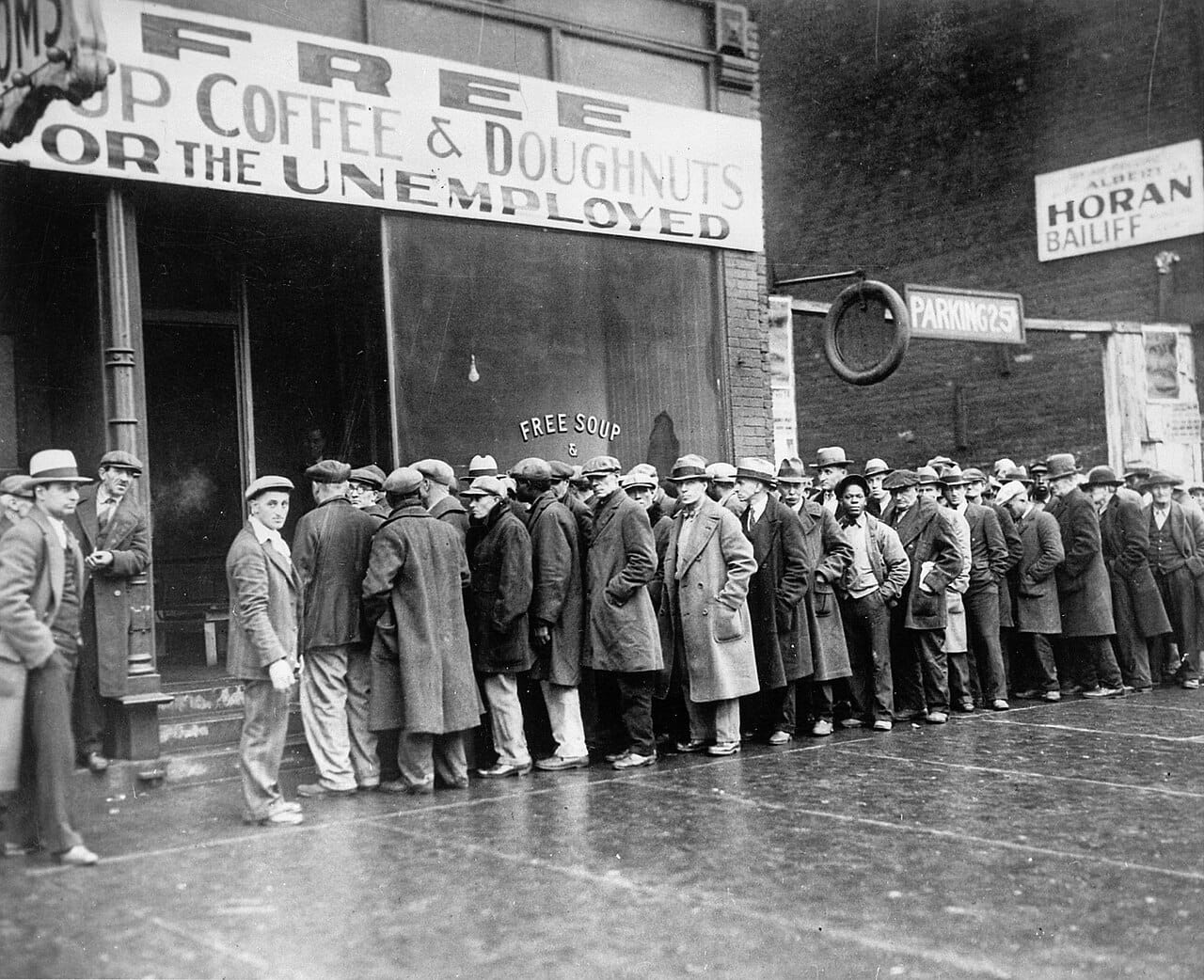
Keynes argued in The General Theory of Employment, Interest and Money, published in 1936, that an economy can settle at an equilibrium with high unemployment and stay there. If households fear for their jobs they save rather than spend; reduced spending reduces business revenue; businesses cut staff; and the fear becomes self-confirming. Wages do not fall smoothly enough to break the cycle, and falling wages would in any case reduce the spending power needed to buy the output.
The remedy is for the government to spend when the private sector will not, financed by borrowing, accepting a deficit in a downturn and repaying in the subsequent expansion. Because the recipients of that spending themselves spend, the effect is multiplied beyond the initial outlay.
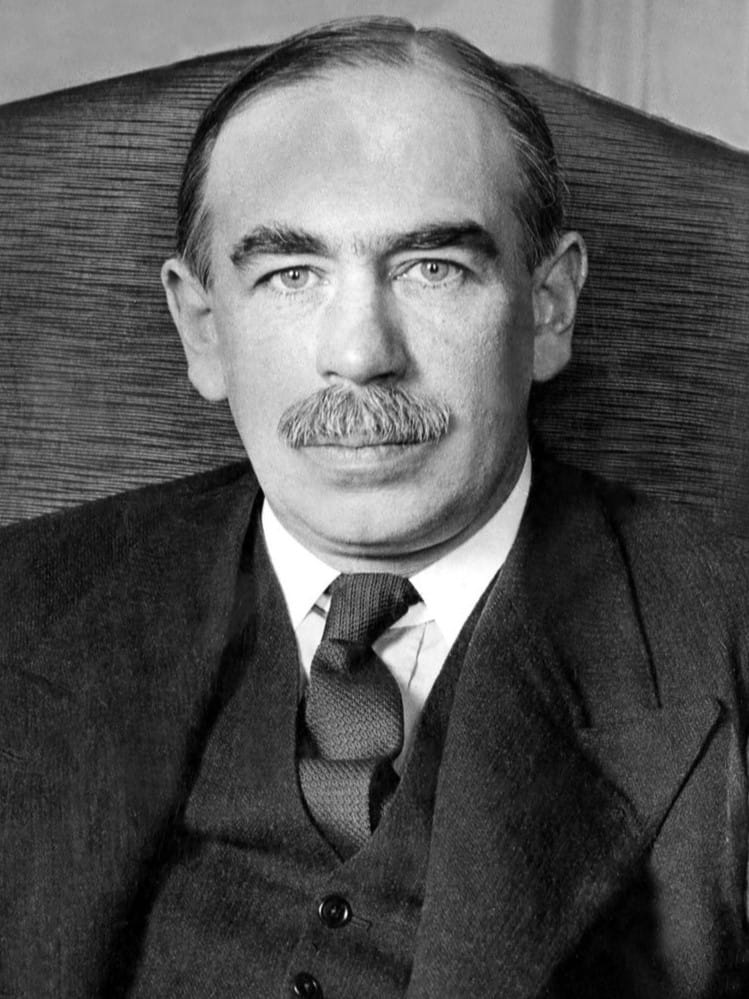
Keynesian thinking shaped the postwar order. Keynes led the British delegation at the Bretton Woods conference of 1944, which established the International Monetary Fund and the World Bank. Demand management was standard practice across Western economies from the 1940s to the 1970s, a period of unusually low unemployment and strong growth. The approach returned forcefully after the 2008 financial crisis and again during the pandemic, when governments across the political spectrum ran very large deficits to support demand.

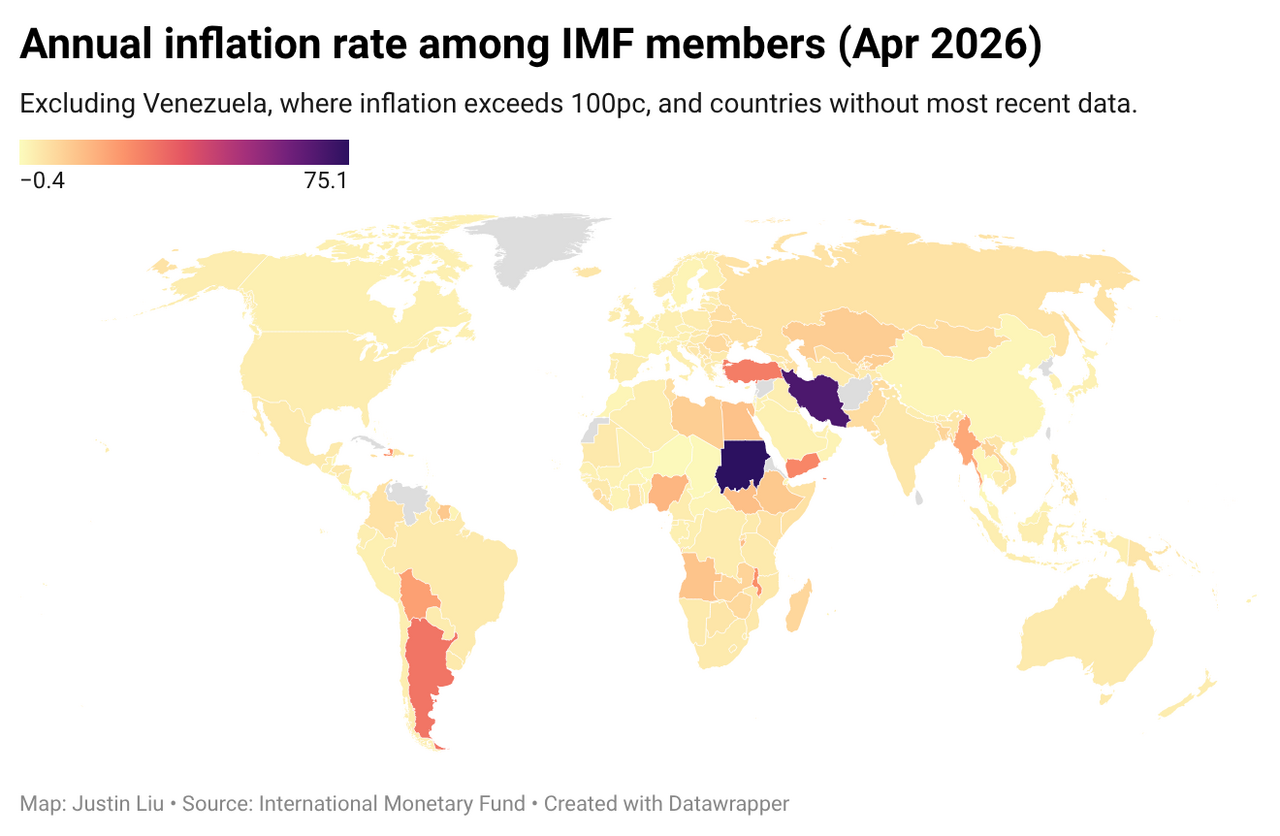
The framework was badly damaged in the 1970s by stagflation, the simultaneous appearance of high inflation and high unemployment, which the simpler Keynesian models of the day said should not happen together. Monetarists, led by Milton Friedman, argued that managing the money supply mattered more than fiscal policy and that stimulus mostly produces inflation. The rational expectations school argued that if people anticipate a stimulus and its later cost, they adjust their behaviour and blunt it.
Public choice critics observe that the prescription is politically asymmetric: governments find deficits in a downturn congenial and repayment in the boom much less so, so debt accumulates over cycles. Austrian economists object that stimulus preserves misallocated investment that a recession would otherwise clear.
Modern New Keynesian economics incorporates much of this criticism, retaining the core claim that prices and wages adjust slowly enough for demand to matter while adopting the microeconomic foundations the critics demanded. The result is the standard framework in most central banks, which is itself contested from both directions.