Kazakhstan is a vast country in Central Asia, the largest landlocked nation in the world and the ninth largest by area overall, stretching across the great Eurasian steppe from the Caspian Sea toward the mountains of China. A land of open grasslands, deserts, and peaks, it was for millennia the realm of nomadic horse peoples. Rich in oil, gas, and minerals, it is today the dominant economy of Central Asia.
Kazakhstan's history is the history of the steppe: thousands of years of nomadic horse peoples, the rise of a Kazakh khanate, absorption into the Russian Empire, and a transforming century under Soviet rule before independence in 1991.
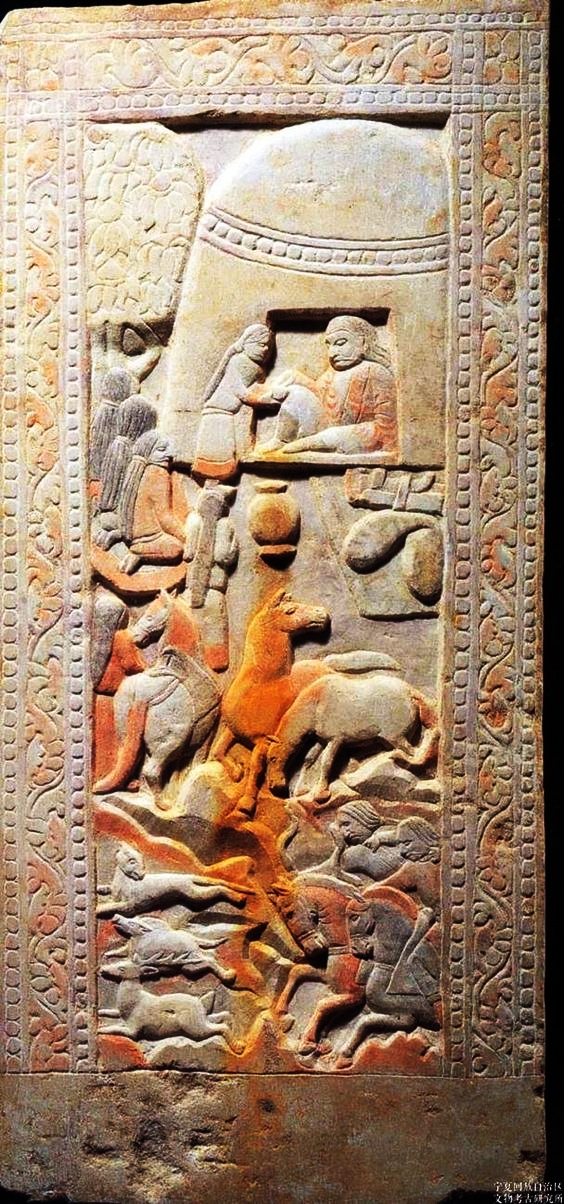
For thousands of years the grasslands were the realm of nomadic horse cultures, from the ancient Scythians to the Turkic peoples who spread across Eurasia and gave the region its languages. Mastery of the horse, first tamed on these very steppes, made these peoples some of the most mobile and formidable of the ancient world.
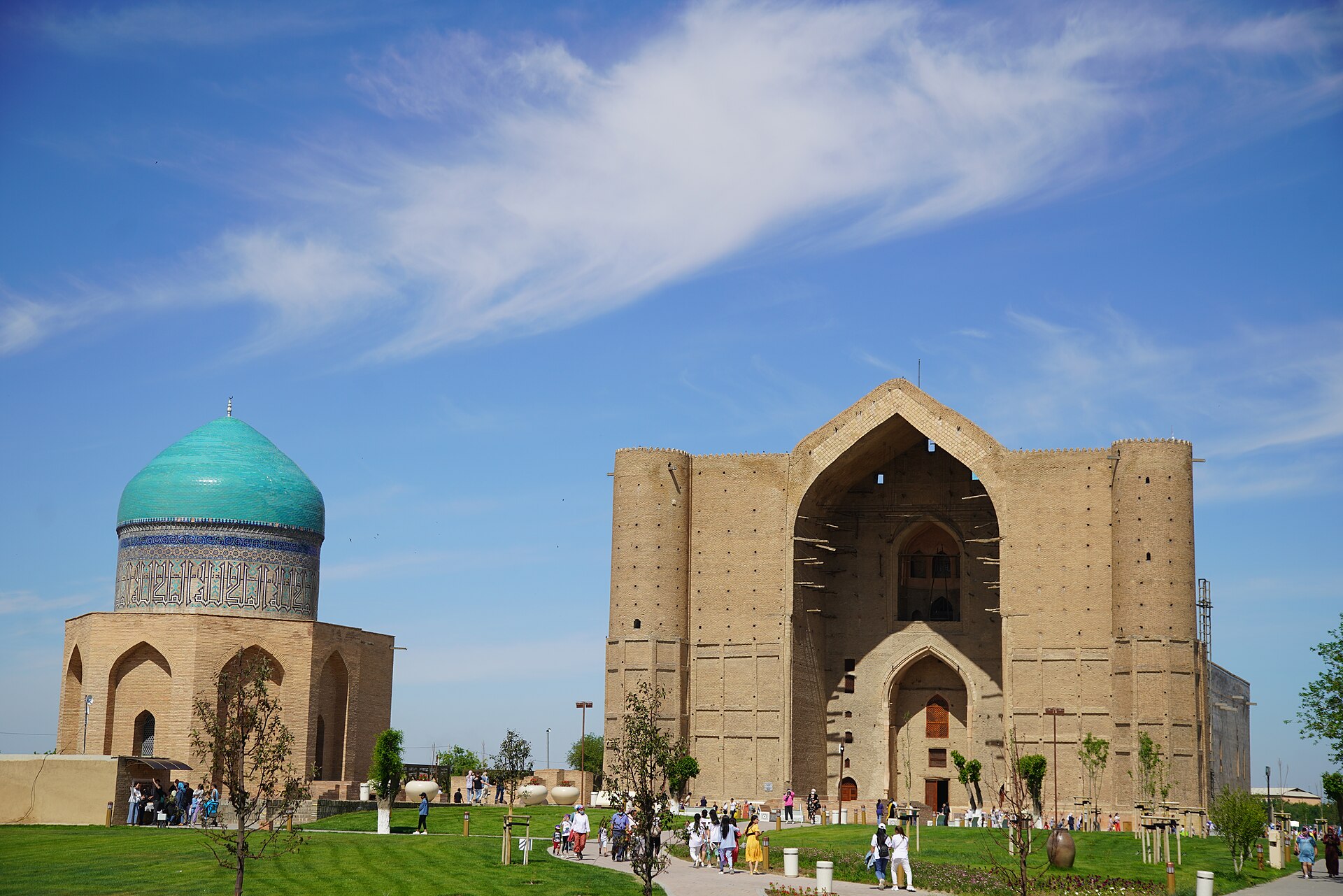
In the fifteenth century the Kazakhs emerged as a distinct people and formed their own khanate, a confederation of nomadic clans grouped into three great hordes, or zhuz. Their spiritual heart was the city of Turkestan, site of a great shrine that became the most sacred place on the steppe.
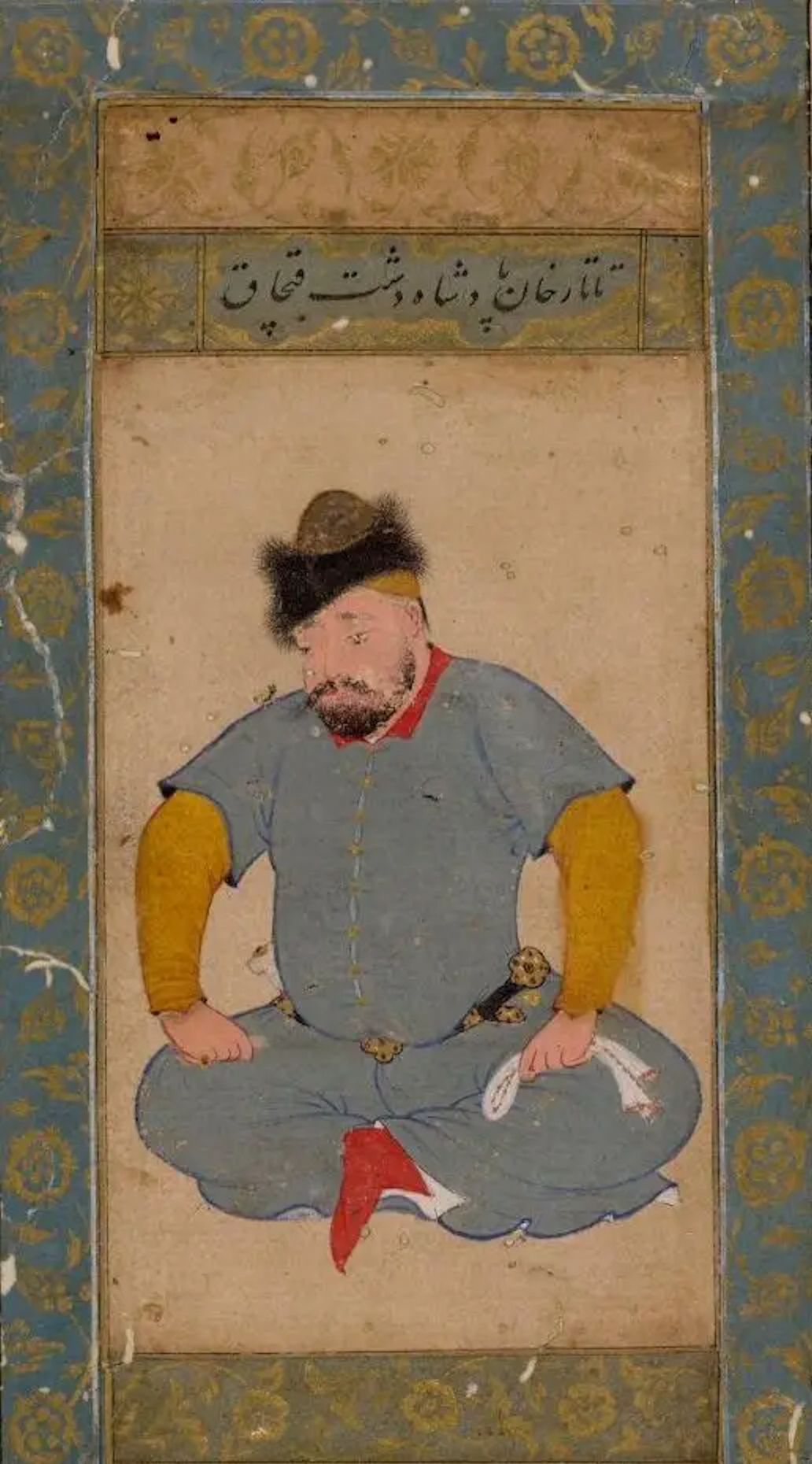
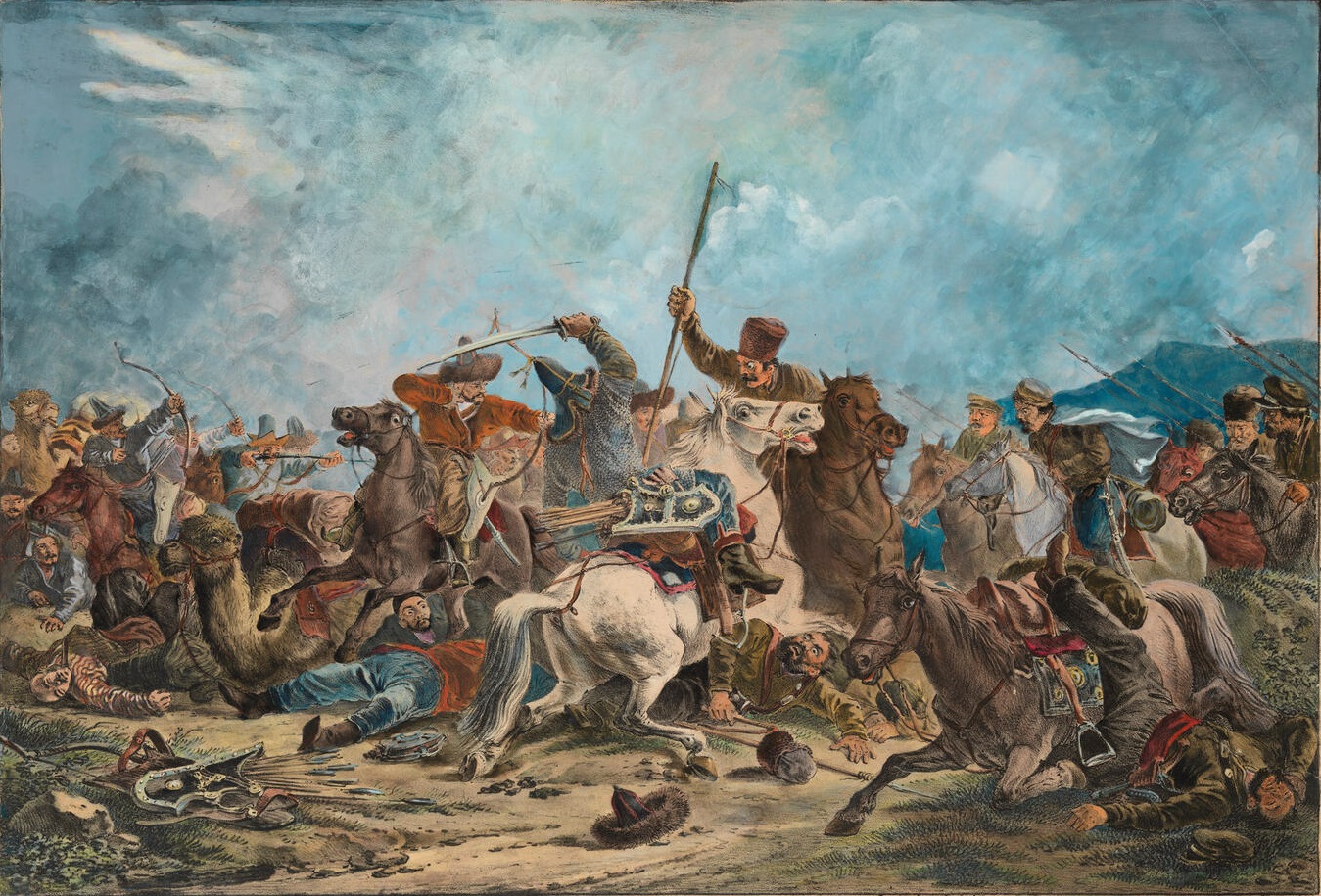
From the eighteenth century the Russian Empire gradually absorbed the Kazakh lands, building forts and settling farmers on the northern steppe, and the resistance of the nomads was slowly worn down. The nineteenth century brought a meeting of cultures as an educated Kazakh elite emerged within the Russian world.
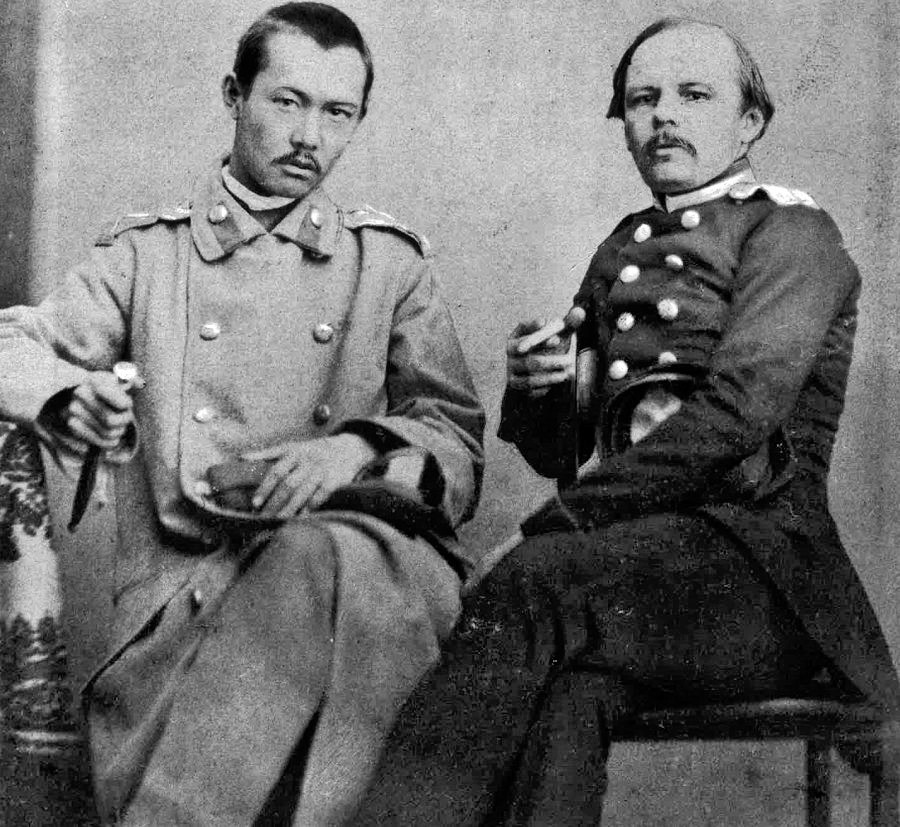
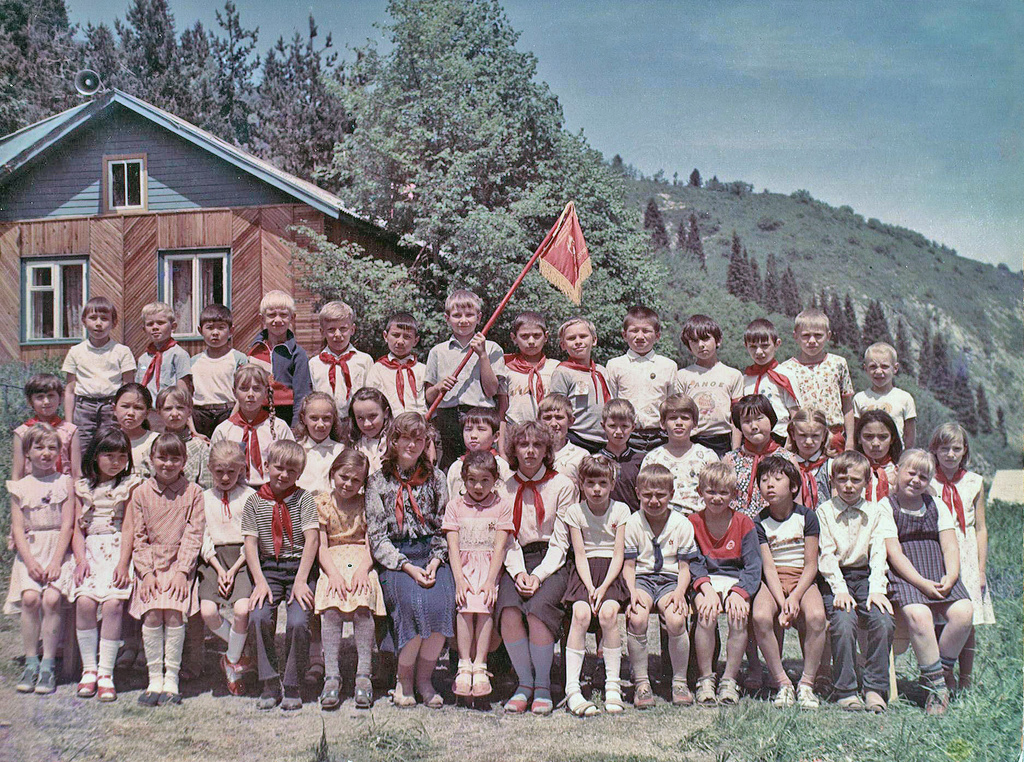
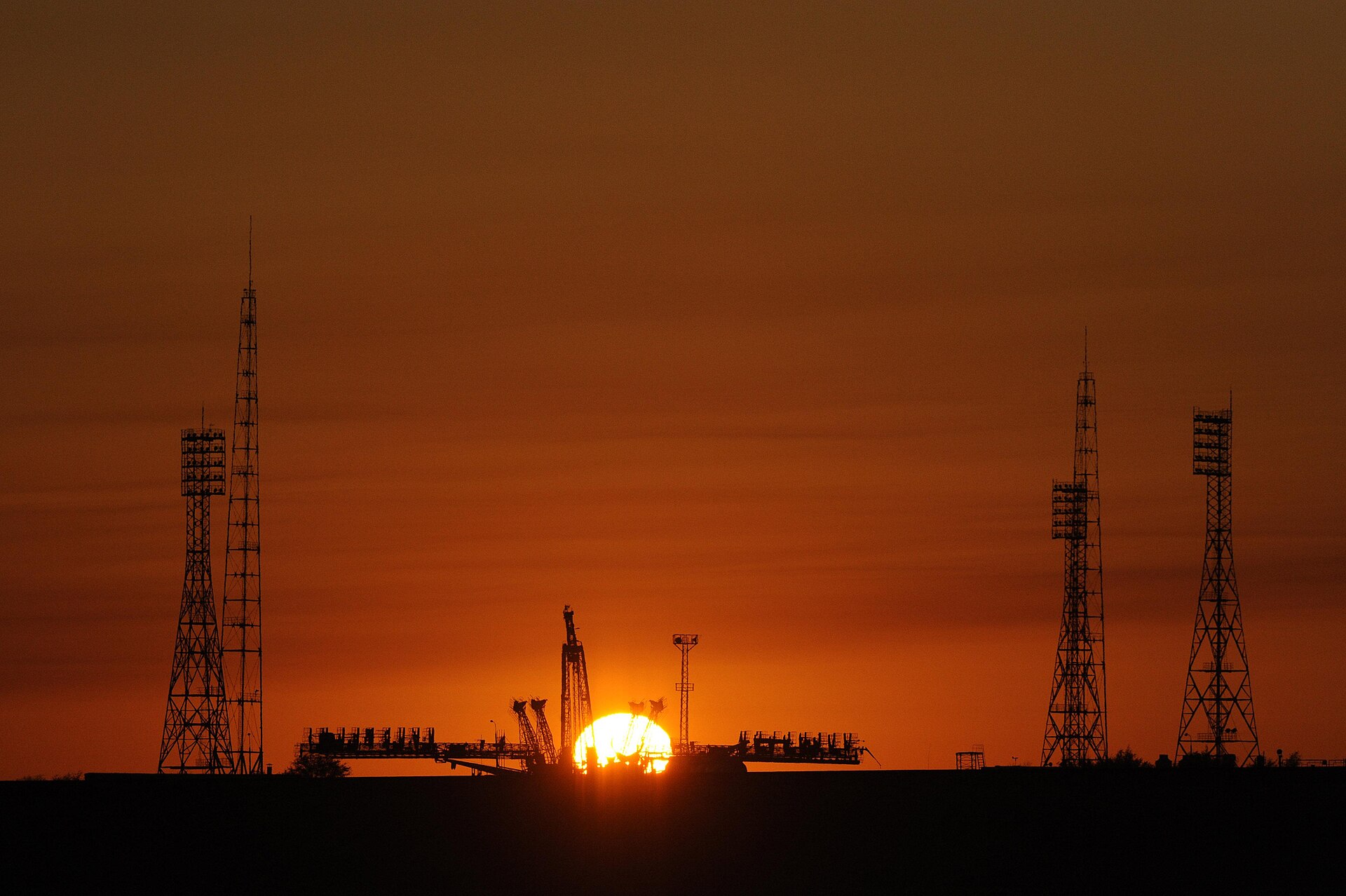
As a Soviet republic, Kazakhstan was utterly transformed in the twentieth century. It saw the forced settling of nomads and a terrible famine, the ploughing of the northern steppe in the Virgin Lands campaign, mass migration from across the Soviet Union, and the darker legacies of nuclear weapons testing and a space programme, before independence came in 1991.
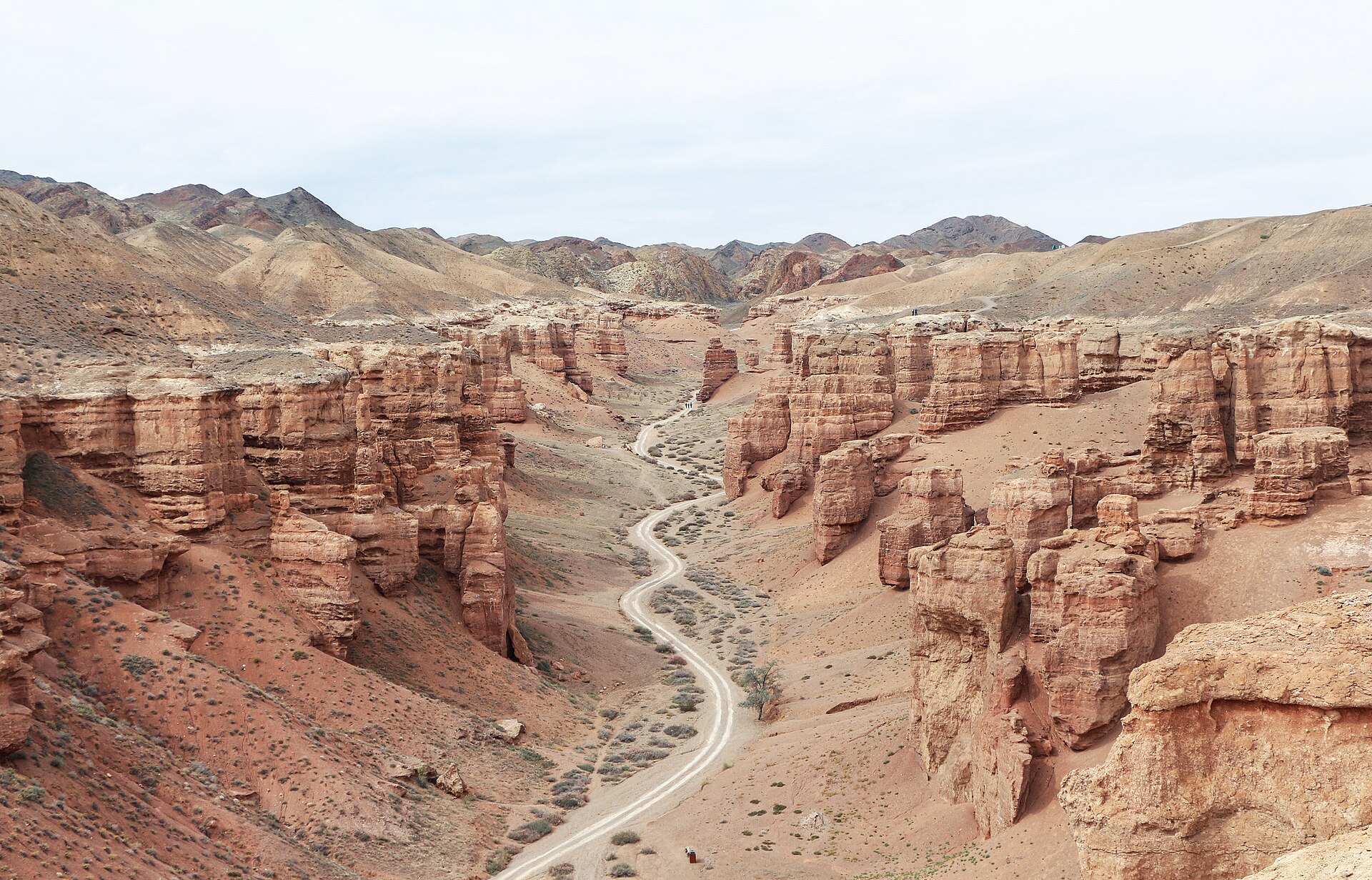
Kazakhstan is dominated by the steppe, a seemingly endless expanse of grassland and semi-desert that covers much of the country, giving way to true desert in the south and high mountains in the southeast along the borders with China and Kyrgyzstan. Far from any ocean, it has a harsh continental climate of bitterly cold winters and hot summers. The shrinking of the Aral Sea, drained by Soviet irrigation, stands as one of the world's worst environmental disasters.
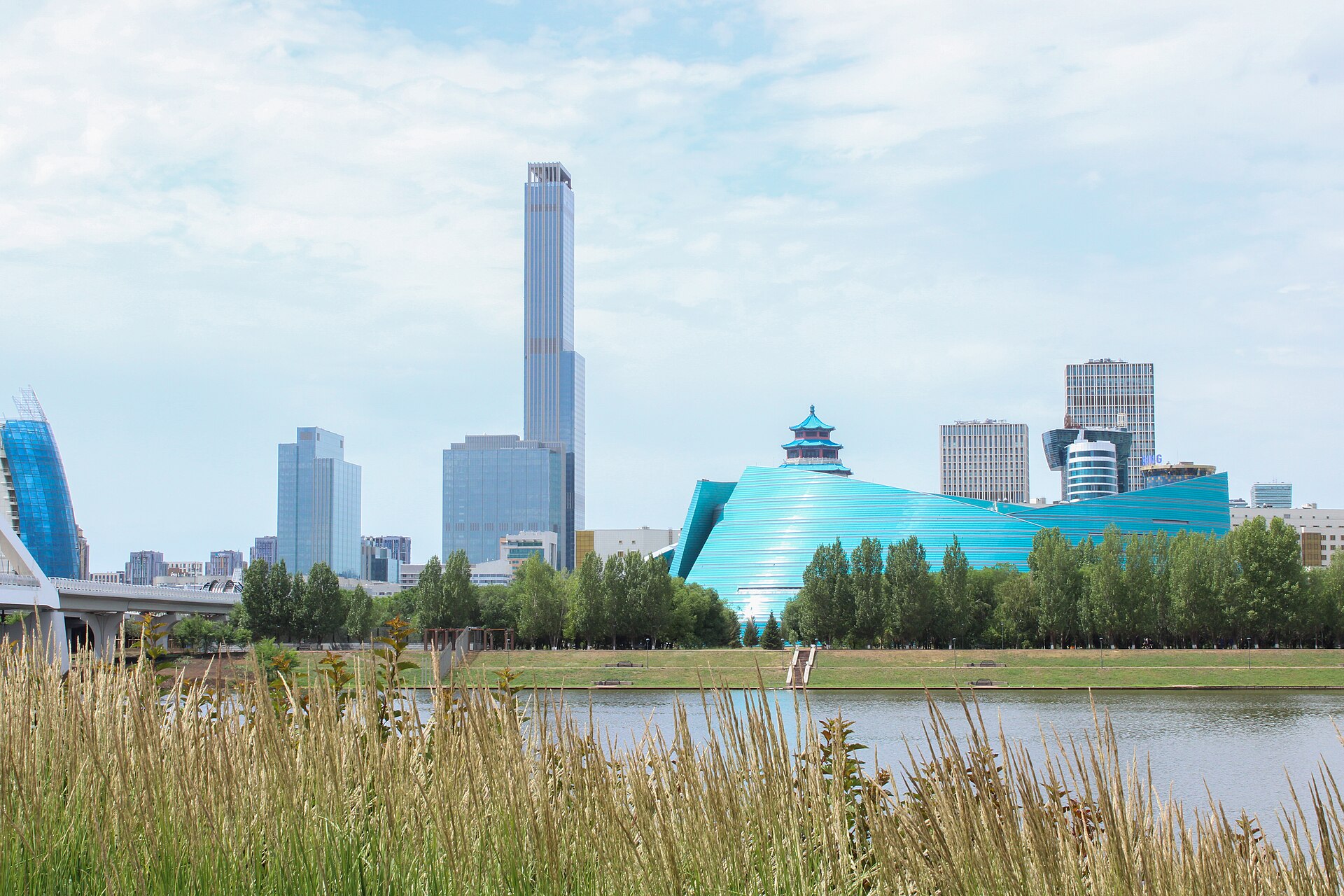
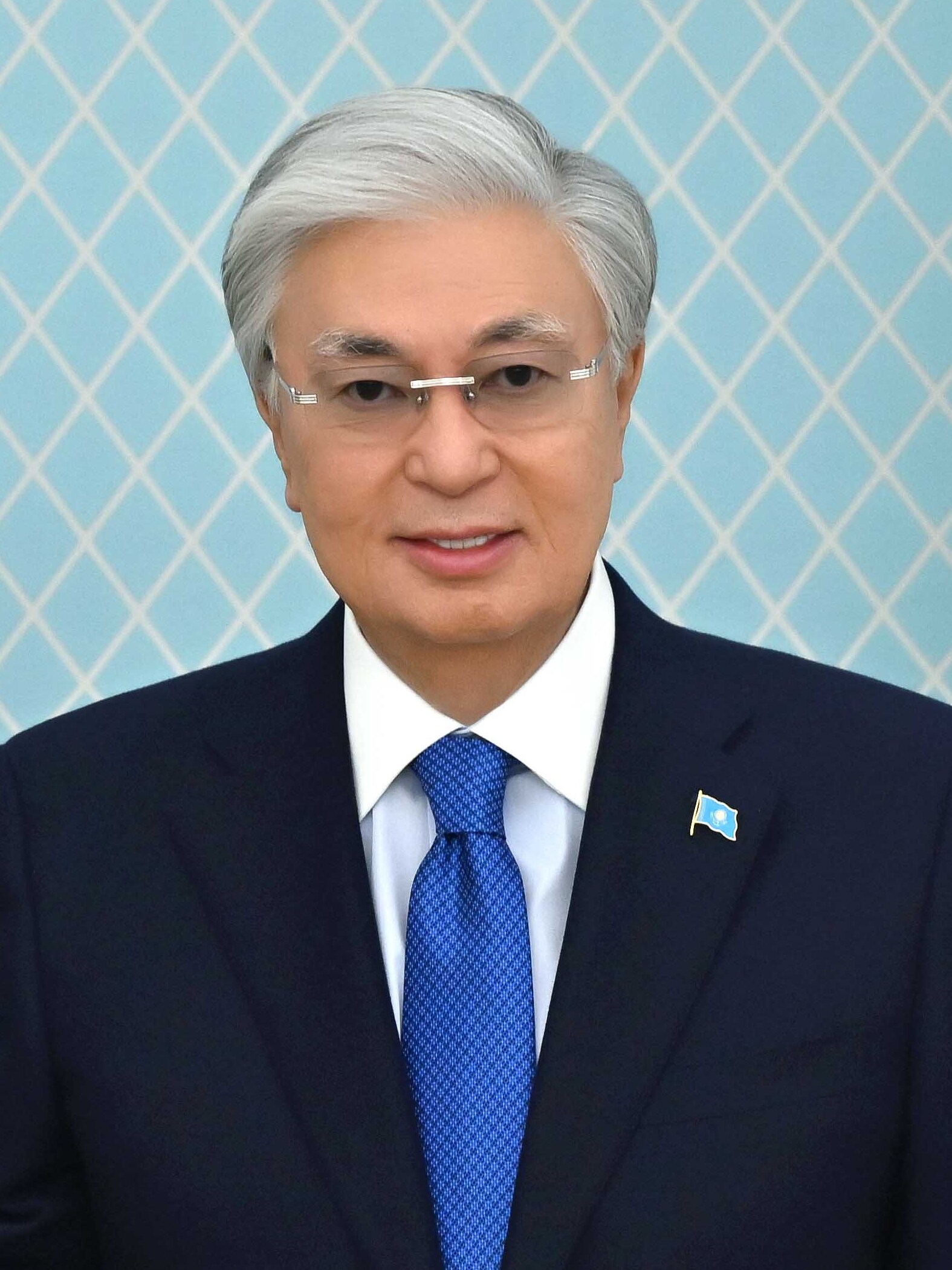
Kazakhstan is a presidential republic in which the head of state holds dominant power. For its first three decades independence was shaped by Nursultan Nazarbayev, the Soviet-era leader who ruled until 2019 and after whom the capital was briefly renamed. His successor, Kassym-Jomart Tokayev, consolidated his own authority after violent unrest swept the country in early 2022, promising a measure of political reform. The purpose-built capital, Astana, rising on the northern steppe, is a symbol of the post-Soviet state.
Kazakhstan has by far the largest economy in Central Asia, built on a wealth of natural resources: major reserves of oil and gas, along with vast deposits of uranium, coal, and metals that make it a leading world producer of several minerals. This resource wealth has brought rapid growth and a degree of prosperity unusual in the region, though the economy remains heavily dependent on commodity exports and their swinging prices, and the benefits are unevenly shared.
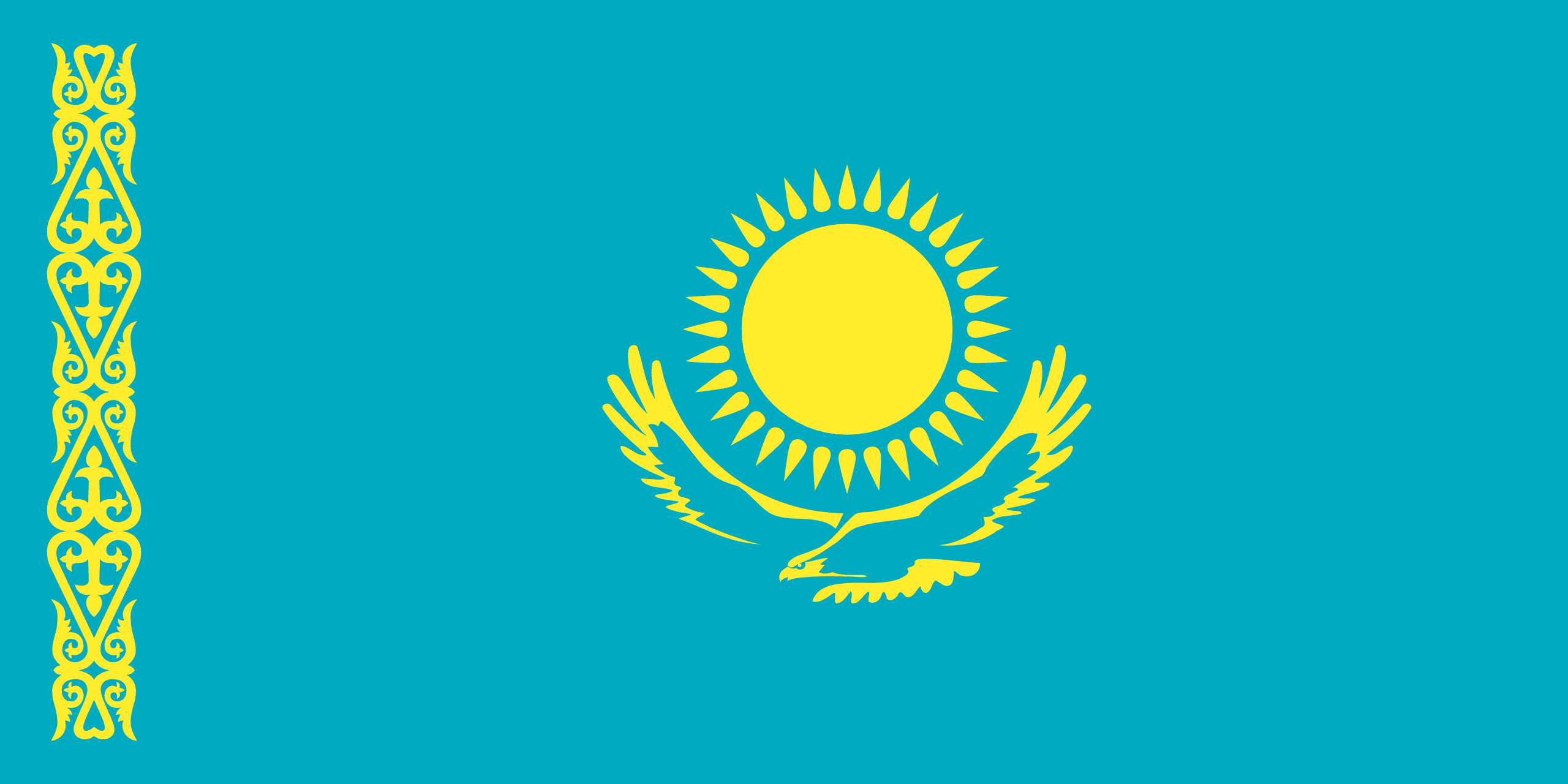
The flag of Kazakhstan is sky blue, bearing a golden sun with rays above a soaring golden steppe eagle, with a vertical band of national ornamental pattern at the hoist. The blue represents the wide sky and has long been a sacred colour to the Turkic peoples, symbolising unity, while the sun stands for life and the eagle for freedom and the soaring aspirations of the nation. The design is rich with the symbolism of the steppe.
The majority of Kazakhs are Muslims, following the Sunni tradition, a faith that spread across the steppe over centuries, though often blended with older nomadic customs. The country is also home to a large Russian Orthodox Christian community, a legacy of Russian and Soviet settlement, along with other faiths. Decades of Soviet atheism left a strongly secular character, and Kazakhstan is known for a generally easygoing religious coexistence.
Kazakh cuisine reflects the nomadic, pastoral roots of the people, centred on meat and dairy. The national dish is beshbarmak, boiled meat, traditionally horse or mutton, served over flat noodles, eaten communally. Horse meat and milk products feature prominently, including kumis, fermented mare's milk, a traditional drink. Hearty, warming food suited to a harsh climate and a culture of hospitality remains at the heart of the Kazakh table.
Kazakhstan's huge expanse of steppe makes it a major agricultural producer, above all of grain. It is one of the world's significant exporters of wheat, grown across the northern plains, much of it on land brought under the plough during a massive Soviet campaign. Livestock herding, the traditional way of life, remains important, with large numbers of sheep, cattle, and horses. The country's farmland is vast, though much of it is dry and marginal.
Kazakh culture springs from the nomadic life of the steppe, expressed in a rich tradition of epic poetry, throat singing, and the music of the two-stringed dombra, and in the enduring arts of horsemanship and eagle hunting. Society is famously hospitable, and family and clan ties run deep. Modern Kazakhstan is also strikingly diverse, home to Kazakhs, Russians, and many other peoples inherited from the Soviet era, and increasingly urban, with Almaty, the leafy former capital beneath the mountains, as its cultural hub.
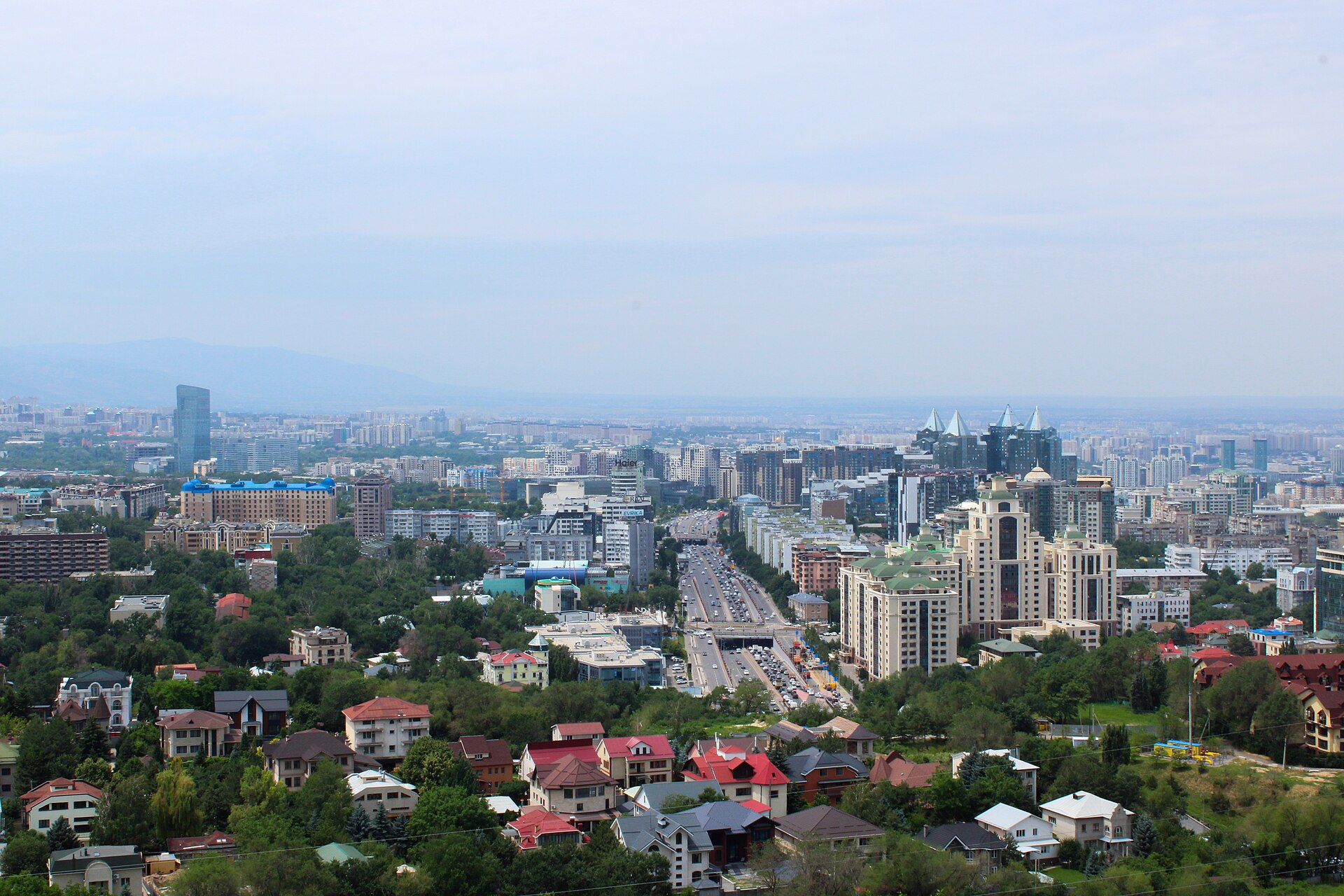
Kazakhstan has a population of around 20 million people spread thinly across its enormous territory, making it one of the most sparsely populated countries on Earth. Ethnic Kazakhs are the majority, alongside a large Russian minority and many other groups, a diversity inherited from the Soviet era. The society is increasingly urban, centred on the largest city, Almaty, and the purpose-built capital, Astana, raised on the northern steppe.