Japan is an island nation in East Asia, an archipelago of nearly 7,000 islands strung along the Pacific edge of the continent. Four large islands (Honshu, Hokkaido, Kyushu, and Shikoku) hold most of its people and cities, with mountainous, forested interiors pushing the population onto narrow coastal plains. It is one of the world's most technologically advanced societies, famous for weaving deep tradition together with relentless innovation, and the third largest economy on Earth.
Japan's recorded history stretches back well over a thousand years, shaped by a refined imperial court, warrior dynasties, long centuries of peace, and one of the fastest modernisations any nation has ever undergone. For much of that span real power lay not with the emperor but with the elites who governed in his name.
The first centralised Japanese state took shape around the Yamato court, which borrowed heavily from China: a writing system, Buddhism, a legal code, and the grid plan of its early capitals at Nara and then Kyoto. The Heian period (794 to 1185) became a golden age of courtly culture and literature, producing The Tale of Genji, often called the world's first novel. Behind the elegance, aristocratic families such as the Fujiwara held the throne in a gilded grip, ruling as regents while emperors reigned only in name.
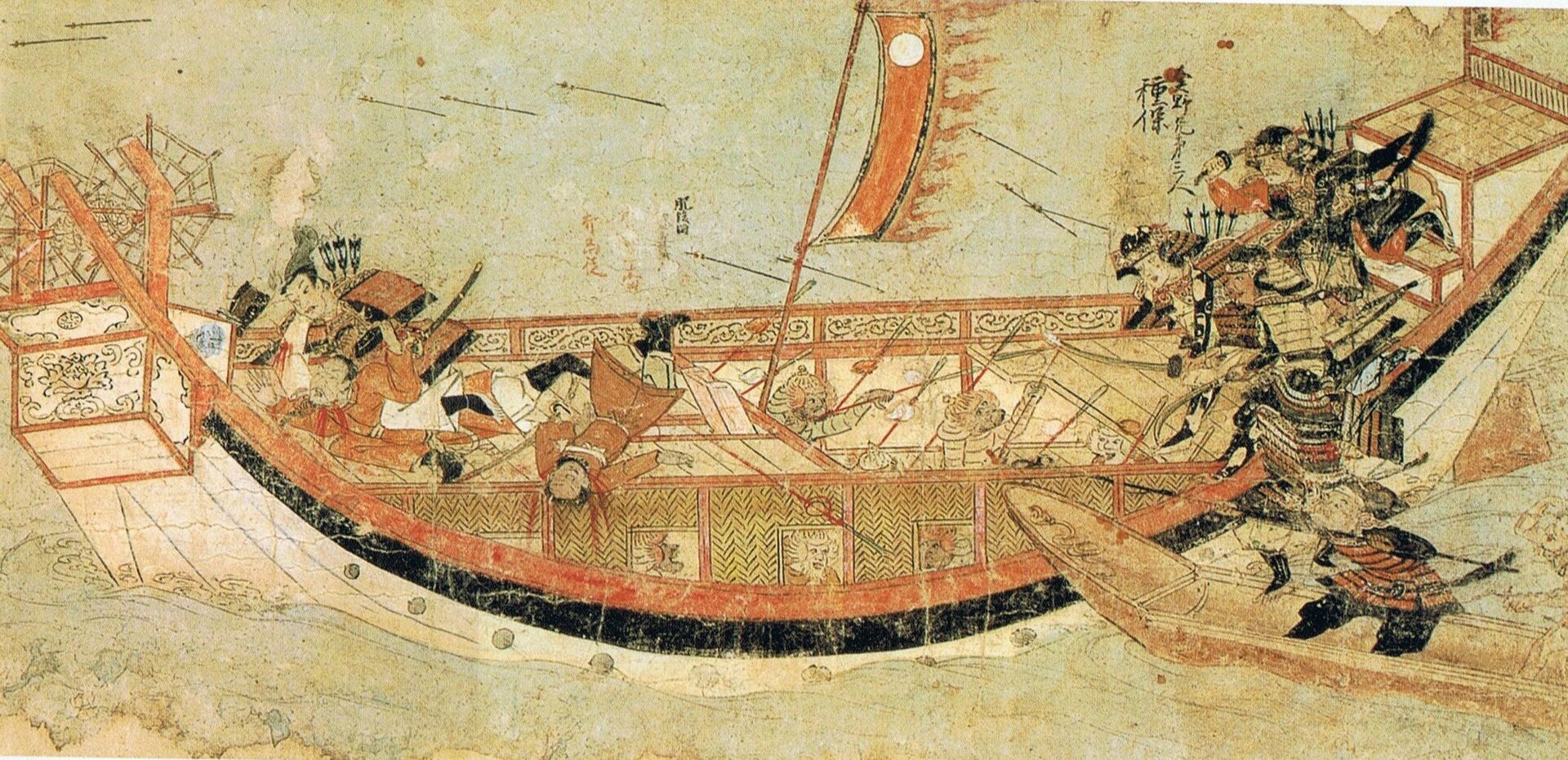
From the late twelfth century power passed to a warrior class, the samurai, and to military rulers called shoguns who governed from their own capitals while the imperial court stayed in Kyoto. This feudal order was tested in the 1270s and 1280s, when the Mongol empire launched two massive seaborne invasions. Both were thrown back, helped by ferocious storms the Japanese remembered as the kamikaze, or divine winds, a memory that would echo centuries later.
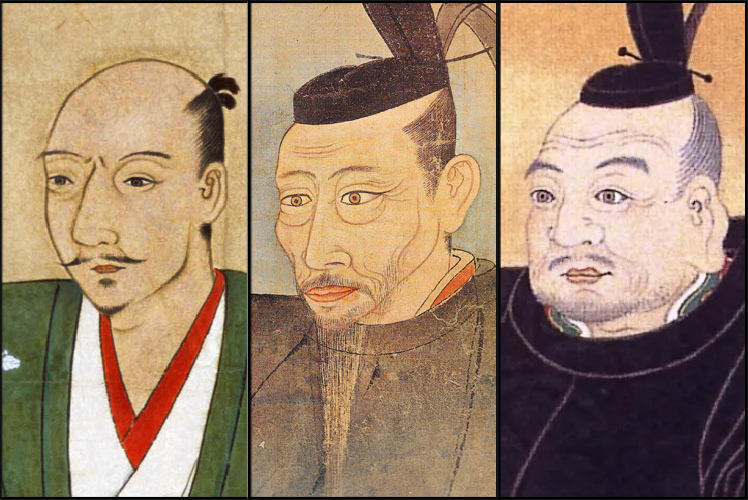
Centuries of civil war among rival warlords were ended by three great unifiers, Oda Nobunaga, Toyotomi Hideyoshi, and Tokugawa Ieyasu, who between them brought the country under a single authority by 1600. The Tokugawa shogunate then sealed Japan off from most foreign contact, a self-imposed isolation called sakoku that lasted more than two centuries. It bought a long internal peace in which cities, trade, and a distinctive urban culture flourished.
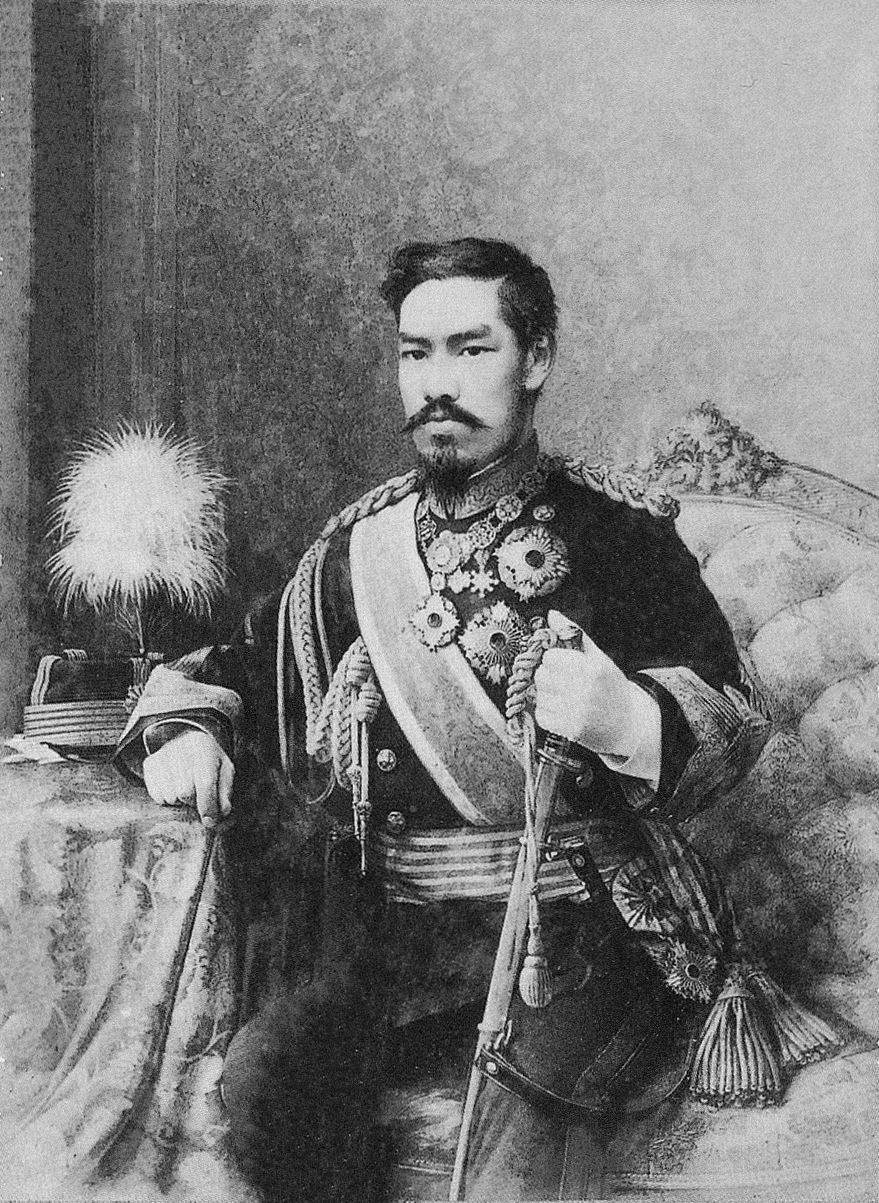
The isolation ended abruptly in 1853, when American warships under Commodore Perry forced Japan open to trade. The shock exposed how far the country had fallen behind the industrial powers and triggered the Meiji Restoration of 1868, which abolished feudal rule, restored the emperor as a symbol of national unity, and launched a furious drive to modernise. Within a few decades Japan had built railways, factories, a modern navy, and a written constitution, becoming the first non-Western nation to industrialise.
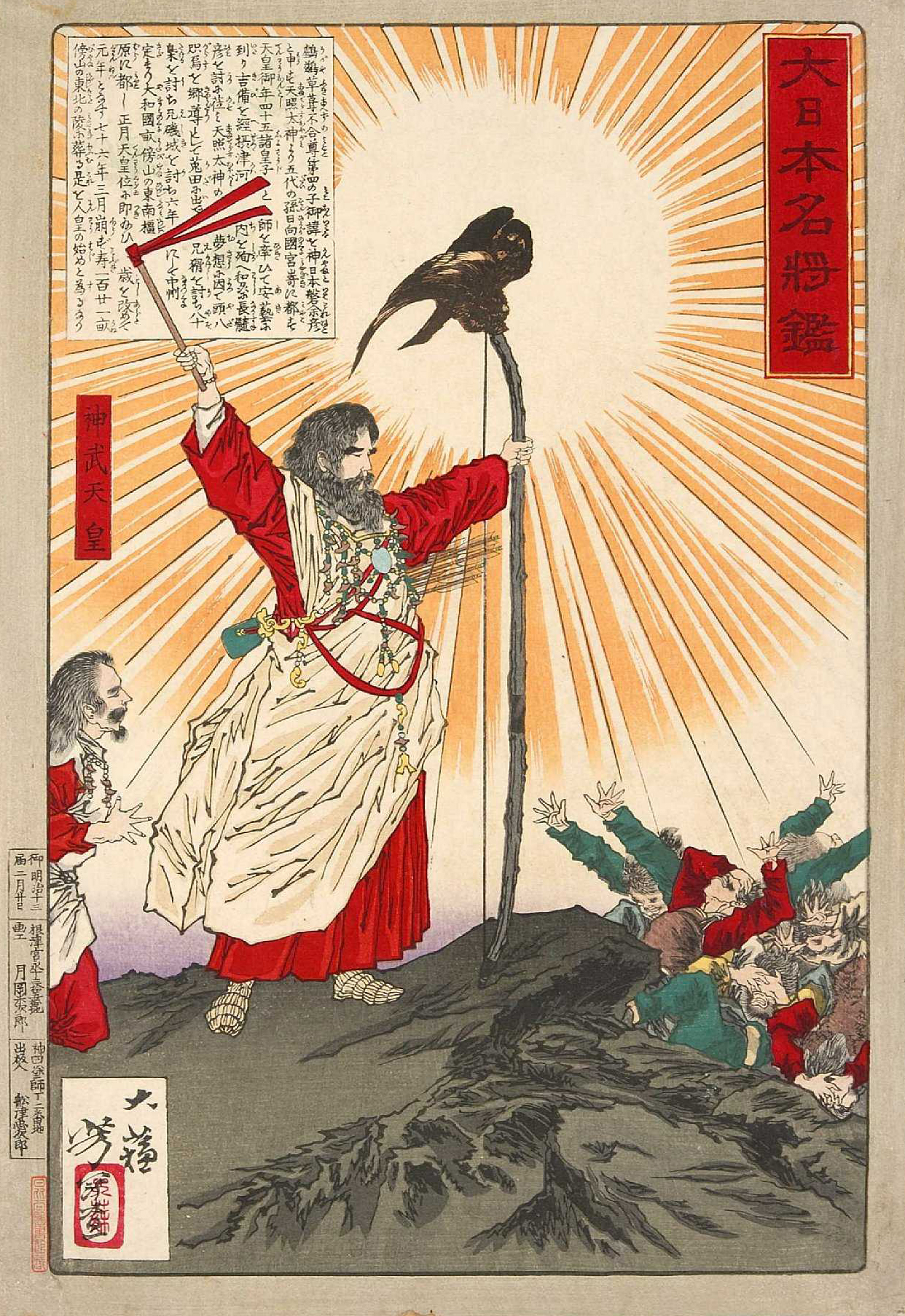
By tradition Japan was founded in 660 BC by Emperor Jimmu, said to descend from the sun goddess Amaterasu, beginning an imperial line claimed to be unbroken ever since. This origin story shaped Japanese identity for centuries, but historians treat the early emperors and the precise founding date as legend rather than documented fact, since they predate any written record. The historicity of these first rulers is disputed, even as the symbolic continuity of the throne remains culturally central.
Japan sits on the Pacific Ring of Fire, where several of the Earth's great tectonic plates grind together, making it one of the most seismically active places on the planet. Earthquakes are a constant feature of life and the threat of tsunamis is ever present, lessons written painfully into the country's building codes and engineering. The same forces give Japan more than a hundred active volcanoes and the hot springs, or onsen, that dot the islands.
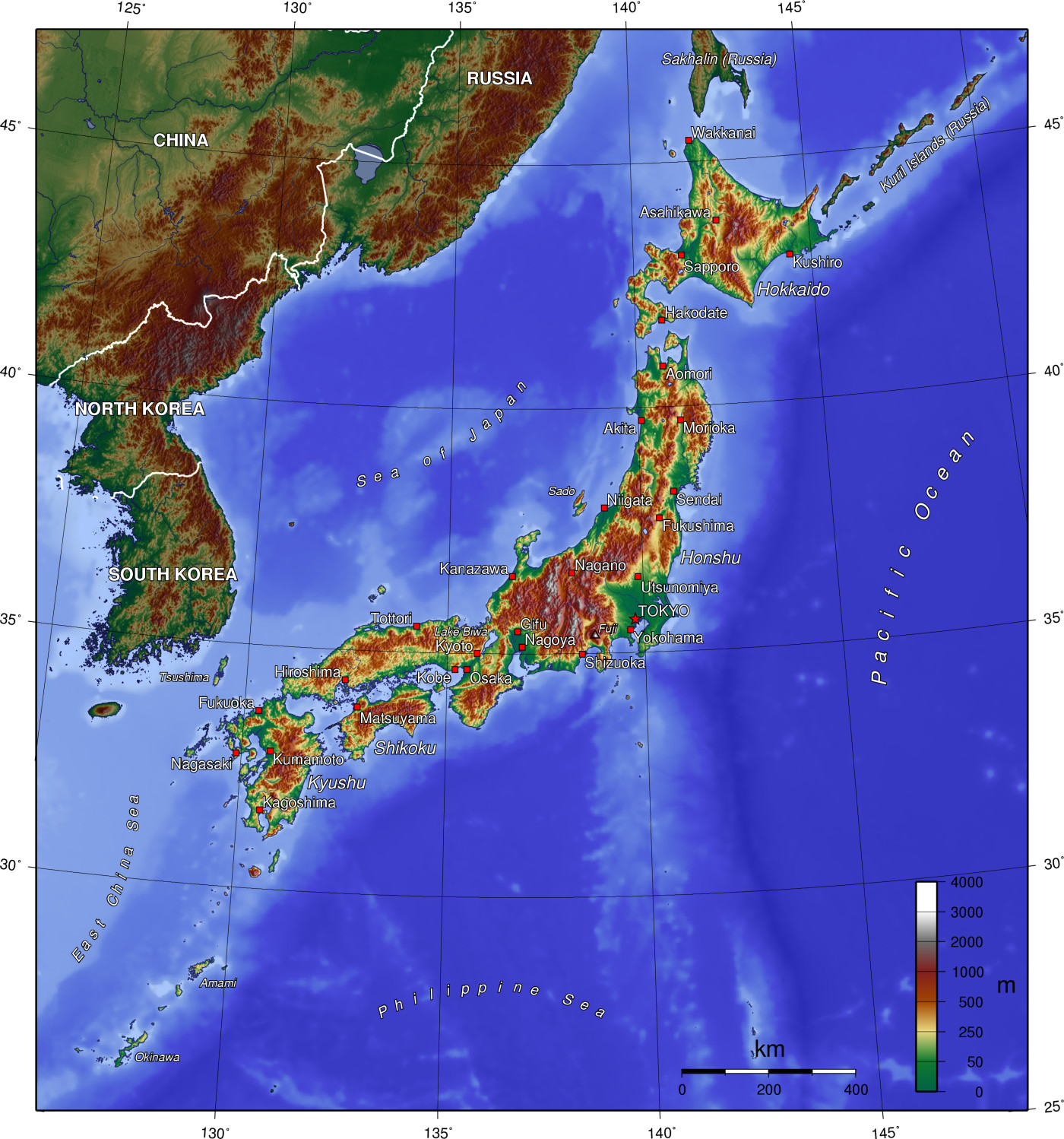
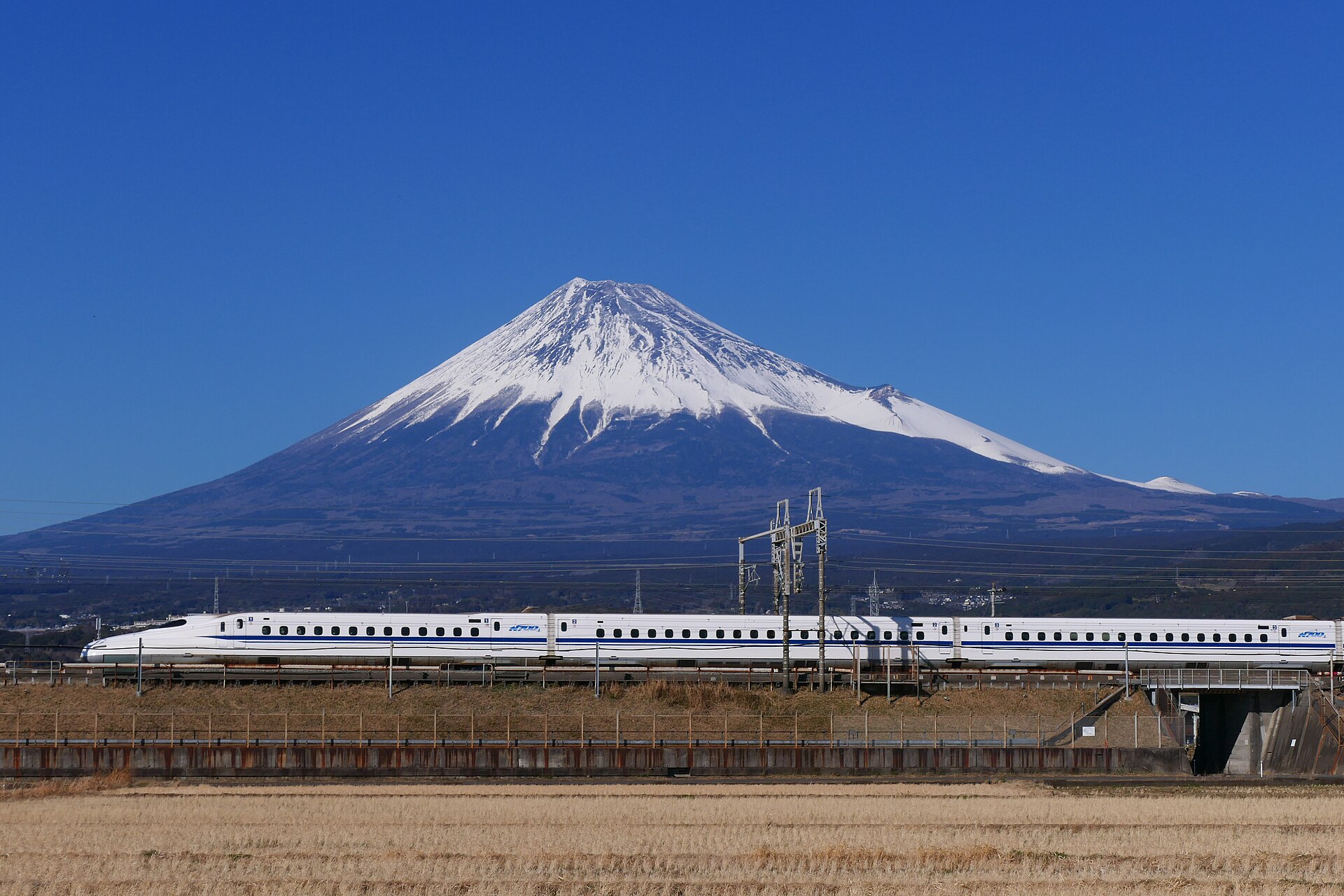
Mountains and forests cover roughly three-quarters of the land, leaving little flat ground, so cities crowd onto narrow coastal plains. The most famous peak, Mount Fuji, is an active volcano and a national icon. The archipelago stretches across many degrees of latitude, giving it climates that range from the cold, snowy north of Hokkaido to the subtropical islands of Okinawa, and four sharply marked seasons that are deeply woven into Japanese art and feeling.
Japan is a constitutional monarchy with a parliamentary system. The postwar constitution defines the emperor as the symbol of the state and of the unity of the people, with no governing power; real authority rests with an elected National Diet and a prime minister drawn from it. Since the 1950s national politics has been dominated, with only brief interruptions, by the Liberal Democratic Party, giving Japan unusual policy continuity even as prime ministers change often. The pacifist Article 9 of the constitution, in which Japan renounces war, remains one of the most debated clauses in its public life.
Japan built one of the world's largest economies out of the ruins of 1945, becoming a byword for high-quality manufacturing in cars, electronics, robotics, and precision machinery, home to firms such as Toyota, Sony, and Nintendo. After a spectacular asset bubble burst around 1990, the country entered a long stretch of low growth and falling prices often called the lost decades, and it now carries one of the heaviest public debt loads of any major economy. It remains, even so, a wealthy and highly developed society and a leader in advanced technology and research.
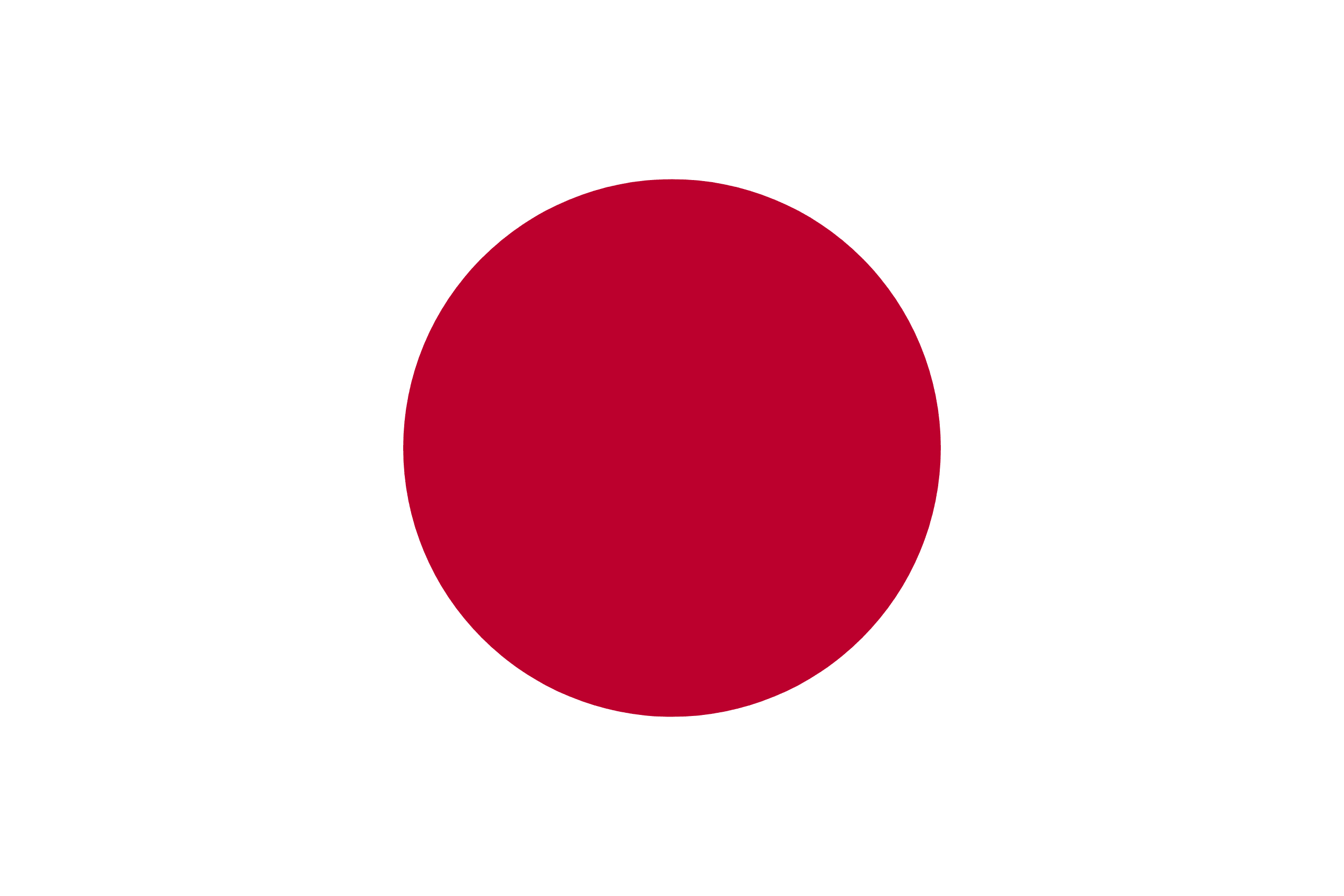
The national flag, the Hinomaru (meaning "circle of the sun"), is among the simplest and most recognisable in the world: a single crimson disc centred on a white field. The red circle represents the sun, fitting for a country whose name means "origin of the sun" and which is often called the Land of the Rising Sun. Versions of the sun-disc banner were flown for centuries before it became the formal national flag, by law, in 1999.
Japanese spiritual life blends two traditions that most people follow side by side. Shinto, the indigenous faith, venerates kami, spirits present in nature, ancestors, and sacred places, and is woven into festivals, shrines, and rites of passage. Buddhism, which arrived from the Asian mainland in the sixth century, coexists with it and shapes funerary customs and temple life. Most Japanese do not see these as exclusive memberships but as complementary practices, and formal religious affiliation is famously fluid.
Japanese cooking, or washoku, is built on rice, seafood, soy, and seasonal vegetables, prized for freshness, balance, and careful presentation. Sushi and sashimi showcase raw fish at its purest, while dishes like tempura, ramen, udon, and grilled yakitori fill everyday tables. Fermented staples such as miso and soy sauce give the food its savoury depth, the quality often called umami. The tradition is distinctive enough that washoku is recognised by UNESCO as intangible cultural heritage.
Mountains cover most of Japan, so only a small share of the land can be farmed, and holdings tend to be tiny and intensively worked. Rice is the central crop, woven into both diet and ritual, and the country aims for self-sufficiency in it even as overall food imports run high. Farmers also grow vegetables, fruit, and tea, while the surrounding seas make Japan one of the largest harvesters and consumers of fish on Earth. An ageing rural workforce is a pressing long-term concern.
Beyond its ancient arts of calligraphy, the tea ceremony, and woodblock printing, modern Japan is a cultural superpower whose exports shape global youth culture. Anime, manga, and video games reach audiences worldwide, alongside its fashion, design, and food. Society places a high value on courtesy, group harmony, and craftsmanship, captured in ideas such as omotenashi, a wholehearted form of hospitality. Yet the famously demanding work culture has a darker side, including karoshi, death from overwork, now the target of reform efforts.
Japan is party to several unresolved territorial disputes with its neighbours, each contested rather than settled. It claims the southern Kuril Islands, which it calls the Northern Territories, held by Russia since 1945, a disagreement that has kept the two countries from signing a formal peace treaty. It administers the uninhabited Senkaku Islands, which China also claims as the Diaoyu, a recurring source of regional tension. South Korea controls a group of islets that Japan calls Takeshima and Korea calls Dokdo, claimed by both. At home, the country debates how far to revise its pacifist constitution and strengthen its military, and how to answer a shrinking, ageing population, where proposals to admit more immigrants meet a long tradition of restricted immigration.
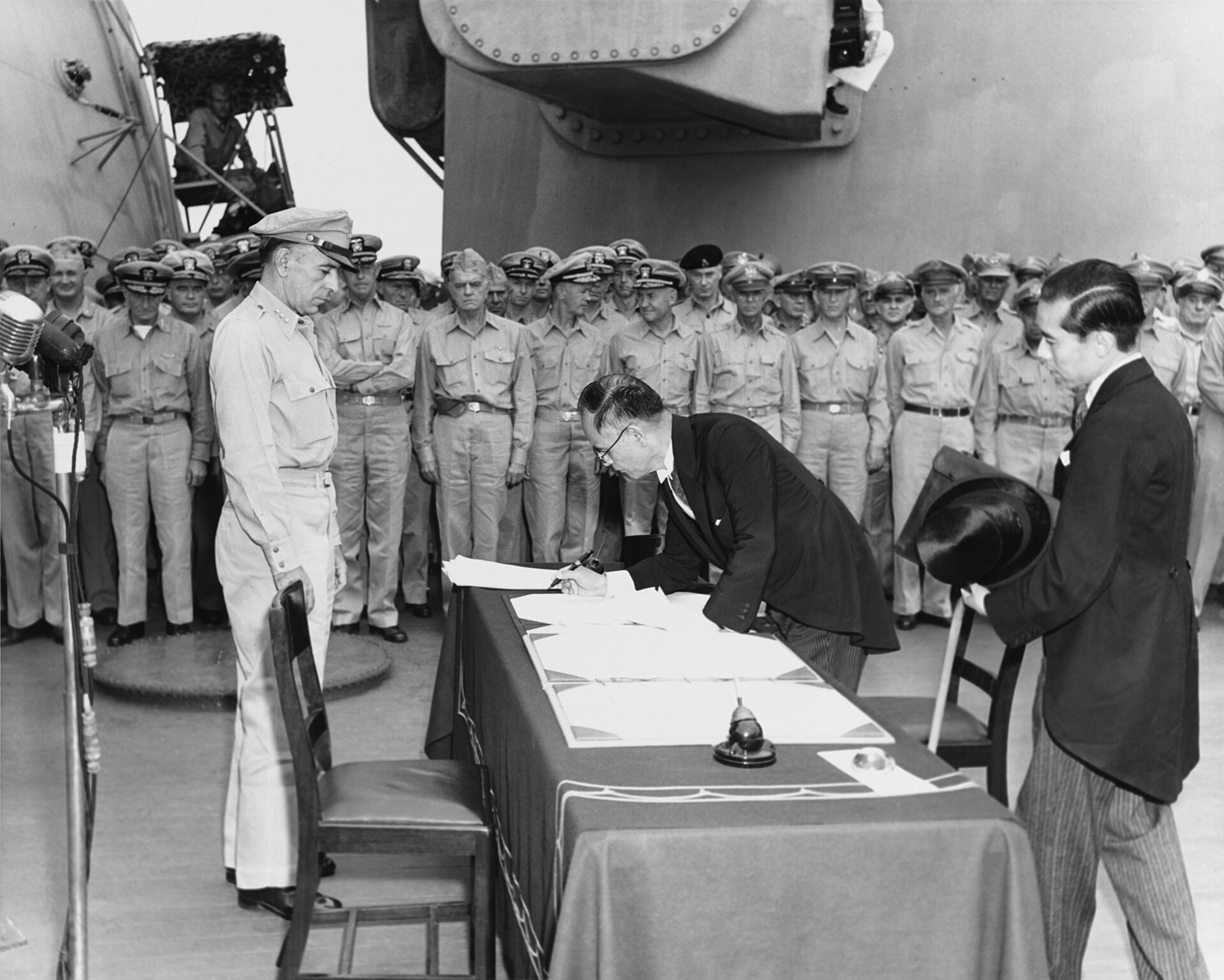
Japan's modern history turned on the twentieth century. Its imperial expansion across Asia and the Pacific drew it into the Second World War, which ended after the atomic bombings of Hiroshima and Nagasaki and the country's surrender in 1945. From the ruins Japan rebuilt with extraordinary speed into a peaceful democracy and the second largest economy in the world, an era remembered as the postwar economic miracle.
Japan is home to roughly 124 million people, most of them packed into dense urban regions, above all the Greater Tokyo Area, the largest metropolitan region in the world. Japanese society enjoys some of the highest life expectancies anywhere, but it now faces a steep demographic challenge: a low birth rate and an ageing population mean the total number of people has begun to decline, a trend reshaping its economy and public life.