Ivory Coast, known in French as Cote d'Ivoire, is a country in West Africa on the Gulf of Guinea. Its name comes from the trade in elephant ivory that once flourished on its shores. Blessed with fertile land, it became the world's leading producer of cocoa and one of the most prosperous economies in the region, an era sometimes called the Ivorian miracle, though it has also weathered serious political conflict in more recent decades.
Ivory Coast's history runs from ancient African kingdoms, through French conquest and a celebrated post-independence prosperity, to a painful era of conflict and recovery.
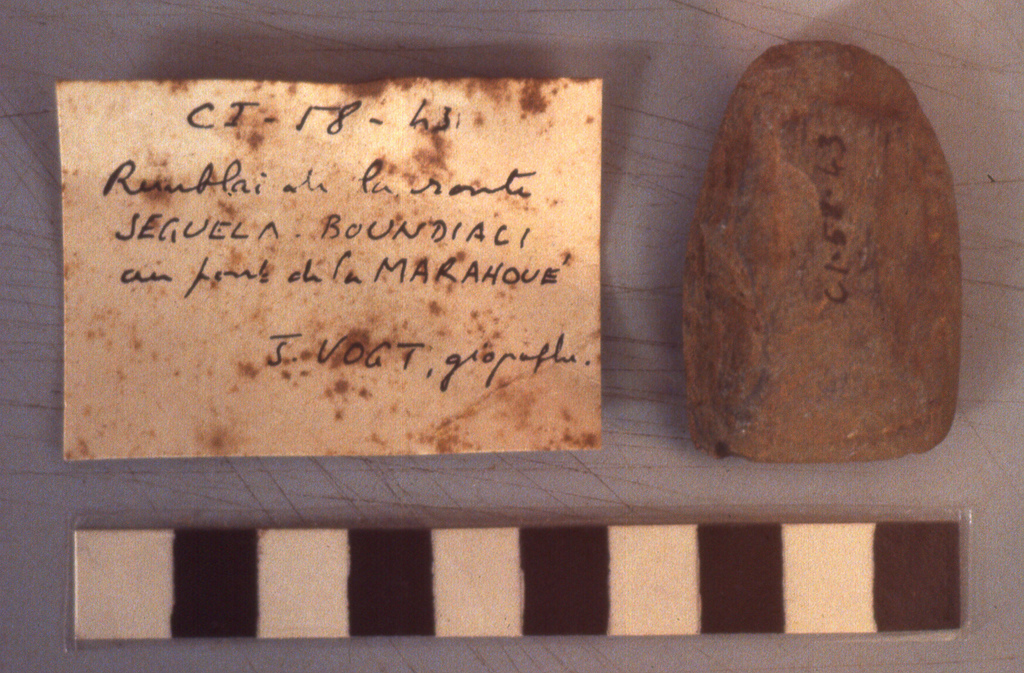
The land was home for centuries to a mosaic of African peoples and states, from the Akan kingdoms in the forests to trading towns linked into the wider commerce of West Africa, whose deep past reaches back to the stone-tool cultures of prehistory. It was the coastal trade in elephant ivory that gave the country the name Europeans would use.
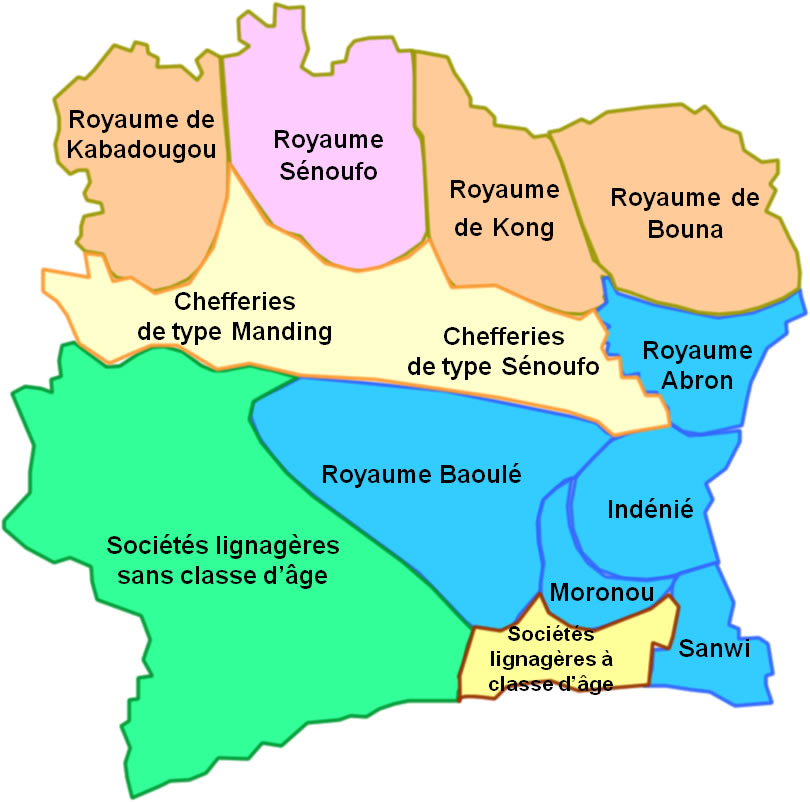
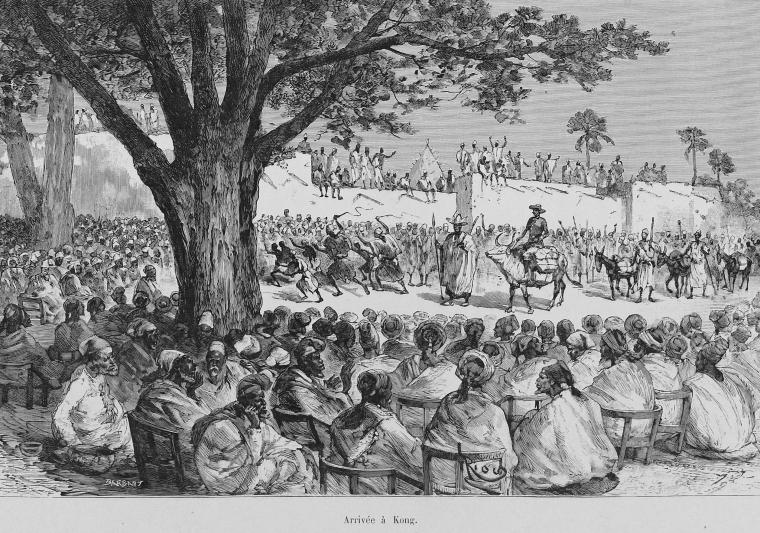
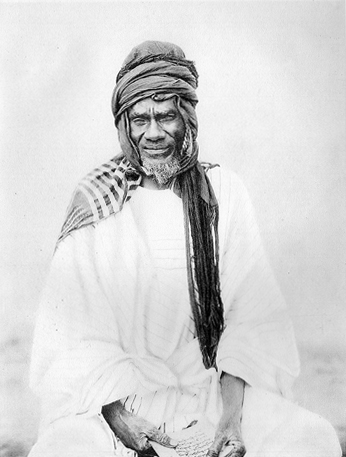
In the late nineteenth century France pushed inland to colonise the territory, meeting fierce resistance, above all from Samori Toure, who forged a powerful empire and fought the French for years before his capture. Ivory Coast became part of the federation of French West Africa, its fertile south developed for the plantations of cocoa and coffee that would define its economy.
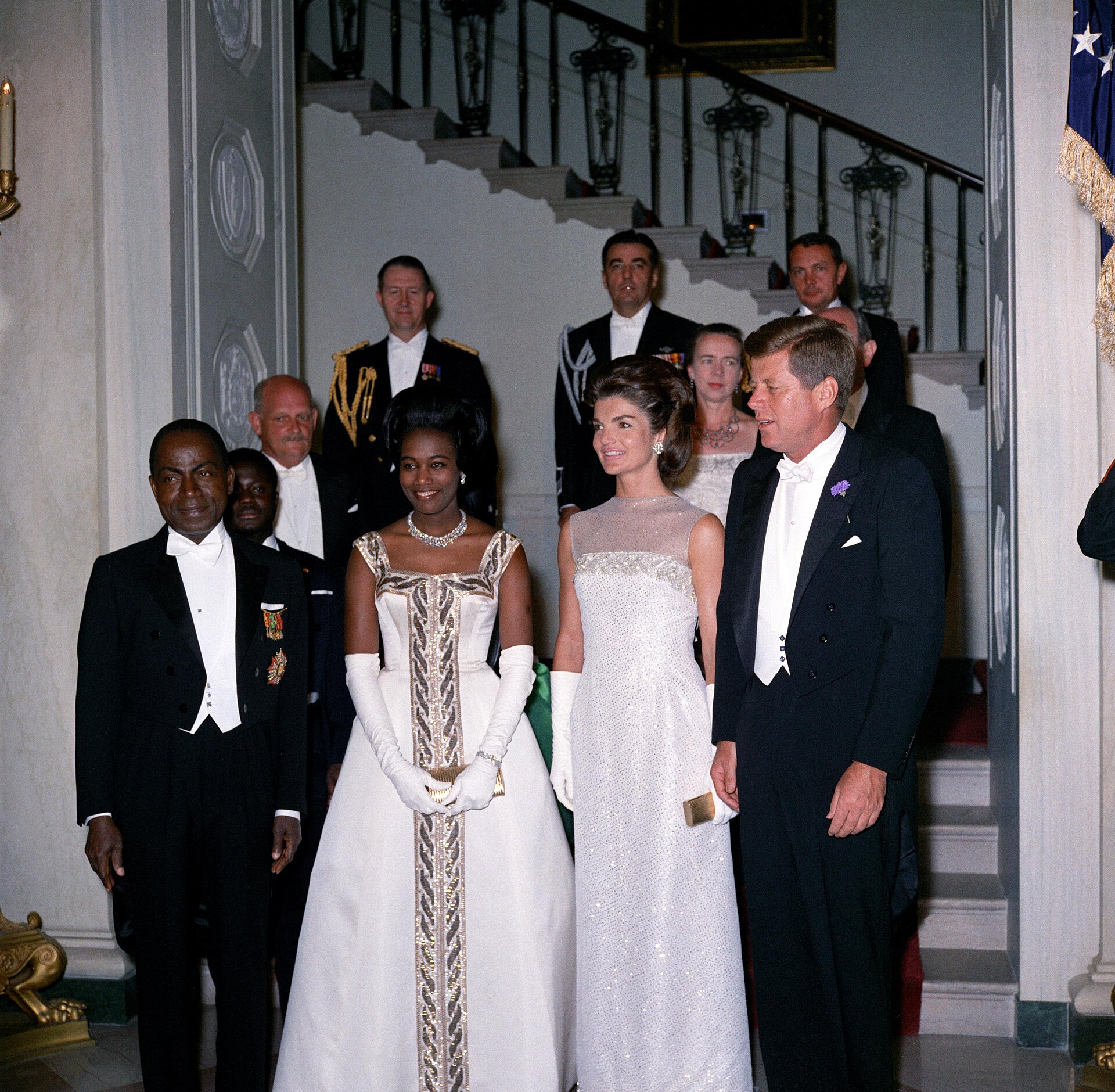
Independence came in 1960 under Felix Houphouet-Boigny, who would rule for over three decades. His long presidency brought a remarkable stretch of stability and cocoa-fuelled growth, the so-called Ivorian miracle, that made the country a beacon of prosperity and a magnet for migrants from across the region, though it also left power tightly concentrated in his hands.
After Houphouet-Boigny's death in 1993, the unity he had held together frayed. Disputes over national identity and who counted as truly Ivorian poisoned politics and helped ignite a civil war in the 2000s, which came to a head in a violent crisis after the disputed election of 2010. Since then the country has largely stabilised and returned to rapid growth, though the wounds of that period have not fully healed.
Ivory Coast rises from a coastline of lagoons and sandy beaches on the Gulf of Guinea, through a belt of dense tropical rainforest, to wooded savanna in the drier north. This range of environments, watered by several rivers, makes the south especially fertile and well suited to the tree crops on which the economy was built. The forests have shrunk considerably as land has been cleared for farming, a pressure that continues to shape the landscape.
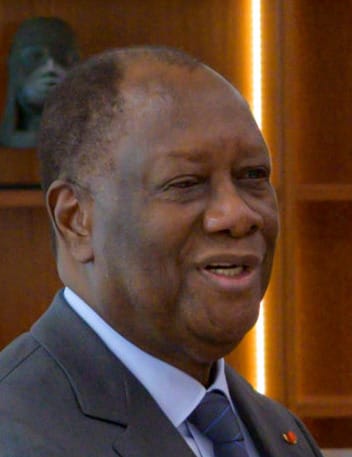
Ivory Coast is a presidential republic that has, since the turmoil of the 2000s, regained a measure of stability, though its politics remains tense. The president since 2011 is Alassane Ouattara, who first took office only after a violent standoff in which the previous incumbent refused to accept his election defeat, a crisis that cost some three thousand lives before Ouattara prevailed. Under his rule the economy has boomed, but his decisions to seek and win further terms in office, in 2020 and again in 2025, have been fiercely contested by opponents who consider them a breach of the spirit of the constitution, keeping the question of power a source of friction.
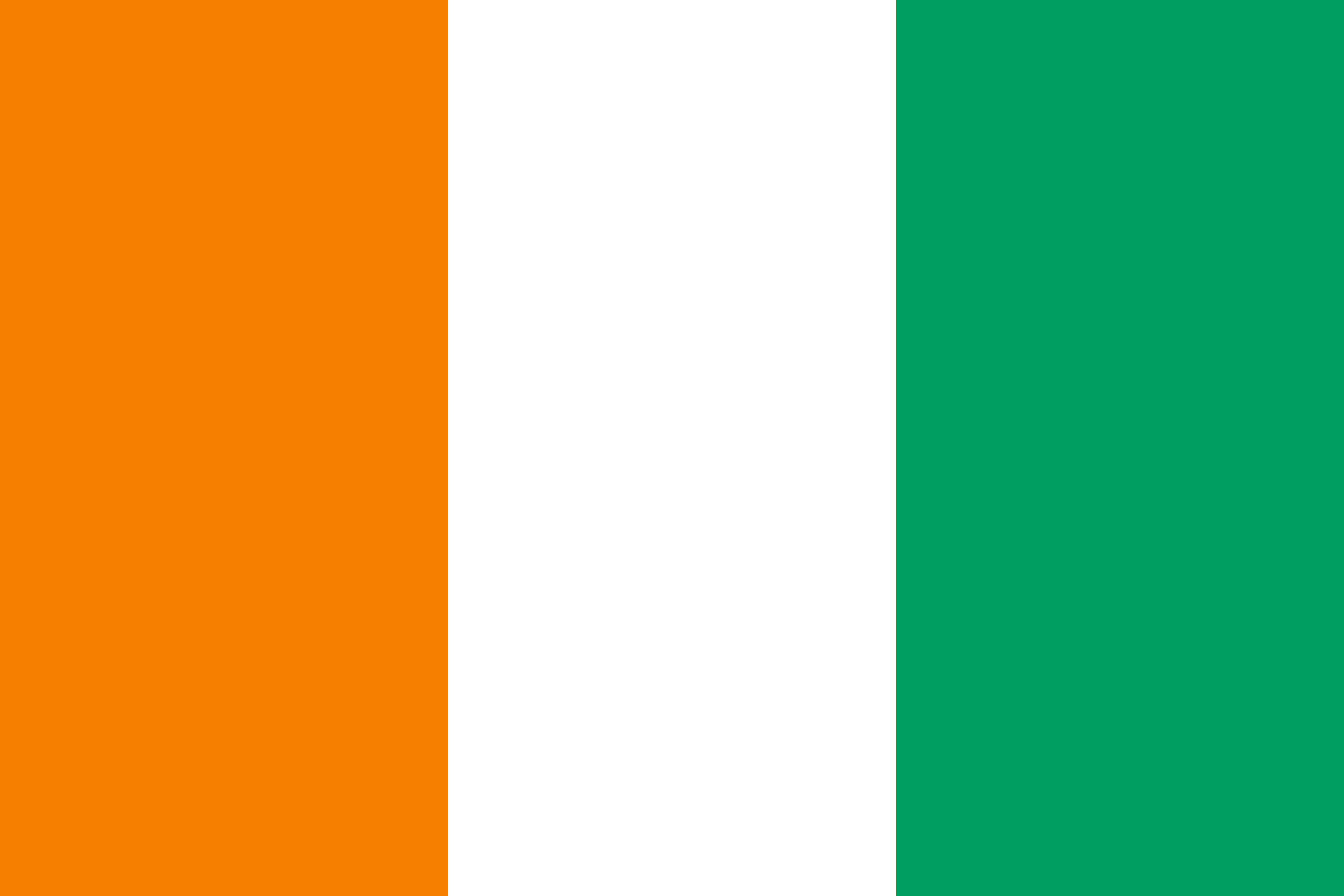
The flag of Ivory Coast has three vertical bands of orange, white, and green. The orange is said to represent the savanna lands of the north and the nation's growth, the white peace and unity, and the green the forests of the south and hope for the future. The simple, balanced design, resembling a reversed Irish tricolour, expresses the union of the country's different regions into a single nation.
Ivory Coast is religiously diverse, broadly reflecting its geography and history of migration. Islam is widespread, especially in the north and among communities with roots in the wider Sahel, while Christianity, both Catholic and Protestant, is strong in the south and the cities. Traditional African beliefs remain important and are often practised alongside the world faiths. The country's large immigrant population, drawn by its prosperity, has added to this religious variety.
Ivorian cuisine is hearty and rooted in the country's farms and forests. A national favourite is attieke, a side dish of grated, fermented cassava resembling couscous, served with grilled fish or meat. Fufu, made from pounded yam or plantain, is eaten with rich sauces, and kedjenou, a slow-cooked chicken or guinea-fowl stew, is a celebrated speciality. Grilled fish, plantains, and spicy sauces are everyday fare in a varied West African food culture.
Agriculture is the engine of Ivory Coast's economy, and above all it is cocoa: the country is the world's largest producer of cocoa beans, the raw material of chocolate, supplying a large share of the global market. It is also a major grower of coffee, cashews, rubber, and palm oil. This farming wealth, concentrated in the fertile south, built the country's prosperity, though it has also driven heavy deforestation and rests on the labour of farmers, migrants, and, in a persistent scandal, children.
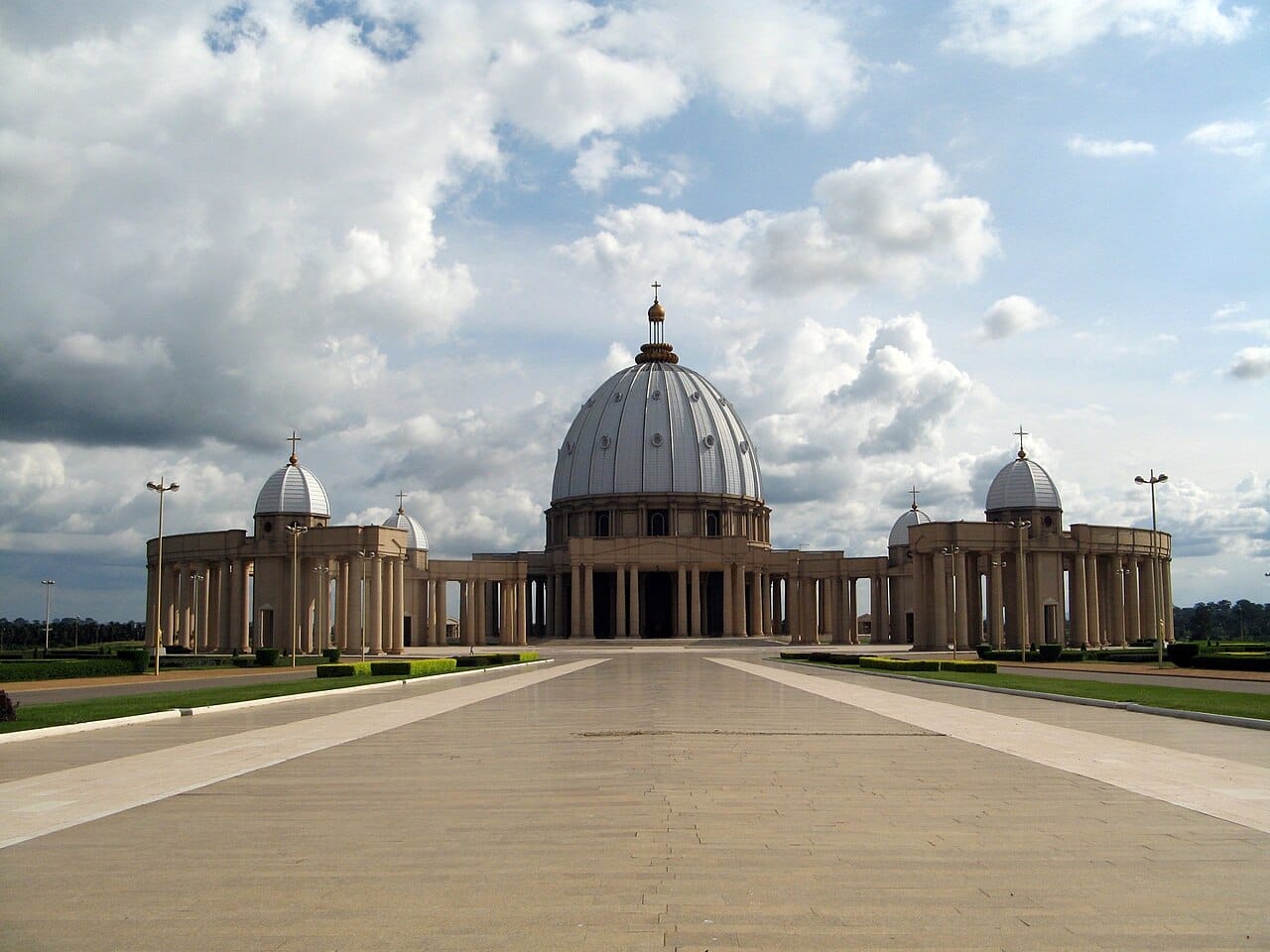
Ivory Coast is one of the most diverse countries in West Africa, home to more than sixty ethnic groups and a huge population of immigrants from across the region, all sharing French as a common tongue. From this mix has come a lively and influential modern culture, above all in music: the exuberant dance styles of zouglou and coupe-decale, born in the clubs of Abidjan, have spread across the continent. Football is a national passion, and the country's most extraordinary landmark reflects the ambitions of the Houphouet-Boigny era: the vast Basilica of Our Lady of Peace at Yamoussoukro, modelled on Saint Peter's in Rome and reputed to be the largest church in the world.
Beneath its renewed prosperity, Ivory Coast still wrestles with the divisions that tore it apart. At their root lies the poisonous idea of Ivoirite, a notion of authentic national belonging that emerged in the 1990s and was used to question the citizenship of northerners, Muslims, and the descendants of immigrants, and to bar candidates, among them Ouattara himself, from power. That doctrine helped fuel a civil war and the deadly 2010 crisis, and its legacy endures in arguments over who truly belongs and who may rule. Reconciliation between the camps of the old rivals remains incomplete, contested elections still raise the spectre of violence, and the fair sharing of the cocoa wealth that underpins the economy, with the farmers who grow it often poor, is a further source of grievance. How Ivory Coast heals these wounds, and defines its own nationhood, is the central and unresolved question of its politics.
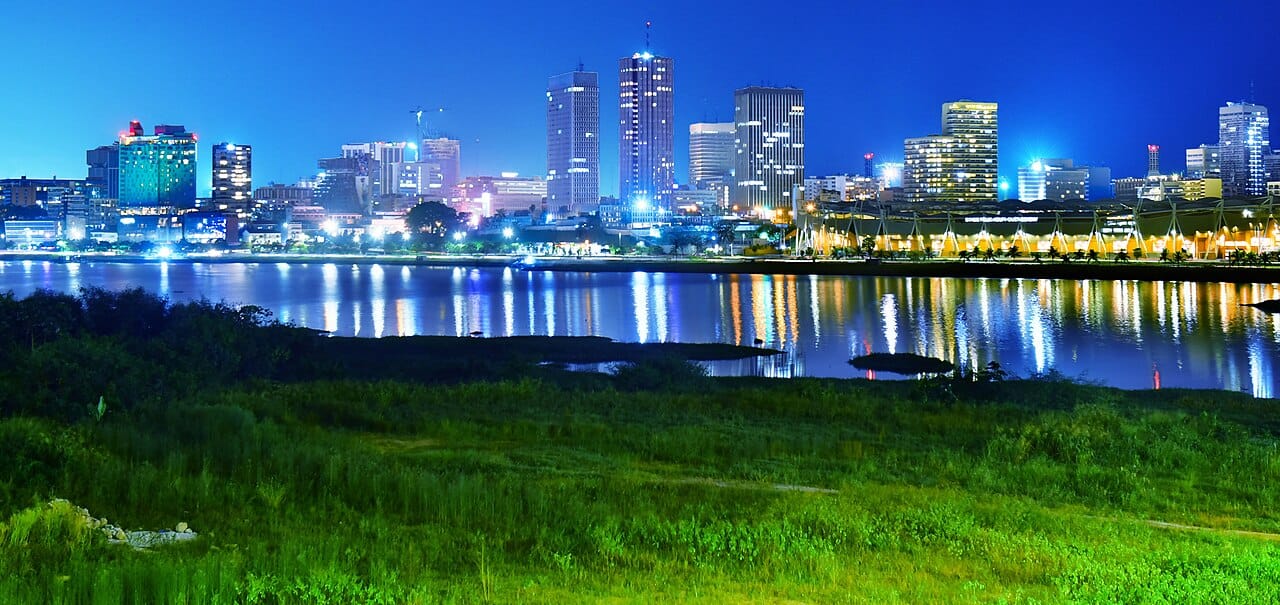
Ivory Coast has a population of around 28 million people, made up of more than sixty ethnic groups and including a very large immigrant community drawn from neighbouring countries by the nation's prosperity. French is the official language, serving as a common tongue across this diversity. The population is concentrated in the south, especially in the sprawling economic capital and port of Abidjan, while the official political capital is the smaller inland city of Yamoussoukro.