Italy is a country in Southern Europe, instantly recognisable for its long boot-shaped peninsula reaching into the Mediterranean Sea, along with the large islands of Sicily and Sardinia. Mountainous along its Alpine north and Apennine spine, it has shaped Western civilisation perhaps more than any other land, as the heart of the Roman Empire, the cradle of the Renaissance, and the seat of the Roman Catholic Church.
Italy's central place in world history began with Rome, but its story runs on through medieval merchant republics, the Renaissance, and a nineteenth-century struggle to become a single nation.
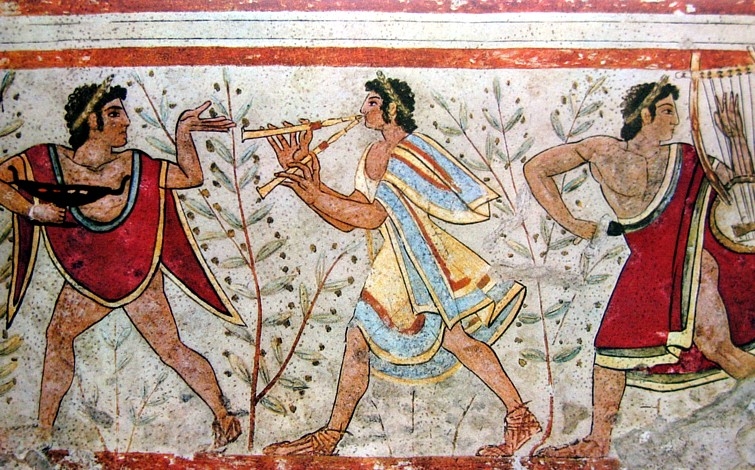
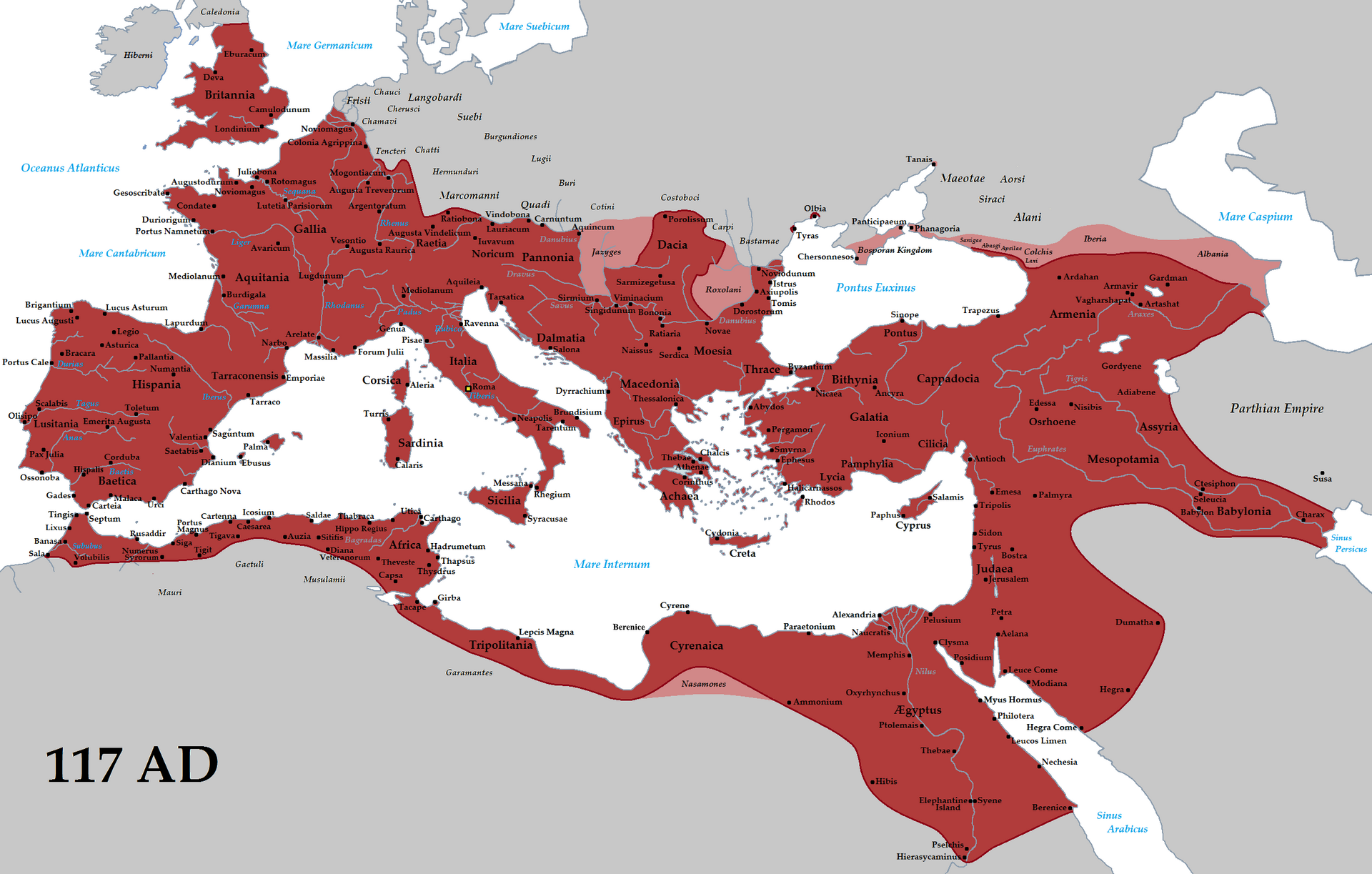
Before Rome rose, much of central Italy was shaped by the Etruscans, a sophisticated people whose art and engineering the Romans absorbed. From a small city on the Tiber, Rome grew into a republic and then an empire that ruled the entire Mediterranean world, spreading its law, language, and engineering across three continents.
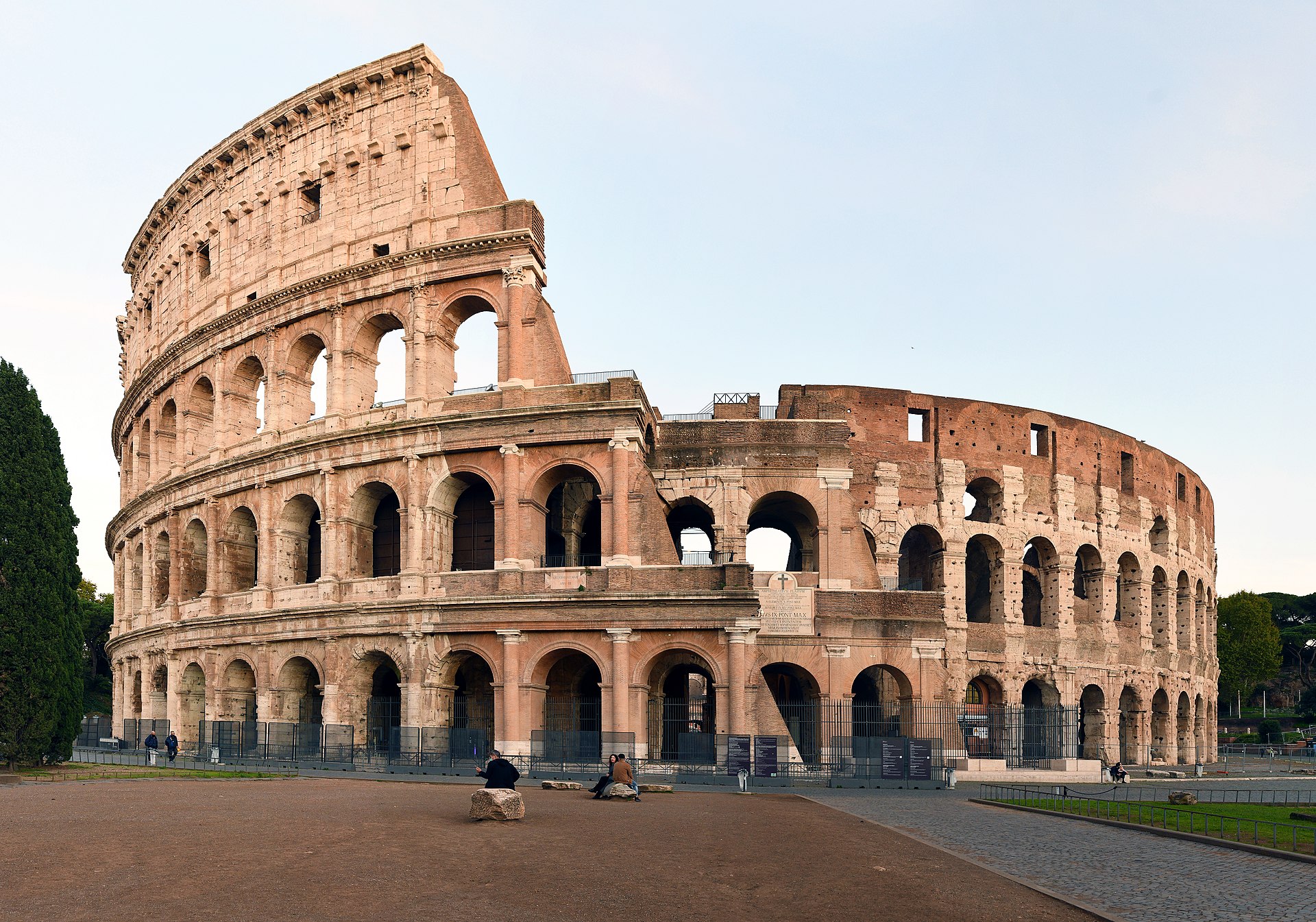
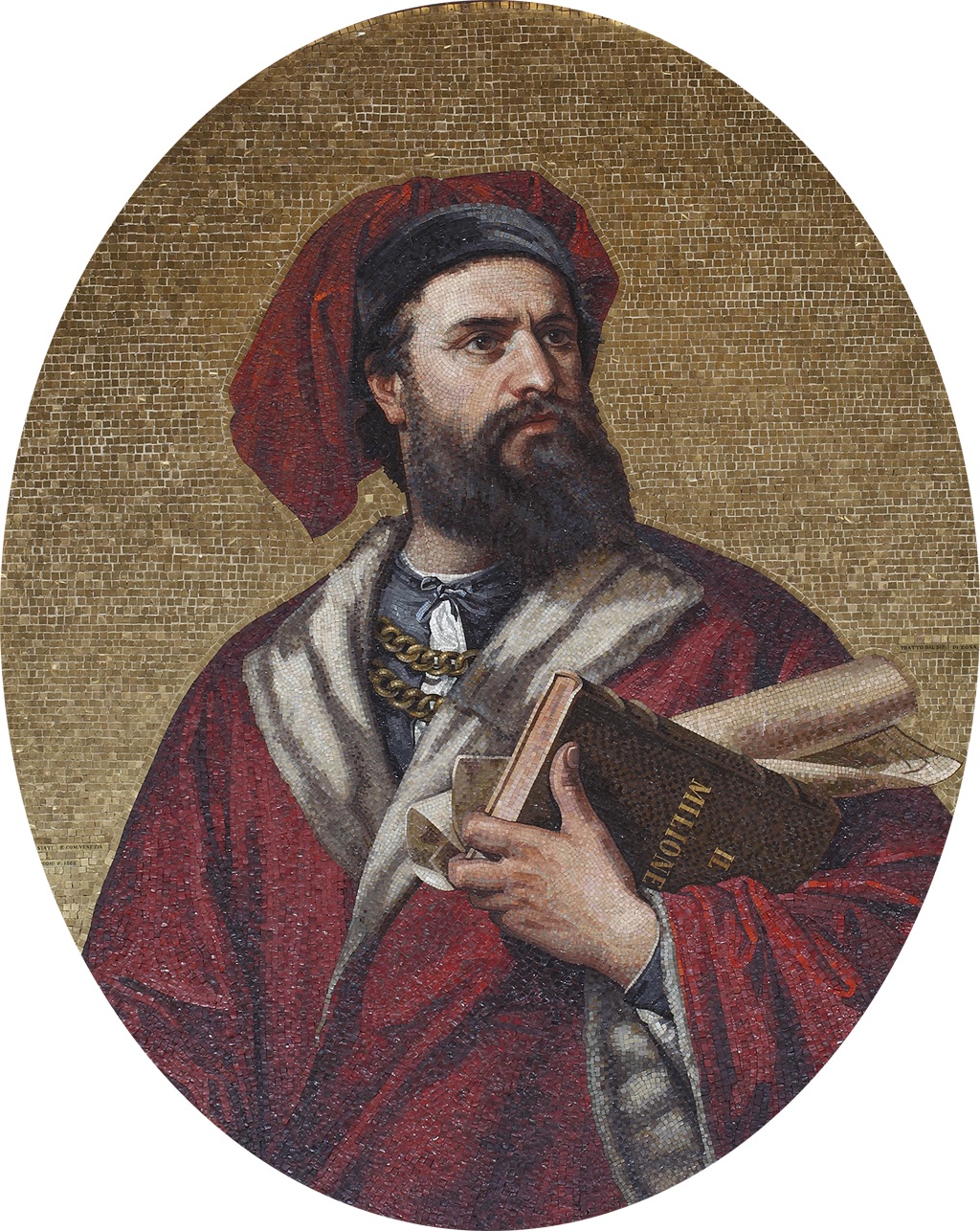
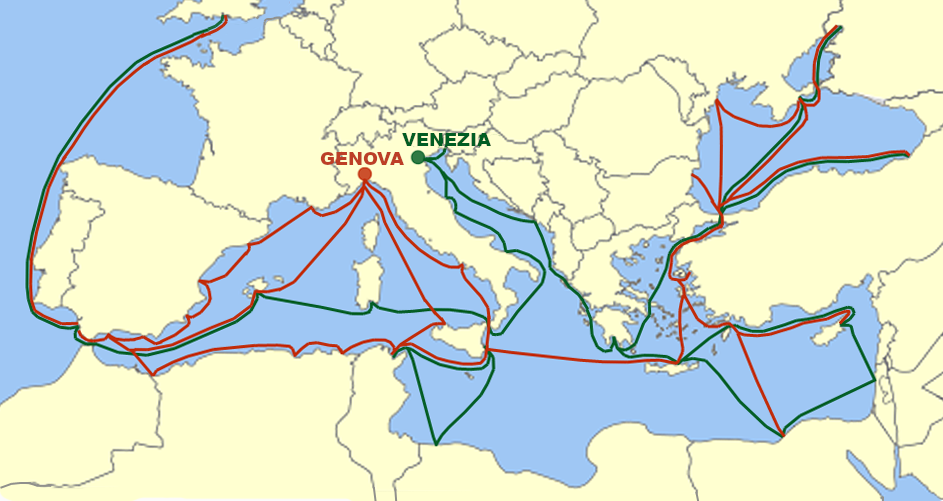
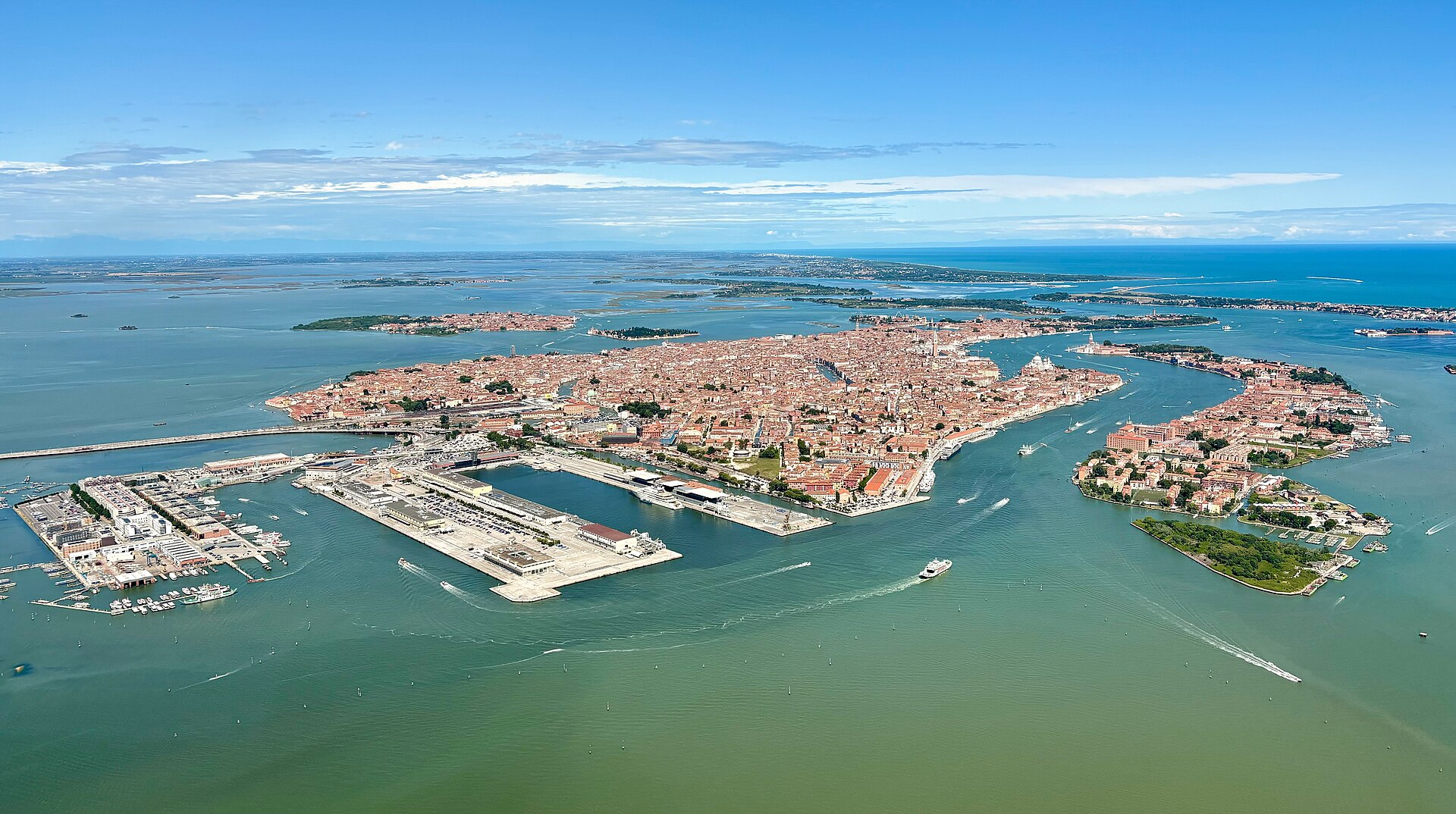
After the Western Roman Empire fell in the fifth century, the peninsula fragmented into competing kingdoms, papal lands, and city-states. Among them rose powerful maritime republics such as Venice and Genoa, whose fleets dominated Mediterranean trade and whose travellers, most famously the Venetian Marco Polo, opened routes to the distant East.
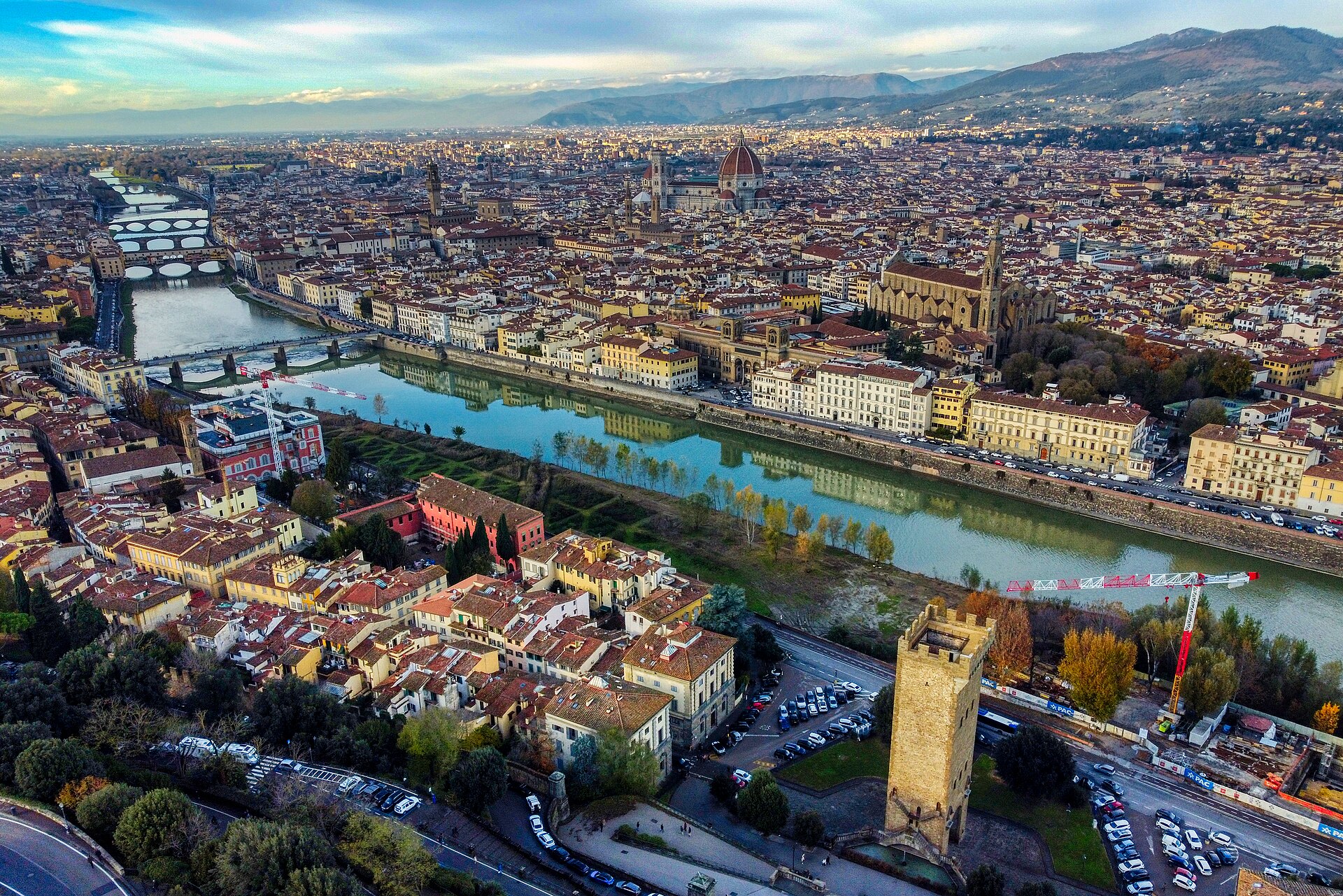
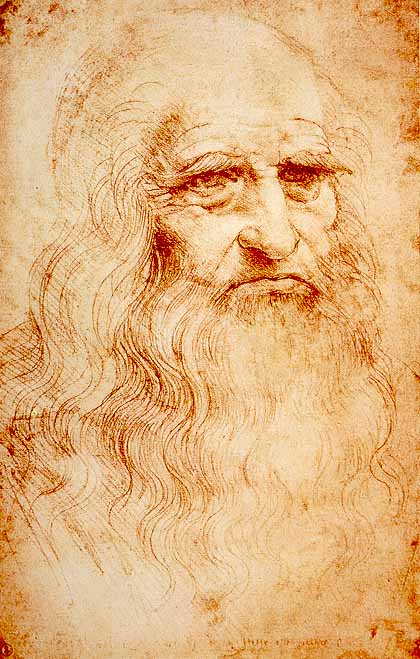
From the wealthy cities of the north, above all Florence, sprang the Renaissance, the extraordinary flowering of art, science, and learning that reshaped Europe from the fourteenth century. Patrons such as the Medici funded geniuses including Leonardo da Vinci, Michelangelo, and Raphael, whose work still defines Western art.
Tradition holds that Rome was founded in 753 BC by Romulus, who with his twin Remus was said to have been raised by a she-wolf, and who killed his brother to rule alone. The story was central to how Romans understood themselves, but historians regard the twins and the precise date as legend, layered over the slower, undocumented growth of an early settlement on the Tiber. The myth endures as symbol even as its literal truth is not established.
Italy's shape, a long peninsula with the Alps walling off its northern border, gives it a remarkable range of landscapes within a compact country. The Apennine mountains run down its spine, the fertile Po Valley spreads across the north, and a long coastline meets the Mediterranean on three sides. Italy is also a volcanic land, home to Vesuvius, which buried Pompeii, and Etna, one of the most active volcanoes in the world.
Italy is a parliamentary republic, established in 1946 when Italians voted to abolish the monarchy after the Second World War. A president serves as head of state while a prime minister leads the government, answerable to an elected parliament. Italian politics is known for frequent changes of government and a crowded field of parties, yet the country remains a founding member of the European Union and a major industrial democracy. The tiny independent Vatican City and the republic of San Marino sit entirely within its borders.
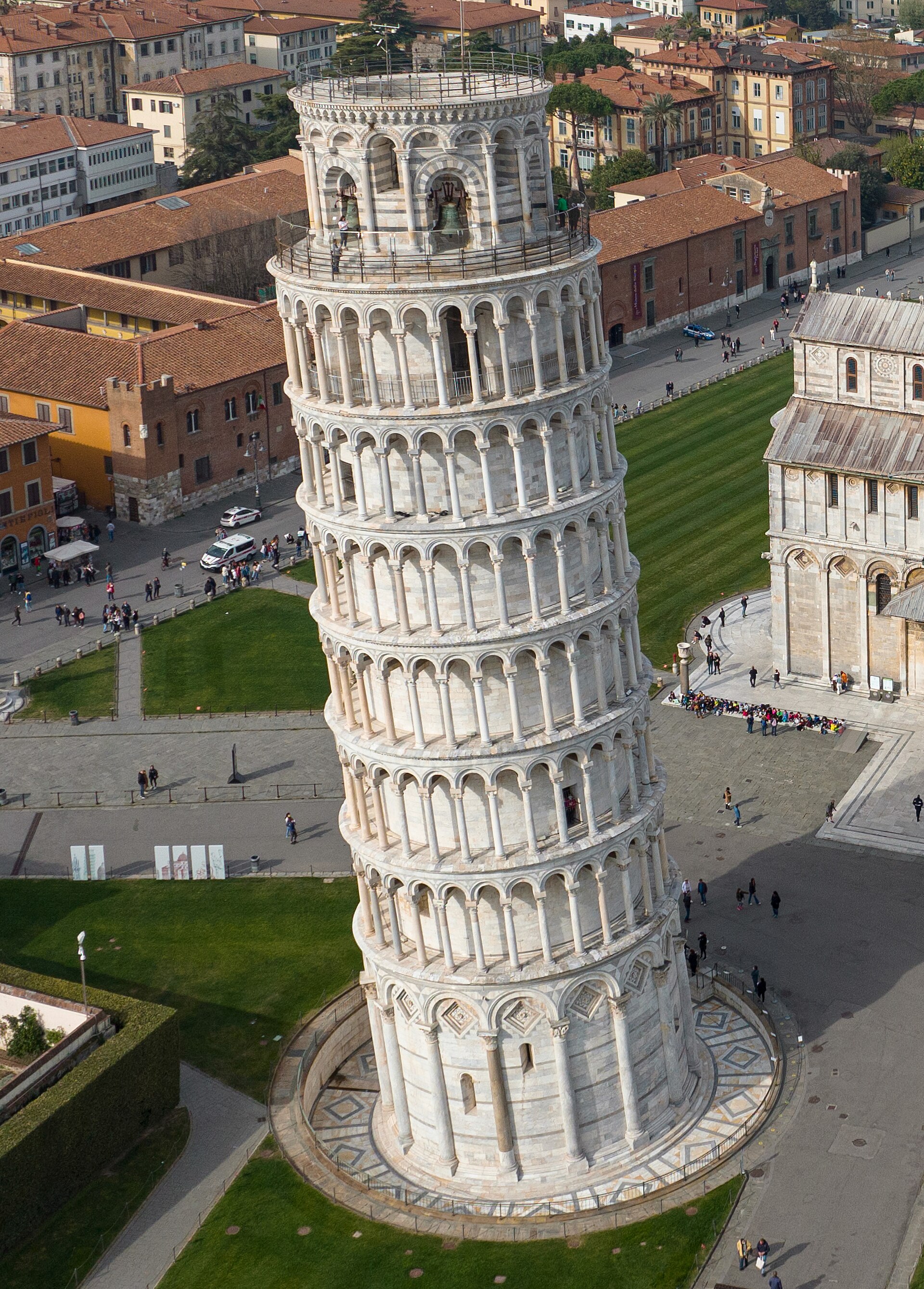
Italy has one of the largest economies in Europe, with a wealthy, industrial north built on engineering, machinery, and the celebrated brands of fashion and design, from Milan's couture houses to its sports cars. Tourism is vast, drawing visitors to its art cities, coasts, and monuments such as the leaning tower of Pisa. A persistent gap divides the prosperous north from the poorer south, and high public debt and slow growth are long-running concerns.
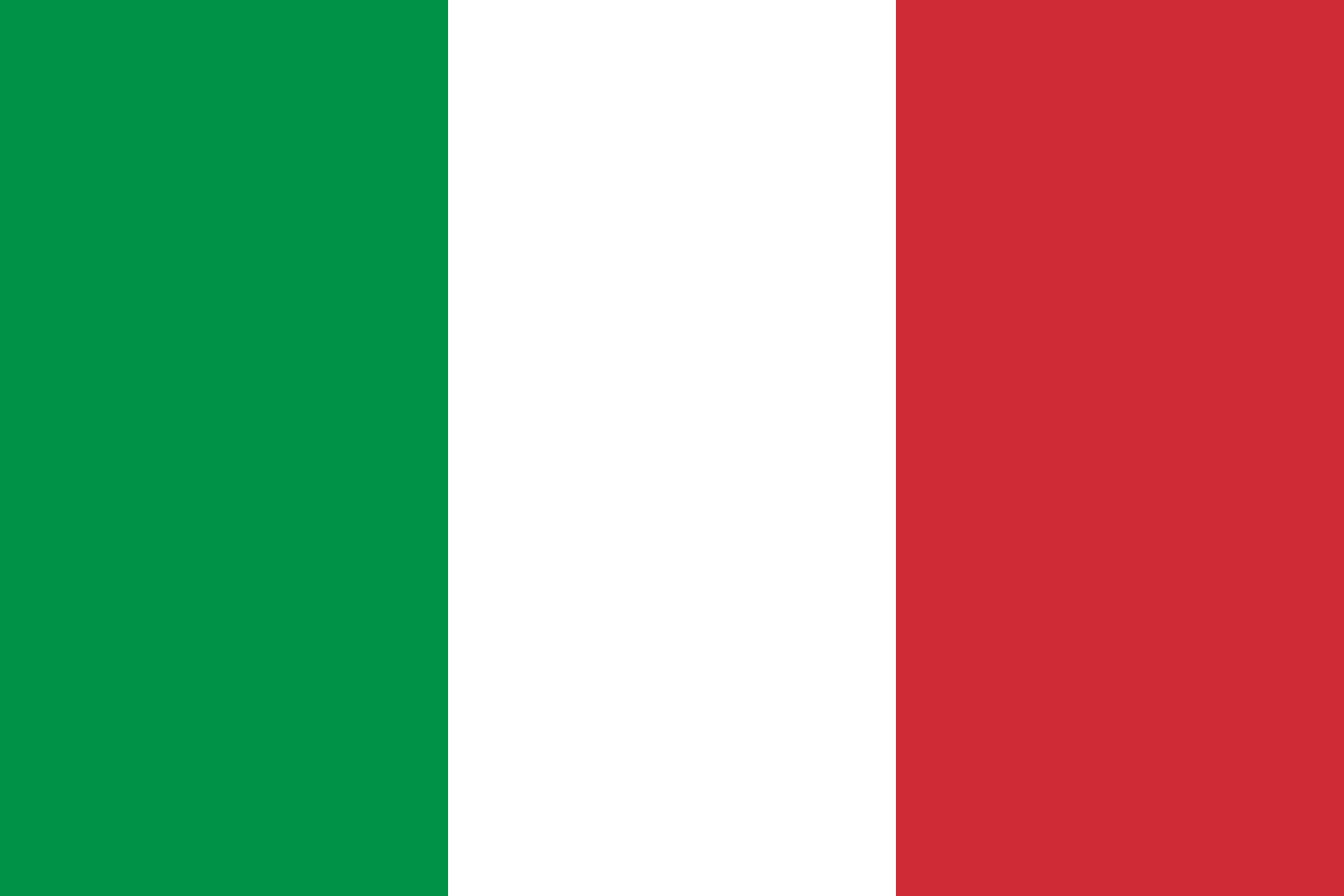
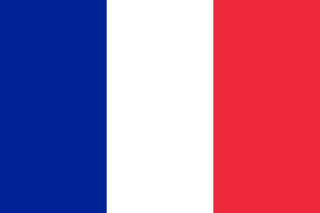
The Italian flag, il Tricolore, consists of three equal vertical bands of green, white, and red. Inspired by the French revolutionary tricolour, it was first adopted by Italian republics in the late 1700s and became the flag of the unified kingdom. Popular tradition assigns the colours to the country's plains, its snowy mountains, and the blood shed for unification, though these readings came after the design itself.
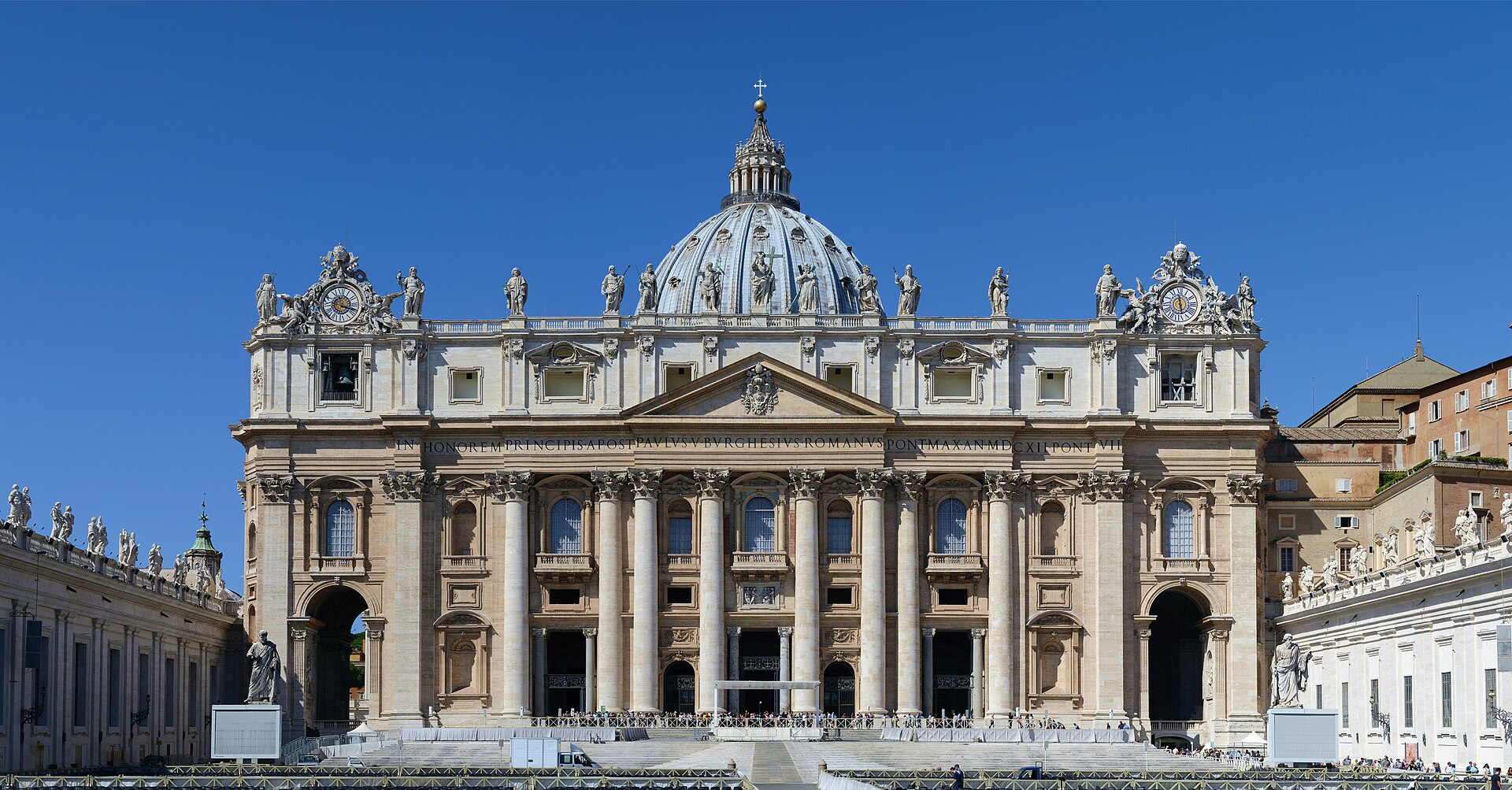
Italy is the historic heart of Roman Catholicism, and Rome surrounds the Vatican City, the independent state that is the seat of the Pope and the centre of the global Catholic Church. For most of its history the great majority of Italians have been Catholic, and the faith is bound up with art, festivals, and family life. As in much of Europe, regular religious practice has declined in recent decades, even as cultural Catholicism remains strong.
Italian cuisine is among the most popular and imitated in the world, prized for simple, high-quality ingredients prepared without fuss. Pasta in its endless shapes and pizza, born in Naples, are its global ambassadors, but the real tradition is intensely regional, with every area guarding its own specialities. Olive oil, tomatoes, garlic, and cheeses such as Parmesan form the base. The Mediterranean diet, of which Italian cooking is a cornerstone, is recognised by UNESCO and widely praised for its health benefits.
Italy's mild climate and varied terrain support a rich agricultural tradition. It is one of the largest wine producers in the world, often vying with France for the top spot, and a leading source of olive oil. Its fields and orchards yield tomatoes, durum wheat for pasta, grapes, and citrus, while the north is known for rice and dairy. Many Italian foods carry protected status tied to specific regions, such as Parmigiano-Reggiano cheese and Prosciutto di Parma.
Italy's cultural legacy is unrivalled, holding more UNESCO World Heritage sites than any other country. It gave the world the art of the Renaissance, the birth of opera, and masters of cinema, and it remains a global arbiter of fashion, design, and style. Daily life prizes family, food, and the pleasures of the table and the piazza, and strong regional identities give each part of the country its own dialect, cooking, and character.
Italy sits on the front line of one of Europe's most divisive issues: migration across the Mediterranean, as boats reach its southern shores and islands, fuelling fierce debate over rescue, asylum, and the European Union's shared responsibility. At home, the enduring economic divide between north and south shapes its politics, as does one of the world's lowest birth rates, which raises hard questions about an ageing population, a shrinking workforce, and the future of its generous welfare and pension system.
For centuries Italy was a patchwork of rival states rather than a single nation. That changed through the movement known as the Risorgimento, which unified the peninsula into the Kingdom of Italy in 1861. The twentieth century brought the fascist dictatorship of Benito Mussolini and the devastation of the Second World War, after which Italians voted to abolish the monarchy and founded a democratic republic in 1946, soon becoming a founder of the European project.
Italy has a population of around 59 million people, most of whom live in the industrial north and around major cities such as Rome, Milan, and Naples. Italians share a strong national culture while retaining vivid regional differences in dialect, food, and custom. The country faces one of the most pronounced demographic challenges in Europe: a very low birth rate and a rapidly ageing population mean the number of Italians has begun to fall, raising long-term questions about the workforce and pensions.