Ireland is an island nation in the North Atlantic, off the western coast of Europe, famous for its lush green landscape that has earned it the name the Emerald Isle. The Republic of Ireland covers most of the island, while the north remains part of the United Kingdom. A land of ancient Celtic heritage, early Christian learning, and a history marked by famine and emigration, Ireland today is a prosperous, outward-looking country whose culture and diaspora reach across the world.
Ireland's history runs from ancient Gaelic tribes and an early Christian golden age, through centuries of English conquest, famine, and emigration, to a hard-won independence and modern prosperity.
Ireland was settled after the last ice age, and its early peoples raised stone circles, tombs, and monuments, some older than the pyramids, such as the great passage grave of Newgrange. It became a Celtic, Gaelic-speaking land which, uniquely in western Europe, was never conquered by Rome, developing its own language, law, and culture and a society of tribal kingdoms.
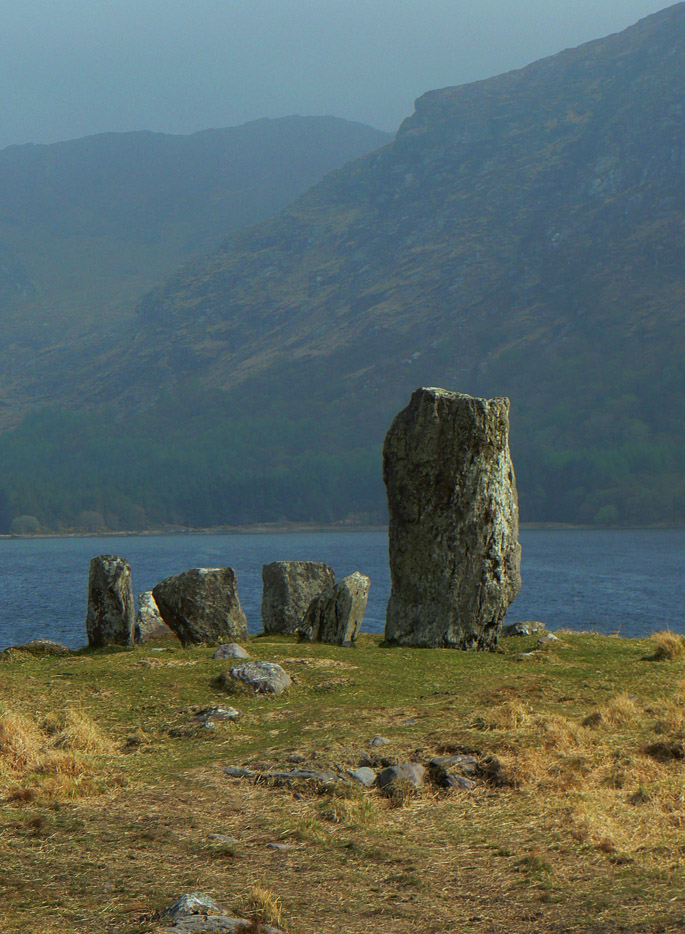
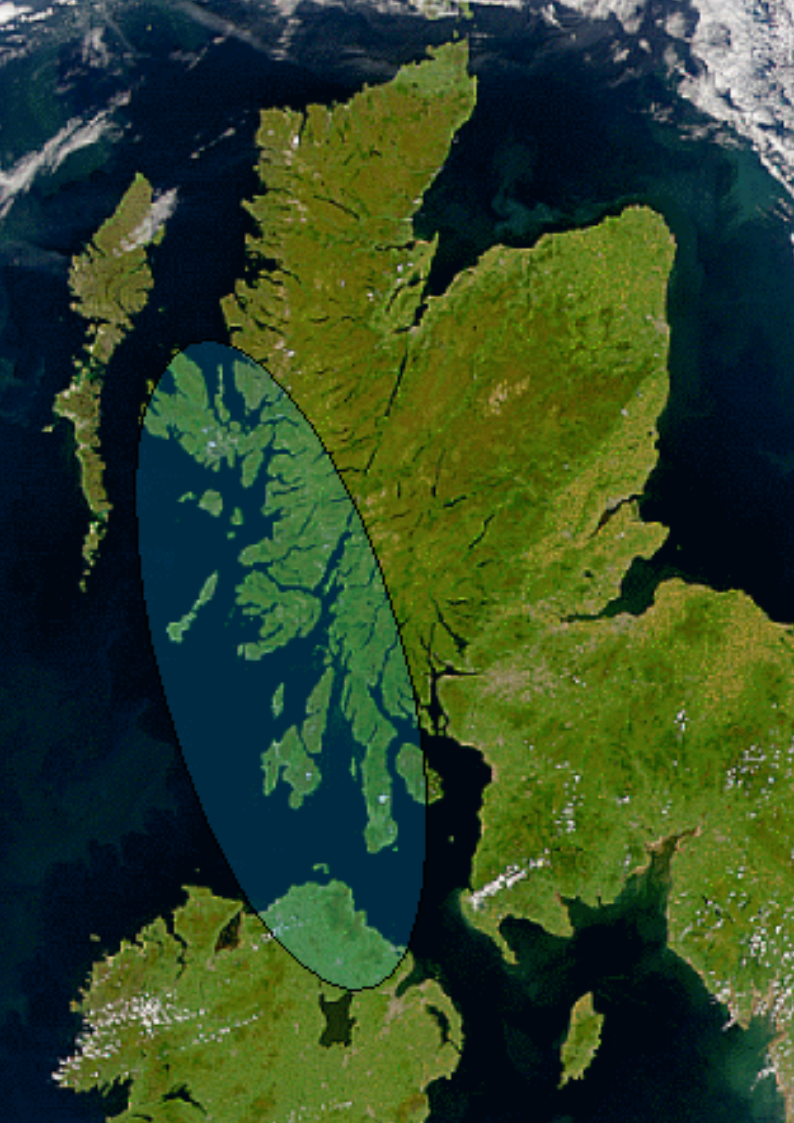
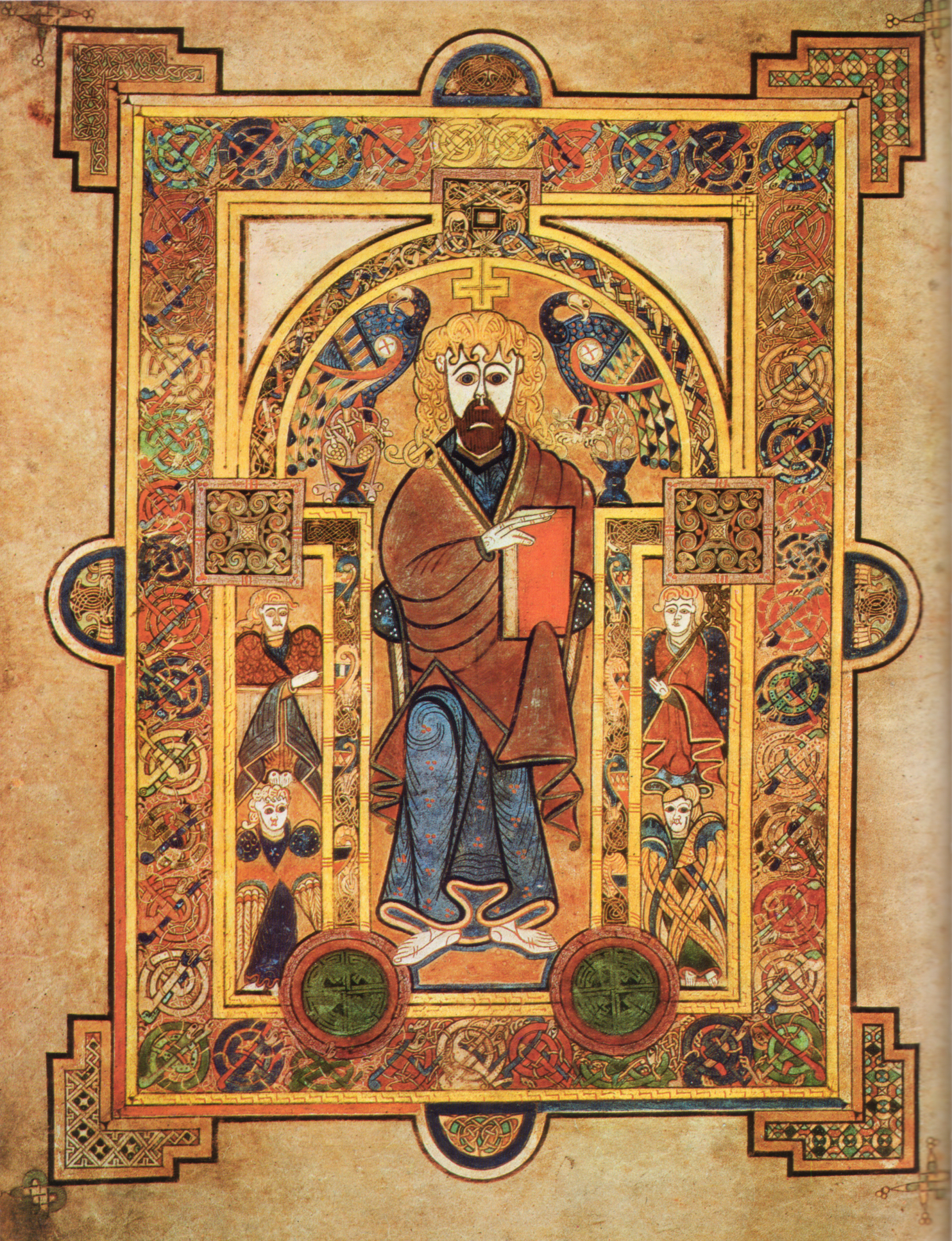
After it converted to Christianity in the fifth century, associated above all with Saint Patrick, Ireland became in the early Middle Ages an island of saints and scholars, its monasteries beacons of learning that helped keep literacy alive in a turbulent Europe and produced illuminated masterpieces such as the Book of Kells. From the eighth century Norse Vikings raided the coasts and founded trading towns, among them Dublin.
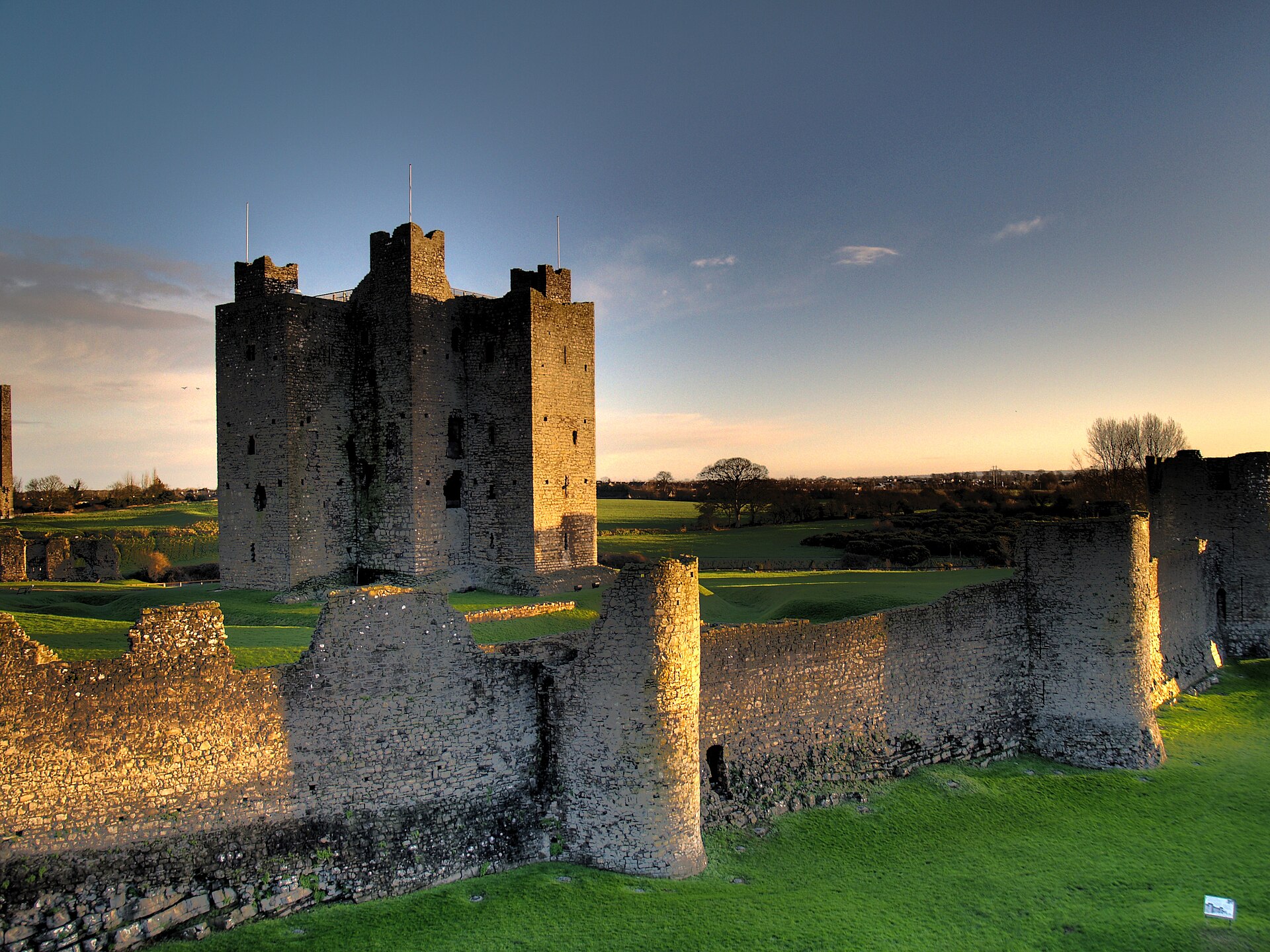
From the twelfth century Norman lords, and behind them the English crown, extended control over the island, raising great castles and beginning centuries of rule that brought dispossession, plantation by settlers, harsh penal laws against the Catholic majority, and repeated rebellion. The long and bitter relationship with England would shape everything that followed.
The nineteenth century brought catastrophe: the Great Famine of the 1840s, when the failure of the potato crop on which the poor depended killed around a million people and drove many more to emigrate, scarring the nation and scattering a vast diaspora across the world. The struggle for self-rule culminated in the Easter Rising of 1916 and a war of independence, and in 1921 the island was partitioned, most of it becoming an independent state, while six northern counties remained part of the United Kingdom.
Old Irish tradition, set down in medieval texts, tells of a series of mythical peoples who settled Ireland in waves, ending with the Milesians, said to be the ancestors of the Gaelic Irish, who arrived from Iberia and defeated the supernatural Tuatha De Danann. These tales were long treated as a kind of national history, but scholars regard them as legend and myth woven from older traditions rather than a record of actual events, even as they preserve a deep sense of Irish identity.
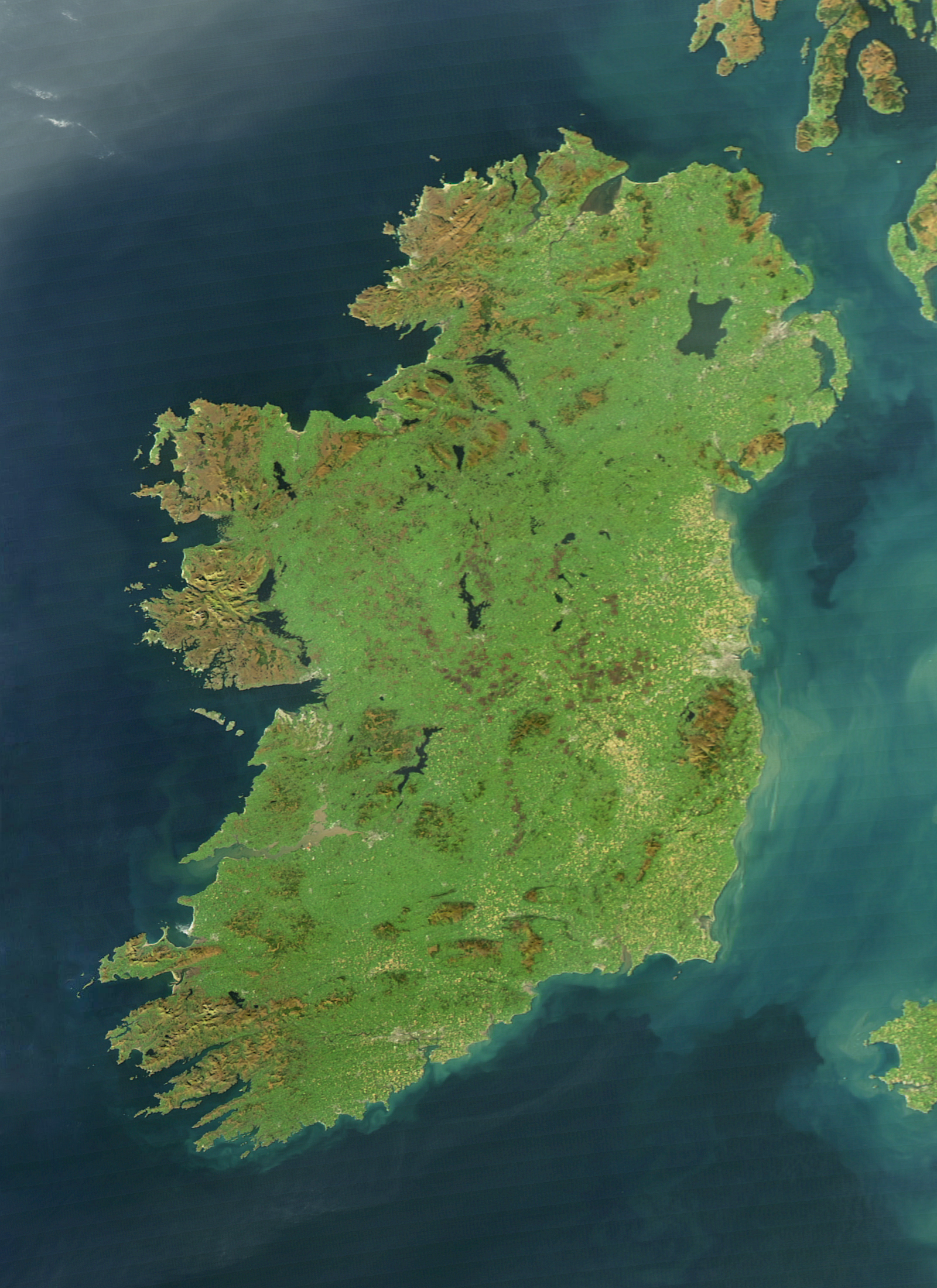
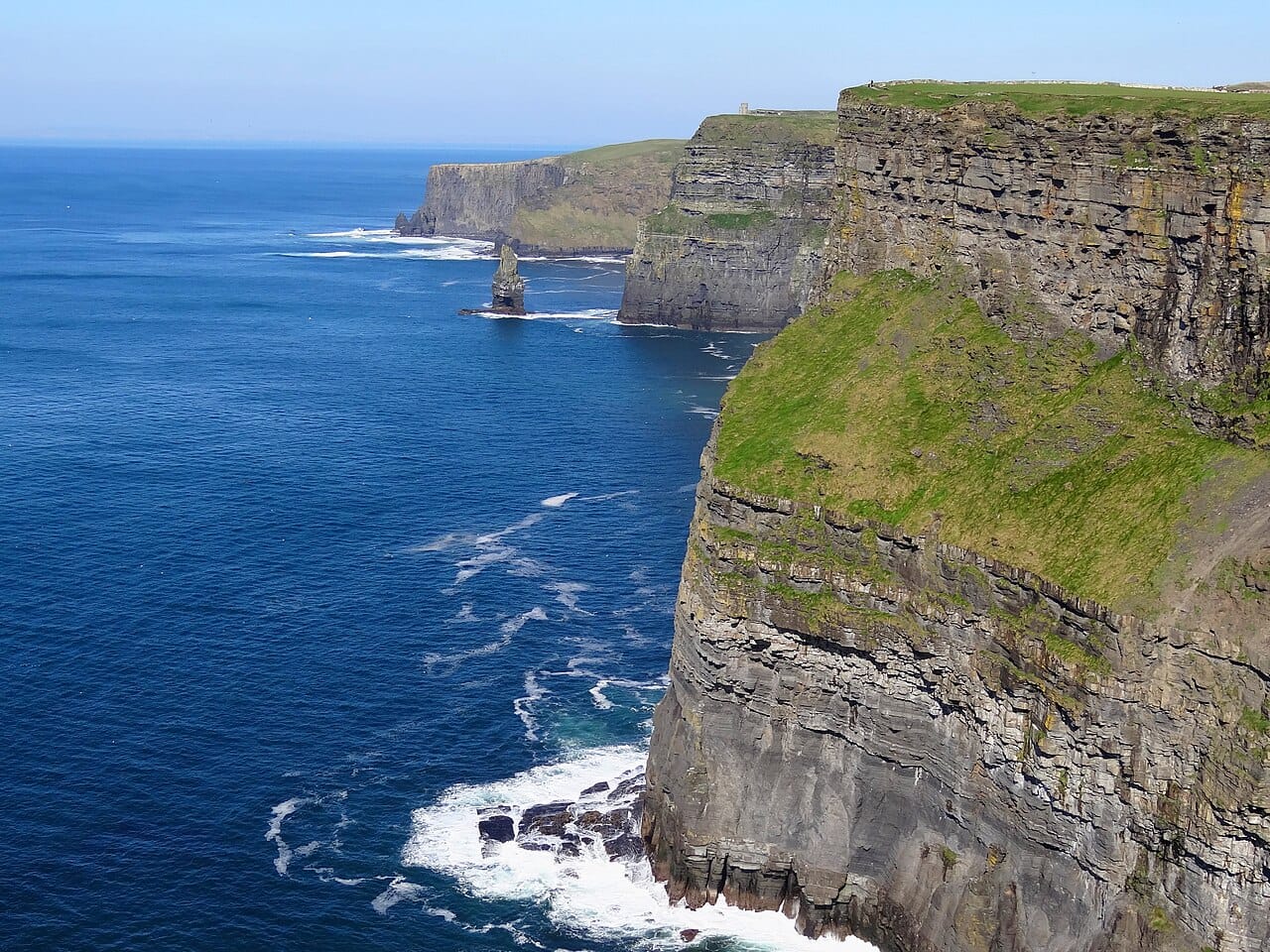
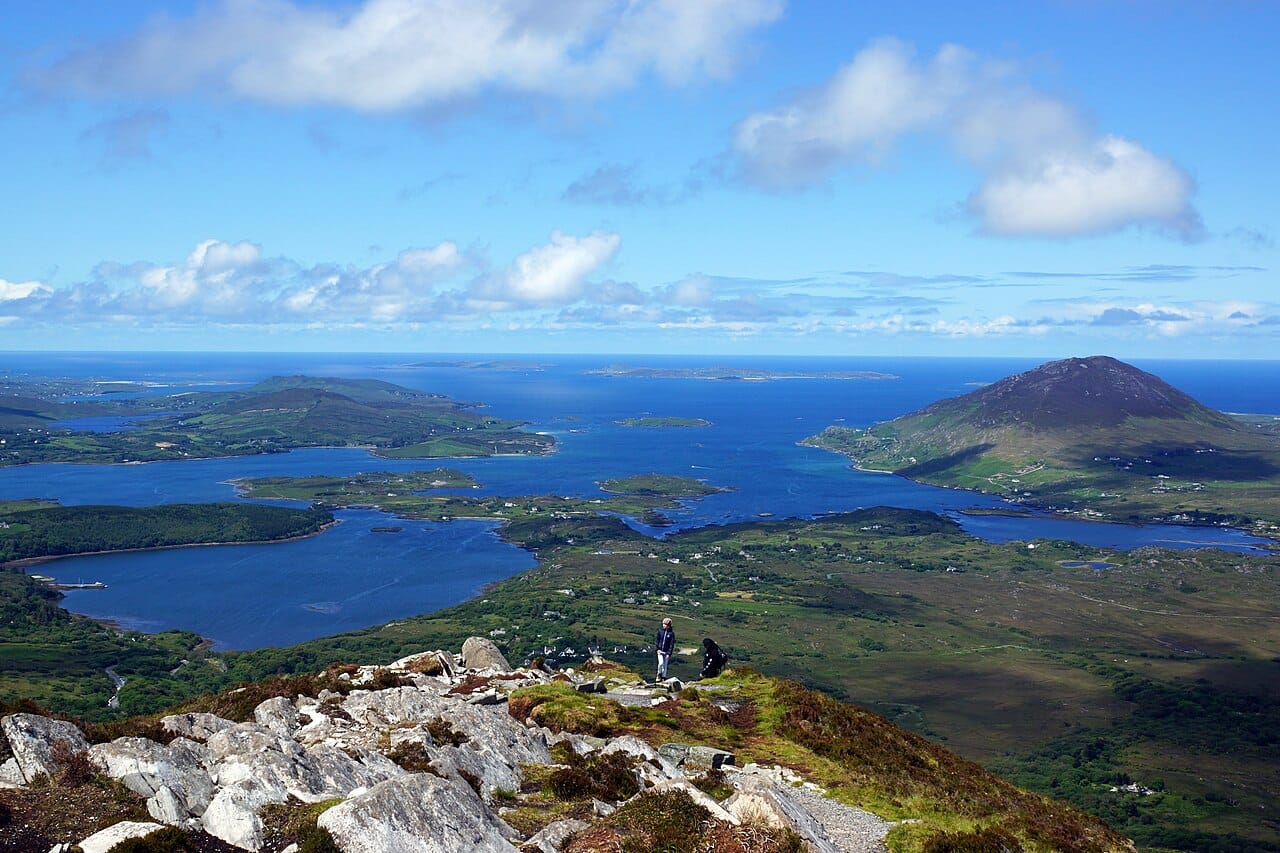
Ireland is a green and rainy island, its mild, moist Atlantic climate keeping the countryside lush, hence its nickname. The interior is a low plain of farmland and peat bogs, ringed by ranges of low mountains and hills near the coasts, while the western seaboard is wild and dramatic, with cliffs, inlets, and islands facing the ocean. Rivers and many lakes, or loughs, thread the land, and there are no extremes of terrain, only a soft, watered landscape.
The Republic of Ireland is a parliamentary democracy, a member of the European Union since 1973 and, unusually for a Western European country, militarily neutral and outside NATO. A largely ceremonial president serves as head of state, while the head of government, the Taoiseach, leads a cabinet answerable to parliament, the Oireachtas. For most of the state's history power was shared between two centrist parties born of the independence struggle, Fianna Fail and Fine Gael; the Taoiseach since 2025 is Micheal Martin of Fianna Fail, leading a coalition of the two. Recent years have seen the rise of Sinn Fein, which seeks Irish reunification, as a major force in the politics of both parts of the island.

Ireland has been utterly transformed in a generation, from one of western Europe's poorer countries into one of its richest. The boom of the 1990s and 2000s, the Celtic Tiger, ended in a severe crash and bailout in 2008, but the economy rebounded strongly. Its foundation today is foreign investment: a low corporate tax rate, an English-speaking workforce, and membership of the European Union have made Ireland the European base for many of the world's largest technology and pharmaceutical companies, from software and social media giants to drug makers. This has brought great wealth, if unevenly shared, alongside a sharp housing shortage and a high cost of living.
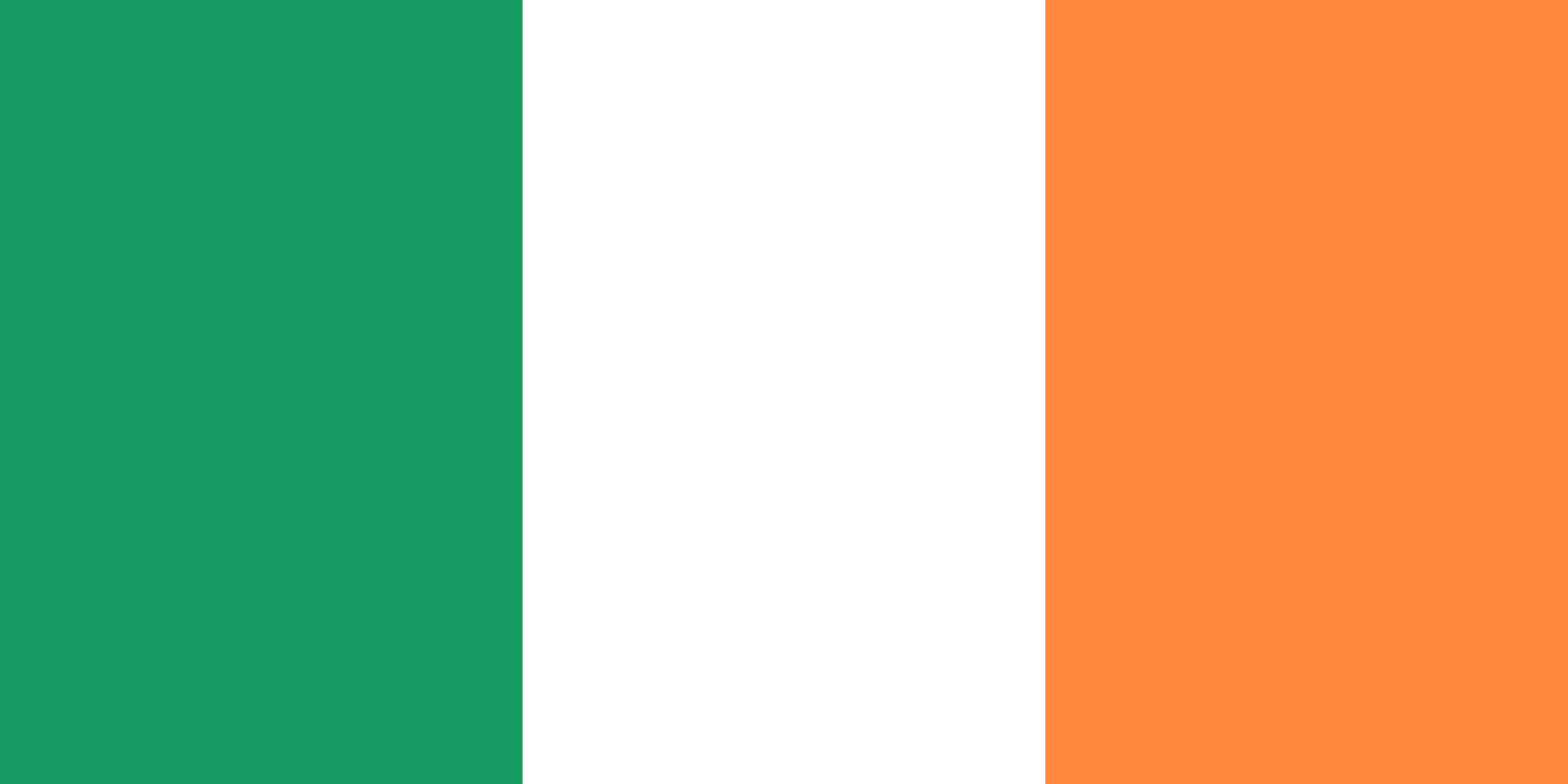
The flag of Ireland is a vertical tricolour of green, white, and orange. The green represents the Gaelic and Catholic tradition of the island, the orange the Protestant community descended from settlers, and the white in between stands for the hope of lasting peace between them. Adopted during the struggle for independence, the flag expresses a wish for unity and reconciliation among the different traditions of the Irish people.
Ireland was for centuries one of the most devoutly Roman Catholic countries in the world, with the Church central to its identity, education, and daily life, a faith bound up with national identity during the long period of British rule. In recent decades, however, Ireland has secularised with remarkable speed, with religious practice falling sharply and the Church's influence much reduced, even as Catholic heritage remains a strong part of the country's culture and traditions.
Irish cuisine is traditionally simple and hearty, built on the produce of its farms and seas. The potato became central to the Irish diet, with lasting and tragic consequences, and dishes such as Irish stew, of lamb or mutton with potatoes and onions, colcannon of mashed potato and cabbage, and soda bread are classics. The island's lush pastures yield excellent dairy and beef, and Ireland is world-famous for its drinks, above all the dark stout Guinness.
Agriculture is important to Ireland and shaped by its green, rain-fed pastures. The mild, wet climate is ideal for grass, making dairy and beef cattle and sheep the heart of Irish farming, and the country is a major exporter of dairy products and beef, prized for being grass-fed. Tillage of grains is more limited. Irish farming, with its small green fields divided by hedgerows, is central to the rural landscape and to the country's image abroad.
For a small nation, Ireland has an extraordinary cultural reach. It has produced a remarkable literary tradition, with writers from Jonathan Swift and Oscar Wilde to James Joyce and four winners of the Nobel Prize, among them W. B. Yeats and Samuel Beckett. Its traditional music, played on fiddle, flute, and tin whistle in pub sessions, is beloved around the world, as are its dance, its pubs, and the Guinness stout. The Irish, or Gaelic, language, though spoken daily by few, is cherished and taught as a badge of identity, and native Gaelic games, hurling and Gaelic football, command fierce loyalty. Once among the most devoutly Catholic societies on Earth, Ireland has secularised with startling speed, voting by referendum to allow same-sex marriage and to liberalise abortion, and its global diaspora keeps Irish culture alive far beyond the island, nowhere more visibly than on Saint Patrick's Day.
The oldest and most sensitive question in Irish life is that of the border. When the island was partitioned in 1921, six counties in the north, with a Protestant and unionist majority who wished to remain British, stayed in the United Kingdom as Northern Ireland, while the rest became independent. From the late 1960s Northern Ireland was torn by three decades of conflict known as the Troubles, between mostly Catholic nationalists seeking a united Ireland and mostly Protestant unionists loyal to Britain, which killed some three and a half thousand people before the Good Friday Agreement of 1998 brought a hard-won peace and power-sharing. The question of whether the island should one day be reunited is now more alive than at any time in decades, pressed by demographic change in the north, by the disruption of Brexit, and by the rise of Sinn Fein, yet fiercely resisted by unionists. If and how reunification might happen, and whether it can be done peacefully, is an open and deeply felt question.
The Republic of Ireland has a population of around 5.3 million people, the great majority ethnically Irish, with English the everyday language alongside the Irish, or Gaelic, tongue that is an official language and a cherished part of the heritage. Centuries of emigration mean that people of Irish descent around the world, especially in the United States, Britain, and Australia, far outnumber those on the island. The population is increasingly urban and centred on the capital, Dublin.