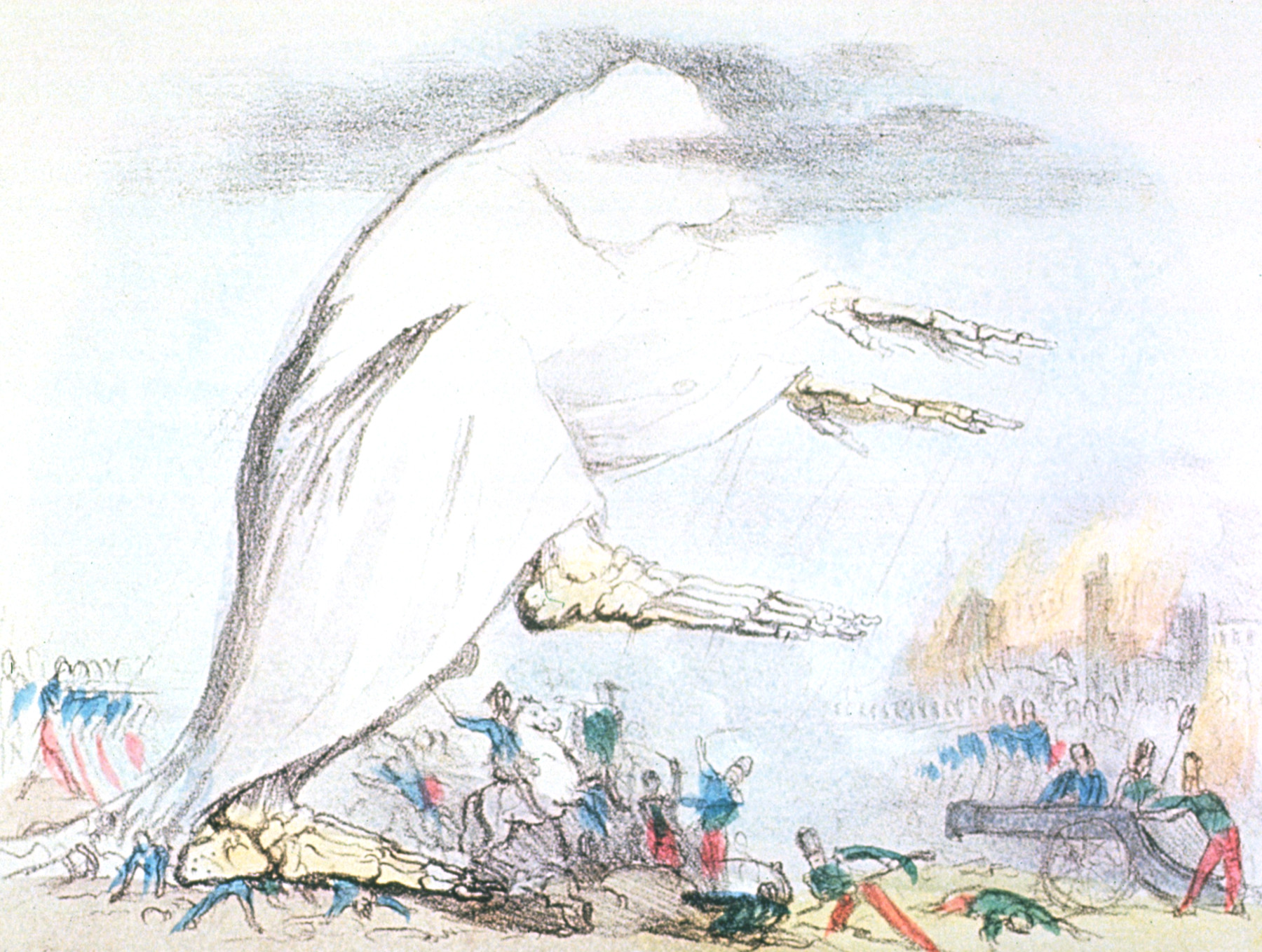
The hormone that allows cells to take up glucose from the blood. Its discovery in 1921 turned type 1 diabetes from a fatal disease into a manageable one, and it was the first protein to have its amino acid sequence determined.
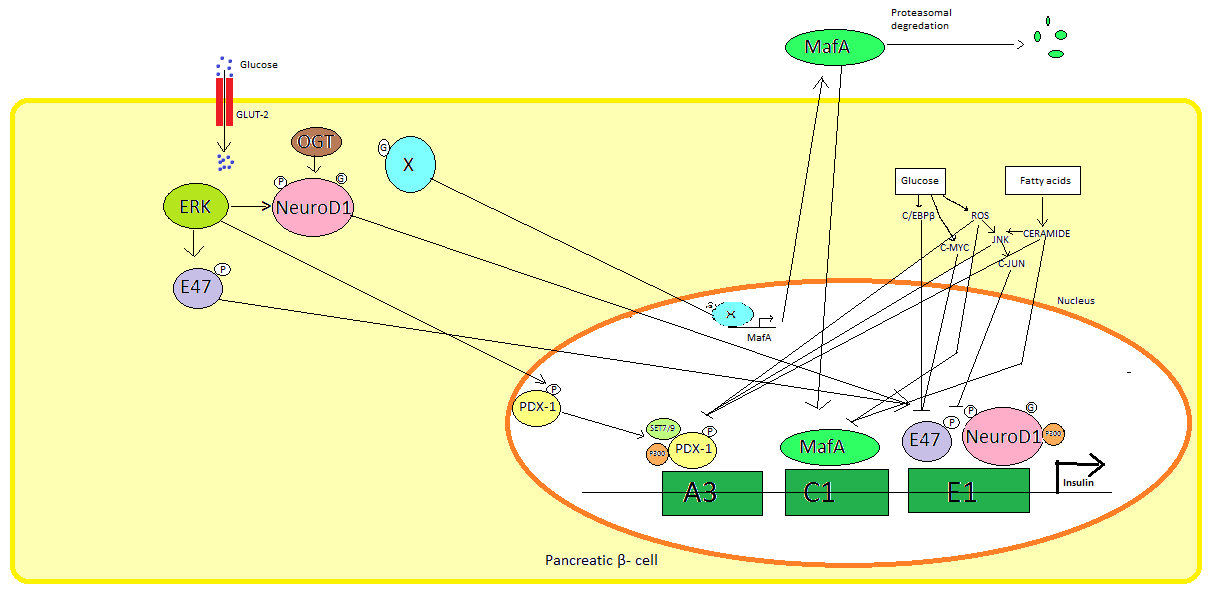
Insulin is produced by the beta cells of the pancreatic islets and released when blood glucose rises, principally after a meal.
Its main effect is to allow glucose into cells. Muscle and fat cells hold glucose transporters in internal vesicles, and insulin causes these to move to the cell surface, so glucose that could not previously enter now can. Liver and brain cells take up glucose without requiring this step, which is why the brain continues to be supplied when insulin is absent.
It also directs storage. It promotes conversion of glucose to glycogen in liver and muscle, promotes fat synthesis and storage, and promotes protein synthesis. In each case it signals abundance, and the body responds by storing rather than mobilising.
Its opposite is glucagon, released by neighbouring alpha cells when glucose falls, which causes the liver to release stored glucose. The two together hold blood glucose within a narrow range regardless of when a person last ate.
Before 1922 type 1 diabetes was fatal, usually within months of onset in children. The only treatment was near-starvation, which extended life briefly at severe cost.
The connection to the pancreas was established in 1889 when Oskar Minkowski and Joseph von Mering removed the organ from a dog and found it developed diabetes. Extracting the active substance defeated researchers for three decades, because the pancreas also produces digestive enzymes that destroy it during extraction.
At the University of Toronto in 1921, Frederick Banting and Charles Best, working in Toronto with John Macleod's support and with James Collip's expertise in purification, obtained an extract that lowered blood glucose in diabetic dogs.
In January 1922 a fourteen year old boy, Leonard Thompson, near death, received the first injection. The first preparation was too impure and produced an abscess; Collip's purified version, given days later, produced a rapid and dramatic recovery.
The effect on patients already comatose was so striking that it became one of the most widely reported medical events of the century. Banting and Macleod received the Nobel Prize in 1923; Banting shared his portion with Best and Macleod with Collip.
The Toronto group sold the patent to the university for one dollar each, taking the view that the discovery should not be a source of private profit.
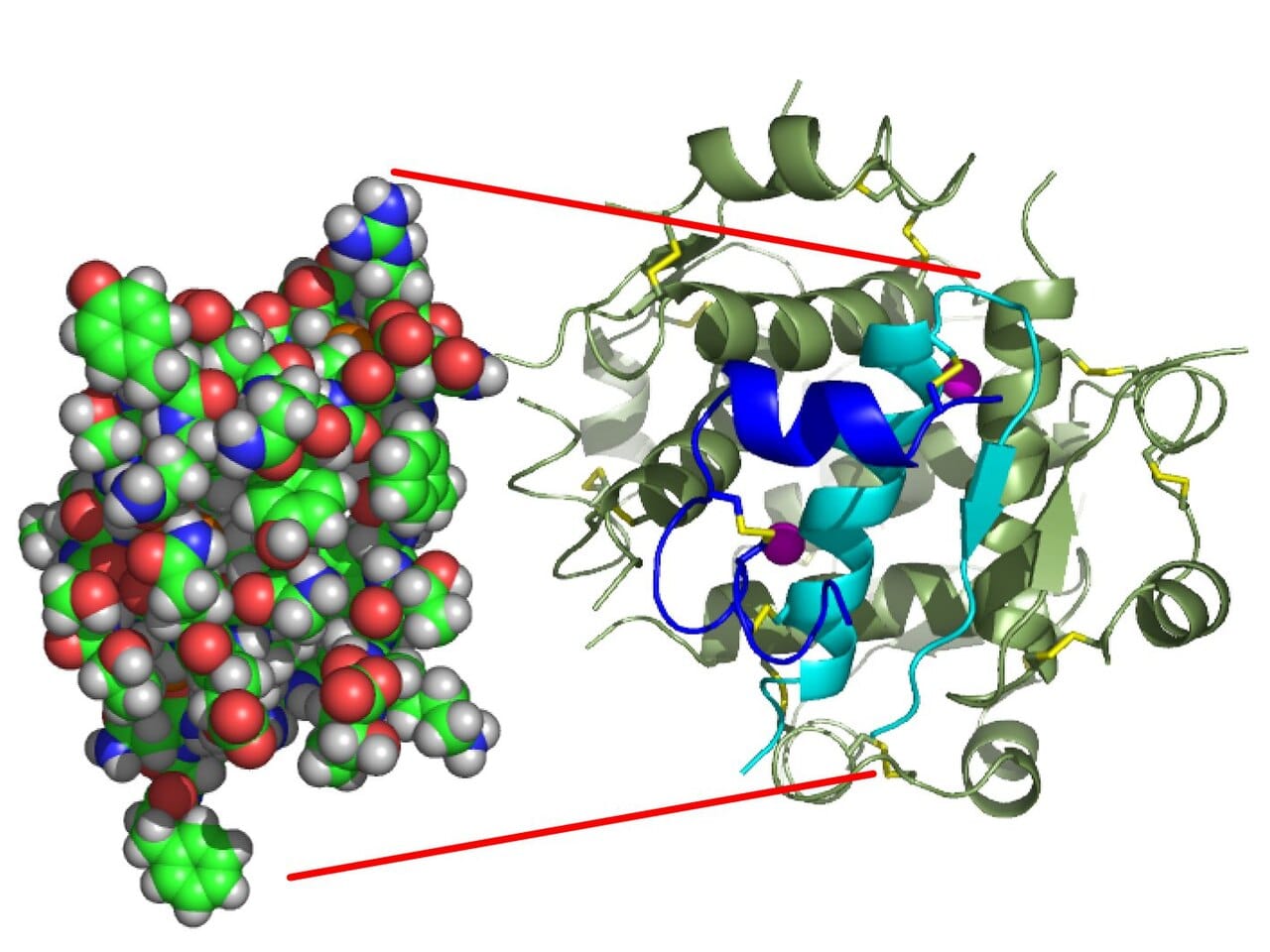
Insulin is a small protein of fifty one amino acids in two chains, linked by disulfide bridges.
Frederick Sanger determined the sequence in 1955, work for which he received the first of his two Nobel Prizes. The result mattered beyond insulin: it established that a protein has a single exact sequence rather than an approximate composition, which was not obvious beforehand and which underpins all subsequent molecular biology.
Insulin was also the first therapeutic protein made by genetic engineering. The human gene was inserted into bacteria, which then produced human insulin, and the product was approved in 1982. Before this, insulin was extracted from pig and cattle pancreases, which differ slightly in sequence and caused immune reactions in some patients.
Type 1 diabetes is an autoimmune destruction of the beta cells. Insulin is absent and must be replaced for life. It commonly appears in childhood and is not caused by diet or lifestyle.
Type 2 diabetes is different in mechanism. Insulin is present, often in raised amounts, and cells respond poorly to it, a state called insulin resistance. Beta cell function typically declines over time as well. It accounts for the large majority of cases and is strongly associated with obesity, inactivity and age, and its prevalence has risen sharply worldwide.
Treatment differs accordingly. Type 1 requires insulin. Type 2 is managed first with diet, activity and drugs that improve sensitivity or increase secretion, with insulin used later if needed.
Modern insulin therapy uses analogues engineered to act rapidly or to release slowly over a day, delivered by pen or by pump, increasingly paired with continuous glucose monitors in systems that adjust delivery automatically.
Insulin is the clearest case of a hormone whose replacement converts a fatal disease into a chronic one, and it remains on every list of essential medicines. It has also been central to the history of biology three times over: as the first protein sequenced, as the first recombinant drug, and as the standard example of endocrine control by opposed hormones.