A sustained rise in the general level of prices, equivalently a fall in the purchasing power of money. It is measured by tracking the cost of a basket of goods, and both high and negative rates cause serious problems.
Inflation is a rise in prices generally, not a rise in any particular price. If bread becomes more expensive while everything else is unchanged, that is a change in relative prices and it carries information about the supply of and demand for bread. If everything rises together, that is inflation and it carries no such information.
It is measured with a price index, most commonly a consumer price index, which tracks the cost of a representative basket of goods and services. The rate is the percentage change in that index, usually over a year.
Measurement is harder than it appears. The basket must change as consumption patterns change, quality improves so that a product bought today differs from the one bought a decade ago, and substitution means people buy less of what has become expensive. Statistical agencies adjust for these, and the adjustments are technical and contested, since an index used to uprate pensions and wages has direct distributional consequences.
Demand-pull inflation occurs when spending exceeds what the economy can produce at current prices, so prices rise rather than output.
Cost-push inflation occurs when input costs rise, as with an oil price shock, and are passed into prices generally.
Monetary expansion is the underlying mechanism in sustained cases. If the quantity of money grows persistently faster than the quantity of goods, prices rise. The relationship is loose in the short run and reliable over long periods and at high rates, and every episode of very high inflation has involved rapid monetary growth, usually because a government financed spending by creating money.
Expectations matter independently. If workers and firms expect prices to rise they build that into wage demands and price setting, which makes the expectation self-fulfilling. This is why central banks treat the anchoring of expectations as a central task, and why credibility is regarded as an asset.
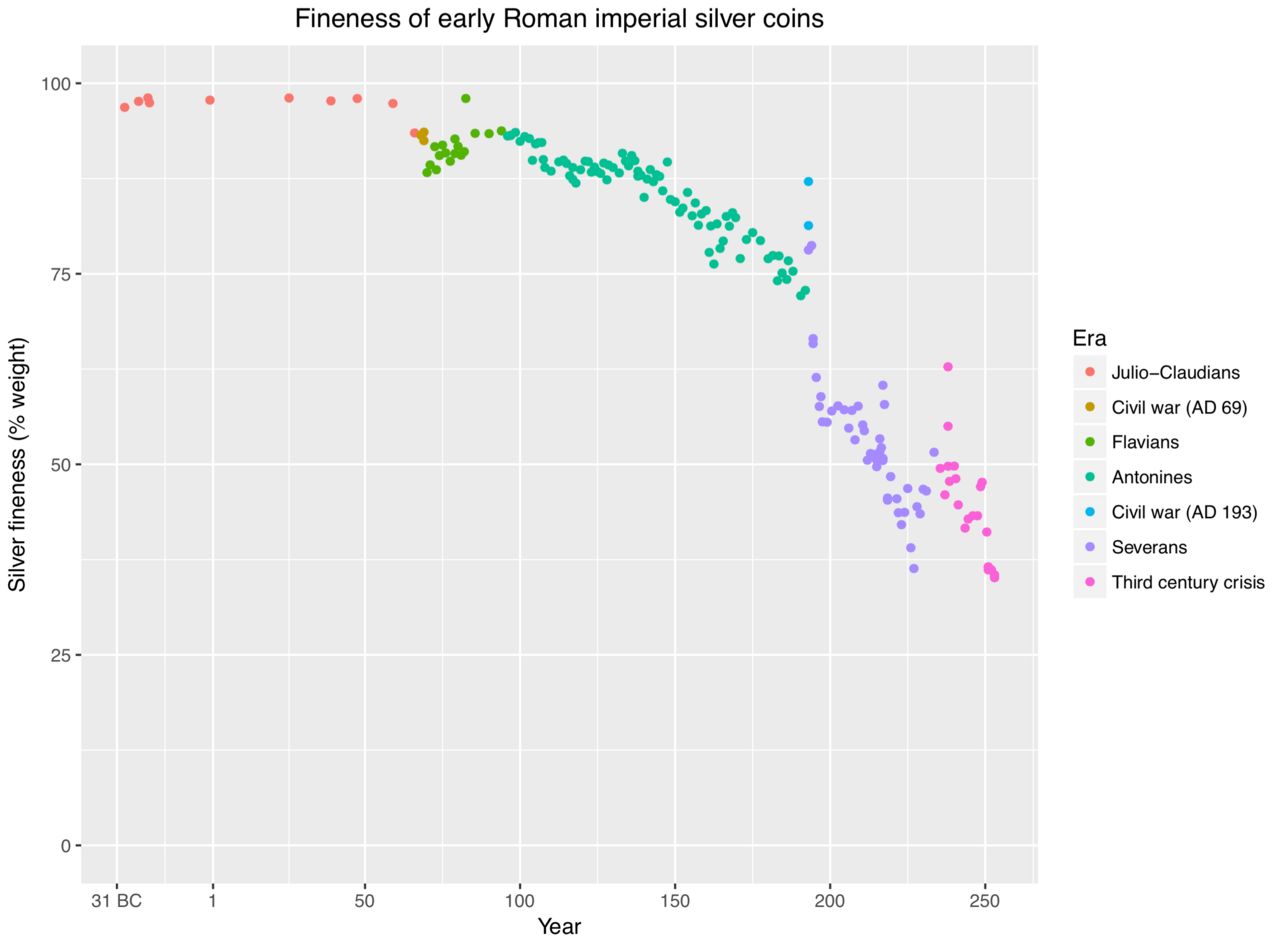
The oldest form is debasement. A ruler short of funds reduces the precious metal in the coinage while keeping the face value, and prices rise to reflect the real content. Roman imperial silver coinage declined in fineness over the third century, and the resulting price rises are documented.
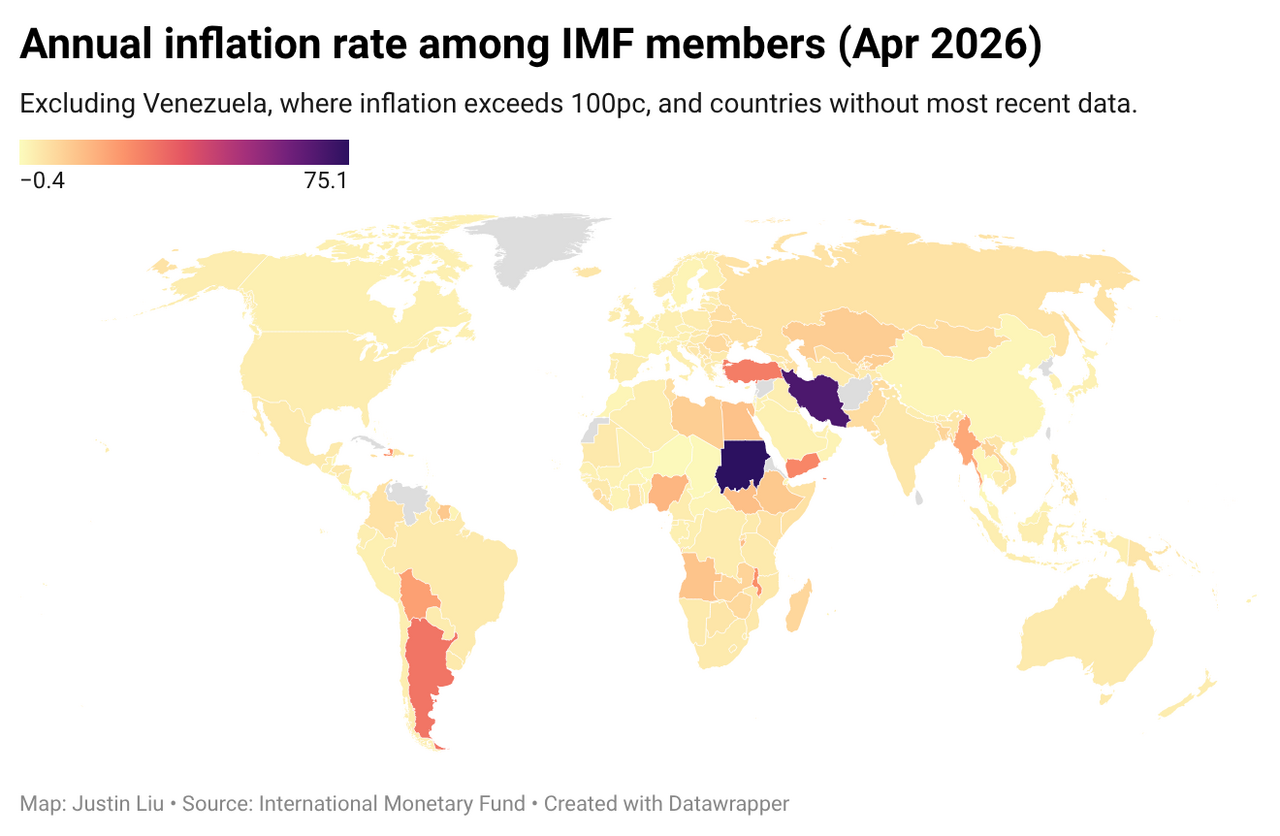
Moderate, stable and expected inflation is not especially damaging, since contracts and wages can be adjusted for it.
Unexpected inflation redistributes arbitrarily. It transfers wealth from lenders to borrowers, because debts are repaid in money worth less than when borrowed, and it erodes savings held in cash and fixed incomes not indexed to prices.
High inflation destroys the informational content of prices. When everything is rising rapidly, a business cannot distinguish a genuine change in demand for its product from general monetary movement, and investment decisions degrade accordingly.
Hyperinflation, conventionally defined as above fifty per cent per month, destroys the currency's usefulness entirely. People spend money immediately on receipt, the unit of account function fails, and the economy reverts toward barter or a foreign currency. Germany in 1923, Hungary in 1946 and Zimbabwe in 2008 are the standard cases, and each involved a government printing money to cover obligations it could not otherwise meet.
Falling prices sound beneficial and are not.
If prices are expected to fall, spending is deferred, which reduces demand and causes prices to fall further. Debts become harder to repay in real terms while incomes fall, which increases defaults. And nominal wages resist falling, so firms reduce employment instead.
Japan's experience after 1990 and the deflation of the early 1930s are the reference cases, and they are why central banks target a small positive rate rather than zero. A target of around two per cent provides a margin against accidental deflation and allows real wages to adjust without nominal cuts.
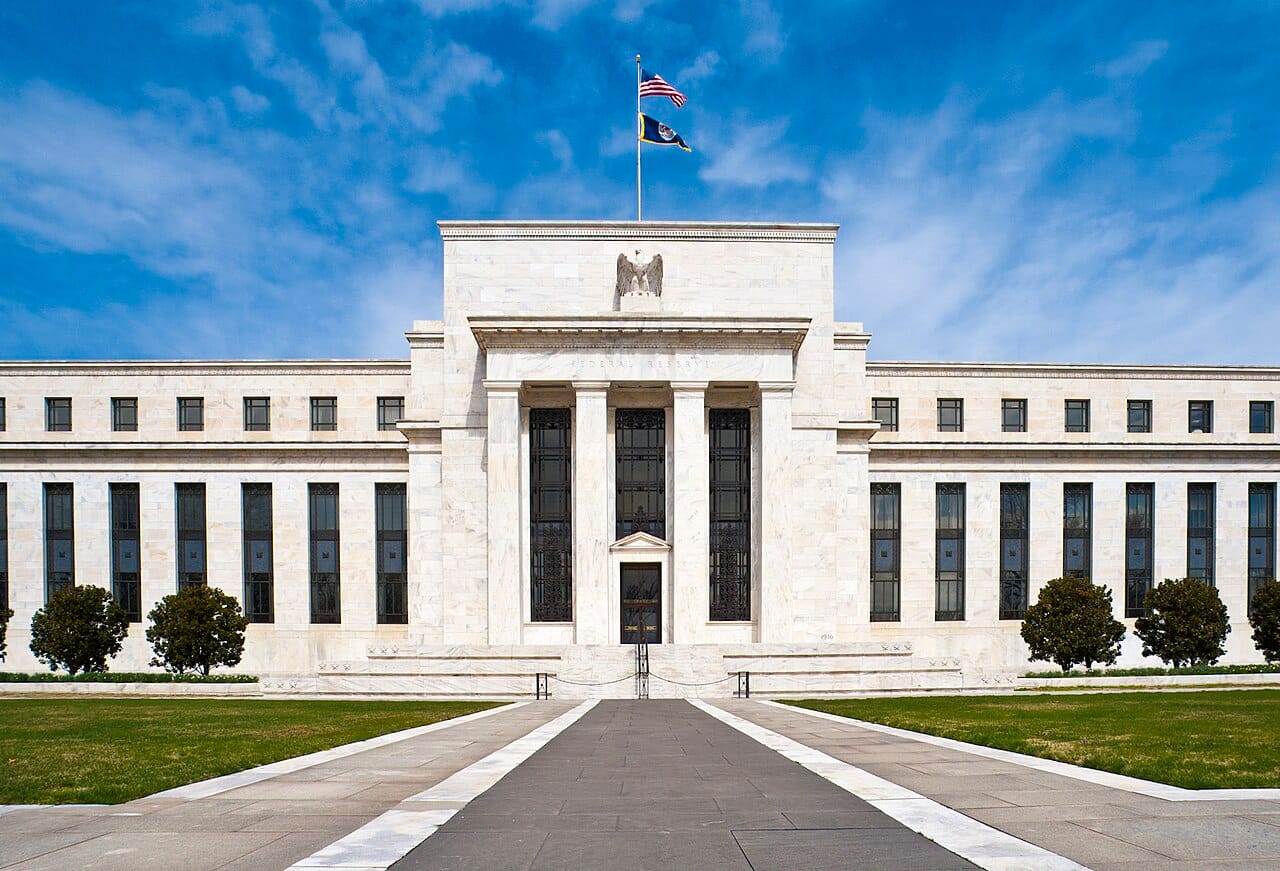
The principal instrument is the short-term interest rate. Raising it makes borrowing more expensive and saving more attractive, which reduces spending and slows price rises. Lowering it does the reverse.
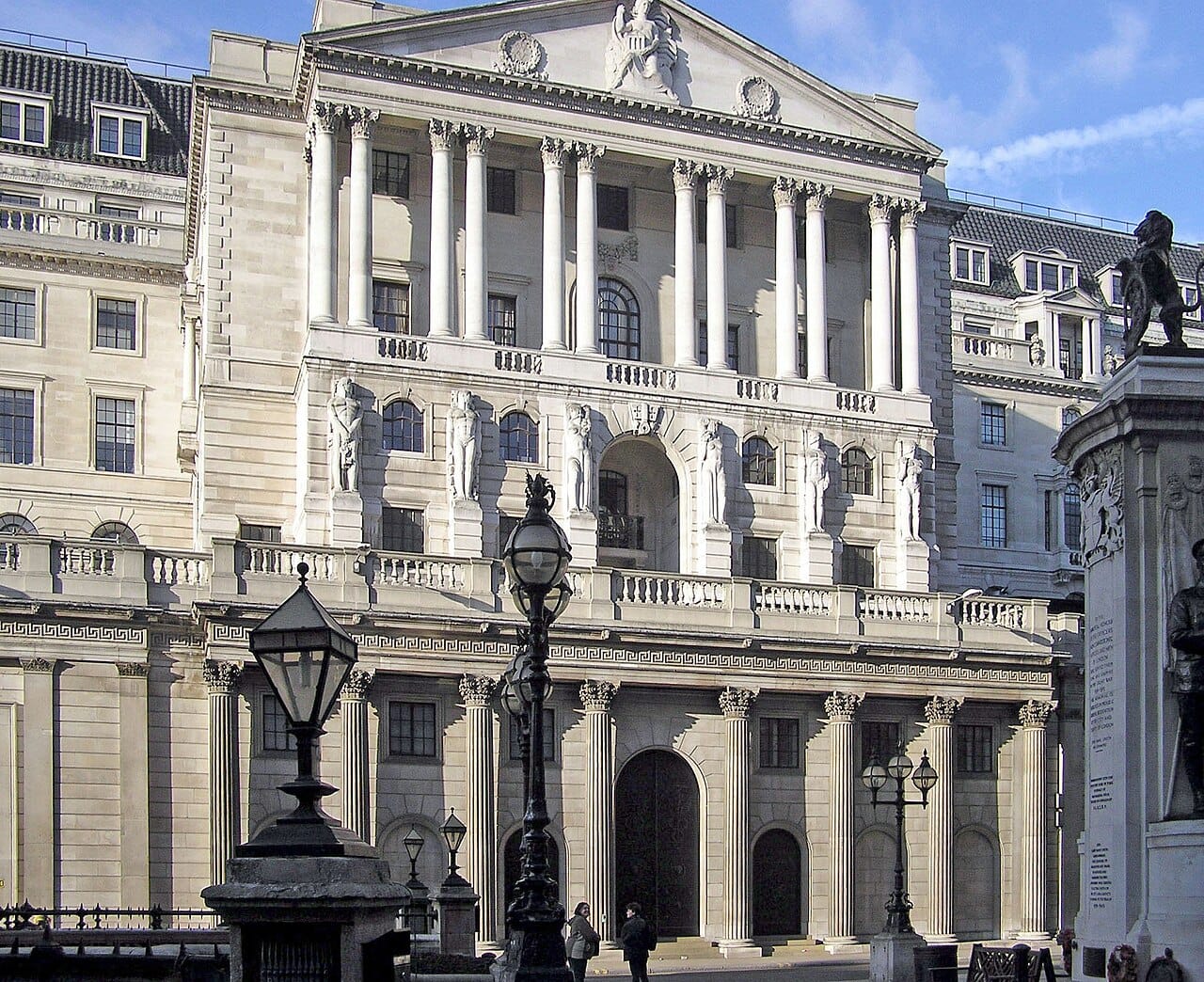
Central bank independence became standard after the 1970s on the reasoning that governments face short-term incentives to allow inflation, and that a body insulated from electoral pressure can maintain a target more credibly.
The mechanism works through demand and is therefore ill-suited to inflation originating in supply. Raising rates in response to an energy shock reduces activity without addressing the cause, and the resulting choice between accepting higher inflation and accepting lower output is the standard dilemma of monetary policy.
Inflation determines the real value of every wage, pension, debt and saving, and its control is the principal ongoing task of most central banks. It is also a case where the intuitive reading is wrong in both directions: rising prices are not simply bad if they are moderate and expected, and falling prices are not good.