Indonesia is a vast archipelagic country in Southeast Asia, made up of more than seventeen thousand islands scattered along the equator between the Indian and Pacific Oceans. It is the world's largest island nation, the fourth most populous country, and home to the largest Muslim population on Earth. A land of volcanoes, rainforests, and extraordinary biodiversity, it binds hundreds of peoples into a single nation.
Indonesia's islands have been a crossroads of trade, religion, and empire for well over a thousand years, drawing in influences from India, China, Arabia, and Europe.
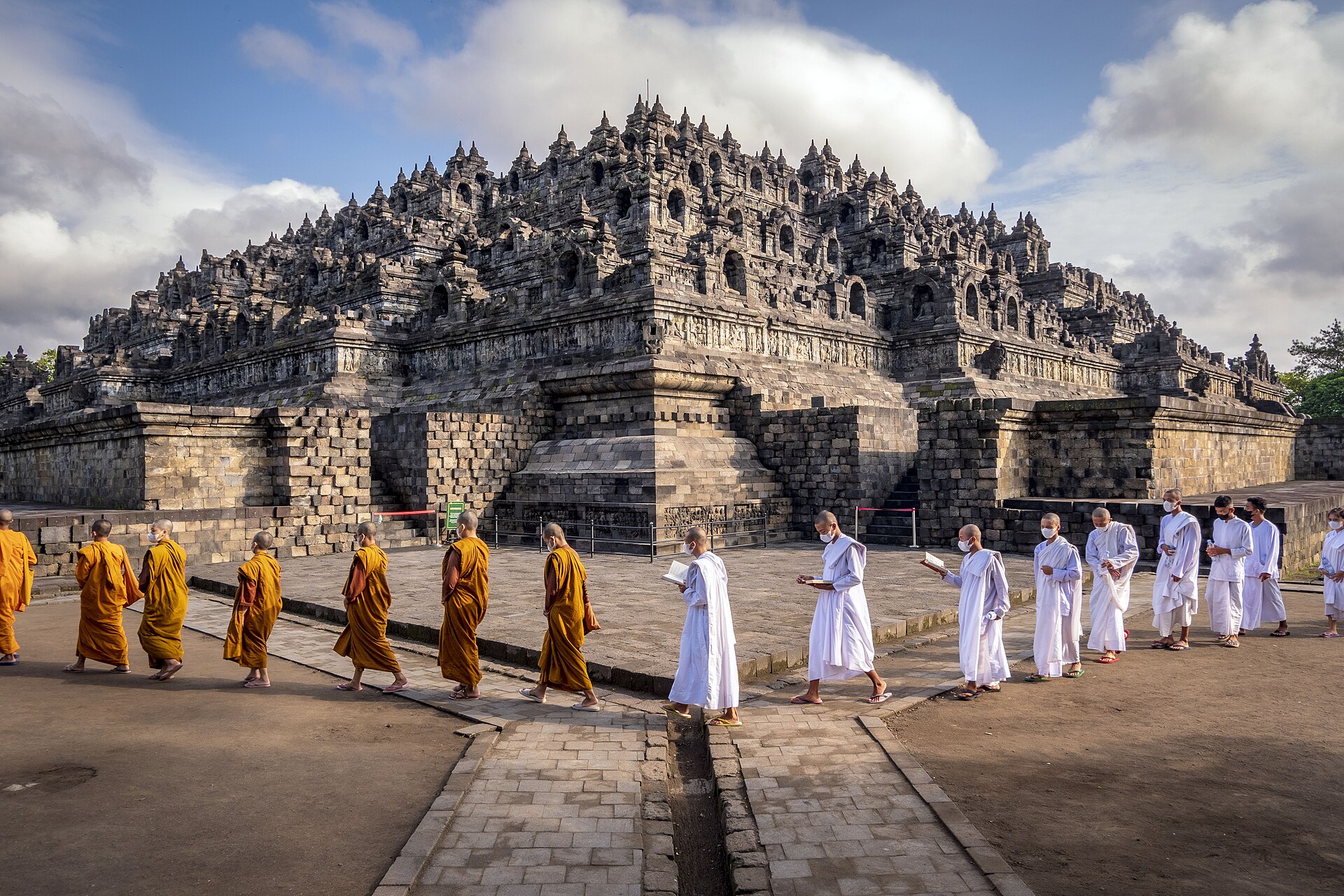
Powerful states rose across the archipelago, including the Buddhist maritime empire of Srivijaya and the Hindu-Buddhist Majapahit, whose influence spread across the region in the fourteenth century. These kingdoms left extraordinary monuments, above all the vast Buddhist temple of Borobudur on Java, one of the greatest religious buildings in the world. Islam spread through the islands by trade from the thirteenth century.
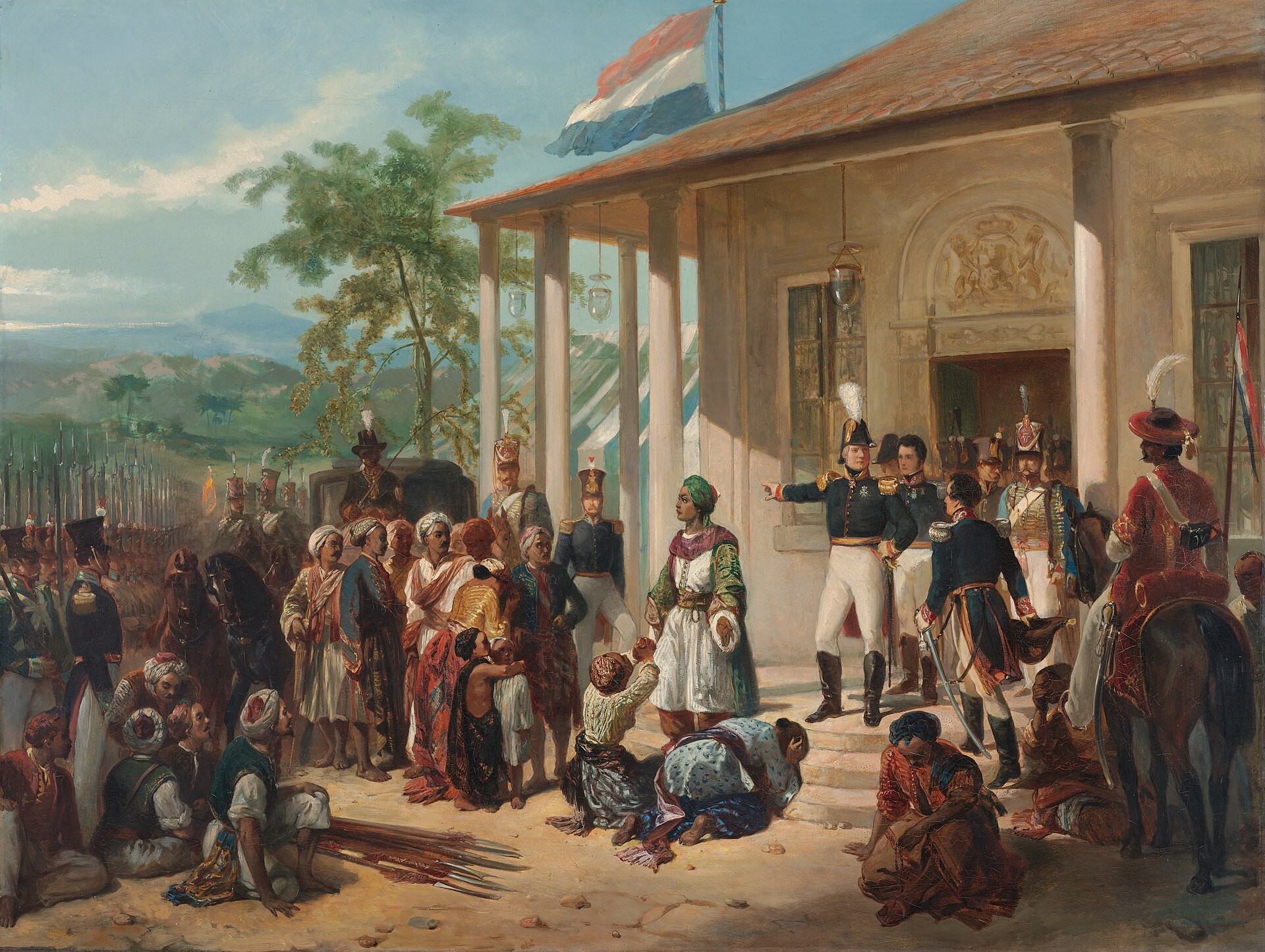
The islands' spices, nutmeg, cloves, and pepper, drew traders and then European colonisers. The Dutch gradually took control over some three centuries, ruling the Dutch East Indies and meeting fierce resistance such as the revolt led by Prince Diponegoro. Japanese occupation in the Second World War broke the Dutch grip, and in 1945 nationalist leaders proclaimed an independent Indonesia, secured after a struggle against the Dutch return.
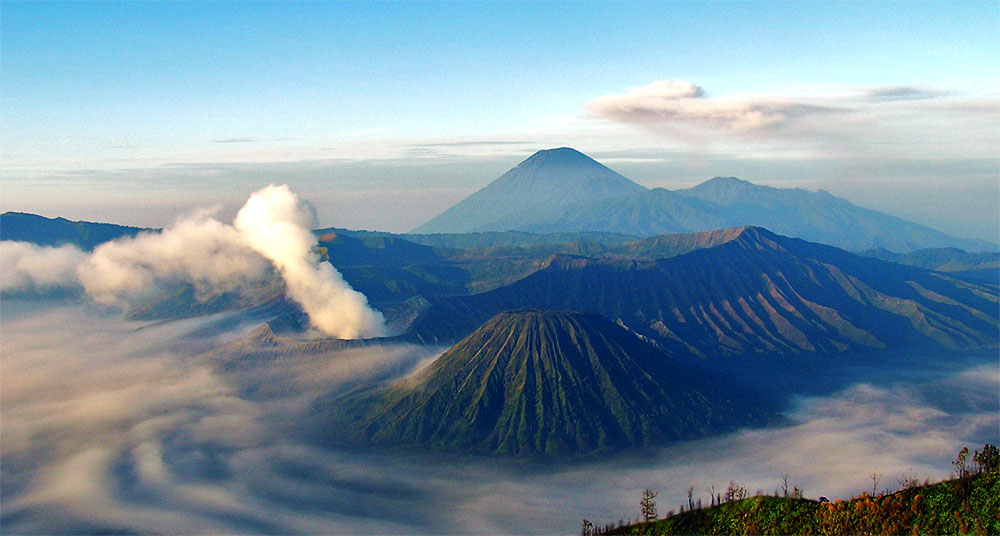
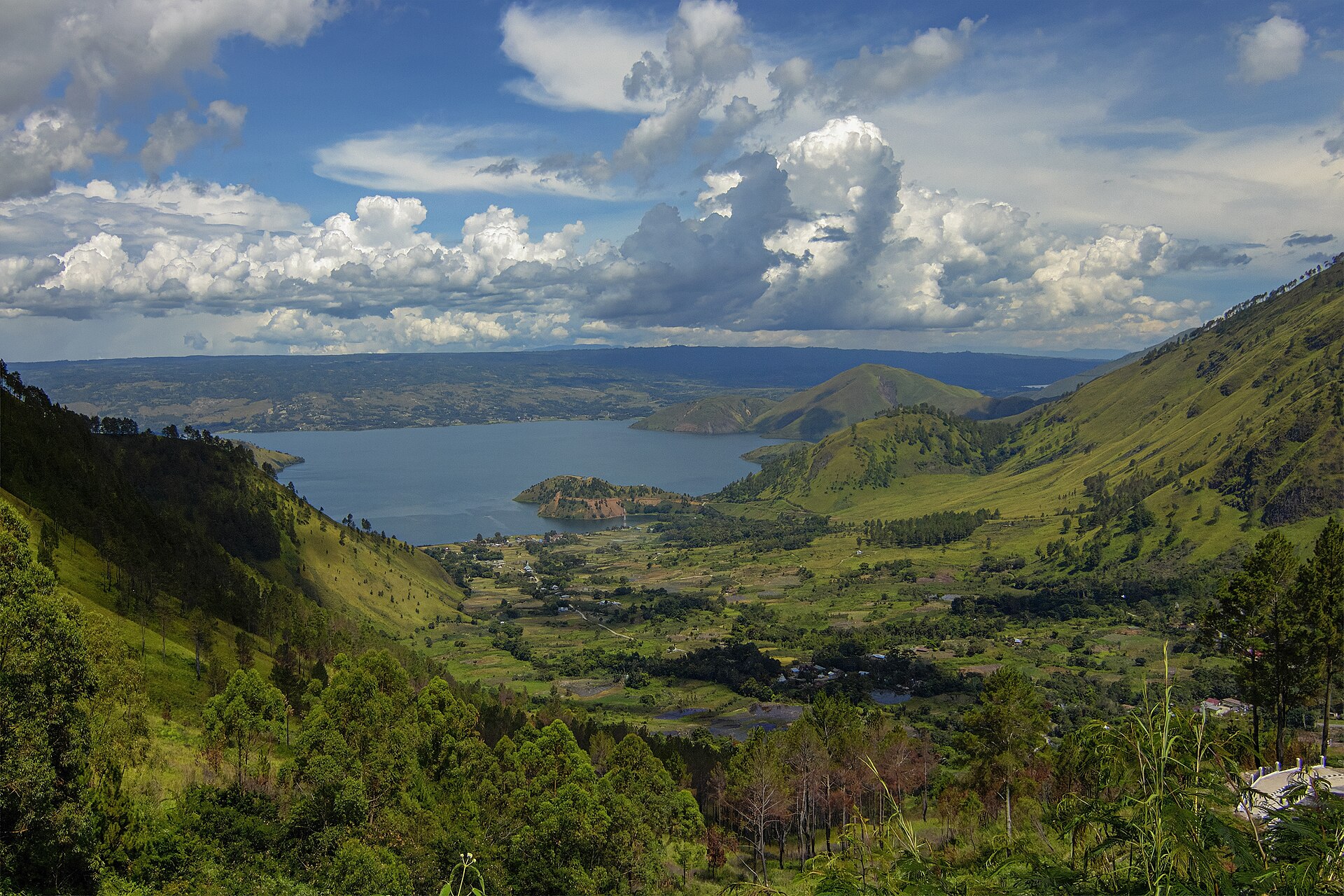
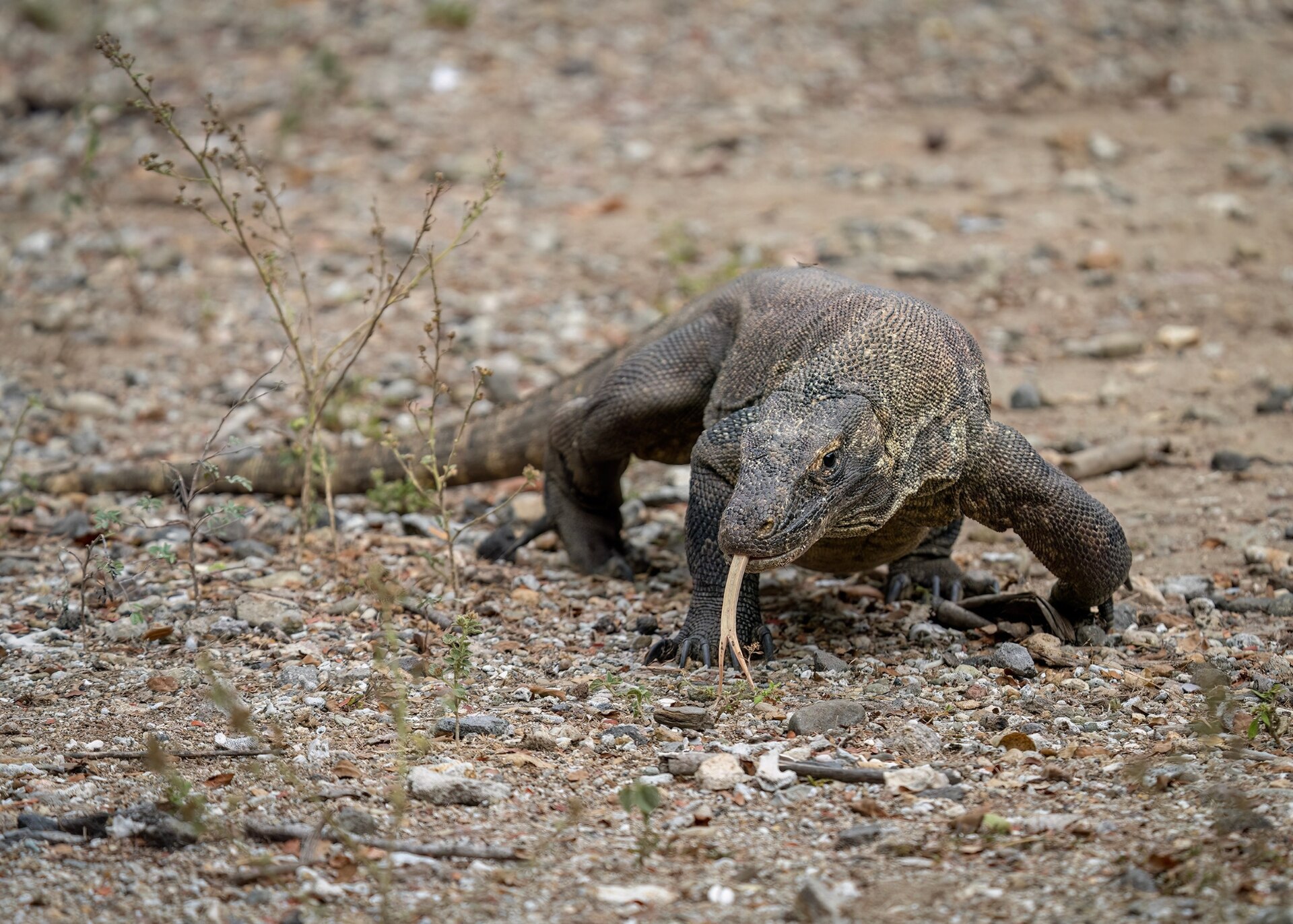
Indonesia spreads across a great chain of islands straddling the equator, among them Sumatra, Java, Borneo, Sulawesi, and New Guinea. It sits on the Pacific Ring of Fire and has more active volcanoes than any other country, their ash making the soil of islands like Java remarkably fertile. Earthquakes and volcanic eruptions are a constant fact of life. Tropical rainforests shelter unique creatures such as orangutans and the giant Komodo dragon.
Indonesia is a presidential republic and the third largest democracy in the world, having moved from decades of authoritarian rule to open elections after 1998. A directly elected president leads the government across a sprawling nation of provinces with varying degrees of autonomy, including special status for places such as Aceh and Yogyakarta. Holding together a country of thousands of islands and hundreds of peoples is the central task of the Indonesian state, guided by the founding philosophy of unity in diversity.
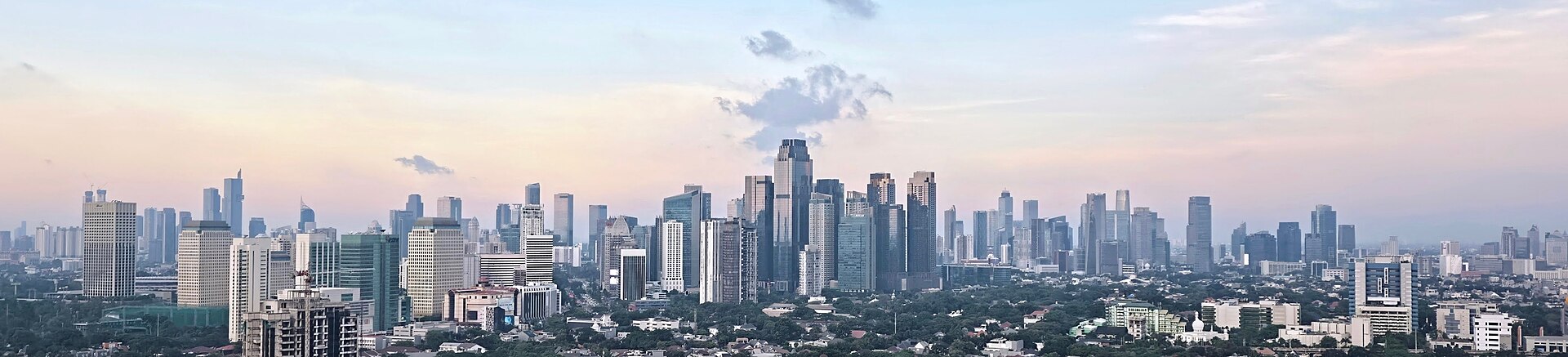
Indonesia has the largest economy in Southeast Asia and is one of the world's emerging powers, rich in natural resources including coal, palm oil, tin, and gas. A vast young population and a growing middle class drive a fast-expanding consumer market, centred on the megacity of Jakarta. The country is shifting from a reliance on raw commodities toward manufacturing and a booming digital economy, even as it works to spread prosperity beyond crowded Java.

The Indonesian flag, called the Sang Saka Merah Putih, meaning the lofty red and white, is a simple horizontal bicolour of red over white. Red is taken to stand for courage and the body, white for purity and the spirit. The colours are ancient in the region, associated with the Majapahit empire, and the flag was raised at the proclamation of independence in 1945 as the emblem of the new republic.
Indonesia has the largest Muslim population of any country in the world, and Islam shapes much of its culture, yet the nation is not an Islamic state. Its founding philosophy, Pancasila, enshrines belief in one God while officially recognising six religions, including Christianity, Hinduism, and Buddhism. The island of Bali is famously Hindu, and a tradition of religious pluralism, summed up in the national motto meaning unity in diversity, is central to the country's identity.
Indonesian cuisine is as diverse as its islands, united by rice as the staple and by bold, aromatic spices. Nasi goreng, fried rice, and mie goreng, fried noodles, are everyday favourites, while satay, skewers of grilled meat with peanut sauce, is beloved across the archipelago. Rendang, a slow-cooked, richly spiced beef from Sumatra, is often ranked among the most delicious dishes in the world, and the fiery chili paste sambal accompanies almost everything.
Agriculture is a mainstay of Indonesian life, and the country is the world's largest producer of palm oil, a major export that has also driven concern over rainforest loss. Rice is the essential food crop, grown in terraced paddies, and Indonesia is a leading grower of coffee, rubber, cocoa, and the spices, including nutmeg and cloves, that first drew the world to its shores. The warm, wet, volcanic land is exceptionally productive.
Straddling the equator and split by deep sea channels, Indonesia is one of the most biodiverse countries on Earth, a meeting point of Asian and Australian wildlife. Its rainforests shelter orangutans, tigers, rhinoceroses, and elephants, while the island of Komodo is home to the giant Komodo dragon, the largest living lizard. The coral reefs in its waters are among the richest anywhere, though deforestation and the palm-oil trade put much of this natural wealth under pressure.
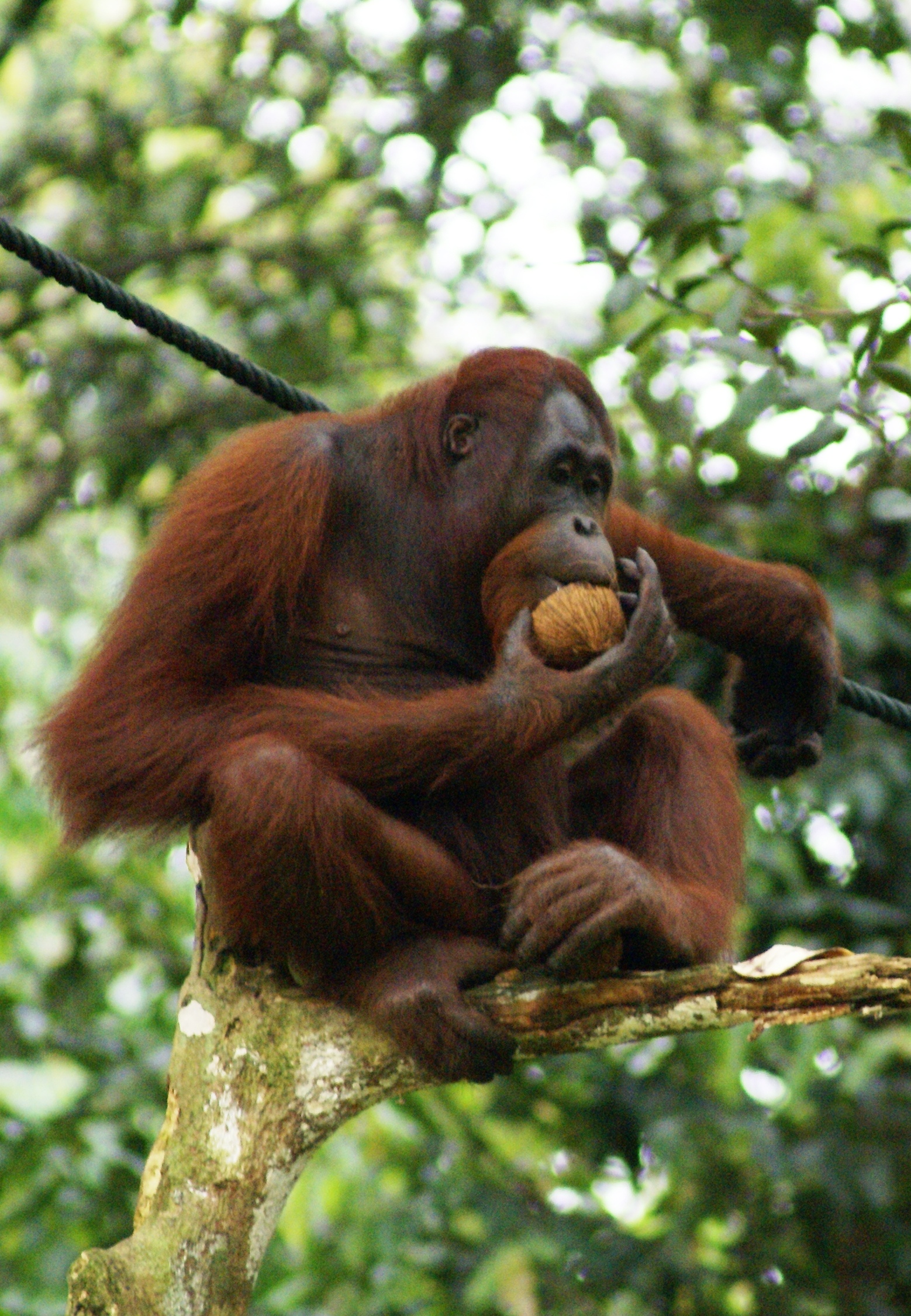
Indonesia weighs growth against its environment and its diversity. The clearing of rainforest for palm oil and timber, much of it on Sumatra and Borneo, drives biodiversity loss and the haze that drifts across the region, setting development against conservation. The country is also moving its capital from sinking, congested Jakarta to a new city, Nusantara, on Borneo, an enormous and debated undertaking. Balancing its moderate Muslim mainstream with rising conservative currents, and managing restive regions such as Papua, are further live tensions.
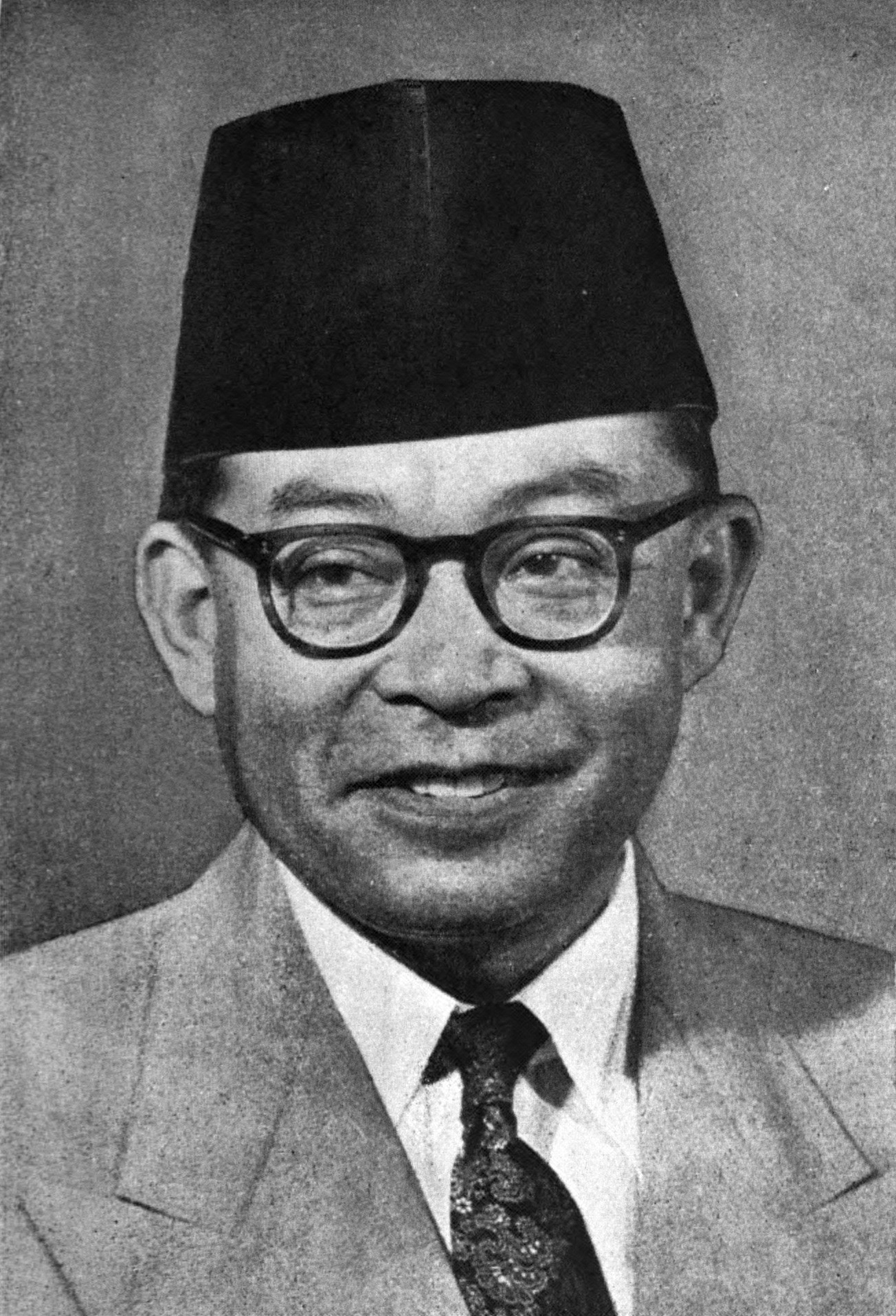
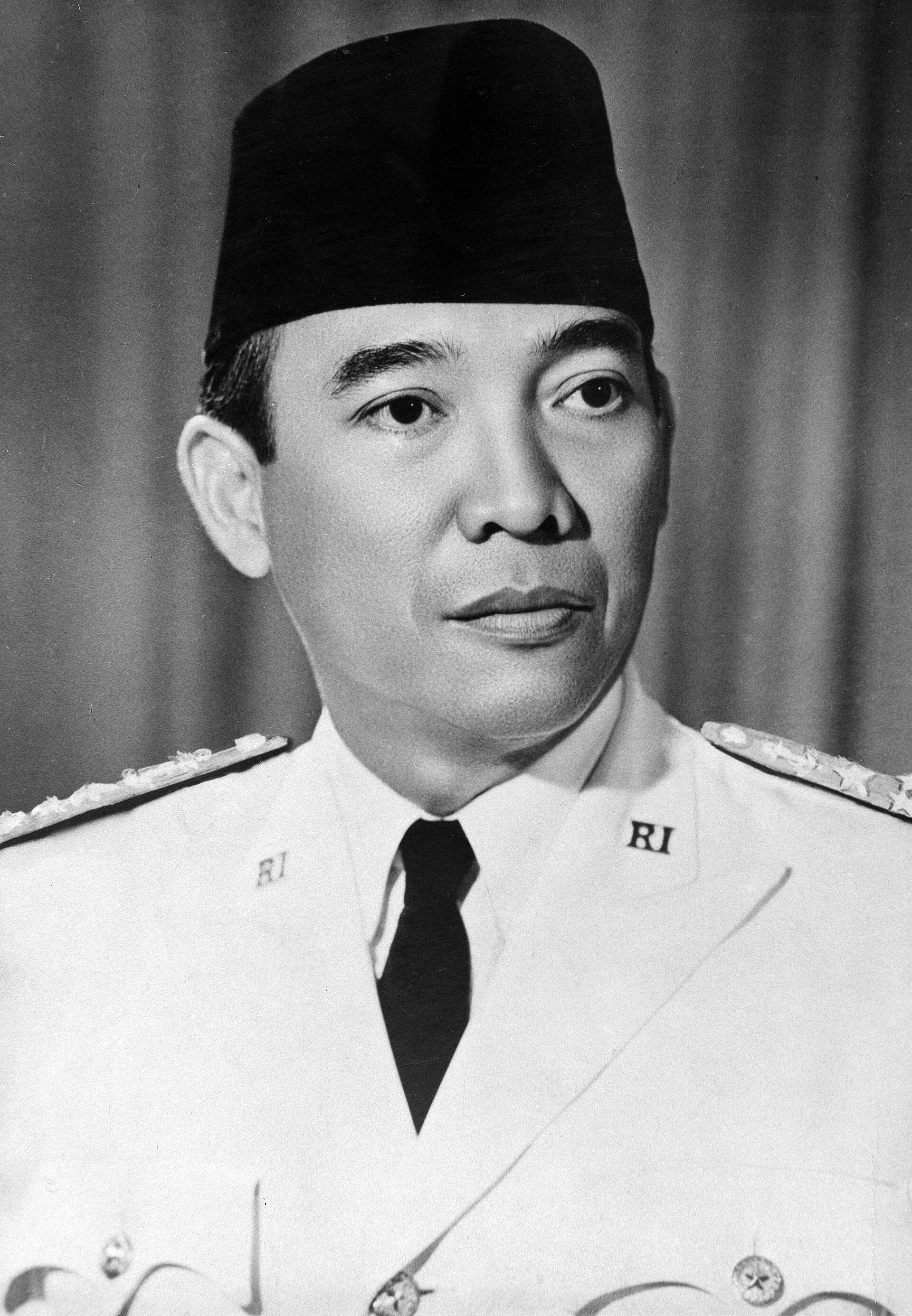
The Majapahit empire of the fourteenth century is remembered as a golden age that first united much of the archipelago. The spice trade made these islands a prize fought over by European powers. Independence, proclaimed in 1945 by the leader Sukarno and secured after a struggle against Dutch return, created the modern state. In 2004 a massive undersea earthquake off Sumatra unleashed a tsunami that devastated the province of Aceh and coasts across the Indian Ocean.
Indonesia has a population of around 277 million people, the fourth largest in the world. They belong to hundreds of distinct ethnic groups speaking hundreds of languages, bound together by a shared national language, Indonesian. More than half the population lives on the island of Java, the most populous island on Earth, where the sprawling capital Jakarta sits. To ease the strain, the country has begun building a new capital, Nusantara, on the island of Borneo.