India is a vast country in South Asia, the seventh largest by area and the most populous in the world. It stretches from the Himalayas in the north to tropical coasts in the south, encompassing deserts, fertile river plains, and dense forests. The world's largest democracy, India is a federation of states with extraordinary diversity of language, religion, and culture, and it is among the fastest-growing major economies.
India's past stretches across more than four thousand years, from one of the world's first urban civilisations through a long succession of empires and kingdoms to colonial rule and independence.
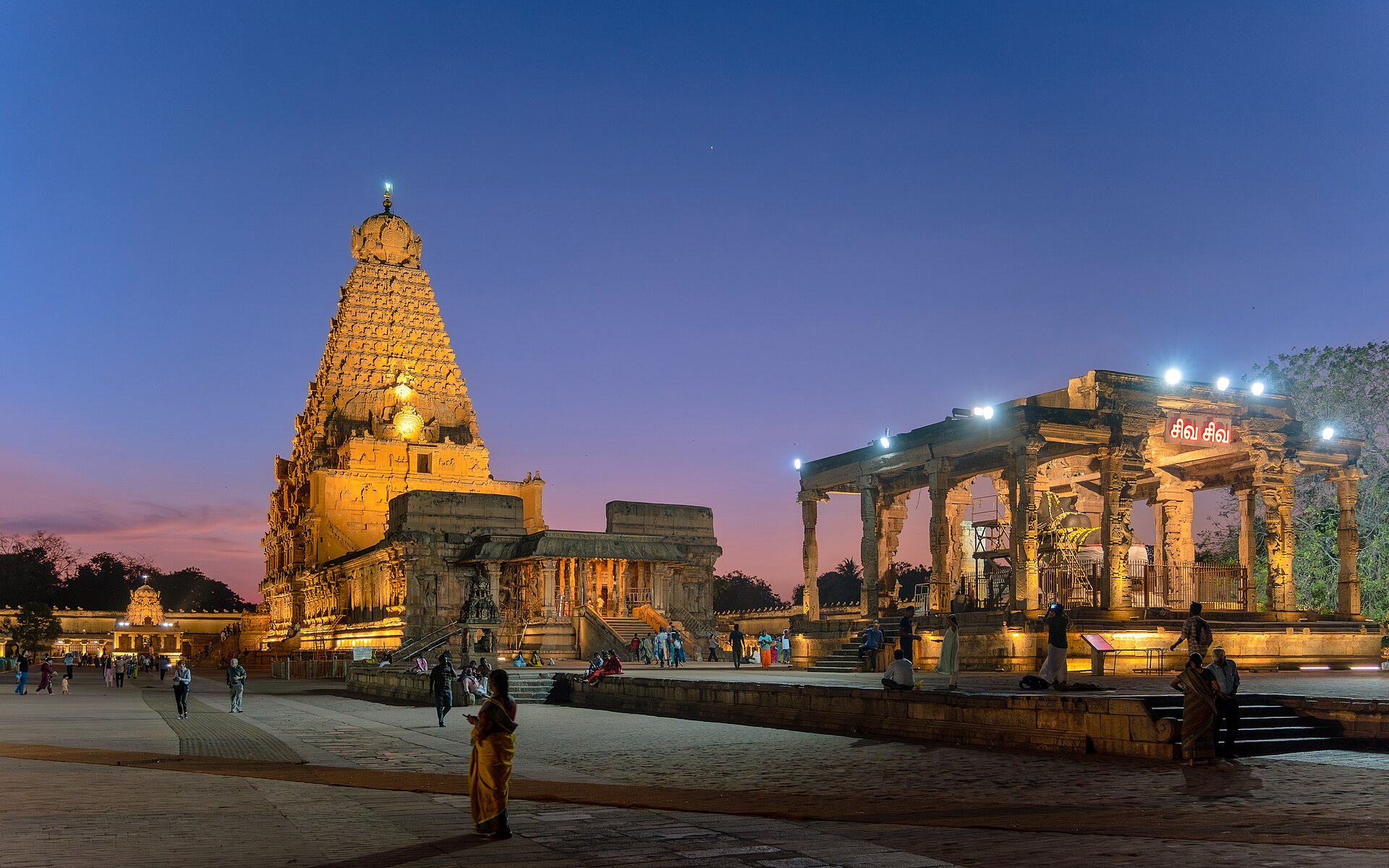
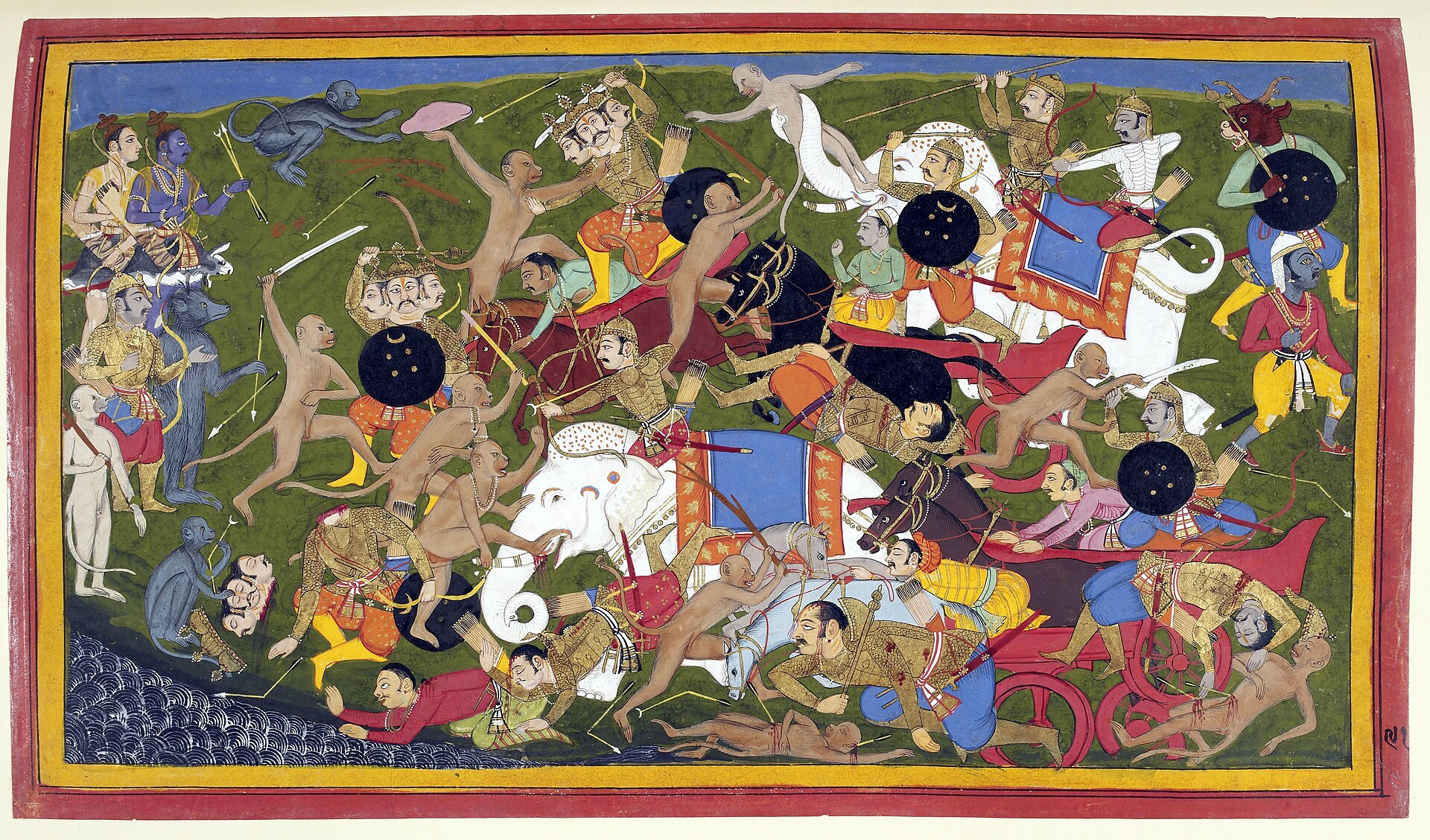
The Indus Valley Civilisation flourished more than four thousand years ago with planned cities, brick drainage, and standardised weights. After its decline came the age of the Vedas and the rise of great empires: the Maurya, whose emperor Ashoka spread Buddhism across the subcontinent, and the Gupta, remembered as a golden age of mathematics, astronomy, art, and philosophy in which the concept of zero took form. In the south, dynasties such as the Cholas built powerful kingdoms and enduring temple cities.
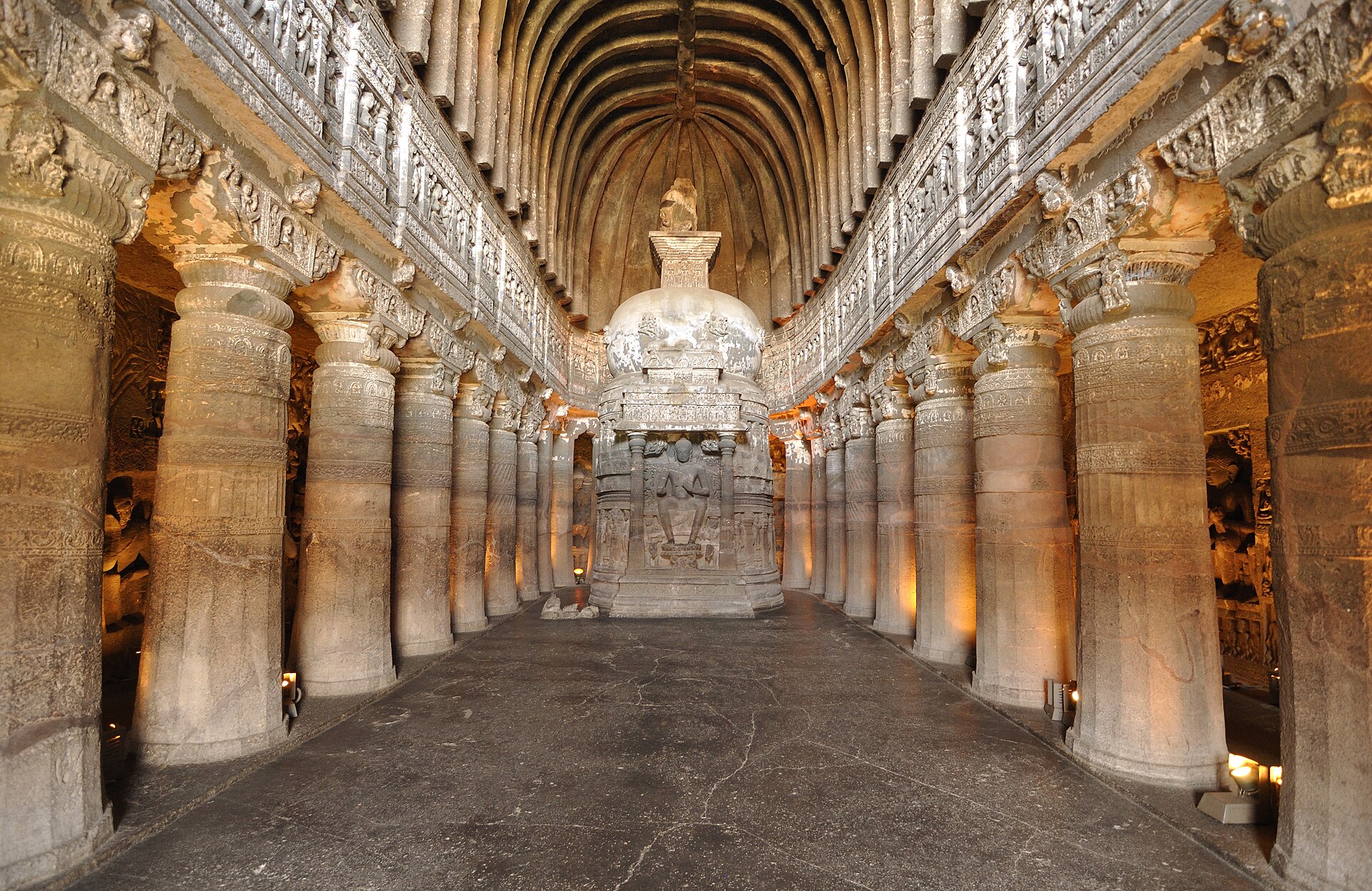
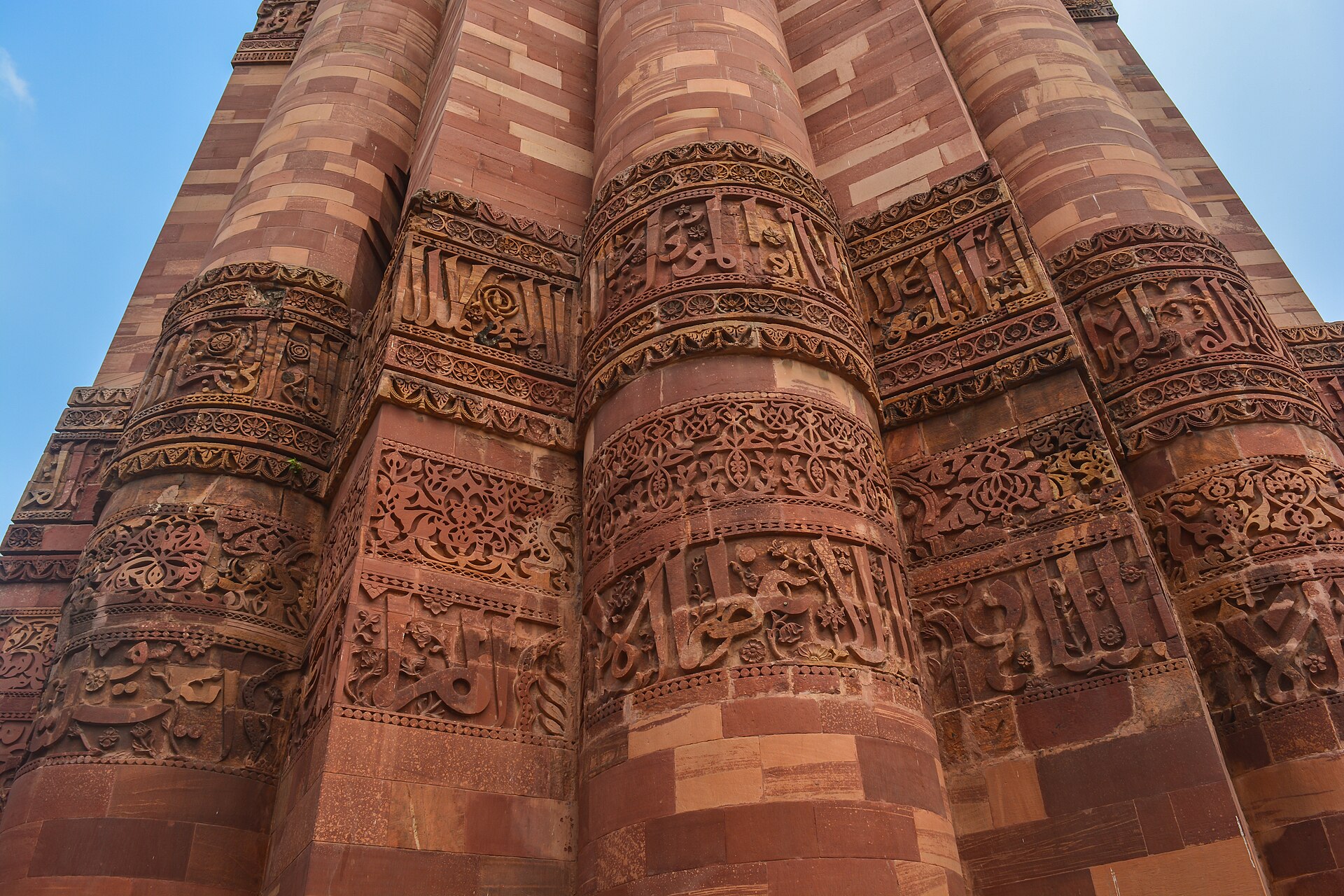
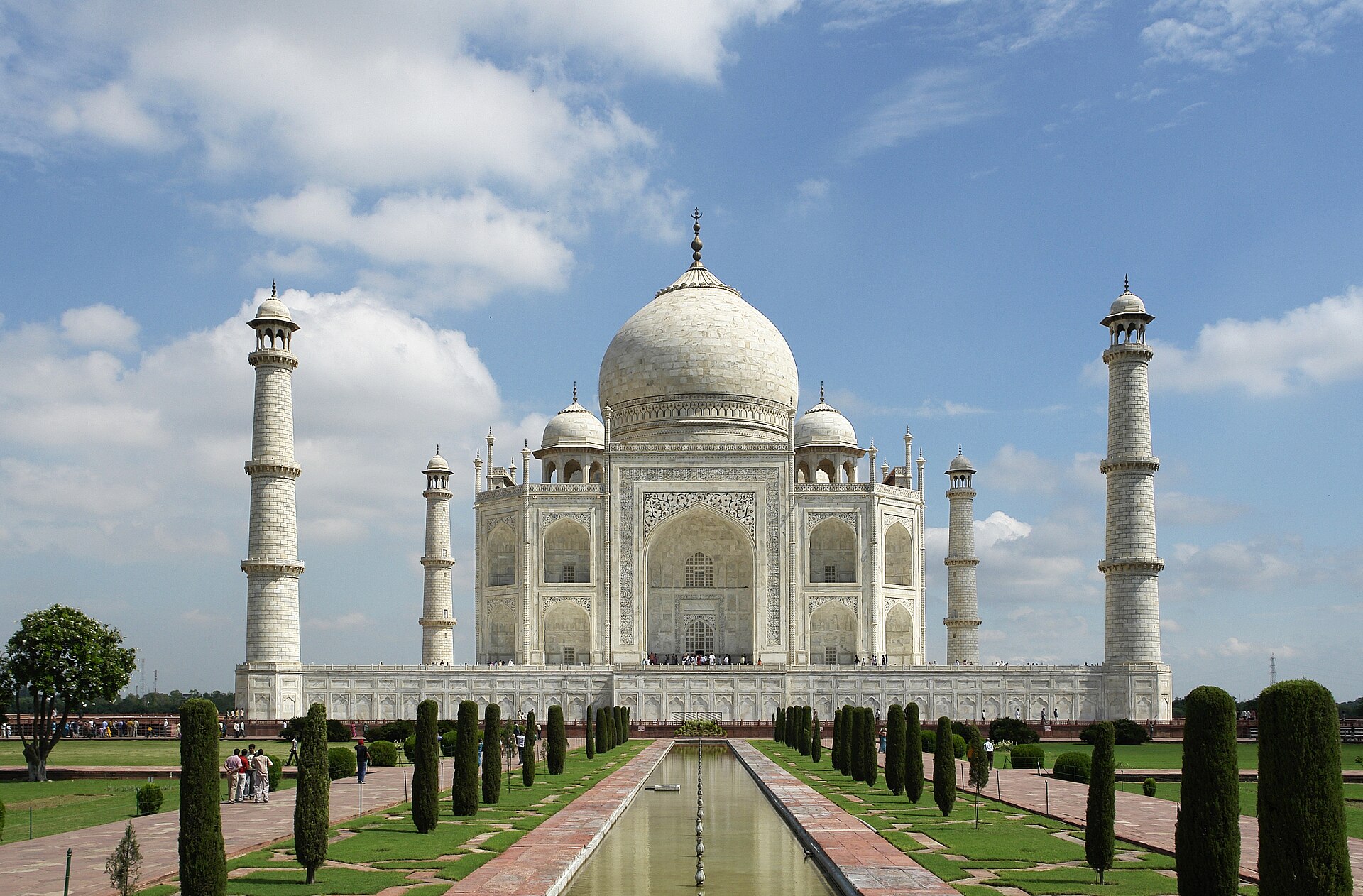
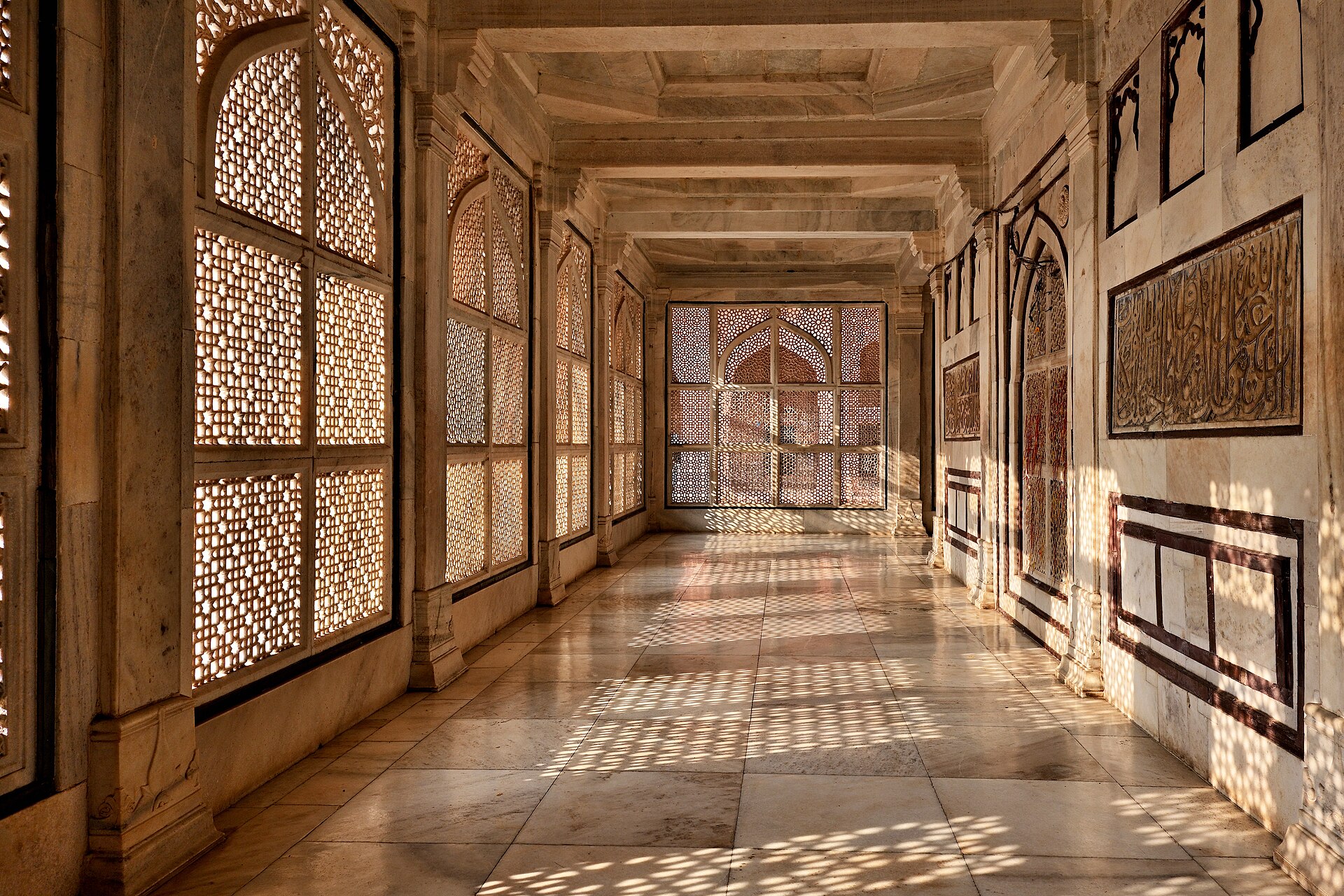
From the twelfth century, Islamic dynasties established themselves in the north, founding the Delhi Sultanate, whose Qutb Minar still towers over the capital. They were followed by the Mughal Empire, which at its height ruled most of the subcontinent and presided over a brilliant fusion of Persian and Indian art and architecture, leaving monuments such as the Taj Mahal.
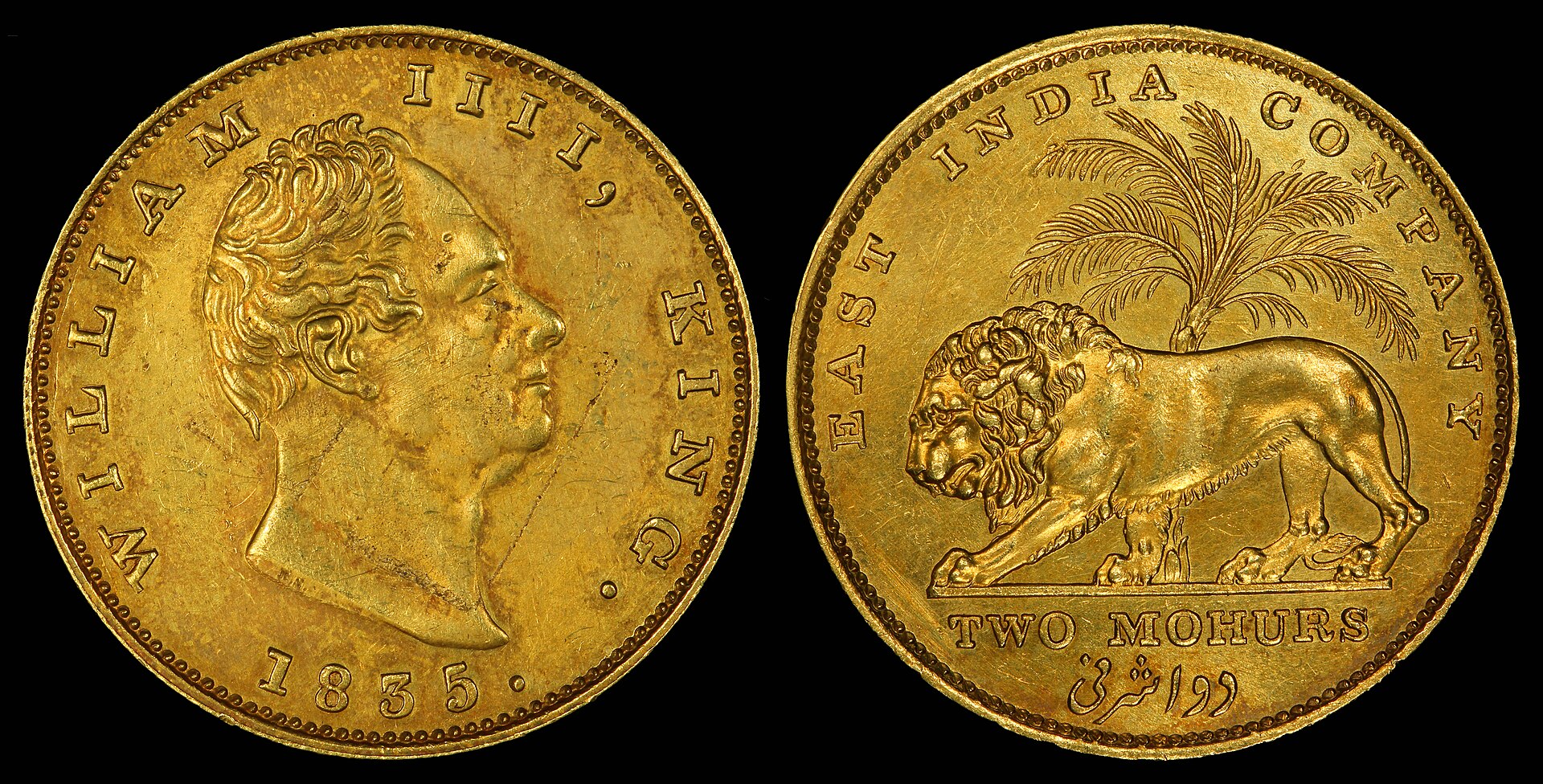
European trading companies arrived by sea, and the British East India Company gradually turned commerce into conquest, until the British Crown took direct control of India in 1858. Nearly a century of imperial rule, the Raj, bound the subcontinent together with railways and a common administration even as it drained its wealth and stirred a growing demand for self-rule.
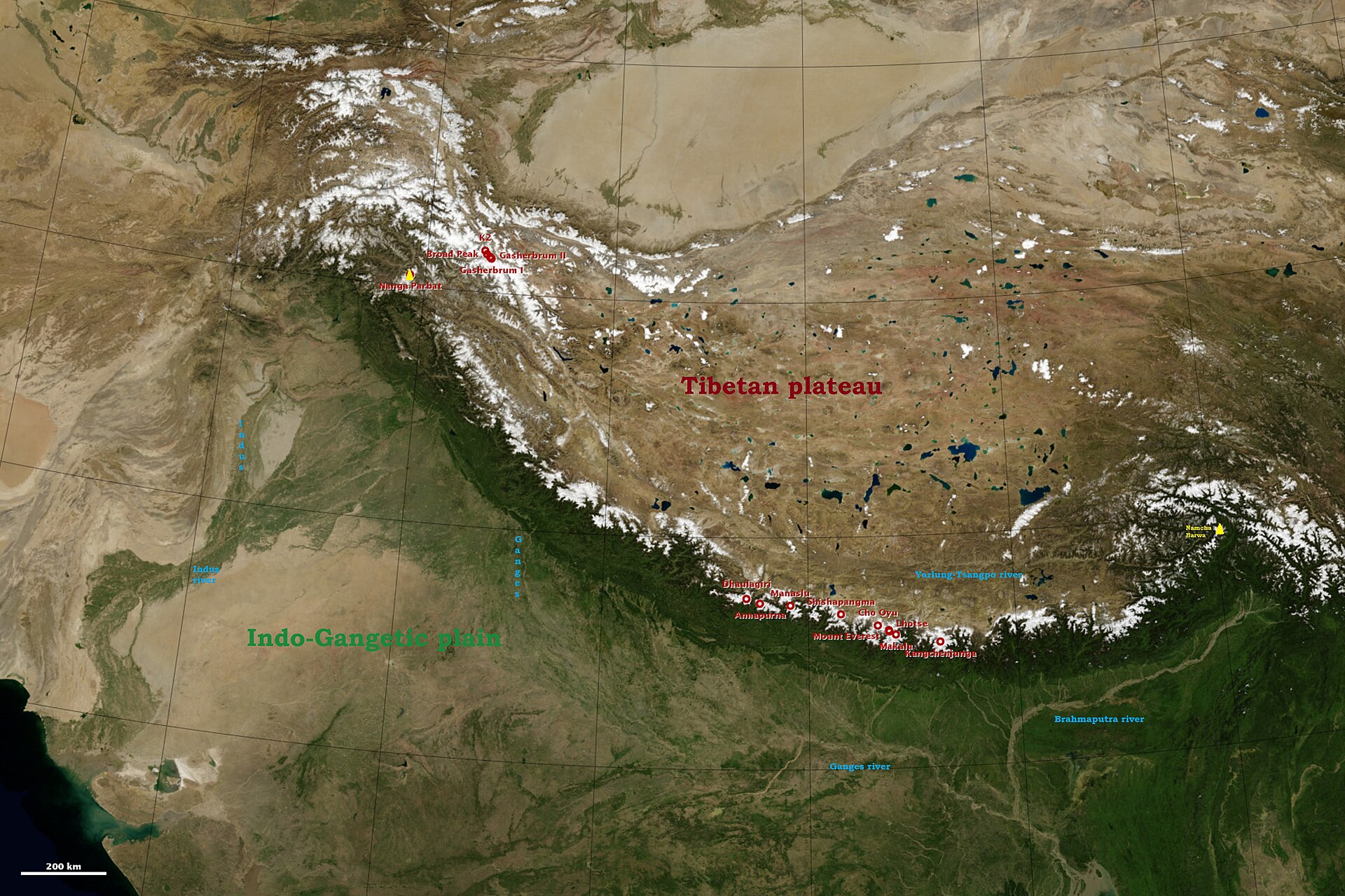
India's land runs from the snow-capped Himalayas, the highest mountains on Earth, down through the broad and fertile plains of the Ganges and other great rivers, to the dry Thar Desert in the west and tropical coasts and rainforests in the south. This geography shapes everything from agriculture to culture, and the entire rhythm of the year turns on the monsoon, the seasonal rains that water the crops and on which the lives of hundreds of millions depend.
India is the world's largest democracy, a federal parliamentary republic in which hundreds of millions of eligible voters take part in elections of staggering scale. Power is shared between a central government in New Delhi, led by a prime minister, and the governments of its many states, which differ widely in language and culture, with a president as ceremonial head of state. Since independence India has held regular free elections and peaceful transfers of power, a rare achievement among nations that began as poor and deeply diverse.
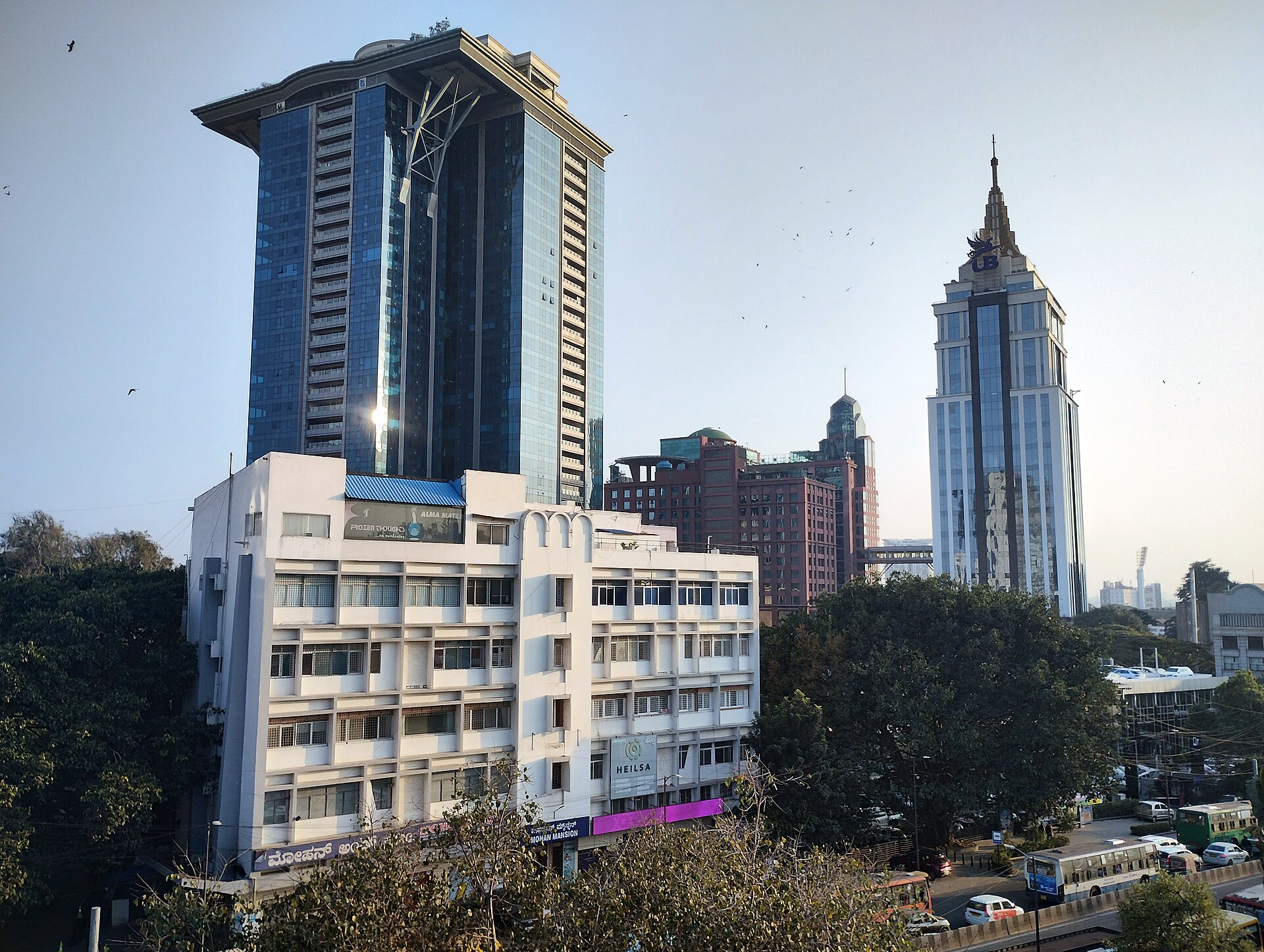
India is one of the fastest-growing major economies in the world and, by some measures, among the largest. Long rooted in agriculture, it has become a global hub for information technology and services, with cities such as Bengaluru earning a reputation as a centre of software and innovation. A vast and youthful workforce, a growing middle class, and a thriving start-up scene drive its rise, though deep inequality and the challenge of creating enough jobs remain pressing.
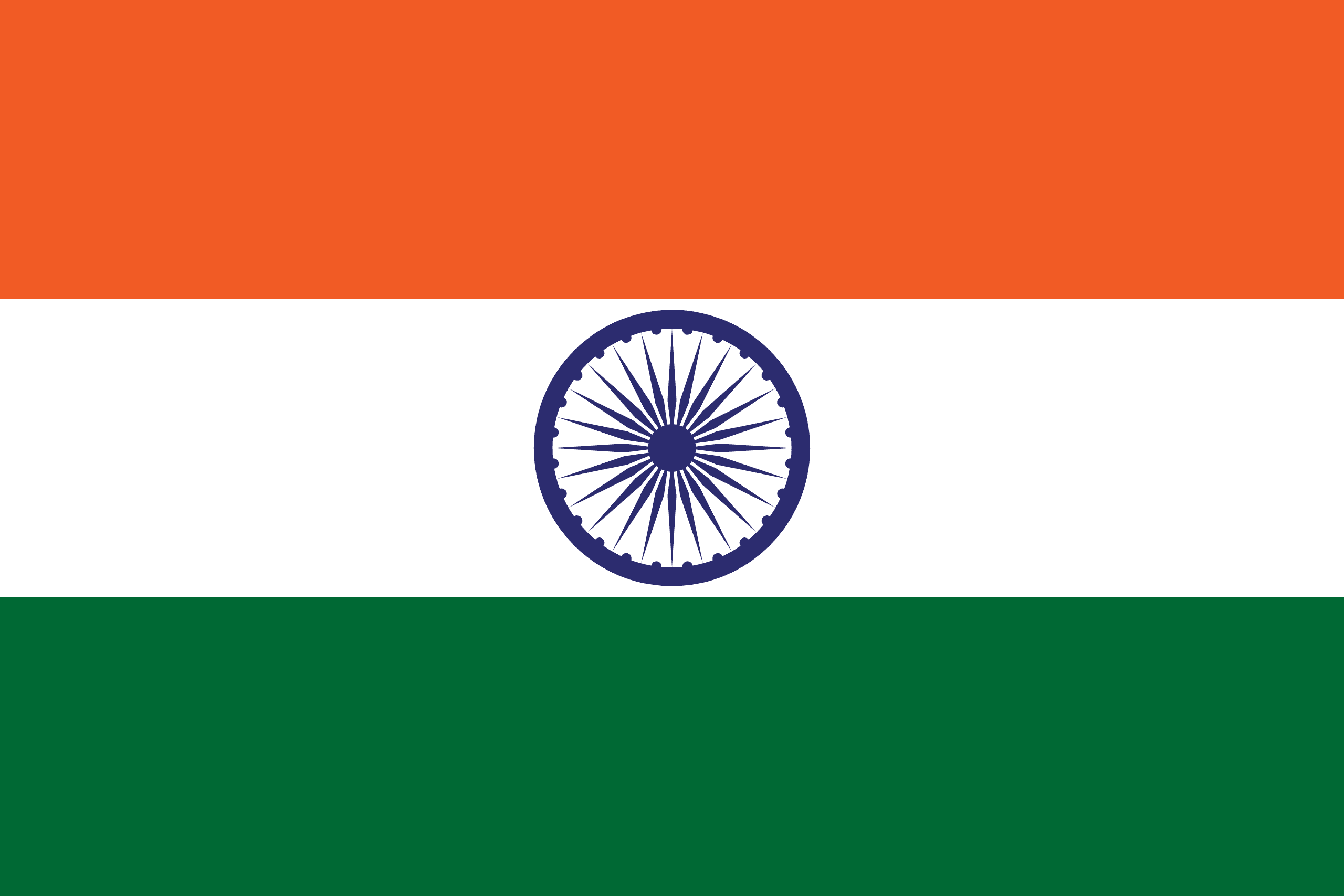
India's flag, the Tiranga (meaning "tricolour"), has three horizontal bands: saffron at the top, white in the middle, and green at the bottom. Saffron is often taken to represent courage and sacrifice, white truth and peace, and green faith and fertility. At the centre sits a navy-blue wheel of twenty-four spokes, the Ashoka Chakra, drawn from an ancient pillar of the emperor Ashoka. The wheel symbolises righteousness and ceaseless motion.
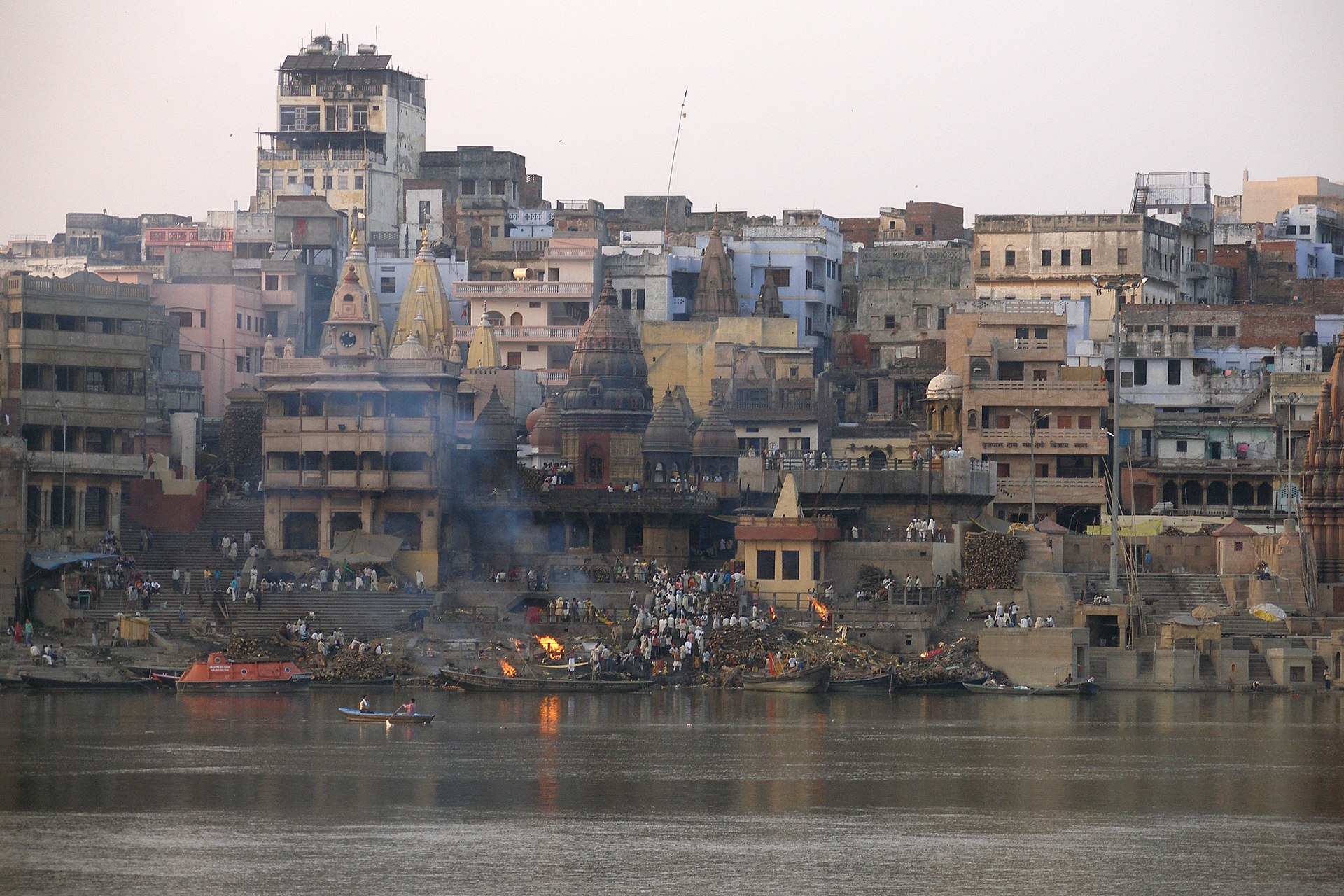
India is the birthplace of four major world religions: Hinduism, Buddhism, Jainism, and Sikhism. Hinduism, followed by the great majority, is among the oldest living religious traditions, with a vast body of scripture, philosophy, and ritual. India is also home to one of the largest Muslim populations of any country, along with Christians, Sikhs, and others. Religion suffuses daily life, festivals, and art, and the constitution guarantees a secular state in which all faiths are meant to stand equal.
Indian cuisine is not one tradition but many, varying enormously from region to region and defined above all by the masterful use of spices, blended into the complex layered flavours of curries, dals, and biryanis. Rice dominates in the south and east, wheat breads like roti and naan in the north and west. India also has some of the world's richest vegetarian traditions, rooted in religious practice. Street food, sweets, and chai, spiced milky tea, are woven into daily life.
Agriculture is the backbone of rural India, employing a large share of the population. India is among the top producers in the world of milk, pulses, rice, wheat, sugarcane, cotton, spices, and tea. The Green Revolution of the 1960s and 1970s, which introduced high-yield seeds and irrigation, transformed the country from food shortages to self-sufficiency in grain. Farming still depends heavily on the monsoon, and the livelihoods of millions of small farmers remain central to national policy.
India's culture is among the most varied on Earth, with hundreds of languages, countless festivals, and traditions in music, dance, and art reaching back millennia. It is the home of yoga and of spiritual practices now followed worldwide, and its film industry, often called Bollywood, is one of the largest on the planet by output and audience. Family, community, and religious observance remain central to daily life, woven through a society of extraordinary diversity.
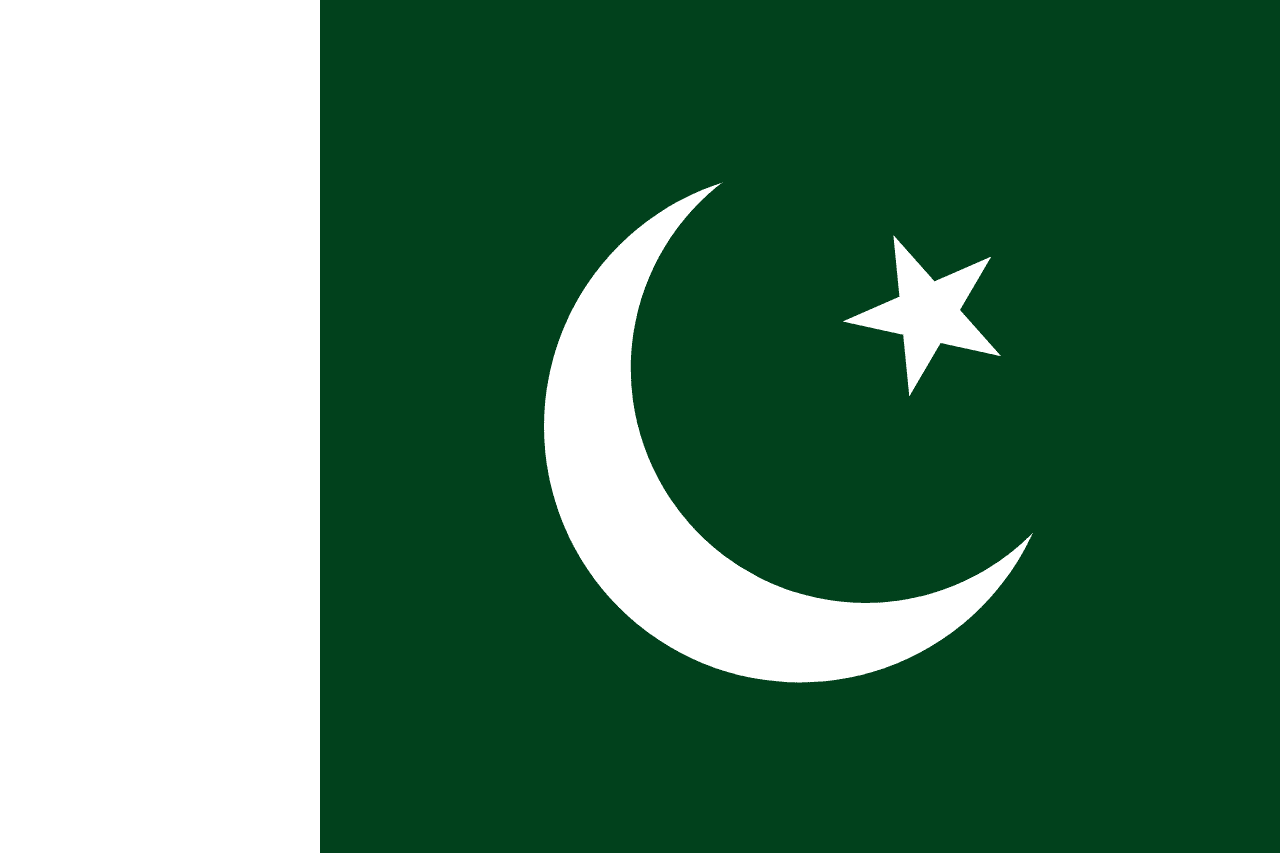
Several disputes and debates shape modern India. The Himalayan region of Kashmir is claimed in full by both India and Pakistan, divided between them, and remains one of the world's most militarised and contested frontiers; India also has an unresolved and occasionally violent border dispute with China. At home, the country debates the balance between its constitutional secularism and a rising Hindu nationalism, questions of citizenship and religious identity, and the persistence of the caste system, officially abolished but still shaping social life.
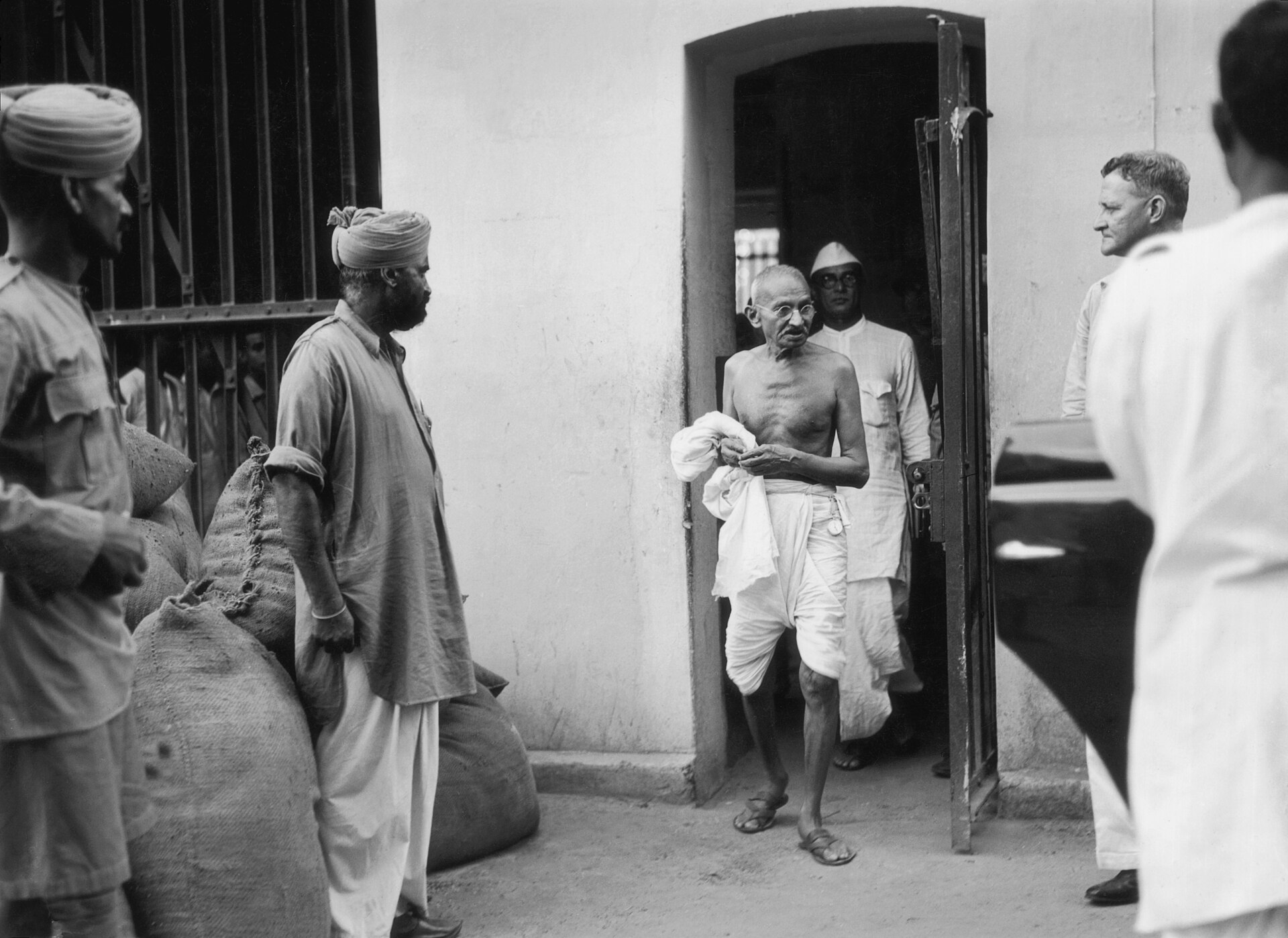
India's defining modern event was its long struggle for independence from British rule, led most famously by Mahatma Gandhi through a philosophy of nonviolent resistance that inspired movements around the world. Freedom came in 1947, but it arrived with a painful partition that split British India into India and Pakistan, triggering mass migration and terrible violence. India has since grown into a nuclear-armed power and a rising force in the global economy.
India is the most populous country on Earth, home to more than 1.4 billion people, having recently surpassed China. Its population is young, a profile that offers a potential economic advantage if enough jobs can be created. The country is staggeringly diverse, with hundreds of languages and deep regional identities. Although most Indians still live in rural villages, the cities are growing fast, and metropolitan areas such as Delhi and Mumbai rank among the largest in the world.