Iceland is an island nation in the North Atlantic, near the Arctic Circle, a land of volcanoes, glaciers, geysers, and waterfalls perched on the boundary between two of the Earth's great tectonic plates. One of the most sparsely populated countries in Europe and the last to be settled, it was founded by Norse settlers more than a thousand years ago and is home to one of the oldest parliaments in the world. Remote, dramatic, and prosperous, it is a place where fire and ice meet.
Iceland's history is that of a remote Norse republic, born of settlement and saga, that endured centuries of hardship and foreign rule before winning independence in the modern age.
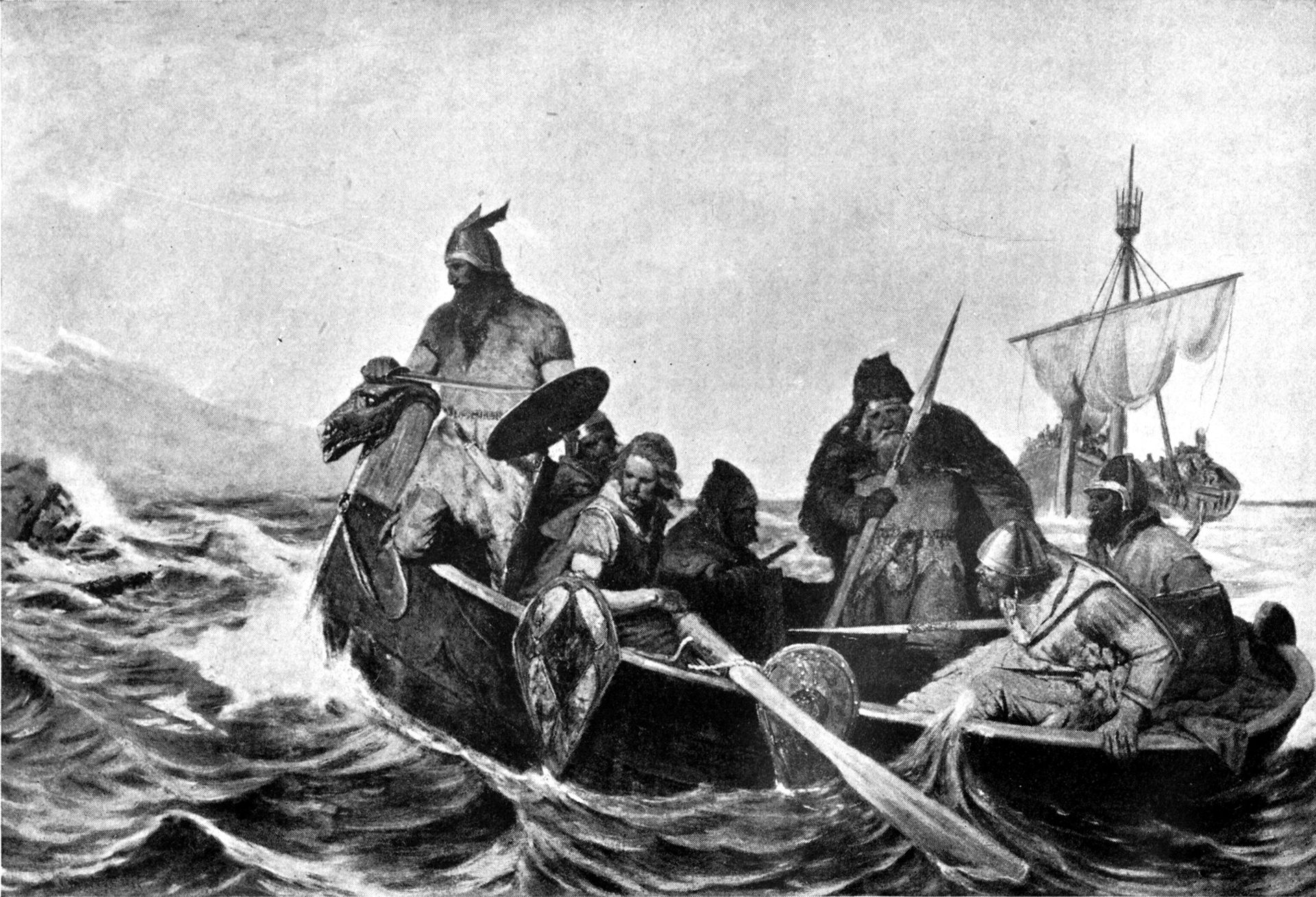
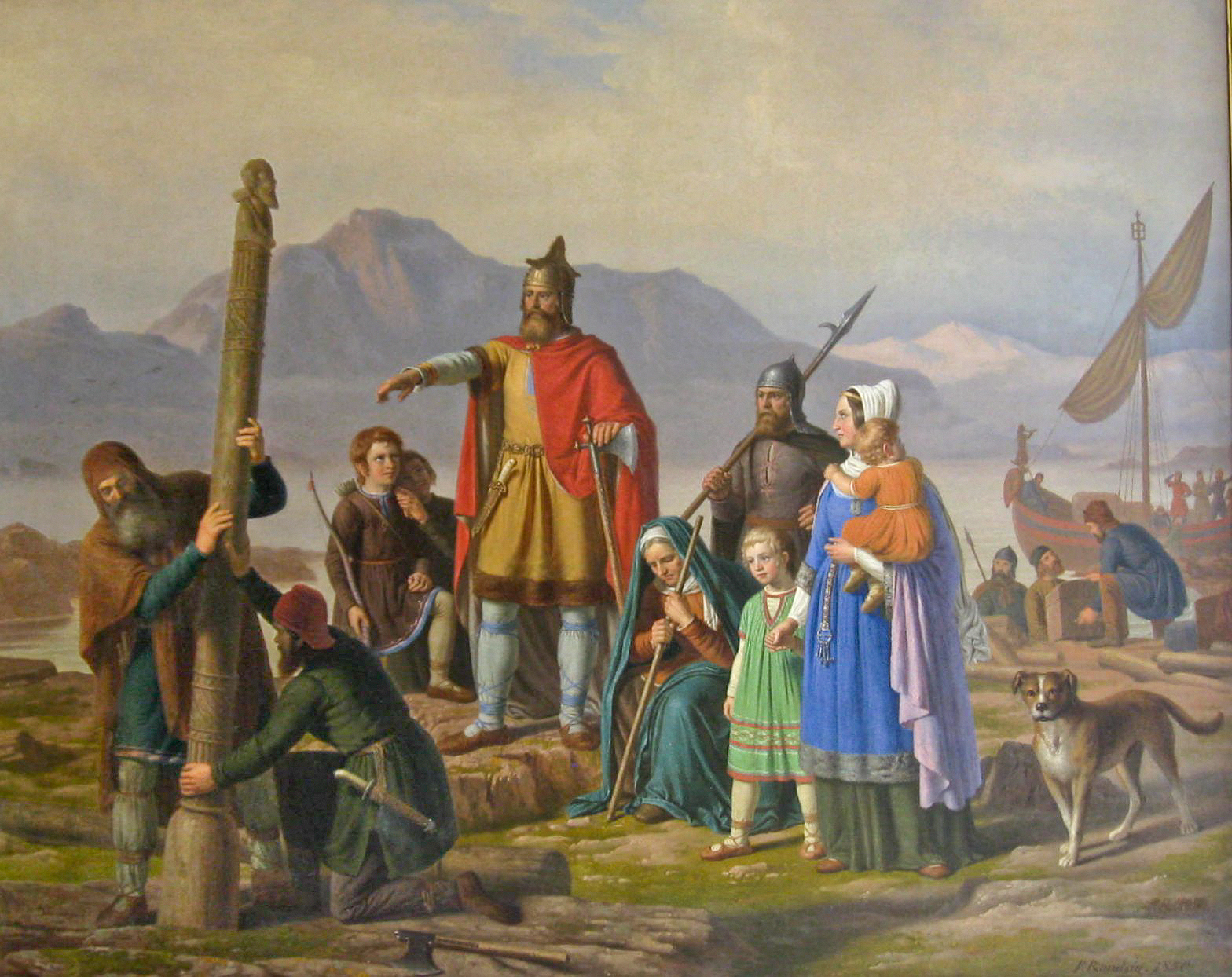
Iceland was among the last lands in Europe to be settled, colonised from around the late ninth century by Norse seafarers, chiefly from Norway, along with Celtic settlers and slaves from the British Isles. Tradition names Ingolfur Arnarson as the first permanent settler. In the year 930 the settlers founded the Althing, a national assembly on the plain of Thingvellir, often called the oldest surviving parliament in the world, and their society, its feuds and heroes, was recorded in the great medieval sagas that are treasures of world literature.
Iceland later lost its independence, coming under the crown of Norway and then Denmark, and endured centuries of hardship: isolation, poverty, plague, and repeated volcanic catastrophes, above all the Laki eruption of 1783, whose ash and famine killed a fifth of the population. Through it all Icelanders survived on fishing and hardy sheep, sheltering in turf houses against the cold.
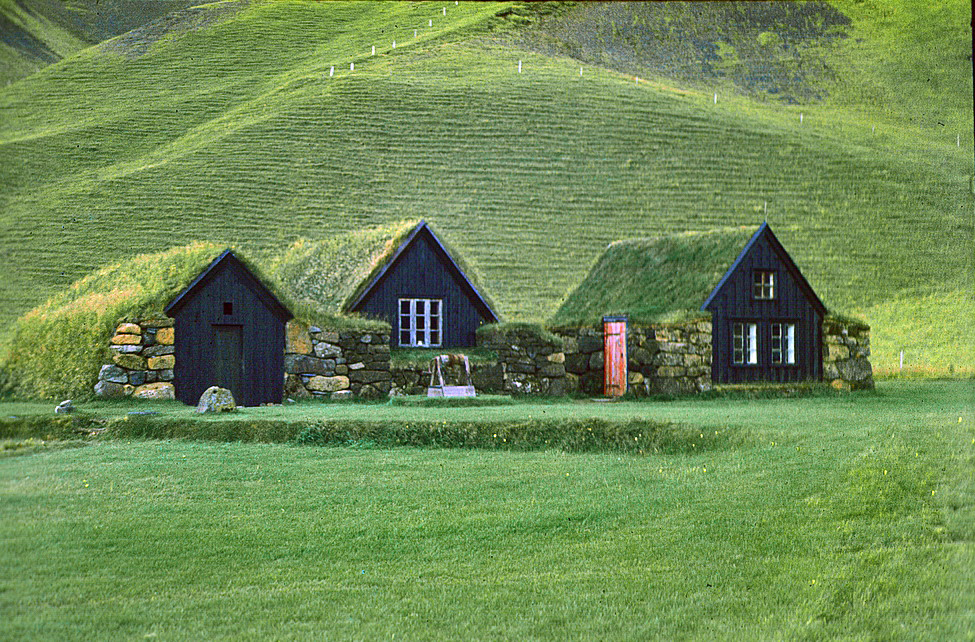
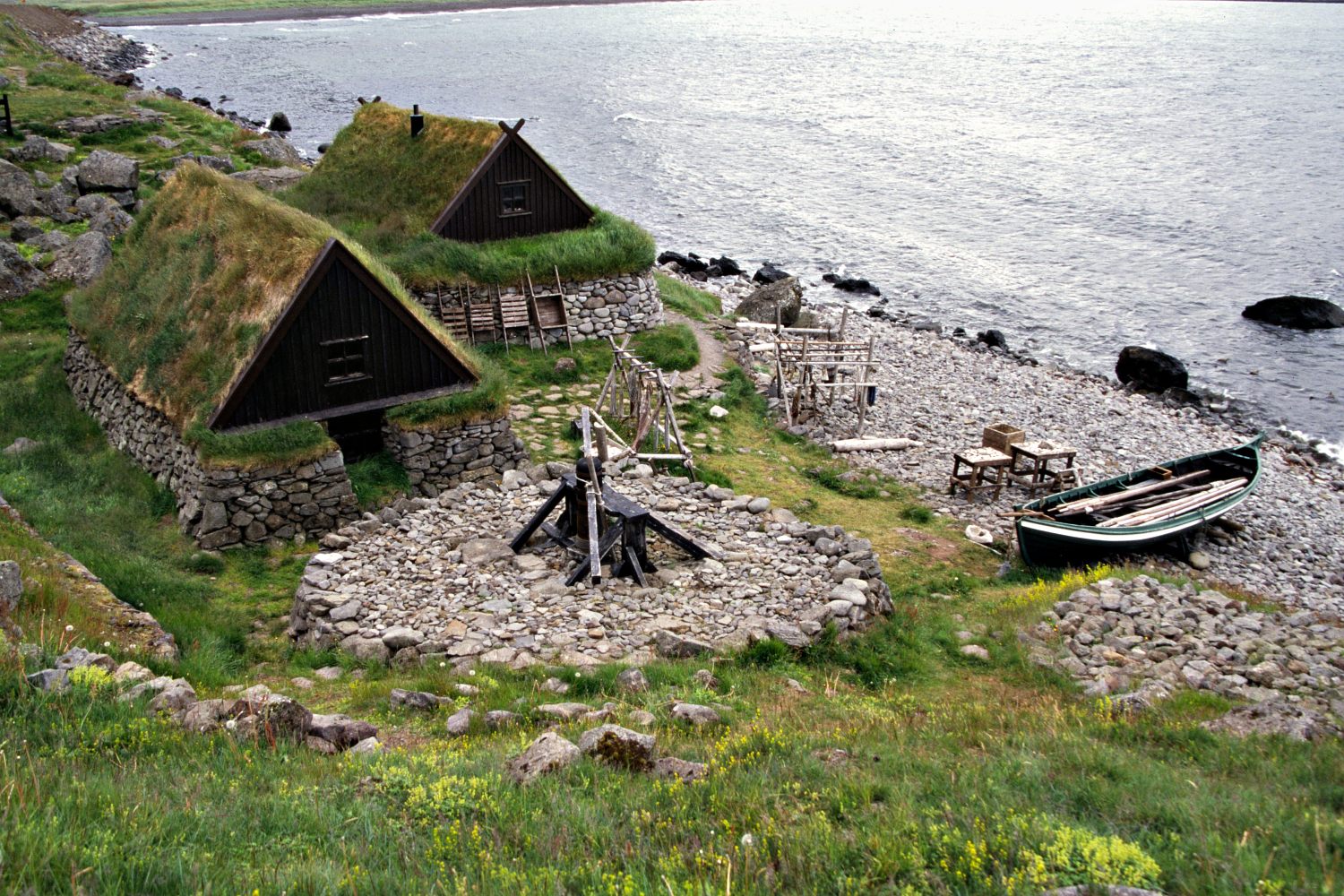
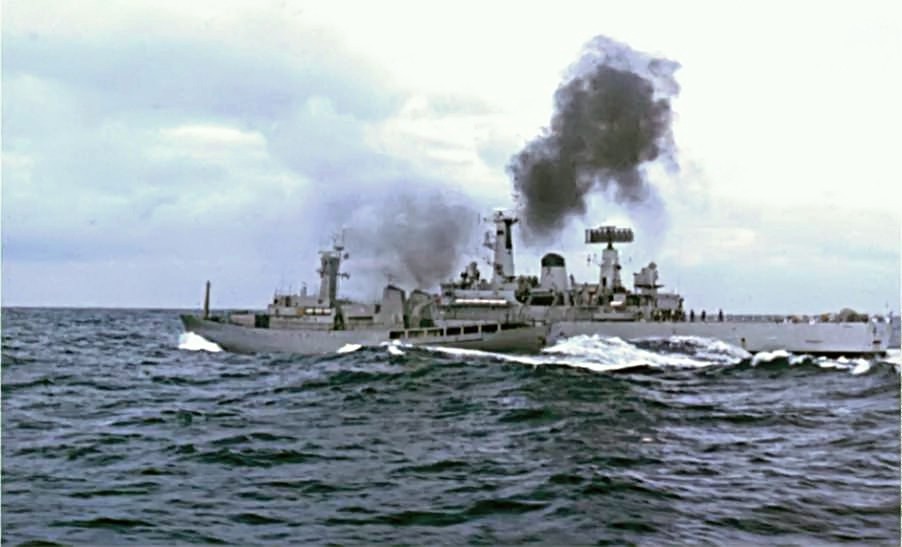
A national revival in the nineteenth century led, step by step, to independence, and Iceland became a fully sovereign republic in 1944, during the wartime years when it was occupied by British and then American forces. In the decades that followed the young nation fought the so-called Cod Wars, a series of confrontations with Britain over fishing rights in the waters around the island, on which its livelihood depended, and won, extending its control far out to sea.
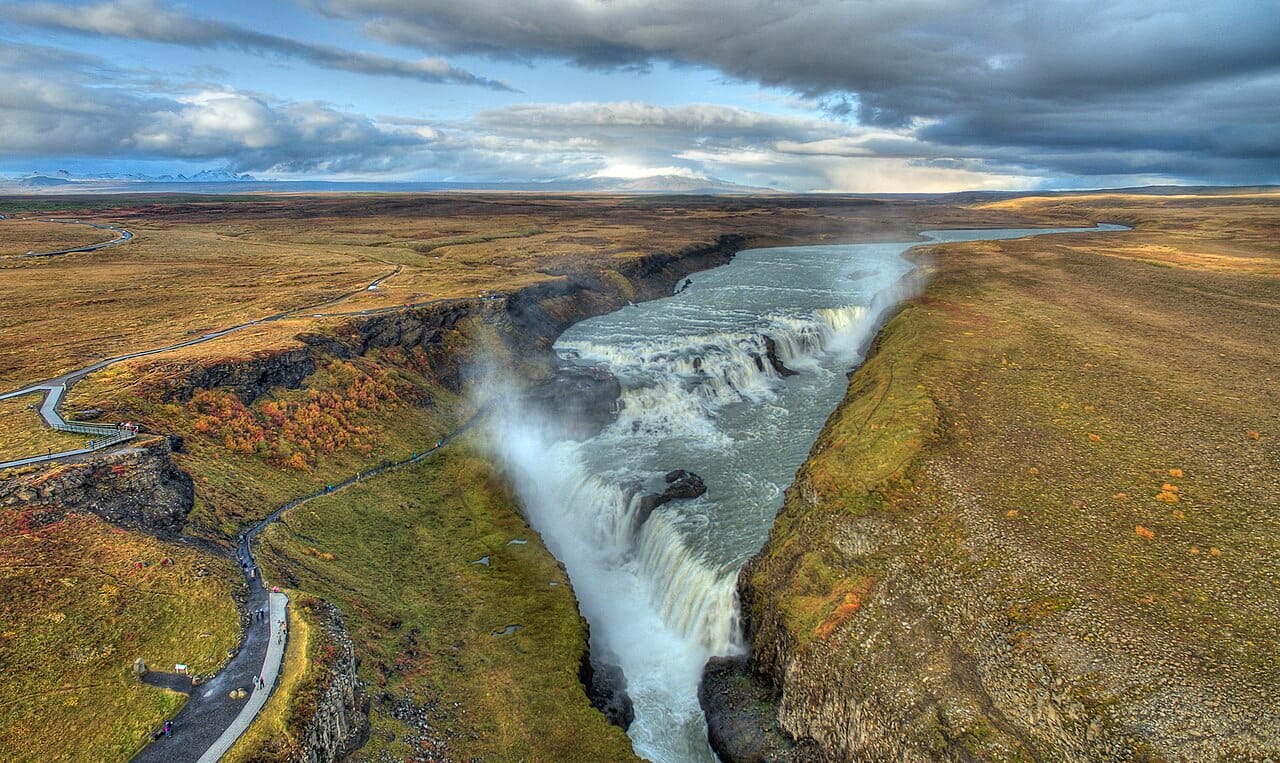
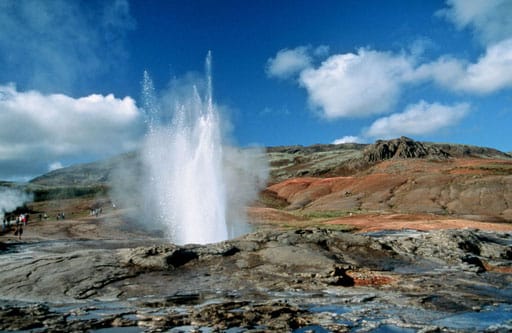
Iceland sits astride the boundary where the North American and Eurasian tectonic plates pull apart, making it one of the most volcanically active places on Earth, as recent years of eruptions on the Reykjanes peninsula have vividly shown. Its landscape is starkly beautiful: glaciers and ice caps, fields of lava and black sand, steaming geothermal springs and geysers, and countless waterfalls. Much of the interior is an uninhabitable highland desert, so the population clings to the greener coast. Harnessed geothermal energy heats the country's homes and, with hydropower, provides virtually all its electricity.
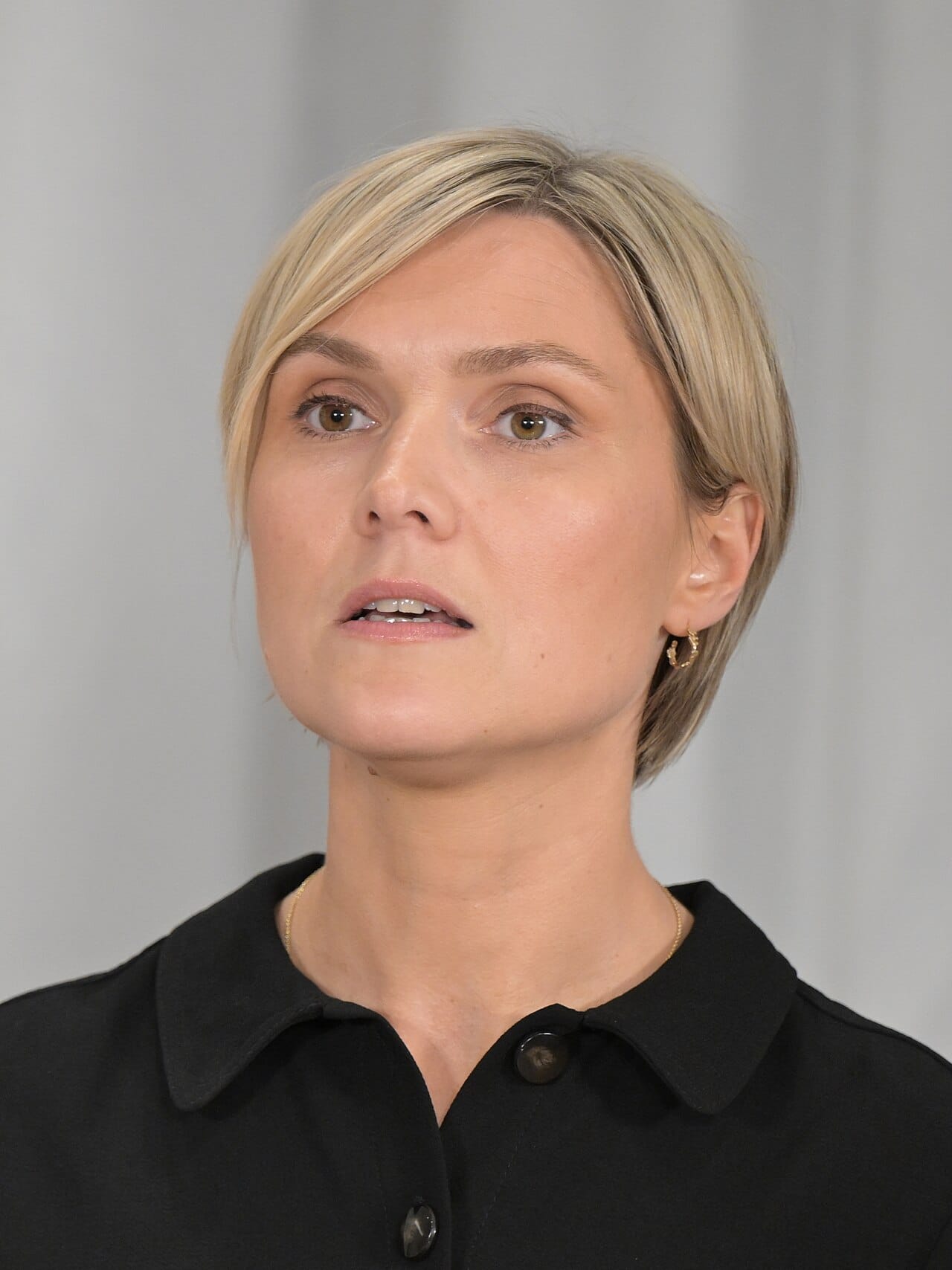
Iceland is a parliamentary republic, governed by the Althing, whose lineage reaches back over a thousand years. A directly elected president serves as a largely ceremonial head of state, while a prime minister drawn from the multiparty parliament leads the government; the prime minister since late 2024 is Kristrun Frostadottir, at the head of a coalition. Iceland is renowned for the strength of its democracy and its record on equality, having elected the world's first democratically chosen woman president as long ago as 1980. It is a member of NATO, keeps no standing army, and has chosen to remain outside the European Union.
For most of its history Iceland lived from the sea, and fishing remains a pillar of the economy and a major export. But the modern country has diversified remarkably. Blessed with abundant clean energy from water and geothermal heat, it generates virtually all its electricity from renewable sources and uses the cheap power to smelt aluminium. Above all, tourism has transformed the nation in little more than a decade: drawn by its otherworldly landscapes, visitors now arrive in numbers many times the size of the population, bringing prosperity but also straining a small and fragile country. Iceland's dramatic banking collapse in the 2008 global crisis, followed by a strong recovery, is a cautionary chapter in its recent story.
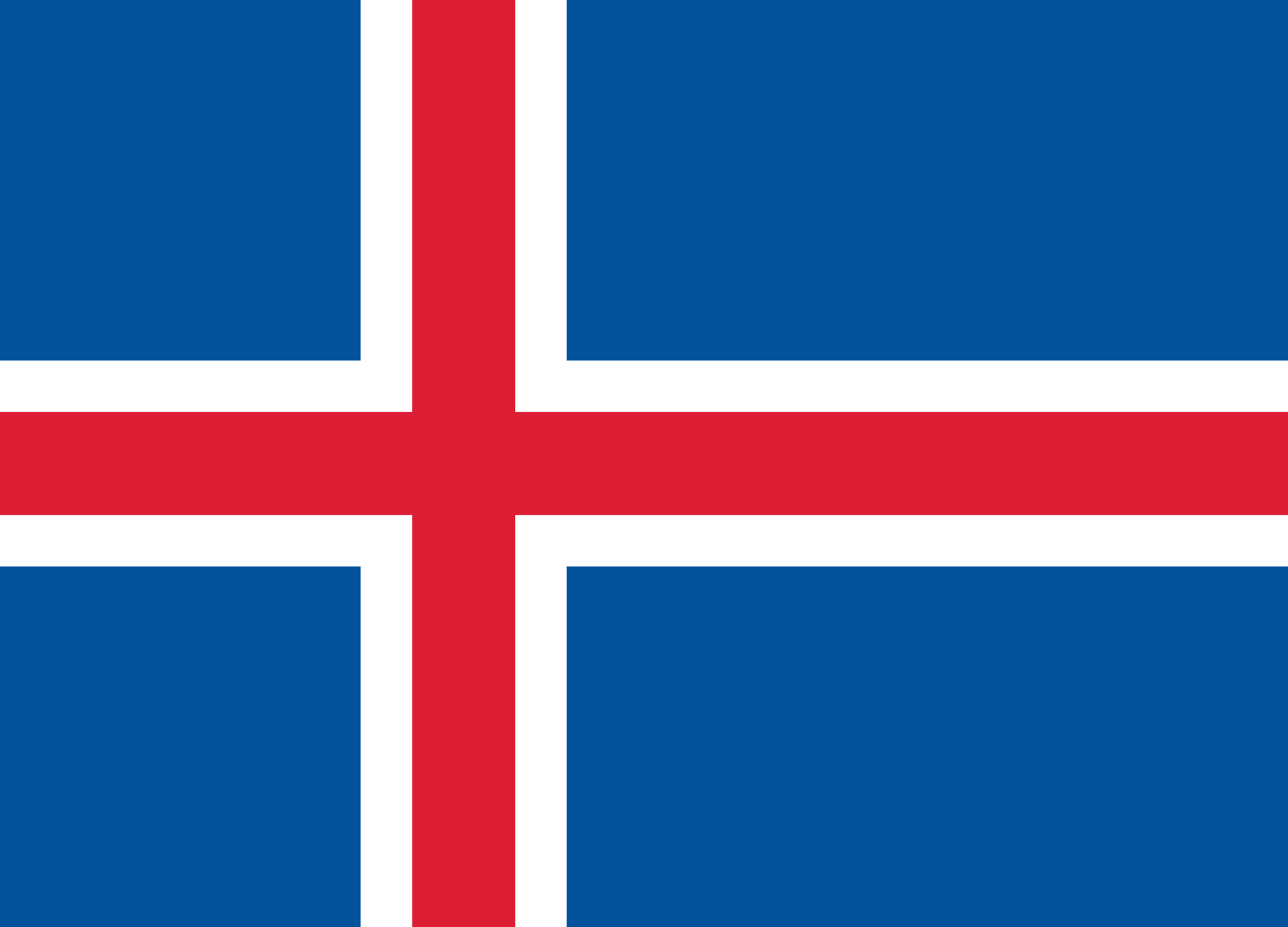
The flag of Iceland is blue with a white-bordered red Nordic cross, sharing the offset cross pattern of the other Nordic nations. The colours are said to reflect the island itself: the blue for the surrounding ocean and the mountains, the white for the snow and ice, and the red for the volcanic fire beneath, capturing the land of fire and ice in a single emblem. The flag was adopted as the country moved toward independence.
Iceland is historically a Lutheran country, with the Evangelical Lutheran Church as the national church to which most Icelanders belong, though, as across the Nordic region, active religious practice is low and the society is largely secular. Iceland is also notable for a modern revival of the old Norse pagan religion, honouring the gods of the Vikings, which has a small but officially recognised following, reflecting a strong interest in the island's medieval heritage.
Icelandic cuisine was shaped by the need to survive in a harsh, isolated land, relying on fish, lamb, and dairy. Fish, fresh and dried, and the meat of free-ranging sheep are central, along with skyr, a thick, protein-rich cultured dairy product eaten for centuries. Traditional preserved foods, such as fermented shark, are famous for their pungency and are now eaten mostly as a test of nerve. Rye bread baked using geothermal heat is a local speciality.
Farming in Iceland is severely limited by the cold climate and volcanic soils, so it focuses on raising hardy sheep, which roam the highlands in summer, and dairy cattle. Crops are few, though geothermal heat allows vegetables and even some fruit to be grown in greenhouses warmed by the Earth. Far more important is the sea: fishing and fish processing have long been the backbone of the Icelandic economy, supplying a major export.
For so tiny a nation, Iceland has an outsized cultural life. Its people are famously literary, heirs to the medieval sagas and among the most prolific readers and writers of books per head in the world, so that it is often said that one in ten Icelanders will publish a book. Its music, from Bjork to Sigur Ros, has won a global following far larger than the island's size would suggest. Icelanders keep a strong bond with their heritage: they speak a language so little changed that they can read the old sagas in the original, they name themselves in the ancient way as the son or daughter of their father, and a surprising number entertain, at least playfully, a belief in the elves and hidden folk of Norse folklore. It is a small, close-knit, and highly modern society, proud of its remote and dramatic homeland.
One practice sets Iceland at odds with much of the world: it is one of only a handful of countries that still permit commercial whaling, hunting fin and minke whales in its waters. Defenders present it as a sustainable use of a natural resource and a matter of national sovereignty, no different in principle from fishing. But opposition has grown loud, both abroad, where the hunt is widely condemned as cruel and unnecessary, and at home, where whale-watching has become a far more valuable business than whaling and many Icelanders question why it continues at all. The government has repeatedly suspended, restricted, and then renewed the hunt, and the fin-whale season now hangs by a thread. Whether a modern, green, tourism-loving Iceland should go on killing whales is a genuinely open and much-argued question.
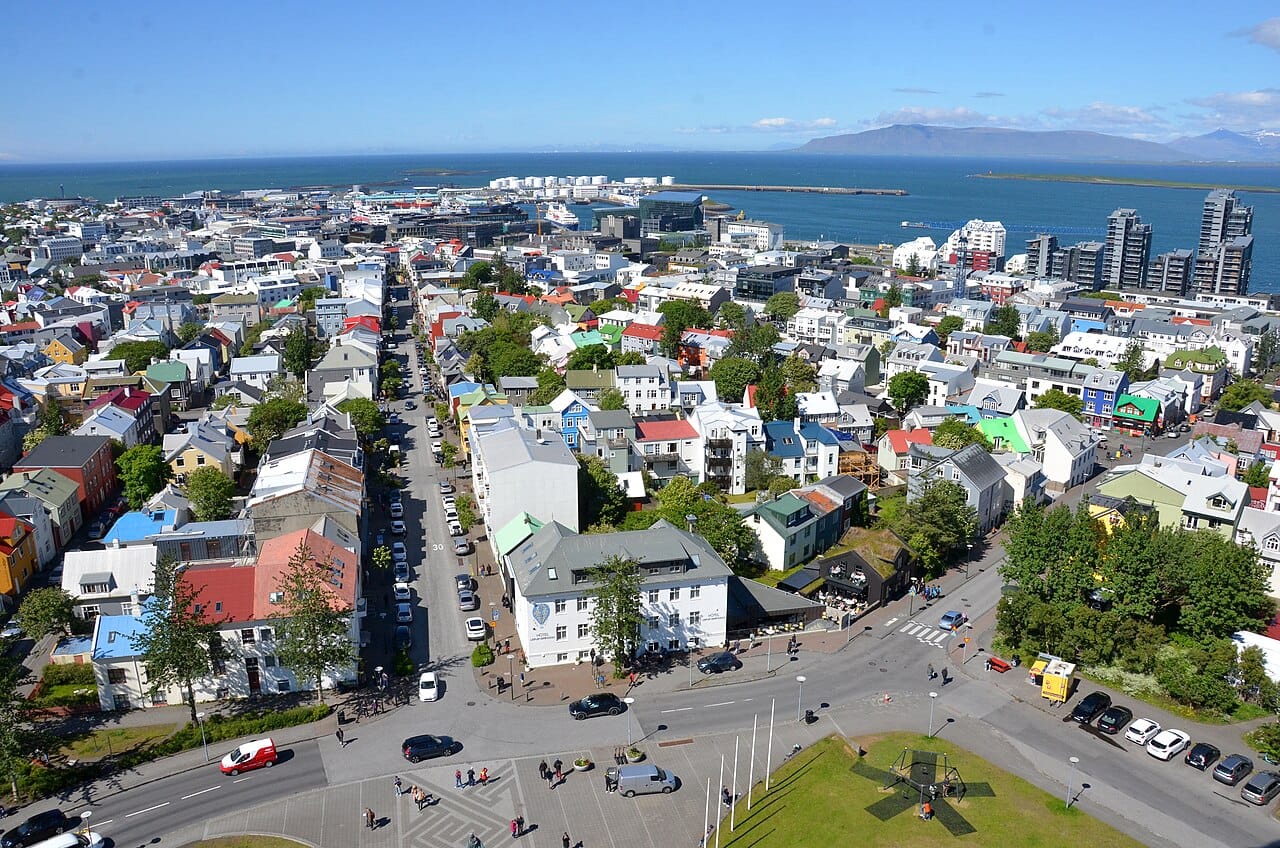
Iceland has a population of only around 390,000 people, among the smallest of any country in Europe, and one of the most homogeneous, descended largely from the original Norse and Celtic settlers and speaking a language that has changed little in a thousand years. The great majority live in the southwest, in and around the capital, Reykjavik, the northernmost capital of a sovereign state. Icelanders enjoy a high standard of living and a strong cultural and literary tradition.