Guinea-Bissau is a small country on the Atlantic coast of West Africa, a low, watery land of mangrove creeks, rivers, and the scattered Bijagos Islands. Once a Portuguese colony, it was the site of one of Africa's most effective wars of liberation, led by a celebrated revolutionary thinker. Since independence, however, it has been troubled by chronic political instability and coups, and in recent times by its use as a transit point in the international drug trade, leaving one of the poorest countries in the world.
Guinea-Bissau's history holds a striking paradox: a country that waged one of Africa's most brilliant liberation struggles, only to spend its independence in almost unbroken turmoil.
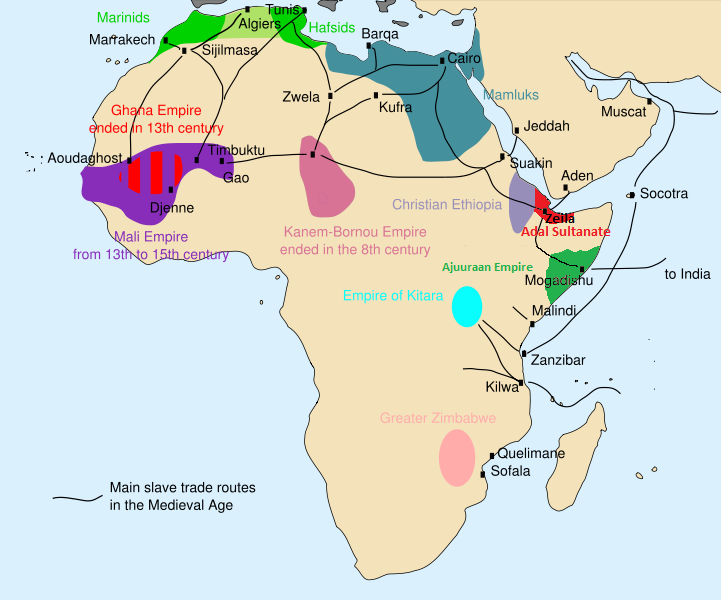
The region lay within the orbit of the great medieval Mali Empire and was home to the kingdom of Kaabu, before Portuguese traders reached the coast in the fifteenth century. Its rivers and islands became a major centre of the Atlantic slave trade, from which countless captives were shipped to the Americas, and the territory was eventually formalised as the colony of Portuguese Guinea, one of the oldest and most neglected of Portugal's African possessions.
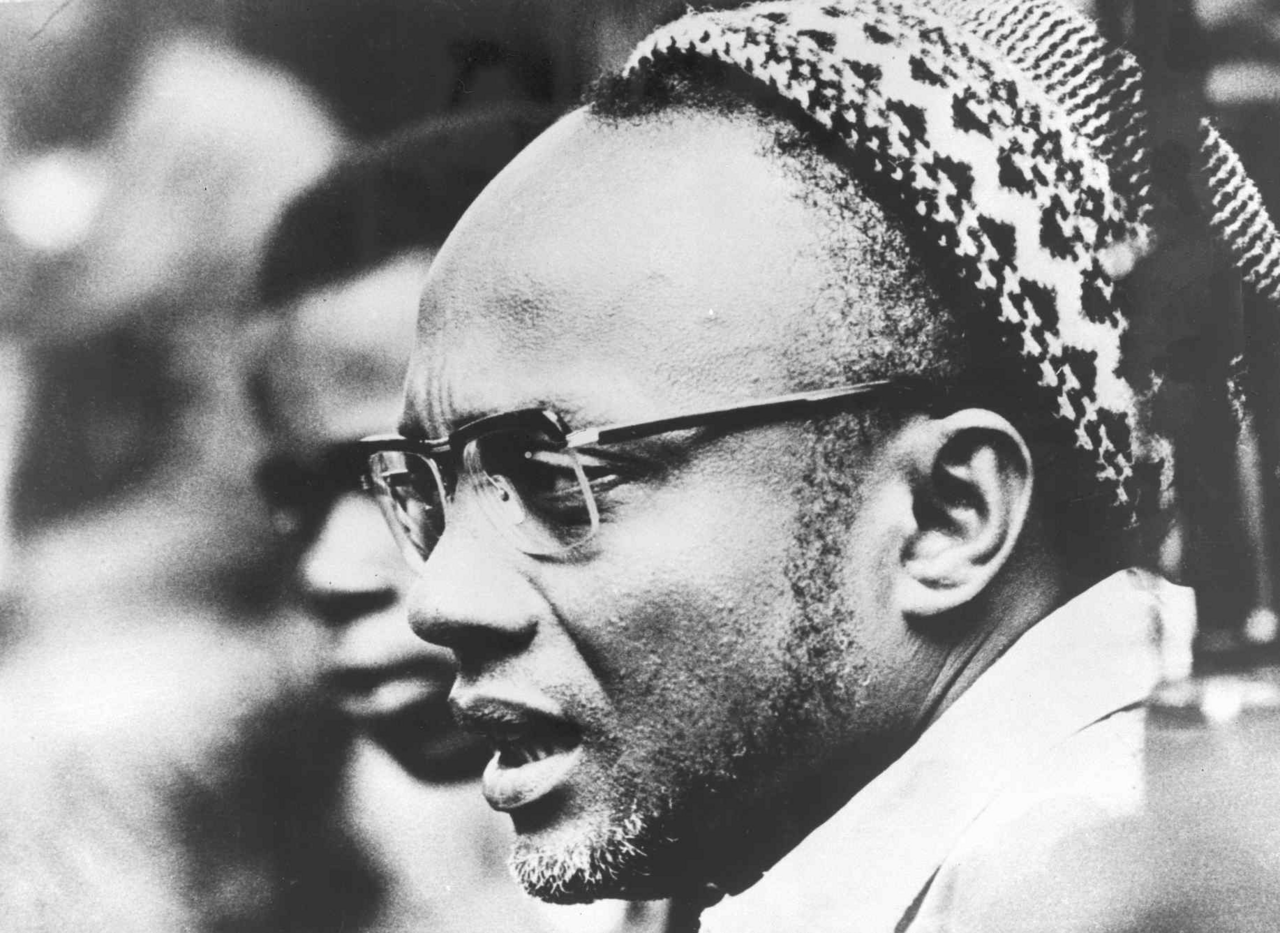
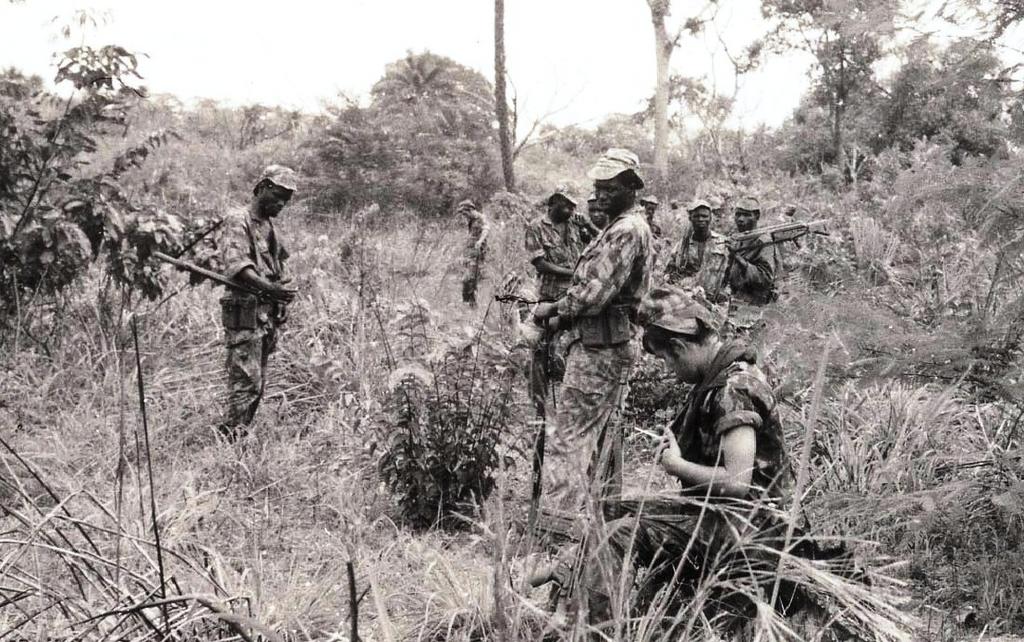
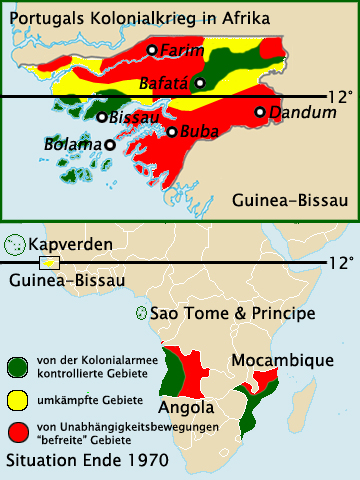
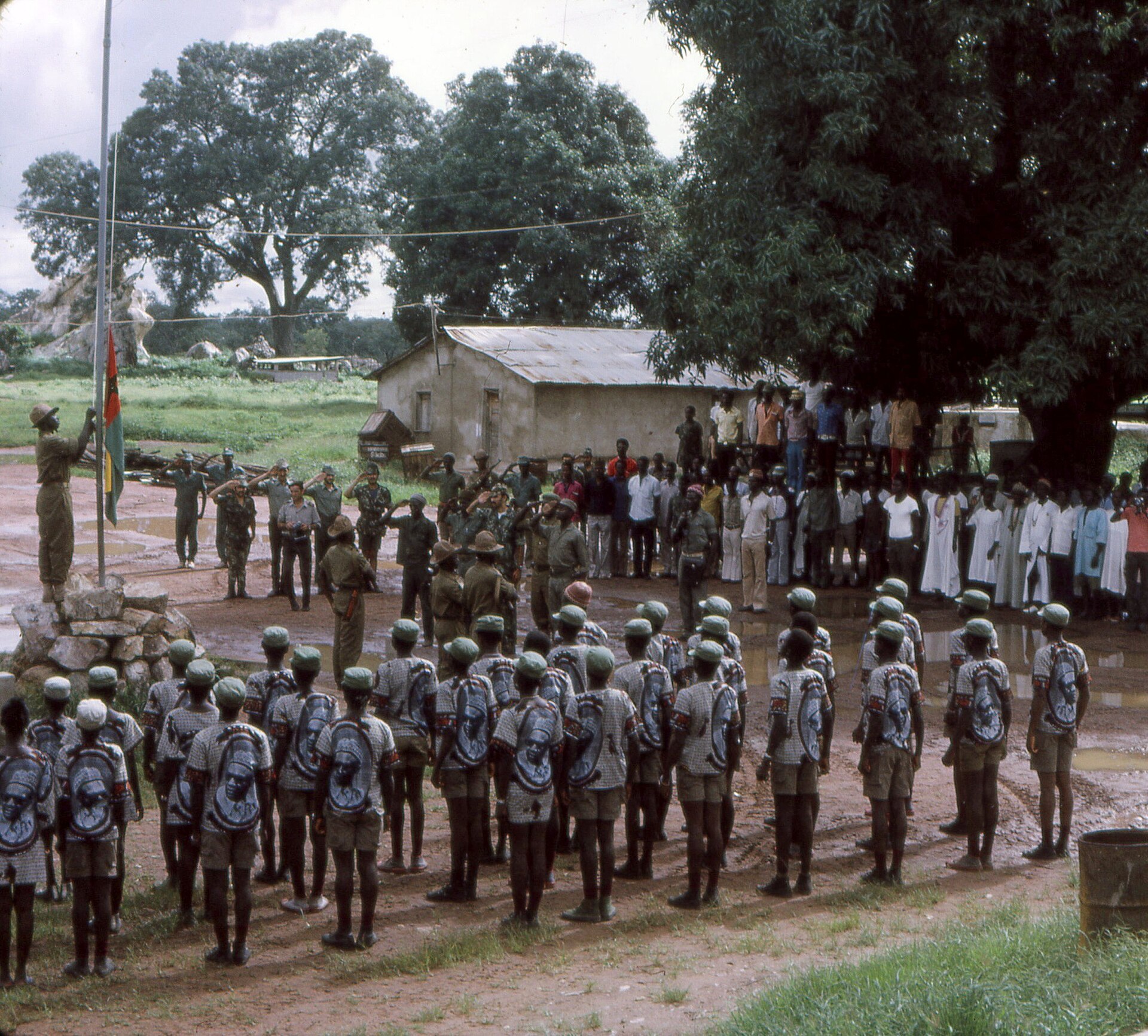
In the 1960s the territory became the scene of a remarkably effective armed struggle for independence, led by Amilcar Cabral, a revolutionary thinker admired across Africa for both his ideas and his generalship. His party, the PAIGC, waged a guerrilla war that won control of much of the countryside and pinned down the Portuguese army, a fight so draining that it helped bring down Portugal's own dictatorship in 1974. Cabral himself was assassinated in 1973, on the eve of the victory he had made possible.
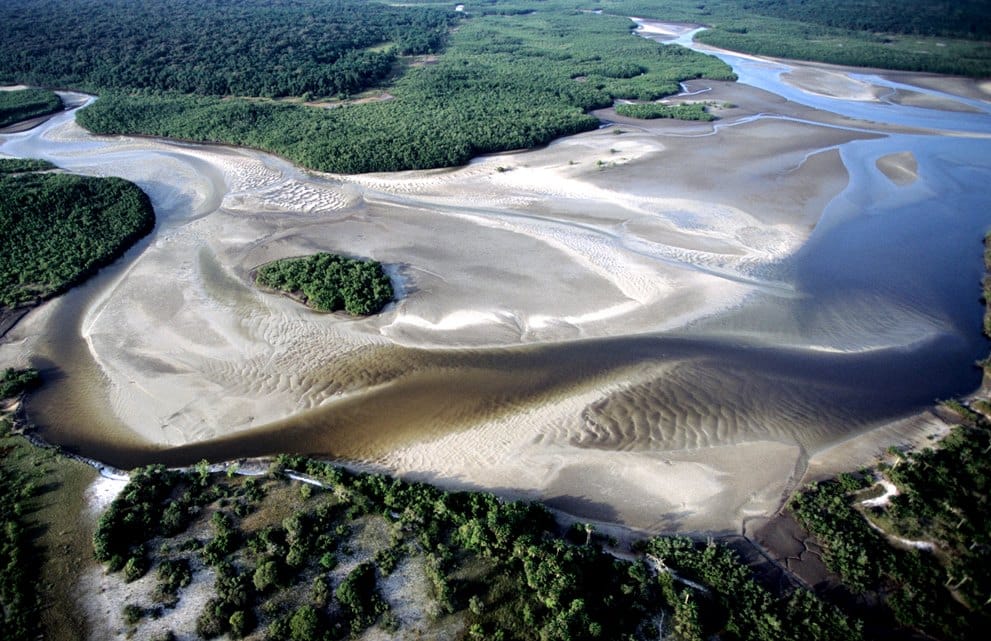
Guinea-Bissau is a small, low-lying country of tropical coast and interior savanna. Its Atlantic coastline is deeply indented with rivers, estuaries, and mangrove swamps, fringed by the Bijagos Archipelago, a scatter of low islands of great ecological richness. Inland the land rises gently to wooded savanna toward the eastern borders. The hot, humid climate and the maze of waterways have shaped settlement and farming, and the islands and coast are noted for their wildlife, including rare saltwater hippos.
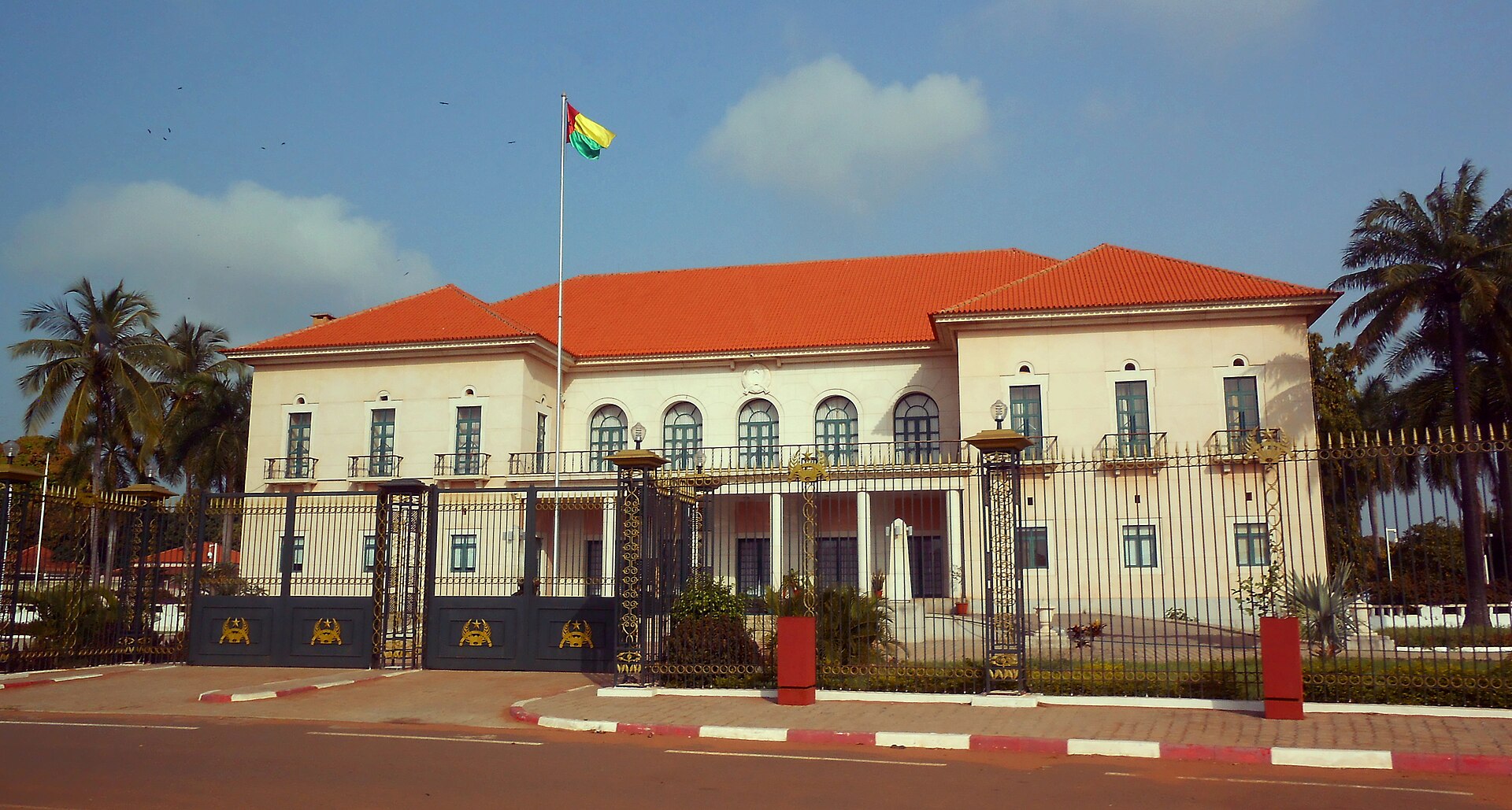
Guinea-Bissau is one of the most politically unstable countries in the world. Since independence in 1974, no elected president has served a full term, and the country's history is a near-unbroken chronicle of coups, mutinies, and assassinations: a president was shot dead in 2009, coups or attempts have recurred again and again, and the military has repeatedly loomed over civilian rule. That pattern held into the present. President Umaro Sissoco Embalo, elected in 2020, governed amid constant crisis, and in late 2025, around a contested presidential election, the military once again seized power, ousting him and installing a transitional government, the latest turn in the cycle. Rebuilding institutions strong enough to break that cycle is the country's most fundamental challenge.

The flag of Guinea-Bissau has a vertical red band at the hoist bearing a black five-pointed star, and two horizontal bands of yellow over green. These are the pan-African colours: the red represents the blood shed in the struggle for independence, the yellow the sun and the country's harvests, and the green its land and hope, while the black star stands for African unity and freedom. The design reflects the liberation movement and the colours of the wider African independence era.
Guinea-Bissau is religiously diverse, with a large share of the population following traditional African religions, especially in the interior, alongside a Muslim majority or plurality, particularly among the Fula and Mandinka peoples, and a Christian minority, mostly Catholic, a legacy of Portuguese rule and concentrated on the coast. These faiths often coexist and blend, with traditional beliefs and practices remaining influential across communities, even among those who also identify as Muslim or Christian.
The cuisine of Guinea-Bissau is West African, based on rice, which is the staple of most meals and grown in the coastal paddies, served with rich, often spicy sauces. These sauces are made with palm oil, leaves, peanuts, or okra and include fish, abundant from the rivers and the sea, or meat. Jollof rice and other dishes shared with the region are common. The food draws on the produce of the coast and forests, with a Portuguese influence in some dishes.
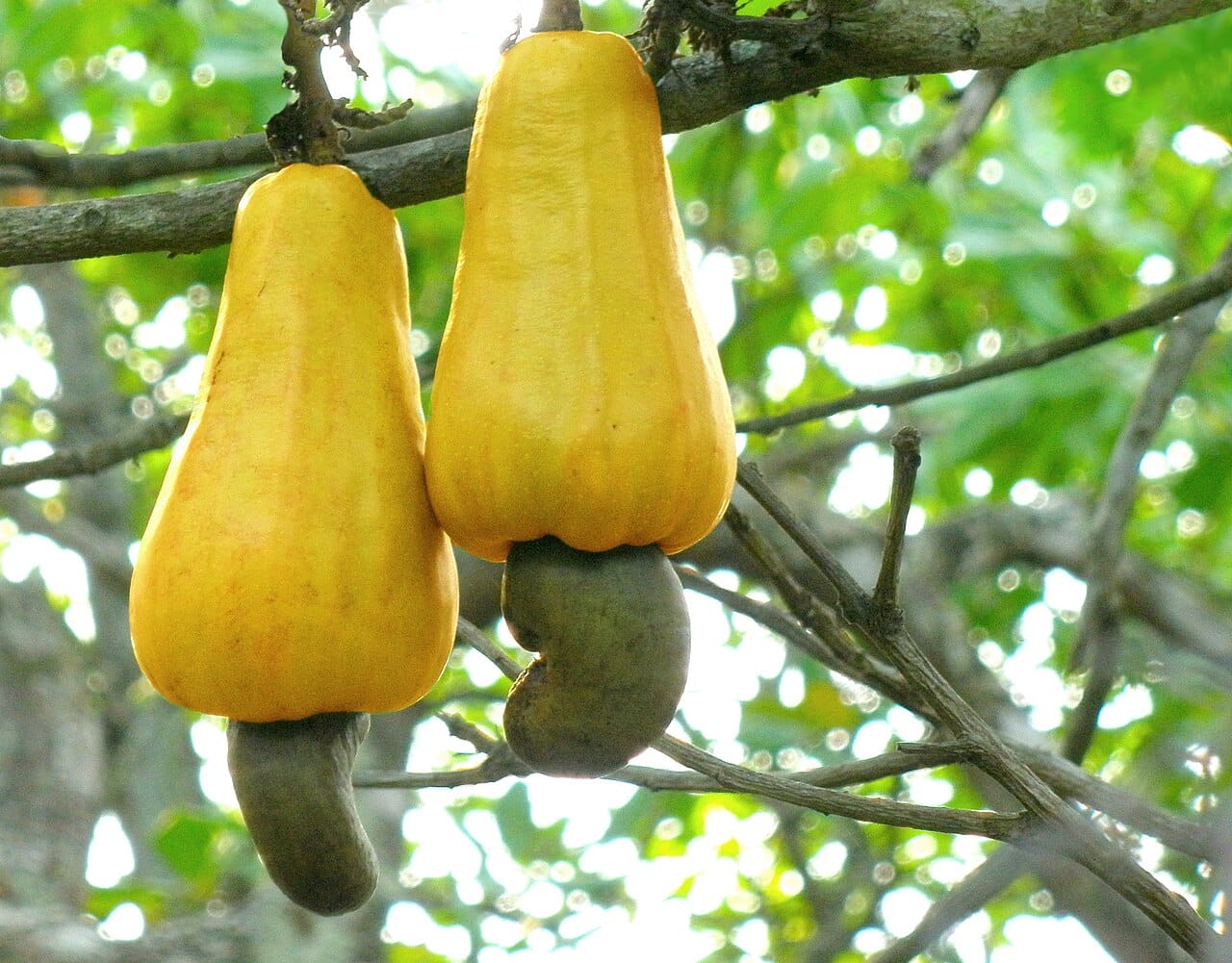
Agriculture is the foundation of Guinea-Bissau's economy and the livelihood of most of its people. The dominant crop is the cashew nut, of which the country is one of the world's significant producers, and which provides the bulk of its export earnings, leaving the economy heavily dependent on a single commodity. Rice is the main food crop, grown in the coastal wetlands, along with other staples. Fishing in the rich coastal waters is important, though much of its potential remains undeveloped.
Guinea-Bissau has earned a grim modern label: one of the world's first narco-states. From the mid-2000s, Latin American drug cartels seized on the country's weakness, its maze of uninhabited islands and creeks, its lack of a functioning coastguard, and above all its corruptible and coup-prone military, to make it a major transit point for cocaine shipped from South America to Europe. The trade brought sums of money vast enough to dwarf the entire national budget, and with it a deepening entanglement between traffickers and the state: senior military officers were implicated, one former navy chief was lured out to sea and arrested by American agents, and the drug money is widely believed to have financed the very coups and rivalries that keep the country unstable.
How deep the rot runs, and whether recent years have brought any improvement, is disputed, and the secrecy of the trade makes firm numbers impossible. The government of the day always insists it is fighting the traffickers; critics, and international bodies, warn that the line between the two has often been hard to find. What is not in doubt is that the cocaine road has entrenched the corruption and instability that hold one of the world's poorest countries back. This account records the documented concerns.
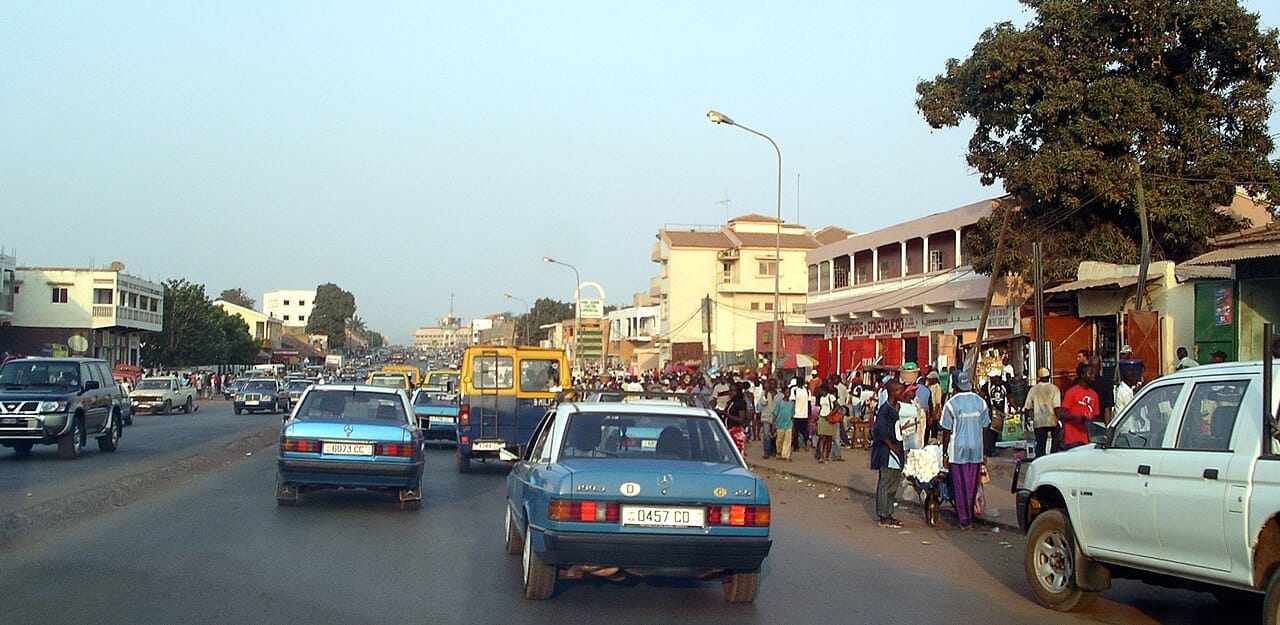
Guinea-Bissau has a population of around 2 million people, made up of many ethnic groups, the largest including the Balanta, Fula, and Mandinka, speaking a range of languages, with Portuguese the official tongue and a Portuguese-based creole serving as a common language. The population is young and largely rural, concentrated on the coast and along the rivers, with the capital, Bissau, on the coast. Despite its natural resources, the country remains among the poorest and least stable in the world.