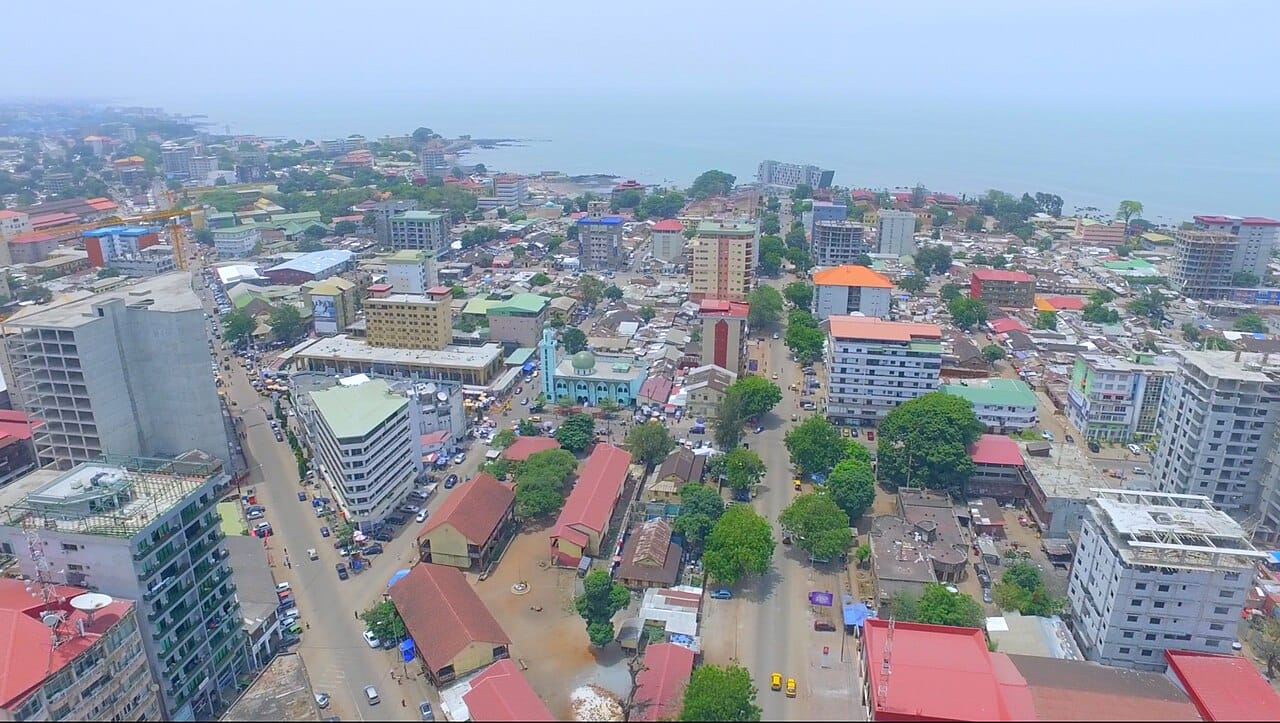
Guinea is a country on the Atlantic coast of West Africa, a land of green highlands, savanna, and forest that is sometimes called the water tower of the region, for the great rivers that rise within it. Holding some of the world's largest reserves of the aluminium ore bauxite, it is a nation of immense mineral wealth that has nonetheless struggled with poverty and authoritarian rule. It was the first French colony in Africa to choose immediate and complete independence.
Guinea's history runs from the great empires and Islamic states of West Africa, through a famous act of defiance toward France, to decades of authoritarian rule under leaders who rarely leave willingly.
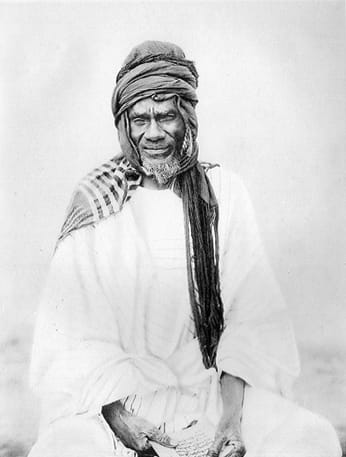
The lands of Guinea lay at the edge of the great medieval West African empires of Ghana, Mali, and Songhai, and in the eighteenth century the highland region of Fouta Djallon became a powerful Islamic state and a renowned centre of learning. In the late nineteenth century, as France pushed inland, it met fierce resistance from Samory Ture, who forged his own Wassoulou Empire and fought the French for nearly two decades before his capture, becoming an enduring hero of African resistance to colonialism.
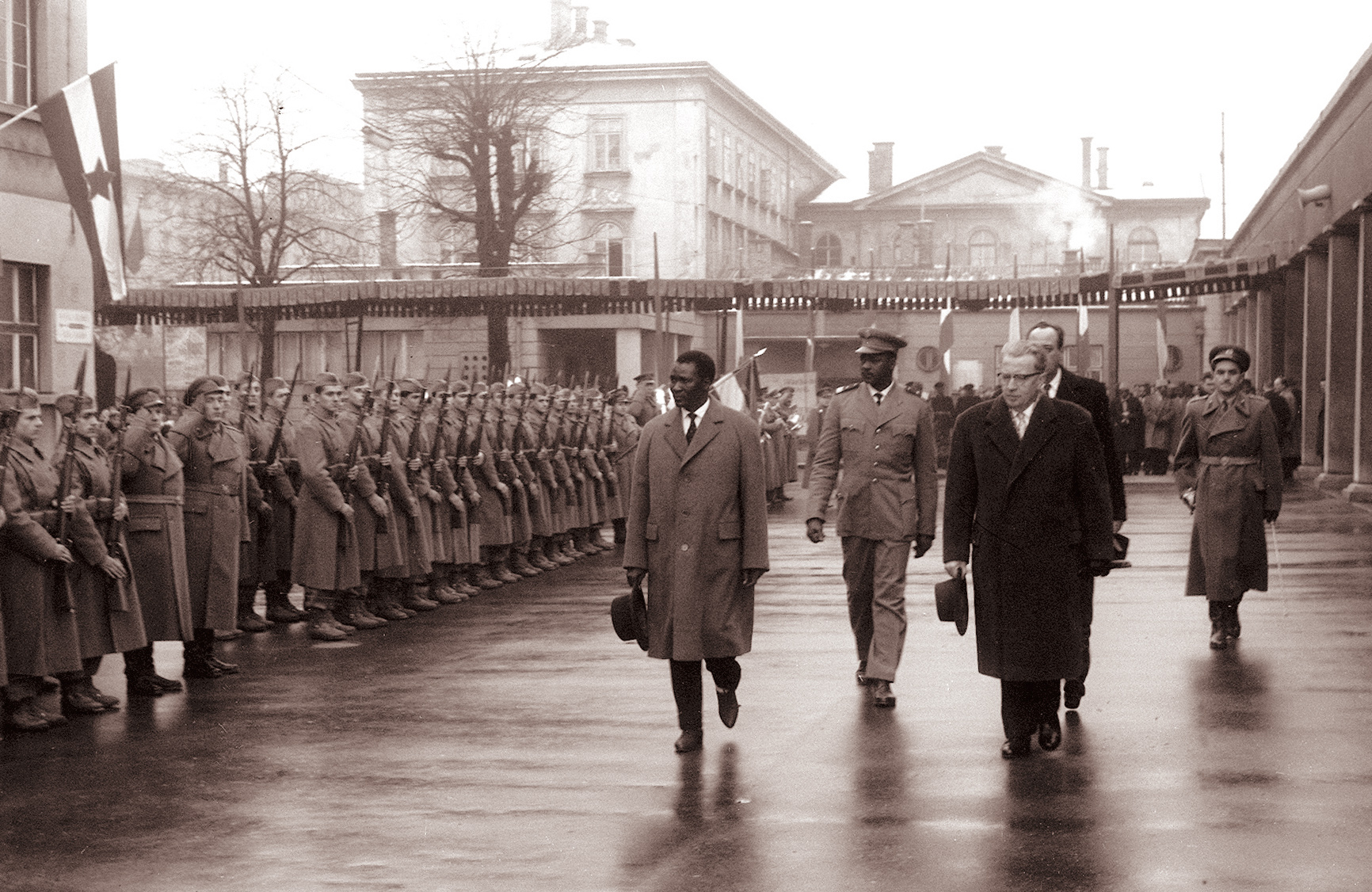
In 1958 Guinea made a historic choice. Offered a vote on remaining associated with France, it alone among France's African colonies said no, choosing immediate and complete independence, whereupon a furious France withdrew abruptly, stripping the country even of its files and fixtures. The independence leader Ahmed Sekou Ture then ruled Guinea for over a quarter of a century as a repressive one-party socialist state, aligned with the communist bloc, isolating the country and driving many into exile.
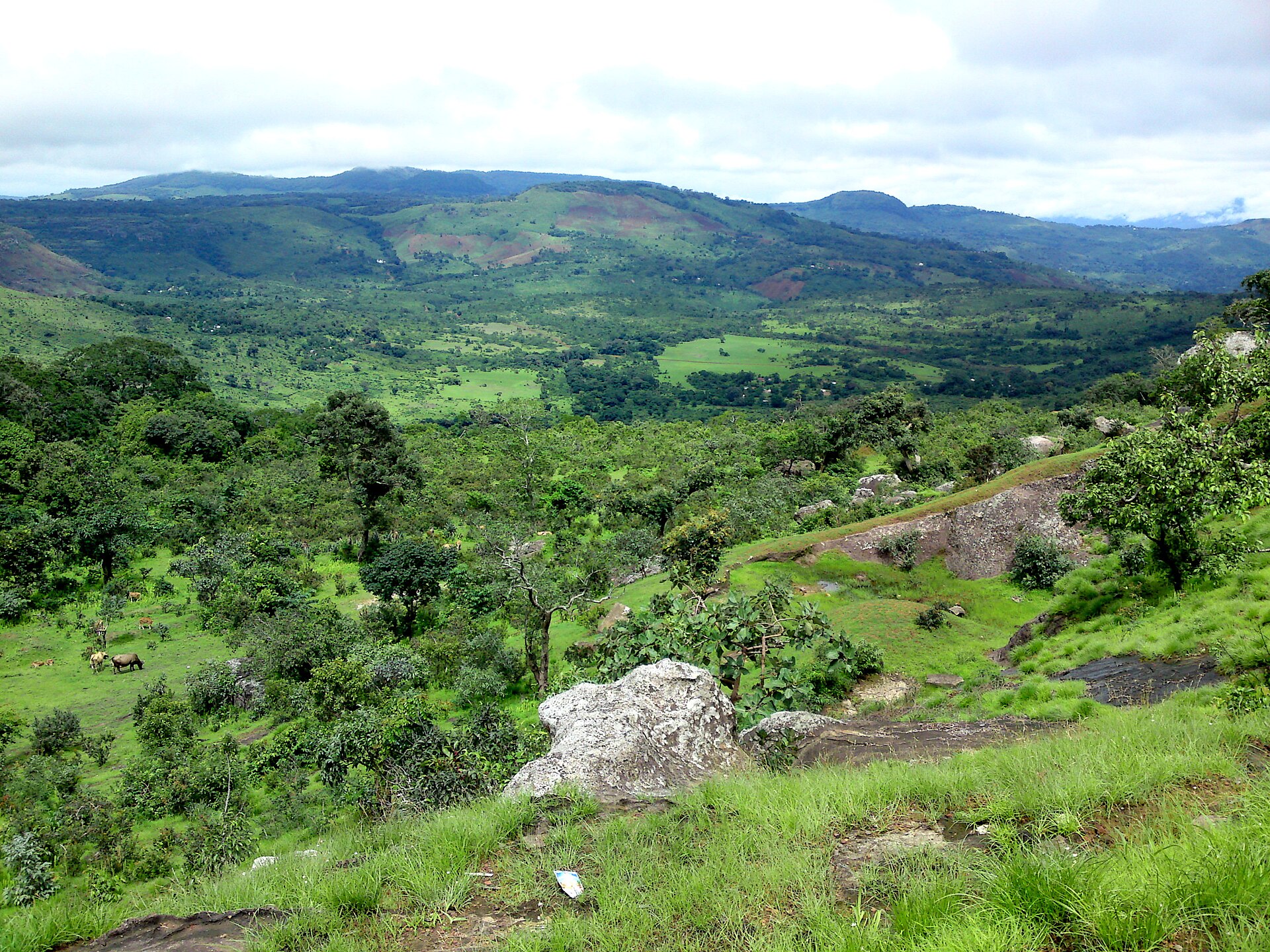
Guinea has a varied landscape divided into four natural regions: a humid coastal plain on the Atlantic, the cool highlands of the Fouta Djallon in the centre, the dry savanna of Upper Guinea in the northeast, and the rainforest of the southeast. The Fouta Djallon highlands are especially important, for the great rivers of West Africa, including the Niger, the Senegal, and the Gambia, all rise there, earning Guinea its nickname as the water tower of the region.
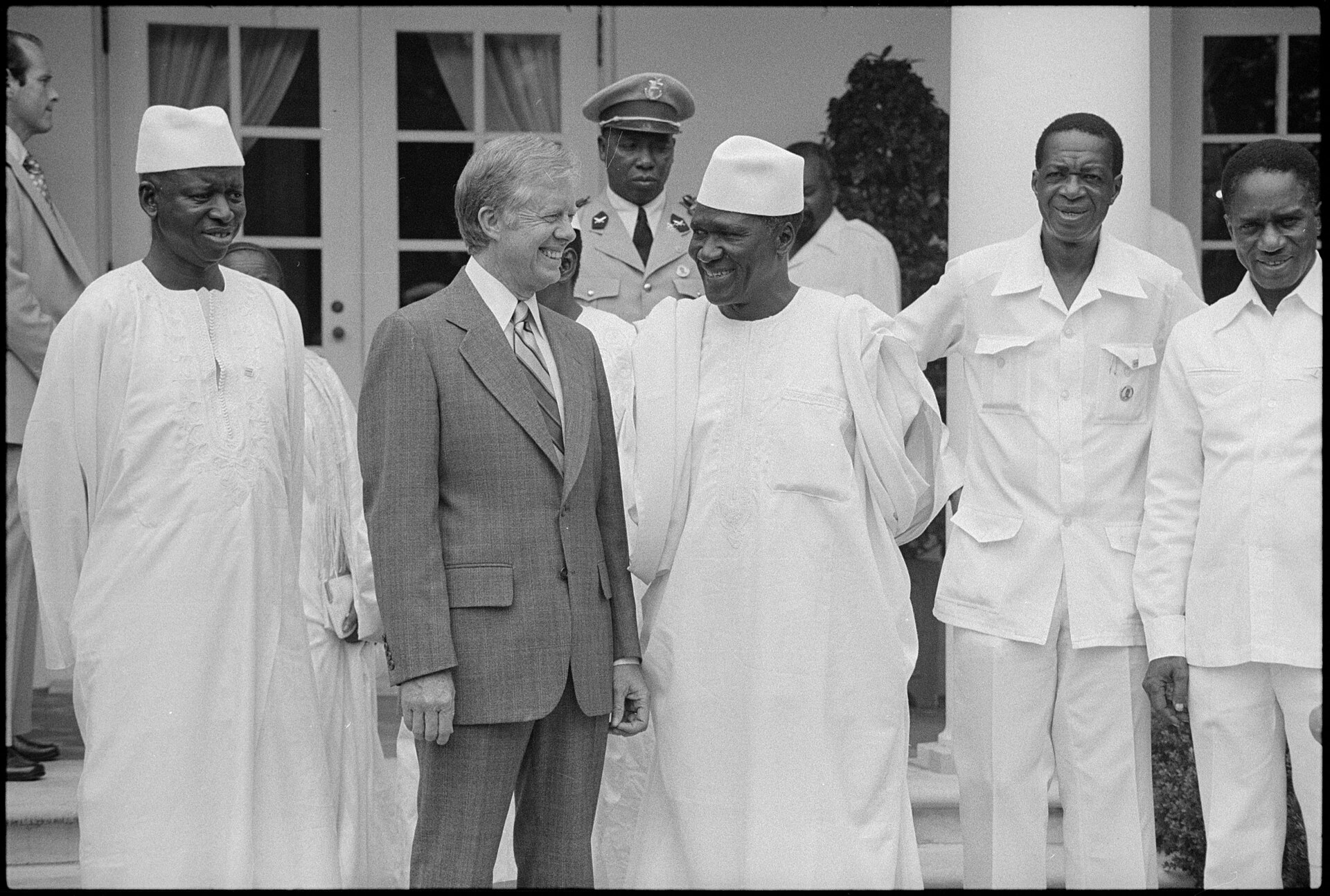
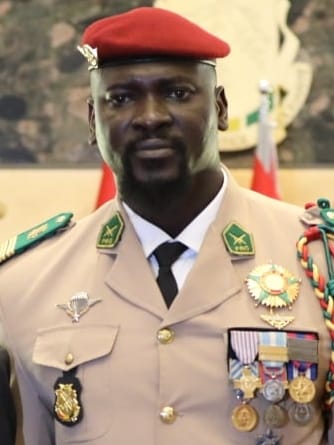
Guinea has struggled to escape a cycle of authoritarian and military rule. After Sekou Ture's death in 1984 the army seized power, and Lansana Conte ruled for over two decades; a period of turbulence and a brief democratic opening under Alpha Conde followed, but Conde's move to secure a controversial third term triggered mass protests and, in 2021, a coup. The colonel who led it, Mamadi Doumbouya, has governed since, and after a referendum and an election in late 2025 that the opposition and international observers sharply criticised, he had himself elected civilian president in a landslide, extending military-rooted rule in civilian dress.
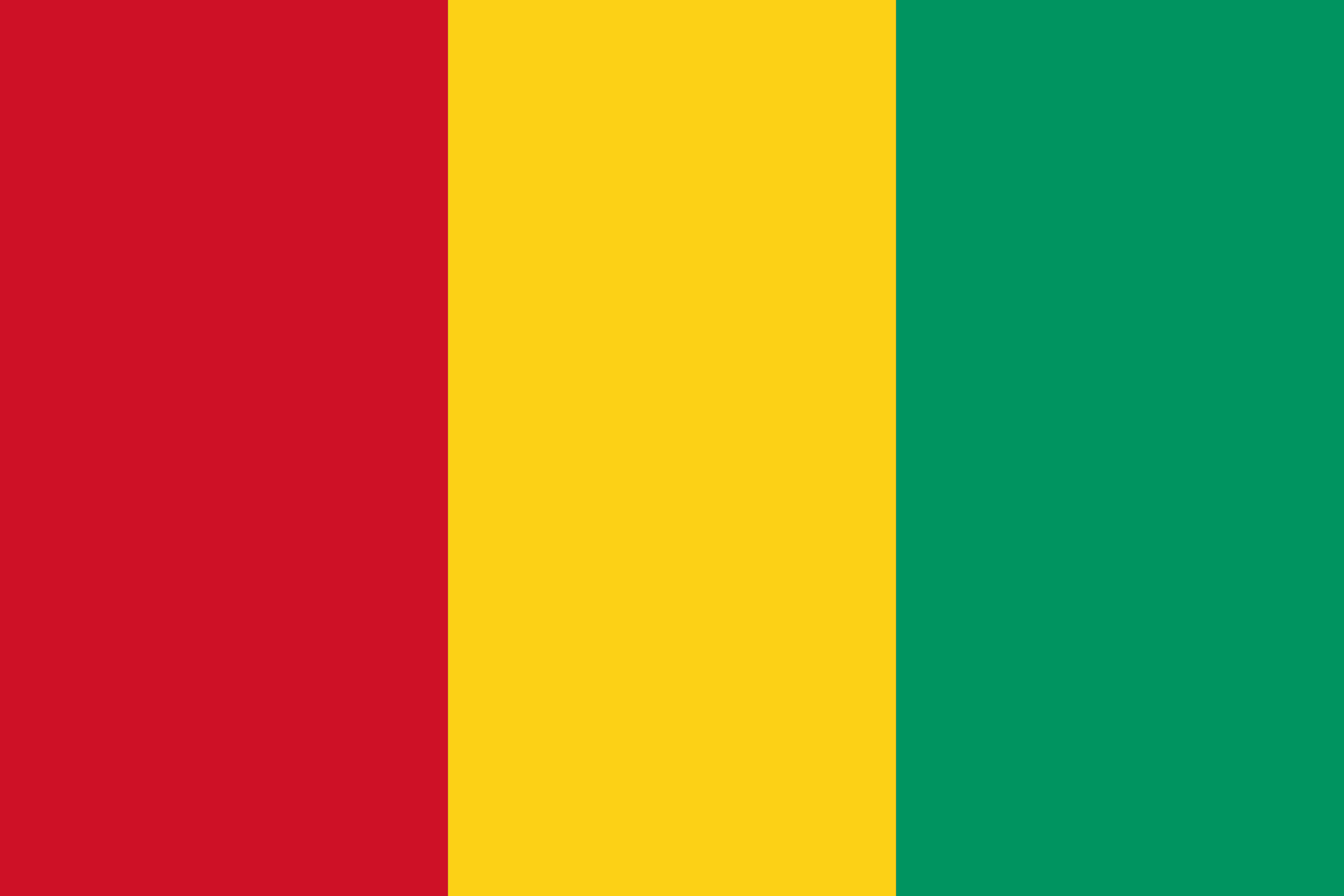
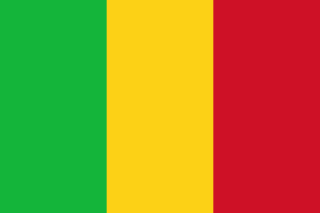
The flag of Guinea has three vertical bands of red, yellow, and green, the pan-African colours, arranged in a pattern resembling a reversed French tricolour. The red is said to represent the blood of those who died for independence and for labour, the yellow the sun and the country's gold and other mineral wealth, and the green its vegetation and agriculture. The colours link Guinea to the wider movement for African unity and freedom that flourished at its independence.
The great majority of Guineans are Muslims, predominantly Sunni, a faith with deep roots in the region, especially in the Fouta Djallon, which was historically a centre of Islamic learning. There are Christian and traditional-religion minorities, particularly in the forested southeast. Islam is central to the culture and daily life of most of the country, often coexisting with older customs, and Sufi traditions have long been influential among Guinea's Muslim communities.
Guinean cuisine is West African in style, based on rice, which is the staple of most meals and grown across the country, served with rich sauces. These sauces are often made with leaves such as cassava or potato leaves, peanuts, or okra, and include meat or fish, while fonio, an ancient and nutritious local grain, is also eaten. Grilled and smoked fish, plantains, and generous use of chili and palm oil characterise a food culture rooted in the produce of the land.
Agriculture employs most Guineans, who grow rice, the dietary staple, along with cassava, maize, fonio, and fruits, much of it on small farms, while coffee and cocoa are grown for export in the forested south. The country's true wealth, however, lies in its minerals: Guinea holds some of the largest reserves of bauxite, the ore from which aluminium is made, in the world, and is a leading global exporter, along with significant deposits of gold, diamonds, and iron ore.
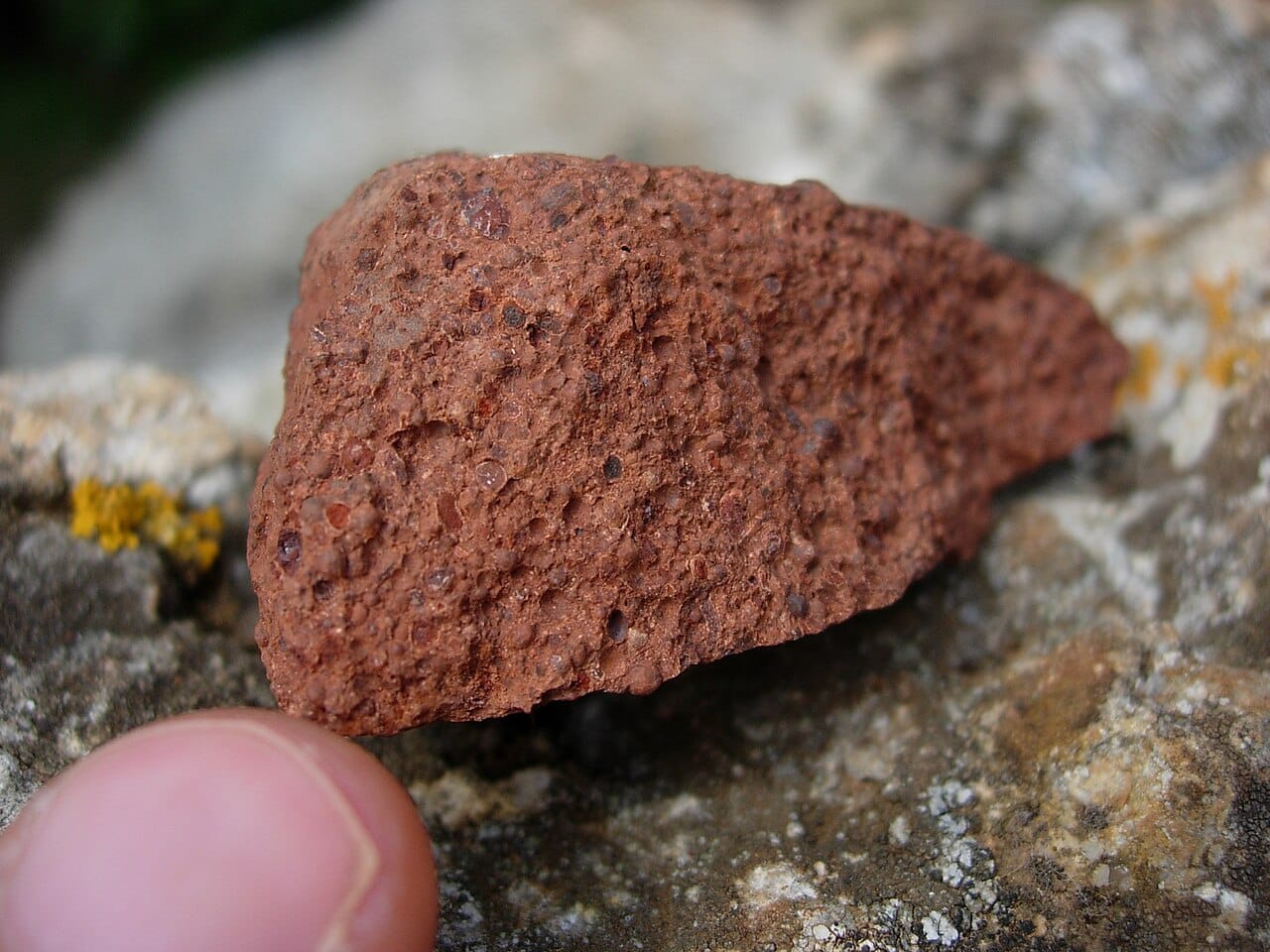
Guinea is a paradox that its people know all too well: a country of extraordinary natural wealth whose population remains among the poorest in the world. It holds perhaps the largest bauxite reserves on Earth, along with vast iron ore, gold, and diamonds, and the water and land to feed a region, yet decades of authoritarian and military rule, mismanagement, and corruption have left most Guineans without reliable electricity, clean water, or good schools. The mines generate great revenues, and a huge, Chinese-led project to exploit the Simandou iron ore deposit promises more, but how much reaches ordinary people is fiercely disputed.
The other running dispute is over democracy itself. Time and again, Guineans have taken to the streets against rulers who cling to power, from the protests against Alpha Conde's third term to opposition to the current junta, and time and again those movements have been met with force. Whether the country's latest strongman, having swapped a uniform for the sash of an elected president, represents stability or simply the newest turn of an old cycle is the question at the heart of its politics. This account records the documented pattern.
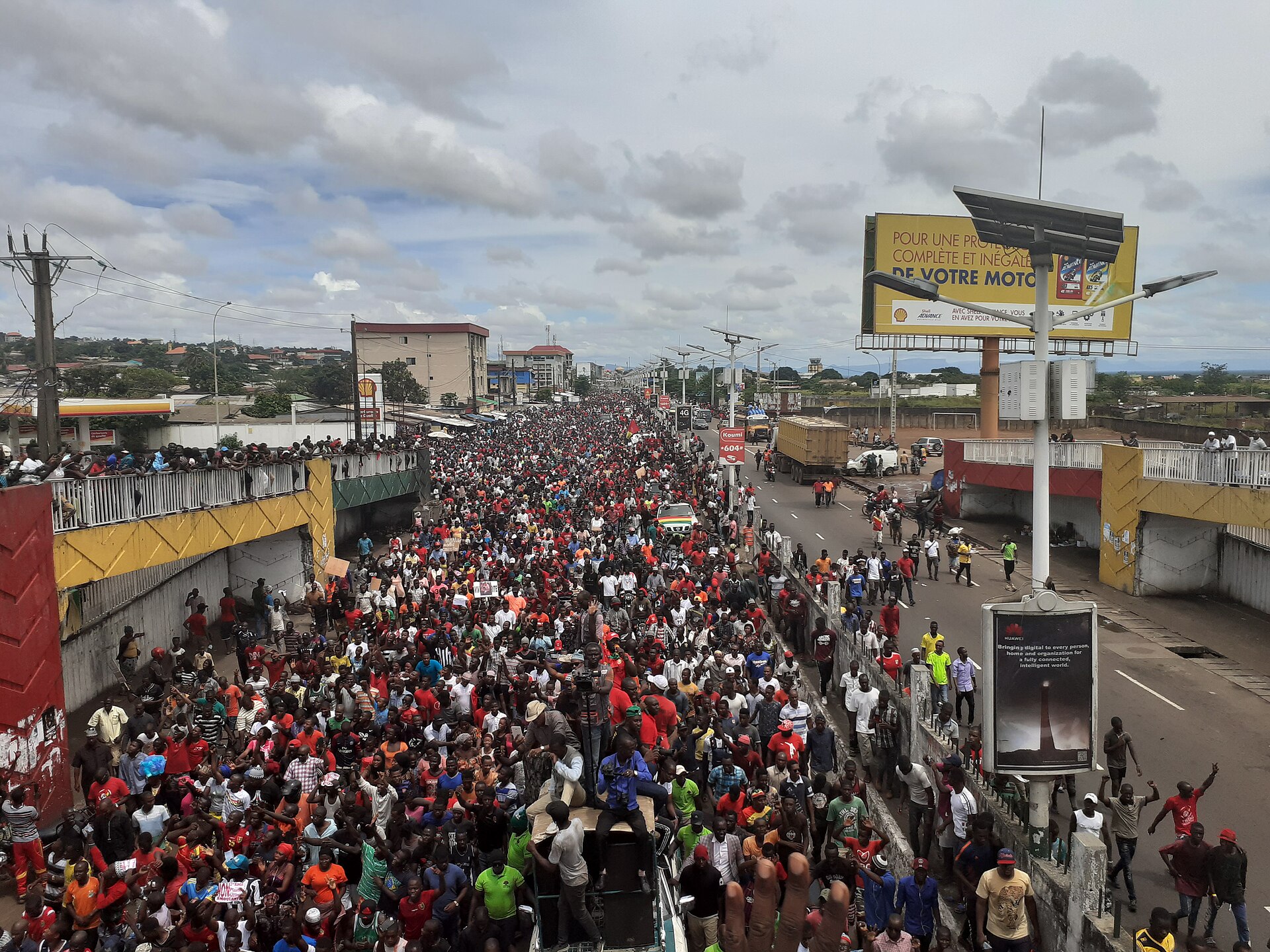
Guinea has a population of around 14 million people, made up of several major ethnic groups, including the Fulani of the Fouta Djallon, the Malinke, and the Susu, speaking many languages with French as the official tongue. The population is young and largely rural, concentrated in the agricultural regions and in the capital and main port, Conakry, on the Atlantic coast. The relationships among the country's main ethnic groups have been an important factor in its politics.